
Reviewed · JAPAN
Open-air theater “Tao- no-Oka” Drum TAO Live performance
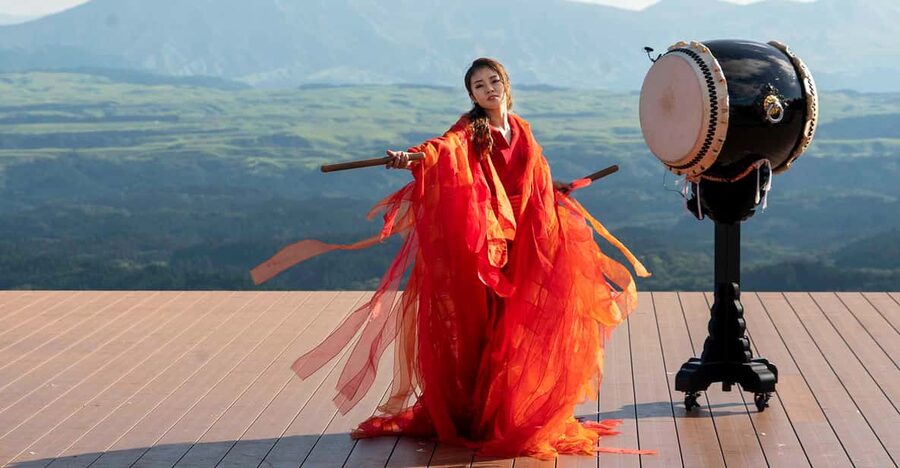
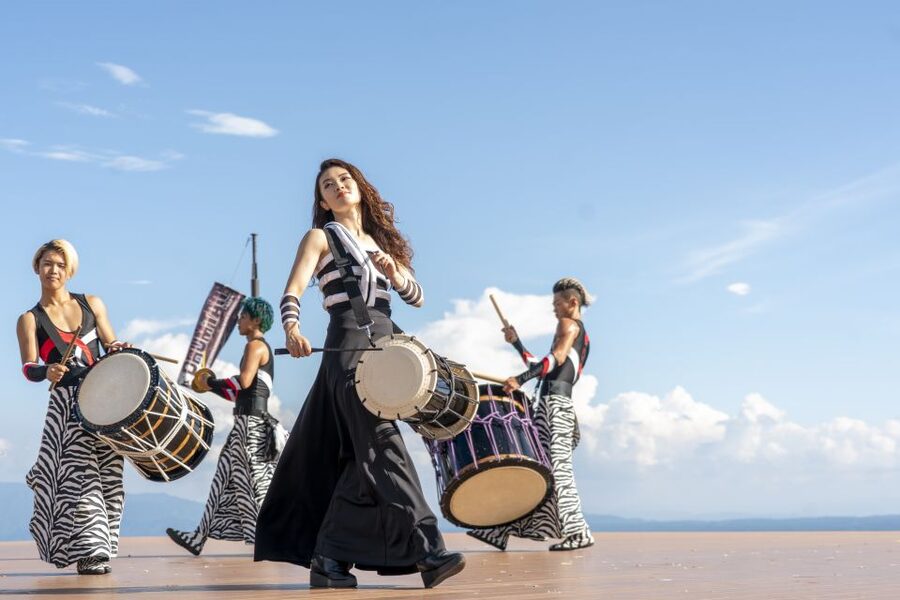
The loudest part of this Kyushu outing is not the scenery. It is the physical force of Drum TAO, whose wadaiko drums, flutes, strings, chants, dance, and acrobatics fill a mountain-top theater at TAO-no-Oka. The Skyward Stage sits high in Aso-Kuju National Park, with the Kuju mountains and active volcano Aso behind the performers.
I like two things right away: the setting gives a live show a sense of space that an indoor theater cannot match, and the $30 ticket includes both the performance and entry to TAO House. You can also see costumes, video material, a cafe, and a shop before or after the show.
The main drawback is practical rather than artistic. Food and drink choices are limited, outside food and drinks are not allowed, and the venue sits at 1,036 meters, where wind and temperature can change quickly. Bring a jacket and plan your route to Taketa carefully, since hotel pickup and drop-off are not included.
Key points to know before you go
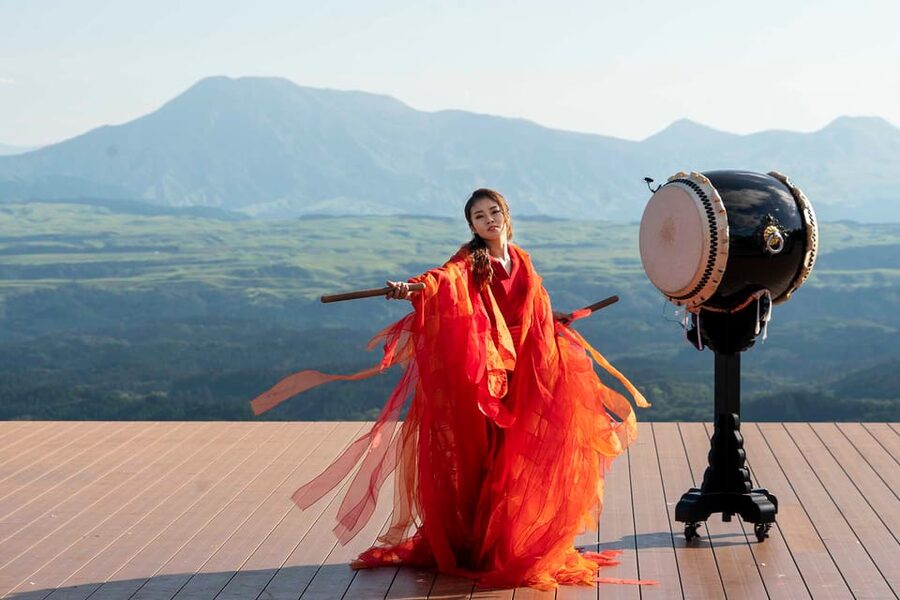
- The Skyward Stage sits at 1,036 meters, giving the performance a wide mountain setting in Aso-Kuju National Park.
- Drum TAO combines wadaiko with several Japanese arts, including shinobue flutes, shamisen, koto, chants, dance, and acrobatics.
- Your ticket includes TAO House entry and the live performance, but not food, drinks, or transport.
- A rainy or windy day does not always end the show, since the performance may move indoors to the second-floor hall.
- Indoor seating is limited to 53 people, including eight standing places, and there is no elevator or escalator.
- You must arrive at the white reception building 30 minutes before showtime, with no photography or video during the performance.
Why TAO-no-Oka feels different from a normal concert
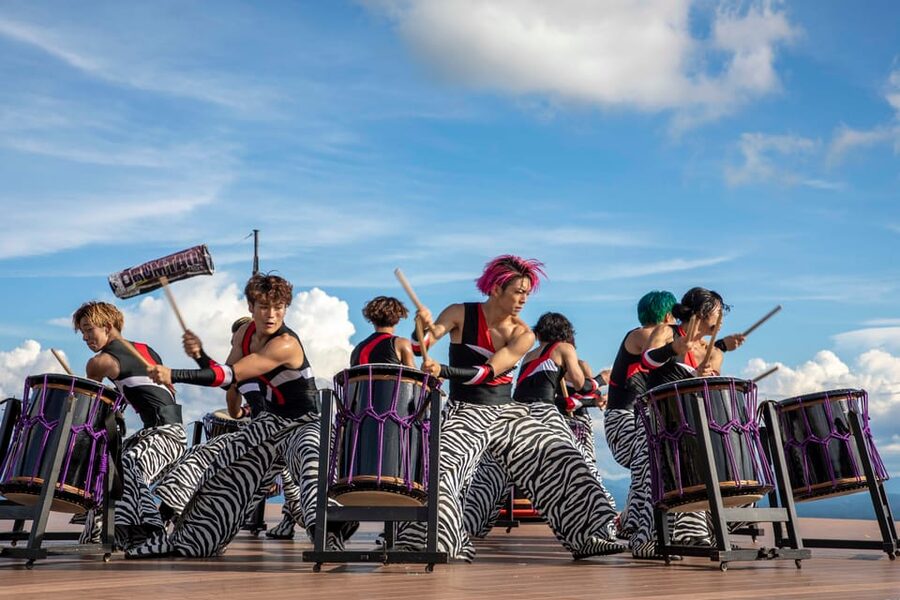
TAO-no-Oka is the performance and arts complex created by Drum TAO, the Japanese drumming and dance group based in Oita since 1995. The facility opened in 2020, giving the group a permanent home for performances, costumes, videos, shopping, and refreshments.
The central attraction is the open-air theater. It is not simply a stage placed outdoors. The grandstand looks out over countryside framed by the Kuju mountains and Aso, an active volcano. That view matters because the performers are not working against a blank wall or a black curtain. The setting becomes part of the show.
I would come here for the combination rather than for drumming alone. If you already enjoy Japanese music, you will get a broad sample of instruments and performance styles. If you know little about wadaiko, the scale and movement make the show easy to follow. The beat is direct, physical, and built for a large setting.
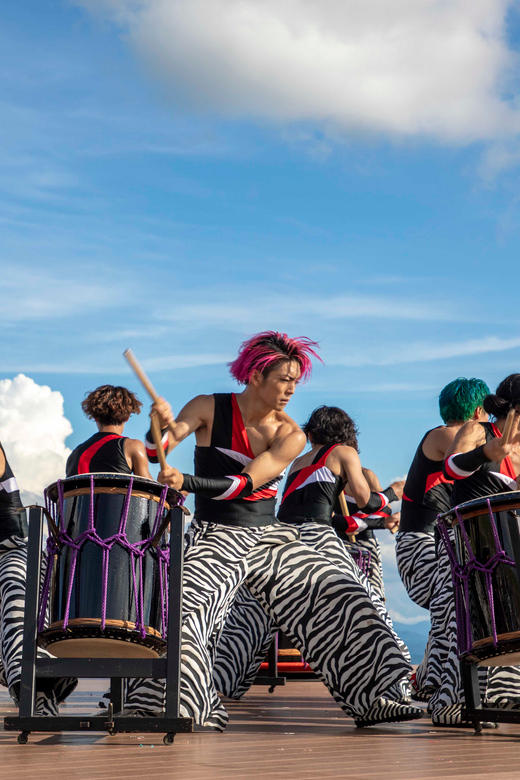
Drum TAO is known for flamboyant, high-energy performances. The program brings together deep barrel-drum rhythms with the sharper sound of shinobue flutes, the plucked tone of shamisen, the clear notes of koto, spoken or sung chants, dance, and acrobatics. You are not watching a quiet recital. This is a staged production with athletic movement and strong visual presentation.
Other Japan days people book on the same trip:
- Mt Fuji and Hakone 1-Day Bus Tour Return by Bullet Train
★ 5.0 · 26,383 reviews - 1-Day Tokyo Bus Tour
★ 5.0 · 14,250 reviews - PERFECT KYOTO 1-Day Bus Tour
★ 5.0 · 13,518 reviews
Arriving at the white reception building
The meeting point is the reception area in the white building on the TAO-no-Oka site. You should arrive at least 30 minutes before the live show. That buffer is useful because you need to check in, get oriented, and allow time for the venue itself.
There is no hotel pickup or drop-off included. The practical lesson is simple: treat transport as your responsibility and allow extra time for reaching a mountain location. The supplied information does not give a transfer service, driving time, or public transport arrangement, so confirm your route before setting out from your base in Kyushu.
The ticket includes entry to TAO House. I would use that inclusion rather than rushing straight to the theater. TAO House contains an exhibition of stage costumes created by Junko Koshino, a video theater, a cafe, a shop, and a smaller indoor live performance space.
That makes the facility more than a single scheduled show. The costume display gives you a look at the visual side of Drum TAO, while the video theater can help place the group’s work in context. The shop also sells TAO goods, which is useful if you want a physical reminder of the visit. One booking review specifically praised the available merchandise.
Watching the performance on the Skyward Stage
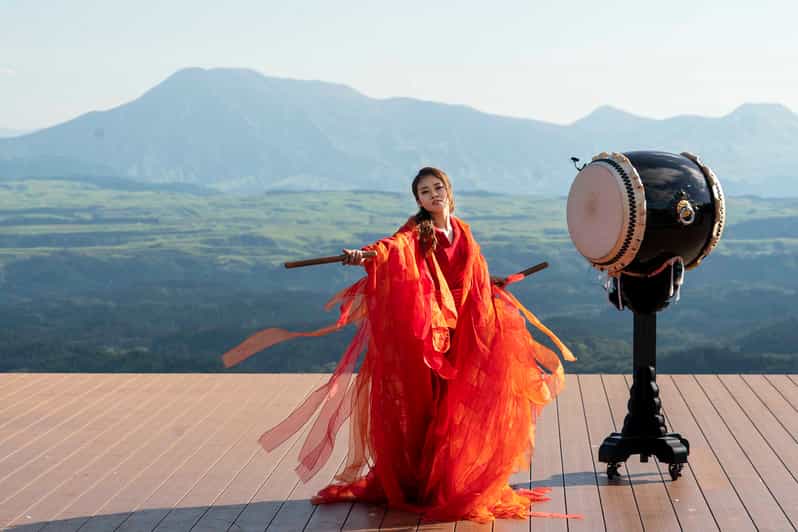
The outdoor show is the heart of the visit. From the grandstand, you look toward a stage framed by the Aso-Kuju National Park setting. The Kuju mountains and Aso provide a backdrop that changes with the weather and light, so the same performance can feel different from a standard theater production.
The music has a strong physical quality. Wadaiko drums produce low, forceful rhythms that carry across an open space. The other elements keep the program from becoming one long drum solo. Flutes add a piercing traditional sound, shamisen and koto bring string tones, and chants, dance, and acrobatics add motion.
I like this mix because it gives the performance several entry points. You can focus on rhythm, watch the performers’ movement, or simply take in the contrast between polished stage work and open mountain views. The show is designed to be visually bold, so it should suit you if you prefer a concert with spectacle rather than a formal seated music recital.
The setting also creates one small tradeoff. Outdoor performance quality depends on the weather. Wind can affect comfort, and the temperature at 1,036 meters may be different from conditions in lower parts of Kyushu. A jacket is not an optional extra here. Even on a pleasant day elsewhere, the theater can feel cooler or breezier.
No photography or video recording is allowed during the performance. That rule may disappoint anyone hoping to film the drums against the mountains, but it also keeps phones from breaking the focus of the show. Plan to watch the performance rather than document it.
What happens if the weather turns bad
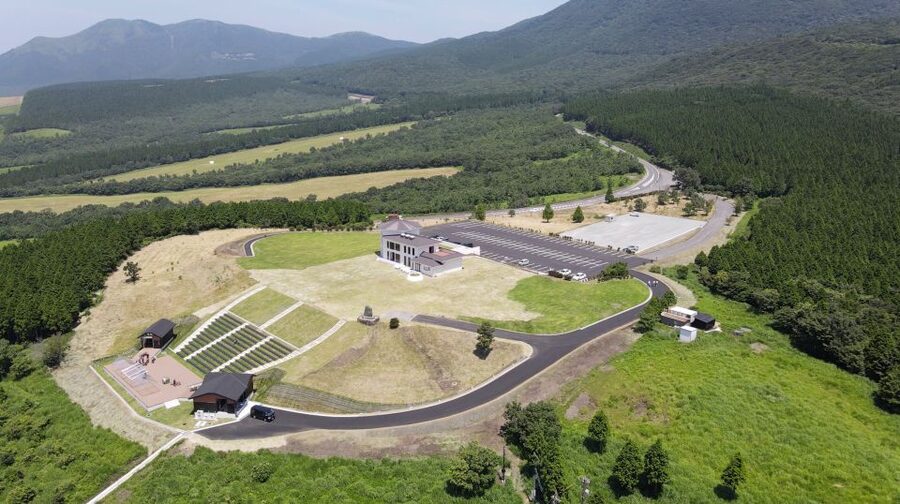
Rain does not automatically mean the live program disappears. If staff decide that rain or wind makes the outdoor theater unsafe, the performance will be canceled in its outdoor form and moved indoors as a special live show.
The indoor performance takes place in the hall on the second floor. There are no elevators or escalators, so the stairs matter for anyone who cannot manage them comfortably. Indoor capacity is limited to 53 people, with up to eight of those places standing, and access is first come, first served at the time of reservation.
This weather plan is helpful, but it is not an equal substitute in every respect. The indoor hall protects you from rain and wind, yet you lose the wide mountain backdrop that gives the Skyward Stage much of its appeal. If the open-air setting is your main reason for booking, check the forecast and keep your expectations flexible.
The important point is that the organizers have a safety plan. You are not being asked to sit through dangerous wind or heavy rain simply to preserve the outdoor format. The exact choice between outdoor cancellation and indoor performance depends on conditions at the venue.
Same base, a completely different sort of day:
- Tokyo: TOKYO SKYTREE® Admission ticket
★ 4.5 · 11,192 reviews - Tokyo: teamLab Planets TOKYO Digital Art Museum Entry Ticket
★ 4.6 · 9,779 reviews - Mt Fuji & Hakone Cruise, Drum Show Bullet Train 1 Day from Tokyo
★ 4.0 · 7,413 reviews - Tokyo: Sumo Show Experience with Chicken Hot Pot and a Photo
★ 4.8 · 6,678 reviews
TAO House, costumes, videos, and the shop
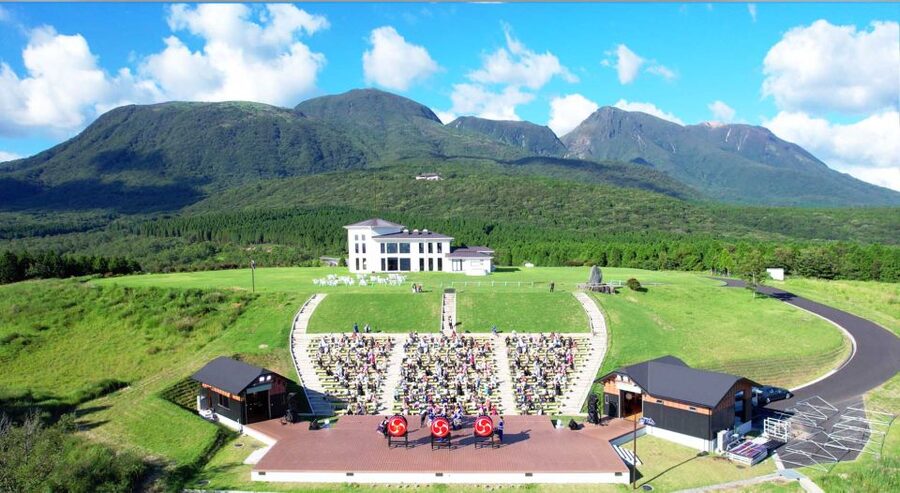
Entry to TAO House is included with the ticket, so you can make the facility part of your visit rather than treating it as a waiting room. The exhibition features stage costumes designed by Junko Koshino. That is a useful detail because Drum TAO’s presentation depends on more than sound. Clothing, movement, and stage appearance all shape the show.
The video theater offers another way to see the group’s work, while the indoor live performance space provides a more intimate setting when scheduled programming allows. The available information does not promise a separate indoor show for every booking, so consider these areas part of the complex rather than guaranteed additions to your scheduled performance.
The cafe and shop are practical stops, especially since food and drink planning takes some thought. Food and drinks are not included in the ticket. Outside food and beverages are prohibited, but items bought at TAO House may be consumed at your seat during the performance.
One useful warning comes from the venue itself: do not assume you can bring a picnic or a bottle from elsewhere. If you need refreshments, check what is available at TAO House and use the permitted options there. A booking comment specifically warned that there is no food and very little drink offered at the venue, so I would eat before arriving and treat the cafe as a supplement, not a full meal plan.
Is the $30 price good value?
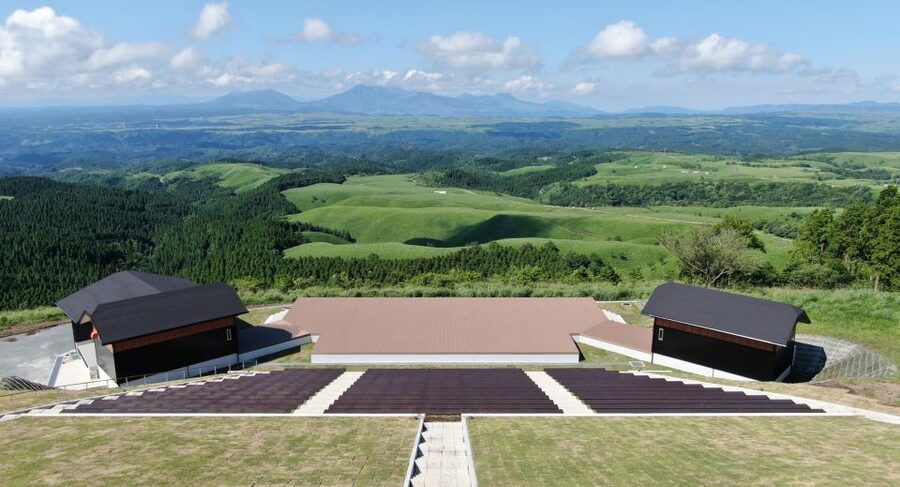
At $30 per person, the ticket is reasonable for a specialized live production in a purpose-built arts complex. You are paying for a Japanese taiko performance, the distinctive open-air theater, and access to TAO House. The mountain setting is not an extra viewpoint ticket added on the side. It is part of what makes the show worth considering.
The value depends on how much you care about the setting. If you only want to hear wadaiko in a basic concert hall, you may find less expensive cultural performances elsewhere. Here, you are paying for the combination of music, choreography, costumes, a dramatic stage, and the Aso-Kuju surroundings.
I would also count the indoor weather option in the value calculation, though carefully. You may still receive a live performance if outdoor conditions are unsafe, but indoor capacity is restricted and the view will be different. The ticket is strongest on a clear or comfortable day when you can use the Skyward Stage as intended.
The inclusion of TAO House helps fill out the visit. The costume exhibition, video theater, cafe, shop, and indoor performance space give you more to do than simply arrive, sit, and leave. Still, the available information does not state how long you can spend in each area, so do not build an entire day around fixed activities that are not guaranteed.
Who will enjoy this most
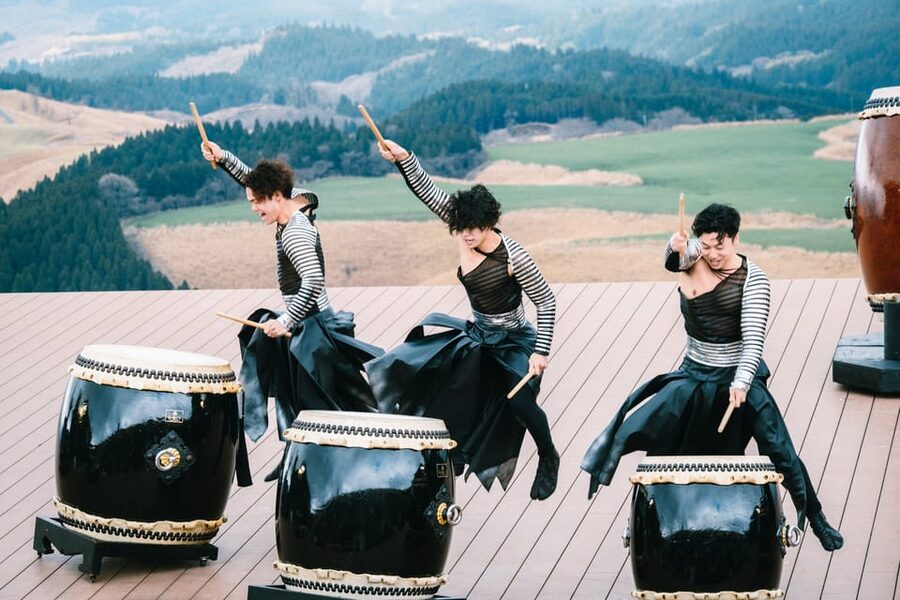
I would recommend TAO-no-Oka to you if you want a strong visual performance tied to a specific place. It suits people interested in Japanese instruments, stage design, dance, and outdoor scenery. It also works well for anyone looking for something different from temples, gardens, and city museums during a Kyushu trip.
The show should appeal to families and mixed-age groups who enjoy energetic entertainment, though the venue rules still matter. Food cannot be brought in, pets are not allowed except assistance dogs, and no photography or video is permitted during the performance.
It is less suitable if you need a fully flexible meal plan, dislike mountain weather, or cannot use stairs in the event of an indoor performance. The second-floor hall has no elevator or escalator, and the outdoor site can be windy.
You should also note that the listed performance language is Japanese. Much of the appeal comes through music, movement, and visual staging, but anyone seeking detailed explanations in English should not assume they will be available.
Small details that make the visit easier
Wear layers, even if the weather at your hotel feels mild. The site is high, and conditions can shift quickly.
Arrive 30 minutes early at the white reception building. This is not the kind of venue where you want to arrive at the last minute and search for the check-in point.
Plan a meal before reaching the site. Food and drinks are not part of the ticket, and the available options at the venue may be limited. If you buy a drink at TAO House, you may have it at your seat during the performance, but outside food and beverages are prohibited.
Keep your camera and phone ready to stay put once the show begins. Photography and video recording are not allowed during the performance.
If you are booking around uncertain weather, the cancellation terms allow a full refund when you cancel at least 24 hours in advance. You can also reserve and pay later, which helps if your Kyushu plans are still moving.
Should you book Drum TAO at TAO-no-Oka?
Book it if you want a high-energy Japanese performance in a setting that is as important as the stage. The $30 price makes sense when you value the wadaiko production, the mountain views, and the included TAO House visit.
I would avoid booking it as a casual stop with no transport or weather plan. Food is limited, the site is high, and the outdoor format depends on safe conditions. For the best match, choose TAO-no-Oka when you can bring a jacket, arrive early, accept the no-camera rule, and give the venue enough time to feel like more than a quick concert stop.
FAQ
Where is TAO-no-Oka located?
TAO-no-Oka is in Taketa in Japan’s Kyushu Region, high in Aso-Kuju National Park.
How much does the experience cost?
The listed price is $30 per person.
What does the ticket include?
The ticket includes entry to TAO House and a live Japanese taiko drum performance.
Is hotel pickup included?
No. Hotel pickup and drop-off are not included.
Where do I check in?
Go to the reception area in the white building at the TAO-no-Oka site.
How early should I arrive?
You should arrive 30 minutes before the live show begins.
What happens if it rains or gets windy?
If staff decide the outdoor performance is unsafe because of rain or wind, the live show will be held indoors instead.
Where is the indoor performance held?
The indoor performance is held in the hall on the second floor. There are no elevators or escalators.
How many people can attend the indoor performance?
The indoor performance can accommodate up to 53 people, including eight standing places, on a first come, first served basis at the time of reservation.
Can I bring food, drinks, or pets?
Outside food and drinks are not allowed, though items bought at TAO House may be consumed at your seat. Pets are not allowed, except assistance dogs.
Can I take photos or record video?
No. Photography and video recording are not allowed during the performance.
What language is used?
The listed language for the experience is Japanese.
Is the venue at high altitude?
Yes. TAO-no-Oka is located at an elevation of 1,036 meters, and you should bring a jacket because temperatures and wind can change.
Just added around Japan
- Private Transfer by Sedan from Itami Airport ITM to Kyoto City★ 4.5 · 31 reviews
- Private arrival Transfer from Osaka Itami Airport(ITM) to central Osaka city★ 4.5 · 14 reviews
- Kyoto private tour (Shore excursion available from Osaka or Kobe port)★ 5.0 · 39 reviews
- Full Day Tour of Kyoto with Private Transportation★ 5.0 · 130 reviews
- Osaka : Private One-way Transfers to/from Kansai Airport(KIX)★ 5.0 · 16 reviews
- Kyoto Full Day Tour from Osaka with Licensed Guide and Vehicle★ 5.0 · 29 reviews
- Private arrival Transfer from Kansai airport to Osaka city★ 4.5 · 36 reviews
- Tea ceremony experience with simple kimono in Okinawa★ 5.0 · 17 reviews