
Reviewed · OSAKA TOURS
Osaka: Samurai Training Experience KENDO in Osaka
Walking into a real Osaka dojo, putting on full Kendo armour, and facing an instructor with a bamboo sword makes this far more than a costumed photo stop. Toshi guides you through Samurai traditions, Kendo etiquette, footwork, strikes, and match-style sparring in a setting built for the sport.
I like two things right away: the instruction adjusts to your ability, and the final combat session gives the lesson a clear purpose. I also like the mix of physical practice and cultural context. You learn why respect, focus, and Reiho matter, not just how to swing a Shinai.
The main consideration is effort. Two hours in armour can leave your feet and legs tired, and the sparring may feel intense if you expected a gentle cultural activity. Children aged 3 to 5 mainly dress up and take photos, while anyone over 76 may only watch.
Key points to know before booking
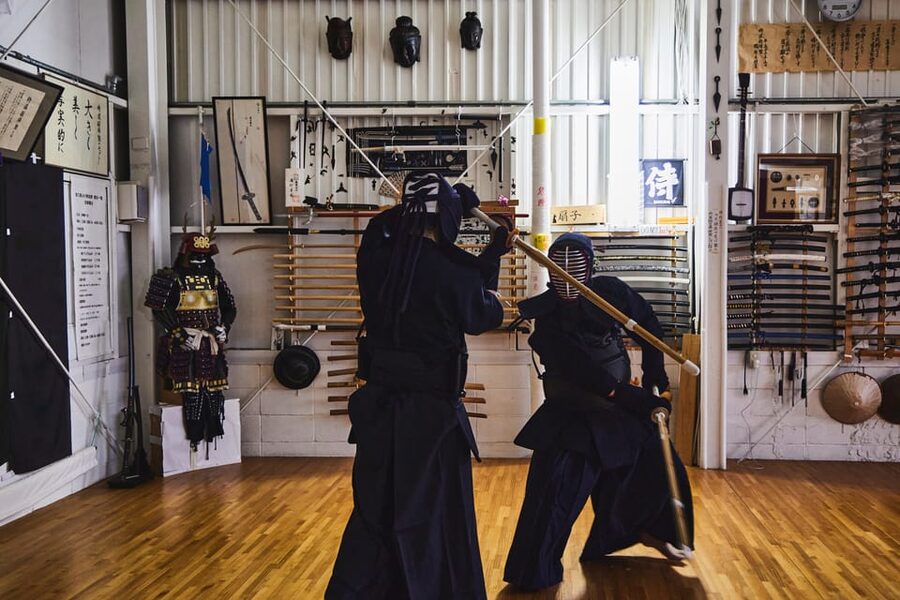
- Full Bōgu armour: Wear Men, Kote, Dō, and Tare protection before using a Shinai in paired practice.
- Toshi leads the training: The English-speaking instructor is patient, humorous, and able to teach complete beginners as well as people with martial arts experience.
- Real dojo setting: The activity takes place at a genuine Samurai and Kendo training facility in Osaka City.
- Sparring is part of the plan: After basic drills, you take part in respectful match-style combat with other participants or the instructors.
- Photos are included: Pose in Kendo gear with Samurai items inside the dojo.
- A workout as well as a lesson: Expect movement, shouting, repeated drills, and some tired legs by the end.
Why this Kendo session feels different from a Samurai photo stop
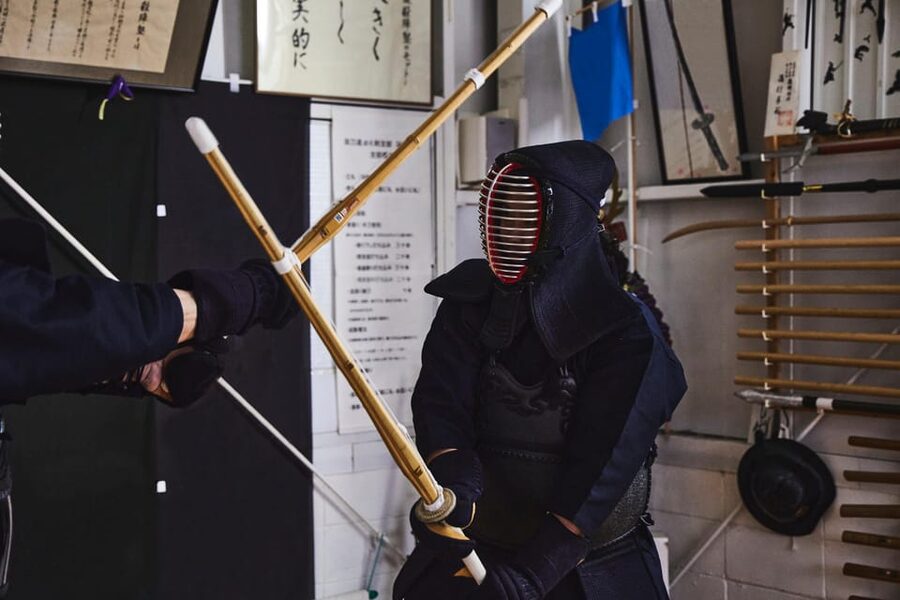
Osaka has plenty of activities that let you wear a robe, hold a sword, and pose for a picture. This one adds genuine training. You learn how Kendo developed, how it connects with Bushidō, and why etiquette is treated as part of the martial art rather than a bit of ceremony on the side.
That distinction matters. Kendo is not simply a sword-fighting game. The practice places weight on self-control, sincerity, discipline, and respect for the person in front of you. Even in a short introduction, those ideas give the movements more meaning.
The session is designed for first-timers, so you do not need previous Kendo or martial arts experience. Toshi and his assistants explain each stage clearly, repeat instructions when needed, and correct your position without making you feel out of place. Several participants with no martial arts background found the class easy to follow, while people with previous experience still had the chance to work on technique and sparring.
The tone is serious about safety, but not stiff. Toshi is often described as patient, encouraging, and funny, which helps when you are trying to remember foot placement, grip, posture, and the correct call all at once.
More Samurai and Ninja Experiences in Osaka
- Samurai Training Experience KENDO in Osaka
★ 5.0 · 515 reviews - OSAKA NIGHT FUSION Japanese Taiko Kabuki Samurai Dance Show
★ 4.8 · 155 reviews - Osaka: A Modern Samurai, Kabuki, Taiko, & Dance Show
★ 4.5 · 66 reviews
The first 30 minutes: history, etiquette, and getting ready
The experience begins with an introduction to Samurai culture and Kendo. You hear about the sport’s development and its connection to Bushidō, often translated as the way of the warrior. The talk also covers Reiho, the etiquette that governs how practitioners enter, greet, prepare, and treat one another.
This opening is useful because it explains the quiet details you might otherwise miss. A bow, a stance, or a formal gesture is not just there to make a good photograph. These actions help create concentration and mutual respect before physical practice begins.
You then change into traditional Kendo clothing. The Dōgi and Hakama give you the basic appearance of a practitioner, while the armour provides protection for the more active part of the session. The team asks for your height, weight, and gender in advance so they can prepare a better fit. Give accurate information when booking, since bulky armour needs to sit securely.
The clothing process takes time. One family was invited to arrive 30 minutes early so changing did not reduce their activity time. Check your meeting instructions carefully and allow room in your schedule for dressing and preparation.
Wearing Men, Kote, Dō, and Tare
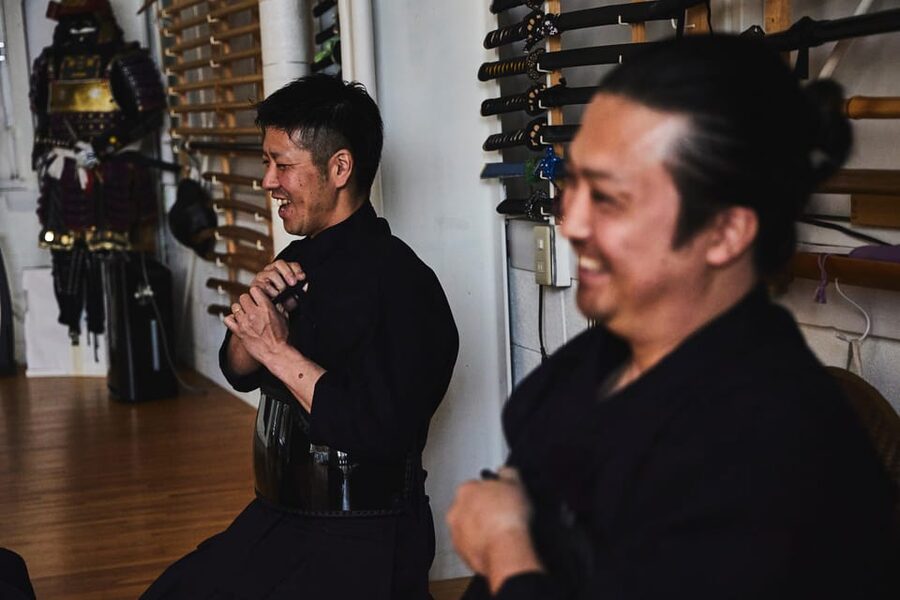
The full protective set is called Bōgu. It includes the Men for the head and face, Kote for the hands and forearms, Dō for the torso, and Tare around the waist and upper legs. You also receive a Shinai, the bamboo sword used in Kendo.
Putting on the armour is one of the most memorable parts because it changes the activity from a history lesson into a hands-on sport. The weight and restricted movement make the first steps feel unfamiliar. That is useful. You quickly understand why balance, footwork, and controlled movement matter so much.
The armour is supplied as part of the session, and the training space and equipment have been described as clean and well kept. You should still wear comfortable clothing underneath and bring a drink. Alcohol and drugs are not allowed.
The gear can also make this more accessible than it first appears. You do not need to be athletic to try the basic movements, and protective equipment is used during the combat section. Still, do not confuse protection with complete ease. The activity includes repeated movement and can feel demanding, especially around the legs and feet.
Learning the basics with a Shinai
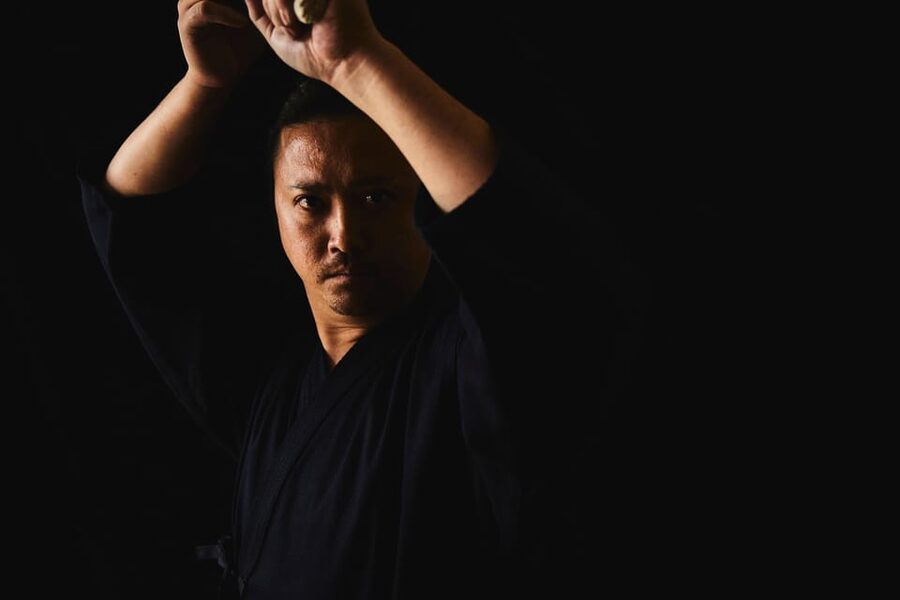
Once dressed, you learn how to hold and use the Shinai. The early drills cover posture, footwork, safe handling, basic attacks, blocks, and the rules used during practice. The instruction builds step by step, so you are not thrown into a fight before you know what to do.
The striking practice focuses on four basic target areas and introduces offensive and defensive moves. You may also learn counters, depending on the pace of your group. The goal is not to hit as hard as possible. Timing, distance, spirit, and accuracy matter more than brute force.
You will hear Kendo calls during the drills. Shouting is not simply theatrical. It is part of showing commitment and focus, and it adds energy to a session that can otherwise feel technically demanding. If you feel self-conscious at first, the armour and group setting make it easier to let go.
Toshi’s teaching style is particularly useful here. He demonstrates, lets you try, then adjusts the movement to your level. A small group may receive a great deal of personal attention. Some sessions have been semi-private or even one-on-one when only a single person booked, and the activity is still offered rather than cancelled.
That can be a major advantage if you want detailed instruction. It can also mean the intensity depends on your group. A larger session may feel more social, while a tiny one can feel more like a private lesson.
More samurai and ninja sessions in Osaka:
- Osaka: Private Samurai Experience – Train with Sword Master
★ 5.0 · 36 reviews - Experience Samurai and traditional Culture to the fullest
★ 5.0 · 26 reviews - Osaka: Ninja Experience Cafe in Dotonbori
★ 4.9 · 16 reviews - Samurai Armor & Sword experience with phot near Osaka Castle
★ 4.6 · 16 reviews
Match-style sparring near the end
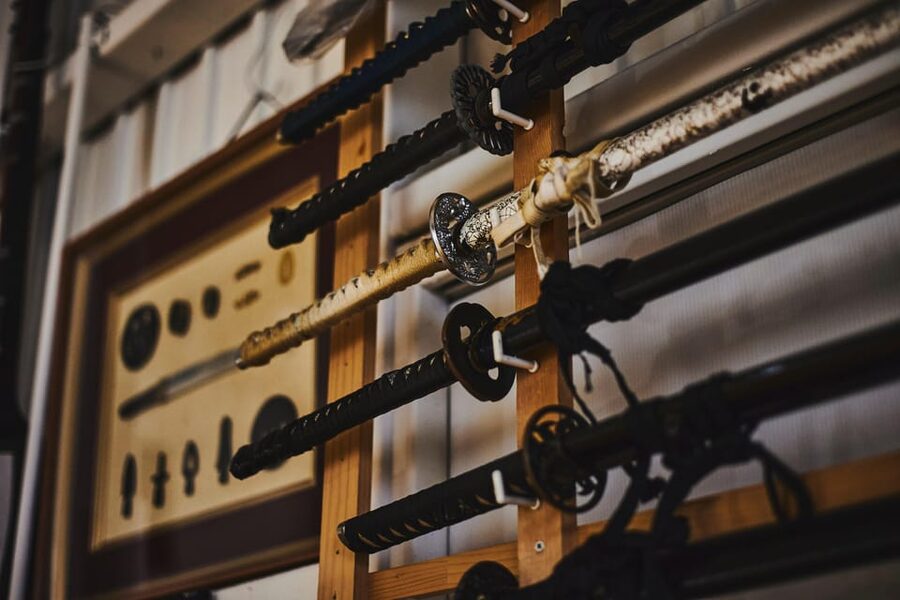
The final part brings the earlier drills together. You practice with another participant and may face an instructor. The bouts follow real Kendo rules in a controlled, respectful format.
This is where the experience becomes especially memorable. You are not just copying movements for a photograph. You must watch distance, react to an opponent, keep your stance, and remember the etiquette you learned at the start.
The sparring is described as fun and, at times, intense. Toshi adjusts the challenge to suit the people in front of him, making the activity workable for beginners while still giving experienced martial artists something active to do. If you are nervous, tell the instructor. The session is intended to be safe and encouraging, not a test of toughness.
I would not book this expecting a staged sword show. You are learning a sport, and beginners can look awkward at first. That is part of the value. The session lets you feel how much concentration goes into even a simple movement.
If you are visiting with a partner or friend, the paired practice adds a playful competitive edge. One participant suggested that going with someone you know and at a similar level can make the sparring more comfortable. That is sensible, though the instructors can also pair participants during the session.
Samurai photos inside the dojo
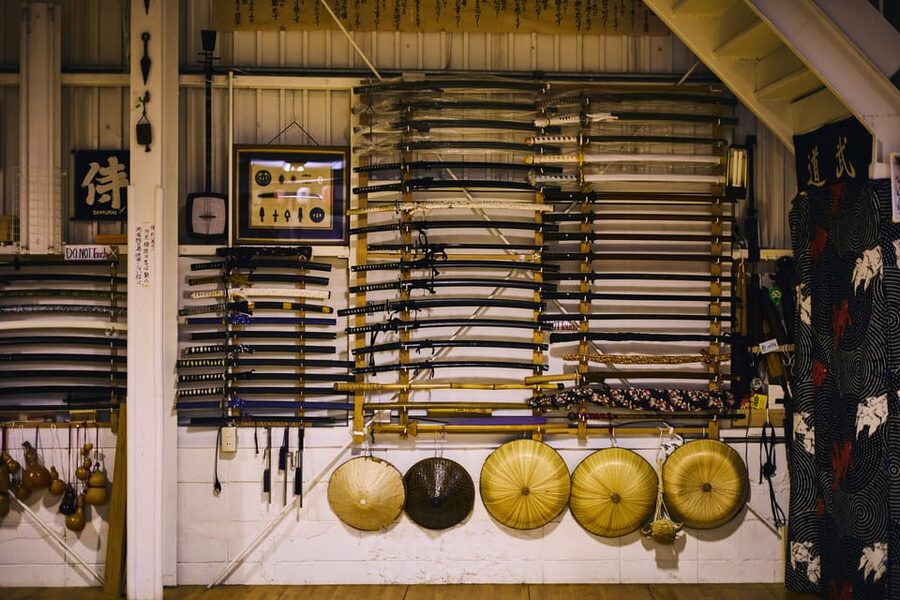
The photo session comes either around the clothing and training stages or toward the end, depending on how the class is arranged. You pose in Kendo equipment and with Samurai items and props inside the dojo.
These are not just quick snapshots taken outside the venue. The setting, armour, Shinai, and formal clothing give the photos a stronger sense of place. You can capture both posed images and action shots, including moments from practice.
The photographs also work well for families. Children from 3 to 5 do not take part in the adult Kendo programme, but their session mainly involves wearing uniforms, trying on armour, and posing. Children under 2 cannot try Kendo, so families with very young children should plan around that limit.
For older children, the activity can be a lively cultural lesson. A 10-year-old was able to enjoy the session with family, and the protective gear and clean arena helped parents feel comfortable. The physical portion still depends on the child’s age and ability, so explain any concerns to the instructor at the start.
How much value do you get for $127?
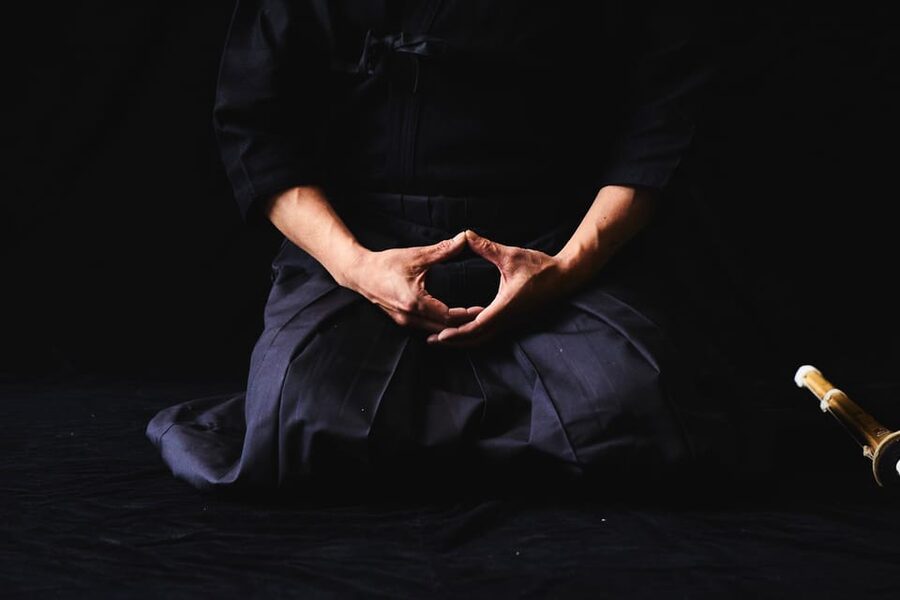
At $127 per person, this is not a budget attraction. The value comes from the amount packed into two hours: a cultural lecture, clothing and armour, guided technique practice, paired drills, match-style combat, and Samurai photos.
You are also paying for specialist equipment and instruction in a genuine dojo, rather than simply renting a costume. The experience can become semi-private if numbers are low, which increases the personal attention. Several small groups received time with both the instructor and assistants, and solo bookings have still gone ahead.
The cost makes more sense if you want active participation. If your priority is a quick photo in Samurai clothing, a cheaper studio session may suit you better. If you want to understand Kendo, handle the equipment, learn the rules, and test the movements in a bout, this offers more substance than a standard cultural photo activity.
The session can also be one of the more memorable activities in a longer Japan trip because it uses your body as well as your attention. You leave with an understanding of how difficult the techniques are, not just a few facts about Samurai culture.
A practical value note: some families found the total visit lasted close to three hours because of early changing time and refreshments afterward. The advertised activity itself lasts two hours, so treat any extra time as helpful but not guaranteed.
English instruction and the people who make it work
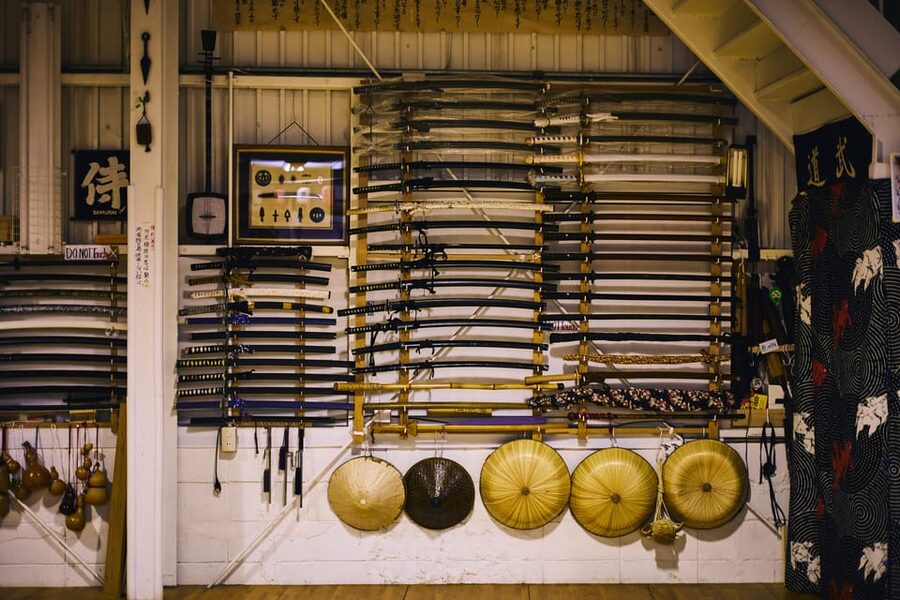
The main instructor is Toshi, also identified in some descriptions as Toshihiko-sensei. He teaches in English and Japanese, and his assistants help with clothing, photos, explanations, and interpretation when needed.
English instruction is one of the strongest reasons to choose this experience if you do not speak Japanese. The explanations are reported as clear, and the team takes time to repeat instructions rather than rushing through them. Toshi’s humour also keeps mistakes from becoming embarrassing.
Support staff such as Kumiko and Vicky have helped with dressing, photographs, snacks, and local suggestions. The warm personal touch is part of the appeal. Some participants received Japanese snacks or tea after the session, and the team has offered restaurant recommendations, including local ramen suggestions.
Those extras are not the main reason to book, but they help the experience feel personal. You get more than a timed rotation through costumes and props.
Who should book, and who should think twice
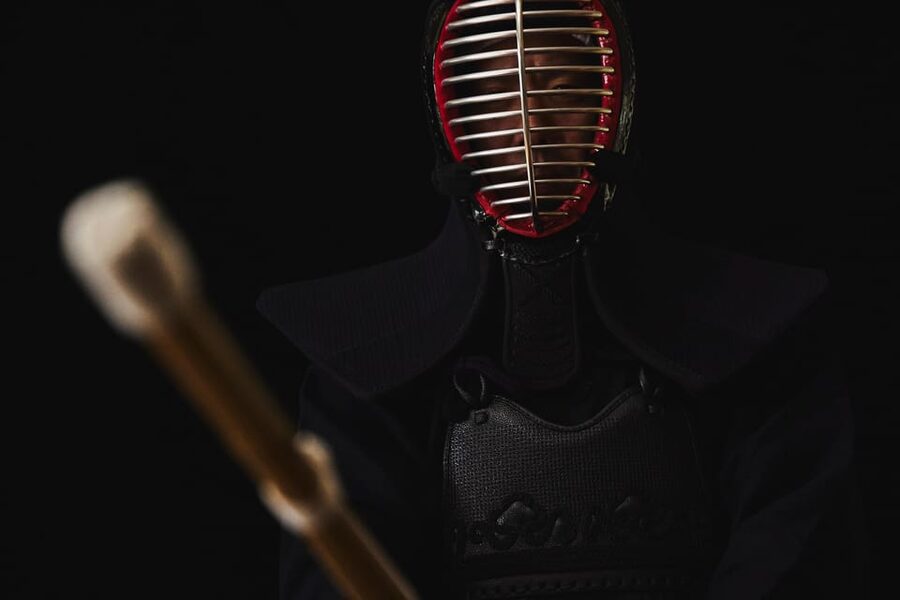
This suits you if you like Japanese culture but want something more active than a museum visit. It is a strong match for Samurai and anime fans, martial arts enthusiasts, families with older children, couples, solo visitors, and anyone curious about how a traditional Japanese sport feels from the inside.
You do not need to be fit or experienced to start. The instructor works at your level, and the armour provides protection during practice. Still, expect movement, repeated drills, loud calls, and a possible workout. Wear comfortable clothes underneath and bring water.
Think twice if you dislike physical activity, have limited mobility that makes changing difficult, or want a quiet cultural lecture. The venue is wheelchair accessible, but the suitability of the active Kendo portion depends on your individual needs. Ask the provider before booking if you require specific assistance.
The age limits are firm. Children under 2 cannot take part, children aged 3 to 5 mainly receive a photo-focused introduction, and people over 76 may view but cannot try Kendo. People over 75 are listed as unsuitable for the activity.
Cancellation is flexible enough for careful planning: you can cancel up to two days in advance for a full refund. Starting times vary, so check availability before you commit your Osaka schedule.
Should you book this Osaka Kendo experience?
Book it if you want to do something in Osaka that combines culture, instruction, exercise, and a little friendly combat. The full armour, real dojo, clear English guidance, and chance to spar make it more substantial than a standard Samurai photo session.
I would especially recommend it for first-timers who want patient teaching. Toshi and his team build the class carefully, and the small-group format can give you unusually close attention. Just arrive ready to work, not simply pose.
Skip it if $127 feels too high for a two-hour activity or if you want a purely passive cultural experience. For everyone else, this is a strong choice for a memorable Osaka day, particularly when you want to understand the discipline behind the Samurai image rather than only wear the costume.
FAQ
How long does the Kendo experience last?
The advertised activity lasts two hours. Changing may require extra time, and some participants were asked to arrive 30 minutes early so preparation would not reduce the training period.
How much does the experience cost?
The listed price is $127 per person.
Do I need previous Kendo experience?
No. The programme is designed mainly for beginners, and the instructor teaches posture, footwork, Shinai handling, basic techniques, safety, and rules from the beginning.
Is English instruction available?
Yes. The instructors teach in English and Japanese. Toshi is the main English-speaking instructor, and assistants can help with explanations and interpretation.
What equipment will I wear?
You wear a Dōgi and Hakama, then protective Bōgu armour including Men, Kote, Dō, and Tare. A Shinai is provided for practice.
Can children participate?
Children under 2 cannot try Kendo. Children aged 3 to 5 mainly take part in dressing, trying on armour, and taking photos, rather than the full adult programme.
Can older people participate?
People over 76 may attend for viewing only and cannot try Kendo. The activity is listed as unsuitable for people over 75.
What should I bring?
Bring drinks, since the activity involves physical movement and may leave you sweating. Alcohol and drugs are not allowed.
Just added around Osaka
- Discover Real Osaka: A Cultural Walk with Food & Drink★ 5.0 · 13 reviews
- From Osaka/Kyoto: Kyoto & Nara Day Trip with Optional Lunch★ 4.5 · 79 reviews
- Osaka 6hr Private Walking Tour with Government Licensed Guide★ 5.0 · 174 reviews
- Private Airport transfer Kansai Intl. Airport(KIX) to OSAKA CITY★ 4.5 · 12 reviews
- Osaka: Namba Local Food Walking Tour (Taste 15 Dishes)★ 5.0 · 20 reviews
- Osaka Delights: Traditional Japanese Food Tour★ 4.5 · 33 reviews
- Badminton in Osaka & Kyoto with Locals!★ 5.0 · 15 reviews
- From Osaka or Kyoto: Kyoto and Nara 1-Day Bus Tour★ 3.5 · 141 reviews
Osaka Tours, compared.
Shinsekai Food Tour with 13-15 Dishes at 5 Eateries
Read our review →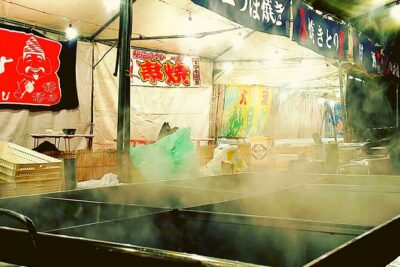
Osaka Food Tour: 13 Dishes at 5 Local Eateries
Read our review →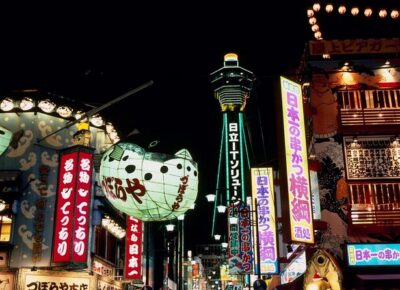
Hungry Osaka Street Food Tour:15 Tastings & 3 Drinks with a Local
Read our review →
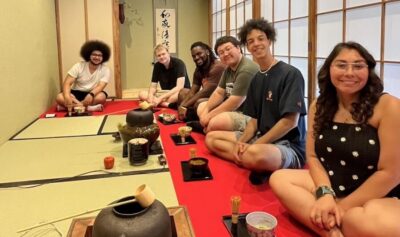
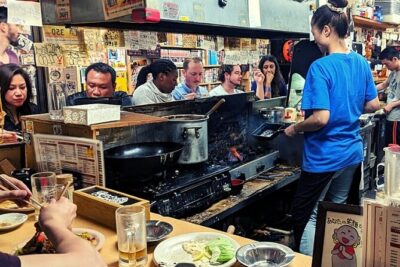
Hotspots & Hidden Gems Walking Tour Private or Group
Read our review →Browse the lists this tour appears in