
Reviewed · OKINAWA TOURS
Naha: Guided E-Bike Tour of the 12 Zodiac Temples
Shuri’s temples are tucked into quiet side streets, where a car tour would rush past and a walking tour might struggle with the hills. This three-hour e-bike ride links those small religious sites with the famous red Shureimon Gate, giving you a better feel for old Naha than a simple visit to Shuri Castle.
I like the excellent electric bikes, which make the steep streets far less tiring, and the helmet intercom system, which lets you hear the guide without stopping every few minutes. The guides are another strong point: Maki, Maria, Hiro, Reiji, Jojo, and others have been praised for clear explanations, careful cycling advice, and friendly help.
The main consideration is that you need to ride a bicycle with confidence. This is not a sightseeing ride in a pedicab, despite the transport label sometimes used for the route. You will be cycling near traffic and over hills, and the tour may change if the rain probability rises above 70 percent or severe weather is expected.
Key points at a glance
- Quiet Shuri backstreets: Reach small temples and traditional lanes that are easy to miss by car or on foot.
- Electric assistance for Okinawa’s hills: The bikes take much of the strain out of the route, though you still need basic cycling skills.
- Helmet intercoms: Hear directions and stories while riding, a useful feature on a moving tour.
- A mix of sacred places: See Buddhist temples, Jizo statues, daruma dolls, a royal mausoleum site, and a historic spring.
- Small groups of up to five: The guide can check your pace and answer questions without the feel of a large coach outing.
- Good value at $95: The price includes the e-bike, helmet, intercom, and guide for three hours, but not food, drinks, or temple offerings.
Why an e-bike is a smart way to see Shuri
Shuri is not laid out as one neat row of sights. Its famous gate and royal sites attract most attention, but temples sit behind walls, down side roads, and beside ordinary homes. On foot, you can reach them, but the hills and Okinawan heat make the route more demanding than the map suggests.
The e-bike solves much of that problem. You still pedal, but the motor helps on climbs and keeps the ride from becoming an endurance test. One useful detail from the experience is the quality of the bikes. Riders with different levels of fitness found the hills manageable, while guides still gave instructions for dealing with traffic and checked that everyone was comfortable.
I would not treat the electric motor as permission to switch off. You must be able to balance, brake, steer, and ride in a group. The activity is not suitable for people who cannot ride a bike, and sandals or flip-flops are not allowed. Wear closed, comfortable shoes and clothing that works for cycling.
The helmet intercom is more than a gadget. It means you can hear a story or a turn instruction while moving, rather than bunching up at every corner. It also helps the guide keep in touch with the group, especially when the road noise rises.
More bike days around Naha:
- Afternoon Adventure: Okinawa Local Cycling with Spectacular Views
★ 5.0 · 92 reviews - Zodiac Shrines and Naha Backstreets Cycling Tour
★ 5.0 · 29 reviews - E-Bike Nature Tour in Shuri
★ 5.0 · 25 reviews
Starting near Makishi Station
The shop is a five-minute walk from Monorail Makishi Station, next to the post office. The listed meeting address is ダイショウビル, so I would save the location in your phone and allow a little extra time if you are arriving with luggage or navigating Naha for the first time.
At the shop, you receive your electric bicycle and helmet with intercom. This is the point to tell the guide if you have not ridden recently, need help with the controls, or feel unsure about the seat height. A small group, limited to five people, gives the guide room to make those adjustments properly.
Bring water, sunscreen, and a hat for stops. Meals and drinks are not included, and you should not count on buying refreshments at each temple. Smoking is not permitted during the tour, and money for temple or shrine offerings is also your responsibility.
Shuri Kannon Temple and the first hill
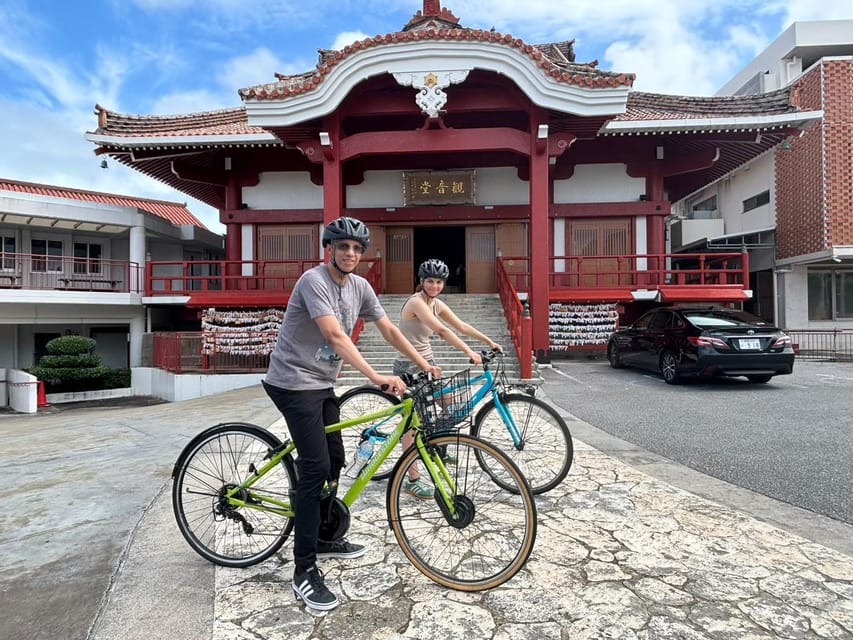
The route heads into the backstreets of Shuri and reaches Shuri Kannon Temple, also called Shuri Kannondo. This is described as a guardian temple from the Ryukyu Kingdom, and its bright red building provides an immediate sense that Okinawan religious architecture has its own character.
Look closely at the carvings and decorations rather than treating this as a quick photo stop. From the temple, you can also enjoy views over Shuri. The first part of the route helps explain why an electric bike matters, since the area includes sloping streets that would add effort to a walking itinerary.
This stop is useful for setting the cultural frame. The tour is not only about collecting temple photographs. Your guide explains the customs and stories connected with each site, helping you understand why a small local temple can matter even when it lacks the scale of a major tourist attraction.
Ankokuji Temple beside old homes
Ankokuji Temple is a shorter stop, listed at about five minutes, but it adds a different texture to the ride. Here, you see a traditional gate, local houses, and a large gajumaru tree.
The gajumaru, or banyan tree, is one of the recurring natural features of Okinawan sacred places. Its twisting roots and broad canopy make the setting feel tied to the neighborhood rather than separated from it. This is the kind of place you could easily pass without realizing you had reached a historic temple.
The short visit also keeps the overall route moving. If you want long periods for quiet reflection at every temple, three hours will feel brisk. If you prefer a varied tour with several stops, the pace works well.
More e-bike rides in Naha:
- Hidden Kyoto E-Biking tour
★ 5.0 · 1,843 reviews - Tokyo Top Highlights 3h Guided E-bike Tour
★ 5.0 · 714 reviews - 3h Tokyo E-Bike Tour: Hidden Gems, and Local Life with guide
★ 5.0 · 670 reviews - 5 Top Highlights of Kyoto Full Day Bike Tour (E-bike option)
★ 5.0 · 511 reviews
Shureimon Gate and the essential bike photograph
Shureimon Gate is the most recognizable landmark on the route. Its red structure is one of Okinawa’s best-known symbols, and the tour gives you time to take a photograph with your bicycle in front of it.
That picture captures the point of the activity: you are not simply being driven from landmark to landmark. The bicycle is part of the experience, and the gate gives you a strong visual marker after the quieter temple visits.
Expect this stop to feel more public and recognizable than Ankokuji or the smaller religious sites. The contrast is useful. You see the famous image of Shuri, then connect it with the less obvious places nearby.
Daruma Temple and prayers for health
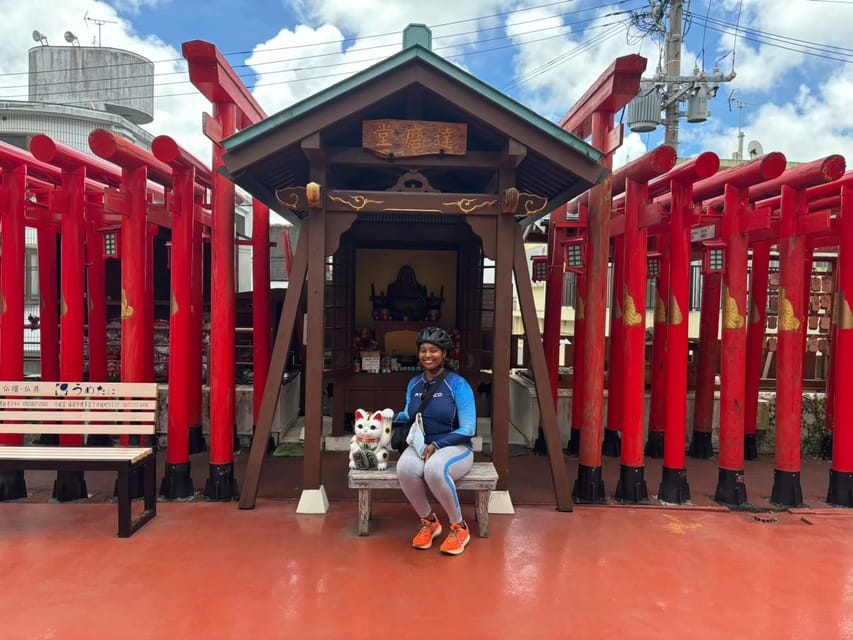
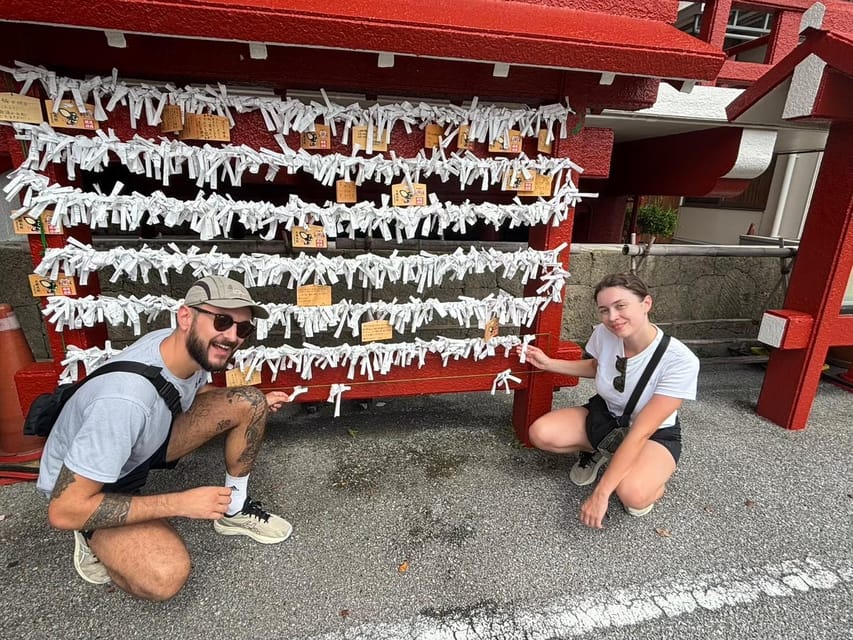
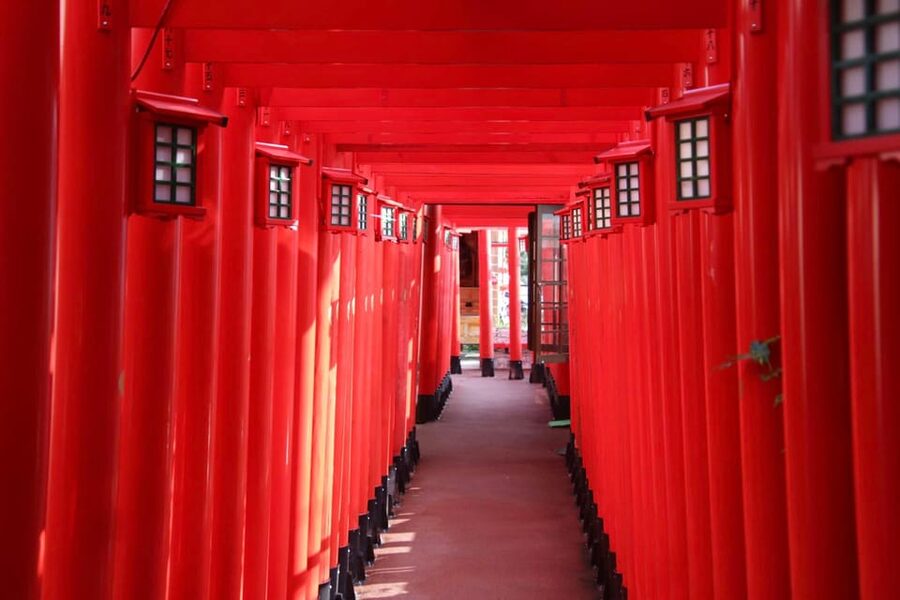
The Daruma Temple is known for health and pregnancy prayers. Its red daruma dolls and torii gate add a bold burst of color to the route.
Daruma figures are associated with wishes, determination, and seeing a goal through. Here, your guide can explain the local meaning and how the site differs from the other temples. The stop is listed at around 20 minutes, giving you more time to look around than at Ankokuji.
This is also one of the more visually distinctive places on the tour. If you enjoy small details, look at the arrangement of the dolls and the relationship between the gate, temple, and surrounding street. As with the other religious sites, remember that offerings are not included.
Seikoji Temple and the quieter middle of the ride
Seikoji Temple brings the route into a calmer mood. The site has a peaceful atmosphere, Jizo statues, and a modern building, so it does not present one single architectural style.
The Jizo figures are especially worth asking about. These statues are commonly linked with protection and care, and your guide can explain their place in local religious practice. The modern building also shows that sacred sites are not frozen displays from the past. They continue to function within present-day communities.
The stop lasts about 10 minutes. That is enough for an explanation and a look around, but not a long independent visit. I would keep your camera ready and listen closely, since the guide’s explanation is a major part of what makes this stop worthwhile.
Saki Kasahigawa, the miracle spring

The route then reaches Saki Kasahigawa, described as a miracle spring flowing from a deep forest. This is a welcome change from gates and buildings. You get a chance to see water moving through a place tied to local memory and tradition.
The spring is valuable because it connects the spiritual history of Shuri with the natural setting around it. You can feel the age of the place without needing a large monument. The guide’s story gives the flowing water meaning, while the stop itself offers a quieter pause in the cycling.
Bring water for yourself, even though you will see a spring. The tour does not include drinks, and there is no promise that the water is intended for drinking.
Sogenji Temple and a former royal mausoleum
Sogenji Temple is described as a former royal mausoleum. The setting includes a gate, a gajumaru tree, and a park with notably clean, calm air.
This final temple stop gives the tour a strong closing note. Earlier sites show neighborhood faith and local customs, while Sogenji connects the area with the Ryukyu royal past. The park also provides a little breathing space before you cycle back to the shop.
Taken together, the stops cover more than one kind of Okinawan heritage. You see royal connections, everyday neighborhood religion, Buddhist figures, prayer customs, old trees, and a spring. That range is the real strength of the route.
How the three-hour schedule feels
The published route includes cycling sections of about 15 to 20 minutes between several stops. Visits are short to moderate, with around five minutes at Ankokuji, 20 minutes at Daruma Temple, and 10 minutes at Seikoji listed specifically.
That timing creates a steady rhythm: ride, listen, look around, photograph, then ride again. You will not spend an hour at one temple, but you will see a broad selection of places in one morning or afternoon.
The tour description refers to the 12 zodiac temples and shrines, while the named route also highlights Shuri Kannon, Ankokuji, Shureimon Gate, Daruma Temple, Seikoji, Saki Kasahigawa, and Sogenji. If visiting all 12 zodiac sites is your main reason for booking, ask the operator how the day’s exact route covers them. Weather, local conditions, and group pace may affect the final plan.
The ride begins and ends at the same shop. That makes it easy to continue into Naha afterward, and you do not have to arrange a pickup from the Shuri area.
Guides who add real value
The guides are central to this experience. Maki has led tours in English and has been singled out for adapting the route, taking photographs, and explaining local customs. Maria has been praised for clear English, personal attention, and practical suggestions for what to see after the ride.
Hiro is known for checking that riders were comfortable and hydrated. Reiji has explained the history of each stop in detail, while Jojo received strong praise for making the ride fun and for using the helmet microphones well. Other guides, including Sally and Tiny, have also been noted for helping groups with different cycling abilities.
The language choices are English, Chinese, and Japanese. Because the group is capped at five, you can ask about temple etiquette, the Ryukyu Kingdom, the zodiac tradition, or anything you notice on the road. That personal exchange is hard to get on a large bus tour.
Is $95 a fair price?
At $95 per person, this is not the cheapest way to see Naha. You are paying for a three-hour guided activity rather than simple bicycle rental.
The value comes from the equipment and the route. The price includes the electric bike, helmet, intercom system, and guide. It also saves you the work of locating temples that are easy to miss, finding the right streets, and figuring out how to cycle safely between them.
I think the price is fair if you want context and a carefully managed route. It is less attractive if you only want to see Shureimon Gate, since you could visit that landmark without paying for a guided ride. The strongest reason to book is the combination of small religious sites, local explanations, and hill-friendly transport.
The tour offers free cancellation up to 24 hours before the start and allows you to reserve while paying later. If rain is a concern, note that the operator may change the plan when precipitation is expected to exceed 70 percent or when severe weather threatens. You should receive notice the day before in that situation.
Who should book this ride?
I would choose this tour if you are comfortable on a bicycle and want a more local view of Naha than the main shopping streets provide. It suits couples, friends, and small families with riders who can manage traffic and hills.
It is also a good fit for anyone curious about Buddhist and Okinawan religious traditions. You do not need to be an expert. The guide supplies the background, while the sites provide the visual details.
This is not the right pick if you cannot ride, dislike cycling in warm weather, or want a slow, unstructured temple visit. The ride has a set rhythm, and the three-hour limit means some stops are brief.
Wear proper shoes, bring water, and use sunscreen. If you are traveling in a group with mixed abilities, tell the guide at the start. The small-group format and electric assistance can help, but the activity still depends on every participant being able to ride safely.
Should you book the 12 Zodiac Temples e-bike tour?
Book it if you want to connect Shuri’s famous red gate with the quieter temples, trees, shrines, and streets around it. The e-bike makes the hills realistic, the intercom keeps the guide’s stories clear, and the small group allows useful personal attention.
I would especially recommend it early in a Naha stay, since the guide can explain the area and suggest what else to see afterward. Skip it if you are looking for a passive sightseeing ride or cannot cycle. For a rider who values local detail and does not mind a little effort, $95 buys a well-planned three hours in one of Okinawa’s most meaningful districts.
FAQ
Where does the tour start and finish?
The tour starts and ends at the same bike shop in ダイショウビル. The shop is a five-minute walk from Monorail Makishi Station, next to the post office.
How long does the experience last?
The tour lasts three hours, including the cycling sections and visits to the temples, shrines, gate, spring, and park.
What is included in the price?
The $95 price includes an electric bicycle, a helmet, and a guided tour with an intercom system in the helmet.
Are food and drinks included?
No. Meals and drinks are not included. You should bring water, especially because you will be cycling and spending time outdoors.
What languages are available?
The tour is offered in English, Chinese, and Japanese.
How many people can join the group?
The tour is limited to five participants, making it a small-group experience.
Do I need to know how to ride a bicycle?
Yes. You must be able to ride a bicycle to join. The tour is not suitable for people who cannot ride.
What happens in bad weather?
If the precipitation probability is above 70 percent or severe weather is expected, the operator may change the plan. You will be contacted the day before if this happens.
Just added around Naha
- Tokashiki Island Day Trip from Naha★ 4.0 · 15 reviews
- E-Bike Nature Tour in Shuri★ 5.0 · 25 reviews
- Zodiac Shrines and Naha Backstreets Cycling Tour★ 5.0 · 29 reviews
- Port Pick-Up: Naha Private Tour Licensed Guide& Vehicle★ 4.5 · 16 reviews
- Kintsugi Experience in Naha, Okinawa – Art from Broken Pieces!★ 5.0 · 28 reviews
- Sushi Making Experience Class in Naha Makishi Public Market★ 5.0 · 35 reviews
- Okinawa 2-Hours Genuine Kendo/Samurai Experience in Japan★ 5.0 · 28 reviews
- Okinawa:Kerama Islands experience Diving/Snorkeling/WhaleWatching★ 4.5 · 16 reviews
Okinawa Tours, compared.


North Okinawa Sightseeing Tour & Churaumi Aquarium
Read our review →
From Naha: Kerama Islands 1-day snorkeling tour
Read our review →

Naha, Okinawa: Keramas Island Snorkeling Day Trip with Lunch
Read our review →![[Miyako Island/Half Day] Sea Turtle Snorkeling](https://media3.thejapanesetraveller.com/wp-content/uploads/miyako-island-half-day-sea-turtle-snorkeling-400x267.jpg)


Snorkeling in the Blue Cave area【Okinawa Prefecture: Free feeding & photo images!English and Chinese speaking guide available!
Read our review →Browse the lists this tour appears in