
Reviewed · TOKYO TOURS
From Narita Airport: Private Layover or Transit Guided Tour
Narita Airport is more than a place to wait for your next flight. With a private guide, you can ride a short train journey into town, walk an old approach street, watch a Buddhist fire ceremony, and eat local eel before heading back. I especially like the chance to see Naritasan Shinshoji Temple and the way the guide can adjust the outing to your pace, food interests, or a special event such as a tea ceremony. The main drawback is timing: four hours is enough for a taste of Narita, but a long airport buffer is essential.
I also like that the guide meets you at the airport and helps with the small tasks that can slow you down, from buying a train ticket to finding a luggage locker. Guides Fusako and Chiho are often singled out for warm, personal service, while company representative Kai helps with meeting-point details before the tour. You will pay extra for lunch and transport, and you must leave large luggage at the airport.
Key points to know before booking
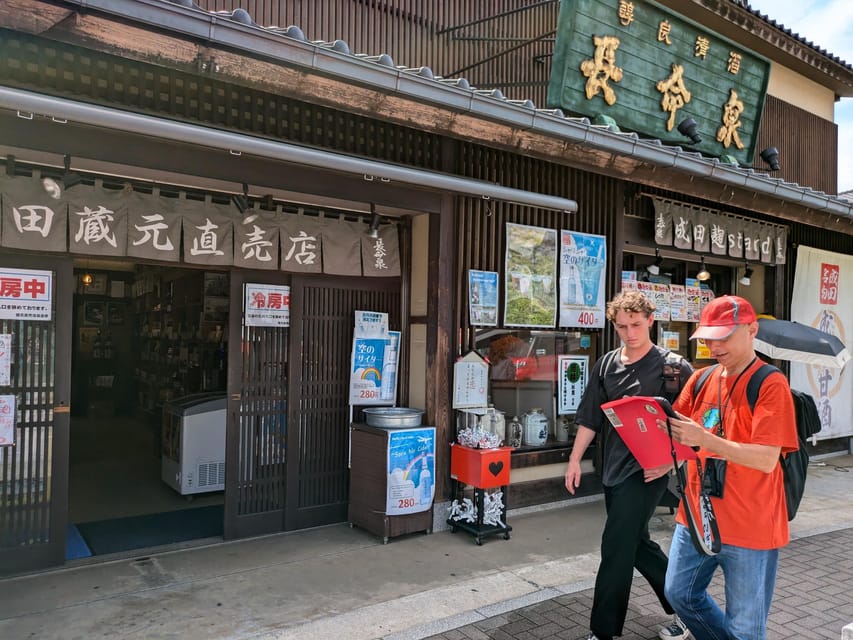
- A real town visit in only four hours: Ride from the airport to Narita Station, then walk through a traditional shopping street toward the temple.
- The Goma Prayer ceremony: You may watch Buddhist monks perform a striking fire ritual at Naritasan Shinshoji Temple.
- Private and adjustable: Your guide can slow the pace, focus on food or culture, and sometimes include a tea ceremony or other local event.
- Local specialties at your own cost: Eel is the signature dish along Omotesando, with sushi, tempura, soba, and udon also available.
- Walking matters: Wear comfortable shoes, prepare for heat in summer, and leave big bags at the airport.
- Best for a long layover: The four-hour tour itself is manageable, but airport security, immigration, and possible delays require extra time.
Why Narita is a smart layover stop
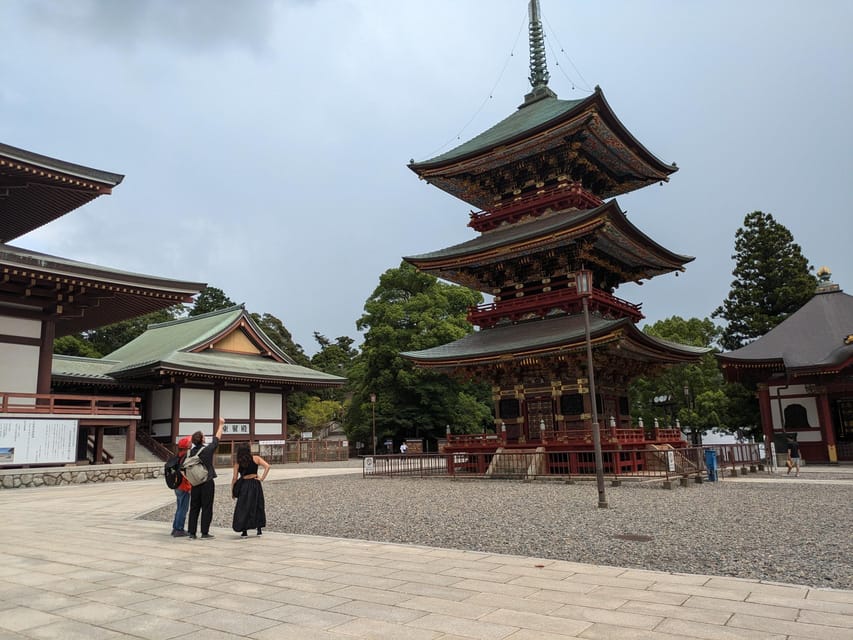
Narita is close enough to the airport for a short cultural outing, yet it feels removed from terminal life. The town gives you a compact introduction to Japan: a train ride, a historic temple district, small food shops, traditional sweets, local customs, and a meal in a Japanese restaurant.
I like this choice for a layover because it does not try to cover too much ground. You are not racing into central Tokyo and back. Instead, you spend your time in one walkable area, with a guide who can explain what you are seeing and help with practical details.
The four-hour duration is the advertised tour time, not a guarantee that your full airport-to-airport outing will take only four hours. You need time to leave the secure area, meet the guide, reach the station, return to the airport, and pass through security again. A six-hour layover may work for some people, but the longer your connection, the more comfortable the plan becomes.
You also need to be legally allowed to enter Japan. Visa rules depend on the country that issued your passport, so check before booking. This tour is not a way to visit Narita while remaining airside.
A few more Tokyo half-days to weigh up
- Mt Fuji and Hakone 1-Day Bus Tour Return by Bullet Train
★ 5.0 · 26,383 reviews - 1-Day Tokyo Bus Tour
★ 5.0 · 14,250 reviews - Tokyo: TOKYO SKYTREE® Admission ticket
★ 4.5 · 11,192 reviews
Meeting your guide at Narita Airport
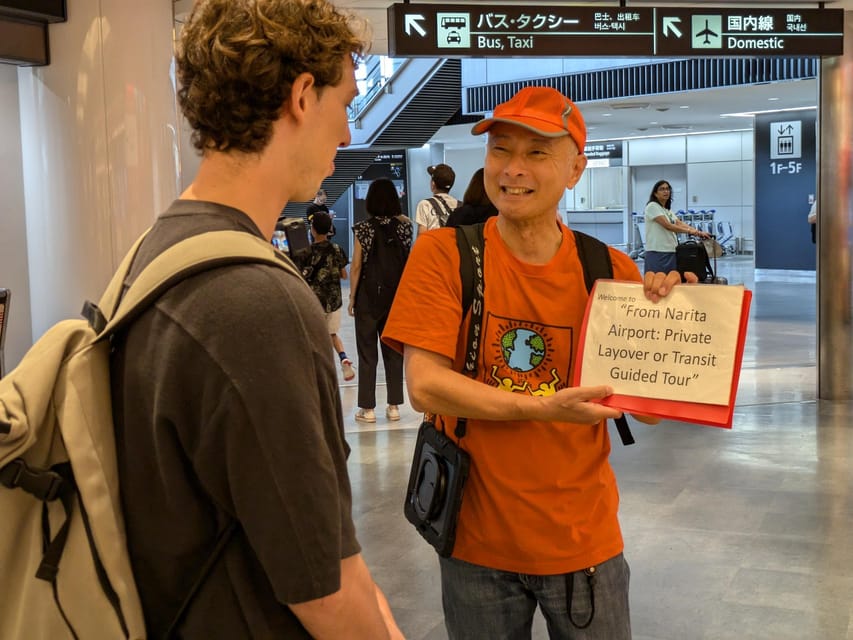
The airport meeting point is near the Tourist Information Center in the Visitor Service Center area on the arrival level of Terminal 1’s Central terminal building. The guide wears something orange, which gives you a simple visual clue in a busy terminal.
You can also meet near the Tourist Information Center just outside the east exit of JR Narita Station. That option may suit you if you are already in town or are arranging your own transfer from another part of the airport area.
Pre-tour communication is one of the useful parts of this experience. Kai, a company representative, has helped visitors with photos of the meeting point, terminal transfers, and luggage storage information. That kind of contact matters when you have a tight connection and do not want to begin the day wondering where to go.
Guides such as Fusako and Chiho have been praised for arriving early, helping with train tickets, and adjusting the walking pace. English and Japanese are available. Because this is a private group, you can ask questions freely rather than trying to keep up with a large party.
The 15-minute train ride to Narita Station
After meeting your guide, you travel by train to Narita Station. The ride takes about 15 minutes, and the fare is around 500 yen. Train fare is not included, so keep Japanese cash ready.
The train journey is part of the experience, not just a transfer. Your guide can help you buy the ticket and explain the route, which is useful if you are unfamiliar with Japanese stations. It also gives you a quick look at an ordinary part of local life before the walking portion begins.
The short ride keeps the tour practical. You are not spending most of your layover on transport, and there is no need for a private car or a long drive through traffic. Still, allow extra time for moving through the station, especially if your group walks slowly or has limited mobility.
The activity is listed as wheelchair accessible, but it is also described as a walking tour. Ask in advance about your particular needs and preferred pace. Large luggage should remain at the airport, and any baggage storage fee is your responsibility.
Walking Naritasan Omotesando
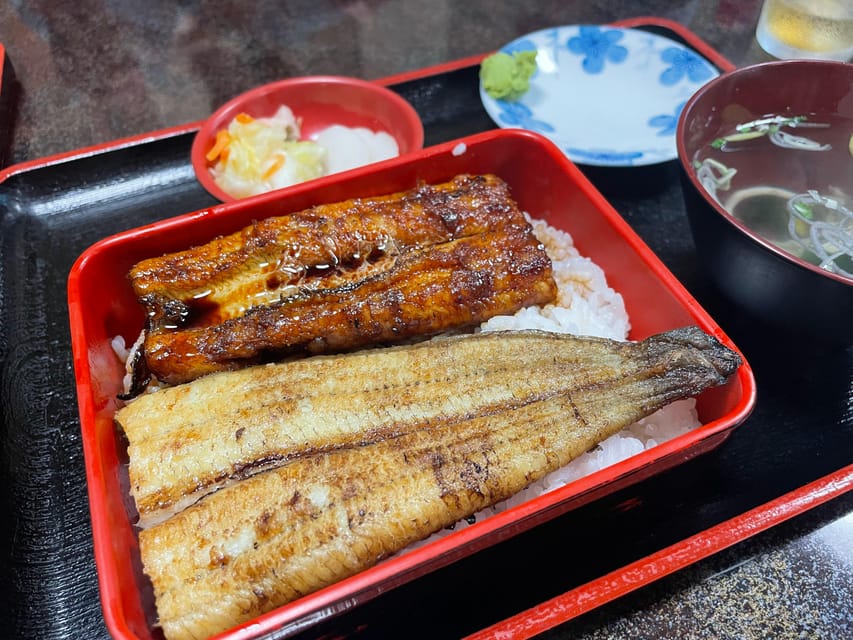
From Narita Station, you walk along Naritasan Omotesando, the traditional approach to the temple. This is the most atmospheric part of the outing for many people. The street is lined with shops, restaurants, sweets, and products that give you a direct look at local food culture.
The route has an old-fashioned feel rather than the polished scale of Tokyo’s main sightseeing districts. You might stop for a bean-filled waffle, traditional pastry, sesame ice cream, or another small taste, depending on the day and your guide’s plan. These snacks are not simply filler. They help you understand how a temple approach works as a place for eating, shopping, and social life.
Food is a recurring strength of the tour. Narita is known for eel along this approach, and guides may explain how the dish fits the town’s identity. You can also browse shops selling customary Japanese products and ask which items are reasonably priced. That advice can save you from buying the first souvenir you see.
The walking time is listed at about one hour, but your private format gives you room to pause. If you want more history, your guide can talk while you walk. If you prefer food and shopping, you can spend more time looking at displays and tasting local treats.
Summer needs care. The route is outdoors, the heat can be strong, and the operator may change the route on especially hot days. Bring water, wear a hat, and use comfortable shoes. The tour runs rain or shine, so a weather-ready plan is sensible.
Same base, a completely different sort of day:
- Tokyo: teamLab Planets TOKYO Digital Art Museum Entry Ticket
★ 4.6 · 9,779 reviews - Mt Fuji & Hakone Cruise, Drum Show Bullet Train 1 Day from Tokyo
★ 4.0 · 7,413 reviews - Tokyo: Sumo Show Experience with Chicken Hot Pot and a Photo
★ 4.8 · 6,678 reviews - Tokyo: Shinjuku Food Tour (13 Dishes at 4 Local Eateries)
★ 5.0 · 6,603 reviews
Naritasan Shinshoji Temple and the Goma Prayer
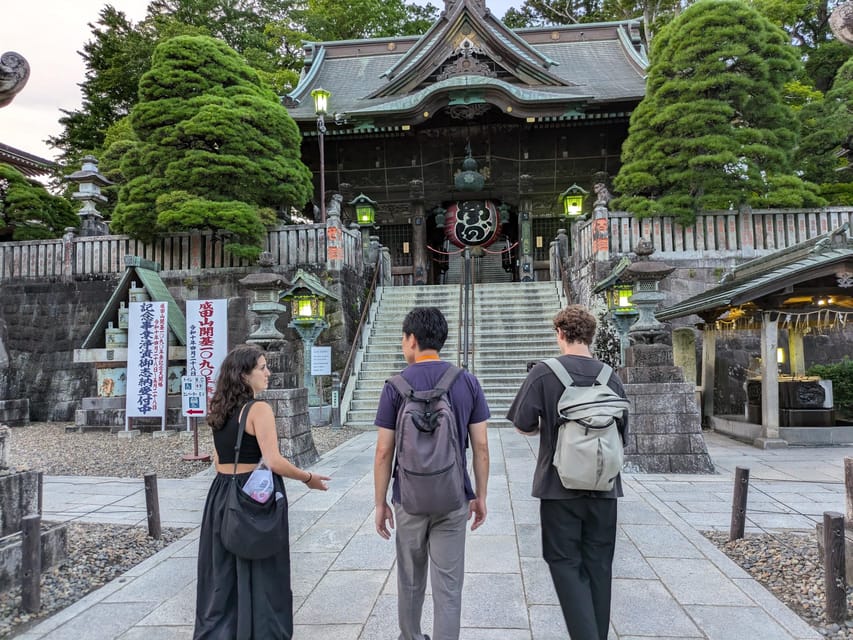
Naritasan Shinshoji Temple is the cultural heart of the visit. The temple dates back about a thousand years, giving your guide plenty of context to explain as you move through the grounds. You will have about 30 minutes of guided time here, followed by the chance to look around during the broader free-time period.
The most memorable possibility is the Goma Prayer ceremony. This Buddhist ritual includes a sacred fire and is a direct way to see religious practice rather than only admire temple buildings from the outside. The ceremony schedule can affect what you see, so treat it as a valuable possibility rather than a guaranteed private performance.
Guides have also helped visitors join or observe a traditional tea ceremony when one happened to be taking place. That is exactly where the private format pays off. If your interests are known before the tour, the guide may be able to point out an event that matches your timing.
The temple visit is not only about photographs. Ask questions about the ceremony, the building details, and the customs you are observing. Guides such as Fusako have been praised for explaining local traditions in a clear, friendly way and for using quizzes or small questions to keep the walk engaging.
You will likely spend time in open areas and gardens, so weather still matters. On a hot day, your guide may shorten or alter the route. On a rainy day, the tour continues, but your shoes and clothing should be suitable.
Two hours to shape around your interests
The itinerary allows about two hours of free time in Narita, plus an hour for lunch. This is where the outing becomes more than a fixed sightseeing loop.
You can use the time for additional temple grounds, small shops, sweets, photographs, or a slower conversation about Japanese customs. One guide taught origami paper cranes, while another helped fit tea, local food, and Kabuki discussion into the day. These details show what customization can mean in practice: not a completely different tour, but a thoughtful adjustment to what interests you.
Tell the provider what you want after booking. You might request more food stops, more temple time, a gentle pace, or a focus on everyday customs. The guide can then shape the walk around those priorities.
There are limits. Four hours does not leave room for a long shopping expedition and an extended religious visit and several formal ceremonies. If you stop often, another part of the plan may need to be shortened. That trade-off is easier to manage with a private guide than on a group tour.
Lunch in Narita, with eel as the local choice
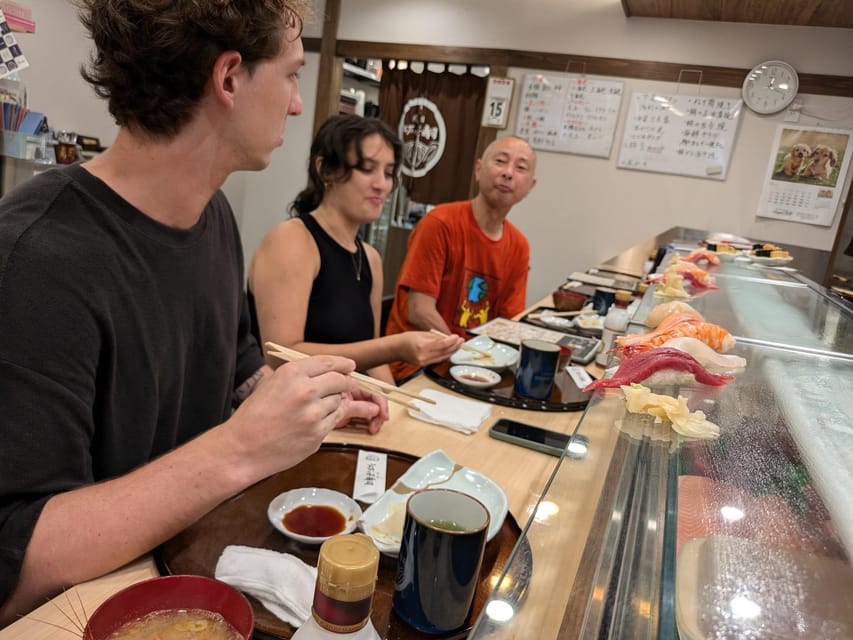
Lunch is not included in the $277 tour price. A standard Japanese meal usually costs around 2,000 yen, while a somewhat higher-end meal runs about 3,000 to 4,000 yen. The guide can help you choose a restaurant based on your interests, and the food is a central part of the experience rather than an afterthought.
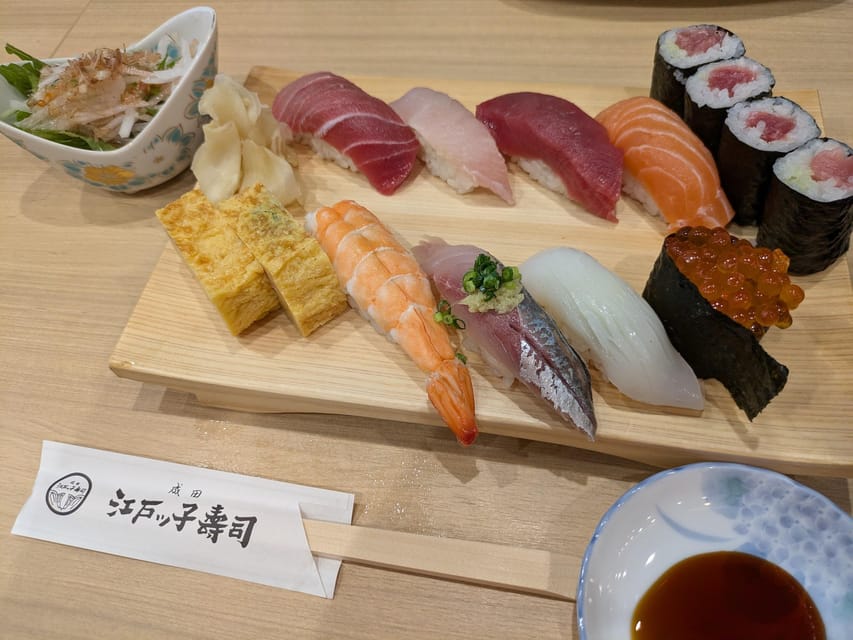
Eel is the local specialty associated with the Omotesando approach. If you want a dish tied closely to Narita, this is the obvious pick. You can also choose sushi, tempura, soba, udon, or another Japanese meal.
The guides have arranged shared plates so visitors can try several foods without ordering a full portion of everything. That can be a smart choice if you want variety or are unsure what you will enjoy. Meals have included combinations such as eel, noodles, shrimp, and vegetables.
You should tell the guide about dietary needs before the day of the tour. The supplied information does not promise specific allergy-free, vegetarian, or religious-diet options, so do not assume a restaurant can meet a need without advance discussion.
Plan to pay in cash. Some shops and restaurants do not accept credit cards. If you hope to eat, buy snacks, and purchase souvenirs, around 10,000 yen in cash is recommended. That is in addition to the roughly 500 yen train fare.
The price and what you get for it
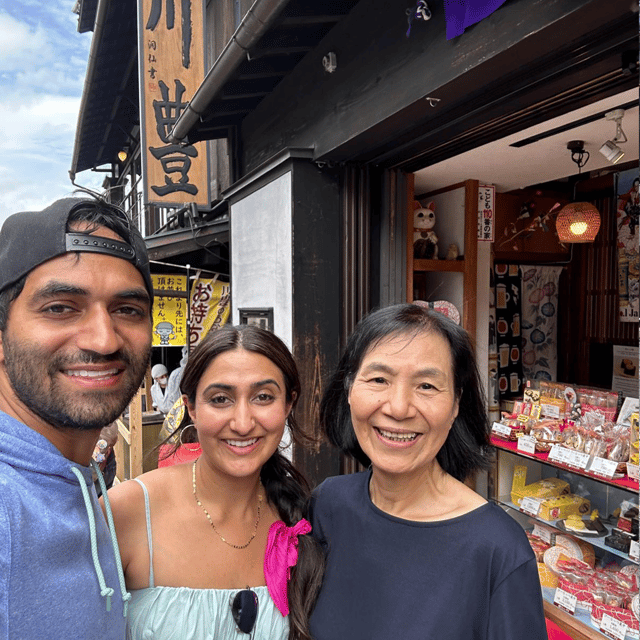
The cost is $277 per private group of up to four people. That price can look high if you compare it with a self-guided train ride and a temple visit. It becomes easier to justify when two to four people share the fee and you value personal help during a short connection.
You are paying for more than transport. The guide meets you at the airport, manages the station transfer, explains the town and temple, helps with food choices, adjusts the pace, and returns you toward the airport. For a first visit to Japan, that support can turn a stressful layover into a useful cultural afternoon.
The value is strongest for a couple, family, or small group with enough connection time but limited confidence using Japanese stations. It is less compelling for a solo visitor on a very tight budget, particularly because one published experience indicates a two-person minimum and a solo booking may still be charged at the group rate.
Lunch, train fare, and baggage storage are separate. Add those costs before deciding. You also need to consider the value of your time. If leaving the airport would make you nervous, a terminal meal and quiet lounge may suit you better.
Practical details that affect the day
Wear comfortable shoes. You will walk through town, along the temple approach, around the temple grounds, and through the station.
Bring cash, a hat, and water, especially in summer. The route can change on extremely hot days, and the tour operates in rain as well as good weather.
Leave large luggage at the airport. This is not designed for suitcases rolling through the streets. If you use storage, the fee is not included, and you should allow time to retrieve your bags before heading to security.
All visitors must pass through airport-style security. This is another reason not to schedule the tour right up against your departure time.
The tour is private, with English or Japanese guiding, and cancellation is free up to 24 hours before the start for a full refund. You can also reserve and pay later, which helps if your flight plans are not fully settled.
Who will get the most from this Narita tour
I would choose this experience if you have a long Narita layover and want your first taste of Japan to include real local food, a working religious site, and an ordinary train ride. It is especially good for first-time visitors who want explanations along the way.
Families and older visitors may appreciate the private pace. A guide can slow down, help with tickets, and adjust the route instead of forcing everyone to follow a fixed schedule.
Food-focused visitors have plenty to work with: eel, sushi, tempura, soba, udon, sweets, and sesame ice cream may all fit into the day. People interested in customs can ask about tea, Kabuki, prayer rituals, origami, and traditional products.
I would be more cautious if you have only a short connection, a visa concern, a large amount of luggage, or no tolerance for walking outdoors. The activity is accessible, but the practical demands of stations, streets, weather, and airport security still matter.
Should you book this Narita layover tour?
Book it if your connection gives you a generous safety margin and you want a guided introduction to Japan instead of four hours in the terminal. The combination of Omotesando, Shinshoji Temple, the Goma Prayer, and a local meal makes good use of a layover without sending you far from the airport.
The strongest reason to choose it is the guide. Fusako and Chiho have provided the warm, flexible style this tour needs, while Kai’s advance communication can remove much of the meeting-point worry. You get a personal outing, not just a checklist of sights.
Skip it if your connection is tight, your budget is very limited, or you prefer to remain airside. For everyone else with enough time, this is a practical way to turn an airport wait into a small but meaningful visit to Japan.
FAQ
How long does the Narita layover tour last?
The tour lasts four hours. This does not include all extra time needed for airport procedures, baggage storage, or your onward flight.
What sights are included?
The route includes Naritasan Omotesando and Naritasan Shinshoji Temple. You can also watch the Goma Prayer ceremony when timing allows and spend free time in Narita.
Is lunch included in the price?
No. Lunch costs extra. A regular Japanese meal is usually around 2,000 yen, while higher-end choices generally cost 3,000 to 4,000 yen.
How much is the train fare?
The train fare is around 500 yen and is not included. Cash is recommended because some places do not accept credit cards.
Where does the guide meet me at Narita Airport?
The airport meeting point is near the Tourist Information Center in the Visitor Service Center area on the arrival level of the Central terminal building in Terminal 1. The guide wears something orange.
Can I meet the guide at Narita Station instead?
Yes. The alternate meeting point is near the Tourist Information Center just outside the east exit of JR Narita Station.
Is the tour suitable for wheelchair users?
The activity is listed as wheelchair accessible. It is also a walking tour, so contact the provider about your specific needs and preferred route before booking.
What should I bring?
Bring comfortable shoes and cash. In hot weather, take precautions against heat stroke and consider bringing a hat. Large luggage should be left at the airport.
Just added around Tokyo
- Private Arrival Transfer : Narita International Airport to Central Tokyo City★ 4.5 · 12 reviews
- Narita Airport(NRT): Private Transfer to Tokyo/Yokohama 1-9pax★ 5.0 · 47 reviews
- Private Transfer from Narita Airport to Yokohama Port and City★ 4.5 · 17 reviews
- [Narita Airport Terminals 1, 2] 40-60km Sawara Itako Historic Bike Tour★ 5.0 · 13 reviews
- 3 Day Japan Highlights Tour: Tokyo, Mt.Fuji, Nara, Kyoto, Osaka★ 5.0 · 22 reviews
- Small Town in the Big City: Tasting Tokyo’s Kichijoji★ 5.0 · 195 reviews
- Small Town in the Big City: Tasting Tokyo’s Kichijoji★ 5.0 · 16 reviews
- The 10 Tastings of Tokyo With Locals: Private Street Food Tour★ 5.0 · 48 reviews
Tokyo Tours, compared.

Mt Fuji and Hakone 1-Day Bus Tour Return by Bullet Train
Read our review →

teamLab Planets TOKYO Digital Art Museum Entry Ticket
Read our review →
Mt Fuji & Hakone Cruise, Drum Show Bullet Train 1 Day from Tokyo
Read our review →
Sumo Show Experience with Chicken Hot Pot and a Photo
Read our review →
Shinjuku Food Tour (13 Dishes at 4 Local Eateries)
Read our review →
Tokyo Mt Fuji 5th St & Hakone Cruise Bus Tour w/Bullet Train
Read our review →