

Reviewed · TOKYO TOURS
NO DIET CLUB – Unique local food tour in Tokyo !
Sangenjaya gives you a very different Tokyo from the one sold on giant signs and crowded shopping streets. Just one station from Shibuya, this older neighborhood serves up Japanese comfort food in small local eateries, with a three-hour walk linking dishes such as takoyaki, omurice, and curry pan. I like the setting and the generous food plan. You get at least five tastings, both savory and sweet, and the walking gives you time to digest between stops.
I also like the human touch. Valentin and Marie have guided recent tours, and the strongest praise centers on their care, explanations, and willingness to listen to what you want to try. The main catch is simple: drinks are not included, apart from water, and seasonal changes mean the exact tastings can vary.
Key points at a glance
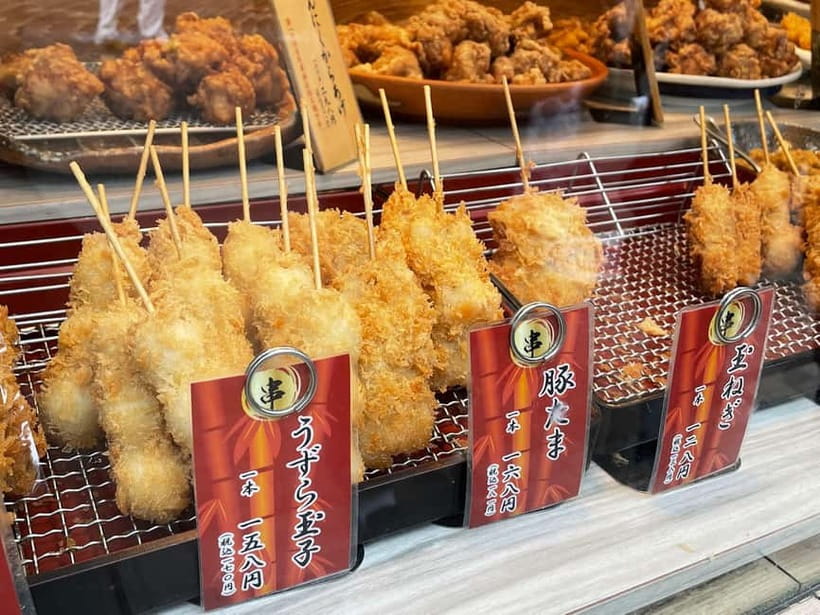
- Sangenjaya, one station from Shibuya: A local-feeling base for seeing older Tokyo without leaving the city center.
- At least five food tastings: Expect a mix of savory and sweet dishes, with takoyaki, omurice, and curry pan among the named specialties.
- English and French guides: Valentin and Marie have both led tours, with food explanations and neighborhood context.
- Small groups of up to 10: A useful size for asking questions and keeping the walk personal.
- Pescatarians can join: The food plan welcomes pescatarians, though dishes change with the seasons.
- $68 includes the food: You pay separately for drinks other than water, but the tasting count makes the price easier to judge.
Why Sangenjaya works so well for a food walk
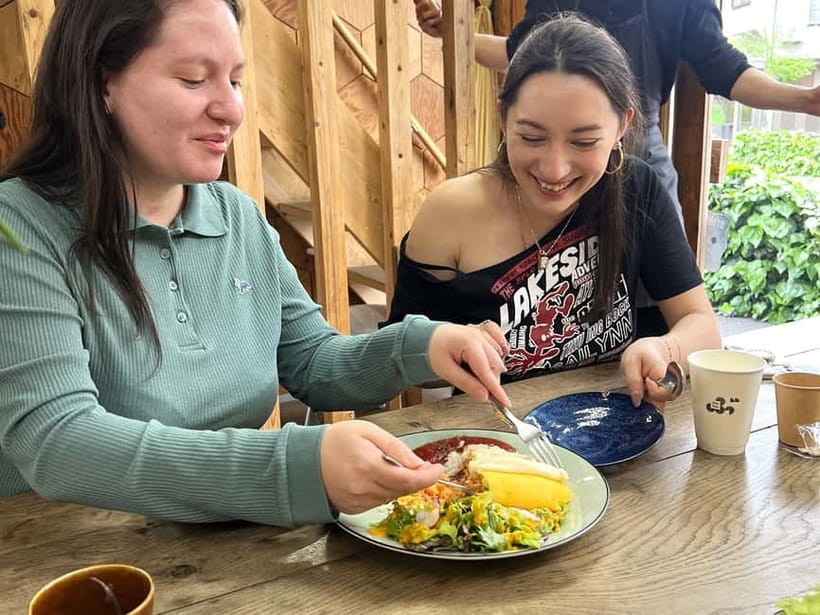
Many first visits to Tokyo focus on Shibuya, Shinjuku, Asakusa, or Tsukiji. Sangenjaya gives you a different angle without sending you far from the action. It is only one station from Shibuya, yet the tour takes you through an older part of Tokyo with nostalgic shops, narrow alleys, and eateries that have served local customers for generations.
That contrast is the point. You can begin your day among Shibuya’s major sights, then make a short train ride to a neighborhood where the food is the main attraction and the streets feel less designed for sightseeing. I would choose this tour for a first or second Tokyo visit when you want local flavor without spending half a day getting across the city.
The tour is not built around grand monuments. Its rewards are smaller: noticing the character of an alley, learning why a familiar Japanese dish matters, and finding places you might not pick on your own. That makes the neighborhood as important as the food.
More Food Tours in Tokyo
- Tokyo: Shinjuku Food Tour (13 Dishes at 4 Local Eateries)
★ 5.0 · 6,603 reviews - Tokyo: Shinjuku Food Tour (15 Dishes and 4 Eateries)
★ 4.9 · 2,033 reviews - Best of Shinjuku: Izakaya Food Tour (4 Stops, 14+ Tastings)
★ 5.0 · 1,863 reviews
What you eat over three hours
The tour promises a minimum of five tastings in many different spots. That wording matters. You are not simply stopping at one restaurant for a set meal. The experience spreads the food across several local addresses, so you can compare different styles and see more of Sangenjaya as you eat.
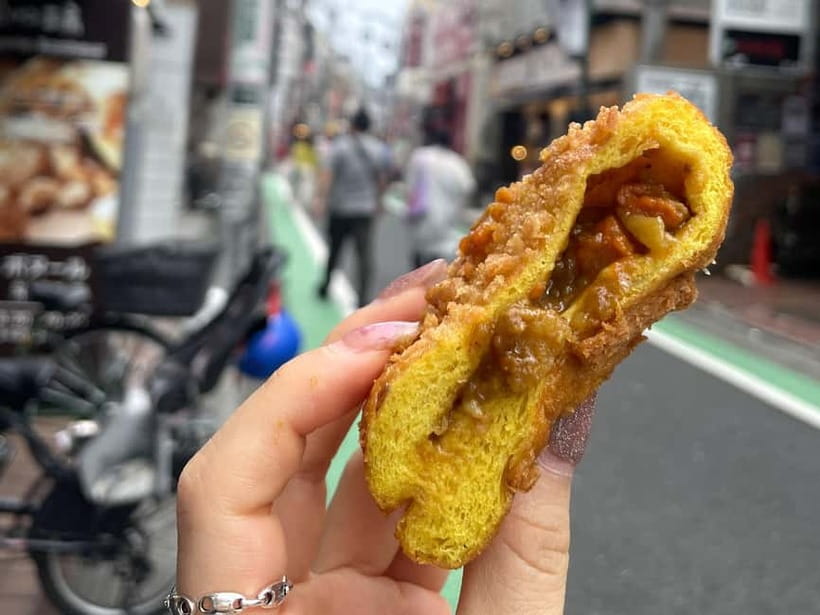
The named dishes give you a useful sense of the menu. Takoyaki brings the casual street-food side of Japan, with bite-sized savory balls associated with Osaka but enjoyed across the country. Omurice is a classic comfort dish built around rice and an omelet. Curry pan adds another everyday favorite, a fried bread filled with Japanese-style curry.
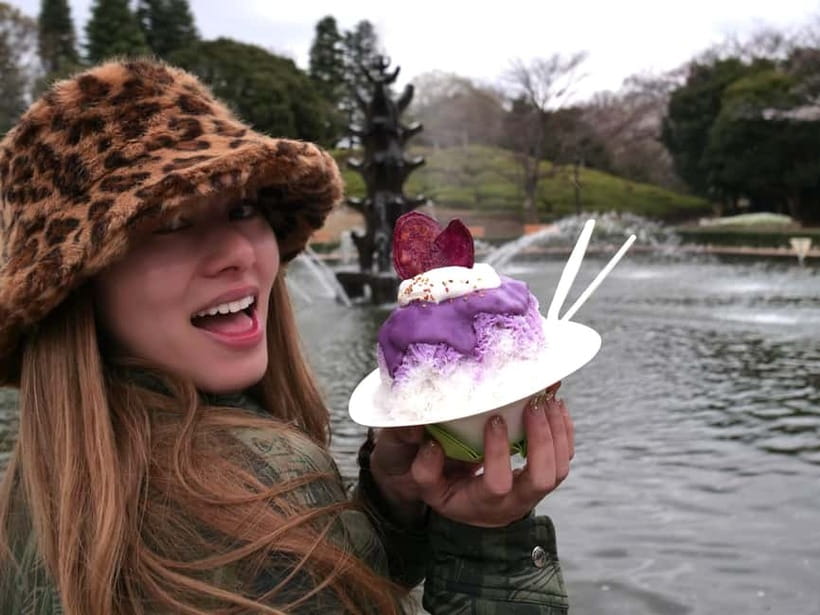
The list also includes many more delights, along with sweet tastings. The exact food can change by season, so you should not treat the named dishes as a guaranteed checklist. Instead, think of them as examples of the tour’s style: familiar Japanese foods, local specialties, and dishes you may not spot on a standard sightseeing route.
I like the balance between savory and sweet. Five or more stops can easily become too much if every bite is heavy, but the walk between tastings helps. One recent participant specifically valued having time to walk and let the food settle before the next stop. That is a small design choice, but it makes a three-hour eating tour more comfortable.
Still, arrive hungry rather than full. The promise is quality and quantity, and the tour is intended to be a substantial food experience rather than a few token samples. If you have a small appetite, you may want to pace yourself and take smaller bites.
Local context between the bites
The food is only half the reason to book. The guide explains what you are eating and adds context around dishes you may already know. That helps turn omurice or curry pan from something you simply consume into something you understand as part of everyday Japanese food culture.
The strongest comments about the guides focus on attention and explanation. Marie has been praised for taking time with dishes outside the usual tourist path, offering advice, and paying attention to the group’s needs. Valentin has also been praised for finding appealing local food spots and explaining the calm character of Sangenjaya.
Those details matter because small neighborhood food tours can vary widely depending on the person leading them. Here, you are not just handed food and sent along. You can expect the guide to explain the specialties, answer questions, and provide a bit of background as the group moves through the area.
The language choice is another advantage. Tours run in English and French, so you can choose the language in which food terms and cultural details make the most sense to you. That is especially useful when a dish has several names or when you want to ask about ingredients.
A closer look at the walking route

The route moves through old Tokyo rather than concentrating on a single famous market. You can expect narrow alleys, nostalgic shops, and local eateries along the way. The setting is intentionally away from the major tourist circuit, though it remains close enough to Shibuya for easy inclusion in a city itinerary.
I would not book this expecting a grand, fixed sightseeing route with a long list of landmarks. The appeal comes from the street-level view. You get to see how a neighborhood feels as you move from one food stop to the next, and the changing streets help break up the eating.
There is also practical value in walking through the area with someone who knows where to go. The tour promises addresses you might not find by yourself. That does not mean every stop will suit every palate, but it does mean the experience takes away some of the guesswork that comes with ordering in an unfamiliar food district.
The tradeoff is that the route and dishes are not fully fixed in the information provided. Seasonal ingredients and local availability can change the tastings. If you have your heart set on one exact dish, ask before booking rather than assuming every named example will appear.
Same base, a completely different sort of day:
- Mt Fuji and Hakone 1-Day Bus Tour Return by Bullet Train
★ 5.0 · 26,383 reviews - 1-Day Tokyo Bus Tour
★ 5.0 · 14,250 reviews - Tokyo: TOKYO SKYTREE® Admission ticket
★ 4.5 · 11,192 reviews - Tokyo: teamLab Planets TOKYO Digital Art Museum Entry Ticket
★ 4.6 · 9,779 reviews
Is $68 a fair price?
At $68 per person, this is not the cheapest way to eat in Tokyo. You can buy individual street-food snacks for much less, and independent diners may prefer choosing their own restaurants. The price makes more sense when you count the guide, the neighborhood walk, the food at a minimum of five stops, and the convenience of having the route planned.
The quantity is important here. This is not a tour where the food is an afterthought. You receive savory and sweet tastings, and the plan is designed to leave you well fed. If you tried to recreate the same number of stops on your own, you might spend less, but you would also need to research the area, choose the shops, order confidently, and manage the language gap.
I see the best value for people who want a guided introduction to Tokyo food and do not want a polished, heavily touristed setting. The value is weaker if you already know Sangenjaya well, prefer complete control over every dish, or rarely eat between meals.
Remember to budget for drinks. Water is included, but other beverages are not. That is a modest extra cost, yet it is easy to overlook when comparing the headline price.
Who will enjoy this tour most
This experience suits curious eaters who want more than the standard sushi-and-ramen checklist. It is a good fit if you enjoy trying everyday dishes, walking through residential-feeling streets, and asking questions as you go.
Pescatarians are welcome, which opens the tour to more eating styles. The food still changes with the season, so you should explain your preferences to the guide in advance or at the start. The available information does not promise a full vegetarian or vegan menu, so those requirements need checking before you reserve.
The small group limit of 10 is another plus. It is large enough to keep the tour social, but small enough that you should be able to hear the guide and ask questions. The experience may suit solo visitors, couples, and small groups who want a shared food outing without joining a large crowd.
Families and people with limited walking interest should consider the format carefully. The tour lasts three hours and includes a neighborhood stroll between food stops. The supplied details do not specify the walking distance or accessibility arrangements, so ask the provider if those points are important for you.
How to fit it into your Tokyo plans
Because the tour lasts three hours and begins in Sangenjaya, it works well as a half-day activity. You can pair it with time in Shibuya, since the neighborhood is only one station away, or use it as a reason to visit a part of Tokyo you might otherwise skip.
I would schedule it when you can eat at a relaxed pace. Avoid booking it immediately after a large breakfast or lunch. The minimum of five tastings, plus the extra food that may appear at different stops, calls for a real appetite.
The tour can also help early in your Tokyo stay. You will learn about foods and ordering choices that may make later independent meals easier. At the same time, it is rewarding near the end of a trip, when you have already seen the major sights and want a slower, more local afternoon.
The schedule varies by availability, so check the starting times when you book. Free cancellation is available up to 24 hours in advance for a full refund, and you can reserve now and pay later. Those terms are useful if your Tokyo plans are still moving around.
What the praise tells you
The repeated strengths are clear: the food, the neighborhood, and the guides. The food is described as delicious, plentiful, and full of discoveries. The neighborhood is valued because it feels calmer and less geared toward foreign visitors than major tourist areas. The guides receive praise for being attentive, informative, and open to the group’s interests.
That combination is more meaningful than a high score by itself. A food tour can serve excellent dishes but feel rushed. It can offer a nice walk but leave you hungry. Here, the plan aims to handle both parts by combining several food locations with time on foot and explanations along the way.
The guide can shape your experience, and both Valentin and Marie have received strong praise in the supplied feedback. Since guide assignments can change, you should not book only because you expect one specific person. Book because the tour format suits you, then enjoy the added benefit if Valentin or Marie leads your group.
The small drawbacks to keep in mind
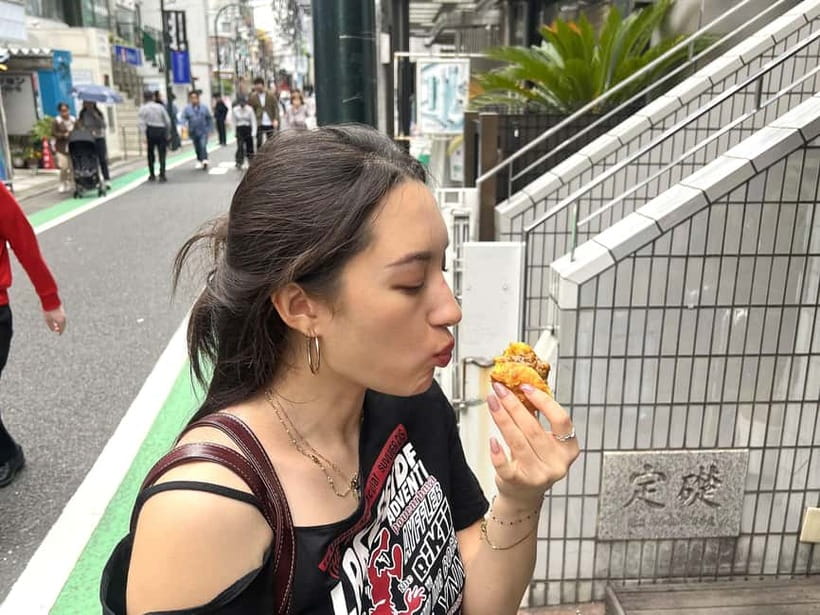
The biggest limitation is the lack of a guaranteed dish-by-dish menu. Seasonal changes are part of the experience, but they can disappoint you if you want a fixed list. The tour names takoyaki, omurice, and curry pan as examples, not as a promise that every one will be served on every departure.
Drinks are another minor drawback. Water is included, but coffee, tea, soft drinks, or other beverages require separate payment. That is standard for many food walks, but it means the $68 price is not completely all-inclusive.
Finally, the tour’s local character may not suit someone looking for famous Tokyo landmarks. You will see alleys, shops, and eateries rather than a major temple or observation deck. For me, that is the reason to go, but it is worth knowing before you book.
Should you book the Sangenjaya food tour?
Book it if you want a generous, small-group introduction to Japanese comfort food in a part of Tokyo that sits close to Shibuya but feels more local. The combination of at least five tastings, savory and sweet food, English or French guidance, and a three-hour neighborhood walk gives you a useful mix of eating and orientation.
I would especially recommend it to first-time visitors who want help finding local places, pescatarians who appreciate a stated welcome, and repeat visitors who have already covered the major sightseeing stops. The $68 cost is fair if you value the guide and the variety as much as the food itself.
Skip it if you need a guaranteed menu, a fully vegetarian or vegan plan, or a short activity with almost no walking. Otherwise, this is a strong way to spend three hours in Tokyo, with enough food to count as a real meal and enough neighborhood context to make the outing feel like more than a string of snacks.
FAQ
How long does the NO DIET CLUB food tour last?
The tour lasts three hours.
Where does the tour take place?
It takes place in Sangenjaya, an older Tokyo neighborhood located one station from Shibuya.
How many food tastings are included?
At least five tastings are included, with savory and sweet items served at multiple spots.
Which foods might be included?
Named examples include takoyaki, omurice, and curry pan. Tastings may change with the seasons.
Are drinks included?
All food is included, but drinks other than water are not included.
Can pescatarians join?
Yes. Pescatarians are welcome, although the specific tastings may vary seasonally.
What languages are available, and how large is the group?
The tour is offered in English and French, with a maximum group size of 10 participants.
Just added around Tokyo
- Private Arrival Transfer : Narita International Airport to Central Tokyo City★ 4.5 · 12 reviews
- Narita Airport(NRT): Private Transfer to Tokyo/Yokohama 1-9pax★ 5.0 · 47 reviews
- Private Transfer from Narita Airport to Yokohama Port and City★ 4.5 · 17 reviews
- [Narita Airport Terminals 1, 2] 40-60km Sawara Itako Historic Bike Tour★ 5.0 · 13 reviews
- 3 Day Japan Highlights Tour: Tokyo, Mt.Fuji, Nara, Kyoto, Osaka★ 5.0 · 22 reviews
- Small Town in the Big City: Tasting Tokyo’s Kichijoji★ 5.0 · 195 reviews
- Small Town in the Big City: Tasting Tokyo’s Kichijoji★ 5.0 · 16 reviews
- The 10 Tastings of Tokyo With Locals: Private Street Food Tour★ 5.0 · 48 reviews
Tokyo Tours, compared.

Mt Fuji and Hakone 1-Day Bus Tour Return by Bullet Train
Read our review →

teamLab Planets TOKYO Digital Art Museum Entry Ticket
Read our review →
Mt Fuji & Hakone Cruise, Drum Show Bullet Train 1 Day from Tokyo
Read our review →
Sumo Show Experience with Chicken Hot Pot and a Photo
Read our review →
Shinjuku Food Tour (13 Dishes at 4 Local Eateries)
Read our review →
Tokyo Mt Fuji 5th St & Hakone Cruise Bus Tour w/Bullet Train
Read our review →
Flagship 2-Hours Official Street Go-Kart Tour – Tokyo Bay Shop
Read our review →Browse the lists this tour appears in