Reviewed · TOKYO TOURS
Nikko: Edo Wonderland Edomura Cultural Theme Park Ticket
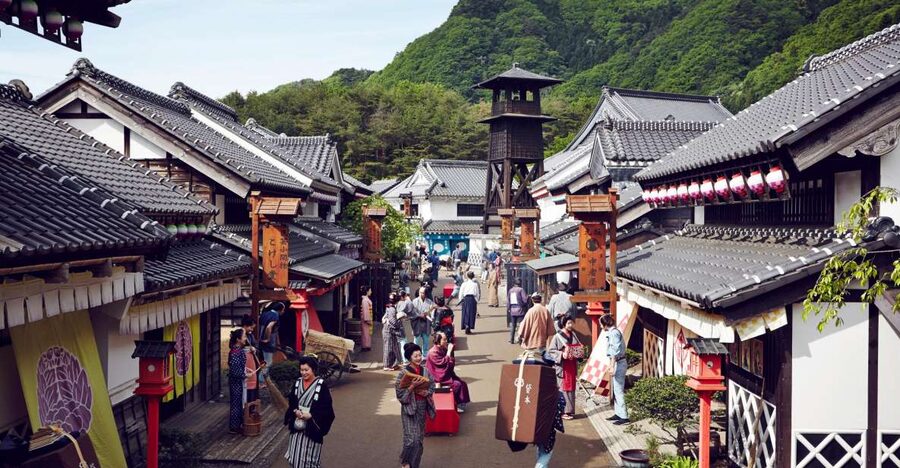
Edo Wonderland turns a day at a theme park into a walk through old Japan. You enter a town of wooden buildings, costumed performers, ninja tricks, samurai displays, shops, theaters, and food stalls. The ninja theater is the big crowd-pleaser, while the Oiran show offers a slower look at formal Edo culture.
I like the chance to wear a kimono and match your costume to the setting, and I like that many of the best activities are already covered by the entrance ticket. The main catch is the journey from Tokyo: it can take two to three hours, and the shuttle from Nikko may run only every couple of hours.
Edo Wonderland at a glance
- Ninja theater and live stage shows: Watch action fights, water magic, Oiran cultural performances, and traditional plays, with enough visual drama to follow along even if you do not speak Japanese.
- Costumes made for the setting: Rent clothing associated with a lord, samurai, princess, farmer, or another Edo citizen, then use the old-style streets as your photo backdrop.
- Free hands-on activities: Try the sword experience, ninja training hall, mechanical maze, and mysterious ninja house without paying an extra activity fee.
- Edo-era crafts and skills: Pay extra for selected activities such as ukiyo-e woodblock printing, aizome indigo dyeing, and Daruma painting.
- A full family day: Children can join limited free workshops with ninja, police, and samurai themes, while adults have plenty to watch and try.
- Food with an old-Japan flavor: Stop for ramen, shaved ice, mochi, seasonal dishes, sweets, and drinks inside the park.
Entering a mountain town from the Edo period
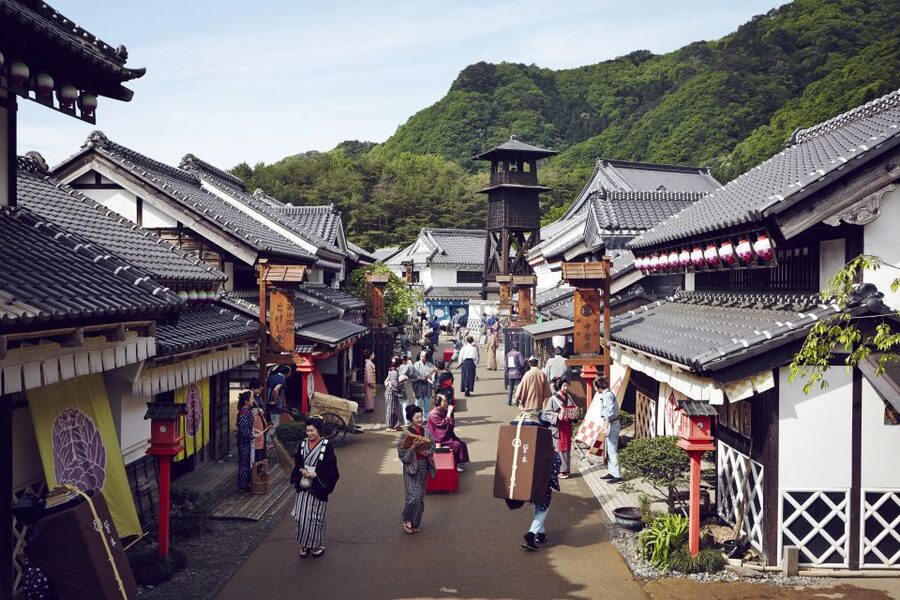
The first pleasure is simply walking through the gate. Edo Wonderland is built as a period town rather than a collection of separate rides, so the buildings, streets, theaters, and shops create a steady sense of place. The park sits in Nikko’s mountain setting, giving the visit a calmer feel than a large city amusement park.
You can wander at your own speed, but I would not treat this as a place to arrive late and casually browse. Shows run at set times, some workshops fill early, and the transport connections can eat up much of your day. A full day ticket is useful only if you arrive with enough time to use it.
The performances are built for broad visual appeal. Actors use movement, costume, comic timing, and action to make the story clear. That helps if your Japanese is limited, though you should not expect every explanation or sign to be available in English. One older assessment found very little English explanation, while another visitor still found the shows easy to follow.
A few more Tokyo half-days to weigh up
- Mt Fuji and Hakone 1-Day Bus Tour Return by Bullet Train
★ 5.0 · 26,383 reviews - 1-Day Tokyo Bus Tour
★ 5.0 · 14,250 reviews - Tokyo: TOKYO SKYTREE® Admission ticket
★ 4.5 · 11,192 reviews
The ninja show deserves first priority
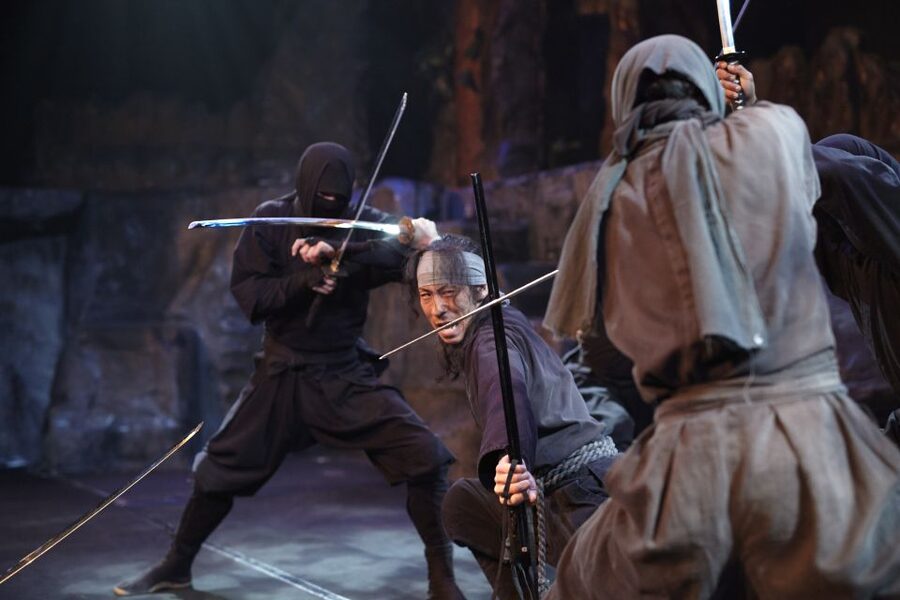
If you see only one major performance, make it the ninja action show. It is not a brief photo opportunity with a costumed actor. It is a staged fight with theatrical movement, comic touches, and the kind of quick action that gives the park its strongest burst of excitement.
The Shinobi show has been singled out as a highlight by several people who enjoyed the park. You should check the daily schedule as soon as you arrive and plan around it. Missing a favorite performance can be frustrating because the next showing may not fit your remaining time.
Other performances broaden the picture. The Oiran cultural show presents the formal style and beauty associated with courtesans of the Edo period. Water magic adds spectacle, while other traditional plays bring humor and local color. These are not museum lectures, so you learn through costume, gesture, music, and staged scenes rather than long blocks of information.
That format works well for families and for anyone who wants culture without sitting through a formal history lesson. The tradeoff is that you may leave with a feel for Edo life rather than a detailed academic explanation.
Rent a kimono and become part of the scene
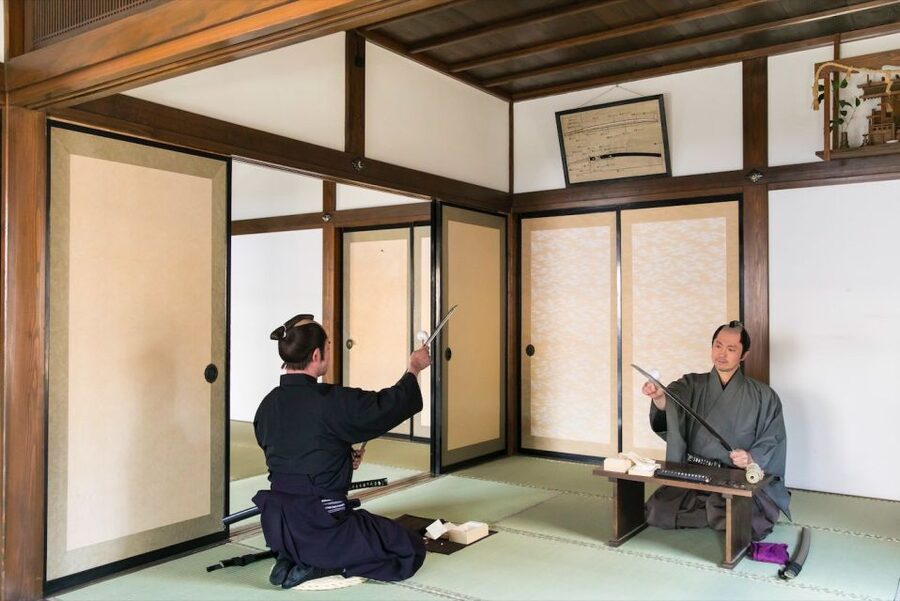
Kimono rental costs extra, but it may be the most worthwhile add-on for many people. You can choose a look linked to different social roles, including lord, samurai, princess, farmer, or another Edo citizen. The point is not only dressing up. Once you are in costume, the streets and buildings become a ready-made setting for photographs.
I would rent early if wearing traditional clothing is important to you. You want enough time to walk around, watch a show, and take photographs rather than changing just before departure. The clothing also makes the day feel more active. You are not only looking at a recreated town, you are taking part in its visual story.
Summer heat deserves a little thought. One visitor strongly recommended renting a costume despite hot weather, but traditional clothing can still feel warm during a long day outside. Wear comfortable footwear if allowed with your chosen outfit, drink regularly, and leave room in your schedule for breaks.
The setting is especially good for families, couples, and anyone who enjoys photography. You can take pictures against wooden architecture, bridges, shopfronts, and the park’s mountain surroundings. If you book a visit that includes a private guide or transfer, confirm what is included. One particularly praised guide, Jagroop, helped a family explore the park and took photographs, but a guide is not part of this standard admission ticket.
Free activities for curious hands
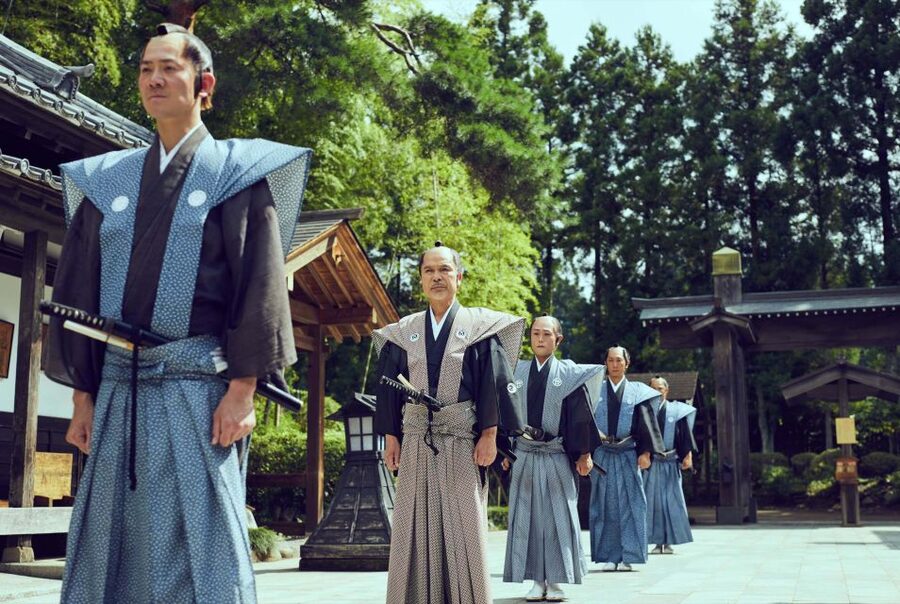
Edo Wonderland gives you more than stage shows. The included sword experience introduces basic samurai sword handling, while the ninja training hall offers a playful look at ninja skills. The mechanical maze and mysterious ninja house provide the park’s most unusual amusements.
The ninja house is designed around hidden tricks and visual confusion. The so-called laws of physics seem to go wrong inside, which makes it fun for children and adults who enjoy puzzles and theatrical effects. The maze is another easy win, particularly if you need a change of pace after watching several performances.
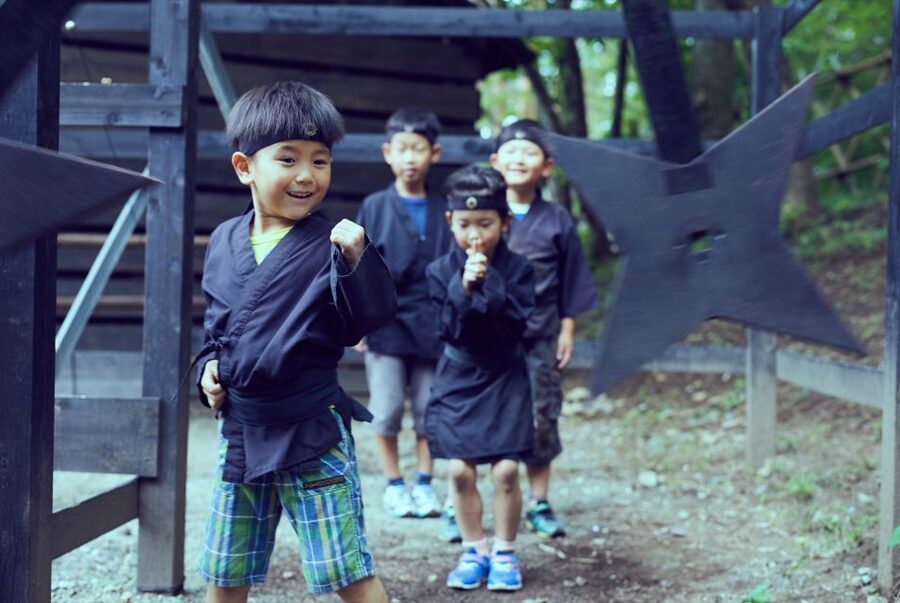
Children can also join free work experiences with ninja, police, and samurai themes. These sessions are limited, and registration takes place on the day, so families should ask about sign-up immediately after entering. Do not assume there will be a place later in the afternoon.
The samurai training activity also fills quickly. If it is high on your list, register first thing. The same advice applies to any timed activity you especially want to do. A leisurely arrival may mean choosing between whatever remains rather than following your ideal plan.
Same base, a completely different sort of day:
- Tokyo: teamLab Planets TOKYO Digital Art Museum Entry Ticket
★ 4.6 · 9,779 reviews - Mt Fuji & Hakone Cruise, Drum Show Bullet Train 1 Day from Tokyo
★ 4.0 · 7,413 reviews - Tokyo: Sumo Show Experience with Chicken Hot Pot and a Photo
★ 4.8 · 6,678 reviews - Tokyo: Shinjuku Food Tour (13 Dishes at 4 Local Eateries)
★ 5.0 · 6,603 reviews
Paid workshops for a slower, more hands-on day
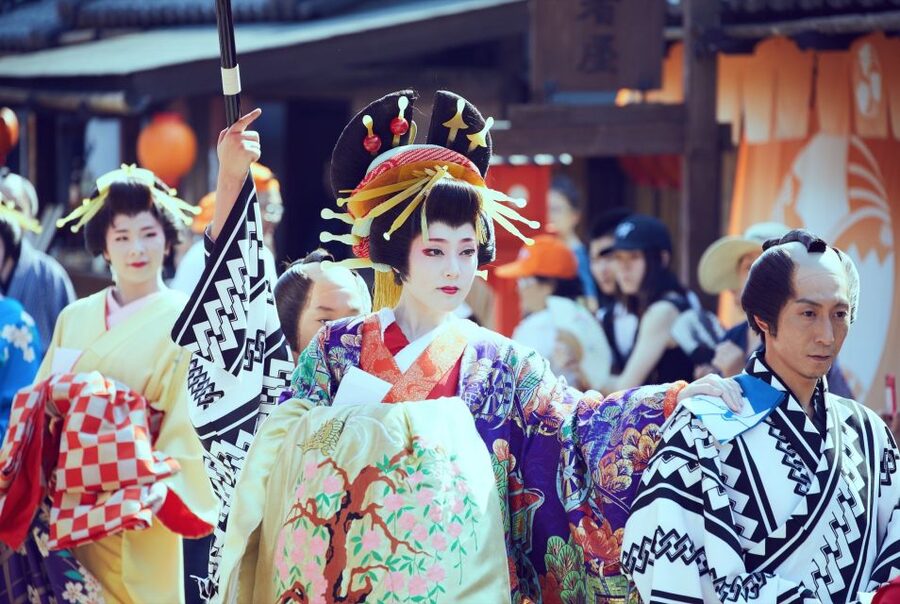
The admission ticket covers the park, theaters, performances, exhibits, the sword activity, the ninja training hall, the maze, and children’s work experiences. Some of the more specialized crafts cost extra.
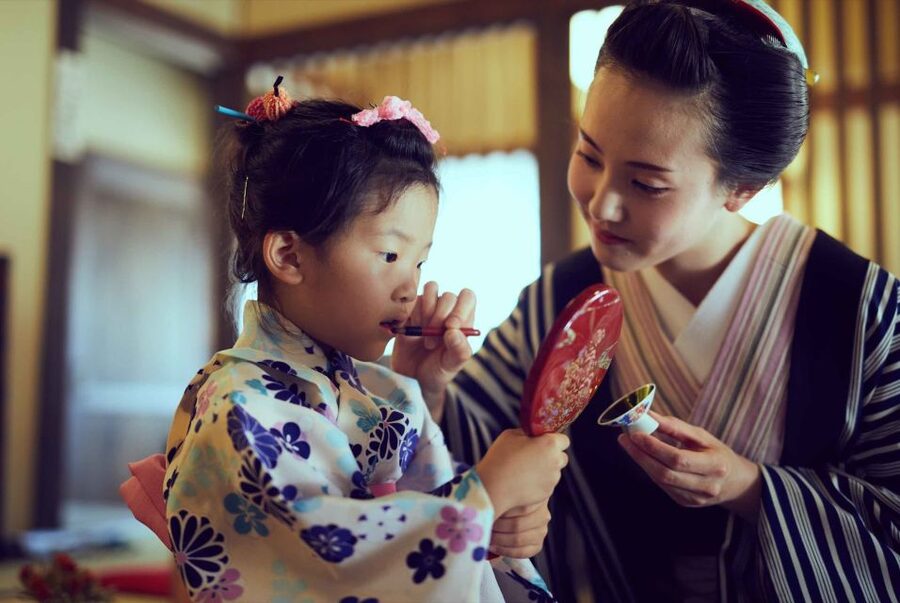
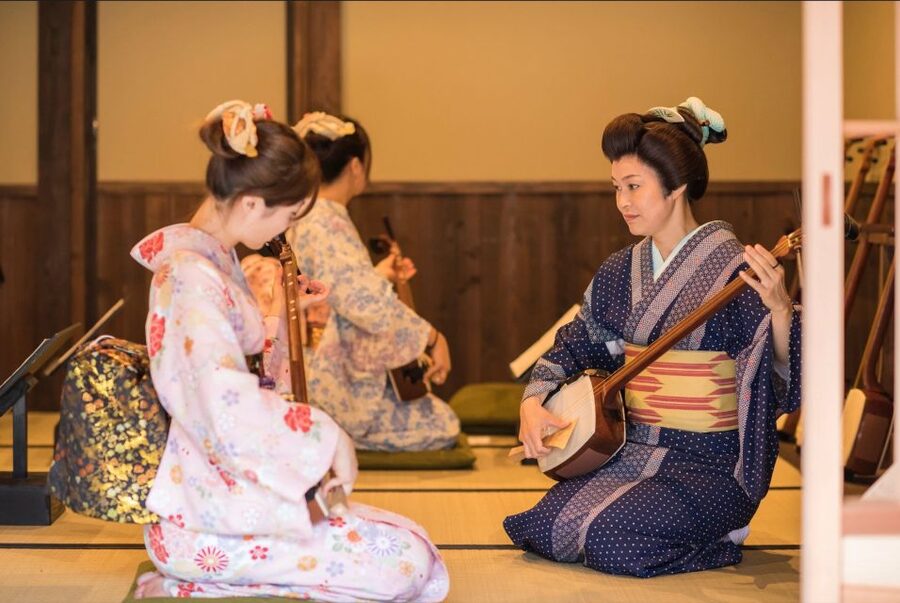
Possible paid activities include ukiyo-e woodblock printing, aizome indigo dyeing, and Daruma painting. You can also learn about shamisen, the traditional three-stringed instrument, or try applying handmade beni lipstick. Samurai etiquette and traditional archery add a more formal side to the day, while horseback archery offers a striking connection to warrior culture.
These extras make the park more than a sightseeing stop, but they also change the budget. At $35 per person, the basic ticket is reasonably priced if you attend several shows and use the free activities. Add costume rental, craft workshops, games, food, and drinks, and the final cost can rise well above the advertised admission.
I would choose one or two paid activities rather than trying to buy everything. Woodblock printing or indigo dyeing gives you a physical reminder of the day, while sword or archery sessions may appeal more if you want action. Check the day’s schedule and fees at the park before committing.
Exhibits that add meaning to the costumes and shows
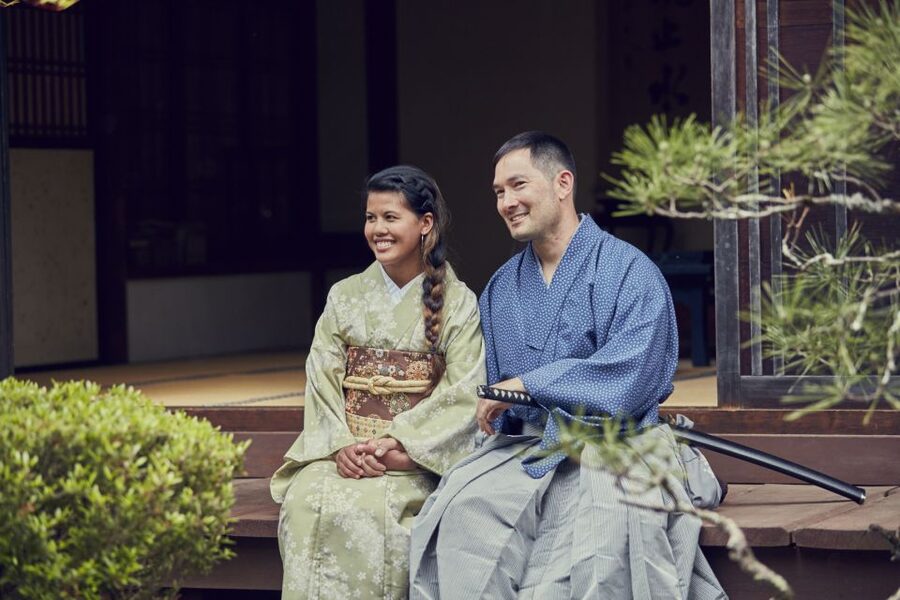
The exhibits help explain the world represented by the streets and performances. An Edo firefighters exhibition and a swordsmith exhibit offer a closer look at working life, tools, and the skills behind familiar period images.
These displays matter because the park could otherwise feel like a film set. The architecture and costumes are attractive, but the exhibits give them context. You begin to see that Edo culture included police work, craft, entertainment, trade, social rank, and daily labor, not only samurai and ninja.
English information may be limited. If you want detailed historical background, allow extra time to look closely at displays and ask staff when possible. The strongest learning often comes from combining an exhibit with a show or workshop. You see the object, then watch a performer or instructor bring its use to life.
Eat ramen, mochi, and seasonal Edo dishes
Food is part of the day, not an afterthought. Restaurants serve Edo-style dishes and seasonal menus, along with sweets and drinks. Ramen, shaved ice, and mochi are among the easy choices mentioned by people who enjoyed their meals inside the park.
Prices are described as reasonable by one assessment, but food is not included in the $35 ticket. Bring cash. A practical warning from the park experience is that credit card payment may not be available, and there is no ATM inside. The nearest ATM was described as about a 20-minute walk away, so do not arrive with an empty wallet.
Vegetarian diners should plan carefully. One assessment specifically pointed to a lack of vegetarian choices. The supplied information does not confirm a full vegetarian menu, so ask before ordering and consider eating a solid meal before arriving if your diet is strict.
Seasonal menus are a nice reason to return at a different time of year, but food should not be the sole reason to make the long trip from Tokyo. The park’s strongest value comes from combining meals with shows, costumes, and activities.
Getting from Tokyo to Nikko without losing the day
Transport is the biggest practical issue. From Shinjuku or Asakusa, the journey can take two to three hours, depending on the route and connections. The most direct option is the Tobu limited express from Asakusa to Kinugawa Onsen Station, followed by the connection toward the park.
If you use a JR Pass, one listed route is the Shinkansen from Tokyo to Utsunomiya, then a local train to JR Nikko Station, followed by the free shuttle bus to Edo Wonderland. This can work with the right timing, but it is not automatically the easiest route.
The shuttle matters. It may run only every two hours, and missing one can leave you waiting close to an hour or more. One family arrived late enough to miss an 11:30 shuttle and had to wait almost an hour for the next one. Another group left Tokyo at 4 a.m., changed three trains, and reached the park around 10 a.m.
My practical advice is simple: stay near Nikko or Kinugawa Onsen if you can. That turns Edo Wonderland into a comfortable local day instead of a punishing out-and-back from Tokyo. If you must travel from Tokyo, check every connection in advance and aim for an early start.
Who will enjoy the park most
Families have plenty to do here. Children can dress up, explore the maze, try the ninja training hall, watch comic action, and register for limited workshops. Adults should not dismiss it as a children’s attraction. The sword experience, Oiran show, architecture, craft demonstrations, and food give the day enough range for mixed-age groups.
You will get the most from Edo Wonderland if you enjoy performances, costumes, photography, or hands-on activities. It also works well for people who want a lighter cultural day after visiting temples and shrines in Nikko.
The park is less ideal if you want a quiet historical museum with extensive English interpretation. Much of the experience is in Japanese, and some activities may not run every day. A recent visit found many areas closed, with only a few shops and workshops operating. Check the operating calendar and daily program before setting out.
The site is wheelchair accessible, but the supplied details do not explain which individual attractions or workshops have special access arrangements. If that matters for your visit, contact the park before booking.
Is the $35 ticket good value?
For $35, the ticket is fair value when you use the park as a full-day cultural attraction. Entrance, shows, exhibits, free activities, and the maze are included. The ninja theater alone may justify the admission for people who enjoy live action, while the costume rental can turn the visit into a memorable photo session.
The value drops if you arrive late, see only one show, or find that several activities are closed. Transport costs and time also belong in your calculation. A cheap ticket does not make a long, complicated day worthwhile if you are exhausted before the gates open.
I would book it as a planned Nikko outing, not as a last-minute extra from central Tokyo. Reserve ahead if you need flexibility, since cancellation is free up to 24 hours before the activity and payment can be made later. Those terms help, but they do not solve the shuttle and train timing problem.
Should you book Edo Wonderland?
Book this experience if you want a playful, visual introduction to Edo Japan and can give it a full day. Prioritize the ninja show, register early for samurai training or children’s workshops, bring cash, and consider staying near Nikko.
I would especially recommend it to families, photographers, fans of samurai and ninja stories, and anyone who enjoys live theater more than a conventional museum. I would hesitate only if your schedule allows no room for a two to three-hour journey, you need extensive English explanations, or you are visiting on a day when many workshops may be closed.
FAQ
How long is the Edo Wonderland ticket valid?
The ticket is valid for one day from its first activation.
What does the $35 ticket include?
It includes entrance, access to exhibits, theaters, performances, the sword experience, the ninja training hall, the maze, and children’s Edo work experiences.
Is kimono rental included?
No. Kimono rental costs extra.
Do the craft workshops cost extra?
Yes. Woodblock printing, indigo dyeing, and Daruma painting are listed as additional experiences. Games, food, and drinks also cost extra.
How long does it take to reach Edo Wonderland from Tokyo?
Travel from Shinjuku or Asakusa generally takes two to three hours. Check the route and connections before leaving.
What is the most direct route from Tokyo?
The most direct route is by Tobu limited express train from Asakusa toward Kinugawa Onsen Station.
Are the children’s workshops guaranteed?
No. Free ninja, police, and samurai workshops for children have limited sessions, and registration takes place on the day.
Can I cancel for a full refund?
Yes. You can cancel up to 24 hours in advance for a full refund. You can also reserve now and pay later.
Just added around Tokyo
- Private Arrival Transfer : Narita International Airport to Central Tokyo City★ 4.5 · 12 reviews
- Narita Airport(NRT): Private Transfer to Tokyo/Yokohama 1-9pax★ 5.0 · 47 reviews
- Private Transfer from Narita Airport to Yokohama Port and City★ 4.5 · 17 reviews
- [Narita Airport Terminals 1, 2] 40-60km Sawara Itako Historic Bike Tour★ 5.0 · 13 reviews
- 3 Day Japan Highlights Tour: Tokyo, Mt.Fuji, Nara, Kyoto, Osaka★ 5.0 · 22 reviews
- Small Town in the Big City: Tasting Tokyo’s Kichijoji★ 5.0 · 195 reviews
- Small Town in the Big City: Tasting Tokyo’s Kichijoji★ 5.0 · 16 reviews
- The 10 Tastings of Tokyo With Locals: Private Street Food Tour★ 5.0 · 48 reviews
Tokyo Tours, compared.

Mt Fuji and Hakone 1-Day Bus Tour Return by Bullet Train
Read our review →
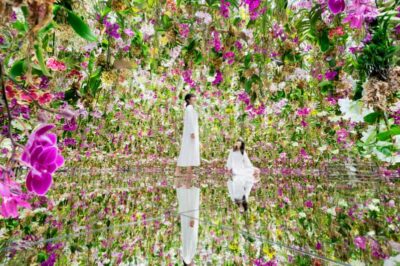
teamLab Planets TOKYO Digital Art Museum Entry Ticket
Read our review →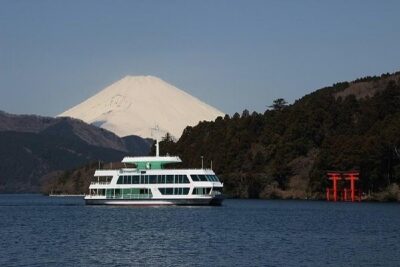
Mt Fuji & Hakone Cruise, Drum Show Bullet Train 1 Day from Tokyo
Read our review →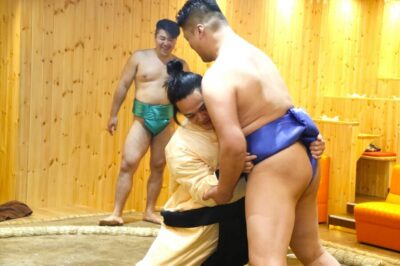
Sumo Show Experience with Chicken Hot Pot and a Photo
Read our review →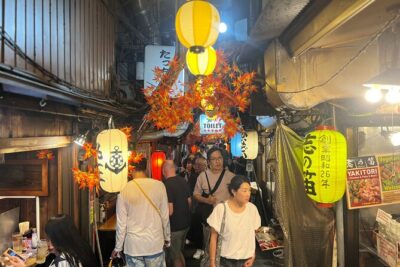
Shinjuku Food Tour (13 Dishes at 4 Local Eateries)
Read our review →
Tokyo Mt Fuji 5th St & Hakone Cruise Bus Tour w/Bullet Train
Read our review →