
Reviewed · OSAKA TOURS
Osaka; Japanese Tea ceremony experience, Macha and Sencha
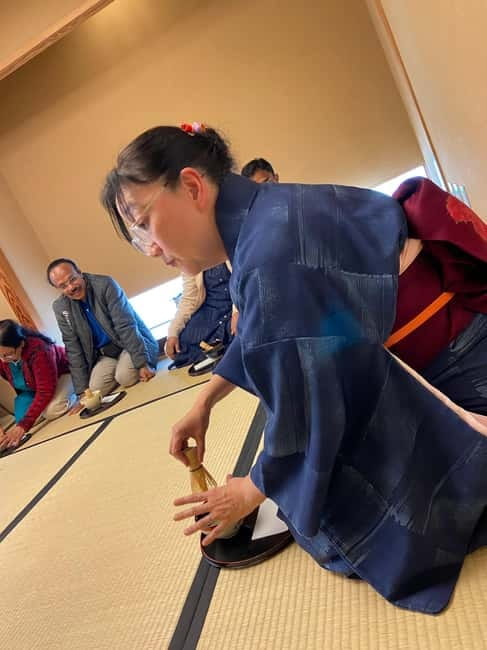
The heart of this Osaka experience is not simply drinking green tea. You sit in a traditional tatami room, watch a tea master prepare matcha, then make tea yourself while learning why each movement matters. The session also introduces sencha, the everyday green tea many people in Japan drink now.
I like the clear two-part format: matcha and formal tea etiquette first, sencha and modern tea culture second. I also like the personal teaching style. Yuko is praised for her gentle manner, strong English, and ability to explain the ceremony’s history without making it feel stiff or academic. The main drawback is its short one-hour length, and people with food allergies cannot eat the sweets provided.
Key points
- Matcha preparation: Watch the tea master make matcha, then follow the etiquette and prepare tea yourself.
- Sencha tasting: Compare formal matcha culture with sencha, a more common tea in Japan today.
- English guidance: Sessions are offered in English or Japanese, and Yuko has been especially praised for clear, friendly explanations.
- Traditional setting: The ceremony takes place in a tatami room, giving the hour a properly Japanese sense of place.
- Optional yukata: You can rent a yukata separately and wear it during the ceremony for photographs.
- Good value: At $25 per person, the experience includes two teas, sweets, instruction, and cultural background.
A calm introduction to Osaka’s tea culture
Osaka is often associated with food, bright streets, and quick-moving city life. This tea ceremony gives you a quieter hour, with time to sit, watch, listen, and take part.
The experience is designed for beginners. You do not need prior knowledge of tea ceremony rules, Japanese manners, or tea preparation. The instructor explains what is happening and then gives you a chance to try it yourself.
That last part matters. Watching a ceremony can be beautiful, but making the tea helps you understand the care behind it. You learn that the ceremony is not only about the final cup. The preparation, the setting, the way tea is received, and the attention paid to the other person all form part of the experience.
The room is traditional, with tatami flooring rather than ordinary chairs and tables. That setting helps the ceremony feel distinct from a standard tea tasting in a café. It also means you should be ready for the physical demands of sitting in a traditional room for the session.
More Tea Ceremonies in Osaka
- Osaka: Tea Ceremony Experience
★ 4.9 · 1,426 reviews - Tea Ceremony Experience in Osaka Doutonbori
★ 5.0 · 754 reviews - Osaka: Japanese Traditional Sweets Making and Tea Ceremony
★ 4.7 · 118 reviews
Finding the meeting point near the Midosuji Line
The meeting point is at the underground Midosuji Line, Exit 3, on the ground floor. This is useful if you are already moving around Osaka by subway, but take a moment to identify the correct exit before your start time.
The information provided does not give a full street address, so you should check your booking details carefully and allow enough time to find Exit 3. Osaka’s underground stations can be large and confusing, especially if you are changing lines or carrying luggage.
Once you arrive, the activity is compact and easy to fit into a larger day. The listed duration is one hour, so you can place it between sightseeing stops rather than giving up half a day. Still, do not plan a tight connection immediately afterward. You will want a little breathing room for the station, the meeting point, and the pace of the session.
Watching the matcha ceremony in the tatami room
The first main section centers on matcha, the powdered green tea used in the formal ceremony. The tea master prepares the drink while explaining what you are seeing.
This demonstration is the best chance to pay attention to small details. The ceremony has a set etiquette, and the tea master shows you how the preparation is carried out before asking you to try it yourself. You are not left to guess which actions are polite or in what order things happen.
The teaching also covers the history and spiritual role of the tea ceremony. The point is not to turn the hour into a lecture. Instead, the background gives meaning to the gestures and helps you understand why the ceremony values care, focus, and respect.
English ability can make a big difference here. The activity is offered in English and Japanese, and Yuko has been singled out for speaking very good English and explaining the ceremony with warmth. If she is your instructor, you can expect a guide who places emphasis on conversation as well as demonstration.
The pace should suit people who want more than a photograph. You watch first, learn the rules, and then take part. That sequence makes the session approachable, even if you have never handled matcha before.
Making your own matcha
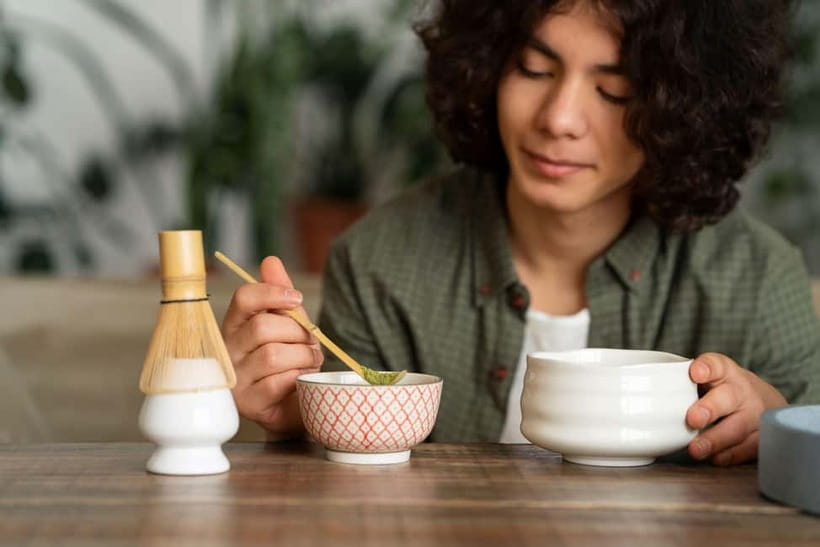
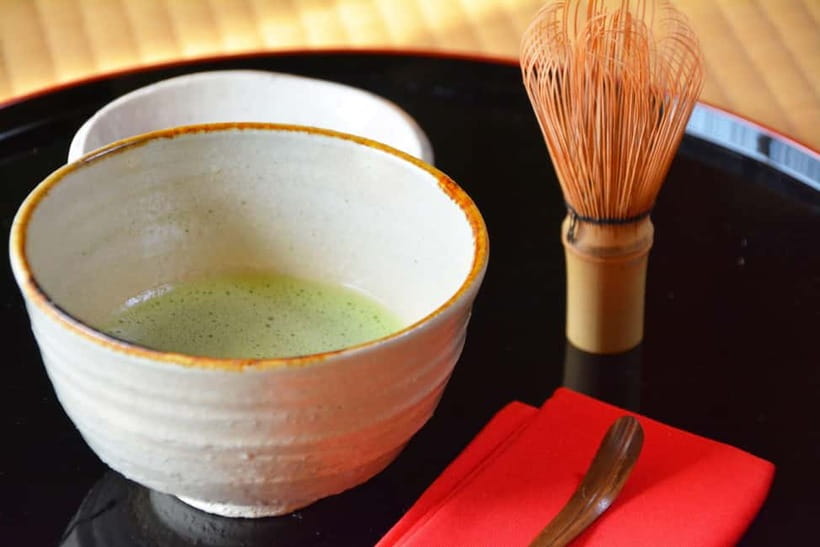
After the demonstration, you make tea yourself. This is where the etiquette becomes practical rather than abstract.
The activity information does not spell out every hand movement or tool used, so you should expect instruction from the tea master rather than a rigid test of accuracy. The purpose is to learn the manner of preparation and experience the process, not to perform like a professional practitioner after one hour.
I like this hands-on element because it gives you a better sense of the ceremony’s discipline. Even a simple cup requires attention to what you are doing. The experience asks you to slow down and follow directions, which is a pleasant change from rushing between Osaka sights.
It also creates a natural chance to ask questions. The guide can explain the meaning behind the ceremony as you work, making the cultural information easier to remember. You leave with more than a taste of matcha. You have taken part in a small piece of Japanese tea practice.
Same base, a completely different sort of day:
- Osaka Go Karting Tour with Funny Costume
★ 5.0 · 2,658 reviews - Osaka Castle: Museum and Tower Entry Ticket
★ 4.5 · 2,380 reviews - Osaka: Shinsekai Food Tour with 13-15 Dishes at 5 Eateries
★ 4.8 · 2,204 reviews - Osaka Food Tour: 13 Dishes at 5 Local Eateries
★ 5.0 · 2,149 reviews
Traditional sweets with matcha
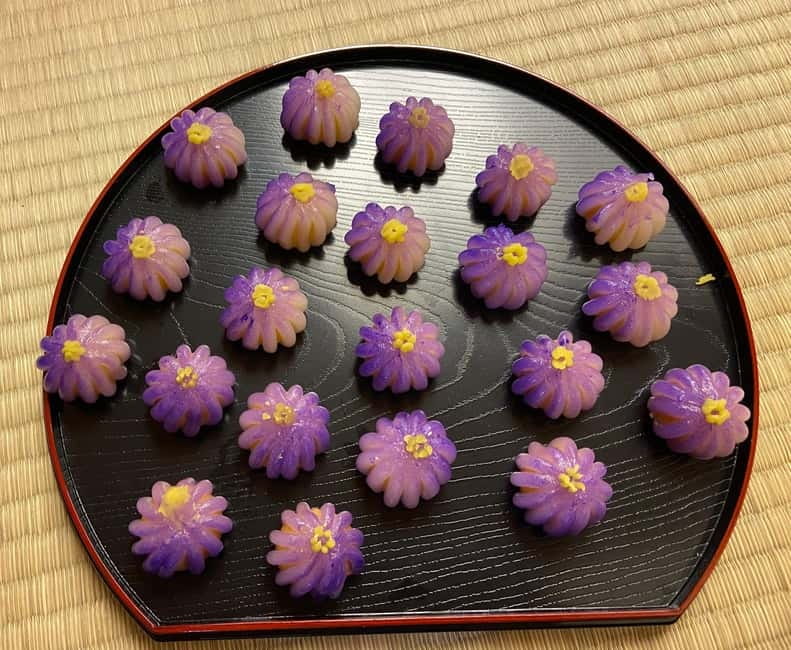
Matcha is served with traditional Japanese sweets. These sweets are an important part of the experience, not just a snack added to the price.
The sweetness helps balance matcha’s strong, grassy flavor. It also shows how tea and confectionery work together in Japanese custom. You should pay attention to the contrast rather than treating the sweet as a separate course.
The exact sweets are not specified, so do not book this expecting a particular dessert. The useful point is that the tea and confectionery are presented together as part of the ceremony.
Food allergies require care. The instructions specifically warn that people with food allergies should not eat the Japanese sweets and confectionery. If that applies to you, ask the provider before eating anything, and do not assume that a small portion is safe.
Sencha and the everyday side of Japanese tea
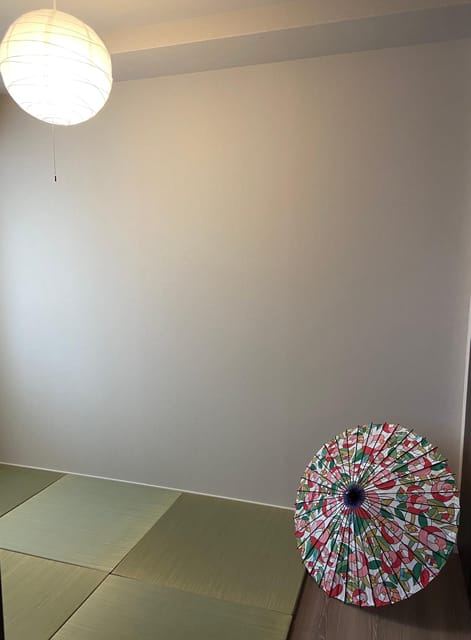
The second part moves from formal matcha to sencha. This is one of the most useful features of the activity because it shows that Japanese tea culture is not limited to the ceremonial form.
Sencha is commonly drunk in Japan today. The instructor explains its history and other aspects of sencha while you taste the tea with current Japanese confectionery.
This contrast gives the session a wider frame. Matcha introduces a careful ceremonial tradition, while sencha connects tea with ordinary daily life. You get to consider two different ways tea functions in Japan: one shaped by formal etiquette and spiritual ideas, the other more familiar as an everyday drink.
The word current in the description refers to Japanese confectionery served with the sencha portion. As with the matcha sweets, the exact items are not specified. You should see this as a chance to sample a second tea pairing, not as a meal.
The activity does not include lunch or any other meal. At one hour, it works best as a cultural stop before or after eating, rather than something you book to replace a meal.
A warm teaching style makes the difference
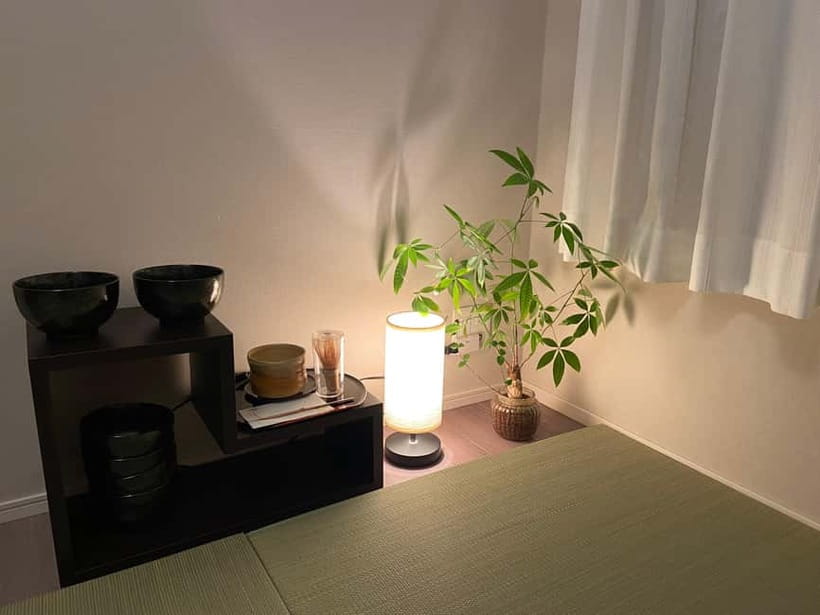
Tea ceremony can feel intimidating if the instructor treats every rule as a mistake waiting to happen. The feedback connected with this experience points in a better direction, especially when Yuko leads the session.
She is described as experienced, kind, and good at guiding beginners through the long history of the ceremony. The comments also praise the conversations, friendly meetings, and authentic feel of the event. That suggests a session with room for questions and human contact, not just a silent demonstration.
The instructor is listed as speaking English and Japanese. This is important because the ceremony’s meaning can be easy to miss if you only copy the motions. Clear language lets you understand the purpose behind the actions.
Of course, the exact guide may depend on the date and availability. I would treat Yuko’s praised teaching style as a strong indication of the experience’s tone, not a guarantee that she will personally lead every booking.
Add a yukata for photographs
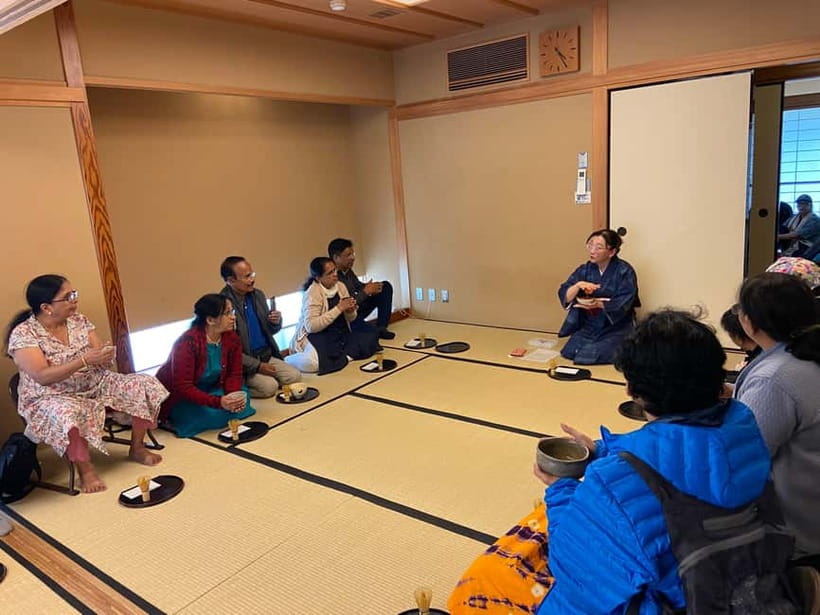
You can choose an additional yukata option when booking. A yukata is a light Japanese garment, and wearing one during the tea ceremony can make the photographs more distinctive.
The yukata is not included in the $25 base price. It must be rented separately, so check the booking options if wearing one matters to you.
This add-on will appeal most to people who want a visual memory of the experience. It may also help you feel more connected to the setting, although the tea lesson itself does not depend on wearing traditional clothing.
The photo opportunity comes after the experience. The information does not specify how many photographs you receive or whether a photographer provides professional images. Read the additional option carefully before paying extra.
Is $25 good value for one hour?
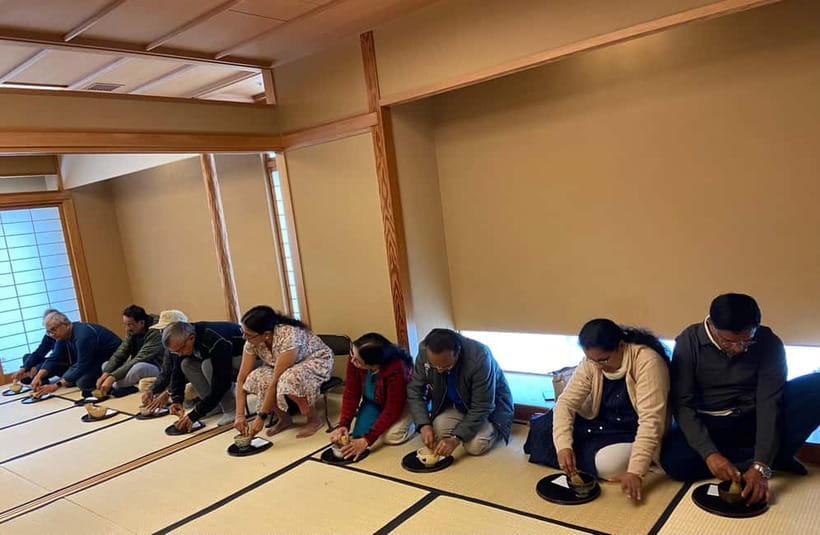
At $25 per person, the price is fair for a guided cultural activity in Osaka. You receive matcha, traditional Japanese sweets, sencha, current Japanese confectionery, and instruction from tea ceremony teachers.
The value comes from the combination. A simple tea drink would cost much less, but it would not give you the tatami-room setting, etiquette lesson, cultural background, and chance to prepare tea yourself.
The one-hour limit keeps the price approachable and makes the experience easy to fit into a busy Osaka schedule. The trade-off is that the session cannot offer a long, highly detailed study of tea ceremony schools, utensils, or regional differences.
I would book it for the guided participation rather than the amount of tea. If you want a full meal, extended photography, or an advanced ceremony lesson, this is not the right product. If you want a practical first look at two important Japanese teas, the price makes sense.
Who should book this tea ceremony?
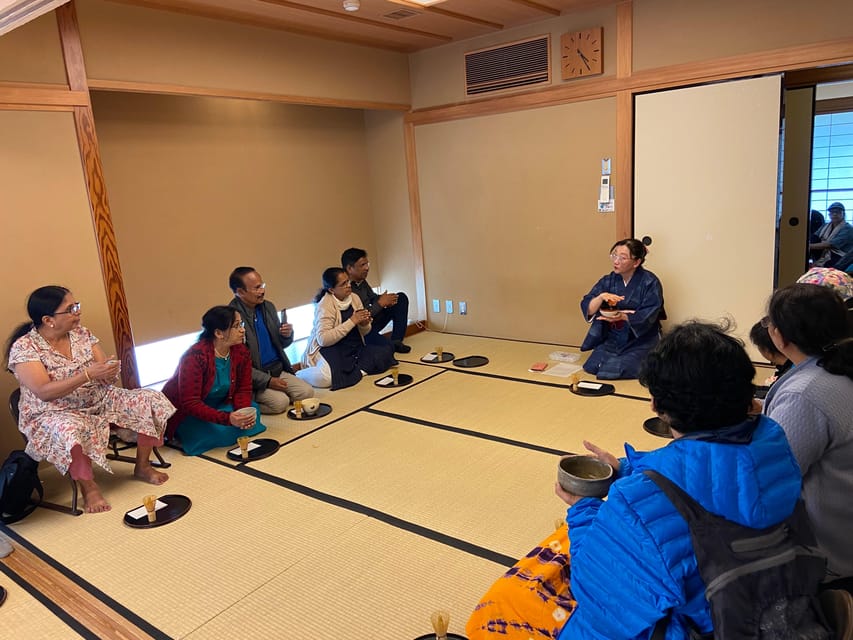
This activity suits first-time visitors to Japan who want a structured cultural experience. You receive enough explanation to understand the ceremony, but you do not need to prepare in advance.
It also works well for people who prefer smaller, focused activities over large sightseeing programs. The experience is only one hour, and the central subject remains clear from beginning to end.
Couples and families with older children may enjoy the hands-on format, provided everyone can follow the room rules and sit in the traditional setting. The activity specifically does not allow noisy behavior, bachelor or bachelorette party groups, smoking, alcohol, drugs, or intoxication.
You should think carefully about mobility. The activity is not suitable for wheelchair users, and non-folding wheelchairs, electric wheelchairs, and scooters are not allowed. If sitting on tatami or using the meeting point would be difficult, contact the provider before booking.
People with food allergies should also use caution. Japanese sweets and confectionery are included, but the instructions say not to eat them if you have food allergies.
Booking details worth knowing
The session lasts one hour, with starting times based on availability. It is offered in English and Japanese.
You can reserve now and pay later, which helps if your Osaka schedule is still changing. Free cancellation is available up to 24 hours in advance for a full refund, according to the stated terms.
The base price does not include a yukata. Meals are also not included, so plan a separate meal before or after the session.
The activity has a 4.9 rating from 29 reviews, and the strongest themes are clear English instruction, kind teaching, interesting explanations, and an authentic tea ceremony. The repeated praise for Yuko’s guidance is especially useful if you care about the quality of the cultural explanation rather than simply taking part in a photo opportunity.
Should you book it?
Book this experience if you want an affordable, beginner-friendly introduction to Japanese tea culture with real participation. The matcha and sencha pairing is the clever part: you learn the formal ceremony, then see how sencha fits into everyday Japanese life.
I would be cautious if you have food allergies, need wheelchair access, dislike sitting in a traditional room, or want a longer and more advanced tea study. For everyone else, the $25 price, central subway meeting point, English instruction, sweets, and optional yukata make this a sensible one-hour addition to an Osaka itinerary.
FAQ
How long does the Japanese tea ceremony experience last?
The experience lasts one hour.
How much does the activity cost?
The listed price is $25 per person.
Where is the meeting point?
The meeting point is at the underground Midosuji Line, Exit 3, on the ground floor.
Is the experience available in English?
Yes. Instruction is available in English and Japanese.
What teas will I taste?
You will taste matcha green tea and sencha green tea.
Are sweets included?
Yes. Matcha is served with traditional Japanese sweets, and sencha is served with current Japanese confectionery.
Is a yukata included in the price?
No. A yukata can be rented separately by selecting the additional option when booking.
Can I cancel for a full refund?
Yes. You can cancel up to 24 hours in advance for a full refund.
Just added around Osaka
- Discover Real Osaka: A Cultural Walk with Food & Drink★ 5.0 · 13 reviews
- Osaka 6hr Private Walking Tour with Government Licensed Guide★ 5.0 · 174 reviews
- Private Airport transfer Kansai Intl. Airport(KIX) to OSAKA CITY★ 4.5 · 12 reviews
- From Osaka/Kyoto: Kyoto & Nara Day Trip with Optional Lunch★ 4.5 · 79 reviews
- Osaka: Namba Local Food Walking Tour (Taste 15 Dishes)★ 5.0 · 20 reviews
- Osaka Delights: Traditional Japanese Food Tour★ 4.5 · 33 reviews
- Badminton in Osaka & Kyoto with Locals!★ 5.0 · 15 reviews
- From Osaka or Kyoto: Kyoto and Nara 1-Day Bus Tour★ 3.5 · 141 reviews
Osaka Tours, compared.


Shinsekai Food Tour with 13-15 Dishes at 5 Eateries
Read our review →
Osaka Food Tour: 13 Dishes at 5 Local Eateries
Read our review →
Hungry Osaka Street Food Tour:15 Tastings & 3 Drinks with a Local
Read our review →



Hotspots & Hidden Gems Walking Tour Private or Group
Read our review →Browse the lists this tour appears in