
Reviewed · TOKYO TOURS
Osaka: Kyoto By The Sea with Amanohashidate & Ine no Funaya
Amanohashidate and Ine no Funaya show you a quieter side of Japan, far from Osaka’s neon streets and Kyoto’s famous temple lanes. The day pairs a pine-covered sandbar with a fishing village where traditional boat houses open directly onto the water. That contrast is the real appeal.
I like the relaxed time at Amanohashidate, where you can walk beside the sea, visit Chionji Temple, or pay extra for the chairlift to View Land. I also like the personal touches reported from guides such as Yuri, Jun, and Jun Young Jo, including taking photos and even giving some guests a printed picture. The main drawback is the long day on the road, and the published three-hour duration does not match the much longer schedule described for this excursion.
Key Points
- Amanohashidate’s 5,000 pine trees: Walk along a natural sandbar across Miyazu Bay, one of Japan’s top three scenic views.
- A choice of viewpoints: Pay 850 yen for the chairlift or monorail to Amanohashidate View Land, with the sky bicycle as an optional thrill.
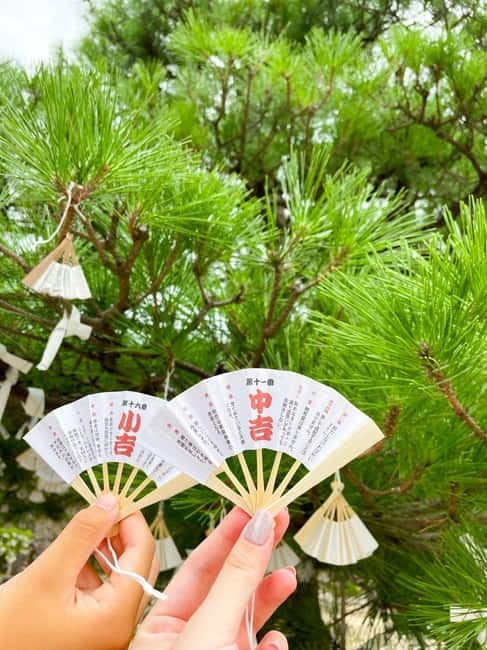
- Chionji’s fan-shaped fortunes: Visit a temple linked with prayers for wisdom and success, then see the unusual folding fan fortune slips.
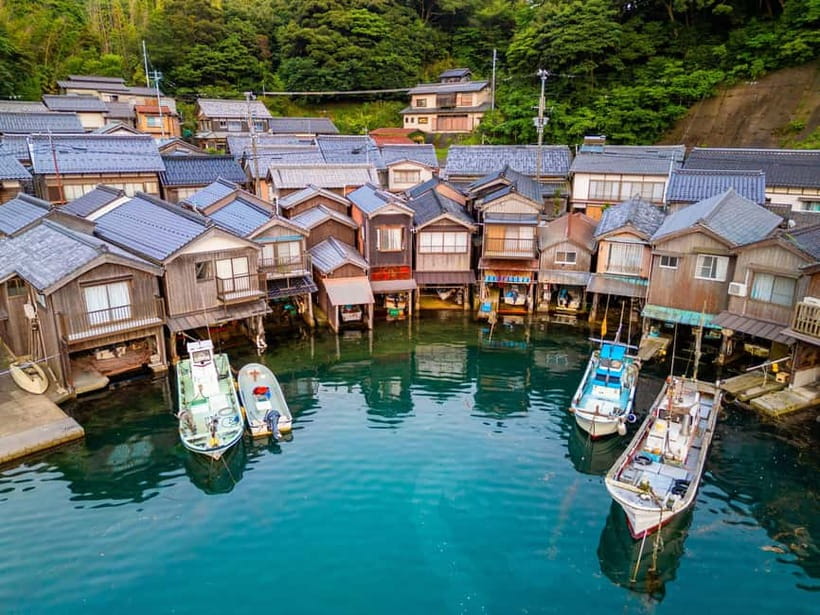
- Ine’s floating boat houses: Explore a seaside village of more than 200 traditional funaya, built with boat garages at water level.
- Optional bay cruise: A 1,000-yen boat ride gives you a different view of Ine and may include the chance to feed hawks.
- A full-day escape from Osaka: Transport, an English or Korean-speaking guide, and a fixed route make this practical for seeing remote coastal sights without arranging several train and bus connections.
Why Amanohashidate and Ine Belong on the Same Day
Northern Kyoto Prefecture feels far removed from central Kyoto, even though both are in the same wider region. Amanohashidate gives you open views, sea air, and a long pine-lined walk. Ine offers a compact waterside village where homes and boat storage are joined in one traditional building.
I find the pairing effective because the stops are different. Amanohashidate is about broad scenery and movement: walking, cycling, looking across the bay, and choosing a hilltop view. Ine is quieter and more architectural, with the funaya arranged along the shore.
The tour is priced at $55 per person, which is a strong value if you want both places in one day. The cost covers transportation and an English or Korean-speaking guide, while meals, insurance, admission charges, and personal purchases are extra. Reaching both destinations independently would require more planning, especially because the route includes a long drive from Osaka and the two coastal stops are not close together.
One point needs care before you book. The activity information lists a duration of three hours, but the schedule begins at 8:00 AM and includes the return to Osaka after stops at both Amanohashidate and Ine. The listed travel times alone add up to several hours. Treat this as a full-day outing, not a three-hour trip, and check the current departure and return details before paying.
A few more Tokyo half-days to weigh up
- Mt Fuji and Hakone 1-Day Bus Tour Return by Bullet Train
★ 5.0 · 26,383 reviews - 1-Day Tokyo Bus Tour
★ 5.0 · 14,250 reviews - Tokyo: TOKYO SKYTREE® Admission ticket
★ 4.5 · 11,192 reviews
Leaving Osaka Early from Soemoncho
You meet in front of Tsurutontan Soemoncho before 7:50 AM for an 8:00 AM departure. Jtourstory staff are scheduled to be there, and the same location is used for the return.
The first drive lasts about 80 minutes, followed by a 20-minute break at Kyotamba-Ajimunosato Parking Area. This is useful for coffee, a restroom stop, and a quick look at street food. You get another 50-minute bus ride before reaching Amanohashidate.
The road time is part of the bargain. You are buying access to distant coastal sights, not a quick hop between nearby attractions. Bring water, keep your phone charged, and consider a small snack, since lunch is not included and the schedule depends on traffic and weather.
The group size may vary. One account describes a small group in which the guide also drove, while other accounts point to guides helping with photographs and explaining the sites. The exact setup can change, so expect a practical tour rather than a large coach operation with a fixed presentation.
Amanohashidate, the Bridge to Heaven
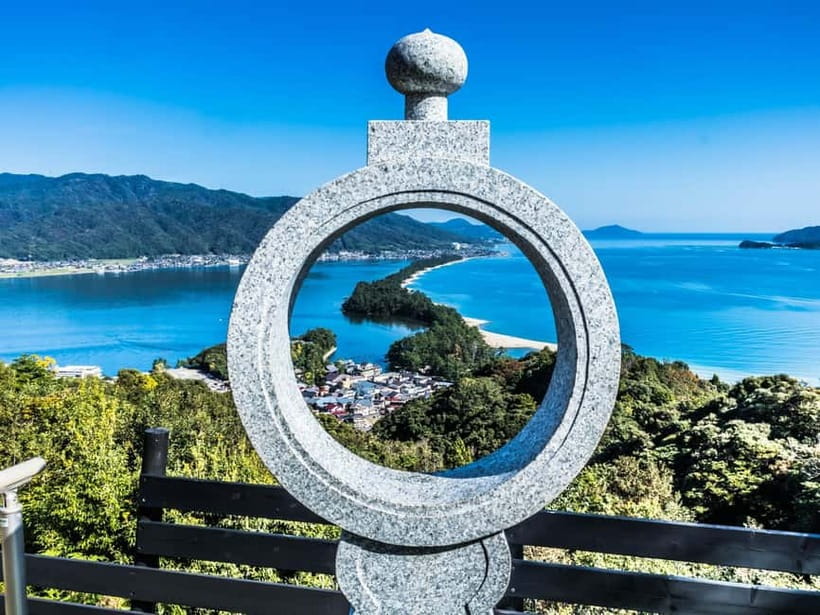
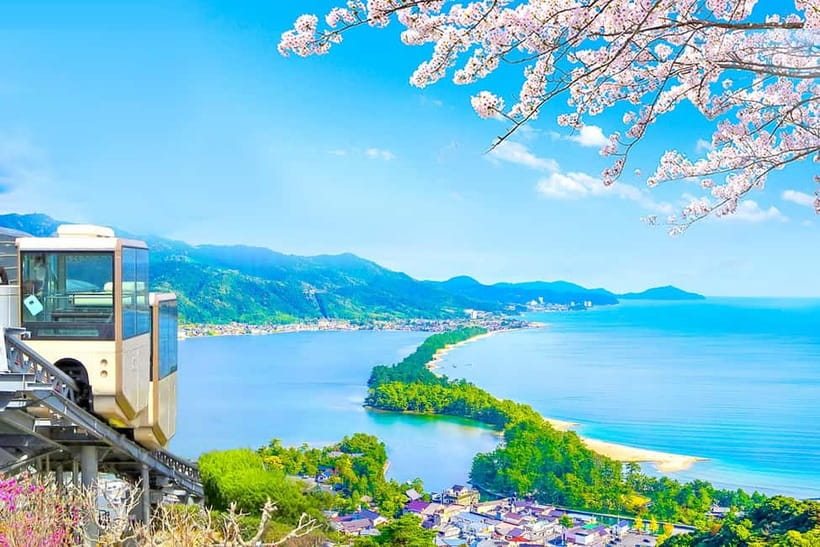
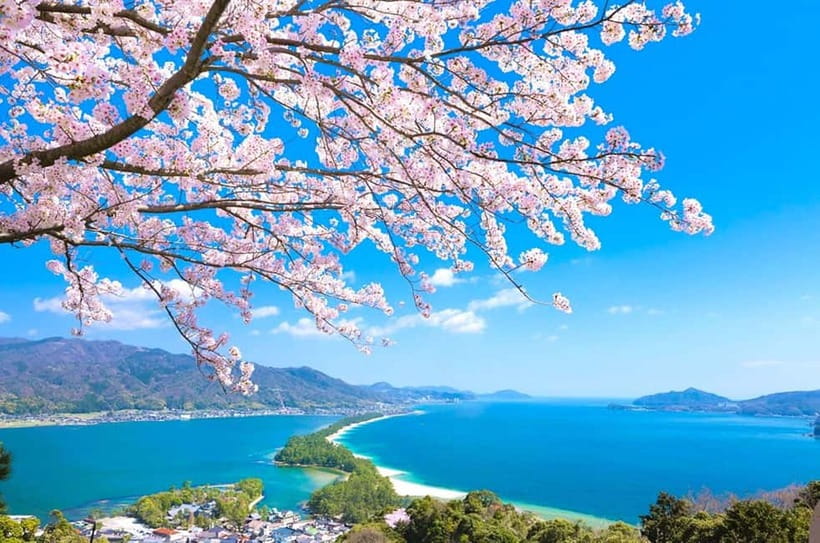
Amanohashidate is a natural sandbar stretching across Miyazu Bay. More than 5,000 pine trees line the route, giving it the appearance of a green bridge between the two sides of the bay.
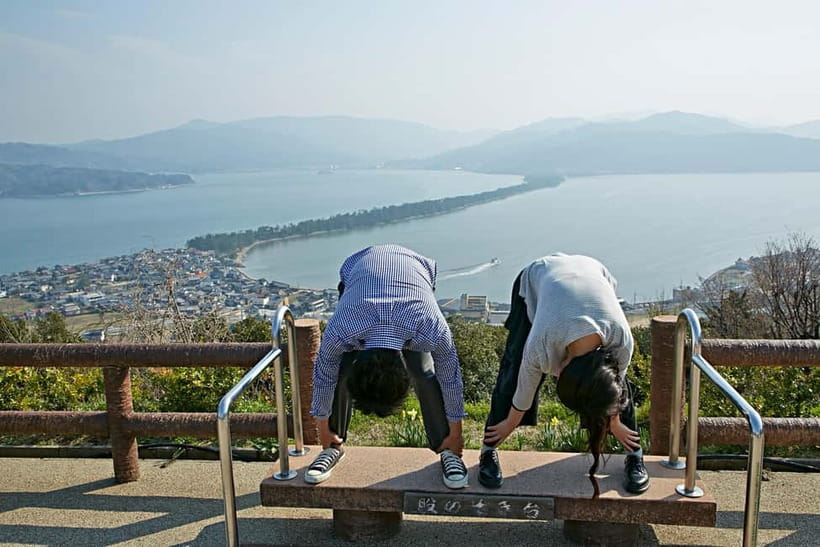
The famous visual trick is to bend over and look at the sandbar upside down. From that angle, it can appear to connect heaven and earth, which explains the name Bridge to Heaven. You do not need to take the famous pose to enjoy the view, but it is an amusing way to understand why the site has long been celebrated.
The schedule allows about two and a half hours for Amanohashidate, including the temple, bridge, beach, photos, and lunch. That is enough time to see the main sights without racing from one stop to another, though you will still need to choose your priorities.
If the view from above matters to you, Amanohashidate View Land is the place to go. A chairlift or monorail costs an additional 850 yen according to the activity information. One booking account describes paying 1,000 yen, so confirm the current price locally. The hilltop park provides wide views over the sandbar and bay.
The sky bicycle is the most playful option at View Land. You pedal along a raised track while looking out across the scenery. It is not necessary for a good visit, but it adds a bit of fun if you want more than a standard lookout.
The tradeoff is time. Going up to View Land uses part of your free period, and the cost is not included. If your priority is a quiet walk, you may prefer to stay near the sandbar and beach instead.
Chionji Temple and the Folding Fan Fortunes
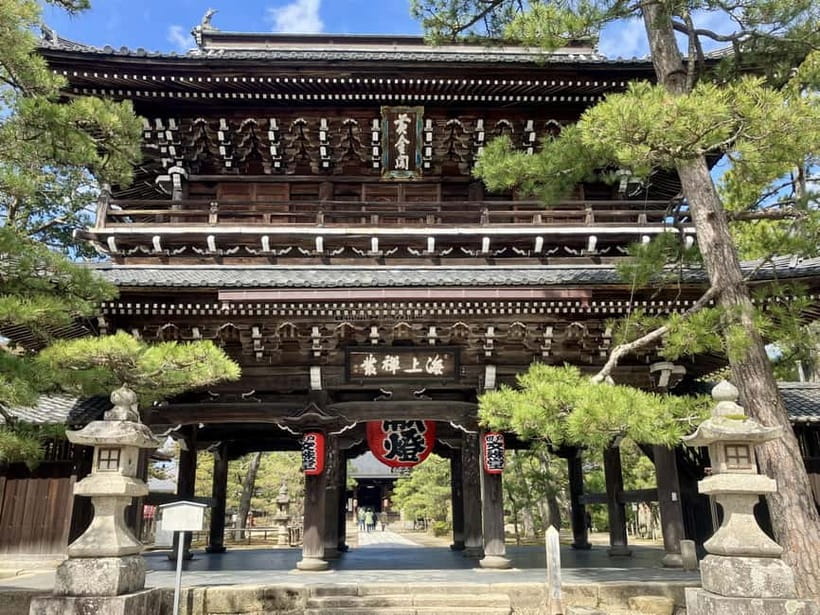
Chionji Temple is close to Amanohashidate and gives the stop a cultural focus beyond the scenery. It is associated with prayers for wisdom and success, and its most memorable feature is the fan-shaped fortune slip.
The fortunes are folded like small fans, an unusual detail that fits the temple’s character. You can take a moment to pray, inspect the temple grounds, and draw a fortune if you choose. Any purchase or offering is a personal expense.
I would make Chionji a short but deliberate stop. The temple is not the reason to book the excursion, but it helps connect the coastal setting with everyday Japanese religious customs. You will also appreciate having a calm place between the viewpoint and the beach.
Same base, a completely different sort of day:
- Tokyo: teamLab Planets TOKYO Digital Art Museum Entry Ticket
★ 4.6 · 9,779 reviews - Mt Fuji & Hakone Cruise, Drum Show Bullet Train 1 Day from Tokyo
★ 4.0 · 7,413 reviews - Tokyo: Sumo Show Experience with Chicken Hot Pot and a Photo
★ 4.8 · 6,678 reviews - Tokyo: Shinjuku Food Tour (13 Dishes at 4 Local Eateries)
★ 5.0 · 6,603 reviews
Kaisen Bridge and the Pine-Lined Beach
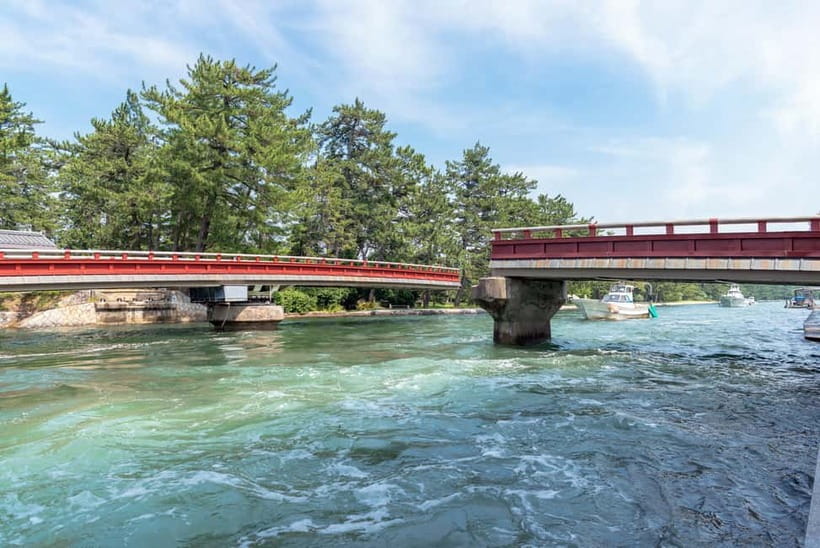
Kaisen Bridge has a practical function as well as visual interest. The bridge rotates to let boats pass, making it one of the small details that gives Amanohashidate a sense of place.
After the bridge, you can walk along Amanohashidate Beach and enjoy the sea breeze. The pine-lined path is suited to a slow stroll, and bicycles can be rented for a more active ride. One account specifically describes the bicycle ride as great fun, so cycling may be worth considering if the weather is pleasant and time allows.
The beach section is a welcome change from lookout points and scheduled sightseeing. You can simply walk, take photographs, or pause by the water. It is also a useful part of the visit for anyone who does not want to pay for the chairlift or monorail.
Lunch is at your own expense. There are local options around Amanohashidate, but the exact choice and amount of time depend on the day’s conditions. Since the tour continues to Ine, do not let lunch consume the entire free period if you also want the viewpoint, temple, bridge, and beach.
Ine no Funaya and Its Water-Level Boat Garages
After Amanohashidate, the bus travels for about 50 minutes to Ine. The main stop is Road Station Funaya no Sato Ine, where you have about 70 minutes for sightseeing and photographs.
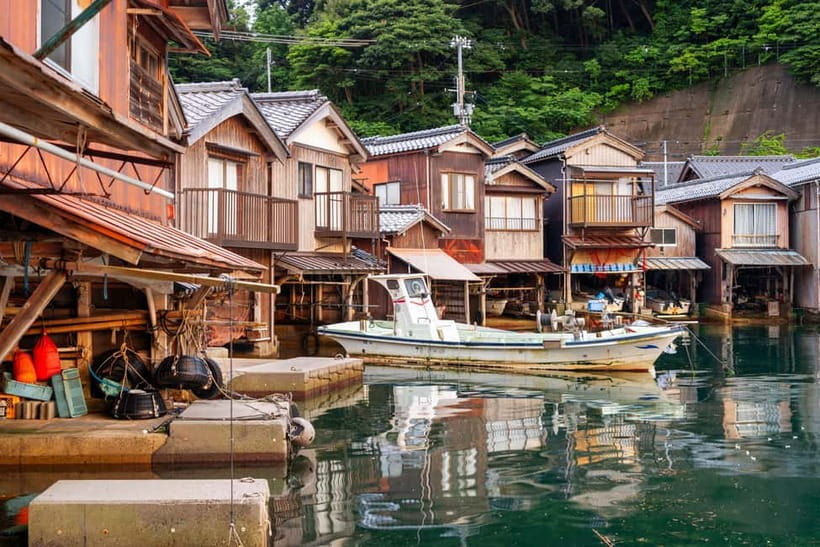
Ine is known for more than 200 traditional funaya, or boat houses. Their lower levels open onto the water for boat storage, while the living areas are above. Seen from the bay, the buildings form a distinctive line along the shore, with boats and reflections adding to the picture.
This is not a conventional old-town visit. The attraction is the relationship between the houses and the water. You are looking at a working fishing village whose buildings were shaped by daily use, not at a row of theatrical displays created for tourists.
The road station offers a good high point for photographs, and you have free time to look around at your own pace. If you want to see the boat houses close to the water, consider the optional sightseeing boat for 1,000 yen. It cruises around the bay and offers views that are difficult to get from shore.
The boat ride also adds a little wildlife interest. One account describes feeding hawks during the cruise. Do not treat that as guaranteed, since conditions and local practice can change, but it is a possible bonus.
A guide may also point you toward a cafe in Ine. That sort of help is useful here because the stop is short and the village is less familiar to first-time visitors. Keep your watch on the time, especially if you take the boat, since the bus cannot wait for late arrivals.
Guides, Photos, and the Human Touch
The guide quality is one of the strongest parts of this experience. English and Korean guiding are available, and several guides have been singled out by name in the supplied accounts.
Yuri was described as both informative and capable of handling the driving when the group was small. Jun was praised for explaining the places clearly and for enjoying the work. Jun Young Jo, also referred to as Jo, was noted for being kind and helpful. One guide even offered to take photographs and provided a printed picture as a souvenir, while another used Polaroid-style prints for the group.
Those details matter on a scenic day. Amanohashidate and Ine are easy to photograph, but a good guide can help you use your limited free time well, suggest a cafe, explain what you are seeing, and make sure you return to the bus. The exact guide is not guaranteed, so consider these examples of the service style rather than a promise that one named person will lead your departure.
The tour is not built around a long formal lecture. It is better suited to you if you want useful explanations, basic help, and room to look around on your own.
What the $55 Price Really Covers
At $55, the tour offers a cost-effective way to reach two remote coastal sights from Osaka. Transportation is the major value, since the route includes several long bus legs and a return journey that would be tiring to arrange by public transport in one day.
The price does not include lunch, insurance, the Amanohashidate chairlift or monorail, the Ine boat, or other personal costs. Budget at least enough extra for whichever optional rides interest you. The published chairlift or monorail price is 850 yen, while one account records 1,000 yen, so check the current figure before departure.
You should also allow money for food and drinks at the parking-area stops and Amanohashidate. The optional activities are not required, and you can enjoy the temple, beach, bridge, sandbar, and Ine views without buying them.
Free cancellation up to 24 hours before departure and the reserve-now, pay-later option make the booking relatively flexible. Still, the schedule can change because of traffic, weather, seasonal conditions, and Japan’s rule limiting vehicle operation to 10 hours. The guide may adjust the route or time at each stop when needed.
Who Will Enjoy This Coastal Escape
I would recommend this outing if you are staying in Osaka and want to see more than the city, but do not want to organize a complicated independent route. It suits people who enjoy scenery, short walks, photographs, local transport, and a slower pace.
It is also a good choice if you have already seen central Kyoto and want a different setting. Amanohashidate offers a famous natural view, while Ine gives you a look at a distinctive coastal settlement.
Families can bring a stroller if they inform the operator in advance, though the activity is not wheelchair-accessible. Infants ride free but do not receive a seat, which is important on a long bus journey.
I would hesitate if you dislike extended road travel, need a fully accessible route, or want several hours at each location. The tour covers a lot of ground. You get variety, but not unlimited time.
Practical Tips for a Better Day
- Arrive before 7:50 AM at Tsurutontan Soemoncho. A prompt departure matters because the route is long.
- Wear comfortable shoes for the sandbar, temple, beach path, and Ine viewing areas.
- Carry cash for lunch, the 850-yen published View Land charge, the 1,000-yen Ine boat, food, and personal purchases.
- Decide before arrival whether the hilltop view or a beach walk matters more to you.
- If you take the boat in Ine, watch the return time carefully.
- Bring a light jacket or rain layer. Weather can affect the scenery, boat operation, and route.
- Expect the guide to adjust the schedule if traffic or conditions make the planned timing impractical.
Should You Book This Tour?
Book it if you want Amanohashidate and Ine in one manageable outing from Osaka, value included transport, and prefer a day with scenery, local culture, and free time rather than nonstop guided stops. The strongest reasons are the pine-lined sandbar, Ine’s unusual boat houses, and the helpful guide style reported from Yuri, Jun, and Jo.
Skip it if the three-hour duration shown during booking is important to you, because the detailed schedule describes a much longer day. Also skip it if you want a wheelchair-accessible route or dislike spending substantial time on a bus.
For most able-bodied visitors with one open day, the $55 base price is sensible. Add the optional rides only if they match your interests, and confirm the final duration and admission prices before you go.
FAQ
Where does the tour depart from?
The tour departs from in front of Tsurutontan Soemoncho in Soemoncho. You should arrive before 7:50 AM for the scheduled 8:00 AM departure.
What languages does the guide speak?
The live guide service is available in English and Korean.
Is lunch included?
No. Lunch is at your own expense, and you have free time to choose a local option around Amanohashidate.
How much do the optional activities cost?
The Amanohashidate chairlift or monorail is listed at 850 yen. The sightseeing boat at Ine no Funaya is listed at 1,000 yen. One booking account recorded a 1,000-yen payment for the chairlift, so confirm the current price before taking it.
Is the tour wheelchair-accessible?
No. The activity is not wheelchair-accessible. It is stroller-friendly if you inform the operator that you are bringing a stroller.
Can I cancel the booking?
You can cancel up to 24 hours in advance for a full refund. The reserve-now, pay-later option lets you hold a place without paying immediately.
Just added around Tokyo
- Private Arrival Transfer : Narita International Airport to Central Tokyo City★ 4.5 · 12 reviews
- Narita Airport(NRT): Private Transfer to Tokyo/Yokohama 1-9pax★ 5.0 · 47 reviews
- Private Transfer from Narita Airport to Yokohama Port and City★ 4.5 · 17 reviews
- [Narita Airport Terminals 1, 2] 40-60km Sawara Itako Historic Bike Tour★ 5.0 · 13 reviews
- 3 Day Japan Highlights Tour: Tokyo, Mt.Fuji, Nara, Kyoto, Osaka★ 5.0 · 22 reviews
- Small Town in the Big City: Tasting Tokyo’s Kichijoji★ 5.0 · 195 reviews
- Small Town in the Big City: Tasting Tokyo’s Kichijoji★ 5.0 · 16 reviews
- The 10 Tastings of Tokyo With Locals: Private Street Food Tour★ 5.0 · 48 reviews
Tokyo Tours, compared.

Mt Fuji and Hakone 1-Day Bus Tour Return by Bullet Train
Read our review →

teamLab Planets TOKYO Digital Art Museum Entry Ticket
Read our review →
Mt Fuji & Hakone Cruise, Drum Show Bullet Train 1 Day from Tokyo
Read our review →
Sumo Show Experience with Chicken Hot Pot and a Photo
Read our review →
Shinjuku Food Tour (13 Dishes at 4 Local Eateries)
Read our review →
Tokyo Mt Fuji 5th St & Hakone Cruise Bus Tour w/Bullet Train
Read our review →