
Reviewed · OSAKA TOURS
Osaka Private Tour with Government-Licensed Guide
Osaka is easiest to enjoy when someone helps you connect the pieces. This private walking tour lets you choose the sights, food stops, and neighborhoods that fit your day, rather than following a fixed route. You might visit Osaka Castle, browse Kuromon Ichiba Market, and finish with lunch in old-school Shinsekai, or build a different plan with your guide.
I like the freedom to set the pace, and I like the personal attention of a private guide. Guides such as Sachiko, Yama, Nabet, and Yuko have been praised for patience, careful planning, cultural insight, and good food advice. The main drawback is that the $106 price covers the guide, not your train or taxi fares, meals, or admission tickets.
Key points for planning your Osaka day
- A private route, not a fixed checklist: Choose the attractions and neighborhoods that matter most to you.
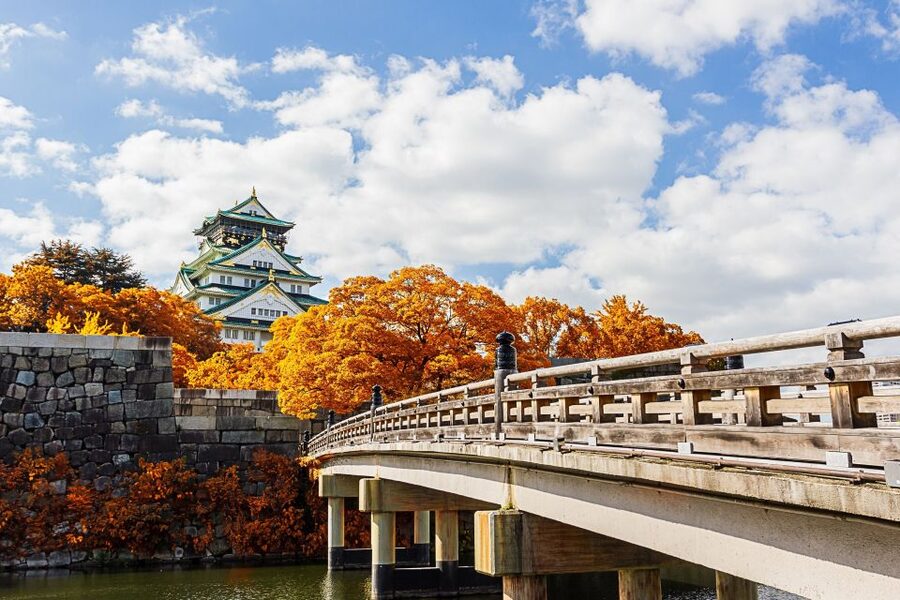
- Osaka Castle brings major history into the day: The castle was rebuilt after destruction during the sieges of the 17th century.
- Kuromon Ichiba adds local flavor: Walk among Osaka merchants and buy snacks as you go.
- Shinsekai supplies the working-class character: Plan on lunch here, with food costs paid separately.
- Public transit keeps the tour local: Your guide walks to meet you, and the outing uses trains and cruising taxis rather than a private vehicle.
- The guide makes the difference: English and Japanese tours are available, with a private group and hotel or station pickup.
Why a private Osaka tour can work so well
Osaka rewards curiosity. Its famous sights are spread among shopping streets, food districts, historic areas, and modern city centers. A private guide gives you room to say, I want more markets, less shopping, or I care most about temples and old Osaka. That flexibility matters in a city where travel time can shape the whole day.
The tour lasts from four to eight hours, so you can order a shorter outing around a few priorities or use the longer version for a full day. Your guide meets you in your hotel lobby or at a train station you request, waiting about ten minutes before the scheduled pickup. From there, the tour proceeds on foot and by public transportation.
I would treat the stated $106 per person as the cost of expert time and planning, not as an all-inclusive day out. You still pay for trains, cruising taxis, lunch, and entrance fees. For one person, the price is a bigger commitment. For a couple, family, or small private group, the ability to tailor the route and ask questions throughout can make the expense easier to justify.
More licensed-guide days in Osaka:
- Osaka 4hr Private Tour with Government-Licensed Guide
★ 5.0 · 359 reviews - Osaka 6hr Private Walking Tour with Government Licensed Guide
★ 5.0 · 174 reviews - Tokyo 6hr Private Tour with Government-Licensed Guide
★ 5.0 · 3,902 reviews
Osaka Castle, rebuilt after wartime destruction
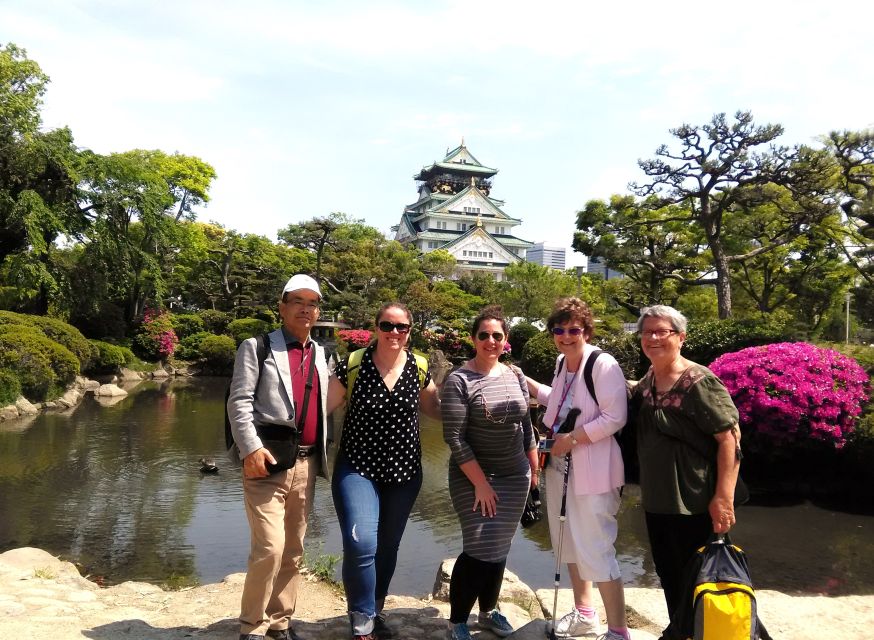
Osaka Castle is a natural anchor for a first visit. The site connects you with the city’s political and military past, while the rebuilt structure gives you one of Osaka’s best-known sights. Your guide can explain why the castle was destroyed during the sieges of the 17th century and how it came back in rebuilt form.
Do not assume that seeing the castle from outside and entering it are the same experience. An entrance fee is not included, so decide with your guide how much time you want to spend inside before committing. If your priority is photography and broad city context, an exterior visit may leave more time for neighborhoods and food. If you want more background, the interior may be worth the extra cost.
This stop works well for visitors who want a clear starting point. Osaka can feel like a collection of separate districts, but the castle gives the day a historical center. I would tell your guide at the beginning if Osaka’s past matters more to you than shopping or eating. That simple preference can change the balance of the itinerary.
Kuromon Ichiba Market, where the day turns edible
Kuromon Ichiba Market is the tour’s most direct encounter with Osaka’s food culture. You stroll past merchants, hear the raised voices of sellers, and choose snacks along the way. The market is not just a scenic stop. It is a chance to eat in small portions and let your guide explain what you are seeing.
I like this format because you do not need to gamble on one large meal right away. Try a few local foods, ask what is worth buying, and keep moving. Your guide can also help with choices if a market display is unfamiliar or if you have specific food interests.
Budget separately for market snacks. The tour price does not cover food, and small purchases can quickly add up when several people are sampling. The market may also be less comfortable for anyone who dislikes crowds or prefers a quiet sit-down meal. Tell your guide if you need a slower pace or want to limit food stops.
This is one of the places where a private guide has a practical advantage. You can ask questions without holding up a larger group, and the guide can adjust the amount of time spent browsing. A visit might be a quick taste of Osaka, or it might become the main food portion of your day.
Shinsekai, lunch in old working-class Osaka
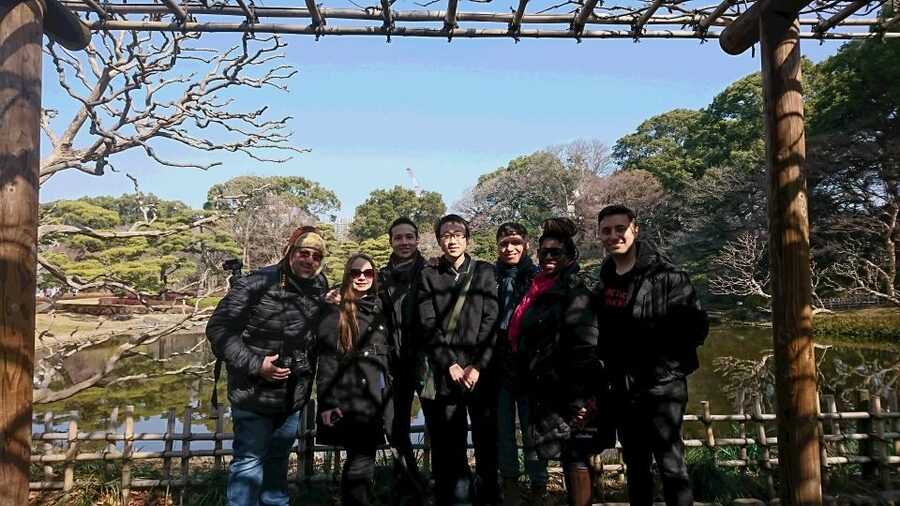
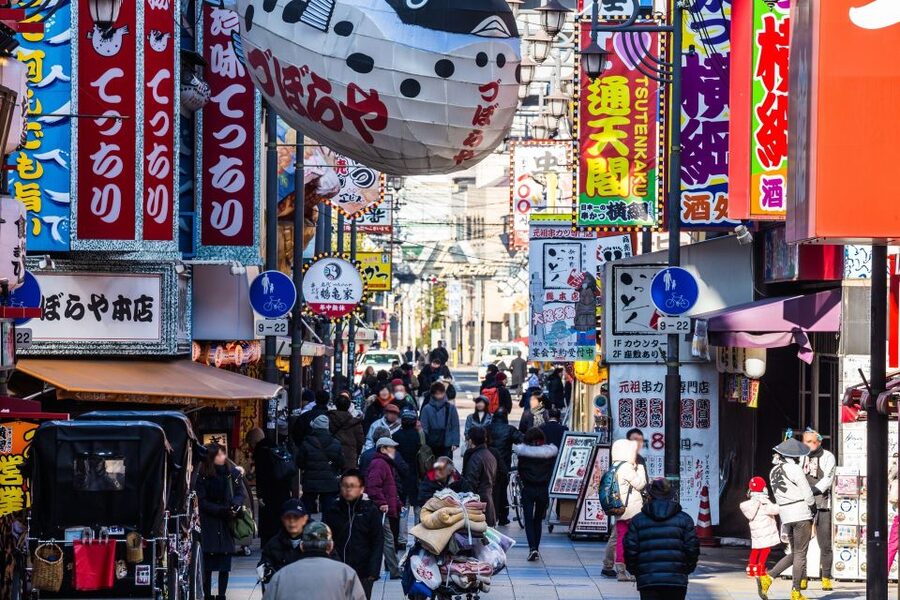
Shinsekai gives the tour a different tone. It is presented as a traditional working-class area, making it a useful contrast to the castle and market. Here, lunch becomes part of the neighborhood experience rather than a break that could happen anywhere.
Your meal is not included, so you choose and pay for it directly. That keeps the choice open, but it also means you should tell your guide what sort of meal you want and how much time you have. If you want a quick local lunch, say so. If you prefer to linger, the four to eight-hour schedule gives your guide some room to adjust.
Food guidance has been a recurring strength among the named guides. Yuko took one pair to a ramen bar, while other guides have helped with places to eat and shop. That is useful in Osaka, where the right meal can be one of the day’s best memories, but the tour does not promise a particular restaurant or dish.
Shinsekai is especially useful if you want more than polished sightseeing. The neighborhood helps show the city’s everyday side. It also gives you a chance to ask how local food, shopping, and city life fit together. I would keep this stop if you want a sense of old and new Osaka in the same day.
A few more Osaka half-days to weigh up
- Osaka Go Karting Tour with Funny Costume
★ 5.0 · 2,658 reviews - Osaka Castle: Museum and Tower Entry Ticket
★ 4.5 · 2,380 reviews - Osaka: Shinsekai Food Tour with 13-15 Dishes at 5 Eateries
★ 4.8 · 2,204 reviews - Osaka Food Tour: 13 Dishes at 5 Local Eateries
★ 5.0 · 2,149 reviews
Build the route around your actual interests
The strongest feature here is the ability to set priorities before the meeting. You can request your must-see places and create an itinerary with the guide. The available information specifically highlights Osaka Castle, Kuromon Ichiba Market, and Shinsekai, but the central promise is customization rather than a mandatory three-stop schedule.
Think about your list in three layers:
- One or two sights you would regret missing
- A neighborhood or food interest you want to understand
- A flexible portion of the day your guide can shape around timing and transport
This helps prevent a private tour from becoming an expensive version of a rushed sightseeing list. If Osaka Castle is essential and you want a market lunch, say that first. If you care more about shopping and city culture, make that clear before the route is set.
Past guides have handled different requests well. One guide prepared a route around specific cultural attractions. Another covered a lot of ground in the time available. That suggests good planning is possible, but you should still be realistic. A four-hour tour cannot cover every major area, and even eight hours has limits once public transit, meals, and walking are included.
What the guides add to the day
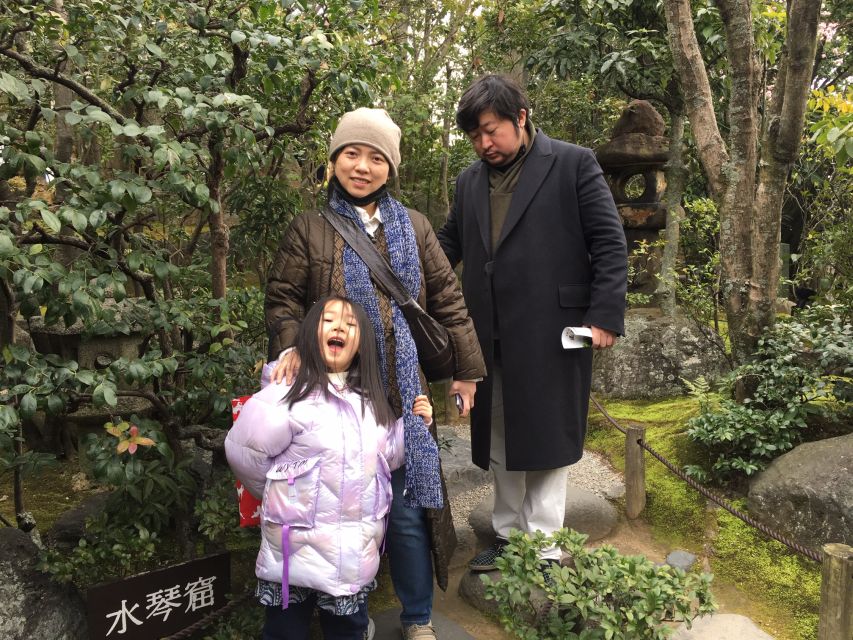
A government-licensed guide is useful for more than directions. The best value comes from having someone explain why a place matters, answer questions as they arise, and change the plan when your interests become clear.
Sachiko has been described as patient, courteous, and well prepared. Yama was praised for patience and detailed local knowledge. Nabet was organized and informative, while Yuka helped connect the sights with their history. Mangimi provided advice on city culture, eating, and shopping, and Yuko added a ramen stop to the day.
These details point to a tour style that depends heavily on the person assigned to you. That is normal for a guide-led experience. You may receive someone whose strengths match your interests perfectly, but the exact personality and route are not guaranteed in advance. If the guide contacts you before the tour, use that chance to share your priorities, walking concerns, food preferences, and must-see list.
The tour is offered in English or Japanese. It is a private group, so you are not sharing the guide with strangers. That makes it easier to ask basic questions, pause for photos, or spend longer in a place that catches your attention.
Getting around without a private car
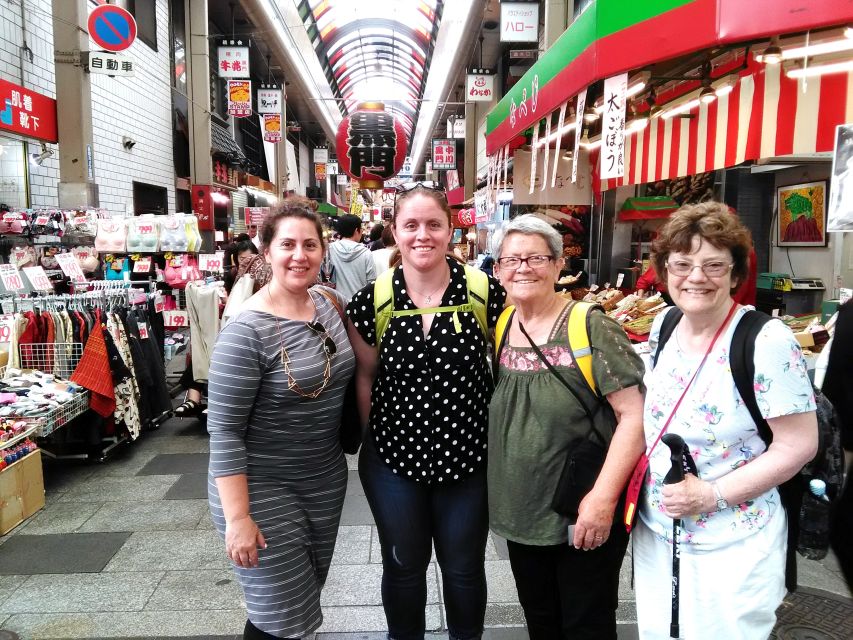
This is a walking tour that uses public transportation and cruising taxis. It does not include a private vehicle. Your guide meets you on foot at the requested hotel lobby or station, so you should be ready to walk from the start.
That arrangement has two clear effects. First, you experience Osaka as a city rather than watching it through a car window. Second, your time and budget are tied to public transport and the distances between districts. Transportation fares are your responsibility, and taxi use is also not included.
For some people, this is a benefit. Public transit helps you understand how Osaka connects, and a guide can make the process less confusing. For others, a private car would be more comfortable, especially with mobility limits or a packed itinerary. This tour does not offer that private-car option.
The activity is listed as wheelchair accessible, but the practical route still depends on the specific places you choose and the public transportation used. If accessibility is important for your group, discuss the route with your guide before the day begins. The private format should make that conversation easier.
What the $106 price really covers
At $106 per person, the tour is not a budget sightseeing package. It is a private guiding service with pickup at your hotel or selected station. You are paying for a person who can organize the day, explain Osaka, translate local context, and adjust the route around your interests.
You should add four possible costs:
- Admission fees for you
- Train or cruising taxi fares for you
- Lunch
- Market snacks and other food purchases
The total can rise, especially if you choose several paid sights, eat generously, or use taxis often. On the other hand, you are not locked into a set menu or a fixed transport package. You choose where to spend.
I see the best value for people who have limited time in Osaka, want help with local food, or prefer conversation over a standard audio guide. It is also a sensible choice for families or small groups that can share the private guide cost. Independent visitors who already know Osaka’s transit system and prefer to explore alone may find the extra guiding fee harder to defend.
Booking details worth knowing before you commit

The tour is not fully confirmed until a guide contacts you. Most guides make contact within seven days, but a guide may not yet have accepted the booking. If no guide is available, updates continue while a match is sought, including weekly updates until 24 hours before the tour.
That uncertainty is the main booking concern. I would not make this the one fixed activity on a tight schedule until the guide is confirmed. If the arrangement does not work for you, cancel at least 24 hours before the start time for a full refund. You can also reserve now and pay later, which helps keep your plans flexible while you arrange the rest of your Osaka visit.
Starting times depend on availability. The duration is also flexible within the four to eight-hour range, so check the available option that fits your day rather than assuming every booking is a full eight hours.
Who should book this Osaka experience
I would recommend it most strongly to:
- First-time visitors who want Osaka explained as they see it
- Couples and families who want a private pace
- Food-focused visitors who want help choosing market snacks or lunch
- People with a short stay who need to connect several districts efficiently
- Visitors who want both traditional and modern sides of the city
- Anyone who prefers a personal guide to a large scheduled group
I would hesitate if you want an all-inclusive price, a private car, or a guaranteed fixed guide. I would also think twice if you are happy exploring by train with a map and do not need cultural explanation. The tour’s value rests on the guide and the tailored plan, not on included tickets or transport.
Should you book this private Osaka tour?
Book it if you want a flexible day built around your interests, with Osaka’s major sights, food districts, and local character tied together by a private licensed guide. The strongest reasons are the personal route, the chance to ask questions all day, and the practical food help shown by guides such as Yuko, Sachiko, Yama, Nabet, and Mangimi.
Before booking, write down your top two or three priorities and remember the extra costs. Confirm the guide when contacted, ask how the route will use public transportation, and be clear about walking needs. If that approach suits you, this is a useful way to get your bearings and see more of Osaka than a rigid half-day schedule would allow.
FAQ
How long does the Osaka private tour last?
The tour lasts from 4 to 8 hours. Starting times and available duration options depend on availability.
What languages are available?
The live guide service is available in English and Japanese.
Where does the guide meet me?
Pickup is included at your hotel lobby or a train station you request. The guide waits at the meeting point about 10 minutes before the scheduled pickup time.
Does the tour use a private vehicle?
No. The tour is conducted on foot with public transportation and cruising taxis. A private vehicle is not included.
Are meals and entrance fees included?
No. You pay your own lunch, market snacks, attraction entrance fees, and transportation fares.
Is this a private group tour?
Yes. The experience is offered as a private group, so you are not combined with an unrelated group.
Can I cancel for a full refund?
Yes. You can cancel up to 24 hours before the tour begins for a full refund. The tour is not confirmed until a guide accepts and contacts you.
Just added around Osaka
- Discover Real Osaka: A Cultural Walk with Food & Drink★ 5.0 · 13 reviews
- Osaka 6hr Private Walking Tour with Government Licensed Guide★ 5.0 · 174 reviews
- Private Airport transfer Kansai Intl. Airport(KIX) to OSAKA CITY★ 4.5 · 12 reviews
- From Osaka/Kyoto: Kyoto & Nara Day Trip with Optional Lunch★ 4.5 · 79 reviews
- Osaka: Namba Local Food Walking Tour (Taste 15 Dishes)★ 5.0 · 20 reviews
- Osaka Delights: Traditional Japanese Food Tour★ 4.5 · 33 reviews
- Badminton in Osaka & Kyoto with Locals!★ 5.0 · 15 reviews
- From Osaka or Kyoto: Kyoto and Nara 1-Day Bus Tour★ 3.5 · 141 reviews
Osaka Tours, compared.


Shinsekai Food Tour with 13-15 Dishes at 5 Eateries
Read our review →
Osaka Food Tour: 13 Dishes at 5 Local Eateries
Read our review →
Hungry Osaka Street Food Tour:15 Tastings & 3 Drinks with a Local
Read our review →



Hotspots & Hidden Gems Walking Tour Private or Group
Read our review →Browse the lists this tour appears in