
Reviewed · OSAKA TOURS
Osaka: Sumo Show & Experience w/ Optional Kimono & Hot Pot
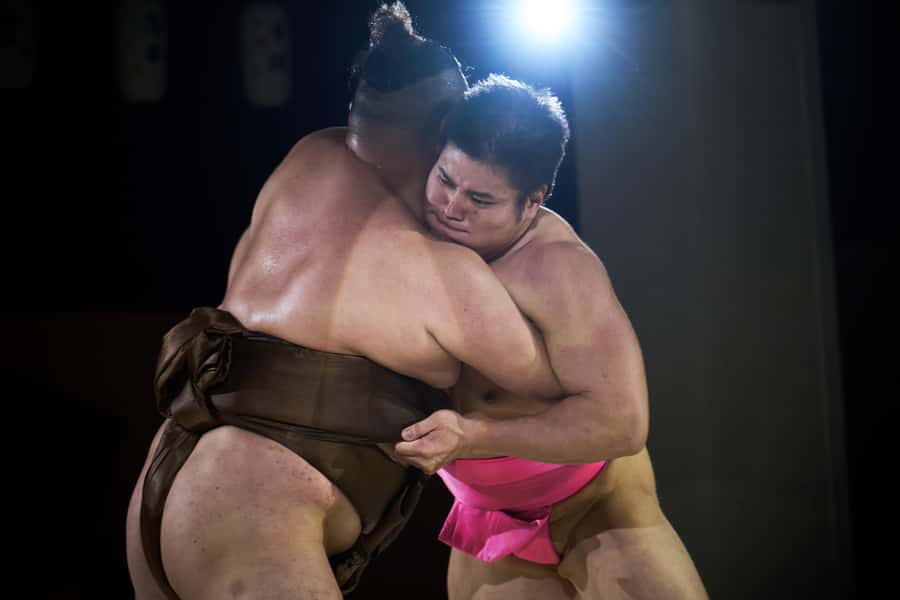
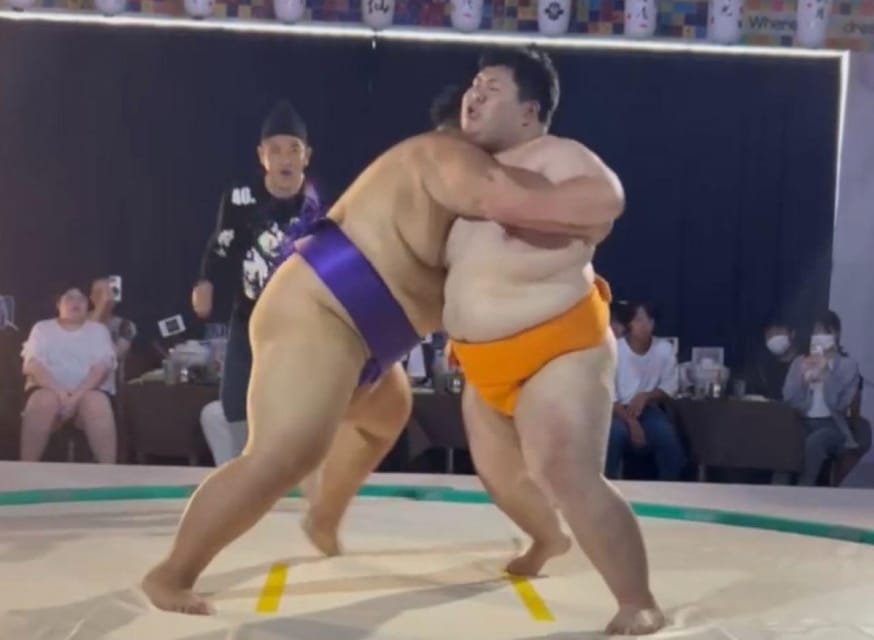
Osaka’s sumo show offers something a regular tournament cannot: a close, friendly look at the sport, followed by a chance to step onto the mat yourself. The 35-minute performance explains rules and techniques, includes several bouts, and uses humor to keep the room involved. Afterward, wrestlers pose for photos and invite audience members to try a lighthearted match.
I like the clear introduction to sumo and the chance to meet the rikishi up close. I also like the extra touches: trying a formal kimono haori, shopping for a kimono, and adding chanko nabe, the hot pot associated with sumo wrestlers. The main consideration is that this is a show, not a full professional tournament, and the audience wrestling places may be decided by lottery.
Key points before you book
- 35-minute sumo show: Learn basic rules, legal and illegal moves, training ideas, and watch several short bouts.
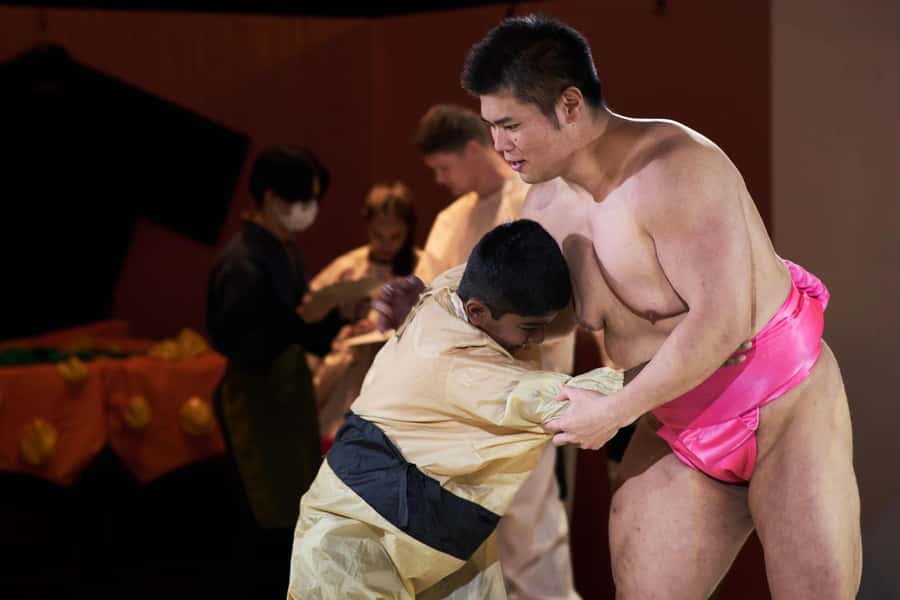
- Audience sumo experience: A 10 to 15-minute segment invites adults and children to challenge the wrestlers, but participation is not guaranteed.
- Photos with rikishi: The photo session follows the show, giving you time for a personal souvenir picture.
- Kimono haori try-on: You can wear a formal Japanese coat, with additional kimono shopping available on site.
- Optional chanko nabe: The traditional hot pot is included only with a food plan, not with the basic show ticket.
- Rinku Town setting: The venue is about an hour from central Osaka, but its outlet shopping and food stalls can help fill out the day.
What this Osaka sumo experience really is
If you are expecting the solemn atmosphere of a Grand Sumo Tournament, adjust your expectations before you arrive. This is an entertaining cultural show built around sumo, with explanations, demonstrations, humor, audience participation, and photographs.
That format works well for first-time visitors. You do not need to know the difference between a yorikiri and an oshidashi before sitting down. The announcer explains the basic rules and shows both permitted and forbidden techniques, so you can follow the action quickly.
The show lasts about 35 minutes. That is a sensible length. It gives you enough time to see the wrestlers demonstrate their strength and skills without asking you to sit through a long series of bouts that may be difficult to follow if you are new to the sport.
The atmosphere is intentionally relaxed. Audience members cheer, laugh, and sometimes join the action. Several people described the humor and crowd involvement as major reasons the event worked so well, and I can see why. Sumo can seem formal and distant when you only see it on television. Here, the wrestlers are close enough for you to appreciate their size, balance, and control.
More kimono rentals in Osaka:
- Osaka: Kimono or Yukata Rental &Photos Service Options
★ 4.9 · 25 reviews - Kimono photoshoot-Includes 100 photo data
★ 5.0 · 21 reviews - Kimono Tea Ceremony at Kyoto Maikoya, NISHIKI
★ 5.0 · 911 reviews
Inside the 35-minute sumo show
The performance begins with an explanation of sumo rules and background. You learn how a match is won, which movements are legal, and which actions would bring a penalty. This basic teaching is important because sumo bouts can be very short. Without context, a match may seem to end before anything has happened.
The wrestlers then demonstrate techniques and training ideas. The show includes a series of casual tachiai, the initial charge at the start of a bout, as well as a small tournament between the wrestlers. The exact number of bouts can vary, but the experience is not designed as a long competition. One person expected more fights and found that only three took place.
That is the tradeoff. You get a compact, easy-to-follow performance with jokes and explanations, rather than a full afternoon of competitive sumo. The theatrical elements are part of the package. Some of the action may feel arranged for the show, so book this for access and entertainment, not for the uncertainty of a professional match.
The close seating adds to the appeal. You are near the action, and the wrestlers are not distant figures across a large arena. The intimacy makes the demonstrations easier to understand and gives the show a personal feel.
Taking your turn on the sumo mat
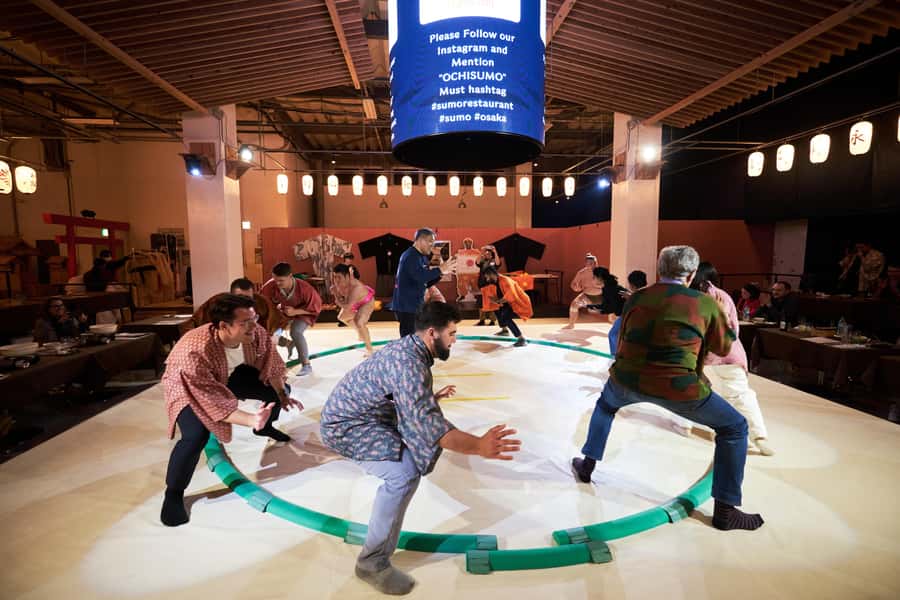
After the demonstrations, the wrestlers invite audience members to try sumo for themselves. This section lasts about 10 to 15 minutes and is often the funniest part of the event.
The experience is physical, so you should be comfortable with the possibility of a brief wrestling-style activity. The organizers take care with safety, but they do not accept responsibility for injuries. It is sensible to follow the staff’s instructions, move within your limits, and skip the activity if you have a condition that makes physical exertion risky.
Participation is not guaranteed. If too many people volunteer, the organizers may hold a lottery. Children and adults can be invited, and the audience involvement is designed to be playful rather than a serious contest. The wrestlers help keep the moment friendly, which allows even a very short attempt to become a good photo opportunity.
I would not book this experience solely because you want to wrestle a sumo wrestler. You may not be selected. Instead, treat the audience bout as a possible bonus, while considering the show, photo session, and kimono experience the reliable parts of the visit.
If you do get chosen, expect a memorable few seconds rather than a full match. The point is the comic contrast in size and strength, not testing your wrestling ability. The show’s humor helps children and adults feel at ease.
Meeting the rikishi for photos
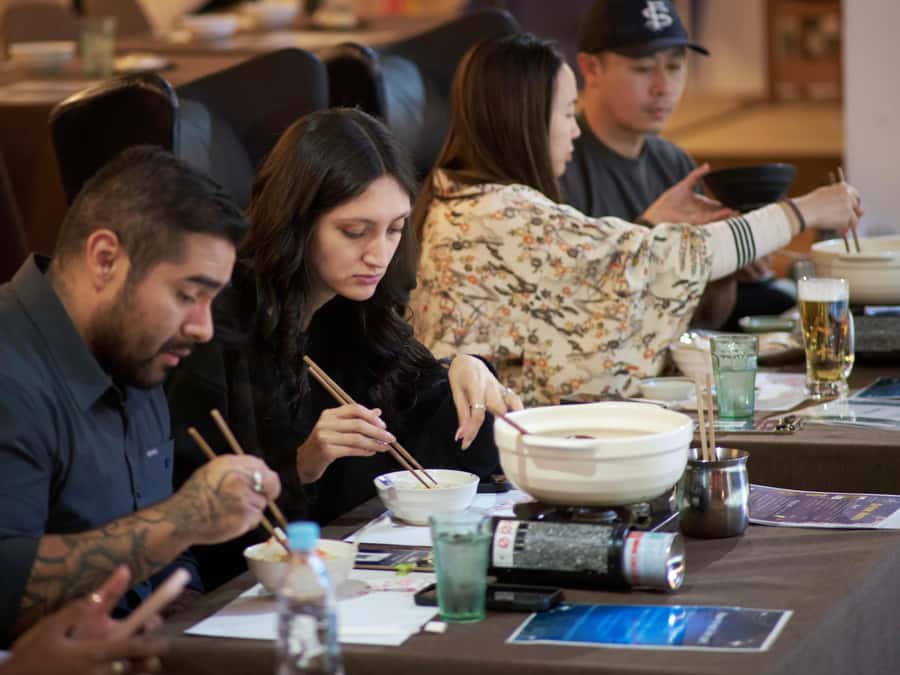
The photo session takes place after the show. This is one of the strongest parts of the experience because it gives you time with the wrestlers outside the action.
You can take photographs with the rikishi and, depending on the flow of the event, pose with family or friends. The wrestlers are presented as approachable and good-natured, which helps the meeting feel less formal than a performance alone.
Bring your phone or camera ready to use. The program is short, and you will want to make the most of the photo period without searching through your bag. If you are traveling with children, the photos can be more meaningful than simply watching from a seat because the children get a direct connection with the performers.
The photo session also gives you a chance to see the wrestlers at close range. Their physical presence is part of what makes sumo so striking. A television screen cannot show the full effect of their size, posture, and movement.
More sumo mornings and shows:
- Osaka: Sumo Stage Show with Bento or Snack + Fight & Photo
★ 4.3 · 364 reviews - Osaka:SUMO BEATS SHOWCASE: Taiko Drum and Wagyu burger!
★ 4.2 · 37 reviews - Tokyo: Sumo Show Experience with Chicken Hot Pot and a Photo
★ 4.8 · 6,678 reviews - Tokyo: Sumo Show and Dining Experience
★ 4.8 · 2,742 reviews
Trying on a kimono haori
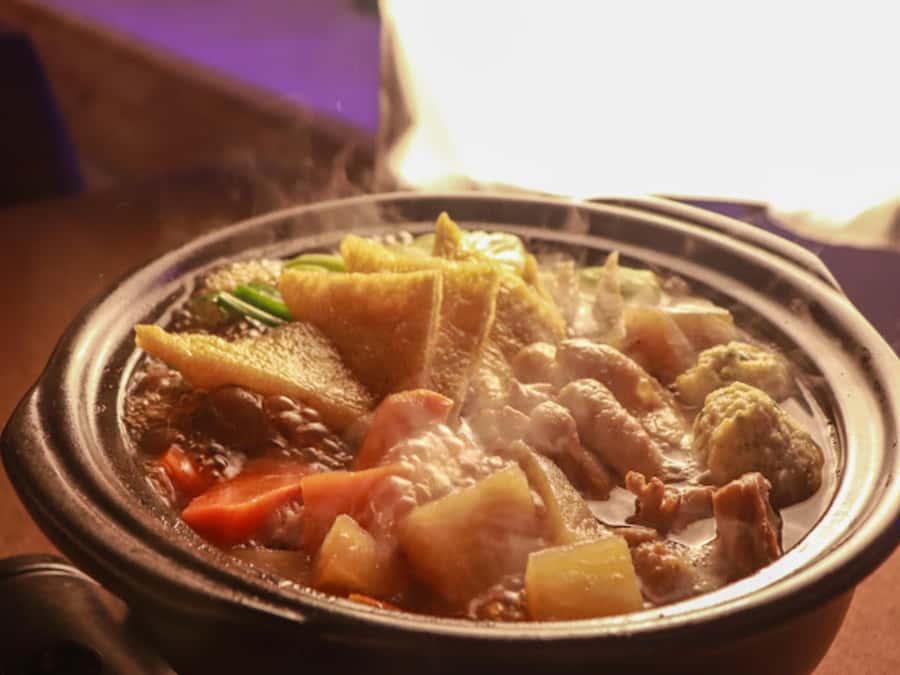
A kimono area allows you to try on a haori, the formal coat worn with traditional Japanese clothing. This is a lighter, quieter part of the visit and pairs well with the lively sumo program.
The haori experience is included, while a more professional kimono dressing option is available as a paid upgrade. The basic try-on is best understood as a quick cultural photo opportunity. If you want a more formal dressing experience, select the premium kimono option when booking.
Kimonos are also available for purchase on site. That may suit you if you are looking for a wearable souvenir rather than a small gift. Ask about sizing, styling, and what is included before buying, since the basic experience and the premium option are not the same thing.
There is also an original can available for purchase as a souvenir. The information does not specify its exact contents, so think of it as an additional on-site keepsake rather than a central part of the tour.
Adding chanko nabe to the visit
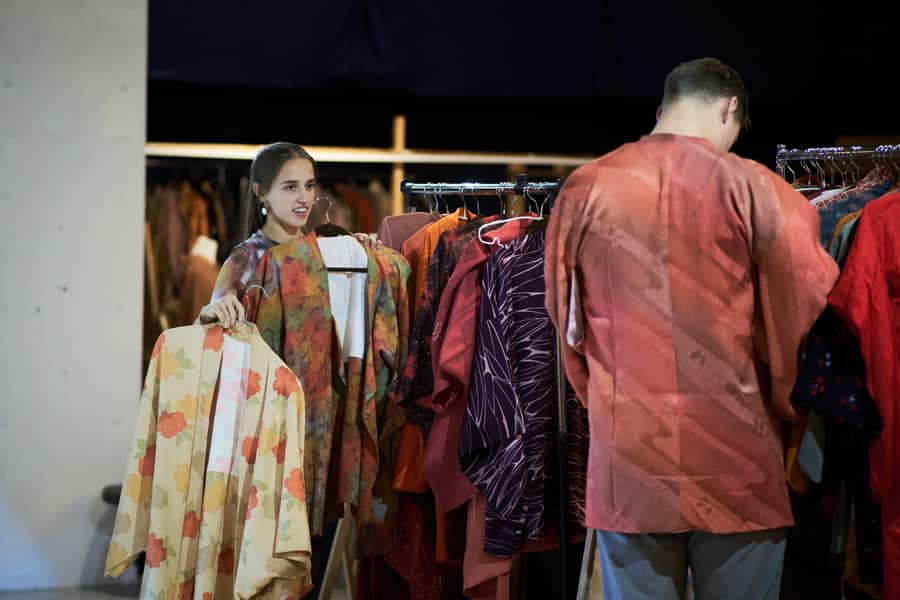
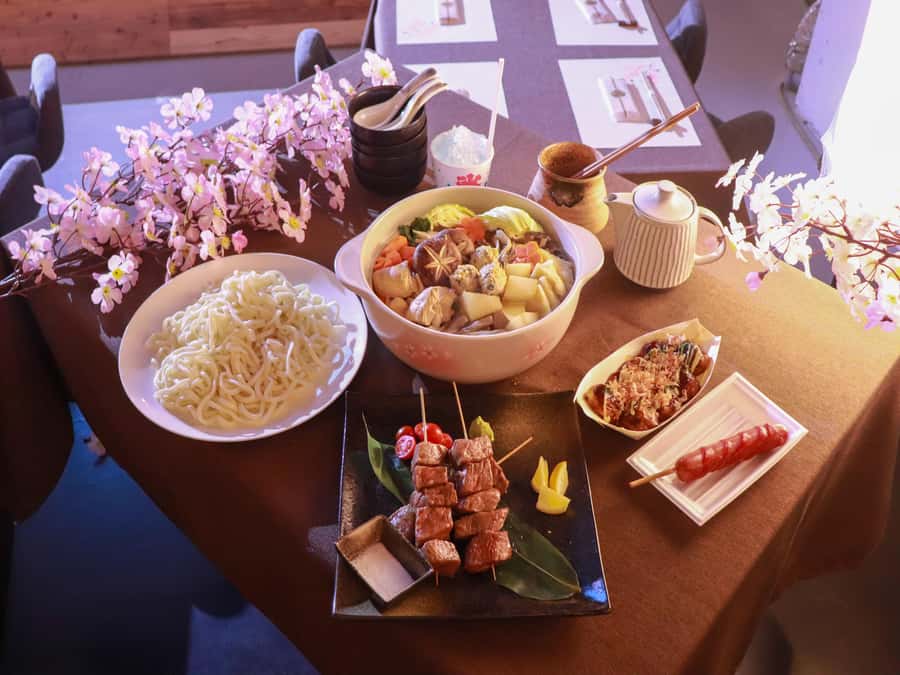
Chanko nabe is the signature food connected with sumo wrestlers. This version follows the Takasagobeya style and is served as a simple hot pot meant to suggest Japanese home cooking and warmth.
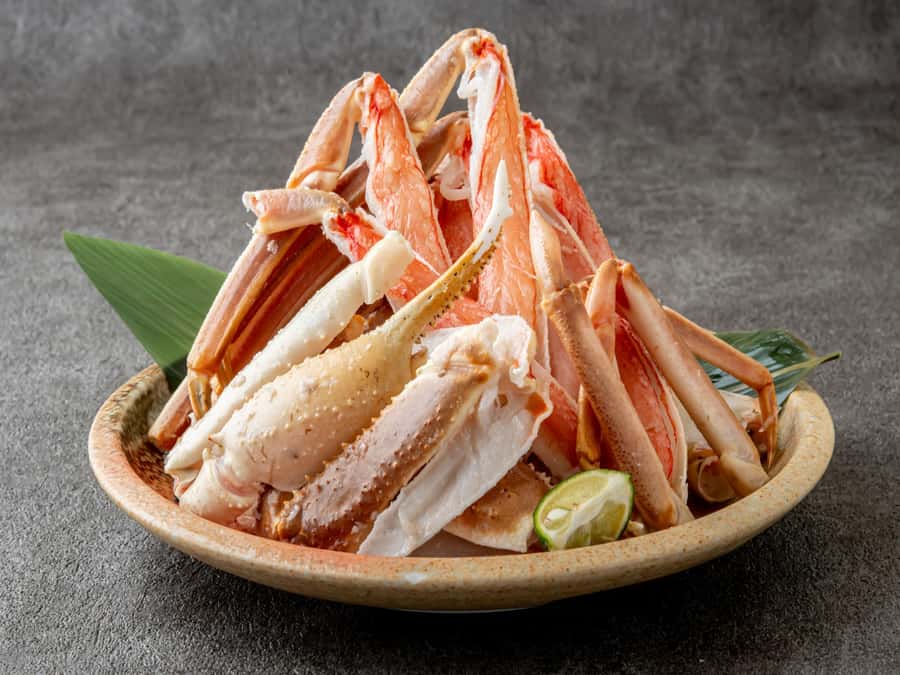
The most important booking detail is easy to miss: the basic plan does not include chanko nabe. If you want to eat it as part of the event, choose a food plan. The group show with food is recommended for people who want to enjoy dinner or lunch together with the performance.
Some visitors found the hot pot delicious, while another felt it was only okay. That is a fair warning about value and expectations. The meal adds atmosphere and convenience, but it should not be the sole reason you book the experience.
You can also buy food and drinks on site. The interior has a food truck serving takoyaki, okonomiyaki, and wagyu beef, plus a bar counter with drinks. These purchases are separate from the show ticket. Food prices were described as somewhat high, so check the menu before ordering several extra items.
Vegetarian and gluten-free arrangements are possible through the additional options, but choosing the 0 yen dietary option does not include a meal. On the day, the staff will suggest a menu based on the information you provide. Meat-based optional menus use chicken or beef.
Alcoholic drinks are available. That can make the dinner session feel more like a casual night out, but it also means your final cost may rise above the advertised entry price.
Choosing lunch or dinner
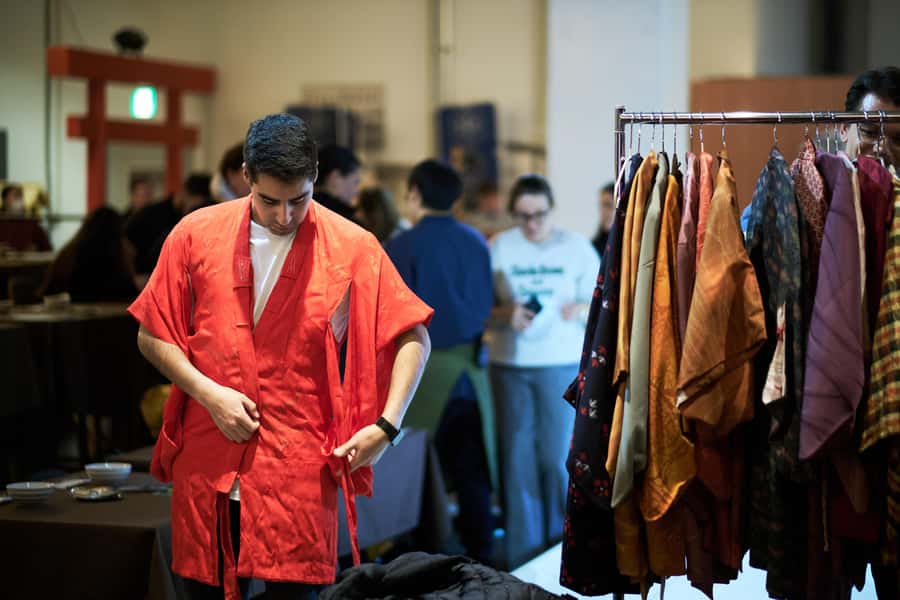
The lunch show starts at 1pm, and the dinner show starts at 6pm. Doors open from noon to 12:45pm for lunch and from 5pm to 5:45pm for dinner.
Arrive during the stated door-opening period. Late arrivals receive no refund, and same-day cancellations are not refundable. The early arrival window also gives you time to settle in, consider food orders, and try the haori without rushing.
Lunch may fit better if you want to combine the experience with shopping at the surrounding outlet complex. Dinner can work well if you prefer a meal and drinks with the performance. The event itself lasts roughly one to one and a half hours, depending on the option and the flow of the photo and participation segments.
Children under six enter free. That makes the outing more attractive for families, especially because the audience wrestling and humor are easy for children to understand. Do keep in mind that the physical segment is optional and carries an injury risk.
Getting to Rinku Town from Osaka
This experience is not in central Osaka. That is the biggest practical drawback.
From Shin-Osaka, take the Osaka Metro Midosuji Line toward Namba. The ride takes about 16 minutes and seven stops. From Namba, continue by Nankai train toward Kansai International Airport to Rinku Town, then walk about eight minutes.
From JR Osaka Station, the JR Kanku Rapid to Kansai Airport takes about one hour and one minute over 14 stops, with Rinku Town as the relevant stop. From Kansai International Airport, the airport rail connection to Rinku Town takes about five minutes and one stop according to the supplied route information.
Allow extra time for finding the correct platform and walking from the station. The venue is wheelchair accessible, and small-group availability is offered. Meeting details can vary according to the option you book, so check the confirmed instructions rather than relying only on a general map.
The distance can be worthwhile if you have a flight connection, are staying near the airport, or want to visit the Rinku outlet area. If you are based in central Osaka and have limited time, the long ride makes this less convenient than an activity in Namba or Umeda.
Is $77 a fair price?
The starting price is $77 per person. For that amount, you receive the sumo show, the possible sumo experience, the photo session, and the haori try-on. Food and drinks are extra unless you select a meal plan.
I consider the price reasonable if you value direct access to the wrestlers and want an organized introduction to sumo. A professional tournament offers a more authentic sporting setting, but it does not normally give you a chance to wrestle with the athletes, pose with them afterward, or try on a formal coat in the same visit.
The value drops if you expect a long series of serious bouts or a full meal with the base ticket. It also drops if you are already committed to other activities in central Osaka and do not want to spend roughly an hour reaching Rinku Town.
The VIP or premium options may make sense if you care most about better access, food, or professional kimono dressing. One particularly enthusiastic account found the VIP package worthwhile for the food, drinks, and overall evening, but your choice should depend on which extras matter to you.
Who will enjoy this most?
I would recommend this experience to families, first-time visitors to Japan, and anyone who wants an entertaining introduction to sumo rather than a formal sporting event.
It suits you if you enjoy participating, taking photos, learning simple rules, and laughing along with the performers. The audience wrestling is especially appealing for children, though the lottery means no child or adult is guaranteed a turn.
It is less suited to serious sumo fans looking for a full tournament atmosphere. The bouts are limited, the show includes theatrical presentation, and some action may feel predetermined. It is also not ideal if you have only a few hours in Osaka and are staying far from Rinku Town.
For a cultural activity with food, shopping, and a strong family angle, the combination works well. You can build a larger outing around the performance instead of treating it as a quick central-Osaka attraction.
My booking advice
Book this Osaka sumo show if you want an accessible, hands-on introduction to the sport and like the idea of meeting the wrestlers afterward. I especially like the balance of explanation, comedy, photos, and optional participation. The haori try-on gives non-sumo fans another reason to attend.
Choose the food plan if you specifically want chanko nabe. Otherwise, budget separately for the food truck and drinks, and do not assume the basic ticket includes a meal.
Before paying, check the meeting point for your chosen option, the lunch or dinner opening time, and the route to Rinku Town. If you accept that this is a cultural show rather than a professional tournament, the experience offers good value and a memorable way to spend part of a day near the airport outlet district.
FAQ
How long does the Osaka sumo experience last?
The activity lasts about one to one and a half hours. The sumo show itself runs for about 35 minutes, followed by a 10 to 15-minute audience sumo segment and a photo session.
Is this a real professional sumo tournament?
No. It is a sumo show with demonstrations, explanations, humor, and several short bouts. It is not a full professional tournament.
Can I wrestle with a sumo wrestler?
You may be invited to participate in the sumo experience. If too many people want to take part, the organizers may use a lottery, so participation is not guaranteed.
Is the audience sumo experience safe?
The organizers take care with safety, but the activity involves physical movement and may cause injury. You participate at your own risk, and the provider does not accept responsibility for injuries.
Are photos with the sumo wrestlers included?
Yes. A photo session with the rikishi is included after the show.
Is the kimono experience included?
A kimono haori, or formal coat, experience is included. A premium professional kimono dressing option is available separately.
Is chanko nabe included with the ticket?
No. Chanko nabe is included only when you select a food plan. Food and drinks can also be purchased separately on site.
What food is available at the venue?
The venue has a food truck serving takoyaki, okonomiyaki, and wagyu beef. Drinks are available at a bar counter, and alcoholic beverages can be purchased.
Are vegetarian or gluten-free meals available?
You can select the dietary option for gluten-free or vegetarian requirements. The 0 yen dietary option does not include a meal, but staff will suggest a suitable menu on the day.
When do the lunch and dinner shows start?
The lunch show starts at 1pm, with doors open from noon to 12:45pm. The dinner show starts at 6pm, with doors open from 5pm to 5:45pm.
More Shows in Osaka
- Osaka: English Stand Up Comedy Show at Osaka Comedy Club
★ 4.7 · 203 reviews - Osaka: UTAGE Japanese Taiko Live Show
★ 4.9 · 167 reviews - OSAKA NIGHT FUSION Japanese Taiko Kabuki Samurai Dance Show
★ 4.8 · 155 reviews - Osaka: A Modern Samurai, Kabuki, Taiko, & Dance Show
★ 4.5 · 66 reviews
Just added around Osaka
- Discover Real Osaka: A Cultural Walk with Food & Drink★ 5.0 · 13 reviews
- From Osaka/Kyoto: Kyoto & Nara Day Trip with Optional Lunch★ 4.5 · 79 reviews
- Osaka 6hr Private Walking Tour with Government Licensed Guide★ 5.0 · 174 reviews
- Private Airport transfer Kansai Intl. Airport(KIX) to OSAKA CITY★ 4.5 · 12 reviews
- Osaka: Namba Local Food Walking Tour (Taste 15 Dishes)★ 5.0 · 20 reviews
- Osaka Delights: Traditional Japanese Food Tour★ 4.5 · 33 reviews
- Badminton in Osaka & Kyoto with Locals!★ 5.0 · 15 reviews
- From Osaka or Kyoto: Kyoto and Nara 1-Day Bus Tour★ 3.5 · 141 reviews
Osaka Tours, compared.
Shinsekai Food Tour with 13-15 Dishes at 5 Eateries
Read our review →
Osaka Food Tour: 13 Dishes at 5 Local Eateries
Read our review →
Hungry Osaka Street Food Tour:15 Tastings & 3 Drinks with a Local
Read our review →
Hotspots & Hidden Gems Walking Tour Private or Group
Read our review →Browse the lists this tour appears in