
Reviewed · OSAKA TOURS
Osaka: Private Tea Ceremony and Calligraphy Experience
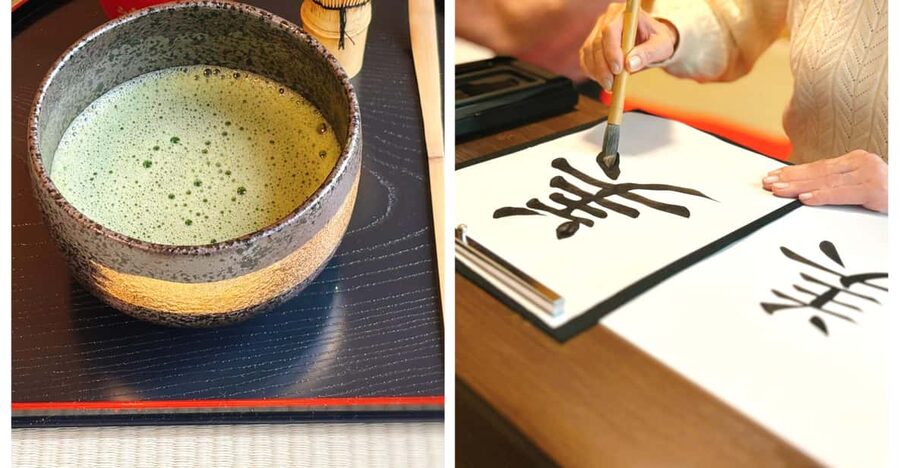
Osaka’s food streets and neon signs get much of the attention, but this private tea ceremony and calligraphy class offers a quieter look at Japanese culture. In 135 minutes, you learn how to prepare matcha, taste traditional sweets, and create a piece of calligraphy based on your name or personality.
I like the personal pace, especially for families and first-time visitors, and I like that you take home something you made yourself. Wanoma, the instructor, explains each step clearly and welcomes questions and photos. The main consideration is practical: you sit on the floor, and the studio is not suitable for wheelchair users.
Key points at a glance
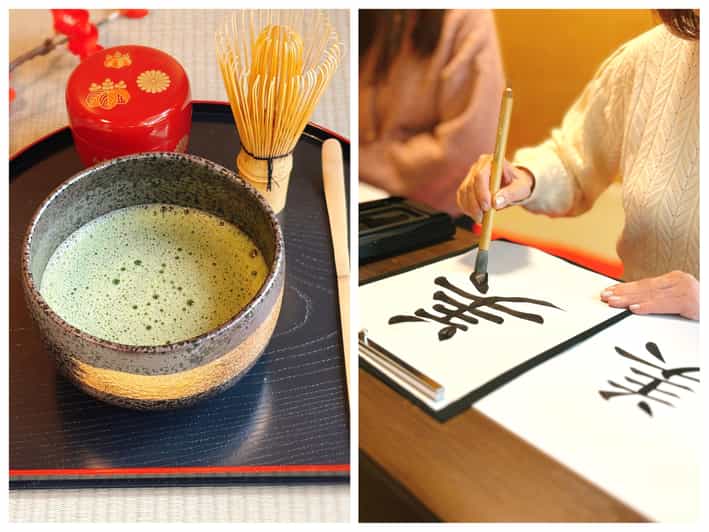
- Your name becomes a personal kanji design: Choose a character or word that reflects your personality, then write it as finished artwork.
- You make your own matcha: The class explains the process before you whisk tea yourself.
- Two sweet-tasting moments: Japanese sweets accompany the tea ceremony at different points.
- A genuinely private class: Your group receives the instructor’s full attention, with room to slow down for children or pause for photos.
- A central Namba location: The studio is about 30 seconds west of New Osaka Hotel Shinsaibashi, close to Shinsaibashi-suji shopping street.
- A calm break from city sightseeing: The clean, peaceful studio gives you time to focus rather than rush from one Osaka sight to the next.
A quiet cultural hour in the middle of Namba
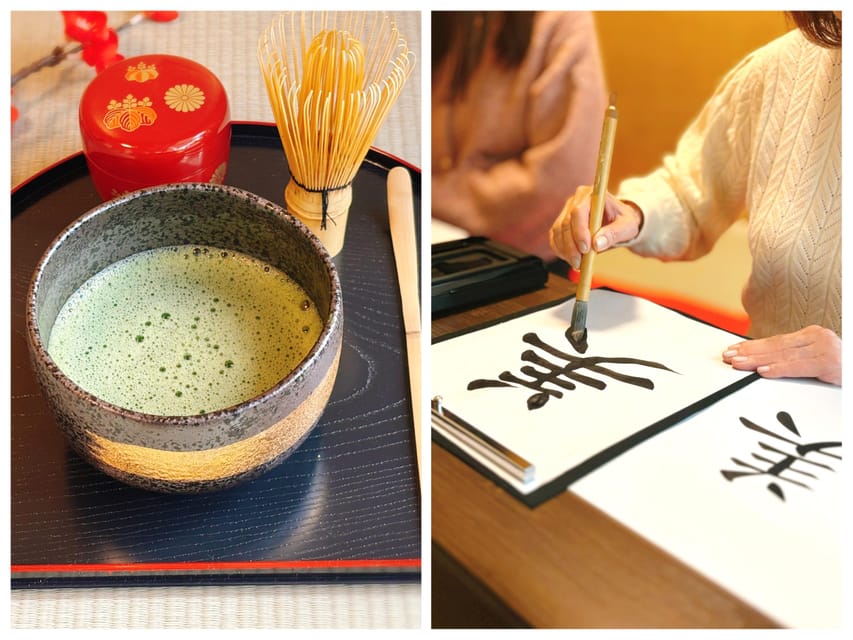
This experience works because it joins two activities that are easy to appreciate even if you know little about Japan. The tea ceremony gives you a careful look at hospitality, manners, utensils, and seasonal sweets. Calligraphy gives you something active to do, not just something to watch.
The private format matters. You are not trying to hear an instructor over a large room, and you can ask simple questions without feeling self-conscious. You can also request more photos, a slower pace, or extra help for children. That flexibility is one of the strongest reasons to choose this class over a larger cultural demonstration.
The studio is in Namba, Osaka’s main visitor area, so it fits neatly between shopping, restaurants, and sightseeing. It is not a long trip out of town or a full-day commitment. You can spend the morning at another attraction, pause here for two hours and 15 minutes, then return to central Osaka.
The tradeoff is that this is a studio lesson rather than a ceremony in a temple or historic teahouse. If you want grand architecture or a formal performance with many spectators, this is not that. If you want patient instruction and hands-on practice, the compact setting works in your favor.
More Tea Ceremonies in Osaka
- Osaka: Tea Ceremony Experience
★ 4.9 · 1,426 reviews - Tea Ceremony Experience in Osaka Doutonbori
★ 5.0 · 754 reviews - Osaka: Japanese Traditional Sweets Making and Tea Ceremony
★ 4.7 · 118 reviews
Finding the WA NO MA studio
Your meeting point is the entrance of New Osaka Hotel Shinsaibashi. Walk west for about 30 seconds and look for a blue vending machine near the entrance. The instructor waits outside the main entrance five minutes before your booking time and wears a kimono, making the meeting fairly easy once you are in the right place.
I would allow extra time to reach the hotel, especially if you are coming through Namba or Shinsaibashi with luggage or a family group. The meeting instructions are short, but central Osaka has plenty of streets, arcades, and hotel entrances that can look similar when you are in a hurry.
The location is useful for planning. Shinsaibashi-suji shopping street is nearby, and Namba is one of the easiest parts of Osaka for building a flexible day. You can pair the class with shopping before or after, but leave enough room to arrive calm. Rushing into a tea ceremony defeats part of the point.
Bring socks. That is an easy item to forget, especially in warm weather, but it is specifically required. Smoking is not allowed, and the activity is not suitable for wheelchair users.
The tea ceremony: more than a cup of matcha
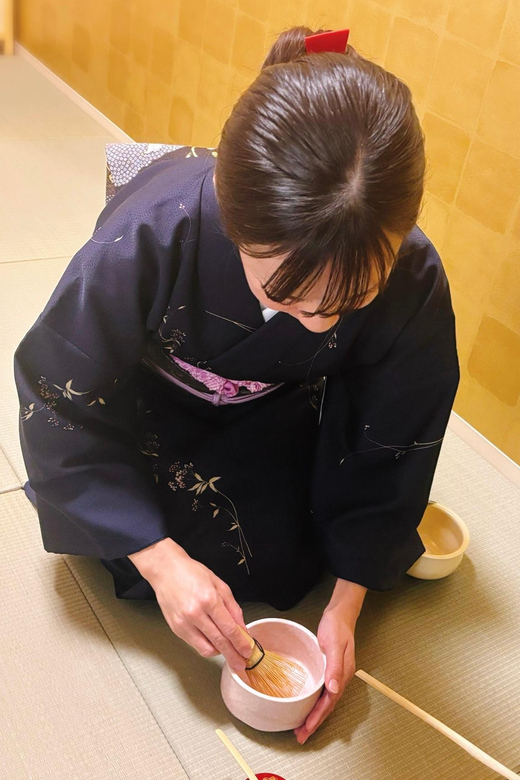
The tea portion begins with an explanation of the ceremony and the role of the tea, sweets, bowls, and gestures. Wanoma guides you through the order of the ritual, so you are not left guessing when to bow, drink, or handle the bowl.
That instruction is valuable because Japanese tea ceremony can look mysterious from the outside. Small movements carry meaning, but you do not need prior experience to follow along. The lesson gives you enough context to appreciate the care involved without turning the session into a lecture.
You taste matcha and Japanese sweets during the ceremony, with different types of sweets served twice. The sweets are not just filler between cups of tea. One especially useful detail is the explanation that sweets change with the seasons, giving you a direct connection between the ceremony and the time of year.
You also select a tea bowl from several attractive options. This choice adds a simple personal touch. You are not only watching the instructor use traditional equipment, you are considering which bowl suits your mood that day before making your tea.
The atmosphere is meant to be relaxed, and the private setup helps here. You can laugh at a mistake, ask why a step is done in a certain way, and try again without holding up a larger group. The instructor’s friendly approach is particularly useful for people who worry about breaking a rule during a formal activity.
Making your own matcha
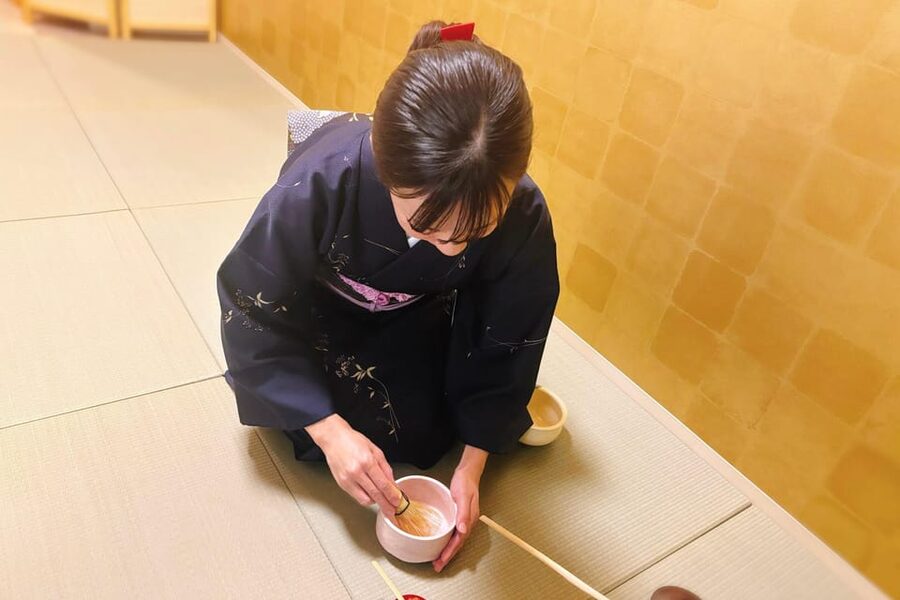
After learning the basic process, you prepare matcha yourself. The instructor shows you how to make the tea and then lets you handle the task, with guidance as needed.
This is the part that makes the experience feel active. You are not simply given a prepared bowl and told what it means. You take part in whisking the tea, then taste the result with the sweets. Your first bowl may not look exactly like the instructor’s, and that is part of the fun.
I would not book this expecting a professional tea-making lesson that leaves you ready to host a formal ceremony. The purpose is a clear, friendly introduction. You learn the basic movements and customs, enjoy the taste, and gain a better sense of the concentration behind the ritual.
The tea ceremony also provides a welcome change of tempo. Osaka can be loud, crowded, and full of tempting detours. Sitting quietly with a bowl of matcha gives you a short reset. It is a small cultural experience, but it can change the rhythm of your day.
If you do not usually drink green tea, the sweets help balance the strong, earthy flavor of matcha. The class presents the tea as something to taste carefully rather than gulp down. That makes the experience approachable for beginners.
Same base, a completely different sort of day:
- Osaka Go Karting Tour with Funny Costume
★ 5.0 · 2,658 reviews - Osaka Castle: Museum and Tower Entry Ticket
★ 4.5 · 2,380 reviews - Osaka: Shinsekai Food Tour with 13-15 Dishes at 5 Eateries
★ 4.8 · 2,204 reviews - Osaka Food Tour: 13 Dishes at 5 Local Eateries
★ 5.0 · 2,149 reviews
Choosing kanji that fits your personality
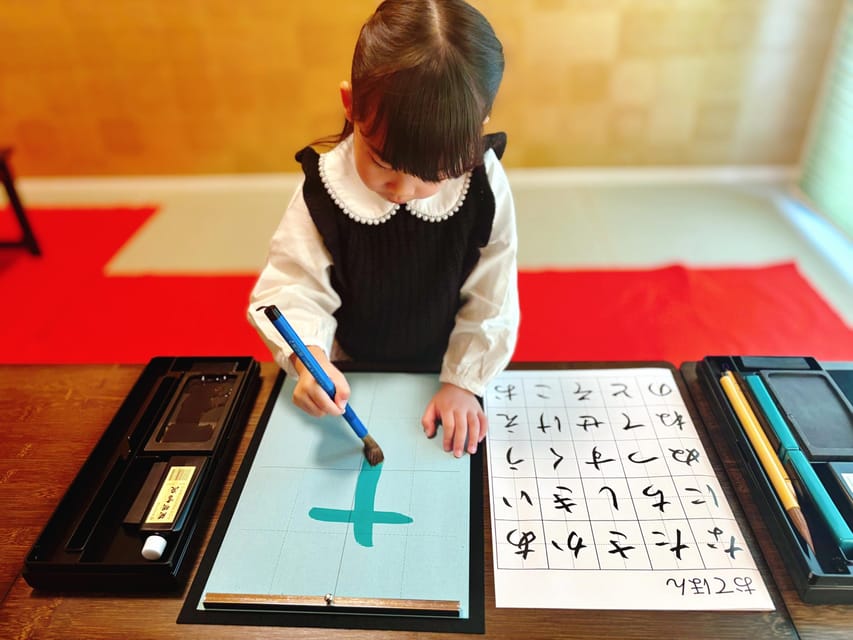
The calligraphy lesson begins with your theme. You can suggest favorite letters or words, or ask for help choosing a kanji that expresses something about you.
This is more personal than copying a random character from a worksheet. The instructor helps connect the chosen character with your name, interests, or personality. You may write your name in Japanese characters, select a meaningful word, or work with a recommended kanji.
The choice of difficulty can suit different abilities. You might pick a simpler character if this is your first brush lesson, or choose something more demanding if you want a challenge. That range helps couples, families, and mixed-age groups work at their own level.
Wanoma first explains the basic brush strokes and demonstrates the practices needed for the character. You then practice before attempting the final piece. This preparation matters. Japanese calligraphy is not simply drawing decorative lines. The order, direction, pressure, and balance of the strokes all affect the result.
The instructor’s patient approach is especially important for children and beginners. A 10-year-old and a teenager with ADHD were able to stay engaged through the explanation and hands-on work, according to the supplied experience details. That does not guarantee every child will respond the same way, but it shows that the format can hold the attention of younger participants.
Creating a souvenir you actually made
Once you have practiced, choose a piece of colored paper from the available selection. You write the final kanji, add your name in Japanese characters, and stamp your initials to finish the work.
I like this souvenir more than another shop-bought trinket because it records a personal choice and a real attempt. The brush marks are yours. Even an imperfect line becomes part of the memory, and the finished paper is light and easy to pack.
The final artwork also gives the class a satisfying shape. You begin by learning about Japanese writing, then practice individual strokes, then complete something you can take home. The instructor’s help keeps the project within reach without making it feel mass-produced.
For young children, water calligraphy is available. This option reduces the chance of ink staining hands and clothes, which is a useful detail for families. Ask about it when arranging the pace of the lesson or at the start of the class.
You should still wear clothes you can relax in. The experience includes brushwork and tea, and while the water option helps younger children, the information does not promise that all materials are stain-proof.
Why the private format is worth the price
At $64 per person, this is not the cheapest cultural activity in Osaka, but the value is easy to assess. The price includes the instructor, all fees and taxes, colored paper, matcha, Japanese sweets, and your matcha-making practice.
The bigger value is the private attention. A large demonstration can show you the broad outline of a tea ceremony, but this class gives you time to try the movements, ask questions, choose a bowl, select kanji, and improve your brush strokes. You are paying for instruction and participation, not only for admission.
The 135-minute length also helps the price make sense. You receive two connected lessons rather than a short photo opportunity. Tea ceremony takes one part of the session, calligraphy takes another, and neither needs to be hurried.
For a couple, the class offers a shared activity that does not depend on shopping or eating. For a family, it gives children something to do with their hands while adults learn cultural context. For solo visitors, the private format means you can ask questions about Japanese names and writing without needing to follow a group’s schedule.
The activity also includes different sweets twice during the tea portion, which adds variety. I would still compare it with your overall Osaka budget. If you are mainly looking for a low-cost introduction and do not care about making artwork, a public cultural display may be enough. If you want a guided keepsake and personal instruction, $64 is a fair price.
Who will enjoy this most
This experience is a strong choice for first-time visitors to Japan who want a cultural activity explained in English. The instructor speaks English and Japanese, and the lesson does not require previous knowledge of tea ceremony or calligraphy.
It suits couples who want something peaceful and different from Osaka’s restaurant scene. It also works well for families, since the schedule can be adjusted to match a child’s pace and water calligraphy is available for young children.
You should consider it if you like creative activities, Japanese design, food traditions, or small-group experiences. The class gives you plenty of opportunities to take photos, and you can request more photos during the session.
It may be less suitable if you want a grand historic setting, a large social group, or an activity with constant movement. The experience is calm and focused. You spend time sitting, listening, practicing, and tasting.
Because the studio is not suitable for wheelchair users, check that the physical setup works for everyone in your party before booking. Socks are required, so pack them even if you expect hot weather.
Timing, flexibility, and booking details
The stated duration is 135 minutes, and starting times vary with availability. The schedule can be adjusted according to your request, including the pace for children and the amount of time spent taking photos.
You can cancel up to 24 hours in advance for a full refund. A reserve-now, pay-later option is also available, which helps if your Osaka plans are still shifting.
The class is offered as a private group experience, not a shared public session. That means your booking is best understood as reserved time with the instructor for your own party. The private format is central to the experience, so check the group details carefully when you book.
My call: book it for a personal Osaka memory
I would book this class if you want more than a quick look at Japanese customs. The tea ceremony teaches you how to notice small acts of hospitality, while calligraphy turns your name or chosen idea into a souvenir you made by hand.
The strongest reasons to choose it are Wanoma’s patient, personal instruction, the calm studio setting, and the chance to prepare your own matcha and finish your own artwork. The main limits are the floor-based format, the lack of wheelchair suitability, and the fact that the setting is a studio rather than a historic tea house.
For $64, the combination of two lessons, sweets, tea, materials, and private guidance offers good value. Book it if you want a slower, thoughtful pause in central Osaka, especially as a couple or family. Skip it only if you prefer big sights, fast-paced tours, or a formal ceremony in a historic building.
FAQ
Where is the tea ceremony and calligraphy experience held?
The studio is in Namba, Osaka. Meet at the entrance of New Osaka Hotel Shinsaibashi, then walk west for about 30 seconds toward the blue vending machine near the entrance.
How long does the experience last?
The experience lasts 135 minutes, or two hours and 15 minutes. Starting times depend on availability.
Is the activity private?
Yes. It is offered as a private group experience, with the instructor attending only your group.
Can I make my own matcha?
Yes. You first learn how to make the tea, then prepare matcha yourself with the instructor’s guidance.
What happens during the calligraphy lesson?
You choose a theme, favorite word, or character. The instructor can suggest kanji based on your personality, then teaches the basic strokes before you create a final piece on colored paper.
Can I take home my calligraphy?
Yes. You take home the colored-paper artwork you create, complete with your Japanese name and initials stamp.
Are sweets included?
Yes. Matcha and various Japanese sweets are included, and different types of sweets are served twice during the tea ceremony.
What languages does the instructor speak?
Instruction is available in English and Japanese.
What should I bring, and who cannot participate?
You should bring socks. Smoking is not allowed, and the activity is not suitable for wheelchair users.
Just added around Osaka
- Discover Real Osaka: A Cultural Walk with Food & Drink★ 5.0 · 13 reviews
- From Osaka/Kyoto: Kyoto & Nara Day Trip with Optional Lunch★ 4.5 · 79 reviews
- Osaka 6hr Private Walking Tour with Government Licensed Guide★ 5.0 · 174 reviews
- Private Airport transfer Kansai Intl. Airport(KIX) to OSAKA CITY★ 4.5 · 12 reviews
- Osaka Delights: Traditional Japanese Food Tour★ 4.5 · 33 reviews
- Osaka: Namba Local Food Walking Tour (Taste 15 Dishes)★ 5.0 · 20 reviews
- Badminton in Osaka & Kyoto with Locals!★ 5.0 · 15 reviews
- From Osaka or Kyoto: Kyoto and Nara 1-Day Bus Tour★ 3.5 · 141 reviews
Osaka Tours, compared.


Shinsekai Food Tour with 13-15 Dishes at 5 Eateries
Read our review →
Osaka Food Tour: 13 Dishes at 5 Local Eateries
Read our review →
Hungry Osaka Street Food Tour:15 Tastings & 3 Drinks with a Local
Read our review →



Hotspots & Hidden Gems Walking Tour Private or Group
Read our review →Browse the lists this tour appears in