
Reviewed · TOKYO TOURS
Tokyo Customized Private Tour: See Top Attractions in 1 Day
Tokyo Customized Private Tour: See Top Attractions in 1 Day
Tokyo can feel like several cities stitched together by train lines. One hour you are bowing at a temple, the next you are crossing Shibuya with a sea of pedestrians, then eating at a market stall or walking beneath the trees at Meiji Shrine. This private tour gives you a local guide to connect those pieces, explain what you are seeing, and handle the metro between stops.
I like two things right away: you choose the focus, and the guide adjusts the pace. Guides such as Yeonmi, Yoko, Tak, Yuriko, and Aki have helped families, food lovers, and first-time visitors shape the day around their interests. The main consideration is cost. At $141 per person, the tour is not an inexpensive sightseeing ride, and you still pay metro fares, lunch, and entrance fees for you and your guide.
Key points to know
- Private English-speaking guide: You get personal attention rather than a fixed group schedule.
- Four, six, or eight hours: Plan on two to three areas in four hours, three to four in six hours, or four to five in eight hours.
- Metro and walking: Your guide teaches you how Tokyo stations work while moving between districts.
- Central Tokyo pickup: Hotel pickup and drop-off are included within Tokyo’s 23 wards.
- Flexible for families: Guides can slow down, change stops, and keep children engaged.
- Market day matters: Tsukiji Outer Market is generally closed on Wednesdays and Sundays, with Imperial Palace or Hama-rikyu Gardens offered instead.
Why a private guide helps in Tokyo
Tokyo is safe and well organized, but the sheer size of the city can eat your sightseeing time. Stations may have several exits, signs can be difficult to read, and a trip that looks short on a map can involve a long walk and a transfer. A private guide gives you help with those small decisions all day.
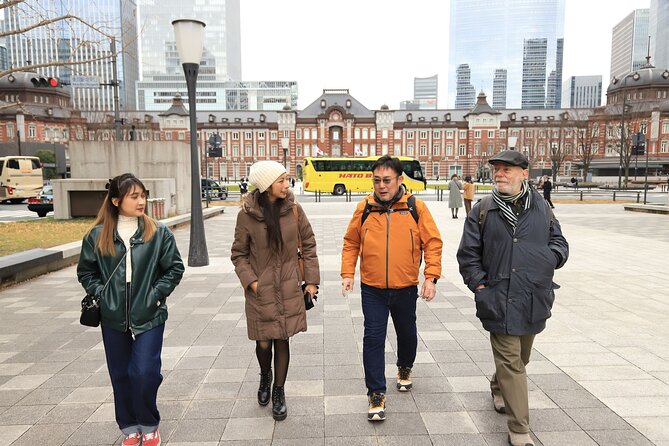
The metro lesson may be one of the most useful parts. Guides have shown families how to buy tickets, find the right platforms, and move through stations so they can explore independently later in the trip. You are not just being led from one photo stop to another. You are learning how to get around.
The private format also suits mixed groups. One family had children aged 10 and 7, while others toured with teenagers or several small children. Guides changed activities when young children tired, spent longer at places that held their attention, and helped families cross crowded streets. If you have limited time or different energy levels in your group, that flexibility is worth real money.
A few more Tokyo half-days to weigh up
- Mt Fuji and Hakone 1-Day Bus Tour Return by Bullet Train
★ 5.0 · 26,383 reviews - 1-Day Tokyo Bus Tour
★ 5.0 · 14,250 reviews - Mt Fuji & Hakone Cruise, Drum Show Bullet Train 1 Day from Tokyo
★ 4.0 · 7,413 reviews
Choosing four, six, or eight hours
The four-hour version works best if you want a first look at one side of Tokyo. Two or three areas is a sensible target. For example, you could pair Tsukiji with Asakusa, or Meiji Shrine with Harajuku and Shibuya. You will see less if you want to enter several attractions rather than make brief visits.
Six hours gives you a useful middle ground. Three or four areas allow a mix of old and new Tokyo without making every stop feel rushed. A morning at Tsukiji, followed by Asakusa, Meiji Shrine, and Shibuya, is possible if you keep meals and shopping focused.
Eight hours is the best choice if this is your only full day in Tokyo and you want several districts. Four or five areas are realistic, but remember that every move includes walking, station time, and the chance of a longer visit than expected. Tokyo rewards attention, so I would rather see four places properly than race through seven.
The popular sample day runs from 9:00 a.m. to 5:00 p.m. It begins at your central Tokyo hotel and combines Tsukiji, Asakusa, Meiji Shrine, Harajuku, and Shibuya. Your own start time depends on availability, and the stops can change to fit your requests.
Asakusa and Sensō-ji: Tokyo’s old face
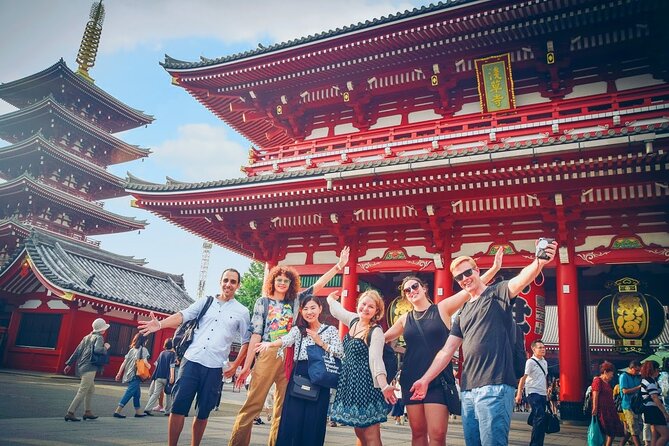
Asakusa is the natural place to begin if you want traditional Tokyo. Sensō-ji Temple provides a strong visual introduction, with its famous temple approach and large gates leading toward the main grounds. Your guide can explain how to behave at a Buddhist temple and point out details that are easy to miss when you are focused on photographs.
The guided temple visit is listed at about one hour, followed by a short look around Asakusa. That division makes sense. Sensō-ji deserves time for its setting and religious meaning, while the surrounding streets offer a chance to browse and watch local life.
Asakusa is a good family stop because it offers variety without requiring a museum-length attention span. The drawback is that it can feel crowded around the main temple area, especially when several tour groups arrive at once. Ask your guide to spend time on side streets if you prefer a calmer look at the district.
Tsukiji Outer Market: food, movement, and timing
Tsukiji Outer Market is one of the most useful stops for people who enjoy food. You can look at stalls, ask about unfamiliar ingredients, and possibly buy something to eat as you walk. Past visitors have enjoyed fresh fish straight from the market and received suggestions for vegetarian ramen, so tell your guide about dietary needs before the day begins.
The market is not open every day. It is generally closed on Wednesdays and Sundays, though you should check its official schedule before booking. If it is closed, the tour visits the Imperial Palace or Hama-rikyu Gardens instead.
You should also expect a market to require care. The paths can be tight, and people are working around you. One guide helped a group understand how to move safely through the fish market, which is exactly the sort of practical help you want here. Wear comfortable shoes, keep your group together, and do not expect a quiet museum visit.
Same base, a completely different sort of day:
- Tokyo: TOKYO SKYTREE® Admission ticket
★ 4.5 · 11,192 reviews - Tokyo: teamLab Planets TOKYO Digital Art Museum Entry Ticket
★ 4.6 · 9,779 reviews - Tokyo: Sumo Show Experience with Chicken Hot Pot and a Photo
★ 4.8 · 6,678 reviews - Tokyo: Shinjuku Food Tour (13 Dishes at 4 Local Eateries)
★ 5.0 · 6,603 reviews
Meiji Shrine and Harajuku: a sharp change of mood
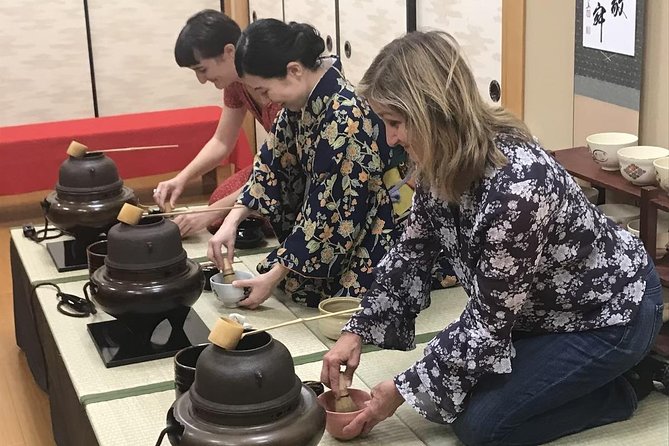
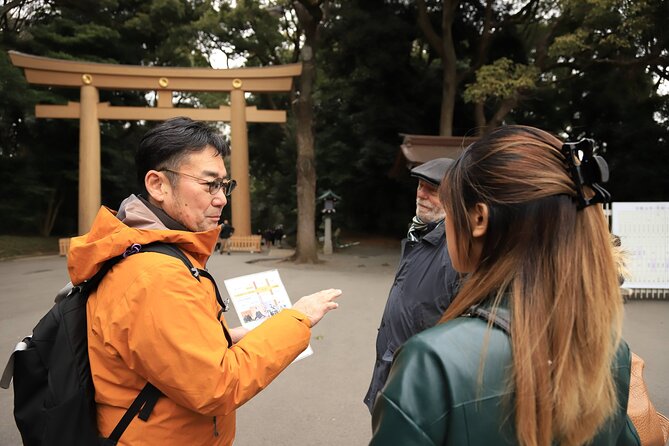
Meiji Shrine gives you a break from Tokyo’s hard edges. The approach through the wooded grounds feels separate from the surrounding city, and the one-hour guided visit lets you understand the shrine’s role rather than simply walk through it.
Then comes Harajuku, where Takeshita Street changes the tone completely. The stop allows time for photographs, shopping, and a look at one of Tokyo’s most youthful commercial areas. For families, this pairing works well because the shrine provides space and calm, while Harajuku brings snacks, shops, and visual energy.
Takeshita Street can be crowded and commercial. If your interest is traditional culture, you may prefer more time at Meiji Shrine. If you have children or teenagers, Harajuku may be the place where the day suddenly becomes their day too. A private guide can make that adjustment without forcing the entire group to follow a fixed schedule.
Shibuya and Shinjuku after dark or in daylight
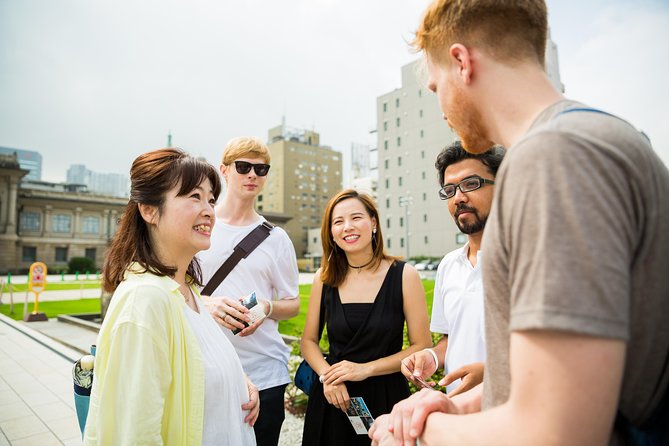
Shibuya City is a strong finish for a highlights-focused day. The famous scramble crossing is quick to visit, but your guide can help you understand how to watch it, photograph it, and move onward without getting lost in the surrounding streets. The district is more than one crossing, but the crossing gives you an instantly recognizable Tokyo moment.
Shinjuku offers a different kind of city experience, with a photo stop and guided visit. It is a sensible choice for visitors who want dense city streets, large stations, and a modern Tokyo setting. The challenge is scale. Shinjuku Station and its surrounding area can be tiring, so do not add both Shinjuku and several distant districts to a short tour unless you are comfortable walking quickly.
Guides have been praised for keeping groups moving while still explaining the city. That balance matters here. A guide who knows the station can save you from spending your limited time searching for the correct exit.
Ginza, Tokyo Skytree, Odaiba, and Hama-rikyu
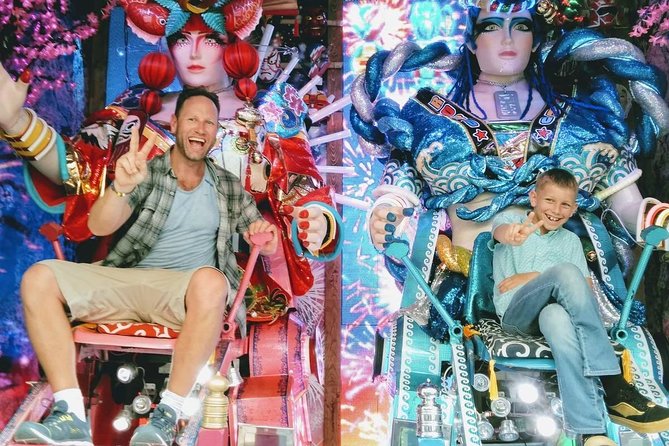
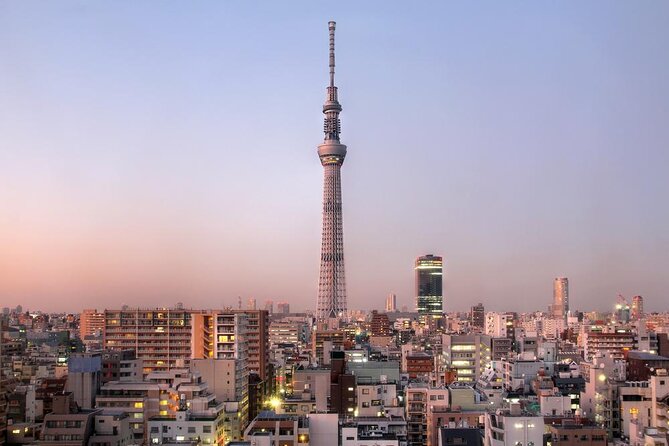
The tour can also include Ginza, Tokyo Skytree Town, Odaiba, Hama-rikyu Gardens, Tokyo National Museum, or other places that match your interests. These options serve different kinds of visitors, so be clear about your priorities when you meet your guide.
Ginza fits shoppers and people interested in polished city streets. Tokyo Skytree Town works for a modern landmark and photographs, though visiting the observation deck would involve an entrance fee and extra time. Odaiba adds a waterfront-style district, while Hama-rikyu Gardens gives you another chance to slow down among formal gardens.
Tokyo National Museum is the strongest choice for someone who wants art and Japanese history instead of shopping. A one-hour stop is enough for an introduction, not a full museum visit. If you want to see major exhibits carefully, build your day around the museum rather than treating it as one stop among five.
Hama-rikyu Gardens is also the stated backup when Tsukiji is closed. That makes it a useful substitute because it keeps the day centered in an area with a different pace from the market. Still, the replacement depends on the guide’s plan and the length you book.
How much walking and transit should you expect?
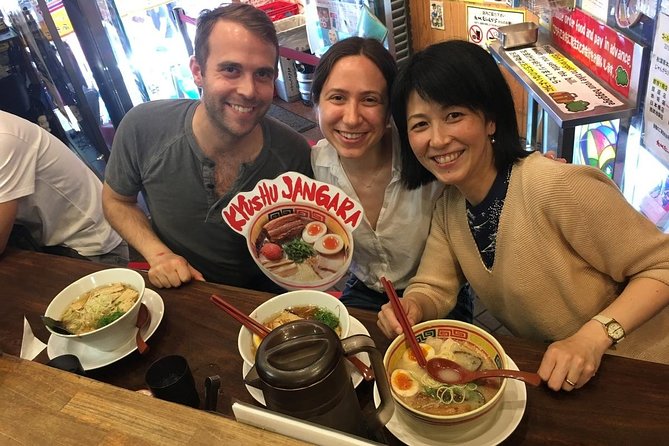
This is a walking and public transportation tour. You pay transportation fees for yourself and your guide, so budget for both people rather than assuming the $141 price covers trains. Lunch and any entrance tickets are also separate, including the guide’s costs.
The walking is not presented as a gentle sightseeing stroll. One person specifically advised booking a massage for the next day after a lot of walking. That does not mean the tour is unsuitable for anyone who tires easily, but you should tell the guide your fitness level at the start. Yeonmi, for example, adjusted one day to match both interests and fitness.
Wear supportive shoes and bring weather protection. The tour runs rain or shine, and Tokyo’s stations, sidewalks, markets, and shrine grounds can make for a long day on your feet. The private format helps, but it does not remove the physical demands of crossing a huge city.
The tour is not suitable for wheelchair users. Anyone with mobility concerns should ask detailed questions before booking, since the experience relies on walking and metro travel.
What the $141 price buys you
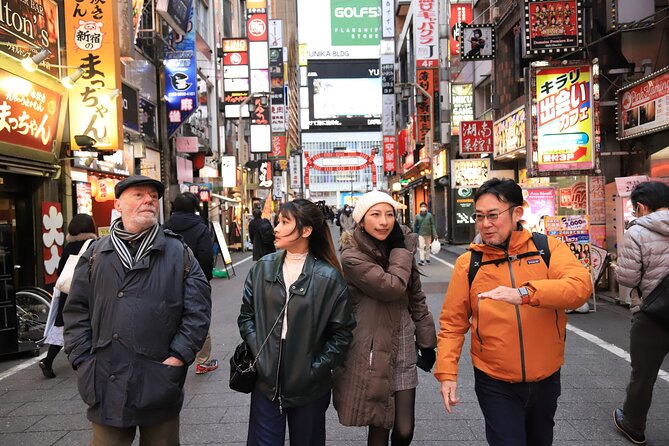
The price is easiest to justify for a first day in Tokyo, a family group, or anyone who feels uneasy about the rail system. You receive a private guide, hotel pickup and drop-off within central Tokyo, and a day shaped around your own interests. You also gain help with restaurant choices, cultural manners, station navigation, and last-minute changes.
It is less attractive if you already know Tokyo well, travel alone on a tight budget, or prefer to wander without a schedule. Because transport, food, tickets, and personal expenses are extra, calculate the full cost before booking.
For a family, the value can be stronger than the per-person price first suggests. A guide can keep children involved, avoid wasted transfers, and adjust the day when energy drops. Several guides have also helped families with origami, food choices, and simple cultural explanations. That kind of care is difficult to reproduce with a map app.
The guides make the difference
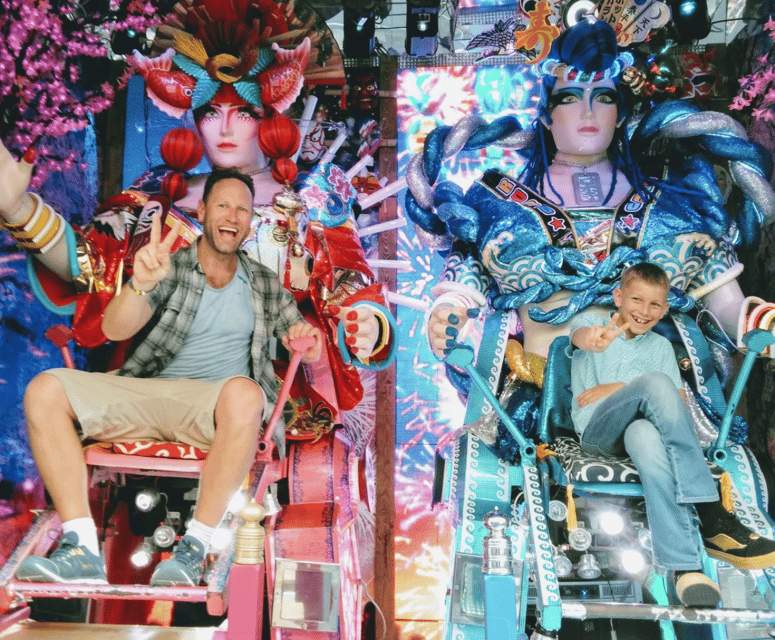
The strongest pattern across the experience is the personal quality of the guiding. Yeonmi has been praised for adjusting plans and helping visitors feel at home in Tokyo. Yoko is known for memorable side comments and careful attention to children. Tak has helped families see requested sights while adding useful advice for the rest of Japan.
Yuriko has worked especially well with families, including children, and has been praised for mixing old and modern Tokyo. Mami-san adjusted a day for elementary and junior high school children, knowing when to move from shrines to anime and electronics. Nino, Aki, Sachimi, Naoko, Yuki, Hiro, and others have also been described as friendly, flexible, and easy to spend a full day with.
You cannot choose a particular guide from the information provided, so do not book solely on the hope of getting one name. What you can do is send your interests in advance or explain them clearly at the opening meeting. Say if you want food, temples, shopping, museums, anime, gardens, photographs, or a slower pace.
How to plan your best day
Before the tour, choose two or three priorities. A useful request might be traditional Tokyo plus food and one modern district. Another might focus on family-friendly stops, or on learning the metro for the rest of your holiday.
Do not try to force every famous district into four hours. Even eight hours can feel short once you include lunch and train transfers. If Tsukiji is a must, avoid a Wednesday or Sunday booking unless you are happy with the alternate stop.
Tell your guide about dietary restrictions, children’s ages, fitness concerns, and places you have already visited. The more specific you are, the more useful the private format becomes. Bring comfortable shoes, and expect the plan to change if weather, crowds, or market hours make another stop wiser.
Cancellation is free up to eight days in advance for a full refund. Pickup is limited to hotels in Tokyo’s 23 wards. Hotels in Chiba, including the Maihama area, hotels in Kanagawa such as Yokohama, airports, and ports are not included for pickup, so you will need to reach the designated meeting point.
Should you book this Tokyo tour?
Book it if you have one important day in Tokyo and want both famous sights and practical local help. It is especially well suited to families, first-time visitors, food lovers, and anyone who wants to learn the metro rather than spend half the morning decoding stations.
Skip it if you prefer an unplanned day, already understand Tokyo’s rail system, or want a low-cost tour with all expenses included. Also think carefully about the walking if you have limited mobility.
For most first visits, I would choose six or eight hours and ask for a blend of Asakusa, Tsukiji or Hama-rikyu, Meiji Shrine, Harajuku, and Shibuya. That combination gives you temples, food, greenery, shopping, and modern city life without treating Tokyo like a checklist.
FAQ
How long is the private Tokyo tour?
You can book a four, six, or eight-hour tour. The suggested number of areas is two to three for four hours, three to four for six hours, and four to five for eight hours.
What places can the tour include?
Possible stops include Sensō-ji Temple, Asakusa, Meiji Shrine, Takeshita Street, Tsukiji Outer Market, Shibuya, Shinjuku, Ginza, Tokyo Skytree Town, Tokyo National Museum, Odaiba, and Hama-rikyu Gardens.
Is the tour private?
Yes. It is offered for a private group with a dedicated English-speaking guide.
Is hotel pickup included?
Hotel pickup and drop-off are included for hotels within Tokyo’s 23 wards. Pickup is not available at hotels in Chiba or Kanagawa, airports, or ports.
Are transportation costs included?
No. You pay public transportation fees for yourself and your guide.
Is lunch included?
No. Lunch is not included for you or your guide.
What happens if Tsukiji Outer Market is closed?
The tour visits either the Imperial Palace or Hama-rikyu Gardens instead. Tsukiji is generally closed on Wednesdays and Sundays, but you should check its official opening information.
Is the tour suitable for wheelchair users?
No. The tour is not suitable for wheelchair users and takes place using public transportation and walking.
Just added around Tokyo
- Private Arrival Transfer : Narita International Airport to Central Tokyo City★ 4.5 · 12 reviews
- Narita Airport(NRT): Private Transfer to Tokyo/Yokohama 1-9pax★ 5.0 · 47 reviews
- Private Transfer from Narita Airport to Yokohama Port and City★ 4.5 · 17 reviews
- [Narita Airport Terminals 1, 2] 40-60km Sawara Itako Historic Bike Tour★ 5.0 · 13 reviews
- 3 Day Japan Highlights Tour: Tokyo, Mt.Fuji, Nara, Kyoto, Osaka★ 5.0 · 22 reviews
- Small Town in the Big City: Tasting Tokyo’s Kichijoji★ 5.0 · 195 reviews
- Small Town in the Big City: Tasting Tokyo’s Kichijoji★ 5.0 · 16 reviews
- The 10 Tastings of Tokyo With Locals: Private Street Food Tour★ 5.0 · 48 reviews
Tokyo Tours, compared.

Mt Fuji and Hakone 1-Day Bus Tour Return by Bullet Train
Read our review →

teamLab Planets TOKYO Digital Art Museum Entry Ticket
Read our review →
Mt Fuji & Hakone Cruise, Drum Show Bullet Train 1 Day from Tokyo
Read our review →
Sumo Show Experience with Chicken Hot Pot and a Photo
Read our review →
Shinjuku Food Tour (13 Dishes at 4 Local Eateries)
Read our review →
Tokyo Mt Fuji 5th St & Hakone Cruise Bus Tour w/Bullet Train
Read our review →
Flagship 2-Hours Official Street Go-Kart Tour – Tokyo Bay Shop
Read our review →Browse the lists this tour appears in