
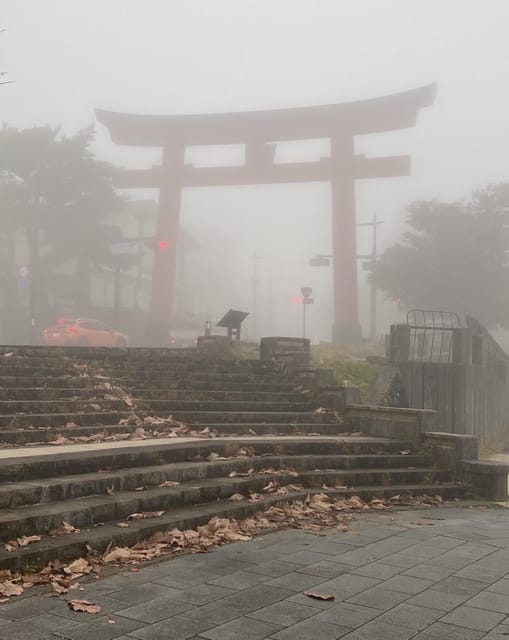
Reviewed · TOKYO TOURS
Tokyo: Customized Private Tour with a Local Guide
Tokyo is easiest to understand when someone helps you connect the dots. This private tour can take you from postwar black markets and Golden Gai to Meiji Jingu, Sensoji, Yanaka Ginza, retro gaming shops, or small cafes that are easy to miss on your own. The guide adjusts the route as your interests change.
I like the true one-to-one planning and the practical help with trains, shopping, dining, and local customs. I also like that the guides, including Claire, Lilian, Lily, Lilly, and Vivian, have taken visitors into quieter districts instead of sticking only to famous sights. The main drawback is that transport, meals, and entrance fees cost extra, and eight hours on Tokyo pavement is not for everyone.
Key points at a glance
- A private route built around your interests: Focus on history, food, anime, fashion, nightlife, photography, vegan dining, or a mix.
- Tokyo’s contrasts in one day: Pair Meiji Jingu and Harajuku with postwar alleyways, small bars, or retro neighborhoods.
- Useful local orientation: Your guide can explain the train system and help you plan the rest of your stay.
- Flexible time choices: Pick four, six, or eight hours, depending on how much ground you want to cover.
- English and Japanese guidance: The tour is conducted in either language by a bilingual guide.
- Walking-heavy and not wheelchair suitable: Comfortable shoes, water, sunscreen, and a charged phone matter.
Why a custom Tokyo tour can make sense
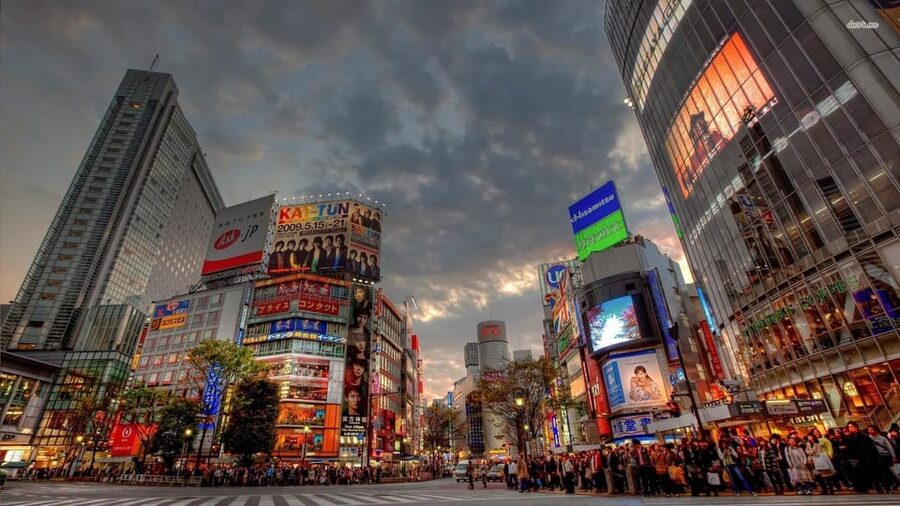
Tokyo is not one city in the usual sightseeing sense. It is a collection of districts with different moods, histories, and habits. Shinjuku feels very different from Yanaka. Asakusa has an old-town character that you will not find around Omotesando. Akihabara speaks its own language of games and pop culture.
That variety is exciting, but it can make a short visit feel scattered. A private guide gives you a person who can shape the day around what you actually want to see. If you care about shrines but have no interest in designer shopping, you can spend your time accordingly. If you want anime, food, and obscure record shops instead of a standard temple route, you can say so before the day begins.
The guide can meet you at your hotel or a station if you arrange it in advance. That is useful on a first morning in Tokyo, when the train network can feel like a puzzle made of several different puzzles. One guest used the day as an introduction to the rail system, shopping, and dining, then felt better prepared to explore alone afterward.
At $85 per person, the price is most attractive for a small private group. You are paying for personal planning and a full day of local help, not just transportation or admission tickets. For one person, the cost is harder to compare with a group tour. For a couple or family group, the private format can offer good value, especially if the guide prevents wrong turns and helps you use your limited time well.
A few more Tokyo half-days to weigh up
- Mt Fuji and Hakone 1-Day Bus Tour Return by Bullet Train
★ 5.0 · 26,383 reviews - 1-Day Tokyo Bus Tour
★ 5.0 · 14,250 reviews - Tokyo: TOKYO SKYTREE® Admission ticket
★ 4.5 · 11,192 reviews
Shinjuku, black markets, and Golden Gai
Shinjuku gives this tour some of its strongest material. The district is famous for tall buildings, neon, shopping, Kabukicho, and nightlife, but the guide can also explain the area’s postwar black markets and the small lanes that grew around them.
That historical layer matters. Without context, Shinjuku can look like a wall of signs and crowds. With a guide, you can better understand how older drinking alleys and market areas sit beside modern entertainment streets. Golden Gai, with its tiny bars packed into narrow lanes, is a good example of Tokyo’s ability to preserve small-scale places amid huge redevelopment.
You should be clear about your comfort level before booking. The tour can include the red-light district and nightlife areas, but the exact route depends on your interests and available time. If you prefer daytime history, food, and architecture, say so. If you want to see the evening side of Shinjuku, ask how the guide would arrange it.
Small cafes and bars are another strength here. A guide can make it easier to enter places that might otherwise seem private or confusing. Meals and drinks are not included, so budget separately for anything you order.
Akihabara for retro games and pop culture
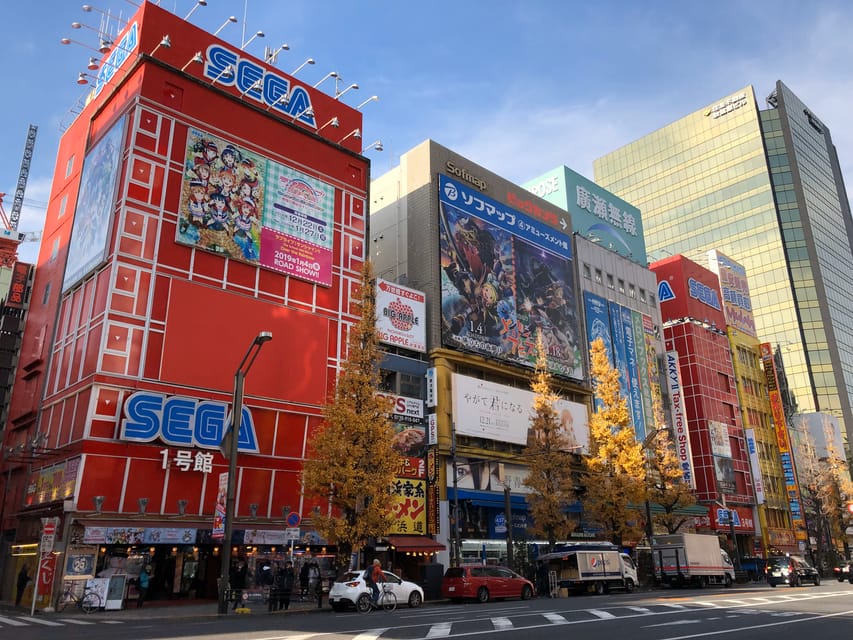
Akihabara is a natural choice if your Tokyo plans revolve around games, electronics, anime, or unusual pop culture. The tour can include vintage game stores, rare consoles, retro arcades, and quirky museums.
The value here is not simply seeing a famous district. It is having someone help you sort through the noise. If you already know the games or machines you want, tell the guide in advance. If you are curious but not an expert, the guide can help you focus on the parts that fit your interests rather than spending the whole visit browsing every shop.
This stop also shows why the private format works better than a fixed route for some people. One person may want shopping tips, another may care about the story of Tokyo’s gaming culture, and another may only want a short look before moving on. A private guide can adjust the balance.
You will need to pay for purchases yourself, and entrance fees are not included. Flash photography is not allowed, so keep your phone or camera use respectful inside shops and attractions.
Meiji Jingu, Harajuku, and Omotesando
Meiji Jingu offers a quieter change of pace from Shinjuku and Akihabara. The shrine is one of the major sights on this tour, and a guide can explain its customs, layout, and place in Tokyo life. The supplied information also mentions a short hike to a shrine connected with the imperial family, so you should expect some walking and uneven effort rather than a purely roadside sightseeing day.
Harajuku and Omotesando work well as a pair. Harajuku brings youth fashion, small shops, and cafes. Omotesando adds polished architecture, upscale shopping, and a more restrained city feel. Together, they show how Tokyo can shift character after only a few streets.
I like this section for visitors who want famous sights but do not want a day made only of big landmarks. You can see Meiji Jingu, then ask for quieter streets, food suggestions, or a cafe stop. One guide, Claire, was praised for combining Meiji Jingu and Harajuku with areas where the group saw very few foreign visitors.
Do not expect every part of this route to be hidden or obscure. Meiji Jingu and Harajuku are well-known. Their value comes from the explanations, the order of the stops, and the chance to connect them with less familiar parts of the city.
Same base, a completely different sort of day:
- Tokyo: teamLab Planets TOKYO Digital Art Museum Entry Ticket
★ 4.6 · 9,779 reviews - Mt Fuji & Hakone Cruise, Drum Show Bullet Train 1 Day from Tokyo
★ 4.0 · 7,413 reviews - Tokyo: Sumo Show Experience with Chicken Hot Pot and a Photo
★ 4.8 · 6,678 reviews - Tokyo: Shinjuku Food Tour (13 Dishes at 4 Local Eateries)
★ 5.0 · 6,603 reviews
Asakusa and Sensoji Temple
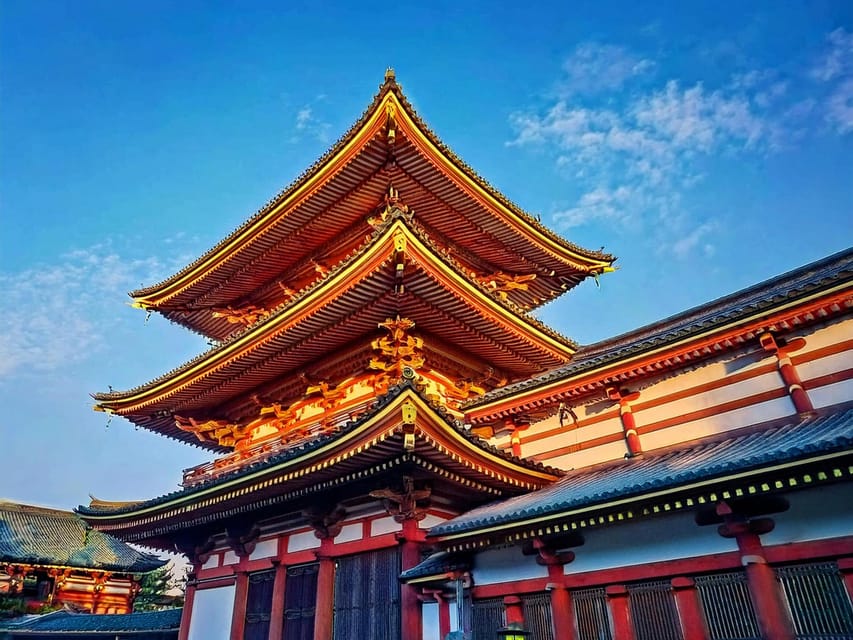
Asakusa is the clearest choice for old Tokyo atmosphere. Sensoji Temple and Nakamise-dori provide the headline sights, with a long approach lined with shops and food stalls. The guide can also take you to smaller local shrines if you want more than the main temple complex.
Sensoji is a place where basic etiquette helps. Your guide can show you how to behave at a shrine or temple and explain what you are seeing, rather than leaving you to copy the nearest person. That sort of guidance is especially useful if this is your first visit to Japan.
Nakamise-dori can be busy, and the shopping here is aimed at sightseers. That is not a flaw, but you should know what to expect. If you want a more local feel, ask to balance the main approach with quieter streets or another neighborhood.
Asakusa also makes sense for a shorter four-hour tour because it offers a concentrated mix of temple architecture, traditional streets, and food possibilities. You will still need to account for walking and any paid visits or meals.
Yanaka Ginza and Tokyo’s quieter side
Yanaka and Yanaka Ginza offer a different picture of the city. The appeal is the slower pace, older streets, independent galleries, and small businesses. This is where a guide can help you notice details that are easy to pass without context.
Yanaka is a good fit if you want photography, local life, neighborhood history, or a break from major commercial districts. It is also a useful choice for a repeat visit, since it gives you a side of Tokyo that is less centered on giant stations and shopping towers.
The tour may also include Koenji, especially if you are interested in punk fashion, independent shops, or Tokyo subcultures. These districts are best approached with an open plan. You may not get a checklist of famous sights, but you can get a better feel for how ordinary streets, niche stores, and small creative spaces fit into the city.
A guide cannot guarantee that every shop or cafe will be open, and the exact neighborhood depends on your interests and time. That is part of the tradeoff of a custom tour. You gain flexibility, but the day is not a fixed product with every stop guaranteed.
What the four, six, and eight-hour choices mean
The four-hour option is best if you want orientation or one main area with nearby additions. You might choose Asakusa and local shrines, Meiji Jingu with Harajuku, or a focused Akihabara visit. It is also sensible if you have a late arrival, an early departure, or limited walking stamina.
Six hours gives you room to combine two areas without making the day feel like a race. You could pair a major sight with a quieter neighborhood, then stop for food or shopping. Ask the guide to limit long cross-city transfers, since moving between districts takes time even when the train ride itself is quick.
Eight hours offers the widest range. The strongest version is not necessarily the one with the most stops. It is the one that gives you time for major sights, side streets, questions, a meal break, and practical advice for the days ahead. Several guests used the full day to cover a wish list and still add extra points of interest.
The longer option will test your feet. Comfortable shoes are essential, and you should bring water, sunscreen, a charged smartphone, and weather-appropriate clothing. The tour is not suitable for children under 10, people with mobility impairments, or wheelchair users.
The guide makes or breaks the day
A custom tour needs a good conversation before it starts. Tell the guide what you already plan to see, what you do not care about, and how much walking you can manage. Mention food limits, including vegan preferences, and say if nightlife or the red-light district is off your list.
The guides named in the booking information include Claire, Lilian, Lily, Lilly, and Vivian. The names vary by booking, so confirm who is assigned to your date. The key point is that the guide speaks English and Japanese and can answer questions about Japanese life, not just point toward attractions.
Practical help is one of the strongest reasons to book. You can ask about trains, shopping, dining, photography, shrine manners, and the best use of your remaining days. One guest found the tour useful as a first-day orientation, while another appreciated having a full wish list covered with added stops along the way.
The guide’s admission fees, if needed, are your responsibility. That is easy to overlook, so include it in your budget along with your own transport, food, drinks, and entrance tickets.
What the $85 price really covers
The $85 per person covers the bilingual guide, private group format, planning around your interests, and access to places that may be difficult to identify on your own. It does not cover a car, train fares, meals, drinks, attractions, or the guide’s admission fees.
This is a walking and public-transport style experience rather than a sightseeing bus. That can be a benefit in Tokyo, since you are moving through real districts instead of viewing the city from behind glass. It also means the final cost and pace depend partly on your choices.
For a couple or small group, the price can be worthwhile if you want a personal route and useful local advice. For a strict budget, a self-guided day using Tokyo’s trains will cost less. The private tour earns its price when you value time, conversation, and a route built around your own list.
Free cancellation is available up to 24 hours before the start, and you can reserve now and pay later. Those terms are useful if your Tokyo schedule is still shifting.
Who should book this Tokyo tour?
I would choose this for a first visit when Tokyo feels too large to organize, or for a repeat visit when you have already seen the main sights. It is especially well suited to couples, friends, and small private groups with different interests.
You should also consider it if you want anime and retro games one day, shrines and old neighborhoods the next, or a blend of food, shopping, history, and photography in one outing. The guide can adapt in real time, which is more useful than a fixed script when your priorities are specific.
I would skip it if you want a low-cost group excursion, a vehicle-based tour, or a guaranteed list of every named attraction. I would also think twice if you dislike walking, cannot use stairs or uneven streets comfortably, or need wheelchair access.
FAQ
How long does the private Tokyo tour last?
You can choose a duration of 4, 6, or 8 hours, depending on availability and the starting times shown when you book.
Which languages does the guide speak?
The live guide service is available in English and Japanese.
Can the guide meet me at my hotel?
Yes. The guide can meet you at any hotel or station if you provide the details in advance.
What is included in the price?
The price includes a bilingual Japanese-English guide, a private group experience, and a route personalized to your interests, including access to lesser-known places.
Are food, transport, and entrance fees included?
No. Meals, beverages, transportation, attraction entrance fees, and the guide’s admission fees when applicable are not included.
Is the tour suitable for children or wheelchair users?
The activity is not suitable for children under 10, people with mobility impairments, or wheelchair users.
Should you book it?
Book this tour if you want Tokyo explained as well as seen. The best use of your time is to arrive with a clear wish list, then let the guide connect famous places such as Sensoji and Meiji Jingu with quieter streets, old markets, gaming shops, cafes, or local subcultures.
The $85 price is fair when shared by a private group and used as a first-day orientation. Just budget for trains, food, and admissions, and be ready to walk. If that sounds like your kind of Tokyo day, this flexible format gives you a useful start without forcing you into someone else’s sightseeing plan.
Just added around Tokyo
- Private Arrival Transfer : Narita International Airport to Central Tokyo City★ 4.5 · 12 reviews
- Narita Airport(NRT): Private Transfer to Tokyo/Yokohama 1-9pax★ 5.0 · 47 reviews
- Private Transfer from Narita Airport to Yokohama Port and City★ 4.5 · 17 reviews
- [Narita Airport Terminals 1, 2] 40-60km Sawara Itako Historic Bike Tour★ 5.0 · 13 reviews
- 3 Day Japan Highlights Tour: Tokyo, Mt.Fuji, Nara, Kyoto, Osaka★ 5.0 · 22 reviews
- Small Town in the Big City: Tasting Tokyo’s Kichijoji★ 5.0 · 195 reviews
- Small Town in the Big City: Tasting Tokyo’s Kichijoji★ 5.0 · 16 reviews
- The 10 Tastings of Tokyo With Locals: Private Street Food Tour★ 5.0 · 48 reviews
Tokyo Tours, compared.

Mt Fuji and Hakone 1-Day Bus Tour Return by Bullet Train
Read our review →

teamLab Planets TOKYO Digital Art Museum Entry Ticket
Read our review →
Mt Fuji & Hakone Cruise, Drum Show Bullet Train 1 Day from Tokyo
Read our review →
Sumo Show Experience with Chicken Hot Pot and a Photo
Read our review →
Shinjuku Food Tour (13 Dishes at 4 Local Eateries)
Read our review →
Tokyo Mt Fuji 5th St & Hakone Cruise Bus Tour w/Bullet Train
Read our review →