Reviewed · TOKYO TOURS
Tokyo: Nikko Toshogu Shrine and Kegon Waterfall Tour
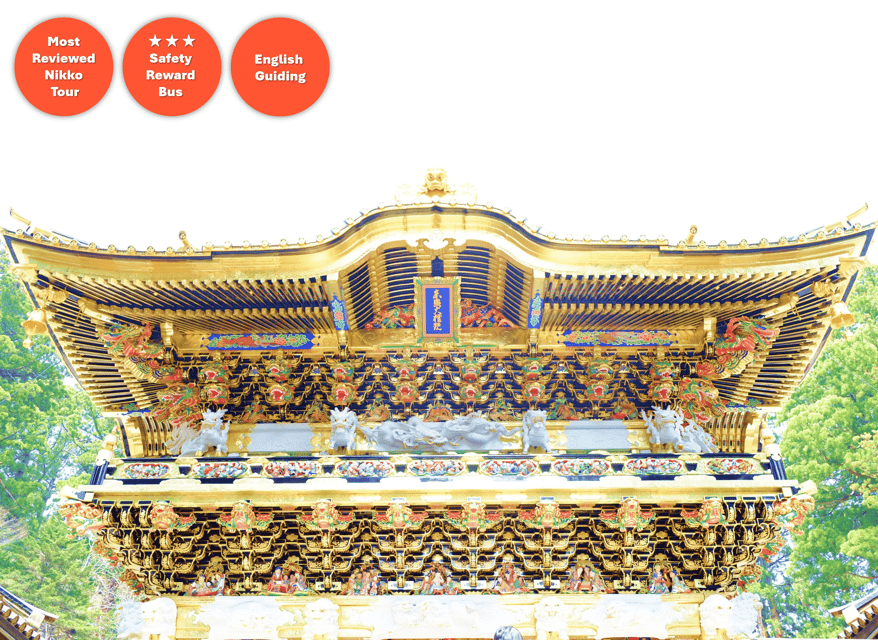
Nikko gives you a sharp change of scene from Tokyo: cedar forests, mountain roads, a lavish shrine, and a waterfall nearly 100 meters high. Toshogu Shrine is the star, with carved animals, bright colors, and stories tied to Tokugawa Ieyasu, the founder of the shogunate that ruled Japan for more than 250 years.
I like that the tour handles the long journey and tricky mountain transport in one day. I also like the guides’ habit of explaining the history on the bus before setting you loose, as Tina, Zoe, Jeff, Sheila, and Vicki have done particularly well. The main drawback is the time pressure: 75 minutes at Toshogu can feel short, especially when the shrine is crowded.
Key points to know before booking
- The shrine is the main event: Nikko Toshogu is a UNESCO World Heritage site and the burial place of Tokugawa Ieyasu.
- You see nature as well as history: Kegon Falls and Lake Chuzenji add mountain scenery to the cultural visit.
- The Iroha Slope is part of the show: The coach winds through 48 sharp turns on a road known to fans of Initial D.
- The ride is long but useful: Expect about 2.5 hours to Nikko and roughly three hours back to Tokyo.
- The side stop changes by date: Shinkyo Bridge replaces the Nikko onsen from October 1, 2025.
- Bring cash and sensible shoes: Lunch, the Kegon Falls elevator, and some local purchases are not covered.
Why Nikko makes a smart day out from Tokyo

Tokyo can fill several weeks, but its scale and crowds eventually wear you down. Nikko offers a very different Japan without requiring an overnight stay. The city sits in Tochigi Prefecture, north of Tokyo, and the route moves from urban streets into mountain country.
This is not a quick suburban outing. The stated duration is 630 minutes, or 10 hours and 30 minutes, and the return drive may take about three hours. Still, the coach saves you from arranging several train, bus, and local transport connections. That matters most if you want to combine the shrine, waterfall, and lake in one day.
The tour costs $84 per person. That price includes the coach transportation, a bilingual English and Chinese guide, and admission to Toshogu Shrine. You still pay for lunch and the elevator at Kegon Falls, if you choose to use it. For a full day outside Tokyo with the shrine ticket included, I consider the price reasonable, particularly if you value a guide and do not want to plan the mountain connections yourself.
The trade-off is control. You will follow the group schedule, and serious traffic can force changes. If you want a slow, detailed visit to every temple in Nikko, spend a night there instead.
A few more Tokyo half-days to weigh up
- Mt Fuji and Hakone 1-Day Bus Tour Return by Bullet Train
★ 5.0 · 26,383 reviews - 1-Day Tokyo Bus Tour
★ 5.0 · 14,250 reviews - Tokyo: TOKYO SKYTREE® Admission ticket
★ 4.5 · 11,192 reviews
Starting in Tokyo and settling into the coach
There are two possible meeting areas: Tokyo Yaesu Bus Terminal or the ground floor of the Sumitomo Mitsui Bank, Shinjuku Nishiguchi Branch. The exact meeting point depends on the option and day you book, so check the tour details carefully rather than assuming you can arrive at either place.
The tour leader meets you before departure, then the coach heads toward Nikko. Several people have appreciated the comfortable bus, with some reporting generous VIP-style seat space, Wi-Fi, and USB charging. Those features matter on a day with several hours on the road, though you should still bring water and keep your small bag close.
The guide’s role is worth understanding. This is not a private guiding service with one person beside you at every monument. The tour leader accompanies the group, gives explanations during the drive and at the main stops, then allows free time to look around. That arrangement works well if you want context without constant commentary.
English and Chinese are offered. Guides named Tina, Zoe, Jeff, Vicki, Sheila, Annie, Jax, and Sophie have all been praised for clear explanations, practical food suggestions, and a friendly approach. The strongest guides seem to give you useful background, then let you explore without hovering.
Shinkyo Bridge and the gateway to sacred Nikko
From October 1, 2025, the first sightseeing stop is Shinkyo Bridge, a red arched crossing over the Daiya River. You get about 20 minutes here, enough for photographs and a quick look at one of Nikko’s best-known symbols.
The bridge marks the entrance to the sacred area around Nikko’s temples and shrines. It is a compact stop rather than a major activity, so keep your expectations in line. You will not have time for a long riverside walk, but the red bridge against the water and trees makes a strong opening image.
Until September 30, 2025, this stop is replaced by the Nikko onsen. If you are booking around that date, check the current schedule closely. The two experiences are quite different: one offers a short cultural photo stop, while the other gives you time to relax in hot spring water.
Toshogu Shrine, where architecture tells the story
Toshogu Shrine receives about 75 minutes, and this is where the tour earns its keep. The complex is the final resting place of Tokugawa Ieyasu, whose government shaped Japan during the Edo Period until 1868.
You enter a world of elaborate woodwork, painted details, gates, animals, and layered symbolism. The carvings are not background decoration. Your guide can explain the legends and stories behind the buildings, which helps you understand why the site feels so different from a simple neighborhood shrine.
Allow time for walking and steps. One review specifically praises the effort of climbing 207 steps to reach the tomb area. That climb is optional in spirit, but it is part of what makes the visit feel substantial. Comfortable shoes are essential, especially if you want to explore beyond the easiest paths.
Several people wished for more time here. I agree that 75 minutes can feel tight. Nikko can be crowded, and the group must leave on schedule, so you may need to choose between careful photography, listening to the guide, and reaching the farther sections. The smart move is to listen closely to the opening explanation, then use your free time for the areas that interest you most.
An audio guide inside the shrine has also been recommended as a useful extra. It is not included in the tour information, so treat it as an optional addition rather than part of the package.
A nearby Buddhist temple is not included in the tour. If religious architecture interests you, note the location and return to Nikko on another day, because the schedule is built around Toshogu rather than a full temple circuit.
Same base, a completely different sort of day:
- Tokyo: teamLab Planets TOKYO Digital Art Museum Entry Ticket
★ 4.6 · 9,779 reviews - Mt Fuji & Hakone Cruise, Drum Show Bullet Train 1 Day from Tokyo
★ 4.0 · 7,413 reviews - Tokyo: Sumo Show Experience with Chicken Hot Pot and a Photo
★ 4.8 · 6,678 reviews - Tokyo: Shinjuku Food Tour (13 Dishes at 4 Local Eateries)
★ 5.0 · 6,603 reviews
The Iroha Slope and the mountain ride
After the shrine, the coach travels along the Iroha Slope, a mountain road famous for its 48 sharp turns. The road is also known from the animation Initial D, which gives it a bit of pop-culture appeal.
The ride itself is part of the Nikko experience. In autumn, the route is especially attractive for its changing leaves. You might also spot monkeys in the area, as one November outing did, but wildlife sightings are never something to count on.
This section shows why a coach tour can be useful. A skilled driver has to manage the tight bends and changing road conditions while keeping the day moving. Several guides and drivers have been praised for making the journey smooth, though mountain traffic and seasonal crowds can still cause delays.
If you get carsick on winding roads, sit near the front if the seating arrangement allows it and bring water. The schedule does not promise a special motion-sickness break.
Kegon Falls, Nikko’s great natural show
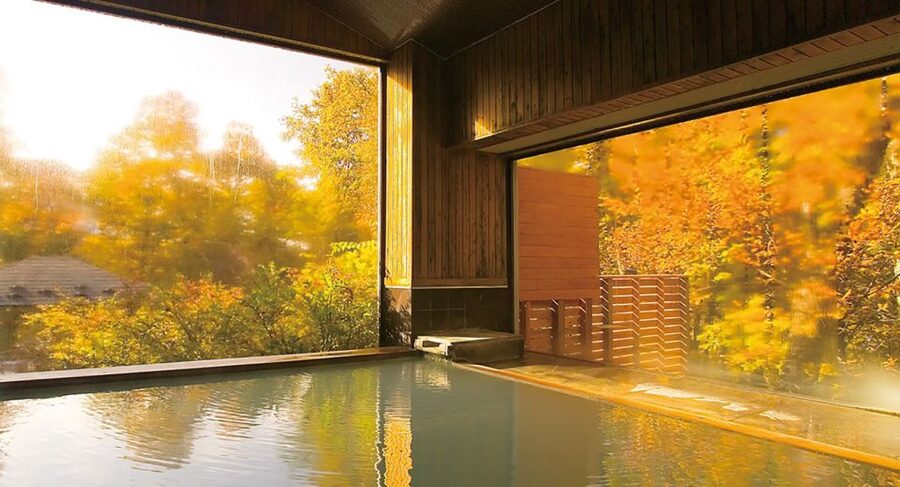
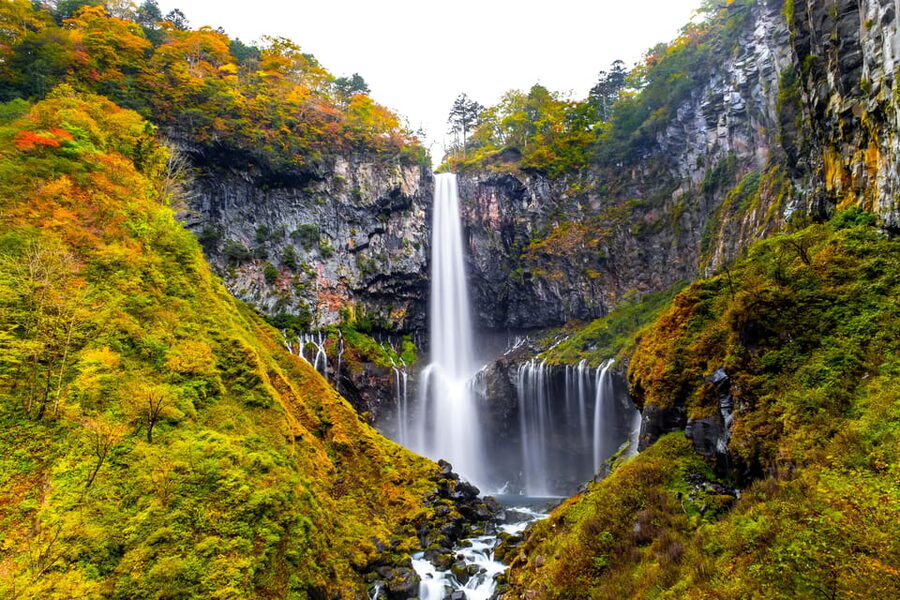
Kegon Falls drops almost 100 meters and is counted among Japan’s three famous waterfalls, along with Nachi Falls in Wakayama Prefecture and Fukuroda Falls in Ibaraki Prefecture. You receive about 75 minutes here, including time for sightseeing and lunch.
The waterfall changes with weather and season. On clear days, the view can be dramatic, with the water plunging from the high cliffs. Mist can partly hide the falls, as some outings have found, but the fog also gives the mountain setting a more mysterious feel. In winter, snow around the lake and falls can add another layer of beauty. In summer, the cooler mountain air is a welcome break from Tokyo’s heat.
The waterfall elevator is not included. Bring cash if you want the closer viewing area, and ask your guide for the current price and access details. You can still see the falls without treating the elevator as part of the tour, but the closer viewpoint may be worth paying for if Kegon is your main reason for booking.
Lunch is also your responsibility. The stop is long enough to find food and drinks, but the tour does not provide a meal. Guides have helped people locate local restaurants, including an udon spot near the waterfall. Take those suggestions seriously if you prefer a practical local meal over choosing at random with limited time.
You should also plan for queues and weather. Kegon Falls can be cold, wet, or foggy, especially outside summer. A light waterproof layer and warm clothing in late autumn or winter will make this stop much more pleasant.
Lake Chuzenji for a slower final view
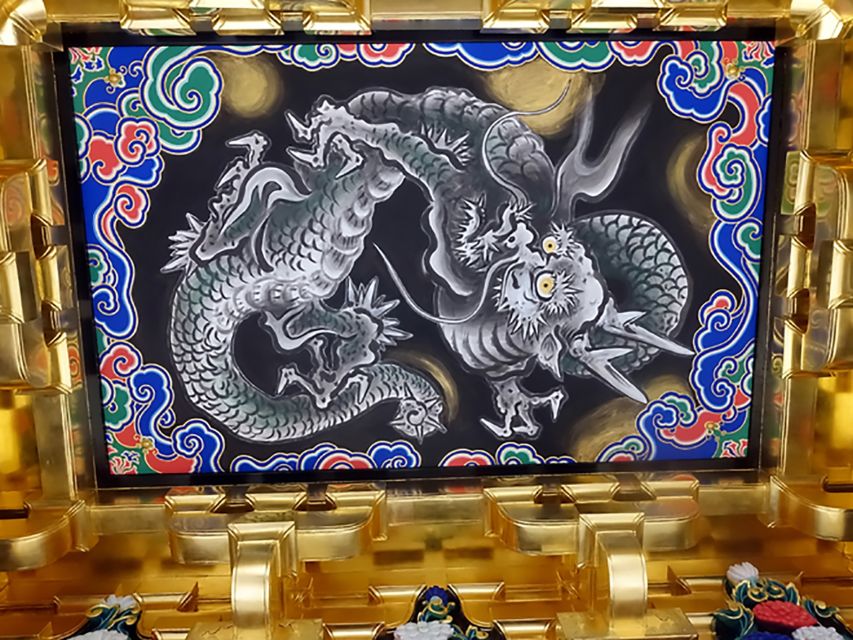
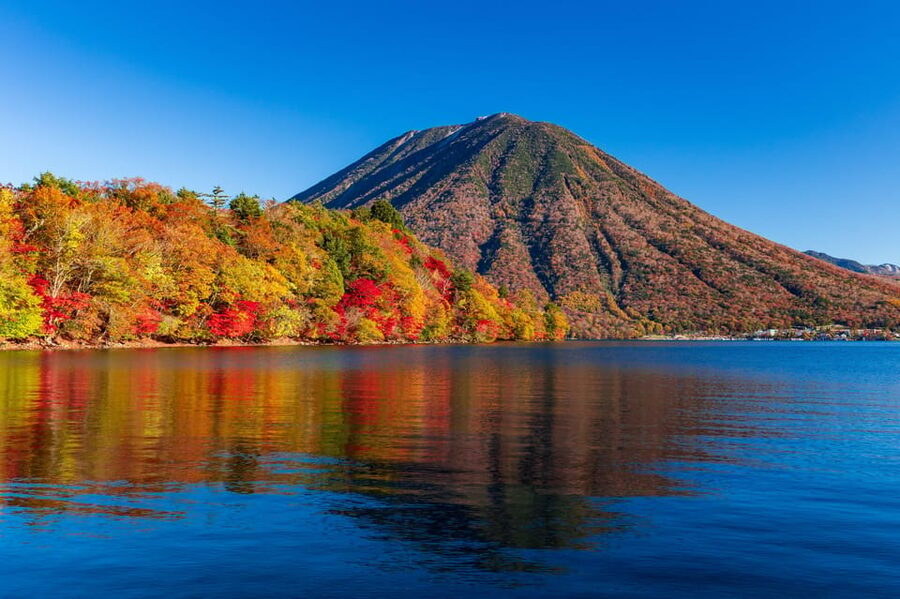
Lake Chuzenji is about 45 minutes from the schedule, giving you a calmer stop after the shrine and waterfall. You may have time for photographs, a short walk, coffee, cake, or a little shopping.
The lake sits in the same mountain area as Kegon Falls, so weather can change quickly. Clear conditions reveal broad water and forested slopes, while mist may limit the view. Several outings have had fog or rain here, so do not judge the value of the stop only by postcard weather.
I like the placement of Lake Chuzenji near the end. It gives you room to slow down before the long coach ride back to Tokyo. The stop is not packed with a long list of tasks, which makes it a good place to stretch your legs, get a drink, and take a few final photographs.
The temperature can be much lower than in Tokyo, especially by the water. Warm clothes are a sensible choice in November and during the colder months. Even in summer, carrying a light layer is wise.
Timing, comfort, and the cost of convenience
This is a long day, not a casual half-day excursion. You will spend roughly five and a half hours on the road when the outbound and return times are added together. The comfortable coach, charging ports, and Wi-Fi reported on some vehicles soften that cost, but you should still be ready for a tiring return.
The itinerary is well balanced for a first look at Nikko. You get one major cultural site, two scenic nature stops, a bridge or onsen depending on the date, and a memorable mountain road. You do not get much freedom to linger, and a traffic jam can reduce time at a stop.
That makes the tour best for:
- First-time visitors to Tokyo who want one efficient day outside the city
- History fans who want the story behind Toshogu rather than only photographs
- Nature lovers who want a waterfall and lake without arranging mountain transport
- Solo visitors and couples who prefer an organized day with a guide
- Families with older children, provided everyone can manage walking and stay with the group
It is less suited to you if you dislike fixed schedules, want a long meal, have large luggage, or need an unhurried shrine visit. Only one carry-on bag is allowed, and large bags are not permitted. Children must be accompanied by an adult, and unaccompanied minors cannot join.
Tattoos are considered taboo in this area, particularly around traditional bathing facilities. That warning matters most for the onsen version of the tour, which runs through September 30, 2025.
Weather and seasonal planning
Nikko rewards good timing, but no season guarantees clear views. Autumn brings color along the Iroha Slope, while winter can bring snow near Lake Chuzenji and the waterfall. Summer gives you a cooler mountain escape from Tokyo, and spring can offer misty, atmospheric views.
Rain and fog can reduce the impact of Kegon Falls and Lake Chuzenji. The shrine remains worthwhile in poor weather, but bring shoes with good grip and clothing that handles rain. If conditions become severe enough to cancel the tour, you should be informed on or before 2:00 PM the previous day.
I would not cancel simply because the forecast shows some rain. Nikko’s shrine has a strong presence in mist, and the forested setting can look striking under gray skies. Still, if your main goal is a wide lake view or a clear waterfall photograph, weather is a real consideration.
What to bring and what you pay for
Bring:
- Comfortable walking shoes
- Water
- Cash
- Warm or rain-ready clothing suited to the season
- A small bag only
Your shrine admission and bilingual guide are included. Lunch is not included, and credit cards are not accepted at every location. Cash also helps with the Kegon Falls elevator and small purchases around the lake.
At $84, the tour offers good value for the number of major sights covered. You are paying for transport into a mountain area that is less simple to reach than central Tokyo, plus the shrine ticket and a full day of guidance. The value drops if you dislike group travel or plan to visit Nikko independently by train and spend more time at the shrine.
Cancellation is flexible up to 24 hours before departure for a full refund, and you can reserve now and pay later. Those terms are useful when Tokyo plans are still shifting, though you should still check the meeting point and start time before booking.
Should you book this Nikko day trip?
Book it if you want a broad, efficient introduction to Nikko and you care about seeing both Toshogu Shrine and Kegon Falls in one day. The strongest parts are the shrine’s ornate architecture, the guide’s historical explanations, the dramatic mountain road, and the chance to escape Tokyo without changing hotels.
Skip it if Toshogu deserves several hours of your attention, or if you want to explore Nikko’s other temples at your own pace. For most first-time visitors, though, the $84 cost is fair, the coach removes a lot of planning, and the mix of history, waterfall, lake, and mountain scenery gives you a memorable day beyond Tokyo.
FAQ
Where does the tour start?
The tour has two possible meeting areas: Tokyo Yaesu Bus Terminal and the ground floor of the Sumitomo Mitsui Bank, Shinjuku Nishiguchi Branch. The meeting point can vary by the option and day, so check the tour schedule before departure.
How long does the tour last?
The listed duration is 630 minutes, or 10 hours and 30 minutes. The bus ride takes about 2.5 hours to reach Nikko and roughly three hours to return to Tokyo.
What is included in the price?
The price includes admission to Toshogu Shrine and an English and Chinese bilingual tour guide. Coach transportation is part of the organized day trip.
Is lunch included?
No. You need to pay for your own lunch, drinks, and snacks. Bring cash because credit cards are not accepted at every stop.
Is the Kegon Falls elevator included?
No. The elevator costs extra. Bring cash if you want to use it for a closer view of the waterfall.
What replaces the Nikko onsen?
Until September 30, 2025, the tour visits the Nikko onsen. From October 1, 2025, the onsen is replaced by Shinkyo Bridge.
Can I bring luggage?
Only one carry-on bag is allowed. Large bags and huge luggage are not permitted, so use a small day bag for water, clothing, and personal items.
Is the tour available in English?
Yes. Live guiding is available in English and Chinese. The tour leader accompanies the group and provides explanations during the journey and at the sightseeing stops.
Just added around Tokyo
- Private Arrival Transfer : Narita International Airport to Central Tokyo City★ 4.5 · 12 reviews
- Narita Airport(NRT): Private Transfer to Tokyo/Yokohama 1-9pax★ 5.0 · 47 reviews
- Private Transfer from Narita Airport to Yokohama Port and City★ 4.5 · 17 reviews
- [Narita Airport Terminals 1, 2] 40-60km Sawara Itako Historic Bike Tour★ 5.0 · 13 reviews
- 3 Day Japan Highlights Tour: Tokyo, Mt.Fuji, Nara, Kyoto, Osaka★ 5.0 · 22 reviews
- The 10 Tastings of Tokyo With Locals: Private Street Food Tour★ 5.0 · 48 reviews
- Small Town in the Big City: Tasting Tokyo’s Kichijoji★ 5.0 · 195 reviews
- Small Town in the Big City: Tasting Tokyo’s Kichijoji★ 5.0 · 16 reviews
Tokyo Tours, compared.
Mt Fuji and Hakone 1-Day Bus Tour Return by Bullet Train
Read our review →
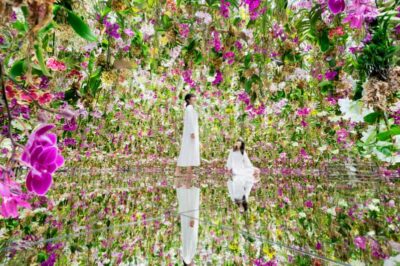
teamLab Planets TOKYO Digital Art Museum Entry Ticket
Read our review →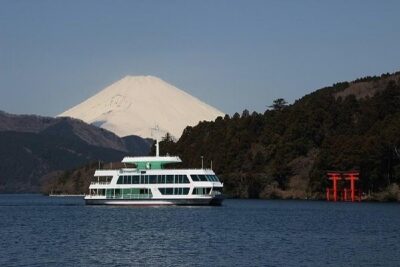
Mt Fuji & Hakone Cruise, Drum Show Bullet Train 1 Day from Tokyo
Read our review →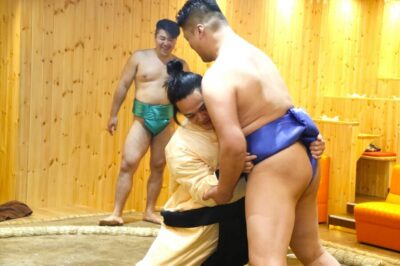
Sumo Show Experience with Chicken Hot Pot and a Photo
Read our review →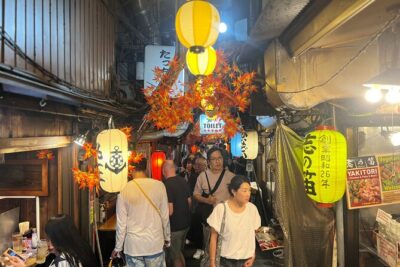
Shinjuku Food Tour (13 Dishes at 4 Local Eateries)
Read our review →
Tokyo Mt Fuji 5th St & Hakone Cruise Bus Tour w/Bullet Train
Read our review →