
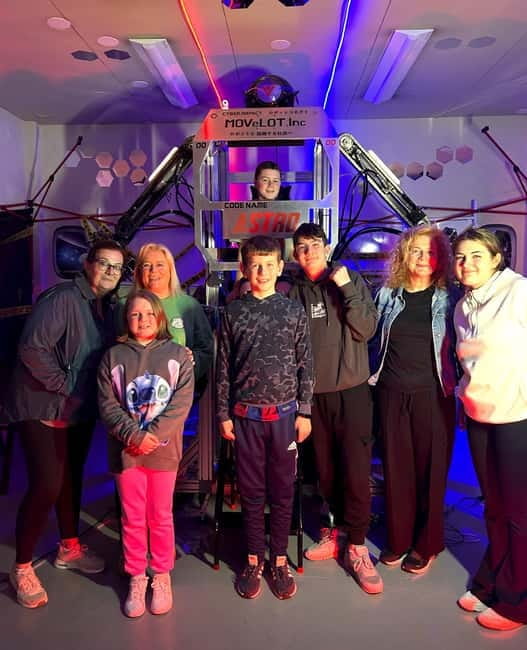
Reviewed · TOKYO TOURS
Tokyo: Robot Piloting Attraction Ticket
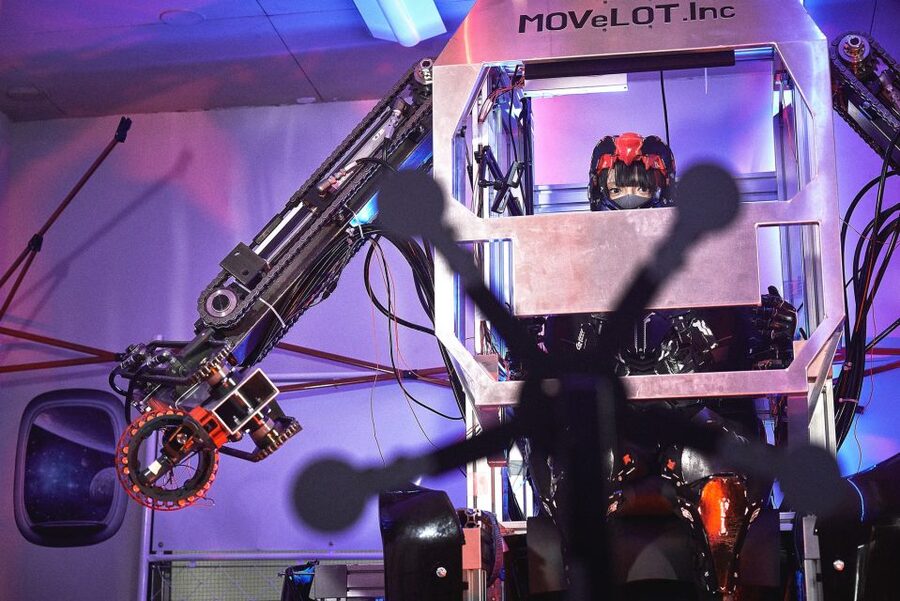
Tokyo’s Robot Base Lab lets you do something rare: sit inside a real human-piloted robot prototype and control its arms. The 50-minute visit turns the lab into a sci-fi mission, with alien attackers, blasters, VR games, and a launch sequence for ASTRO.
I like the small groups of up to four, which keeps the session personal, and I like that the staff explain the real engineering behind the fun. Guides including Tomo and Atsu are praised for their clear English and warm approach. You also get more than a quick photo with a machine: VR games and a mini-robot coding activity fill out the visit.
The main catch is simple: ASTRO is still an early prototype. You control its arms and fire its blasters, but the legs have been removed to fit the lab, so this is not a full walking-mech experience. Each person gets about 10 minutes at the controls, and that time may shrink in groups of more than three.
Key points to know before you book
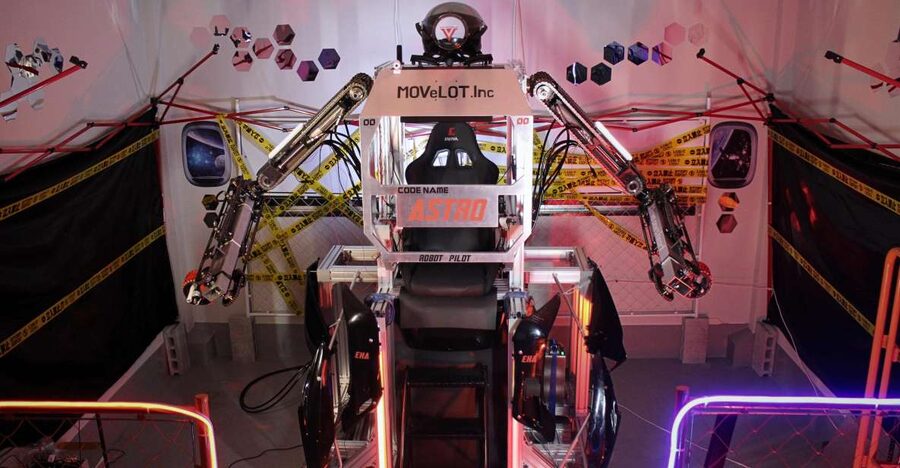
- ASTRO is a real human-piloted robot prototype: You operate the arms and blasters under staff supervision.
- The visit combines three types of play: Expect VR shooting games, a mini-robot programming task, and the robot cockpit session.
- The story gives the technology a purpose: You defend a remote base from alien invaders rather than simply pressing buttons in a showroom.
- English guidance is available: Staff members such as Tomo and Atsu have led sessions in English and Japanese.
- The lab is compact and the schedule is firm: Arrive on time, wear comfortable shoes, and expect no extension for late arrivals.
- The best fit is for robotics and anime fans aged 11 and up: The experience also works well for families with older children.
Entering Tokyo’s Robot Base Lab
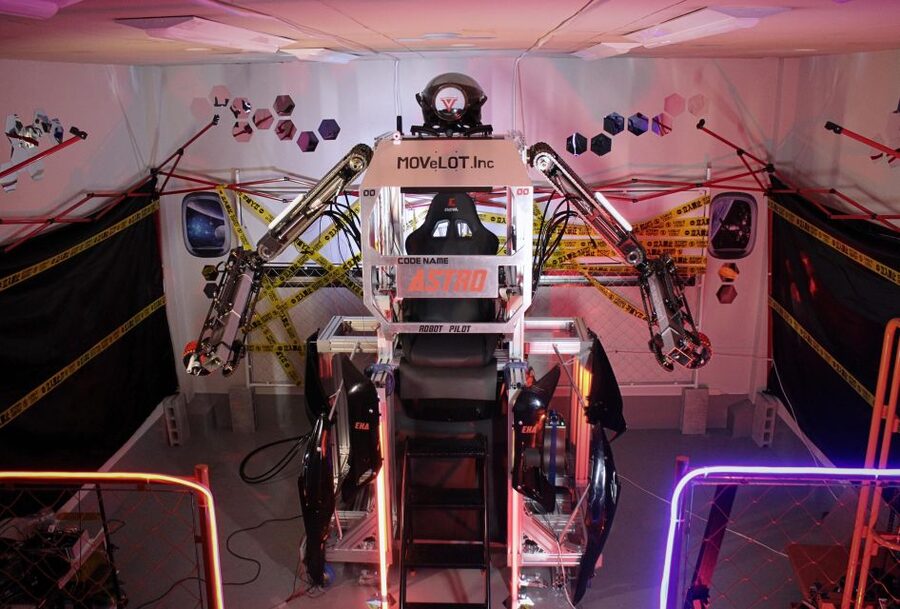
The activity begins at Robot Base, operated by MOVeLOT.,inc, near Ryogoku in eastern Tokyo. From the Toei Ryogoku Station A3 exit on the Oedo Line, you walk about seven minutes. From JR Ryogoku Station, allow roughly 13 minutes.
This is a useful location for a Tokyo day built around unusual technology. Ryogoku is better known for sumo, but the robot lab offers a very different side of the city: small-scale invention, hands-on testing, and a team trying to turn a science-fiction idea into working hardware.
You check in with the staff at MOVeLOT. Bring your passport or another identification card. The facility is a working development space rather than a polished theme-park attraction, so you should expect a compact setup and a practical feel.
There is no proper waiting area, so do not arrive far ahead of your time slot hoping to sit inside. A nearby café can give you somewhere to wait, but the safest plan is to reach the area early, find the entrance, and check in at the appointed time.
The experience runs on a strict schedule. A late arrival cannot extend the session, and that matters here because 50 minutes goes quickly. I would build in time for the walk from the station and avoid booking this between two tightly timed Tokyo attractions.
A few more Tokyo half-days to weigh up
- Mt Fuji and Hakone 1-Day Bus Tour Return by Bullet Train
★ 5.0 · 26,383 reviews - 1-Day Tokyo Bus Tour
★ 5.0 · 14,250 reviews - Tokyo: TOKYO SKYTREE® Admission ticket
★ 4.5 · 11,192 reviews
A sci-fi mission with a practical purpose
The visit wraps the activities in a simple story. The lab is presented as a base on another planet, under attack from a large enemy robot. Your task is to help prepare the hangar and eliminate unidentified life forms before the main attack.
That plot is intentionally playful, with the feel of a manga or anime episode. It gives younger participants a role to play and gives adults a reason to engage with the controls instead of treating the robot as an exhibit.
I appreciate this approach because the story does not replace the technology. The staff still explain what the robot can do, how it is controlled, and where development stands. The fantasy setting makes the session lively, while the engineering talk keeps it connected to real robotics.
You should not expect a long cinematic production or a large battle zone. The appeal is closer to a guided prototype demonstration with game elements. The room is compact, and staff need to keep everyone safe around the machinery. That limits the scale, but it also puts you close to the machine and the people building it.
The VR games get you ready for action
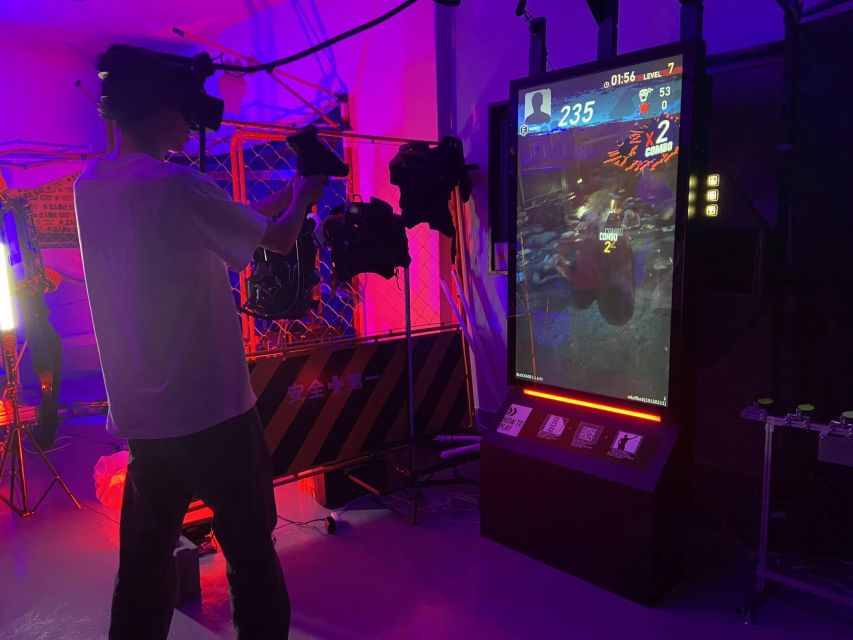
The first part includes VR shooting games. These help establish the mission and give you a quick way to get used to aiming, moving, and responding to targets.
The activities have included different VR formats, including first-person shooting and laser-based action. The exact mix may vary, but you should expect virtual combat rather than a quiet museum lesson. The games are especially useful for families because they give everyone something active to do while taking turns with the robot.
Several families found that children who already play VR games at home adapted quickly. That does not mean you need VR experience. The staff guide you through the controls, and the activities are designed as an introduction rather than a test of gaming skill.
The VR portion also helps the group move at a steady pace. While one person handles a station, others can watch, learn, and get ready for their own turn. If your main goal is ASTRO, remember that the VR games are supporting activities, not just filler. They establish the target-shooting idea used later with the robot’s blasters.
If you dislike headsets, motion-based games, or simulated shooting, this part may not be your favorite. The experience is built around play, so it suits you best if you are comfortable with a little make-believe and hands-on action.
Coding a mini robot
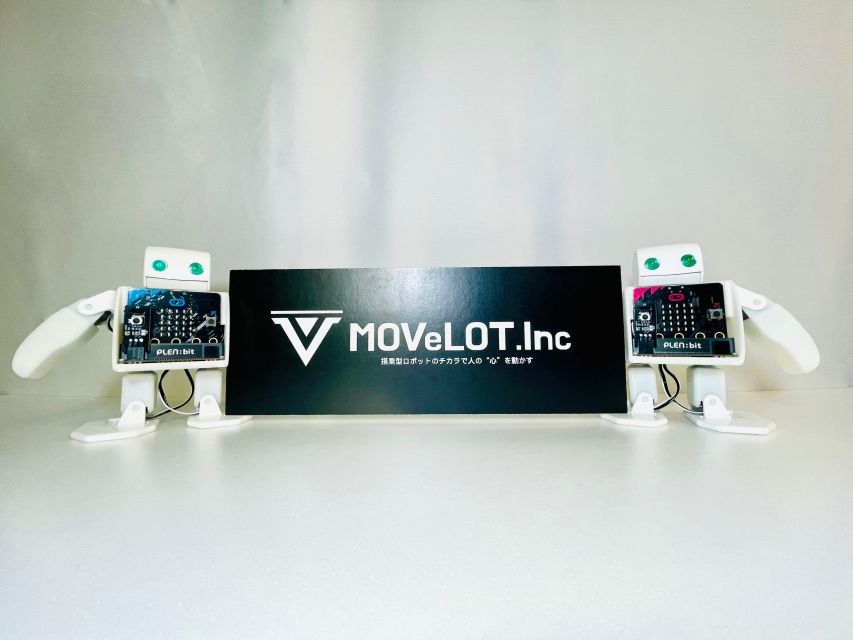
A second activity introduces programming through a small robot build. The setup has been compared to a Lego Technic-style project, with participants assembling or working on a mini robot and programming its controls on a laptop.
This is a strong addition for anyone who wants more than a ten-minute turn in a cockpit. You get to see the basic link between a command and a machine response. The task is simple enough for children, but adults who enjoy electronics, coding, or mechanical design can also find it satisfying.
The mini-robot activity helps explain the development process behind ASTRO. A full-size machine may look like magic from the outside, but its behavior depends on inputs, programming, motors, and careful testing. The smaller project gives you a low-pressure way to understand that chain.
Time is limited, so do not expect a full robotics class. The aim is to let you build or program a small machine as part of the wider visit. If your group includes children, this may be the activity they remember most, especially if they enjoy making things and seeing an immediate result.
The coding task can also make the experience feel more educational without turning it into school. That balance is one reason I would recommend the visit to families with children aged 11 and older.
Same base, a completely different sort of day:
- Tokyo: teamLab Planets TOKYO Digital Art Museum Entry Ticket
★ 4.6 · 9,779 reviews - Mt Fuji & Hakone Cruise, Drum Show Bullet Train 1 Day from Tokyo
★ 4.0 · 7,413 reviews - Tokyo: Sumo Show Experience with Chicken Hot Pot and a Photo
★ 4.8 · 6,678 reviews - Tokyo: Shinjuku Food Tour (13 Dishes at 4 Local Eateries)
★ 5.0 · 6,603 reviews
Taking the controls of ASTRO
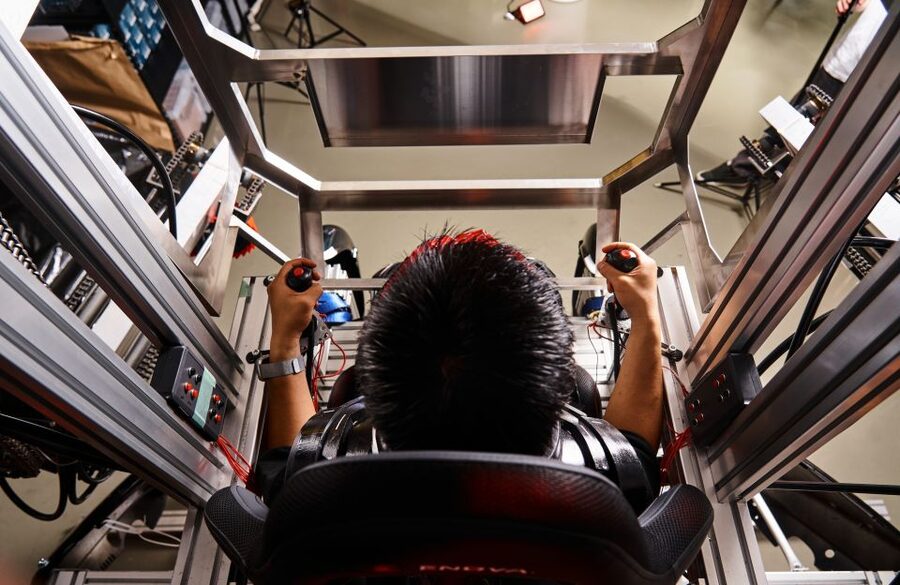
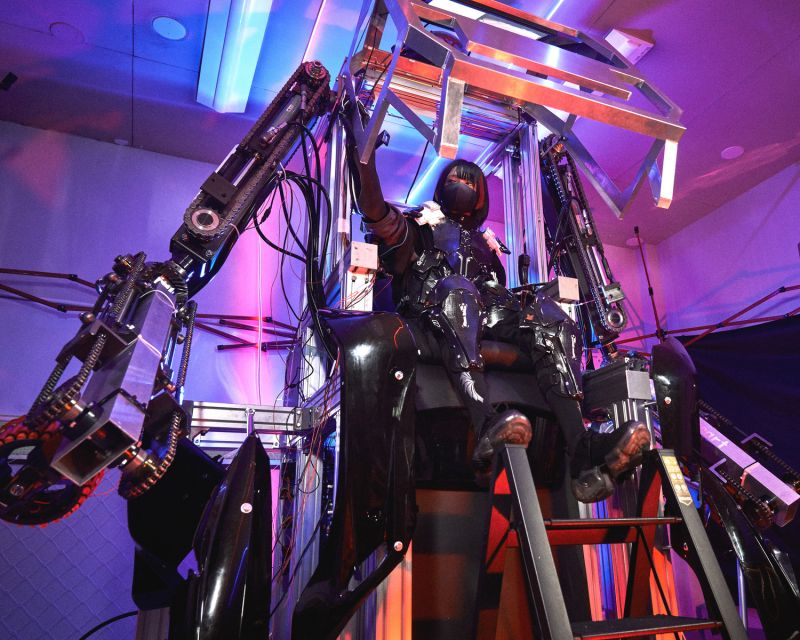
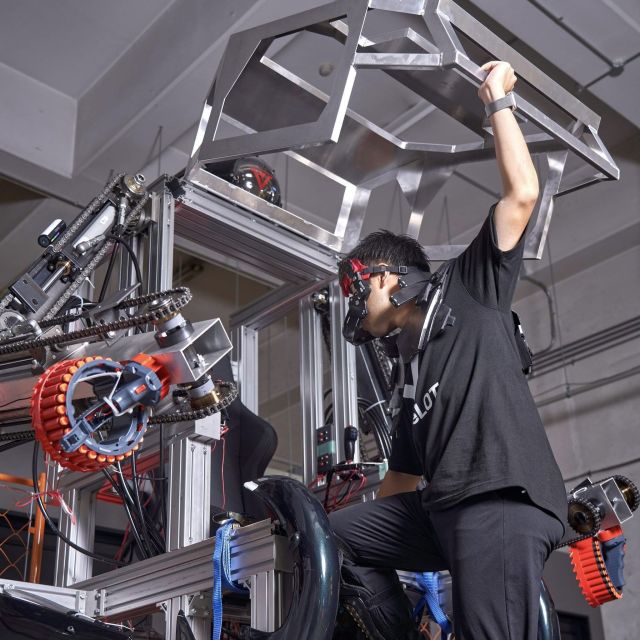
The main event is the robot pilot session. You climb into or operate the human-piloted prototype ASTRO, follow staff instructions, and use the controls to move its arms and fire the blasters.
This is the part that makes the attraction unusual. You are not merely standing beside a costume-sized model or steering a tiny remote-control toy. You are operating a full-size machine built for human control, even though its present abilities are limited.
The legs have been removed so the robot fits inside the lab. ASTRO cannot walk, and the current development stage allows arm movement and blaster firing. That limitation deserves clear attention before you pay. If your dream is to stride through Tokyo in a giant mech, this is not that experience.
If you see it as a chance to handle an early-stage prototype, the limits become part of the interest. The staff can show you what works now and explain that the system is still being improved. One returning participant noticed changes to the robot and its systems over time, which suggests that repeat visits may reveal new features.
Your turn lasts about 10 minutes per person. That is enough time to get a feel for the controls and complete the target practice, but it is not a long free-play session. Groups of three or fewer give each person a better chance to enjoy the controls. With more than three participants, the individual pilot time may be shorter.
Pay attention to the team’s instructions and your surroundings. The lab is somewhat tight, and the robot moves within a limited space. Staff supervise the operation, but you still need to move carefully and avoid treating the machine like an arcade game.
The controls are meant to be approachable. You do not need a technical background, and the staff explain the systems before you operate them. English and Japanese instruction is available, which is useful if you want to understand both the controls and the story.
Meeting the people behind the machine
One of the best parts of the visit is the chance to hear about the developers’ goals. The team presents robotics as an ongoing project, not a finished attraction with every answer already solved.
That personal connection gives the lab more character than a standard VR arcade. You can ask about robotics, artificial intelligence, and mechatronics, then see how those ideas connect to the robot in front of you.
Guides such as Tomo and Atsu have been singled out for clear explanations, patience, and enthusiasm. Their role matters because the attraction combines several layers: a fictional mission, VR games, programming, and a real prototype. Good guidance keeps those pieces from feeling disconnected.
The staff also help make the session work for mixed groups. A parent and child can take part together, while a first-time VR user can receive extra help. The tone is friendly and informal, but staff still insist on safety instructions when you operate the robot.
I would not book this expecting a formal university lecture or a long technical demonstration. The explanations are part of a playful activity. Still, if you are curious about how human-controlled robots might develop, the conversations add real value.
Is the $32 price fair?
At $32 per person, this is not the cheapest short activity in Tokyo. The session lasts 50 minutes, and only about 10 minutes per person is devoted to piloting ASTRO. You should judge the price by the combination of activities, not by the robot time alone.
You receive VR shooting games, a programming activity, and the chance to operate a full-size prototype. You also get staff guidance and an introduction to the team’s work. For a robotics fan, anime fan, or family looking for something that cannot be easily copied at home, that package is good value.
The value is weaker if you only want an extended robot-driving session. The prototype cannot walk, the lab is compact, and your controls are limited to the arms and blasters. In that case, the short pilot turn may feel over quickly.
I would compare it with the cost of a standard VR attraction, then ask what matters most to you. The VR games alone are not the reason to book. ASTRO and the chance to see an active development project are the real draw.
The flexible booking terms also help. You can reserve a place and pay later, and cancellation is allowed up to 24 hours before the session for a full refund. Check the current starting times before you commit your Tokyo schedule.
Who will enjoy this most?
This is a natural choice for Gundam, mecha, and anime fans, but you do not need to know a particular series. The story, controls, and giant machine provide enough context for newcomers.
Families can also have a good time, especially when children enjoy VR games, building, or computers. The minimum age is 11, and the activity is not suitable for children under that age. One parent and child can share the excitement, but remember that each person needs a turn and the time is limited.
Adults who like engineering may appreciate the prototype angle more than people seeking a polished ride. You can see the current limits and hear about future development. That makes the visit feel closer to a public test session than a finished theme-park show.
I would skip it if you are pregnant, have mobility limitations, are below 110 centimeters tall, or weigh more than 100 kilograms. The activity also requires comfortable shoes, and you should follow all staff directions while operating the robot.
The facility requires all visitors to have overseas insurance in case of injury, even though safety measures are in place. Bring water or another drink, since the session is active and the day may be warm.
Smart planning for your Ryogoku visit
Book ahead if ASTRO is a main reason for visiting Tokyo. The group limit is four, and the small scale means availability can be limited. Advance booking also helps families plan around the firm start time.
Arrive with your identification, comfortable shoes, and a drink. Keep your schedule loose enough to allow the walk from the station and the check-in process. Do not count on adding time at the end, since late arrivals cannot extend their slot and additional time, if available, costs extra.
A small group is best. With two or three people, you get a more generous share of the robot controls and more room to ask questions. A group of four can still work well, but everyone should understand that the pilot turns may be shorter.
You may take photos during suitable parts of the visit, and the facility has included space for costumes and photos. Ask the staff where photography is allowed, especially around operating equipment.
Because the attraction sits near Ryogoku Station, it can fit neatly into a day in eastern Tokyo. Keep the robot visit as the main timed activity, then leave room before or after for the surrounding area. The attraction itself is short, so pairing it with another nearby stop makes sense.
Should you book the Tokyo Robot Piloting Attraction?
Book it if you want a rare hands-on experience with an actual human-piloted robot and you enjoy VR, coding, or anime-style storytelling. The combination of ASTRO, the mini-robot task, and friendly English guidance gives the $32 price a solid purpose.
Go in with the right expectations. ASTRO is a prototype with no legs, limited arm movement, and blasters for target practice. Your personal pilot time is about 10 minutes, not 50.
For families with children aged 11 and up, couples, and robotics fans, I would recommend it. If you want a full walking mech or a large-scale attraction, choose something else. But if you want to put your hands on an evolving piece of robotics and have some playful fun along the way, this is a memorable Tokyo stop.
FAQ
Where is the Robot Piloting Attraction in Tokyo?
It begins at Robot Base, operated by MOVeLOT.,inc, near Ryogoku in Tokyo. The facility is about a seven-minute walk from the A3 exit of Toei Ryogoku Station on the Oedo Line, or about 13 minutes from JR Ryogoku Station.
How long does the activity last?
The booked experience lasts 50 minutes. The robot piloting portion lasts about 10 minutes per person.
How much does the experience cost?
The listed price is $32 per person.
What activities are included?
The ticket includes access to the robotics development facility, VR shooting games, programming the launch of a robot, and the ASTRO robot pilot experience.
Can I control the robot’s legs?
No. ASTRO is still an early prototype, and its legs have been removed to fit inside the lab. At this stage, you can control its arms and shoot the blasters.
Is English available?
Yes. The activity is offered in English and Japanese, and instructors provide guidance during the session.
What identification should I bring?
Bring your passport or another identification card. You should also wear comfortable shoes and bring a drink.
Who cannot take part?
The activity is not suitable for children under 11, pregnant women, people with mobility impairments, people under 110 centimeters tall, or people over 100 kilograms. All visitors must also have overseas insurance in case of injury.
Just added around Tokyo
- Private Arrival Transfer : Narita International Airport to Central Tokyo City★ 4.5 · 12 reviews
- Narita Airport(NRT): Private Transfer to Tokyo/Yokohama 1-9pax★ 5.0 · 47 reviews
- Private Transfer from Narita Airport to Yokohama Port and City★ 4.5 · 17 reviews
- [Narita Airport Terminals 1, 2] 40-60km Sawara Itako Historic Bike Tour★ 5.0 · 13 reviews
- 3 Day Japan Highlights Tour: Tokyo, Mt.Fuji, Nara, Kyoto, Osaka★ 5.0 · 22 reviews
- Small Town in the Big City: Tasting Tokyo’s Kichijoji★ 5.0 · 195 reviews
- Small Town in the Big City: Tasting Tokyo’s Kichijoji★ 5.0 · 16 reviews
- The 10 Tastings of Tokyo With Locals: Private Street Food Tour★ 5.0 · 48 reviews
Tokyo Tours, compared.

Mt Fuji and Hakone 1-Day Bus Tour Return by Bullet Train
Read our review →

teamLab Planets TOKYO Digital Art Museum Entry Ticket
Read our review →
Mt Fuji & Hakone Cruise, Drum Show Bullet Train 1 Day from Tokyo
Read our review →
Sumo Show Experience with Chicken Hot Pot and a Photo
Read our review →
Shinjuku Food Tour (13 Dishes at 4 Local Eateries)
Read our review →
Tokyo Mt Fuji 5th St & Hakone Cruise Bus Tour w/Bullet Train
Read our review →