
Reviewed · TOKYO TOURS
Tokyo:Stroll in Old traditional culture towns~Yanaka & Nezu
Tokyo’s Yanaka and Nezu neighborhoods offer something the neon districts cannot: quiet lanes, old wooden houses, small temples, family shops, and a slower view of city life. With guide Sui, you spend 3.5 hours walking at an easy pace from Nippori Station, learning how Tokyo looked and lived before the war and how these districts still work today.
I like the way the tour mixes major sights such as Nezu Shrine with modest places you could easily pass on your own. I also like the personal touch: Sui often answers questions at length, helps with photos, gives food and shopping advice, and adjusts the walk to the group. The main drawback is simple: it is a long walking tour with stairs, and hot summer days can make three and a half hours tiring.
Key points at a glance
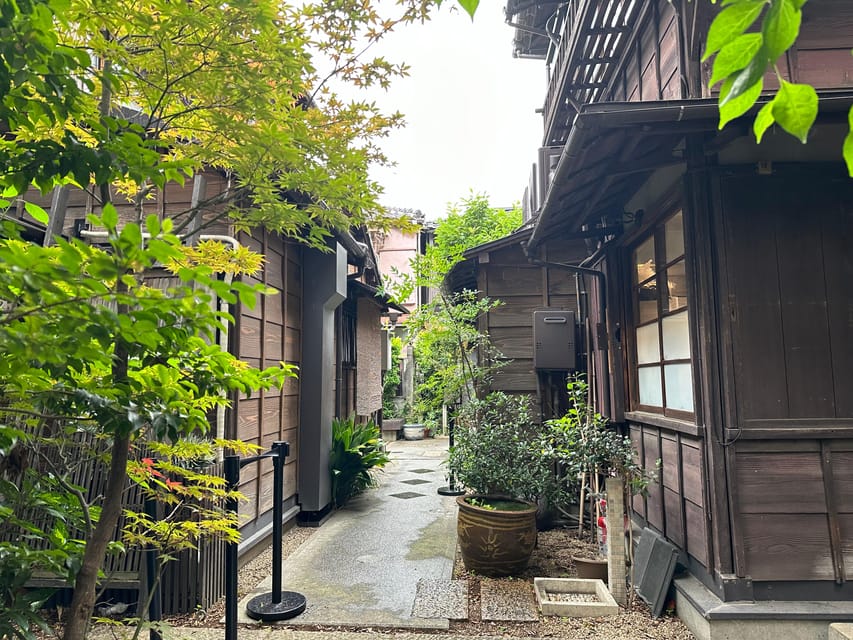
- Old Tokyo in ordinary streets: See residential lanes, wooden homes, small businesses, and structures from the Meiji and Showa periods.
- Two sides of Japanese worship: Visit Nezu Shrine and several Buddhist temples, including Tennoji with its large bronze Buddha.
- A calm cemetery walk: Yanaka Cemetery brings tree-lined paths and a quiet look at an important part of local life.
- Local shopping with context: Explore Yanaka Ginza, where Sui introduces street food, small shops, souvenirs, and traditional products.
- Small-group attention: The tour is offered privately or in small groups, with Sui as the main guide.
- Seasonal planning matters: Summer includes a drink in an old converted cafe but skips Yanaka Ginza, while spring may include sakura mochi.
Why Yanaka feels unlike central Tokyo
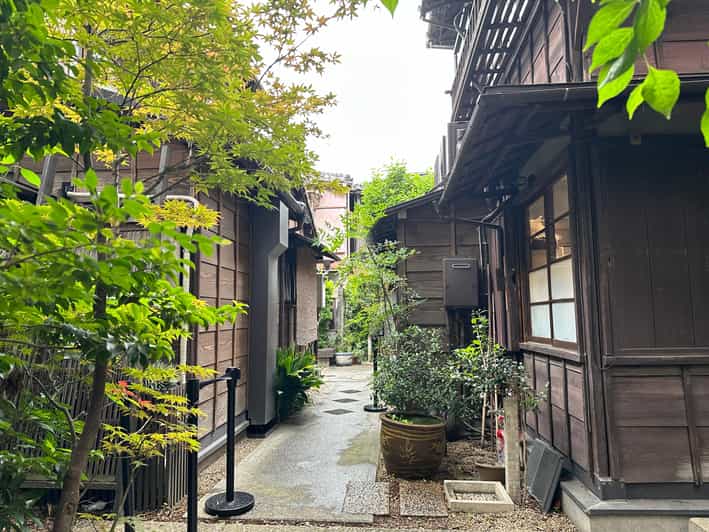
Tokyo is often presented through Shibuya crossings, department stores, crowded trains, and tall buildings. Yanaka gives you a different scale. The streets are narrow, the houses sit close together, and temples and shrines appear among everyday homes rather than behind grand tourist gates.
This part of northeastern Tokyo escaped much of the destruction that reshaped other districts during World War II. That helps explain the older houses, traditional shopfronts, temple grounds, and street pattern you see along the walk. The result is not an open-air museum. People still live here, shop here, go to school here, and care for the local religious sites.
That mix is the real point of the experience. You are not just checking off a temple and a shopping street. You are watching a neighborhood function. You might see nursery children, older residents going about their day, and shopkeepers working in businesses passed through several generations.
The tour starts at Nippori Station’s West Exit for Yanaka. The meeting point is the waiting area just after you leave the station, so follow the signs carefully and arrive on time. The walk begins promptly.
A few more Tokyo half-days to weigh up
- Mt Fuji and Hakone 1-Day Bus Tour Return by Bullet Train
★ 5.0 · 26,383 reviews - 1-Day Tokyo Bus Tour
★ 5.0 · 14,250 reviews - Tokyo: TOKYO SKYTREE® Admission ticket
★ 4.5 · 11,192 reviews
A gentle start through Yanaka’s residential lanes
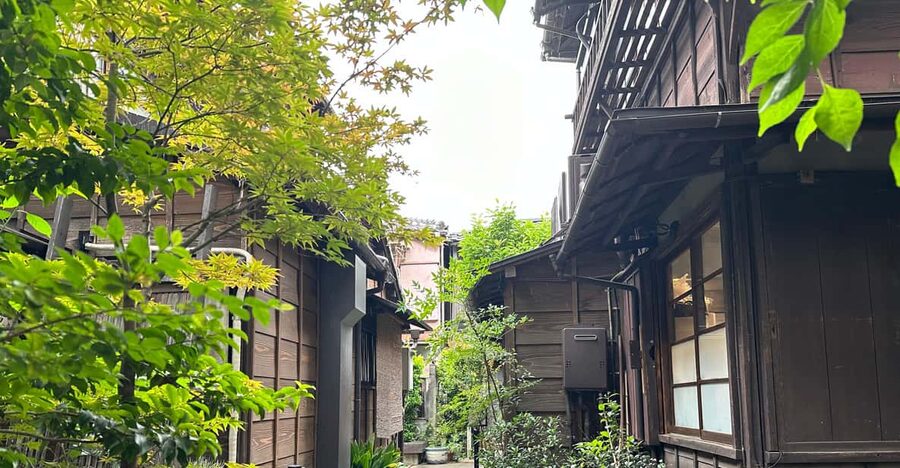
The first part of the walk takes you through quiet residential streets where old and new houses sit side by side. Sui uses these streets to explain daily Japanese life, local customs, and the changes that have shaped Yanaka.
This is where a guide adds real value. A self-guided walk can show you a wooden house or a tiny shop, but it may not explain why the building matters, how the neighborhood developed, or what you are seeing in relation to modern Tokyo. Sui’s role is less about rushing you from one sight to the next and more about helping you notice details.
The pace is deliberately relaxed. You have time to stop, ask questions, take pictures, and look into small stores. Several people who joined the walk with children found that Sui kept younger visitors involved with small treats and toys. She also has a reputation for helping with restaurant suggestions and directions after the official tour ends.
Do not expect a single grand viewpoint or a constant stream of famous landmarks. The pleasure comes from modest details: a traditional facade, a quiet temple entrance, an old bathhouse, a narrow lane, or a shop that has served local customers for decades.
Nezu Shrine and the red torii path
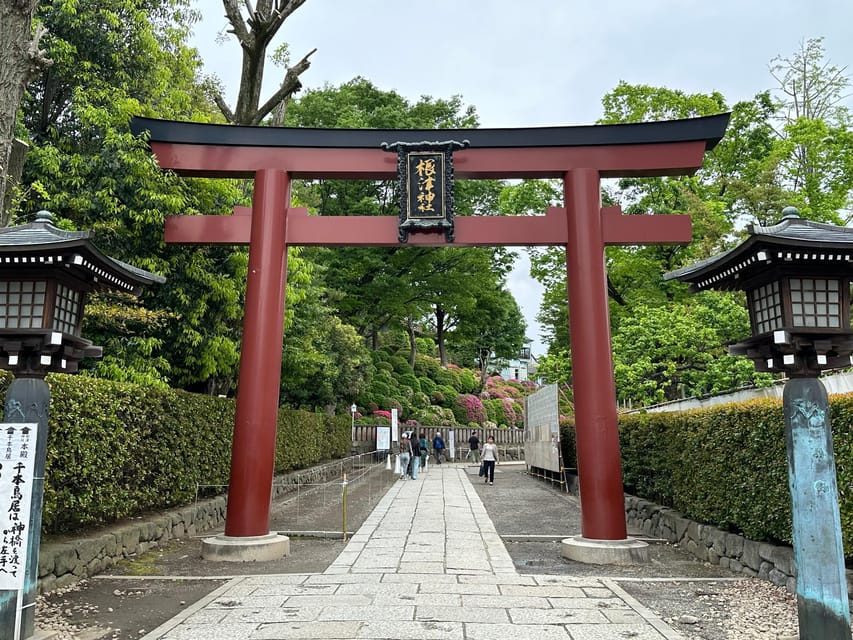
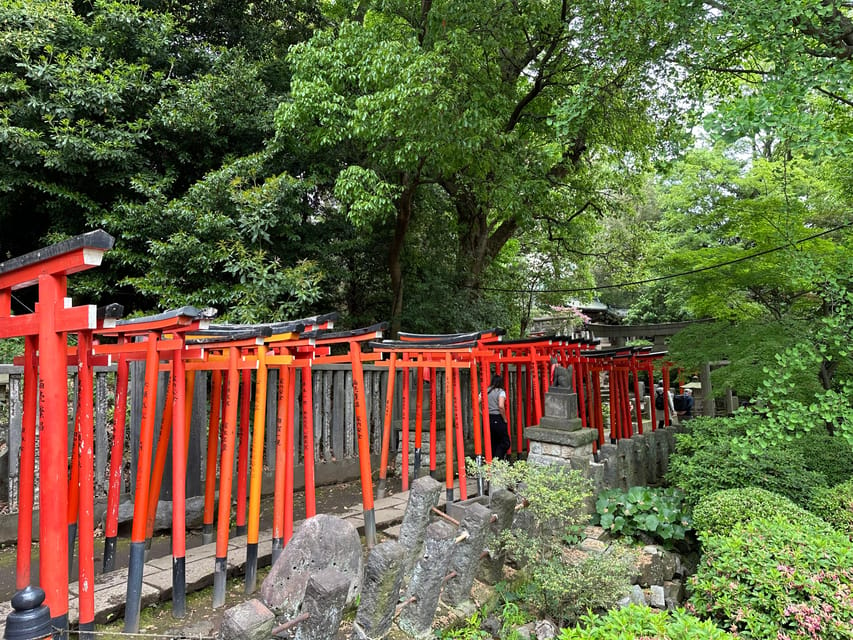
Nezu Shrine is one of the major visual moments of the tour. Its picturesque path lined with red torii gates gives you a classic Japanese shrine scene, but the visit also has a cultural purpose.
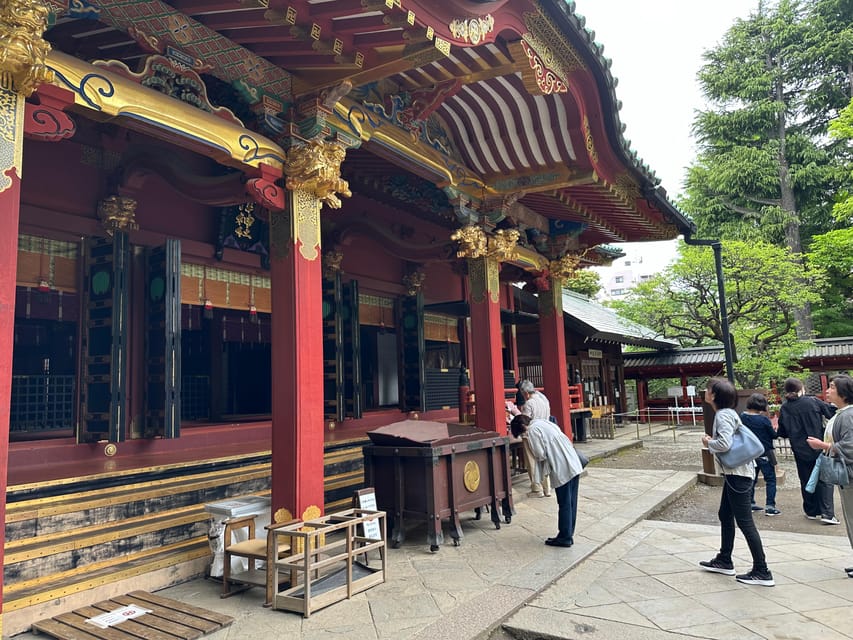
Sui explains the difference between Shinto shrines and Buddhist temples, along with basic worship customs. If you have never prayed at a Japanese religious site, this is useful. You can learn the simple steps for approaching a shrine, making an offering, and showing respect without feeling unsure about what to do.
The torii-lined route is especially good for photographs. Still, remember that Nezu Shrine is an active place of worship, not just a picture stop. A guide can help you enjoy the setting while keeping your behavior respectful.
The wider value of visiting Nezu Shrine is that it gives the tour a clear introduction to one of Japan’s main religious traditions. Later, the Buddhist temples make the contrast easier to understand. The experience does not treat religion as decoration. It connects worship, neighborhood life, architecture, and custom.
Tennoji Temple and its bronze Buddha
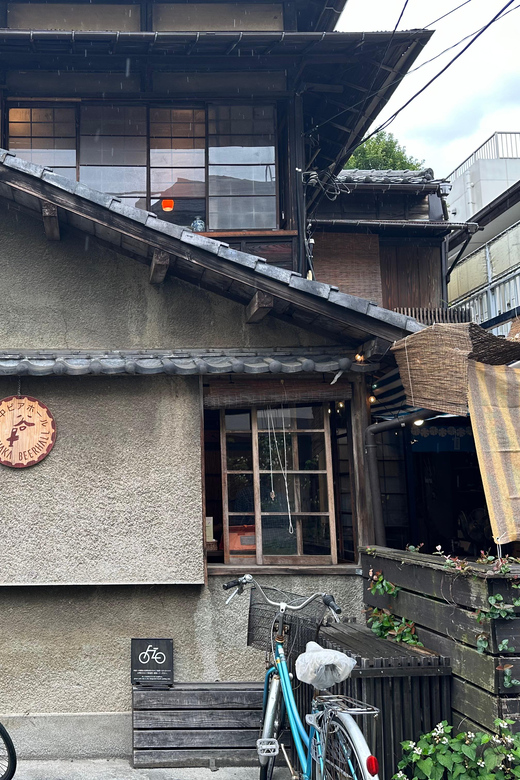
Tennoji Temple offers a quieter pause. Its large bronze seated Buddha is the central feature, and the temple grounds include a Japanese garden that gives you a chance to slow down.
This stop suits the tone of the whole walk. You are not pushed through a crowded complex in a few minutes. Instead, you can take in the garden, ask about Buddhist practice, and notice how the temple fits into the surrounding neighborhood.
The Buddha also provides a useful counterpoint to Nezu Shrine. The shrine visit introduces Shinto spaces and torii gates. Tennoji gives you a Buddhist setting with a statue, temple grounds, and a different visual language. For anyone trying to make sense of Japan’s religious life, seeing both during one walk is much more useful than reading a brief label at a sightseeing stop.
There are staircases during the tour, including along parts of the route. This is not a suitable choice for wheelchair users, and anyone with knee or mobility concerns should think carefully about the walking surface, stairs, and total time on foot.
Same base, a completely different sort of day:
- Tokyo: teamLab Planets TOKYO Digital Art Museum Entry Ticket
★ 4.6 · 9,779 reviews - Mt Fuji & Hakone Cruise, Drum Show Bullet Train 1 Day from Tokyo
★ 4.0 · 7,413 reviews - Tokyo: Sumo Show Experience with Chicken Hot Pot and a Photo
★ 4.8 · 6,678 reviews - Tokyo: Shinjuku Food Tour (13 Dishes at 4 Local Eateries)
★ 5.0 · 6,603 reviews
Yanaka Cemetery under the trees
Yanaka Cemetery is one of Tokyo’s largest and most scenic cemeteries. Its tree-lined paths offer a calm change from the streets, and the setting helps show how cemeteries can be part of an urban neighborhood rather than hidden outside the city.
The cemetery is also part of Yanaka’s character. Temples, graves, homes, and shops are woven into the same local area. Walking here gives you a look at a quieter side of Tokyo and a chance to consider how remembrance and religious practice fit into city life.
The row of trees is a strong photo opportunity, especially during the spring season. Sakura timing depends on the weather, so the advertised late March and early April period does not guarantee full bloom. The operator offers free sakura mochi during the spring offer period from March 25 to April 25, 2026, with other traditional sweets or food items substituted if it is unavailable.
As with any cemetery, you should keep your voice low and treat the grounds with care. This is a place for observation and explanation, not a noisy sightseeing stop.
Buildings from the Meiji and Showa periods
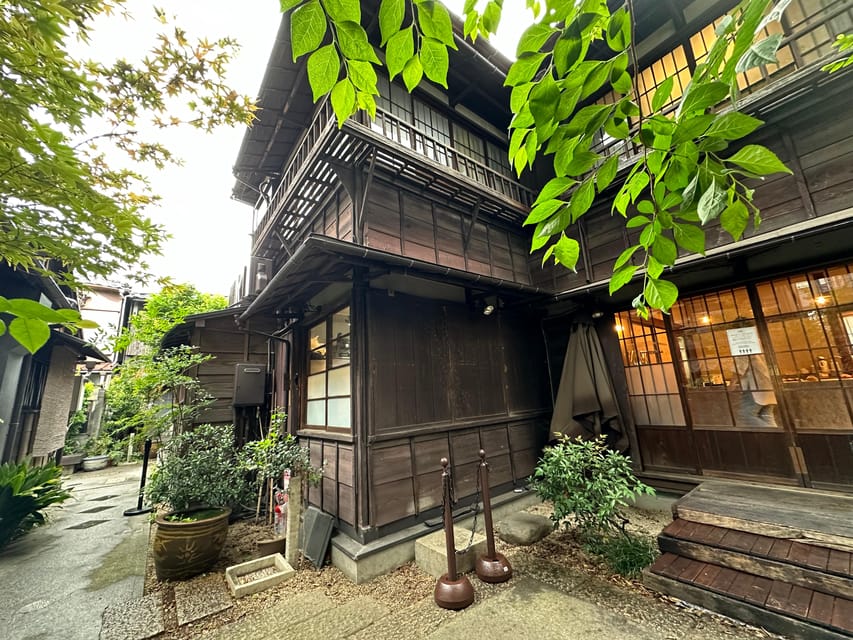
One of the best reasons to take this walk is the chance to see buildings from the Meiji period, from 1868 to 1912, and the Showa period, from 1926 to 1989. The buildings are not presented as isolated architectural monuments. You see them in the streets where people used them and continue to use nearby spaces today.
The older structures help you picture Tokyo before its modern skyline took over. You may notice wooden homes, traditional shopfronts, and small buildings that have survived beside newer construction. Sui explains what these buildings reveal about local life, rather than simply naming an era.
This part of the walk is especially helpful if you have already visited Tokyo’s major commercial districts. Yanaka gives you a more human scale, and the guide connects architecture with work, family businesses, religion, and neighborhood routines.
The area is not perfectly preserved. Some older buildings have been replaced, and some shops may be closed. That is part of the honest appeal. You see a living district, not a staged historical set.
Yoshida Liquor Store and old family businesses
Yoshida Liquor Store is a traditional Japanese sake shop and one of the small commercial stops along the route. It gives you a direct look at the kind of local business that can disappear if you only visit large shopping areas.
Sui can introduce you to traditional products and explain what makes the shop part of the neighborhood. Depending on the day and opening hours, you may be able to browse and speak with local shopkeepers. Bring cash, since small independent stores may not accept every payment method.
The tour places value on conversation. You might meet people working in old shops or receive suggestions about snacks, handmade products, and souvenirs. The interaction is not guaranteed at every stop because shops have their own schedules, but the route is designed to create those chances.
This is also where the $29 price begins to make sense. You are paying for access to a local guide who can interpret small details and help you interact politely, not just for transportation between famous sights. There is no bus or vehicle component, so the value depends on how much you want explanation and local direction during a walk.
Yanaka Ginza and the Sunset Staircase
Yanaka Ginza is a traditional shopping street and one of the most practical parts of the experience. Sui introduces you to local street foods, Japanese food shops, small stores, and souvenir ideas. You can use the stop to buy snacks or gifts, though bring cash and remember that opening hours vary.
This is a good place to ask specific questions. If you want a sweet, a small food item, or a souvenir that feels connected to the neighborhood, Sui can point you toward options. The shopping street is more useful with that guidance than it would be as a quick walk past signs you cannot read.
The route then reaches Sunset Staircase, a photo spot popular with local residents. The staircase gives you a pleasant closing view of the neighborhood and a natural place to pause before deciding where to eat or shop next.
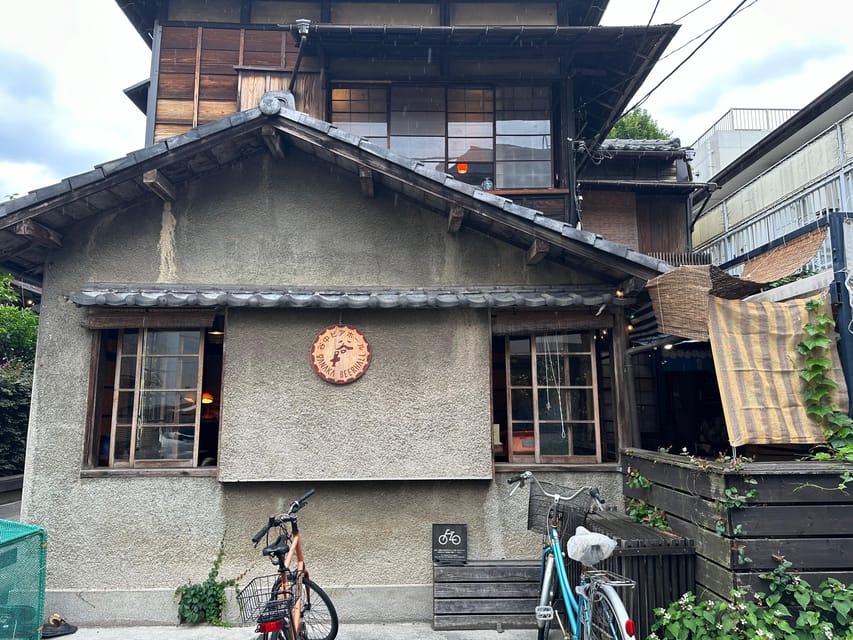
Yanaka Ginza is not included during the summer schedule from June 1 to September 11, 2026. The operator removes this stop to reduce heat exposure and ends the tour at Nezu Station instead. On summer walks, the other places remain on the route, and the group stops at a cafe made from an old traditional building. One drink is included.
That summer adjustment is sensible in Tokyo’s hot, humid weather. Still, if Yanaka Ginza is a priority, avoid those dates or confirm the seasonal route before booking.
Guide Sui and the small-group format
Sui is the main guide for this Yanaka walk. Her strongest qualities are her English, local familiarity, patience, and willingness to answer questions. She is also known for taking photos, helping families with children, and offering restaurant, cafe, station, and shopping advice.
The small-group format matters here. Narrow lanes and small shops are easier to enjoy without a large crowd. You can ask about religion, history, food, or daily life as the questions occur, rather than waiting for a formal pause.
Private and small-group options are available. The exact group size is not specified, so check the booking choice when you reserve. A small group also allows some flexibility. The tour can occasionally run a little shorter or longer than 210 minutes, depending on the pace and the group’s interest.
This is not a script-heavy tour built around fixed timing at every stop. That flexibility is a strength for curious visitors, though anyone with a tightly scheduled lunch or afternoon booking should leave a buffer.
Timing, weather, and what to bring
Plan for 210 minutes, or three and a half hours, on foot. Wear comfortable shoes, bring cash, and arrive early enough to find the West Exit meeting area at Nippori Station.
Eat before the tour or carry a snack. The walk can run through lunchtime, and Yanaka Ginza may come late enough in the route that you will be hungry by then. The guide can suggest places to eat afterward, but lunch is not listed as included.
Weather will shape the experience. Rain does not make the old streets impossible, but it can make stairs and narrow paths less pleasant. Summer heat is the bigger concern. The cafe drink helps, but you should still bring water, wear suitable clothing, and be realistic about walking for several hours in humidity.
Monday may not be ideal because many shops close. You can still enjoy the temples, shrine, cemetery, houses, and streets, but the shopping element will be reduced.
Who should book this walk
I would choose this tour if you want Tokyo beyond the main shopping and entertainment districts. It is a strong fit for first-time visitors who want cultural context, repeat visitors seeking a slower neighborhood, families who benefit from a patient guide, and anyone interested in Japanese temples, shrines, architecture, and local food.
It is less suited to you if you dislike walking, need step-free access, want a rapid list of major landmarks, or have only a small gap between fixed bookings. The tour does not include transport, a full meal, or a broad sweep of Tokyo.
At $29 per person, the price is modest for a three-and-a-half-hour guided experience. You receive an English-speaking guide, local explanations, help with customs, and practical suggestions that can save you time later. The value is strongest when you ask questions and take advantage of the guide’s neighborhood advice.
Cancellation is free up to 24 hours before the start, and you can reserve now and pay later. Those terms help if your Tokyo plans are still changing.
Should you book the Yanaka and Nezu walk?
Book it if you want to understand how old Tokyo survives inside the modern city. Nezu Shrine, Tennoji Temple, Yanaka Cemetery, old buildings, Yoshida Liquor Store, Yanaka Ginza, and Sunset Staircase create a well-balanced half-day route.
My main advice is to book with your energy and calendar in mind. Wear good shoes, eat first, allow extra time afterward, and avoid the hottest part of summer if Yanaka Ginza is important to you. If you are comfortable with stairs and prefer local streets over famous city icons, this is a practical, personal way to spend $29 in Tokyo.
FAQ
Where does the tour begin?
The tour begins at Nippori Station, at the West Exit for Yanaka. The guide waits in the waiting area after you leave through that exit.
How long does the tour last?
The advertised duration is 210 minutes, or three and a half hours. It may finish a little earlier or later depending on the group’s pace and interests.
What language is the tour conducted in?
The tour is conducted in English with a live guide.
Which main places do you visit?
The route includes Yanaka and Nezu residential streets, Nezu Shrine, Tennoji Temple, Yanaka Cemetery, old Meiji and Showa period buildings, Yoshida Liquor Store, Yanaka Ginza, and Sunset Staircase.
Does the tour include Yanaka Ginza all year?
No. The summer route from June 1 to September 11, 2026 does not include Yanaka Ginza. The summer tour ends at Nezu Station instead.
What is included during the summer season?
The summer tour includes one drink of your choice at a cafe located in an old traditional building. The other listed places remain on the route, except Yanaka Ginza.
Is food included?
Food is not generally included. During the spring offer period, free sakura mochi is provided from March 25 to April 25, 2026, subject to availability. If sakura mochi is unavailable, another traditional sweet or food item is provided.
What should I bring?
Bring comfortable shoes and cash. You should also consider eating before the walk or carrying a snack because the tour may extend through lunchtime.
Is the tour suitable for wheelchair users?
No. The tour is not suitable for wheelchair users and includes staircases.
Just added around Tokyo
- Private Arrival Transfer : Narita International Airport to Central Tokyo City★ 4.5 · 12 reviews
- Narita Airport(NRT): Private Transfer to Tokyo/Yokohama 1-9pax★ 5.0 · 47 reviews
- Private Transfer from Narita Airport to Yokohama Port and City★ 4.5 · 17 reviews
- [Narita Airport Terminals 1, 2] 40-60km Sawara Itako Historic Bike Tour★ 5.0 · 13 reviews
- 3 Day Japan Highlights Tour: Tokyo, Mt.Fuji, Nara, Kyoto, Osaka★ 5.0 · 22 reviews
- Small Town in the Big City: Tasting Tokyo’s Kichijoji★ 5.0 · 195 reviews
- Small Town in the Big City: Tasting Tokyo’s Kichijoji★ 5.0 · 16 reviews
- The 10 Tastings of Tokyo With Locals: Private Street Food Tour★ 5.0 · 48 reviews
Tokyo Tours, compared.

Mt Fuji and Hakone 1-Day Bus Tour Return by Bullet Train
Read our review →

teamLab Planets TOKYO Digital Art Museum Entry Ticket
Read our review →
Mt Fuji & Hakone Cruise, Drum Show Bullet Train 1 Day from Tokyo
Read our review →
Sumo Show Experience with Chicken Hot Pot and a Photo
Read our review →
Shinjuku Food Tour (13 Dishes at 4 Local Eateries)
Read our review →
Tokyo Mt Fuji 5th St & Hakone Cruise Bus Tour w/Bullet Train
Read our review →