
Reviewed · TOKYO TOURS
Tokyo: Tattoo-Friendly Public Bath Experience with Guide
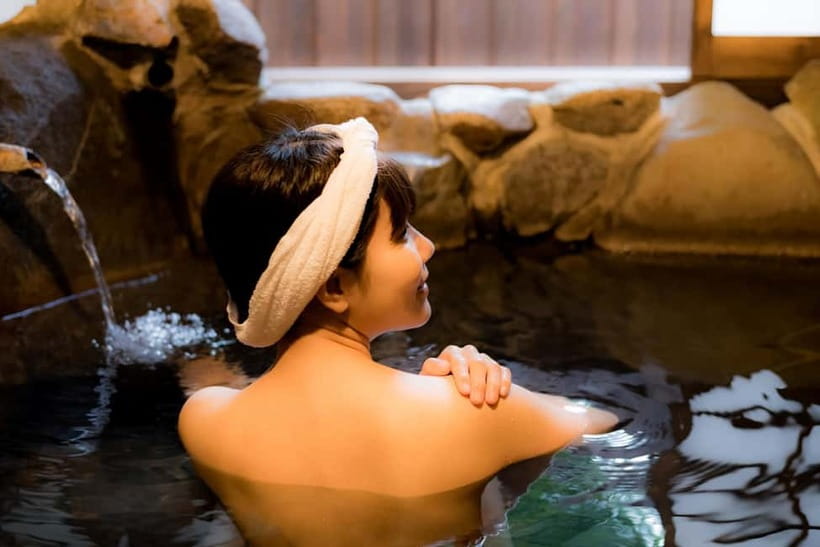
Tokyo’s public baths are one of the city’s most direct cultural experiences, and this small-group visit makes the first step easier. I like the tattoo-friendly sento, since tattoos can still limit access to many Japanese public baths. I also like the five-minute walk from Nippori Station, which keeps the outing simple and places you in a local neighborhood rather than a major sightseeing zone.
The main consideration is that you bathe fully naked, with men’s and women’s areas separated. Your guide explains the rules before you enter, but the guide does not necessarily stay beside you inside. If you want a private bath or a sightseeing tour with constant commentary, this is not the right fit.
Key points before you book
- Tattoo-friendly bathing: You can use this sento even though many Japanese baths restrict tattoos.
- A short walk from Nippori: Meet at the taxi stand outside Nippori Station, then walk about five minutes each way.
- Practical guidance in English: Your guide explains how to wash, enter the baths, and behave respectfully.
- Small groups: The group is limited to nine people, which leaves room for questions before and after bathing.
- Towels and toiletries included: You receive a bath towel and hand towel, with shampoo and body soap available.
- A local finish: After the bath, you may buy a drink or snack, and your guide can suggest lesser-known Tokyo spots.
Why this sento visit feels different from a spa trip
A sento is a neighborhood public bath, not simply a hotel spa with Japanese design touches. People come to wash, soak, rest, and return to daily life. The appeal is the ordinary setting: a place used by local residents, with a retro feel and a practical rhythm.
The experience lasts about one hour, including the guided portion and the bath visit. That is short enough to fit into a busy Tokyo day, but long enough to give you a real taste of Japanese bathing customs.
I especially like the way the guide removes guesswork. You do not have to figure out the towel system, soap arrangements, or basic etiquette while standing at the entrance. Annie and Hanh are named guides associated with this experience, and the information provided by the guide is offered in English. Japanese and Vietnamese language support is also available.
This help matters because the rules are simple once you understand them, but unfamiliar before you do. The central idea is that you wash your body before entering the shared soaking water. The bath is for relaxing, not for scrubbing.
A few more Tokyo half-days to weigh up
- Mt Fuji and Hakone 1-Day Bus Tour Return by Bullet Train
★ 5.0 · 26,383 reviews - 1-Day Tokyo Bus Tour
★ 5.0 · 14,250 reviews - Tokyo: TOKYO SKYTREE® Admission ticket
★ 4.5 · 11,192 reviews
Meeting at Nippori Station and walking five minutes
The meeting point is in front of the taxi stand outside Nippori Station. This is useful, but you should allow a little time to find the correct station exit and taxi area. Nippori is a major rail stop, so station signage and crowds can make the first meeting slightly less obvious than a small neighborhood station.
From there, your guide walks you to the sento. The walk takes about five minutes, so there is no long transfer or complicated local bus ride. That short stroll also gives the guide time to explain what will happen before you reach the bathhouse.
One practical point is worth noting: the exact meeting location needs your attention. One participant had a small issue locating the guide, although the guide helped resolve it. Check the meeting instructions carefully, and keep your phone available in case you need to contact the guide.
The small group limit of nine works well here. A larger group could feel awkward in a modest neighborhood bathhouse, while a small group lets the guide answer personal questions without making the outing feel like a formal lecture.
Learning the rules before you enter
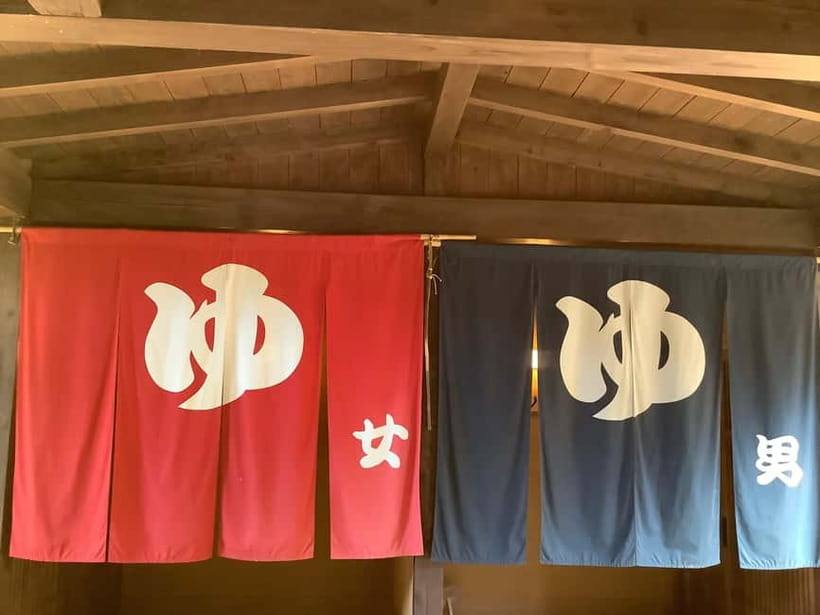
Before you undress, the guide provides a towel set and explains Japanese bathing etiquette in English. You receive a bath towel and a smaller hand towel, while shampoo and body soap are included at the facility.
The explanation is the most useful part for first-time bathers. You learn the basic order of the visit, what to do with your towels, and how to use the shared water respectfully. This gives you a clear plan before you enter the changing area.
The guide may discuss the cultural background of sento and the role these baths play in everyday Japanese life. The setting is described as retro, with healing waters and an authentic neighborhood feel. You should expect a traditional public bath rather than a luxury wellness center.
You will be fully naked in the bathing area. Men and women use separate facilities, and the experience is not suitable for anyone who is uncomfortable with communal bathing. Children under three are not permitted, and the activity is not suitable for participants who are on their period.
That last point is easy to overlook when planning a busy Tokyo schedule. If the timing may be a concern, check it before reserving.
What happens inside the tattoo-friendly bath
After the briefing, you enter the appropriate men’s or women’s bathing area on your own. This is where the experience becomes more personal and less guided. Your guide prepares you outside, but you should not expect the guide to accompany you into the bathing area.
First, you wash yourself. Only after rinsing and cleaning do you enter the shared baths. That order is a basic sign of respect in Japanese bathing culture, and following it helps you feel comfortable rather than unsure.
The tattoo-friendly policy is a major reason to choose this particular outing. Tattoos are generally restricted in many hot springs and public baths in Japan, so this option removes a common problem for tattooed visitors. It does not mean the bath is private. You still share the facilities with local bathers and should follow the same etiquette as everyone else.
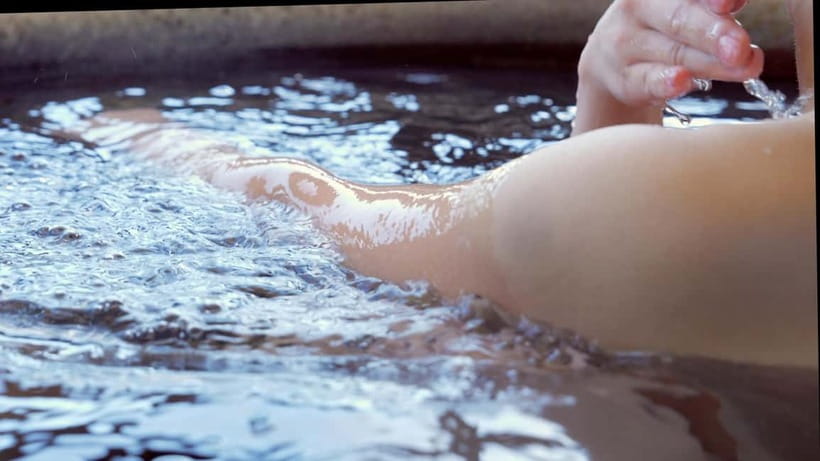
The bath itself is intended for quiet relaxation. You can soak in the healing waters and take in the retro surroundings, but you should not expect entertainment, a guided talk, or a long list of attractions inside. The experience works because it is ordinary and calm.
The guide may take photos before or after the bath, depending on the circumstances. One participant appreciated receiving photos as a record of the outing. Do not assume photography is allowed inside the bathing area, since the supplied information does not promise that, and public bathing spaces require privacy.
Same base, a completely different sort of day:
- Tokyo: teamLab Planets TOKYO Digital Art Museum Entry Ticket
★ 4.6 · 9,779 reviews - Mt Fuji & Hakone Cruise, Drum Show Bullet Train 1 Day from Tokyo
★ 4.0 · 7,413 reviews - Tokyo: Sumo Show Experience with Chicken Hot Pot and a Photo
★ 4.8 · 6,678 reviews - Tokyo: Shinjuku Food Tour (13 Dishes at 4 Local Eateries)
★ 5.0 · 6,603 reviews
Why the guide adds real value
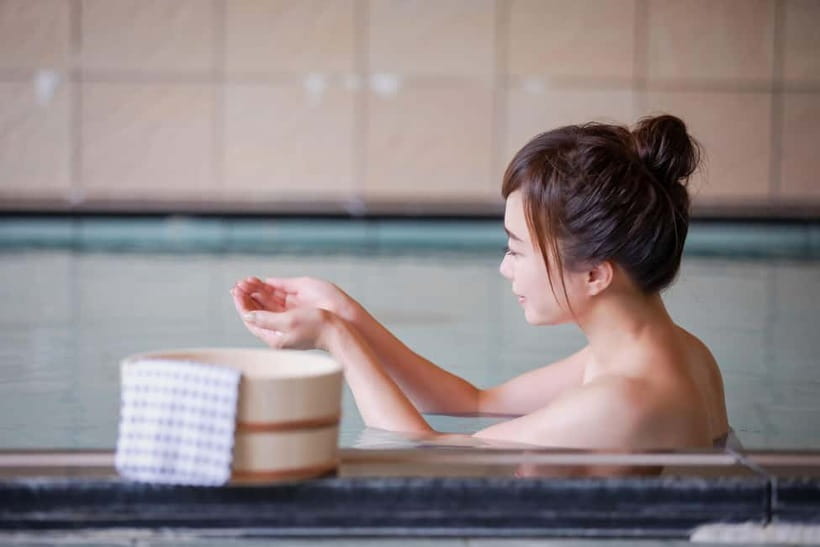
You could potentially visit a sento without help, but the guide changes the experience for a first visit. You receive the towel set, learn the basic procedure, and get a person to answer questions before you step into an unfamiliar social setting.
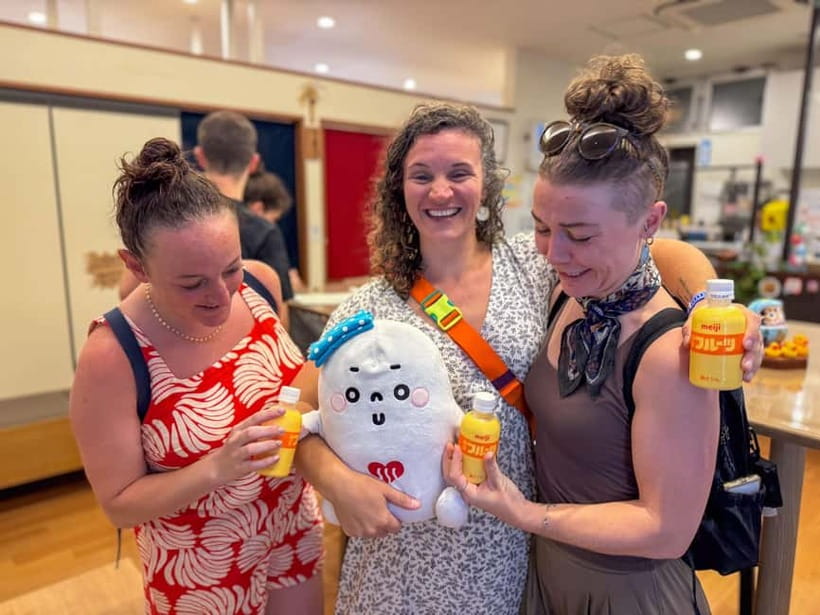
Annie is described as kind, considerate, and generous, while Hanh is described as friendly and patient. One guide helped with an unexpected taxi and made that part of the journey easier through conversation. Another walked a participant back to the station after the bath and bought a cold drink.
Those details show the useful range of the service. The guide is not only there to point out the door. You get help with the cultural rules, reassurance when the process feels strange, and a local person to talk with afterward.
Still, you should understand the limits. The guide may not enter the bathing area with you. For some people, that is a benefit because the bath remains a normal private moment. For others, especially those who want hands-on support throughout, it may feel like a gap in the tour.
The retro atmosphere and the post-bath pause
The sento is described as a place beloved by local residents, with a retro atmosphere and healing waters. The experience is less about polished design and more about seeing how a traditional public bath fits into Tokyo life.
You may find the space compact and functional rather than spacious. That is part of the character, but it also means you should not compare it with a high-end hotel spa. The value comes from access, context, and confidence, not from lavish facilities.
After bathing, you can unwind with a local drink or snack, although food and drinks are not included in the price. Some participants enjoyed a cold drink at the end, and this short pause gives you a chance to talk with the guide while still feeling relaxed from the soak.
The return walk to Nippori Station takes about five minutes. Your guide can also share suggestions for lesser-known Tokyo places. The information provided does not list those spots in advance, so think of this as a chance for personalized local advice rather than a promised second tour.
Is $38 a fair price for one hour?
At $38 per person, this is not the cheapest way to enter a public bath. The entrance fee alone would not justify that price. You are paying for the guide, the etiquette briefing, the towel rental, soap and shampoo, and the ease of using a tattoo-friendly facility without having to work out the process alone.
For a first-time visitor, that package can be good value. A small cultural mistake in a communal bath can feel embarrassing, and a guide gives you a clear routine before you enter. The tattoo-friendly access also has practical value if other bathhouses are unavailable to you.
For someone already familiar with Japanese sento etiquette, the price may feel high for a one-hour visit. You could prefer to find a bath independently and spend the difference on another activity. The strongest value is for visitors who want cultural context, English guidance, or reassurance.
The small group limit of nine keeps the price from feeling like a large coach excursion. You are buying a short, focused introduction, not a full-day tour. I would judge the cost by how much uncertainty you want removed.
Who will enjoy this experience most?
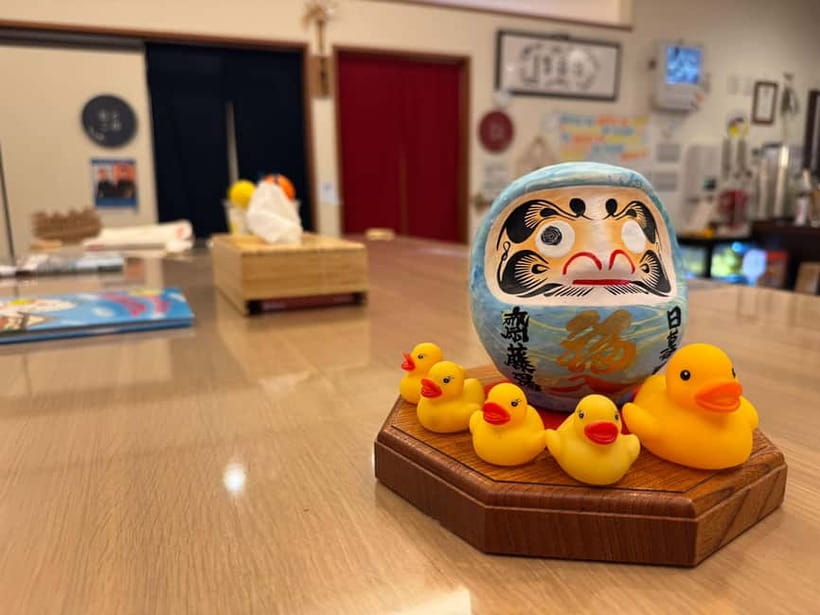
This outing suits couples and small groups who want a genuine local moment between larger Tokyo sights. It also works for solo visitors who would rather have a guide explain the system than arrive alone without knowing what to do.
It is especially useful for:
- People with tattoos who want a bathhouse option that welcomes them
- First-time visitors to Japan
- Anyone curious about ordinary Japanese customs, not just famous landmarks
- Visitors staying near Nippori or passing through the area
- People who enjoy quiet, low-key cultural activities
- Couples looking for a shared experience that feels different from a standard sightseeing stop
It is less suitable for anyone who dislikes communal bathing, nudity, or gender-separated facilities. It may also disappoint you if you expect a long tour, a private room, or a luxury spa treatment.
The one-hour length makes it easy to place before dinner or after a day of sightseeing. On the other hand, the short format leaves little room for delays. Arrive ready for the meeting point and do not treat it as a flexible drop-in activity.
Practical details that affect your decision
The entrance fee, bath towel, hand towel, shampoo, and body soap are included. Food and drinks are extra. The guide speaks English, Japanese, or Vietnamese, depending on the guide assigned to your departure.
You can cancel up to 24 hours in advance for a full refund, and you can reserve now while paying later. Starting times vary, so you need to check availability for the date you want.
The activity is limited to nine participants. That is small enough for direct contact with the guide, but the actual group size may vary up to that limit.
The bathing areas are separated for men and women, and you bathe without clothing. Tattoos are accepted at this location, which is the key practical difference from many Japanese public baths. The experience does not state that it offers private bathing, so do not book it if privacy is essential.
Should you book the Nippori sento experience?
Book it if you want a guided introduction to Japanese public bathing, have tattoos that restrict your choices elsewhere, or feel unsure about etiquette. Annie and Hanh bring a personal touch, and the walk, briefing, soak, and post-bath conversation fit neatly into a Tokyo itinerary.
Skip it if you want a private bath, dislike being naked around other bathers, or already know sento customs and prefer to save money. For everyone else, $38 buys more than a bath entrance: it buys confidence, context, towels, and a friendly local connection in a neighborhood setting.
FAQ
Where does the experience meet?
You meet your guide in front of the taxi stand outside Nippori Station.
How far is the sento from Nippori Station?
The sento is about a five-minute walk from Nippori Station, and the return walk also takes about five minutes.
Are tattoos allowed?
Yes. This sento is tattoo-friendly, even though tattoos are generally restricted in many Japanese hot springs and public baths.
Will I be naked?
Yes. You will be fully naked in the bathing area. The facilities are separated for men and women.
Is a guide inside the bathing area?
The guide explains the process and etiquette before you enter, but the guide does not necessarily accompany you inside the bathing area.
What is included in the price?
The price includes the entrance fee, bath towel, hand towel, shampoo, body soap, an English bathing etiquette guide, and an English-speaking guided tour.
Can I cancel or pay later?
You can cancel up to 24 hours in advance for a full refund. You can also reserve now and pay later, subject to the booking conditions.
Just added around Tokyo
- Private Arrival Transfer : Narita International Airport to Central Tokyo City★ 4.5 · 12 reviews
- Narita Airport(NRT): Private Transfer to Tokyo/Yokohama 1-9pax★ 5.0 · 47 reviews
- Private Transfer from Narita Airport to Yokohama Port and City★ 4.5 · 17 reviews
- [Narita Airport Terminals 1, 2] 40-60km Sawara Itako Historic Bike Tour★ 5.0 · 13 reviews
- 3 Day Japan Highlights Tour: Tokyo, Mt.Fuji, Nara, Kyoto, Osaka★ 5.0 · 22 reviews
- Small Town in the Big City: Tasting Tokyo’s Kichijoji★ 5.0 · 195 reviews
- Small Town in the Big City: Tasting Tokyo’s Kichijoji★ 5.0 · 16 reviews
- The 10 Tastings of Tokyo With Locals: Private Street Food Tour★ 5.0 · 48 reviews
Tokyo Tours, compared.

Mt Fuji and Hakone 1-Day Bus Tour Return by Bullet Train
Read our review →

teamLab Planets TOKYO Digital Art Museum Entry Ticket
Read our review →
Mt Fuji & Hakone Cruise, Drum Show Bullet Train 1 Day from Tokyo
Read our review →
Sumo Show Experience with Chicken Hot Pot and a Photo
Read our review →
Shinjuku Food Tour (13 Dishes at 4 Local Eateries)
Read our review →
Tokyo Mt Fuji 5th St & Hakone Cruise Bus Tour w/Bullet Train
Read our review →