Reviewed · TOKYO TOURS
Tokyo: Zen Meditation at a Private Temple with a Monk
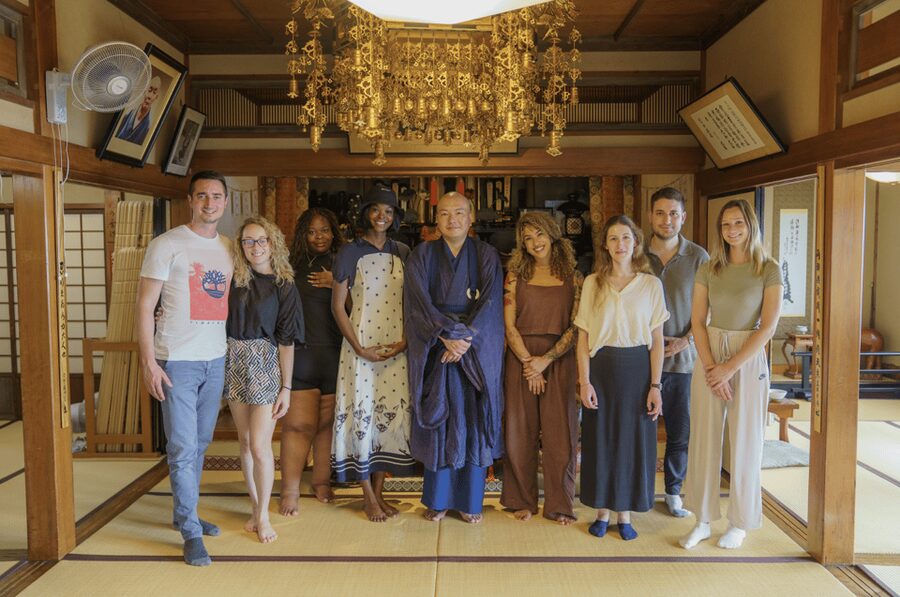
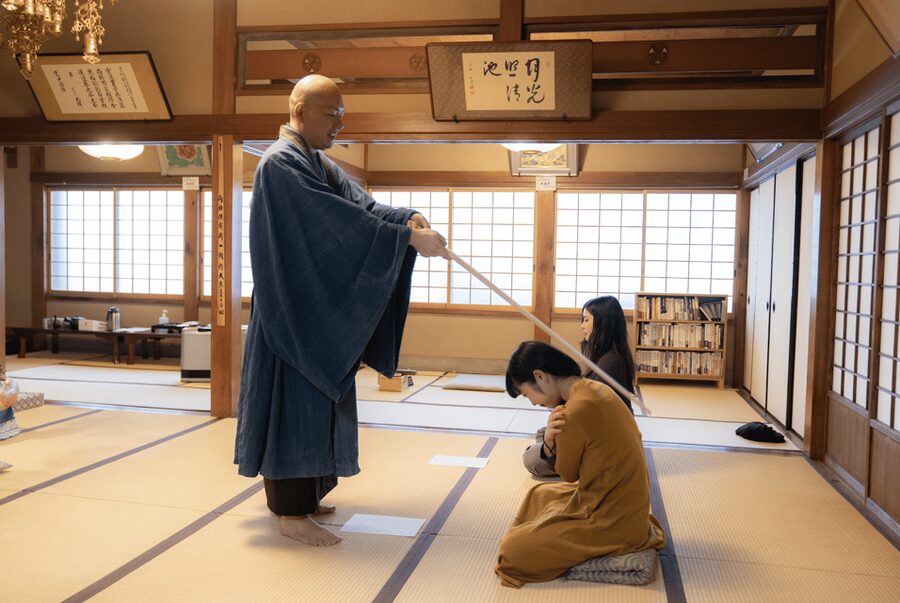
A monk welcomes you into a private temple in Asakusa that is not open to the general public. The setting is small, quiet, and more personal than a standard sightseeing stop. You learn the basics of zazen, practice seated meditation, then share tea and conversation with the monk.
I like the thoughtful mix of activities: two short meditation sessions give beginners a manageable introduction, while calligraphy and tea add cultural depth. I also like the warm translation provided by guides such as Tamami, Kazu, and Shota. The main consideration is that 90 minutes passes quickly, so this is an introduction to Zen, not an extended retreat.
Key Points
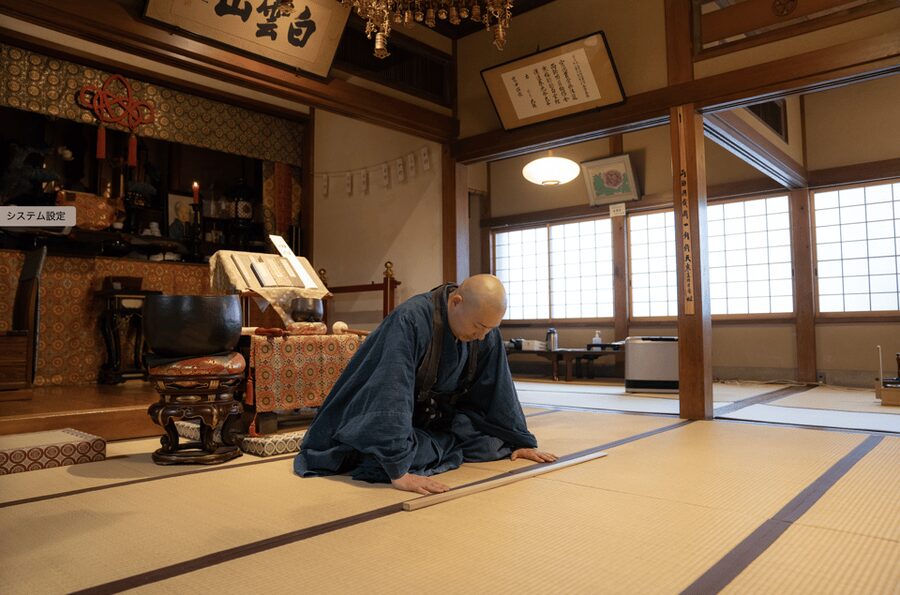
- A 400-year-old private temple: Enter a small Asakusa temple normally closed to the public.
- Direct instruction from Monk Namiki-san: Learn zazen posture, breathing, and Zen ideas face to face.
- Short meditation sessions: The format suits first-timers and can include two sessions of about 10 minutes each.
- Calligraphy with a Zen feel: Write while the monk chants, turning a simple craft into a quiet exercise in focus.
- Matcha, sweets, and questions: Finish with tea, traditional sweets, and open conversation.
- Easy central meeting point: Meet outside the correct Family Mart, about two minutes from Tawaramachi Station.
Entering a Private Temple in Asakusa
The appeal begins before you sit down. Asakusa is famous for its major temple sights and old streets, but this experience takes you to a smaller temple away from the usual visitor flow. The building has a history of more than 400 years and has been home to three generations of monks.
That family connection gives the visit a personal feel. You are not simply looking at an old religious building and moving on to the next stop. You are invited into a working temple space, where a resident monk explains his practice and answers questions about his life.
The meeting point is outside a Family Mart in Asakusa, about a two-minute walk from Tawaramachi Station on the Ginza Line. There are two Family Mart branches in the area, so check the exact meeting instructions carefully. The guide contacts you through WhatsApp, and downloading it before the tour is an important practical step.
After you meet the guide, you walk to the temple and receive a short introduction to Japanese culture and Zen Buddhism. The guide helps explain the customs and translates between you and the monk. Hosts have included Tamami Shigenobu, Kazu, and Shota, with Tamami especially noted for clear English and warm support.
A few more Tokyo half-days to weigh up
- Mt Fuji and Hakone 1-Day Bus Tour Return by Bullet Train
★ 5.0 · 26,383 reviews - 1-Day Tokyo Bus Tour
★ 5.0 · 14,250 reviews - Tokyo: TOKYO SKYTREE® Admission ticket
★ 4.5 · 11,192 reviews
Learning Zazen Before You Sit
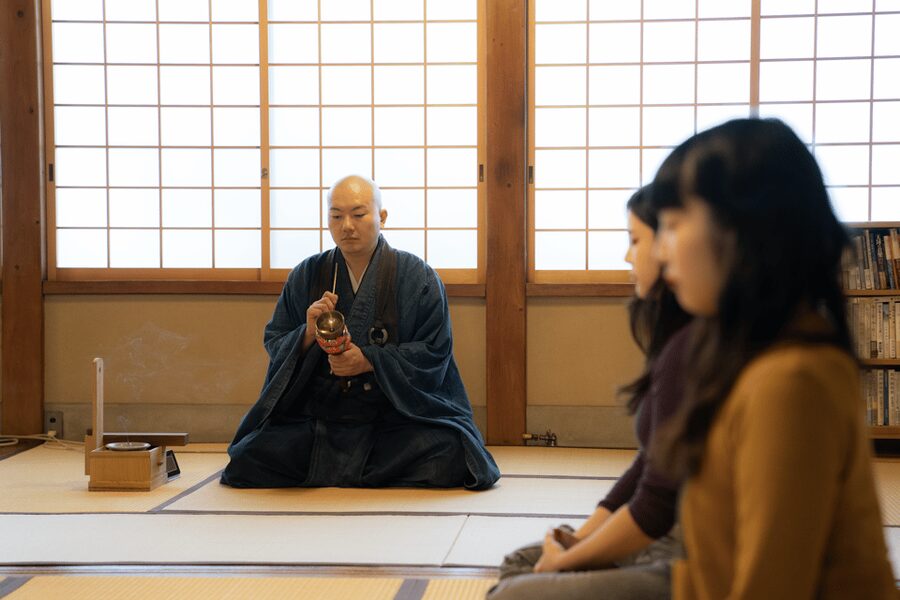
Zazen means seated meditation. The lesson here is practical rather than academic. The monk explains how to sit, how to hold your attention, and how to breathe in a steady rhythm. You also hear about the Zen aim of facing your own thoughts instead of chasing every outside distraction.
You do not need previous meditation experience. In fact, the format works well if you have always wondered what meditation actually feels like but have never tried it in a traditional setting. The monk gives enough instruction to make the exercise approachable without turning it into a long lecture.
The central challenge is simple: sit still and pay attention. Your mind may wander. That is normal. The point is not to produce an empty mind on command. It is to notice distraction and return to the practice.
The meditation is usually arranged in short sections. Some sessions include two periods of about 10 minutes each, while the exact balance of meditation and other activities can vary. That is useful for beginners, since a short period of stillness feels less intimidating than a full hour of formal sitting.
If you already meditate, you may find the practice brief. One person specifically wished for more meditation time and more detailed instruction on reaching mental calm. That is a fair limitation. This is a cultural introduction to Zen, not a serious training session for advanced practitioners.
The Quiet Work of Meditation
The temple atmosphere does much of the work. The smell of incense, tatami flooring, quiet rooms, and the monk’s calm manner create a clear break from Tokyo’s noise. You might notice that the setting makes it easier to focus than a busy hotel room or a meditation app.
The monk, Namiki-san, is described as patient, open, and sometimes funny. That matters. Formal religious settings can make people nervous, especially when they are unsure how to sit or behave. A friendly teacher helps you relax and ask questions without worrying that you are doing everything wrong.
The meditation itself is not presented as a magic cure for stress. It offers a short period in which you can notice your breathing and your reactions. The ideas shared during the session also point toward everyday practice: give full attention to small tasks, avoid comparing yourself with others, keep your surroundings orderly, and look for the roots of anger.
Those ideas give the activity value beyond the temple visit. You can take the method home without buying special equipment. A few minutes of quiet sitting and steady breathing is something you can repeat after returning from Japan.
One practical point is that the experience requires patience with stillness. If you want constant action, dramatic sights, or a long explanation of Buddhist history, this may feel slow. If you welcome a pause in a busy Tokyo schedule, the pace is a strength.
Calligraphy With Chanting
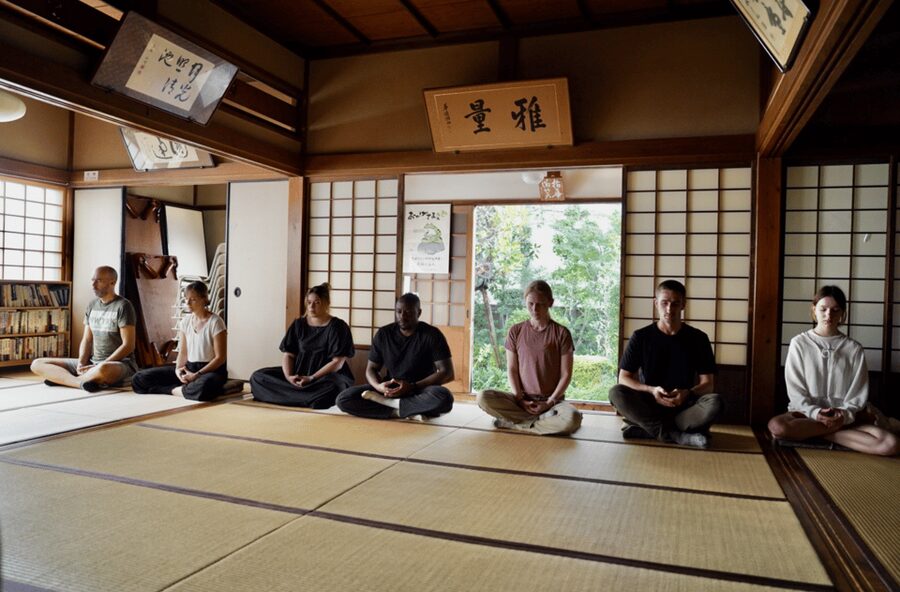
Calligraphy is one of the most appealing parts of the experience because it adds a hands-on task after meditation. Rather than only listening to an explanation, you make something yourself.
The activity can involve writing part of a Buddhist sutra or a simple calligraphic design. In some sessions, the monk chants while you write. The sound gives the exercise a steady rhythm and makes the act of forming each character feel deliberate.
You do not need artistic skill. The value is in slowing down and concentrating on the brush, the ink, and the movement of your hand. It becomes another way to practice attention, even if your finished work looks uneven.
You can keep the calligraphy as a small reminder of the visit. One participant described displaying it at home as encouragement to create a regular meditation space. That is a useful way to think about the activity: the paper is less important than the habit it may inspire.
Calligraphy is also a welcome change of position. Sitting meditation can make you aware of your knees, ankles, or back. Moving to a table or another working position breaks up the session and keeps the 90-minute format comfortable.
Same base, a completely different sort of day:
- Tokyo: teamLab Planets TOKYO Digital Art Museum Entry Ticket
★ 4.6 · 9,779 reviews - Mt Fuji & Hakone Cruise, Drum Show Bullet Train 1 Day from Tokyo
★ 4.0 · 7,413 reviews - Tokyo: Sumo Show Experience with Chicken Hot Pot and a Photo
★ 4.8 · 6,678 reviews - Tokyo: Shinjuku Food Tour (13 Dishes at 4 Local Eateries)
★ 5.0 · 6,603 reviews
Matcha, Sweets, and an Honest Conversation
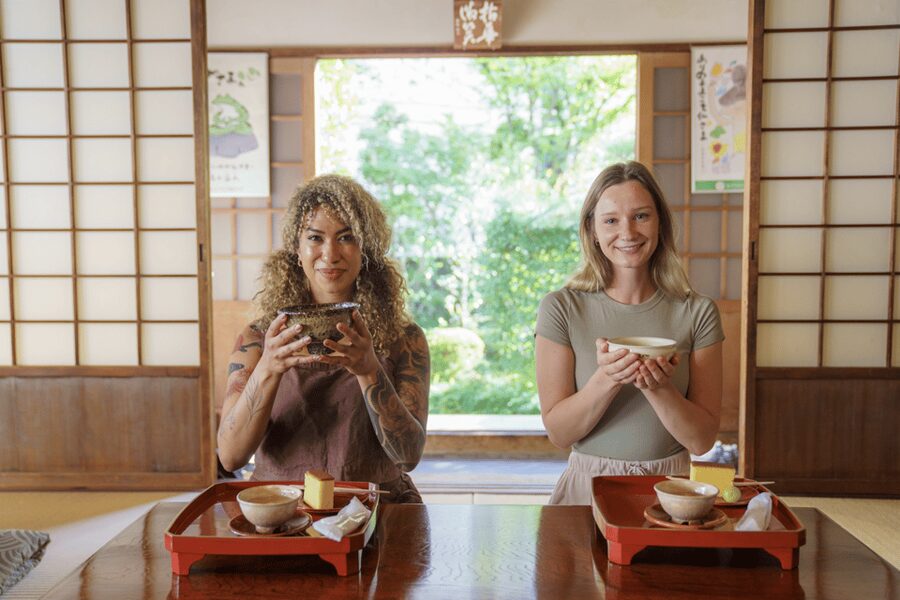
The final part is a simple tea ceremony with matcha and traditional sweets. Do not expect a full formal tea-school performance lasting several hours. Here, tea is used as a calm ending to the meditation and a natural way to sit together.
The sweets balance matcha’s bitter taste, and the shared ritual gives everyone time to settle. You watch the preparation, receive the tea, and enjoy it in the temple setting. The ceremony is brief, but it adds a distinctly Japanese element to the visit.
For me, the best part is the conversation that follows. You can ask the monk about Zen, temple life, meditation, Japanese culture, and everyday concerns. The questions are translated by the guide, so the conversation does not depend on you speaking Japanese.
This is where the guides make a real difference. Tamami has been praised for translating smoothly and explaining both Japanese and English points clearly. Kazu and Shota have also led sessions, and the guide’s role is more than escorting you to the temple. The guide helps you understand what is happening and gives the monk’s answers context.
The question period is open and personal rather than a fixed lecture. You can ask about meditation or broader subjects such as stress, anger, comparison, and daily habits. The monk’s advice is practical enough to understand even if you are not interested in becoming a Buddhist.
What the 90-Minute Format Gets Right
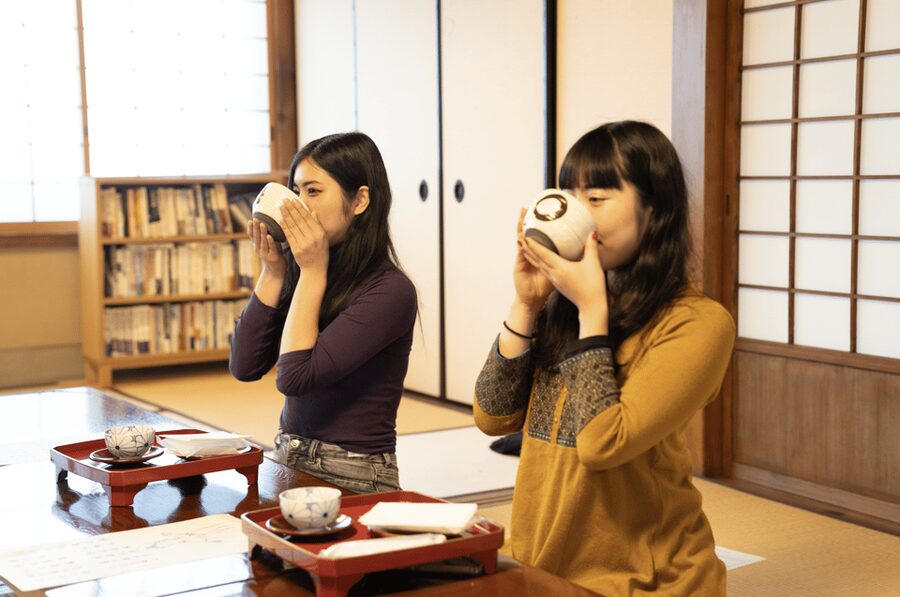
Ninety minutes is a smart length for most people. It gives you enough time to learn the basics, meditate, try calligraphy, drink tea, and talk with the monk without taking up half a day.
The trade-off is that no single part can be very long. The meditation may feel too short for experienced practitioners. The tea ceremony is an introduction, and the Zen explanation cannot cover every school, text, or historical detail.
Still, the variety keeps the activity from becoming repetitive. You move from listening, to sitting, to writing, to drinking tea, to asking questions. Each part shows a different side of temple practice.
The schedule can also vary slightly. Experiences described by participants have included about 20 minutes of meditation split into two sessions, longer periods of sitting, around 15 minutes of calligraphy, and time for tea and questions. Treat the published 90 minutes as the firm guide, but expect the individual segments to have some flexibility.
Is $55 Good Value?
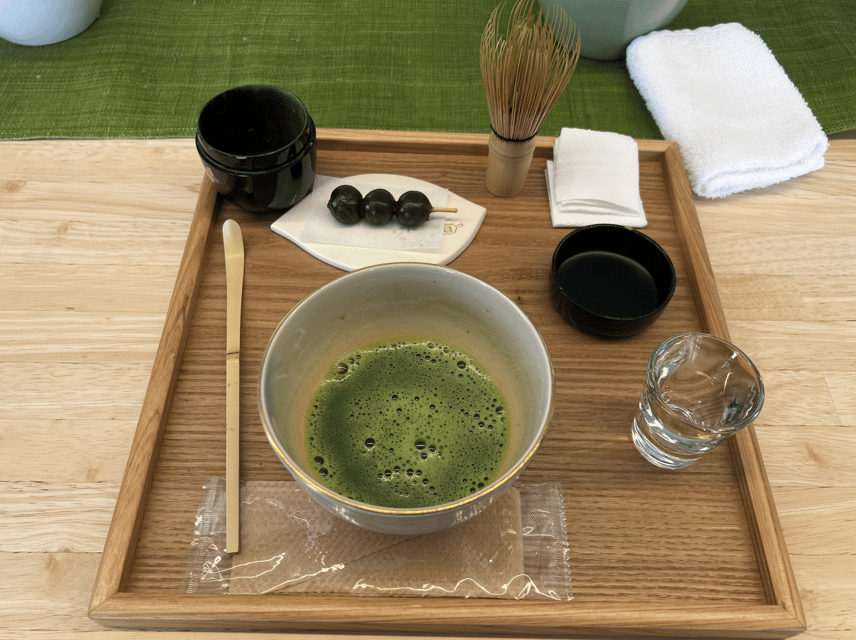
At $55 per person, this is not the cheapest cultural activity in Tokyo. You could visit a public temple for little or no admission, and you could drink matcha elsewhere for much less.
The price pays for access and personal attention. You enter a temple that is not open to the general public, receive instruction from a resident monk, have English translation, and take part in several guided activities. That is a different product from sightseeing on your own.
I see the strongest value in the small-scale setting and the question period. A public temple can show you architecture and ritual, but it usually does not give you 20 or 30 minutes to ask a monk direct questions through an interpreter.
The experience also saves you from trying to work out proper temple etiquette by yourself. The guide explains the setting, helps with communication, and can take photographs during the visit. Photography and video are allowed, so you can record the occasion without guessing about the rules, though respectful behavior remains important.
The value drops if you only want extended meditation. In that case, a longer zazen session or retreat would better match your aim. For a first encounter with Zen combined with personal conversation and cultural activities, the price is reasonable.
Who Will Enjoy This Most?
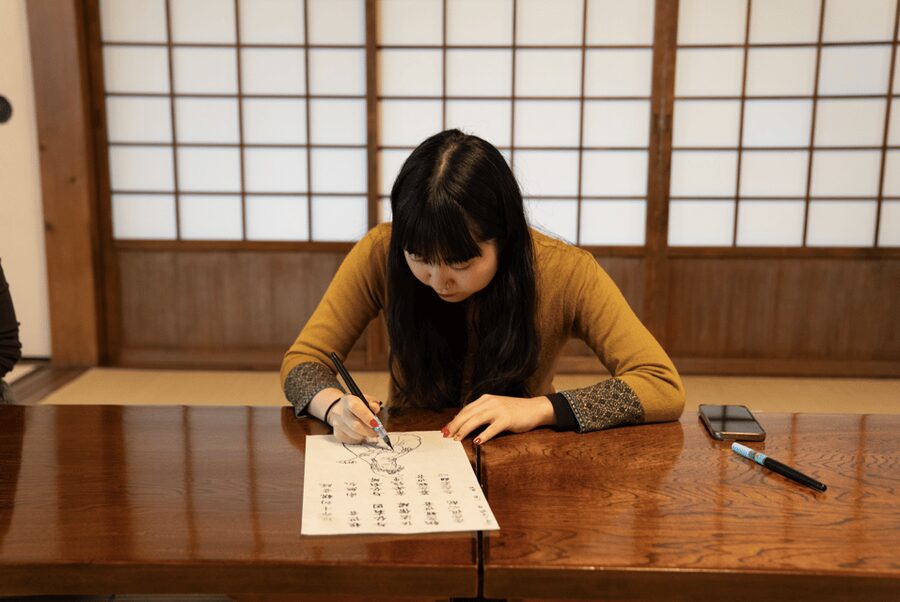
I would recommend this to first-time meditators, curious visitors, couples, solo visitors, and anyone who wants a quieter start to a Tokyo day. It suits people who enjoy learning by doing rather than simply hearing a guide talk.
You do not need to be religious. Several activities make sense even if you approach Zen from a cultural or practical angle. Sitting quietly, writing calligraphy, tasting matcha, and asking about Japanese life are all accessible points of entry.
It is also a good choice for people who have already visited Tokyo’s major sights. After crowded shopping streets and large temples, a private room with a small group can feel like a useful change of pace.
Families with older children may find it worthwhile, though the supplied information does not specify a minimum age. Very young children or anyone unable to sit quietly may find the meditation portion difficult.
You should also choose this with realistic expectations. The monk is there to teach and talk, not to provide private therapy or a guaranteed spiritual breakthrough. You may leave calm and reflective, but the result depends partly on your willingness to slow down.
Helpful Details Before You Go
The meeting point is near Tawaramachi Station on the Ginza Line, not directly at a temple entrance. Find the correct Family Mart, since two branches are located in the area. Give yourself enough time to identify the right one.
Download WhatsApp before the activity. The guide uses it to contact you, and having the app ready can prevent a stressful start.
The tour is conducted in English with a live guide. The guide translates the monk’s comments and questions, so you do not need Japanese language ability to take part.
Transportation is not included. You make your own way to the meeting point, and the tour begins there.
Wear something that allows you to sit comfortably. The activity takes place in a temple, so modest, respectful clothing is sensible. The supplied details do not state specific clothing rules, so follow the guide’s instructions on arrival.
The activity offers free cancellation up to 24 hours before the start for a full refund. You can also reserve now and pay later, which helps if your Tokyo schedule is still changing.
Should You Book This Zen Experience?
Book it if you want a personal introduction to Zen in a real temple rather than a general wellness class. The combination of Monk Namiki-san, an English-speaking guide, short zazen sessions, calligraphy, matcha, sweets, and open questions gives you more than a meditation lesson.
I would especially choose it early in a Tokyo visit. The calm setting can help you adjust to the city, and the monk’s practical advice may stay with you as you move through the rest of your trip.
Skip it if your main goal is a long, silent retreat or advanced meditation instruction. The 90-minute schedule is an accessible sampler, not a rigorous course.
For most visitors, though, the private temple access and direct conversation make this a worthwhile $55 experience. You leave with a clearer sense of zazen, a piece of calligraphy, and a brief but genuine pause from Tokyo’s fast pace.
FAQ
Where does the Zen meditation experience meet?
You meet in front of a Family Mart in the Asakusa area, about two minutes from Tawaramachi Station on the Ginza Line. There are two Family Mart branches nearby, so make sure you go to the correct one.
How long does the activity last?
The scheduled duration is 90 minutes. The time includes the Zen explanation, meditation, calligraphy, matcha tea, and discussion with the monk.
Is the experience conducted in English?
Yes. The experience includes a live English-speaking guide who translates and explains the monk’s teaching.
Who leads the meditation?
A resident monk, identified as Namiki-san, explains and leads the Zen meditation. Guides such as Tamami, Kazu, and Shota may assist with translation and explanations.
Do I need meditation experience?
No. The monk explains the principles and techniques of zazen before you practice, making the activity suitable for beginners as well as people who already meditate.
What else is included besides meditation?
The experience includes entry to the temple, a guide, the monk’s explanation, matcha tea, and activities that can include calligraphy, traditional sweets, and a question session.
Can I take photographs?
Yes. Photography and video are allowed, and you can take photographs with the monk and inside the temple.
Is transportation included?
No. Transportation is not included. You are responsible for reaching the meeting point near Tawaramachi Station.
Can I cancel the booking?
Yes. You can cancel up to 24 hours in advance for a full refund. The experience also offers a reserve-now, pay-later option.
Just added around Tokyo
- Private Arrival Transfer : Narita International Airport to Central Tokyo City★ 4.5 · 12 reviews
- Narita Airport(NRT): Private Transfer to Tokyo/Yokohama 1-9pax★ 5.0 · 47 reviews
- Private Transfer from Narita Airport to Yokohama Port and City★ 4.5 · 17 reviews
- [Narita Airport Terminals 1, 2] 40-60km Sawara Itako Historic Bike Tour★ 5.0 · 13 reviews
- 3 Day Japan Highlights Tour: Tokyo, Mt.Fuji, Nara, Kyoto, Osaka★ 5.0 · 22 reviews
- Small Town in the Big City: Tasting Tokyo’s Kichijoji★ 5.0 · 195 reviews
- Small Town in the Big City: Tasting Tokyo’s Kichijoji★ 5.0 · 16 reviews
- The 10 Tastings of Tokyo With Locals: Private Street Food Tour★ 5.0 · 48 reviews
Tokyo Tours, compared.

Mt Fuji and Hakone 1-Day Bus Tour Return by Bullet Train
Read our review →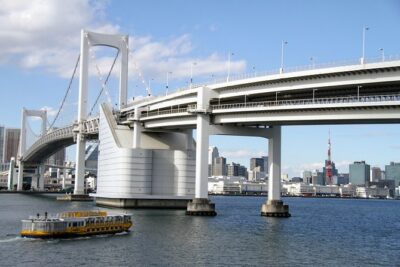
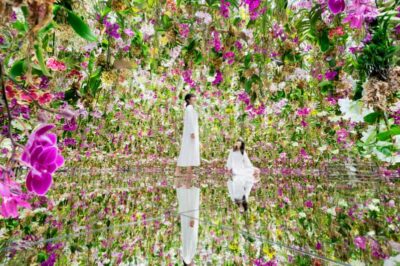
teamLab Planets TOKYO Digital Art Museum Entry Ticket
Read our review →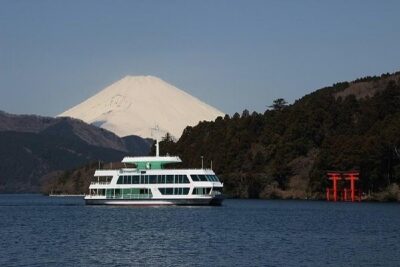
Mt Fuji & Hakone Cruise, Drum Show Bullet Train 1 Day from Tokyo
Read our review →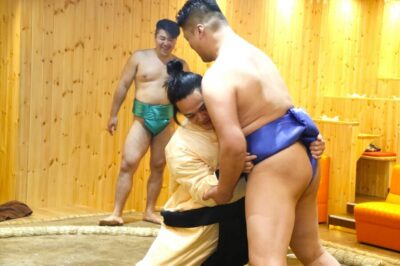
Sumo Show Experience with Chicken Hot Pot and a Photo
Read our review →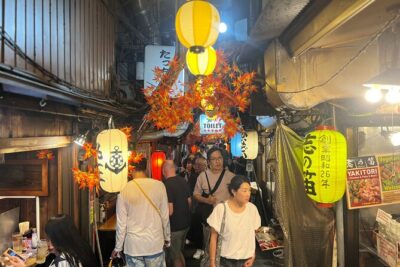
Shinjuku Food Tour (13 Dishes at 4 Local Eateries)
Read our review →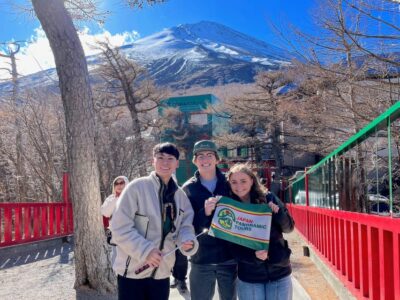
Tokyo Mt Fuji 5th St & Hakone Cruise Bus Tour w/Bullet Train
Read our review →