
Reviewed · TAKAYAMA TOURS
Shirakawa-go UNESCO Half-Day Tour from Takayama
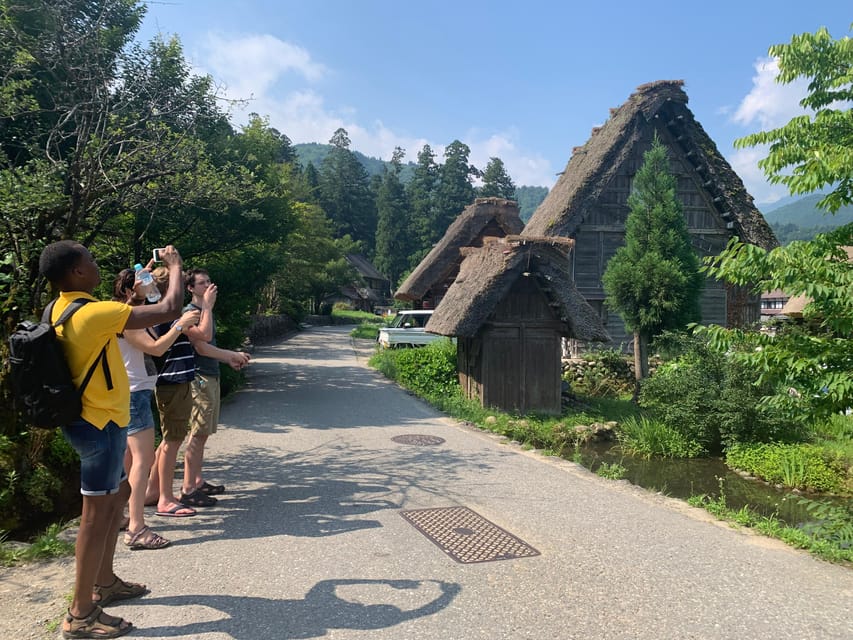
Shirakawa-go is most striking before the crowds arrive, when the steep-roofed farmhouses sit quietly beneath the Japanese Alps. This four-hour tour gets you there from Takayama with transport handled, then pairs a guided walk with free time to look, photograph, and wander at your own pace.
I like the small group of no more than nine and the chance to enter a traditional gassho-zukuri house, subject to availability. I also like the early start, which has helped groups reach the village before the big tourist buses. The catch is simple: you must meet at Takayama Station by 7:30 AM, and the tour cannot wait for late arrivals.
Key points at a glance
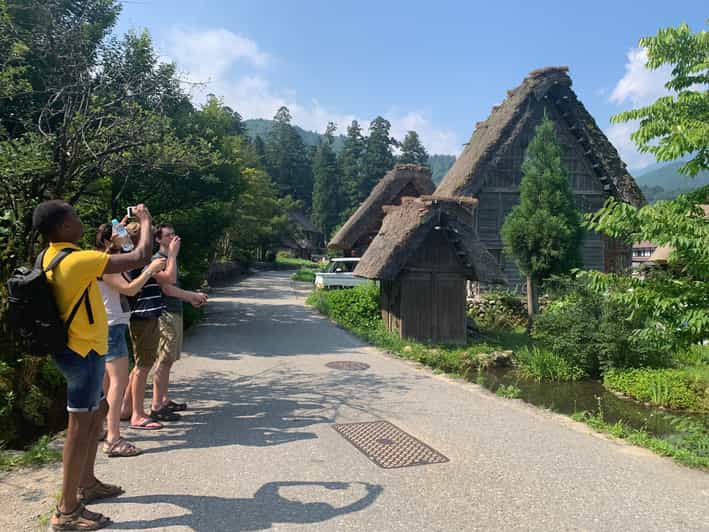
- Early arrival matters: Meet at Takayama Station by 7:30 AM to reach Shirakawa-go before the heaviest crowds.
- Small-group walking tour: Up to nine people can ask questions and hear local explanations without the feel of a large bus tour.
- Farmhouse entry included: The gassho-zukuri house visit is normally included, but local availability can change.
- Two hours in Shirakawa-go: The visit includes a guided walk, photo stops, and free time to explore.
- Practical winter warning: Snow and ice are possible, and paths may be uneven, so good shoes and warm clothing matter.
- English-speaking guides: Guides have included Takumi, Malong, and Yama, though your guide is assigned rather than guaranteed.
Why Shirakawa-go is worth the early start
Shirakawa-go is famous for its gassho-zukuri houses, traditional wooden farmhouses with sharply pitched roofs designed for the area’s heavy snow. The village’s mountain setting gives it the postcard appeal, but the buildings are more than scenery. Their form reflects how families adapted to winter, limited farmland, and local materials.
The steep roofs are the visual signature. They shed snow and create large upper spaces inside the houses. The tour uses this architecture as a starting point for explaining local life, rather than treating Shirakawa-go as a quick photo stop.
That distinction matters. You can visit independently, walk across the village, and take excellent pictures. But it is easy to see only the roofs and mountain backdrop. A guide gives you the reasons behind the design and points out details you might otherwise pass without noticing.
The timing is one of the strongest parts of this outing. The group meets early in Takayama, rides to Shirakawa-go, and begins its visit while the village is still relatively calm. Several people specifically appreciated reaching the site before the crowds grew, with one noting that visitor numbers picked up around noon.
You will not have the whole village to yourself, and this is not a private tour. Still, an early arrival can change the mood from crowded sightseeing to a more relaxed walk. It also leaves you with the rest of the day in Takayama after returning.
A few more Takayama half-days to weigh up
- Kyoto Arashiyama Bamboo forest & Garden Half-Day Walking Tour
★ 5.0 · 413 reviews - Miyajima Half-day Trip Historical Walking Tour
★ 5.0 · 284 reviews - Half-day Tokyo Afternoon Tour by Hato Bus
★ 4.0 · 269 reviews
Leaving Takayama at 7:30 AM
The standard Takayama meeting point is the East Exit taxi stand at Takayama Station. You need to be there by 7:30 AM. The vehicle departs on time, and arriving after that point means you cannot join and will not receive a refund.
That rule is strict, so plan to arrive early. The supplied information includes one complaint about confusion over an advertised 8:30 AM time, while the standard Takayama departure is 7:30 AM. Check your voucher carefully and confirm the meeting point and time before bed.
The ride from Takayama to Shirakawa-go takes about one hour. Round-trip transport is included, which saves you from arranging separate bus tickets and working out the return connection. I see this as a major part of the tour’s value, especially on a short Japan itinerary when every hour counts.
The alternative meeting point is Shirakawa-go Bus Terminal at 8:30 AM. This option may suit you if you are already staying near the village or are arriving independently. You must select your meeting point in advance, and the exact instructions on your voucher take priority.
The transport is practical rather than a sightseeing feature. You are there to get to the village comfortably and on schedule. Traffic, weather, and local conditions can affect the timing, so leave some flexibility in the rest of your day.
Walking through the gassho-zukuri village
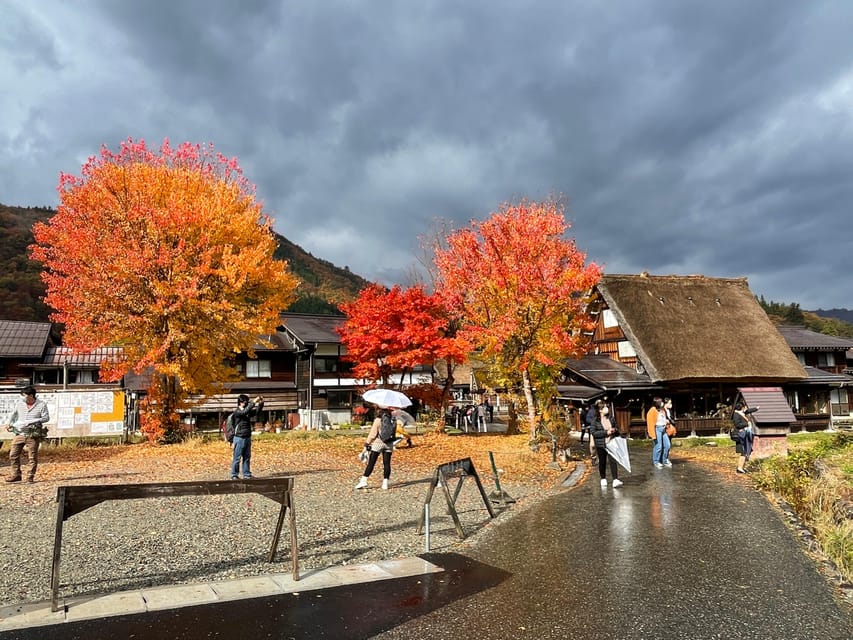
After arrival, you join a guided walk lasting about two hours in total. Expect regular walking on village paths, with some uneven sections. Comfortable walking shoes are a must, even if you normally manage city sightseeing in casual footwear.
The pace is described as casual, which suits Shirakawa-go. You need time to look up at the roofs, stop for pictures, and follow the guide’s explanations. This is not a hard hike, but it is also not a vehicle-based tour where you remain seated.
The guide explains how the houses were built and maintained, and how heavy winter snow shaped local customs and daily routines. You can ask questions as you go, which makes the experience more useful than a fixed audio guide.
The English guides named in the feedback include Takumi, Malong, and Yama. Takumi received especially warm praise for explaining both Shirakawa-go and wider Japanese culture, while Malong was described as friendly, funny, and helpful. Yama was also singled out for answering questions and being easy to talk with.
Your guide may be someone else, so treat those names as examples rather than a promise. The important point is the format: a live English-speaking guide in a group capped at nine. That is small enough for questions to be practical, rather than lost in a crowd.
You may visit museums or other village highlights during the walk, depending on the route and conditions. One group saw two museums as part of its visit. The precise stops can change, so book this for the guided understanding of Shirakawa-go, not for a guaranteed checklist of named buildings.
Stepping inside a traditional farmhouse
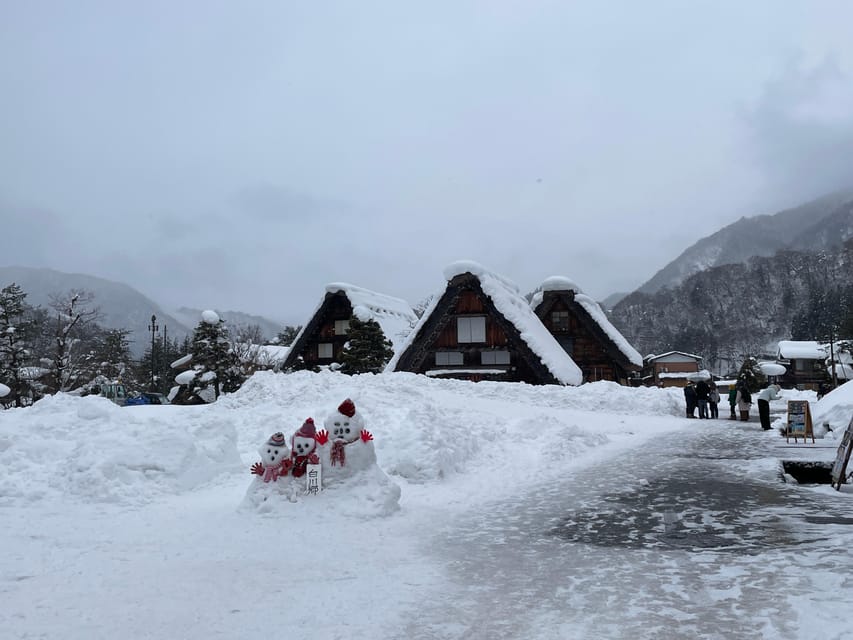
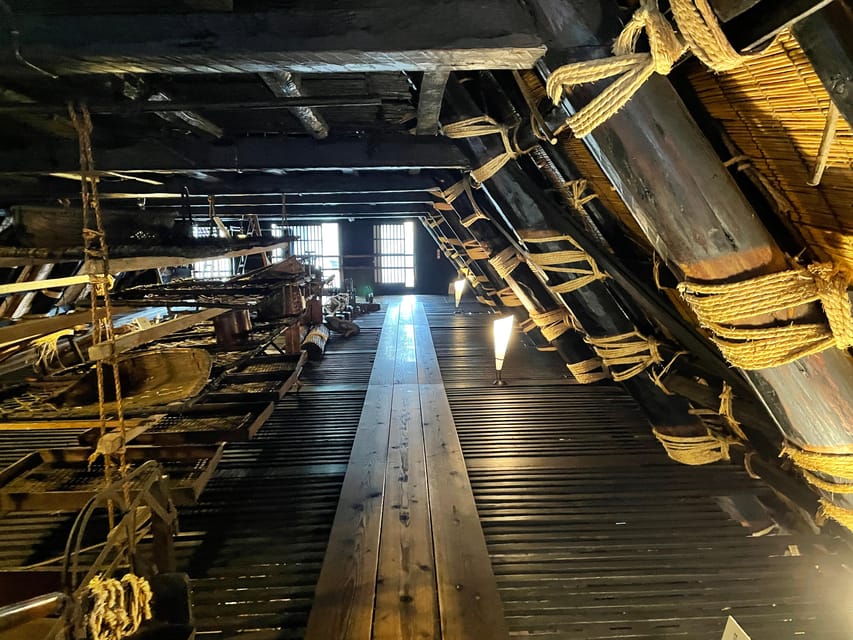
The included entrance fee covers a gassho-zukuri house. Going inside gives you a better sense of the buildings than viewing them from the road. You can see how the wooden structure is arranged and learn more about how generations lived and worked under the distinctive roofs.
The interior visit is subject to availability. That qualification is important. Most outings include it, but a house may be unavailable because of local operating conditions or other limits. If that happens, the guide takes you to alternative highlights instead.
I appreciate the clear wording here. It avoids promising an attraction the operator cannot always control. If entering a farmhouse is the single reason you are booking, you should accept that small risk. If your main goal is to understand the village and see its architecture in context, the alternative route should still leave you with a worthwhile visit.
The house entry also helps justify the $103 price. You are not paying only for a ride to a famous viewpoint. The cost includes transport, a guide, the walking tour, and the entrance fee. For someone traveling alone or trying to avoid transport planning, that package can be fair.
It is less compelling for a couple or family that already has a firm independent bus plan and prefers to explore without a schedule. In that case, you are paying for interpretation and convenience. The value depends on how much those two things matter to you.
Same base, a completely different sort of day:
- Kanazawa: World Heritage Shirakawa-go Morning Guided Tour
★ 4.9 · 988 reviews - Kanazawa: World Heritage Shirakawa-go & Two Local Experience
★ 4.9 · 274 reviews - Kanazawa/Takayama: Shirakawago & Takayama Private Day Tour
★ 4.8 · 172 reviews - Departing from Takayama [Regular sightseeing bus] World Heritage Sites Shirakawago and Gokayama Ainokura
★ 4.5 · 137 reviews
Photo time after the guided walk
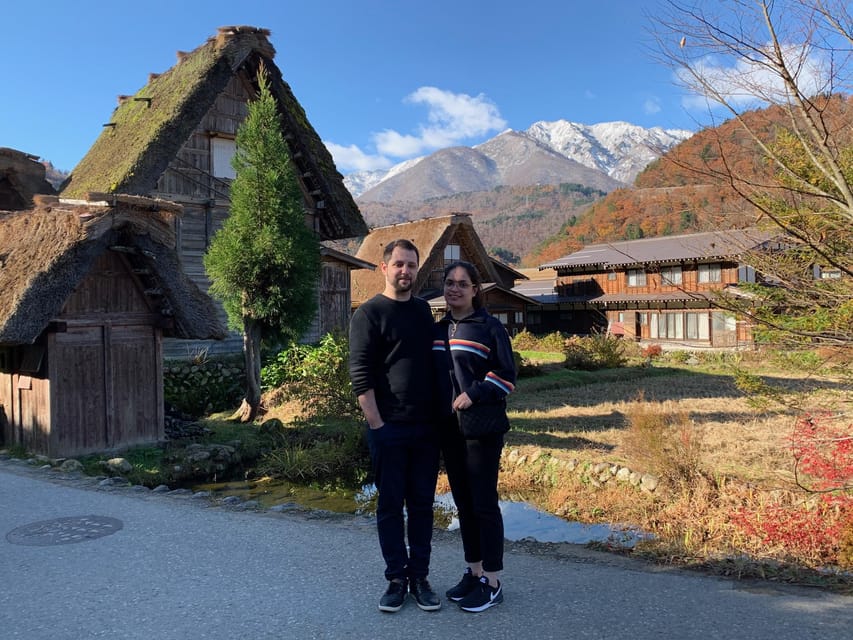
The guided portion does not consume every minute. After the walk, you have free time for photographs and independent exploring before returning to Takayama.
This is useful because the best picture is not always taken when the guide is ready to move on. You can pause for the mountain views, look again at the farmhouse roofs, or pick up a snack. Food and drinks are not included, but you can buy snacks in the village.
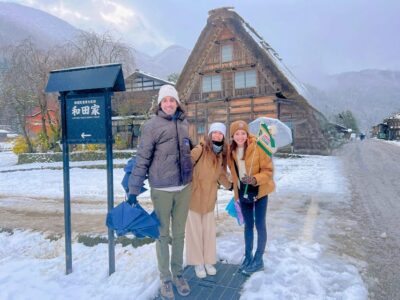
Weather can add to the atmosphere or make the visit harder. In rain, low clouds may hang around the houses and create dramatic views. In winter, snow can make Shirakawa-go especially memorable, but ice and cold also demand care.
Dress for the forecast, not for the temperature you left in Takayama. Winter conditions can include snow and ice, and some paths may be slippery. Warm layers and shoes with a secure sole will make the two-hour walk much more pleasant.
Free time is also your chance to explore at a different pace from the group. The tour remains structured because transport returns you to Takayama, so keep an eye on the meeting instructions and do not wander beyond the allotted time.
What the four-hour schedule really gives you
The published itinerary lists Shirakawa-go for two hours, with the full activity lasting four hours. The remaining time covers the journey from Takayama and the return ride.
That makes this a focused introduction, not a full-day study of the village. Two hours is enough for a guided walk, a house interior if available, photographs, and a little independent time. It is not enough to inspect every museum, take a long meal, and roam every corner without watching the clock.
I think the short format works well for three types of plans. You may be based in Takayama and want to add Shirakawa-go without surrendering the entire day. You may have a packed Japan route and need a clean half-day visit. Or you may prefer a guide for the first orientation, then want to continue your own sightseeing later.
The same timing may frustrate you if Shirakawa-go is one of the main reasons you came to this part of Japan. You will need a longer visit to explore slowly, linger over lunch, or see more than the central sights. This tour gives you a strong first look, but it is not designed for a leisurely full-day stay.
Traffic and weather can alter the schedule. Avoid booking a time-sensitive train or another fixed activity immediately after the estimated return. The tour is normally four hours, but mountain roads do not always follow a stopwatch.
Small group, personal questions, and guide quality
The group limit of nine is a useful middle ground. You get the convenience of organized transport without being folded into a large coach crowd. You can usually hear the guide more easily and ask about details that catch your attention.
The guide quality is central to the experience. Takumi, Malong, and Yama were praised for being warm, informative, and willing to answer questions. One guide also helped with a little extra transport, though you should not count on special arrangements being available every time.
What I like here is the human scale. Shirakawa-go can be reduced to a famous image online, but a good guide connects the roofs to snow, building methods, family life, and local culture. You leave with more than a set of pictures.
The guide does not replace independent curiosity. Ask questions. If you want to know why the houses have their shape, how they are cared for, or what winter means for the village, this is the time to speak up.
Price, comfort, and who gets good value
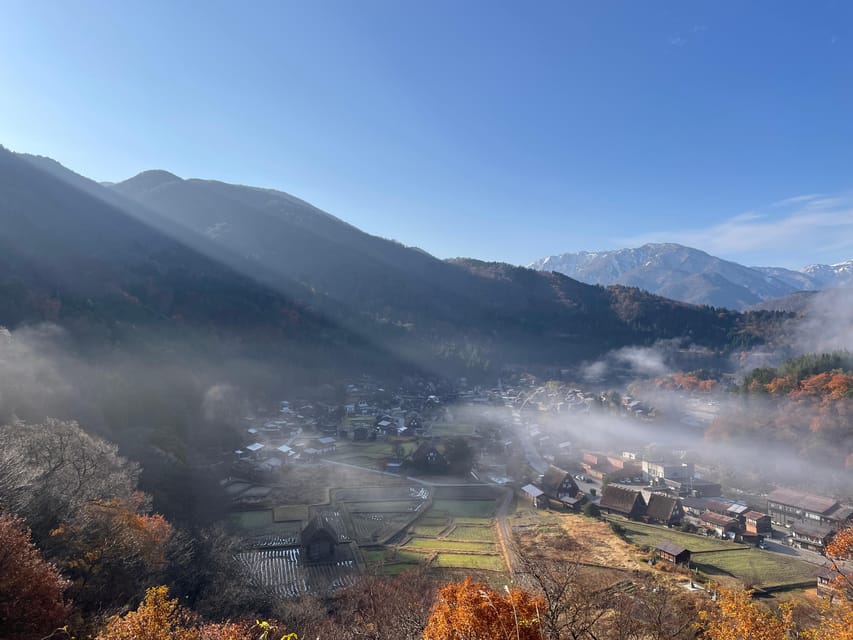
At $103 per person, the tour is not the cheapest way to reach Shirakawa-go. But the price includes round-trip transportation from Takayama, an English-speaking guide, the walking tour, and the gassho-zukuri house entrance fee.
For a solo visitor, the convenience can be worth a lot. You avoid figuring out bus schedules and can use the ride to rest. For a first-time visitor to the region, the guide adds context that you may not get from simply following a map.
A group of friends who already knows the area may see less value. You still pay for the guided format even if you would rather spend the whole visit taking pictures or sitting with a snack. Food and drinks are extra, so bring some yen or another accepted payment method for anything you want in the village.
The 4.6 rating from 47 bookings suggests a dependable experience, but the one recurring practical warning is worth taking seriously: the early meeting time. A small misunderstanding at the station can end the tour before it begins.
The experience is not suitable for wheelchair users, and the walking route may include uneven paths. If you have limited mobility, confirm whether the route works for your needs before booking.
A few smart ways to prepare
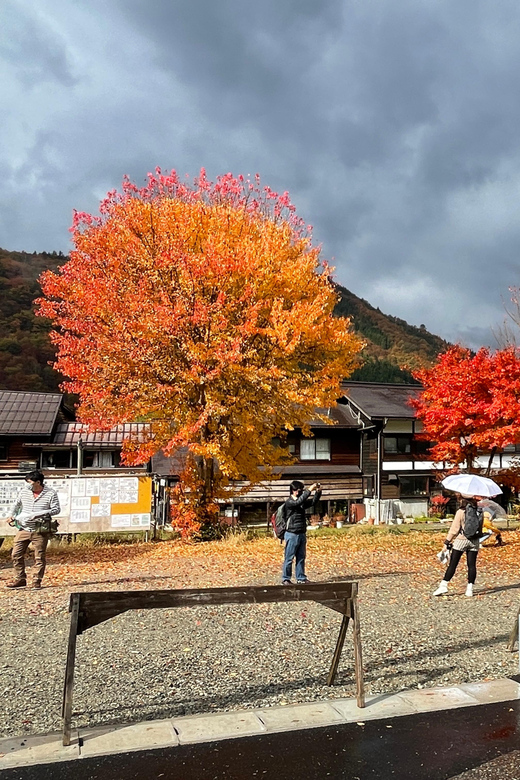
- Read the voucher the night before and confirm whether you chose Takayama Station or Shirakawa-go Bus Terminal.
- Arrive before 7:30 AM if you are using the Takayama pickup.
- Wear shoes suited to uneven village paths.
- Add warm layers in winter, when snow and ice are possible.
- Keep your afternoon flexible because traffic and weather can shift the schedule.
- Bring money for food and drinks, which are not part of the tour.
- Use the free time for photographs and personal exploring instead of expecting every minute to be guided.
Should you book this Shirakawa-go tour?
Book it if you want a simple half-day from Takayama, prefer an English-speaking guide, and value the early arrival and included transport. The strongest reasons are the small group, the useful cultural explanation, and the chance to enter a traditional farmhouse when available.
I would especially recommend it to solo visitors, first-time visitors to the Hida region, and anyone who does not want to build a separate bus plan. Guides such as Takumi and Malong have been praised for clear explanations, friendly conversation, and practical help.
Think twice if you need wheelchair access, dislike early mornings, or want a slow full-day visit. Also remember that the farmhouse entry is subject to availability and that the two-hour village visit is focused rather than exhaustive.
For most people with only half a day, this is a sensible way to see Shirakawa-go. Set the alarm, wear proper shoes, and treat the guide as part of the experience rather than just a way to get there.
FAQ
How long does the Shirakawa-go tour from Takayama last?
The full activity lasts four hours. About two hours are spent visiting Shirakawa-go, with the rest used for transportation between Takayama and the village.
Where does the tour meet in Takayama?
The standard Takayama meeting point is the taxi stand at the East Exit of Takayama Station.
What time must I arrive at Takayama Station?
You must meet by 7:30 AM for the standard Takayama pickup. The vehicle departs on time, and late arrivals cannot join the tour.
Can I meet the tour in Shirakawa-go instead?
Yes. An optional meeting point is Shirakawa-go Bus Terminal at 8:30 AM. You need to choose and advise the operator of your meeting point in advance.
Is transportation included?
Yes. Round-trip transportation from Takayama to Shirakawa-go is included. The ride from Takayama to the village takes about one hour.
Is the tour conducted in English?
Yes. The tour has a live English-speaking guide.
How many people are in the group?
The tour is limited to nine participants, making it a small-group experience.
Can I enter a traditional gassho-zukuri house?
The entrance fee is included, and an inside visit is usually part of the tour. Entry is subject to availability. If it is not possible, the guide provides alternative highlights.
Is the tour suitable for wheelchair users?
No. The activity is not suitable for wheelchair users. The walk can also include uneven paths, and winter conditions may bring snow or ice.
Just added around Takayama
- Private Afternoon Cycling Tour in Hida-Furukawa★ 5.0 · 109 reviews
- Gifu Samurai Sword Town;Japanese Damascus Knife Making Experience★ 5.0 · 27 reviews
- Private-group Morning Cycling Tour in Hida-Furukawa★ 5.0 · 105 reviews
- Short Morning Cycling Tour in Hida★ 5.0 · 17 reviews
- Magome & Tsumago Nakasendo Full-Day Private Trip with Government-Licensed Guide★ 5.0 · 20 reviews
- Magome & Tsumago Nakasendo Trail Day Hike with Government-Licensed Guide★ 5.0 · 38 reviews
- Frozen fall trekking★ 5.0 · 21 reviews
- Explore Kiso Valley : Magome – Tsumago Mountain Trail Walk★ 5.0 · 33 reviews
Takayama Tours, compared.
World Heritage Shirakawa-go Morning Guided Tour
Read our review →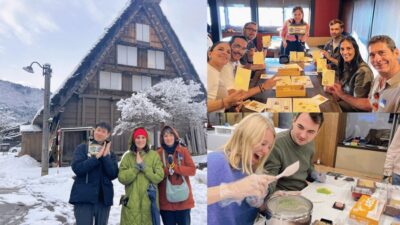
World Heritage Shirakawa-go & Two Local Experience
Read our review →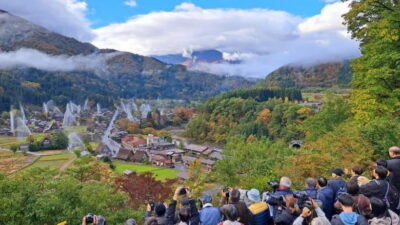
Kanazawa/Takayama: Shirakawago & Takayama Private Day Tour
Read our review →![Departing from Takayama [Regular sightseeing bus] World Heritage Sites Shirakawago and Gokayama Ainokura](https://media3.thejapanesetraveller.com/wp-content/uploads/departing-from-takayama-regular-sightseeing-bus-world-heritage-sites-shirakawago-and-gokayama-ainokura-400x267.jpg)
Departing from Takayama [Regular sightseeing bus] World Heritage Sites Shirakawago and Gokayama Ainokura
Read our review →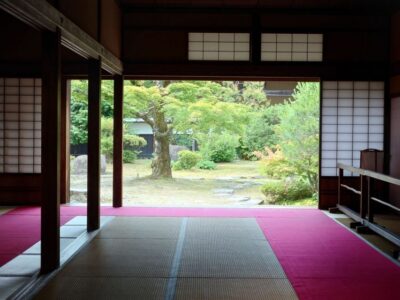
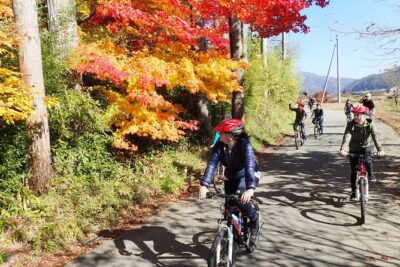
Private Afternoon Cycling Tour in Hida-Furukawa
Read our review →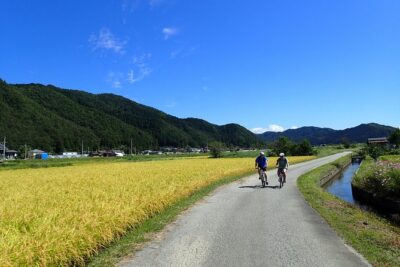
Private-group Morning Cycling Tour in Hida-Furukawa
Read our review →
Onigiri and miso soup making at a buddhist temple
Read our review →Browse the lists this tour appears in