
Reviewed · NAGANO TOURS
Nagano Snowshoe Hiking Tour
Togakushi’s winter magic is not found on a groomed resort trail. You follow a snow-covered approach beneath 400-year-old cedar trees, search the quiet beech forest for animal tracks, and walk across frozen Lake Kagami. Guide Kouhei Nishida adds useful local knowledge, hot drinks, and a relaxed pace to this five-hour outing.
I like the small group limit of eight, which gives the guide room to adjust the walk and explain what you are seeing. I also like the practical value: current MSR snowshoes, poles, and insurance are included. The main catch is weather. Avalanche risk has sometimes made the Okusha shrine approach unsafe, so the advertised route may change.
Key points to know before you book
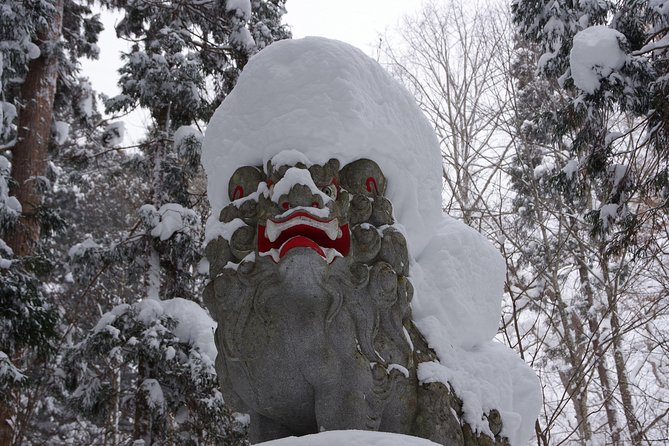
- 400-year-old cedar avenue: Snow piles around the famous approach to Togakushi Shrine’s inner sanctuary, creating the tour’s most memorable walking section.
- Frozen Lake Kagami: The lake is a major highlight, but access depends on winter conditions and the guide’s safety judgment.
- Five hours in deep snow: This is an active outing for people with moderate physical fitness, not a short photo stop.
- Kouhei Nishida leads the walk: He speaks good English, explains the area clearly, and brings hot drinks and snacks for a break.
- Gear is included: MSR snowshoes and poles come with the tour. Winter boots cost an extra 1,000 Japanese yen, with limited sizes and numbers.
- Kurohime Station meeting point: The tour begins and ends at Kurohime Station in Shinano, with pickup offered as a feature to confirm when booking.
Why Togakushi works so well in winter
Togakushi is tied to mountain worship, with ascetic practitioners training in the area since ancient times. That background gives the forest a sense of purpose beyond its good looks. The route is not simply a snowy walk through trees. It follows an approach connected to one of Nagano’s best-known shrine areas, then moves into a quieter world of beech forest, giant trees, and frozen water.
Myoko-Togakushi Renzan National Park is one of Japan’s heaviest snowfall areas. That matters to you in two ways. First, the snow makes the cedar-lined approach look extraordinary, with thick white cover on branches and trunks. Second, deep snow is exactly why snowshoes are needed. Ordinary winter walking shoes would be a poor match for parts of this route.
The tour’s appeal comes from the contrast. You get a recognizable cultural site at Togakushi Shrine, then a more natural outing where the guide points out tracks and seasonal access to trees that are difficult or impossible to reach without snow. It feels more like a winter expedition than a standard sightseeing transfer.
More walks and treks around Nagano:
- Fushimi Inari Hidden Hiking Tour (Private Option Available)
★ 5.0 · 1,750 reviews - Kyoto: 3-Hour Fushimi Inari Shrine Hidden Hiking Tour
★ 4.9 · 270 reviews - Hiroshima Local guided Hiking Tour&Open-air Tea Ceremony
★ 5.0 · 213 reviews
The cedar approach to Togakushi Okusha
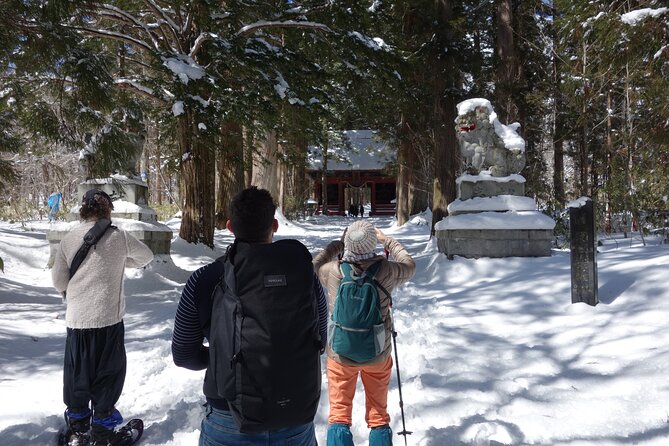
The first listed stop is Togakushi Shrine Okusha, the inner shrine. Its approach is lined with cedar trees said to be more than 400 years old. In winter, snow covers the branches and softens the path, turning the formal shrine approach into a long, quiet corridor through the forest.
This is the section for atmosphere rather than speed. You will be walking in snowshoes, so each step takes more effort than a normal woodland stroll. The guide can help you use the equipment and set a manageable pace, but you should still expect steady activity for much of the five-hour tour.
The shrine approach can also be the tour’s biggest variable. One outing had to skip the temple area because of avalanche danger. That is not a small disappointment if the cedar-lined route is your main reason for booking, but it is the right call in a snow-heavy mountain setting. A responsible guide will change the route rather than treat a shrine visit as more important than safety.
If the Okusha section is open, it offers the clearest link to Togakushi’s religious setting. If it is closed, the forest itself remains central to the outing, and the tour can continue toward the giant tree and Lake Kagami when conditions allow.
Into the beech forest and toward a giant tree
After the shrine approach, the walk enters the beech forest of the Myoko-Togakushi mountains. This is where the tour becomes less about a named sight and more about reading the winter woods.
Look down for animal footprints in the snow. Tracks are easy to miss when you are focused on staying upright, so having a guide point them out gives the forest an extra layer of interest. The quiet is part of the attraction too. Snow absorbs sound, and the forest can feel remarkably still.
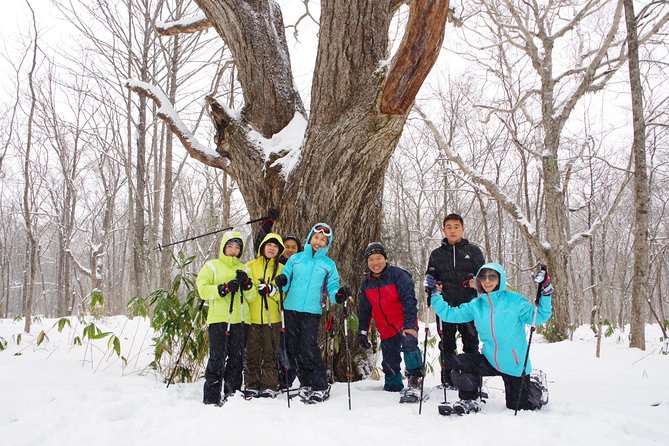
A giant tree that can be reached only during the snowy season is another planned feature. The supplied details do not identify the tree or give its exact size, so you should think of this as a seasonal woodland objective rather than a guaranteed landmark with a sign and viewing platform. Its value is in the access: snow changes which parts of the forest are reachable.
This portion may appeal most if you prefer natural settings over a tightly packed sightseeing schedule. You are not being moved from one quick viewpoint to another. Instead, the walk gives you time to notice tree forms, tracks, snow depth, and changes in the forest.
Coffee served from a table made of snow
One of the tour’s nicest touches is the mid-walk break. The guide makes a table from snow and serves coffee, with hot drinks and snacks also mentioned as part of the outing experience.
That detail sounds playful, but it has real practical value. Five hours in snow is much easier when you have a warm pause built into the day. It also makes the break feel tied to the place rather than like a rushed stop at a shop or visitor center.
Kouhei Nishida is repeatedly described as warm, thoughtful, and good at creating an easy atmosphere. He speaks good English and brings information without turning the walk into a lecture. For an outdoor tour, that balance matters. You want enough explanation to understand the shrine, forest, and wildlife signs, but also enough quiet to enjoy the snow.
Lunch is not included. The coffee and snacks help, but they should not be treated as a full meal. If you need more food during the day, plan to bring your own or arrange lunch separately. One group finished with soba at a beautiful restaurant afterward, but that meal was separate from the tour.
A few more Nagano half-days to weigh up
- 1-Day Snow Monkeys, Zenko-ji Temple & Sake in Nagano
★ 5.0 · 1,020 reviews - Nagano: Snow Monkeys, Zenkoji Temple & Sake Day Trip
★ 4.9 · 833 reviews - From Tokyo: Snow Monkey 1 Day Tour with Beef Sukiyaki Lunch
★ 4.6 · 295 reviews - Tokyo: Snow Monkey & Nagano Customiseable Private Day Tour
★ 4.8 · 138 reviews
Walking across frozen Lake Kagami
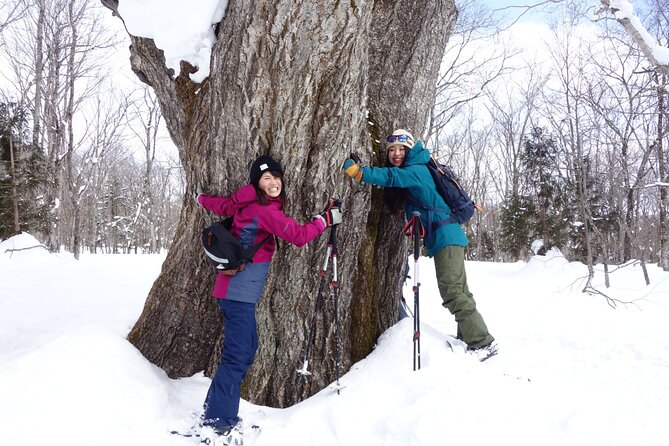
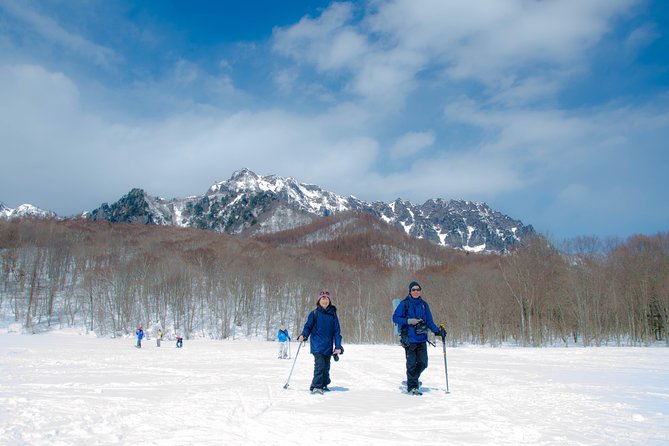
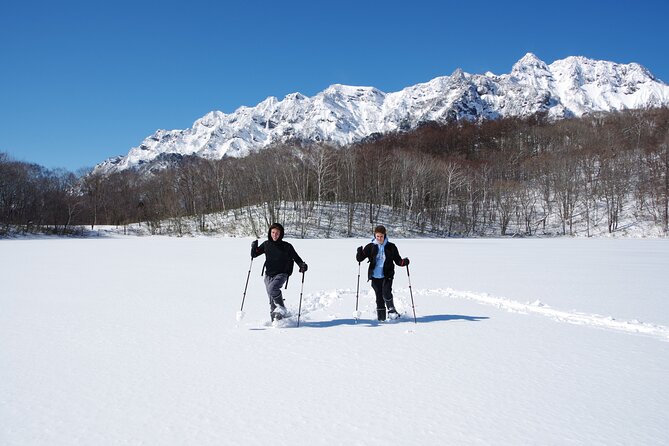
Lake Kagami is the tour’s other major setting. Walking on a frozen lake is a memorable winter experience, especially for anyone coming from a country without regular snow. The open surface gives you a change from the enclosed forest and can provide broad mountain and winter views.
The lake crossing is also the part where conditions matter most. Ice and snow are never just scenery, so the guide’s decision is important. The tour description presents the frozen lake as part of the experience, but it does not promise that every section will be accessible in every kind of weather. A poor-weather cancellation or route change is possible.
I would treat Lake Kagami as a strong reason to book, not as an absolute guarantee. That is the sensible approach for any activity built around frozen water and heavy snowfall. You will have a better day if you value the full winter setting, including the forest, trees, and shrine approach, instead of measuring success only by whether you stepped onto the lake.
MSR snowshoes, poles, and winter boots
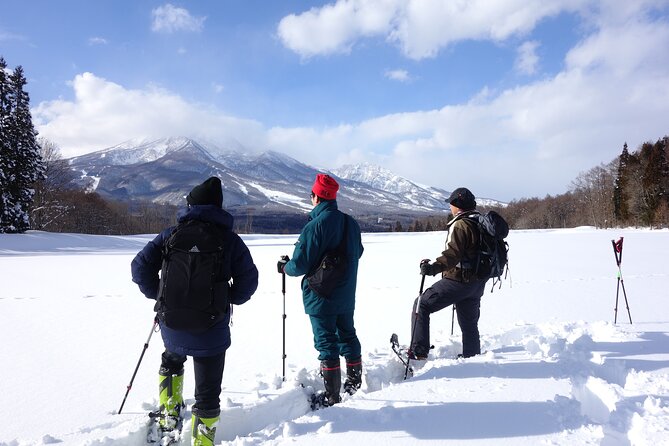
Snowshoe and pole rental are included in the price. The equipment is described as the latest MSR gear, which is useful because good snowshoes make deep snow less tiring and give you better support on uneven ground.
You still need suitable clothing. The supplied information does not list a full clothing rental package. Winter boots are available for an additional 1,000 Japanese yen, but sizes and quantities are limited. If you need them, request them early rather than assuming your size will be waiting at the meeting point.
The physical requirement is moderate fitness. That wording is worth taking seriously. You do not need to be an expert snowshoer, but you should be comfortable spending several hours outdoors and walking through snow. Snowshoeing is more tiring than ordinary walking, especially if the snow is deep or conditions are soft.
The guide can make the outing relaxed, and families have completed it successfully, but the tour is not designed as a passive winter sightseeing ride. Wear clothing suited to cold conditions, and expect your pace to be slower than on a dry trail.
What the five-hour format means for your day
The tour lasts about five hours and returns to the meeting point. That makes it a substantial half-day activity, not something to squeeze between two tightly timed attractions.
Starting and ending at Kurohime Station, Kashiwabara, Shinano, is useful if you are building a day around public transportation. The meeting point is near public transportation, and pickup is offered, but you should confirm the exact pickup arrangement when booking. The listed start point is the station, not a named hotel.
The small maximum of eight people is another practical advantage. A group that size is large enough to feel social but small enough for the guide to keep an eye on the pace and equipment. It also suits people who want questions answered without shouting over a crowd.
Confirmation is sent within 48 hours, subject to availability. That is important if you are planning around limited winter days. Book ahead, then leave some flexibility in your itinerary because poor weather or minimum group numbers can force a date change or cancellation.
Is the $97.98 price good value?
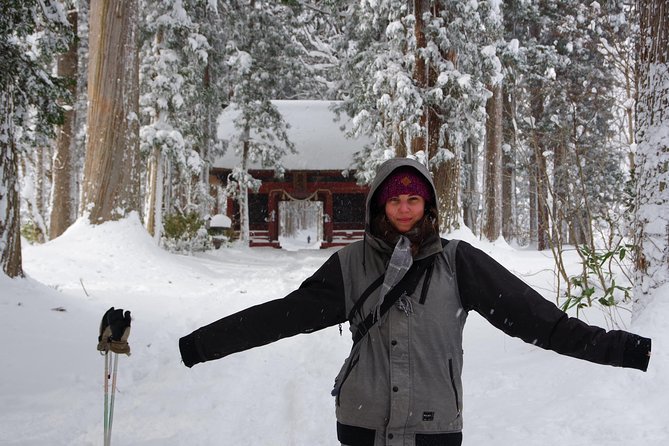
At $97.98 per person, the tour is not just charging for a walk. The price includes about five hours of guiding, snowshoes, poles, and insurance. You also get access to a route that would be harder to manage without equipment and local judgment.
I see the strongest value for visitors who do not already own snowshoes and who want more than a short introduction to snow. Renting equipment separately, finding a suitable route, and judging frozen-lake or avalanche conditions would take time and confidence. Here, those pieces are combined with a guide-led route.
The value is less clear if you only want to see Togakushi Shrine quickly. This is not an efficient shrine transfer. It is an outdoor experience that uses the shrine approach as one part of a longer forest outing.
Remember the extra costs. Winter boots are 1,000 Japanese yen if needed, with limited sizes. Lunch is not included. The tour does include insurance, which adds useful protection to an activity affected by snow and mountain conditions.
A five-star rating from 14 ratings and a 100 percent recommendation indicate very strong satisfaction so far. That is a small sample, so I would use it as encouragement rather than proof that every departure will have perfect weather. The experience depends heavily on snow conditions, the route available that day, and your comfort with winter walking.
Who will get the most from this tour?
This outing suits you if you want to see Nagano’s winter forests at walking pace. It is a good fit for families with enough stamina for several hours in snow, couples looking for a quiet outdoor day, and first-time snowshoers who prefer having equipment and instruction arranged.
It also works well for visitors from warm countries who want a real snow experience rather than a quick photo in a resort area. The cedar trees, beech forest, animal tracks, giant tree, coffee break, and frozen lake give the day several distinct moments.
You may want to skip it if your schedule is rigid, you dislike cold-weather exercise, or you need a guaranteed visit to the Okusha shrine. The avalanche-related route change is a clear reminder that mountain conditions control the day.
The tour is also not ideal if you need lunch included or require a particular boot size without arranging it in advance. Ask about winter boot availability before you commit.
Cancellation and weather planning
You can cancel for a full refund up to 24 hours before the local start time. Changes or cancellations inside that 24-hour window are not accepted for a refund.
Weather has a direct effect on this activity. If poor conditions cause the tour to be canceled, you are offered another date or a full refund. The same applies if the minimum number of participants is not met. Keep those rules in mind when planning rail connections, hotel nights, and other fixed bookings.
Should you book the Togakushi snowshoe tour?
I would book this tour if you want a genuine snow day in the forest, not simply a shrine visit with a winter backdrop. The combination of old cedars, a giant seasonal-access tree, animal tracks, a snow table with coffee, and Lake Kagami gives the five hours a clear sense of place.
The best reason to choose it is the guiding. Kouhei Nishida brings good English, local information, hot drinks, snacks, and a friendly pace. The best reason to hesitate is the weather. The Okusha route or frozen lake may not be available, and the activity requires moderate fitness.
Book it with flexible plans, confirm pickup and boot needs, and bring enough food for a half-day outing. If you can accept a route shaped by snow and safety, this is a strong-value way to experience winter in the Togakushi mountains.
FAQ
How long does the Nagano Snowshoe Hiking Tour last?
The tour lasts approximately five hours and ends back at the meeting point.
Where does the tour start and finish?
It starts at Kurohime Station, Kashiwabara, Shinano, in Nagano Prefecture, and returns to the same meeting point.
Is pickup available?
Pickup is offered. The listed meeting point is Kurohime Station, so confirm the exact pickup details when booking.
Are snowshoes and poles included?
Yes. Snowshoe and pole rental are included, and the equipment is described as the latest MSR gear.
Are winter boots included?
No. Winter boots can be rented for an additional 1,000 Japanese yen. Boot sizes and quantities are limited.
Is lunch included?
No. Lunch is not included in the tour price.
How many people can join the tour?
The maximum group size is eight travelers.
What level of fitness is needed?
A moderate level of physical fitness is required. You should be prepared to walk through snow for several hours.
What happens if bad weather cancels the tour?
You will be offered a different date or a full refund if poor weather causes the activity to be canceled.
More Snow in Nagano
- 3.5hours Primeval Forest Snowshoe hike and Wildlife Watching Tour
★ 5.0 · 14 reviews - Snowshoe Adventures and Onsen Bliss Winter Escape in Furano
★ 5.0 · 12 reviews
Just added around Nagano
- Snow Monkeys, Hokusai & Sake: A Perfect Day in Nagano★ 5.0 · 19 reviews
- 1-Day Tateyama-Kurobe Tour: Walking on the ‘Roof of Japan’★ 5.0 · 20 reviews
- Snow Monkey & Shibu Onsen Afternoon Tour (Depart: Iiyama & Nozwa)★ 5.0 · 54 reviews
- Wasabi Farm Walking Tour & Lunch★ 4.5 · 20 reviews
- Snow Monkey Park, Soba Lunch and Shibu Onsen Tour★ 5.0 · 12 reviews
- Snow Monkey Park & Miso Production Day Tour from Nagano★ 5.0 · 18 reviews
- Ski or Snowboard Lesson in Shiga Kogen (4Hours)★ 5.0 · 34 reviews
- Nagano Spring: 1-Day Cherry Blossoms & Snow Monkeys Guided Tour★ 5.0 · 31 reviews
Nagano Tours, compared.
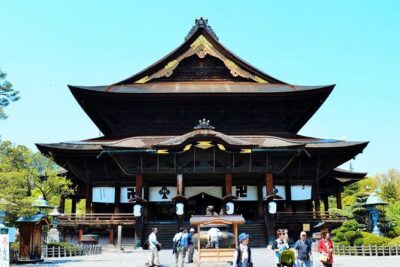
1-Day Snow Monkeys, Zenko-ji Temple & Sake in Nagano
Read our review →
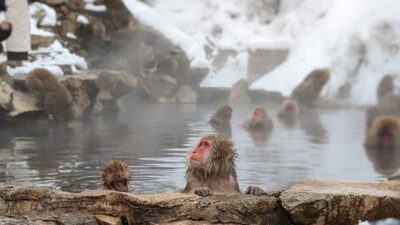
Snow Monkey 1 Day Tour with Beef Sukiyaki Lunch
Read our review →
1-Day Tour from Nagano and Matsumoto Kamikochi & Matsumoto Castle
Read our review →
1-Day Snow Monkeys & Snow Fun in Shiga Kogen Tour
Read our review →
Wild Japanese Flying Squirrel Watching Tour in Nagano
Read our review →Browse the lists this tour appears in