
Reviewed · TOKYO TOURS
Tokyo Private Day Trip – Enjoy Your First-Time Visit to Tokyo!
Tokyo can feel like five cities packed into one. This private day trip helps you make sense of it, linking the calm woods of Meiji Jingu with youth fashion in Harajuku, seafood stalls at Tsukiji, Tokyo Tower, and the red gates of Senso-ji. You travel by subway and on foot, so you see more than a bus window allows.
I like two things right away: the private format lets you ask questions and adjust the pace, and the guide can make Tokyo’s famously confusing rail system much easier to use. Guides such as Yutaka, Tatsu, Usha, Ken, and Taku have been praised for explaining customs, history, food, and daily life in clear English.
The catch is simple: this is a long, active day. Transport, lunch, and most entrance fees are extra, and one poor guide match can make the experience feel rushed or thin on information. Good guide work matters here.
Key points to know before you book
- Five very different Tokyo stops: You move from Meiji Shrine and Harajuku fashion to Tsukiji food, Tokyo Tower, and Asakusa’s Senso-ji Temple.
- A private English-speaking guide: Your group tours alone, with room to ask questions, change the pace, and request shopping or food stops.
- Public transport is part of the lesson: The guide helps you handle Tokyo’s trains and subway rather than simply carrying you from one sight to the next.
- The standard plan begins at Harajuku: The meeting point is Harajuku Station, and the scheduled finish is Asakusa Station.
- Bring walking shoes and cash: The day includes substantial walking, and some small shops accept cash only.
- Budget beyond the $99.49 price: Transport, lunch, Tokyo Tower entry, and other personal costs are not included.
Why this makes a smart first day in Tokyo
A first day in Tokyo can go badly when you spend half of it trying to understand train lines, station exits, and neighborhood distances. This tour gives you a local guide for the hard parts while showing you several major districts in one stretch.
The route also has a useful rhythm. You begin among cedar trees at Meiji Jingu, move into the colorful streets of Harajuku, stop for food around Tsukiji, then shift to city views and old Tokyo in the afternoon. You get temples, shopping, food, architecture, and modern city life without committing to a single theme.
At $99.49 per person, the price is reasonable for a private seven-hour guide if you are traveling with two or more people and want help using public transportation. It is less attractive for a solo visitor once you add train fares, lunch, and entry fees. The advertised additional cost for the pre-planned route is ¥2,780 per person, though the details also make clear that transport, food, and paid admissions are borne by you.
The strongest value is not admission to the sights. Most stops are free. You are paying for time, route planning, translation help, cultural explanation, and the confidence to use Tokyo’s trains. If that is what you need, the fee can save plenty of trial and error.
A few more Tokyo half-days to weigh up
- Mt Fuji and Hakone 1-Day Bus Tour Return by Bullet Train
★ 5.0 · 26,383 reviews - 1-Day Tokyo Bus Tour
★ 5.0 · 14,250 reviews - Mt Fuji & Hakone Cruise, Drum Show Bullet Train 1 Day from Tokyo
★ 4.0 · 7,413 reviews
Meiji Jingu, Tokyo’s green opening act
The day begins at Harajuku Station and usually moves first to Meiji Jingu. This major Shinto shrine is surrounded by a broad wooded area, a welcome change from the packed streets nearby. Its calm setting gives you a useful introduction to Japanese religious customs before the city becomes noisy and commercial.
You can expect about 50 minutes here. Your guide can explain how to behave at the entrance, where to bow, and how shrine visits differ from Buddhist temple visits later at Senso-ji. That contrast is one of the most useful teaching moments of the day.
Admission is free, but the walking surface and size of the grounds make comfortable shoes important. Meiji Jingu is not a quick photo stop. The greenery is part of its appeal, and moving through it takes time.
The shrine can also be crowded, particularly at popular visiting times and during special occasions. Your guide may need to adjust the pace if the paths are busy or if the weather is hot. One useful strength of a private tour is the chance to ask for a shorter visit if shopping or food matters more to you.
Takeshita Street and Omotesando, two faces of Harajuku
From the quiet shrine grounds, you enter Harajuku’s fashion district. Takeshita Street is associated with youth culture, colorful shops, inexpensive snacks, and a much younger crowd. Omotesando offers a more polished shopping atmosphere, with major fashion names and broad streets.
The scheduled visit lasts about 50 minutes, which is enough for a taste but not a serious shopping session. If you want to browse carefully, buy souvenirs, or stop for snacks, you may need to reduce time elsewhere or select the customizable option.
I like this part because it shows how quickly Tokyo changes character. Within a short distance, you move from traditional worship to trend-driven retail. A good guide can add context about Japanese fashion, neighborhood habits, and where to find souvenirs without leaving you to guess which street suits your interests.
Several high-rated guide experiences involved adjusting the plan around shopping, photography, and personal interests. If you have already seen Tokyo’s major temples, tell the guide that you want more time in Harajuku or Omotesando. If this is your first visit, the standard balance gives you a quick look at both.
Tsukiji Market, where lunch becomes part of the tour
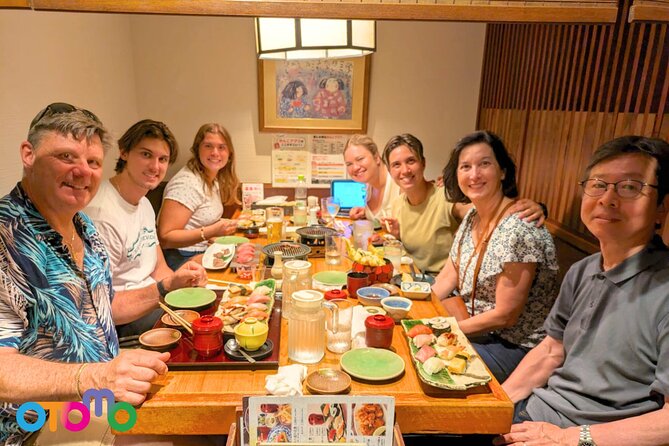
The Tsukiji stop lasts about an hour and a half, making it the longest scheduled visit. The old wholesale fish market moved to Toyosu in 2018, but the Tsukiji area remains a popular place for seafood shops, small food businesses, and market-style eating.
It is important to set your expectations correctly. You are not visiting the old wholesale market in its former form. You are exploring the historic Tsukiji area and its food shops. Lunch is not included, so you pay directly for what you eat.
This is one place where a guide can be especially useful. Ordering in a busy market, choosing a shop, and understanding unfamiliar seafood can be awkward on your first day. Guides have taken groups to local restaurants and helped with ordering, including affordable sushi and other Japanese meals.
Tsukiji’s schedule has a clear limitation. Many shops close on Wednesdays, Sundays, and public holidays. On those days, your guide may point you toward businesses that are open or shift lunch to nearby Ginza or Tsukishima.
Bring cash. Some places accept only cash, and you do not want to lose time searching for an ATM. The operator also recommends wearing a mask at Tsukiji if possible.
The market can be crowded, and food stops can eat into sightseeing time. One negative experience described a day that lost structure because of too many unplanned eating and browsing stops. I would be direct with your guide at the start: tell them how much time you want for lunch and whether food is a priority or simply a short break.
Same base, a completely different sort of day:
- Tokyo: TOKYO SKYTREE® Admission ticket
★ 4.5 · 11,192 reviews - Tokyo: teamLab Planets TOKYO Digital Art Museum Entry Ticket
★ 4.6 · 9,779 reviews - Tokyo: Sumo Show Experience with Chicken Hot Pot and a Photo
★ 4.8 · 6,678 reviews - Tokyo: Shinjuku Food Tour (13 Dishes at 4 Local Eateries)
★ 5.0 · 6,603 reviews
Tokyo Tower, a classic city view
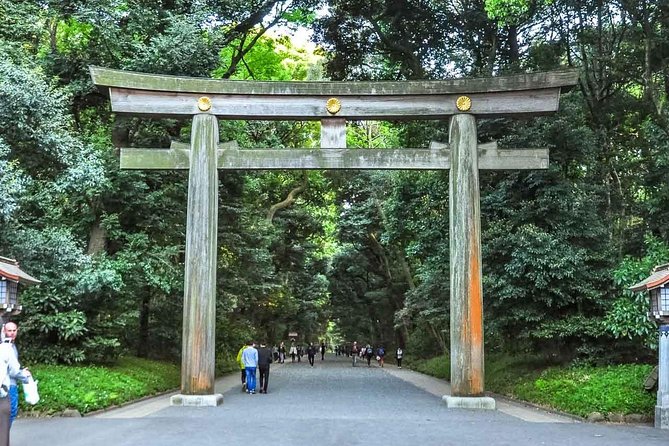
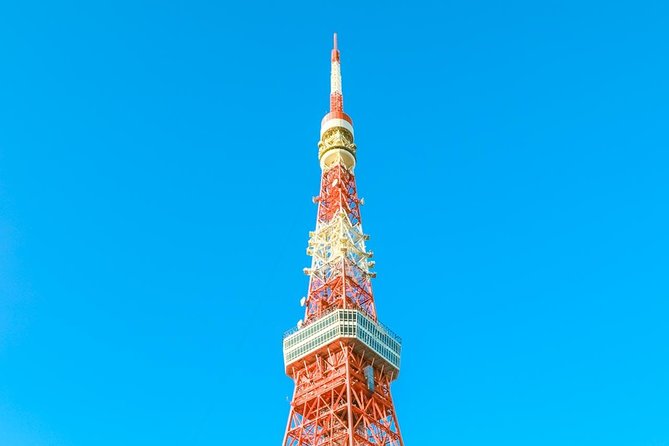
Tokyo Tower takes about 45 minutes and admission is not included. Built in 1958, it remains one of the city’s best-known landmarks, even though Tokyo Skytree is taller.
The tower offers a strong visual change from the intimate streets and religious sites earlier in the day. You see Tokyo as a huge built-up city rather than a collection of separate neighborhoods. If you want to go up, budget for the entry fee and confirm how much time remains in the schedule.
The standard stop may focus on seeing the tower from outside rather than spending a long time at the observation decks. This matters if the view is your main reason for booking. Ask in advance if you want a paid observation visit included in your plan.
Several guides have adjusted schedules for specific interests. One guide added Tokyo Skytree time, while another helped a group reach a special installation. Those changes are not guaranteed, but they show why the private format can work well when you communicate clearly.
Senso-ji and Asakusa, a traditional finish
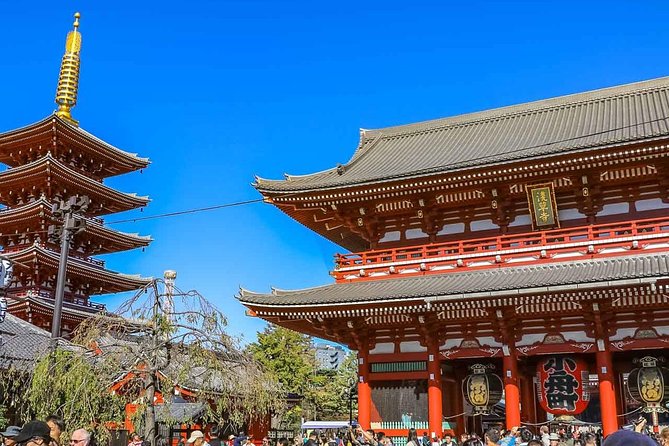
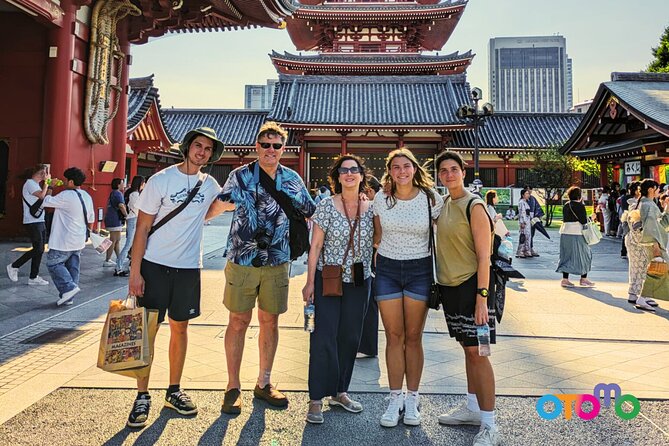
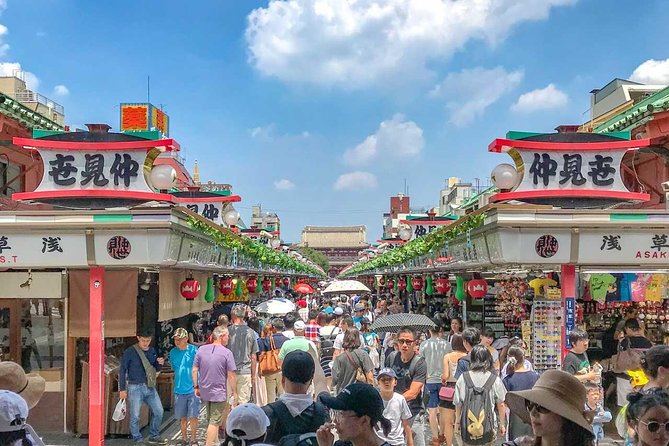
The route ends at Senso-ji in Asakusa, Tokyo’s oldest temple. Its large red lanterns and bright gates make it one of the city’s most recognizable sights. The surrounding area has a more traditional feel than Harajuku, with temple buildings, souvenir shops, and streets built around the visitor flow to the temple.
You get about 45 minutes here, and admission is free. That is enough to see the main approach and temple area, but not enough for a slow exploration of every side street. If you want time for shopping in Asakusa, say so before the tour begins.
Senso-ji also gives your guide a chance to explain Buddhist customs and compare them with what you saw at Meiji Jingu. That sort of comparison is more useful than receiving isolated facts at each stop. It helps you recognize the difference between a shrine and temple during the rest of your Japan trip.
The official endpoint is Asakusa Station. Some guides have helped groups navigate back to hotels or find the right train after the tour, but hotel return is not part of the standard plan. Plan your onward route, or ask your guide for help if you are unsure.
What the private format really changes
A private tour does not make Tokyo’s distances disappear. You still walk and ride trains, but you can ask for help when a station feels confusing, pause for photos, or change the balance between sights and shopping.
This flexibility has been especially useful for families, older adults, and people arriving by cruise ship. Guides have adjusted routes for heat, rain, changing interests, and last-minute requests. One guide took extra time to help a group reach Tokyo Skytree, while another cared for an older parent in wet weather.
You should still tell the guide about mobility concerns before the day begins. The tour recommends sneakers because there is a lot of walking. Bad weather can also change the route, transport, or destinations, and temporary closures may require substitute stops.
The private setup also helps if your group has mixed interests. One person can ask about history, another can shop, and someone else can focus on food. You will need to communicate, though. A private guide cannot guess your priorities.
English, guiding quality, and what to request
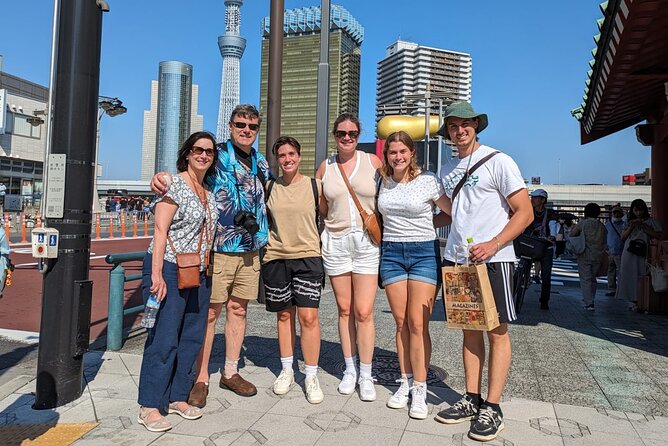
Guide quality is the biggest variable. Many guides have been praised for clear English, cultural insight, patience, photography help, and train assistance. Ken was noted for explaining Japanese history and modern society, Taku for making the rail system less intimidating, and Usha for creating a plan around specific interests.
Other experiences were weaker, with little historical explanation or unclear pacing. One serious complaint involved a family becoming separated at a train gate. The company apologized and said it was tightening procedures. You should treat train safety as a basic priority: make sure everyone understands the meeting point before boarding and never assume the group will automatically stay together.
If you choose the customizable option, contact the guide about two weeks ahead with your preferred sights and interests. If you do not respond, the standard route may be used. Hotel meeting points are allowed only when the hotel is in Tokyo.
Useful requests include:
- More time for shopping in Harajuku or Asakusa
- A stronger food focus at Tsukiji
- Extra explanation of Shinto and Buddhism
- Help learning train routes for the rest of your stay
- A shorter walking plan in hot or wet weather
- More time at Tokyo Tower or another requested sight
The guide may be able to make changes, but the day still has limits. You cannot thoroughly explore five major areas in seven hours.
Timing, costs, and practical planning
The tour lasts about seven hours. The standard meeting point is Harajuku Station at 1 Chome-18 Jingumae, and the planned finish is Asakusa Station at 1-chome-1-3 Asakusa. Hotel pickup is not included for the pre-planned route.
You pay separately for:
- Train and subway fares
- Lunch and drinks
- Tokyo Tower entry
- Other admission fees
- Personal purchases
- Any extra costs connected with a custom plan
The listed pre-planned additional cost is ¥2,780 per person. Check the final booking details carefully because the tour also states that all transport, food, and entrance costs are paid by you.
Wear sneakers, carry water, and keep some Japanese yen with you. The route crosses several districts, so comfortable clothing matters more than dressing for a formal attraction. If the forecast is poor, expect changes rather than assuming every stop will happen exactly as planned.
Free cancellation is available until 24 hours before the start time. Changes made within 24 hours are not accepted, and the paid amount is not refunded for a late cancellation.
Who should book this Tokyo day trip
I would choose this tour for a first visit when you want a broad introduction and do not want to solve Tokyo’s rail system alone. It is also a good fit for families, couples, small groups, and cruise passengers with one full day available.
You will get the most from it if you enjoy walking, accept a quick pace, and want a guide who can explain local customs as you go. The tour is less suitable if you want deep time at one museum, a slow food crawl, or a relaxed day with little movement.
It can also work well on your first full day, since you learn how Harajuku, Tsukiji, Tokyo Tower, and Asakusa connect. Afterward, you can return to the areas that deserve more time.
Should you book it?
Book this tour if your main goal is to get your bearings fast, see major Tokyo contrasts, and have private help with trains and ordering food. The $99.49 starting price can be good value for a small group, especially when a strong guide such as Taku, Ken, Usha, or Yutaka turns the day into a practical introduction rather than a simple checklist.
Before booking, decide what matters most: shopping, food, temples, city views, or transport help. Choose the custom option if your priorities do not match the standard route, and contact the guide early. If you want a slow pace or guaranteed depth at every sight, plan a shorter private route instead.
FAQ
How long does the Tokyo private day trip last?
The experience lasts approximately seven hours.
Where does the standard tour start?
The standard meeting point is Harajuku Station at 1 Chome-18 Jingumae, Shibuya, Tokyo.
Where does the standard tour end?
The scheduled endpoint is Asakusa Station at 1-chome-1-3 Asakusa, Taito City.
Is hotel pickup included?
Hotel pickup is not included for the pre-planned must-see tour. A hotel in Tokyo may be selected as a meeting point with the customizable option.
Are transportation costs included?
No. You pay all train and subway fares used during the tour.
Is lunch included?
No. Lunch and drinks are paid for separately. The guide can direct you to open restaurants near Tsukiji, Ginza, or Tsukishima when needed.
Is Tokyo Tower admission included?
No. The Tokyo Tower admission fee is not included.
Can the tour be customized?
Yes. You can select a customizable option and contact the guide about your plans two weeks in advance. If you do not respond, the standard itinerary may be used.
Just added around Tokyo
- Private Arrival Transfer : Narita International Airport to Central Tokyo City★ 4.5 · 12 reviews
- Narita Airport(NRT): Private Transfer to Tokyo/Yokohama 1-9pax★ 5.0 · 47 reviews
- Private Transfer from Narita Airport to Yokohama Port and City★ 4.5 · 17 reviews
- [Narita Airport Terminals 1, 2] 40-60km Sawara Itako Historic Bike Tour★ 5.0 · 13 reviews
- 3 Day Japan Highlights Tour: Tokyo, Mt.Fuji, Nara, Kyoto, Osaka★ 5.0 · 22 reviews
- Small Town in the Big City: Tasting Tokyo’s Kichijoji★ 5.0 · 195 reviews
- Small Town in the Big City: Tasting Tokyo’s Kichijoji★ 5.0 · 16 reviews
- The 10 Tastings of Tokyo With Locals: Private Street Food Tour★ 5.0 · 48 reviews
Tokyo Tours, compared.
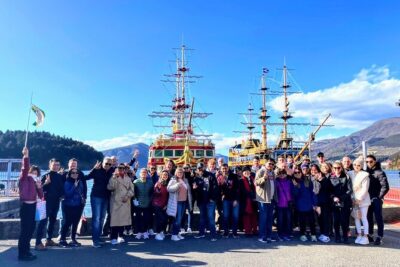
Mt Fuji and Hakone 1-Day Bus Tour Return by Bullet Train
Read our review →
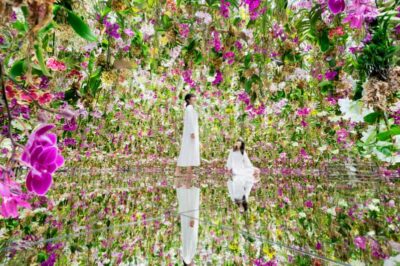
teamLab Planets TOKYO Digital Art Museum Entry Ticket
Read our review →
Mt Fuji & Hakone Cruise, Drum Show Bullet Train 1 Day from Tokyo
Read our review →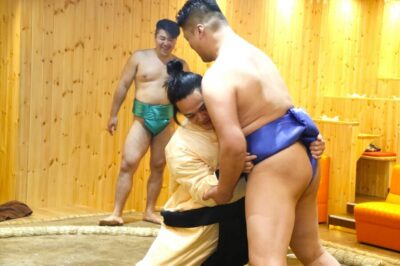
Sumo Show Experience with Chicken Hot Pot and a Photo
Read our review →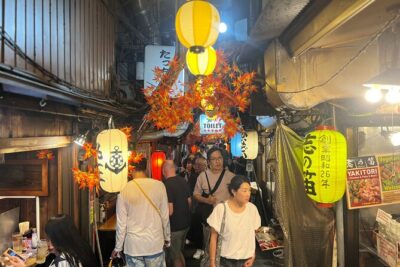
Shinjuku Food Tour (13 Dishes at 4 Local Eateries)
Read our review →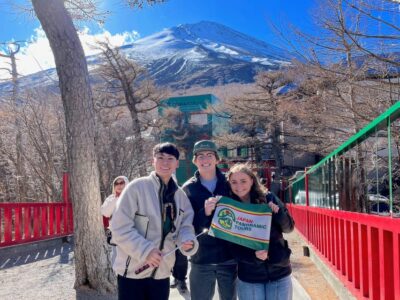
Tokyo Mt Fuji 5th St & Hakone Cruise Bus Tour w/Bullet Train
Read our review →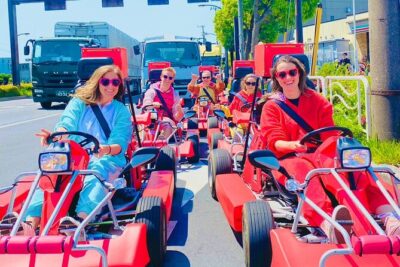
Flagship 2-Hours Official Street Go-Kart Tour – Tokyo Bay Shop
Read our review →Browse the lists this tour appears in