Reviewed · TOKYO TOURS
Make Sushi and Create Unforgettable Memories in Tokyo
Making sushi in Asakusa turns lunch into a small cultural lesson. At Sushi Making Tokyo, you learn to shape nigiri, roll maki, and prepare hand rolls, then eat the results. Instructors such as Ken, Yuto, Rino, and Momo guide the class in English, with plenty of room for jokes and questions.
I like the generous food portion, often described as eight pieces of maki and eight pieces of nigiri per person. I also like the setting near Sensoji Temple, which lets you pair this hands-on class with one of Tokyo’s oldest and most atmospheric neighborhoods.
The main thing to consider is class size. The activity can take up to 30 people, and the working groups may feel less personal than a tiny chef-led lesson. Instruction is aimed at beginners and families, not aspiring sushi professionals.
Key points at a glance
- Make several sushi styles: Practice nigiri, maki rolls, hand rolls, and cute temari sushi.
- Eat what you prepare: Ingredients and the finished meal are included, with portions large enough to serve as lunch for many people.
- English instruction: Friendly instructors explain both technique and basic sushi history in clear English.
- Excellent Asakusa location: The meeting point is at 2-chōme-17-9 Kaminarimon, just steps from Sensoji Temple.
- Good for families and solo visitors: You can join alone, bring teenagers, or make it a shared family activity.
- Budget for drinks: Sake and other beverage choices may cost extra, so check before ordering a set.
Why this Asakusa class works so well
Sushi is easy to eat and surprisingly tricky to make. The rice must hold together without turning heavy, the fish needs to sit neatly on top, and a maki roll requires the right pressure at the right moment. That makes this class more than a meal, but less demanding than a formal culinary course.
You are not simply watching someone prepare a perfect plate. You handle the ingredients, follow each stage, and see how a few basic movements change the shape of the finished sushi. Even a slightly lopsided nigiri becomes part of the fun because you get to eat it afterward.
The class lasts about 1 hour and 40 minutes, a useful length for a Tokyo itinerary. It is long enough to cover several styles and some cultural background, but short enough to fit before or after a visit to Sensoji Temple, Nakamise shopping street, or the Kaminarimon area.
A few more Tokyo half-days to weigh up
- Mt Fuji and Hakone 1-Day Bus Tour Return by Bullet Train
★ 5.0 · 26,383 reviews - 1-Day Tokyo Bus Tour
★ 5.0 · 14,250 reviews - Tokyo: TOKYO SKYTREE® Admission ticket
★ 4.5 · 11,192 reviews
Arriving near Kaminarimon and Sensoji Temple
The meeting point is 2-chōme-17-9 Kaminarimon, Taito City, Tokyo 111-0034. This places you in Asakusa, one of the easiest areas in Tokyo for combining food, temple visits, and old-fashioned city atmosphere.
Give yourself time to find the address. Asakusa can be confusing when you are moving between the large Kaminarimon gate, side streets, and the temple grounds. The activity is near public transportation, but hotel pickup and drop-off are not included, so you make your own way there.
The location is one of the strongest parts of the booking. You can visit Sensoji before class, then treat the sushi lesson as a break from sightseeing. Or take the class first and explore the temple afterward, when you have a better feel for the neighborhood’s food culture.
The activity ends back at the meeting point. That makes planning simple, especially if you are traveling with children or carrying shopping bags from Asakusa.
Learning the story behind sushi
The lesson begins with an introduction to sushi and its development. The history is not presented as a long academic talk. Instead, it gives you enough background to understand why different forms of sushi exist and how they are prepared.
That context adds value. Nigiri, maki, hand rolls, and temari sushi are not just different shapes for the same dish. Each has its own method, appearance, and balance between rice, filling, and topping.
The instructors also use small bits of history and trivia to keep the session moving. Several instructors have been praised for clear explanations and good energy, with Yuto, Rino, Ken, Momo, Yui, Ayu, and others named as especially helpful teachers during different sessions.
English is the working language, which removes a major barrier for international visitors. One useful point from the class experience is that speaking speed can vary by instructor. Most explanations are described as clear, but if you need a slower demonstration, ask early and directly.
Making nigiri, maki, and temari sushi
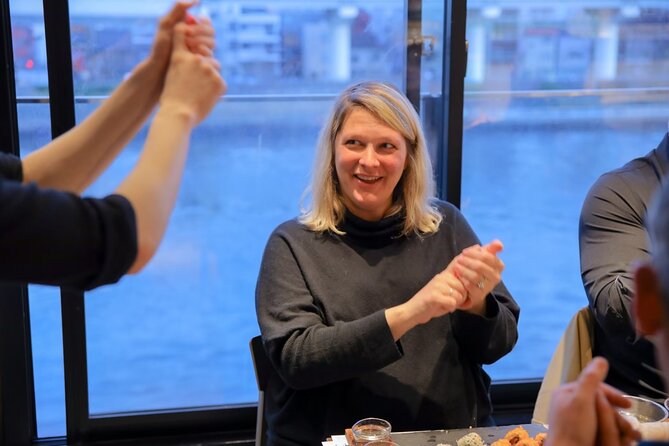
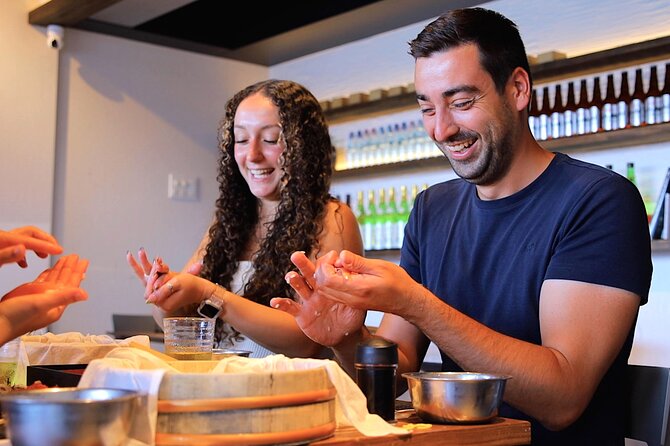
The practical section is the heart of the experience. You follow step-by-step demonstrations, then prepare your own pieces with staff nearby to help.
Nigiri is usually the most deceptive style. It looks simple: a small piece of rice with fish on top. In practice, forming a firm but gentle rice base takes control. The class breaks the process into small steps, which helps children and first-time cooks follow along.
Maki requires a different skill. You work with a rolling mat and learn how to spread, fill, and shape the roll. One useful progression is that the class may begin with an easier sushi type before moving to rolled sushi, giving you a quick success before the more technical task.
Hand rolls add another shape and texture. They are less formal in appearance and fun to assemble, particularly if you are cooking with children or friends. Temari sushi brings a decorative element, with small rounded pieces that can look especially appealing in photographs.
The ingredients and cooking equipment are supplied and arranged before the activity begins. That keeps the session focused on learning rather than shopping, chopping, or waiting for basic preparation.
Same base, a completely different sort of day:
- Tokyo: teamLab Planets TOKYO Digital Art Museum Entry Ticket
★ 4.6 · 9,779 reviews - Mt Fuji & Hakone Cruise, Drum Show Bullet Train 1 Day from Tokyo
★ 4.0 · 7,413 reviews - Tokyo: Sumo Show Experience with Chicken Hot Pot and a Photo
★ 4.8 · 6,678 reviews - Tokyo: Shinjuku Food Tour (13 Dishes at 4 Local Eateries)
★ 5.0 · 6,603 reviews
How much food do you get?
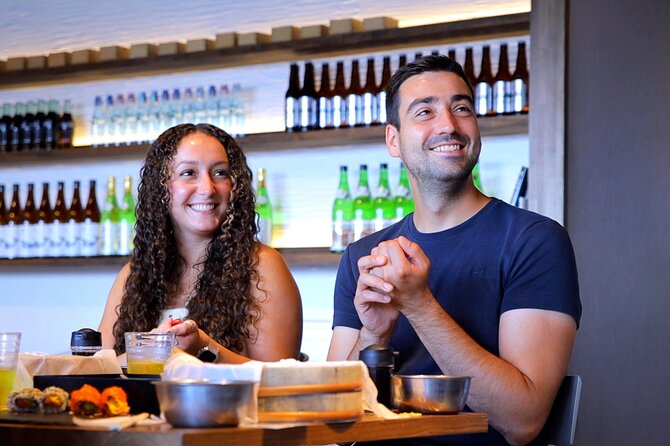
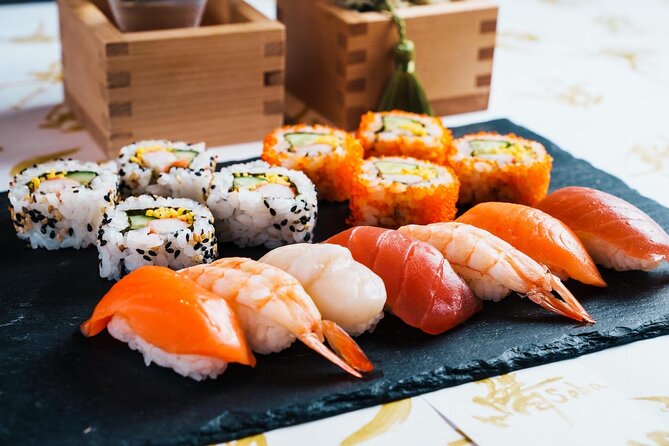
The portion is a major reason the $79.59 price can make sense. A commonly described serving is eight pieces of maki and eight pieces of nigiri per person, though the exact selection may vary with the class setup.
That is enough to function as a proper meal for many people, not just a taste. Several people have found the serving filling, and the arrangement lets you try more than one sushi style in a single sitting.
The fish has been described as fresh and good quality, while the ingredient variety includes traditional Japanese-style choices. You also eat the sushi you make, which changes the value calculation. You are paying for instruction, food, and an activity that occupies part of your day, rather than buying a restaurant lunch alone.
Sake and other drinks may be available for an extra charge. If you see the word set on a Japanese menu, note that it usually means a combination meal rather than a single serving. That matters if you are ordering a sake set for younger family members.
A friendly class for families and solo visitors
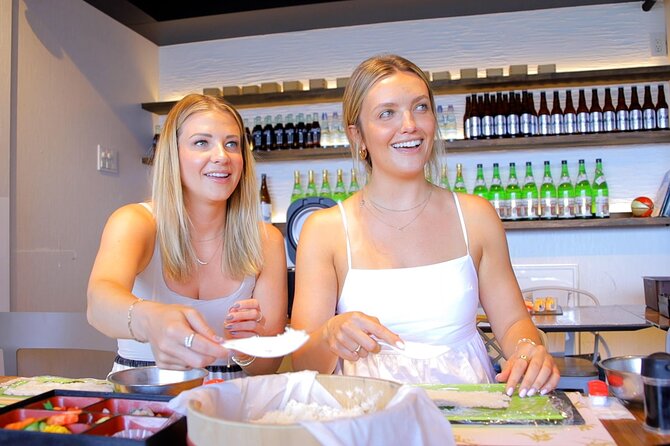
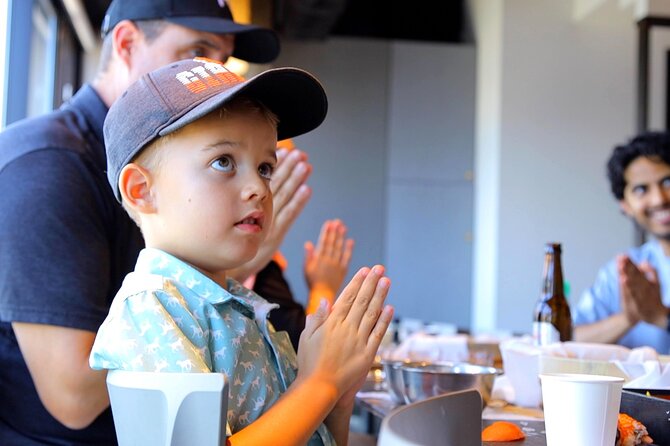
The tone is relaxed and social. You can book as a solo visitor and still have a clear role in the activity, rather than feeling like you have arrived at a private group event. The instructors make an effort to keep the mood light, which helps when your first sushi roll does not look quite like the demonstration.
Families are well served here. Children around 10 to 13 have been able to follow the instructions, and teenagers have responded well to the hands-on format. The class also includes non-raw options, so a family member who does not eat raw fish can still prepare and enjoy sushi.
The format suits people who like doing rather than watching. If you want a quiet, intimate lesson with extended discussion of knife work, rice temperature, fish cutting, or professional restaurant technique, this may feel too basic.
Class size deserves an honest note. The activity allows up to 30 people, and some sessions can feel large even when participants are divided into smaller groups. That arrangement keeps the booking accessible, but personal attention may vary depending on how many people need help at once.
Dietary needs and practical limits
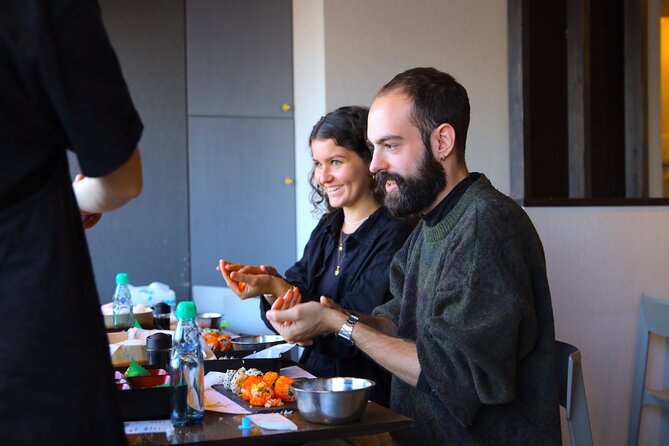
The class has accommodated shellfish allergies and gluten-free requests, including a gluten-free child, according to the reported class experiences. Still, you should communicate any allergy or dietary need when booking or before the session. Do not assume every substitution is automatic.
The official information confirms that service animals are allowed. The activity is near public transportation, and confirmation arrives when you book. It is also a mobile-ticket experience, so keep the booking information available on your phone.
No hotel transfer is provided. You are responsible for reaching the Kaminarimon meeting point and returning from there after the meal.
The cancellation policy is flexible if your plans change early. You can cancel for a full refund up to 24 hours before the local start time. Cancellations or changes inside that window are not refunded or accepted. The class also requires a minimum number of participants, and if the operator cancels for that reason, you are offered another date or experience, or a full refund.
Is $79.59 a fair price?
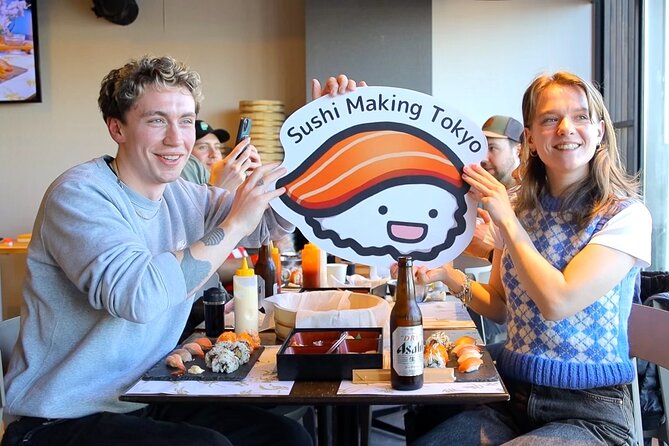
At $79.59 per person, this is not the cheapest lunch in Tokyo. You can eat sushi for less, especially at a casual conveyor-belt restaurant. The comparison is not quite fair, though, because this booking includes an English-speaking instructor, cultural explanation, ingredients, equipment, preparation, and the meal you make.
The value is strongest if you want an activity that brings people together. For a couple, family, or small group of friends, the class gives you a shared story and a skill you can try again at home. For a solo visitor, it offers a structured way to meet people without needing to arrange a private guide.
The value is weaker if you mainly want top-end sushi or advanced instruction. This is a practical introduction, not a professional sushi apprenticeship. The ingredients are intended for a class setting, and the teaching focuses on making approachable sushi successfully within a short visit.
The large portion also helps. If you eat everything you prepare, the class can replace lunch while giving you nearly two hours of activity. Add the Asakusa location and the price becomes easier to justify as part of a sightseeing day.
What the class does best, and where it falls short
The strongest feature is the teaching atmosphere. Instructors are repeatedly described as warm, funny, attentive, and easy to follow. Names vary by session, but Ken, Yuto, Rino, Momo, Yui, Ayu, and other staff members have all helped create a welcoming experience.
The second strength is the balance between education and play. You learn sushi history, hear small facts about the different styles, and still spend most of your time doing something with your hands.
The food is another clear plus. Fresh ingredients, varied fillings, attractive presentation, and generous servings make the meal feel worthwhile. You also leave with greater confidence if you have a sushi-making kit at home but never knew how to use it.
The weak point is consistency of instruction. One person found the class too basic and not professional enough, while another found the directions could have been clearer in a large group. That is a fair warning: the class aims at broad appeal, so the pace and level may not satisfy an experienced cook.
Who should book this experience?
I would choose this class if you are visiting Asakusa with children, teenagers, a partner, or friends and want a break from temple visits and shopping. It also works well as a solo booking because the instructors make the activity social without requiring you to arrive with a group.
It is especially useful for:
- First-time sushi makers
- Families seeking an activity for different ages
- People who want an English-language cultural lesson
- Visitors who enjoy eating a meal they prepared themselves
- Home cooks looking for basic confidence with maki and nigiri
I would think twice if your goal is advanced sushi technique, a very small class, or a serious chef-to-student format. The maximum group size and beginner focus are part of the deal.
Should you book Sushi Making Tokyo?
Book it if you want a cheerful, hands-on activity near Sensoji Temple and you value the shared experience as much as the food. The generous portion, English instruction, friendly teaching style, and family-friendly format make it a strong choice for a first sushi class.
Skip it if you are seeking a refined sushi meal or professional-level training. For most visitors, though, the combination of making nigiri and maki, learning a little about Japanese food culture, and eating the finished plate offers good value for a Tokyo afternoon.
FAQ
Where does the sushi-making class meet?
The meeting point is 2-chōme-17-9 Kaminarimon, Taito City, Tokyo 111-0034, Japan, near Sensoji Temple in Asakusa.
How long does the activity last?
The class lasts approximately 1 hour and 40 minutes.
Is the class taught in English?
Yes. An English-speaking instructor guides you through the sushi-making steps and explains sushi history and related cultural details.
What types of sushi will I make?
The class teaches several styles, including nigiri, maki rolls, hand rolls, and temari sushi. The exact combination can vary by session.
Is food included in the price?
Yes. The ingredients used in the cooking class and the meal you make are included.
Is hotel pickup provided?
No. Hotel pickup and drop-off are not included. The activity begins and ends at the Kaminarimon meeting point.
Can I cancel for a full refund?
Yes. You can cancel at least 24 hours before the experience start time for a full refund. Cancellations or changes made less than 24 hours before the start time are not accepted or refunded.
Just added around Tokyo
- Private Arrival Transfer : Narita International Airport to Central Tokyo City★ 4.5 · 12 reviews
- Narita Airport(NRT): Private Transfer to Tokyo/Yokohama 1-9pax★ 5.0 · 47 reviews
- Private Transfer from Narita Airport to Yokohama Port and City★ 4.5 · 17 reviews
- [Narita Airport Terminals 1, 2] 40-60km Sawara Itako Historic Bike Tour★ 5.0 · 13 reviews
- 3 Day Japan Highlights Tour: Tokyo, Mt.Fuji, Nara, Kyoto, Osaka★ 5.0 · 22 reviews
- Small Town in the Big City: Tasting Tokyo’s Kichijoji★ 5.0 · 16 reviews
- The 10 Tastings of Tokyo With Locals: Private Street Food Tour★ 5.0 · 48 reviews
- Small Town in the Big City: Tasting Tokyo’s Kichijoji★ 5.0 · 195 reviews
Tokyo Tours, compared.

Mt Fuji and Hakone 1-Day Bus Tour Return by Bullet Train
Read our review →

teamLab Planets TOKYO Digital Art Museum Entry Ticket
Read our review →
Mt Fuji & Hakone Cruise, Drum Show Bullet Train 1 Day from Tokyo
Read our review →
Sumo Show Experience with Chicken Hot Pot and a Photo
Read our review →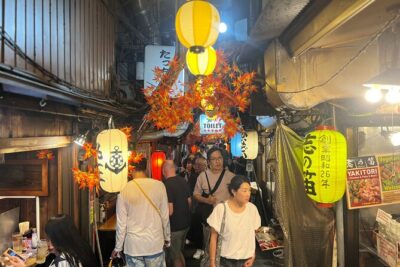
Shinjuku Food Tour (13 Dishes at 4 Local Eateries)
Read our review →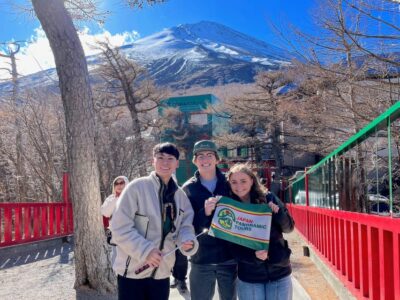
Tokyo Mt Fuji 5th St & Hakone Cruise Bus Tour w/Bullet Train
Read our review →