Reviewed · TOKYO TOURS
Private Custom Tour: Tokyo in a Day
Tokyo rewards a flexible plan, and this private tour lets you shape the day around what matters to you. You can combine Tsukiji, Asakusa, Meiji Shrine, and Shibuya with food, shopping, history, or a quieter neighborhood such as Yanaka. Guides including Shuhei, Roy, Sabina, Keiji, and Yuki have been praised for adjusting the day to fit families, older couples, teenagers, and very specific interests.
I like the personal planning and the choice of transport. You can learn to use Tokyo’s trains and subway with a local guide, or choose private vehicle travel when comfort and time matter more. I also like the food angle, from seafood tastings around Tsukiji to ramen and street food chosen with help from your guide.
The main caution is the pace. A full public-transport day can mean more than 20,000 steps, about 14 kilometers, with stairs and some routes that are not barrier-free. A few experiences may cost extra, and guide English can vary, so clear planning before the day is worth your time.
Key Points at a Glance
- Design the day around your interests: Choose temples, food, shopping, modern Tokyo, Japanese history, or a mix.
- Pick four or eight hours: The half-day works for a focused introduction, while the full day covers several distinct areas.
- Use Tokyo transit as part of the lesson: Your guide can show you how to handle trains and subway lines on your own.
- Add private vehicle comfort: This is useful for families, older visitors, hot weather, or a route spread across the city.
- Expect a personal guide, not a fixed group: Only your party joins the activity, with hotel pickup and drop-off in Tokyo’s 23 wards.
- Plan for walking and extra fees: Optional attractions can cost more, and a full public-transport route may be physically demanding.
Why a Custom Tokyo Day Can Be So Useful
Tokyo is not a city you understand by checking off one landmark at a time. Its character comes from the sharp change between neighborhoods: a solemn shrine, a food market, a polished shopping avenue, an old-fashioned arcade, and a wall of neon may all appear in the same day.
That makes a private custom tour especially useful at the beginning of a stay. You can ask for the famous places, but also explain what you actually enjoy. A family with teenagers might favor Harajuku, Shibuya, and Akihabara. A couple interested in tradition might prefer Meiji Jingu, Senso-ji, gardens, and old Tokyo streets. Food-focused visitors can center the day on Tsukiji, ramen, sake, or street snacks.
Before pickup, discuss your must-see places, walking limits, food preferences, and interest in public transportation. Guides have adapted plans at short notice, but the more clearly you explain your priorities in advance, the better the day can fit together.
The tour costs $159.18 per person. That is a reasonable figure for a private eight-hour day if your group wants personal attention, hotel transfers, and help moving through a huge city. The value is less clear for a solo visitor on a tight budget, especially if you choose private transport or add paid attractions.
The base experience includes a professional English-speaking guide, transportation fares when using public transit, hotel pickup and drop-off in the 23 wards, and lunch with the full-day option. Additional activity fees are not included, so ask about entrance charges before adding optional sites.
A few more Tokyo half-days to weigh up
- Mt Fuji and Hakone 1-Day Bus Tour Return by Bullet Train
★ 5.0 · 26,383 reviews - 1-Day Tokyo Bus Tour
★ 5.0 · 14,250 reviews - Tokyo: TOKYO SKYTREE® Admission ticket
★ 4.5 · 11,192 reviews
Starting at Tsukiji for Food and Orientation
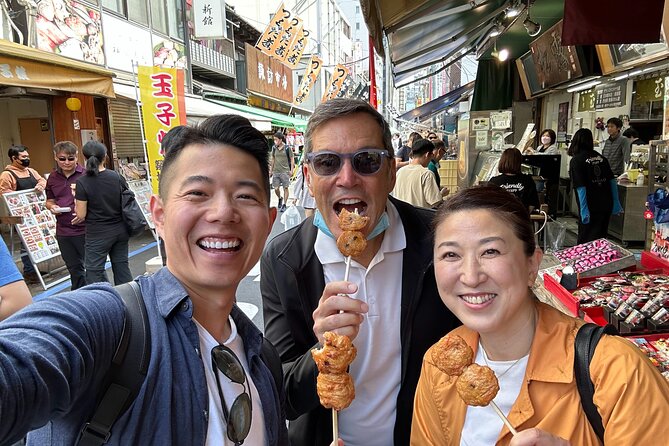
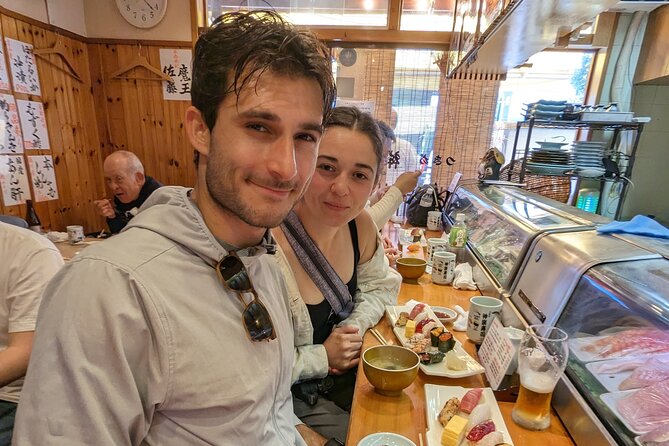
The old Tsukiji Market is a strong opening choice because it gives you an immediate feel for Tokyo’s food culture. The former wholesale fish market has moved, but the outer market area remains a place to browse seafood, small food shops, kitchen goods, and quick bites.
You can spend up to two hours here, though your exact time depends on your interests. If you want to taste different seafood, tell your guide early. One well-received route included several seafood samples, followed by a local lunch recommendation. Another included ramen, while a separate private-vehicle day centered lunch on street food.
The market is best treated as a place for grazing rather than a formal meal stop. You may find that the most enjoyable part is choosing small portions and trying foods you would not order alone. Your guide can also help explain customs and ingredients without turning the stop into a lecture.
There are two practical cautions. Tsukiji can be crowded, and shops do not all keep identical hours. One family began at a stop that was closed, a reminder to confirm opening days and current operating conditions before the tour. The provider notes that attraction availability can change.
Hama Rikyu Gardens and the Imperial Palace Area
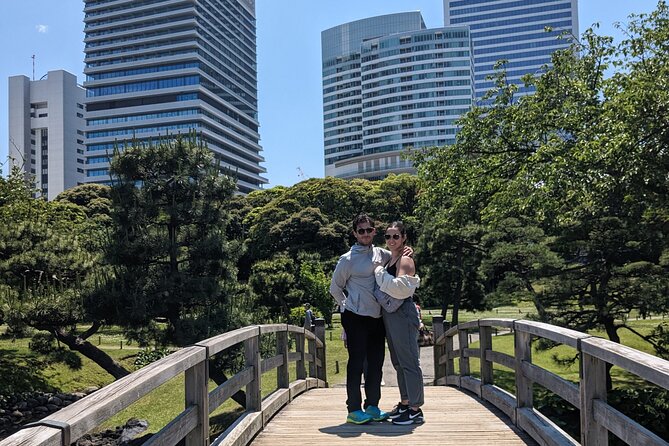
Hama Rikyu Gardens offers a welcome change from the market’s tight streets. The garden’s ponds, bridges, open lawns, and traditional tea setting give you room to slow down. You can pair the visit with traditional sweets and green tea, though optional activities may involve an extra fee.
The suggested time here is about an hour. That is enough for a pleasant walk and a look at the garden’s design, but not enough for a leisurely exploration of every corner. If gardens are central to your interests, you may want to spend less time elsewhere.
The Imperial Palace area offers a different kind of Tokyo experience. It connects the modern capital with Japan’s imperial institution and gives your guide a natural chance to explain the city’s past and present. Palace access and specific viewing areas depend on availability, so do not assume every interior or special area is part of the standard day.
Koishikawa Korakuen is another garden option. It can suit you better if you prefer a quieter setting and carefully arranged scenery. The strength of the custom format is that you can choose among these options instead of visiting every recommended stop at the same speed.
Asakusa and Senso-ji, Tokyo’s Traditional Face
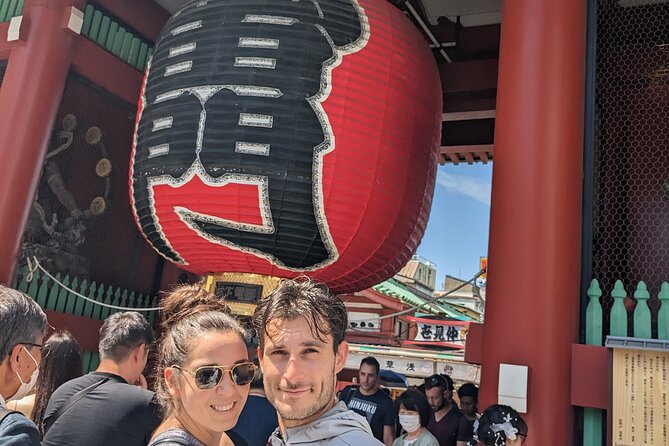
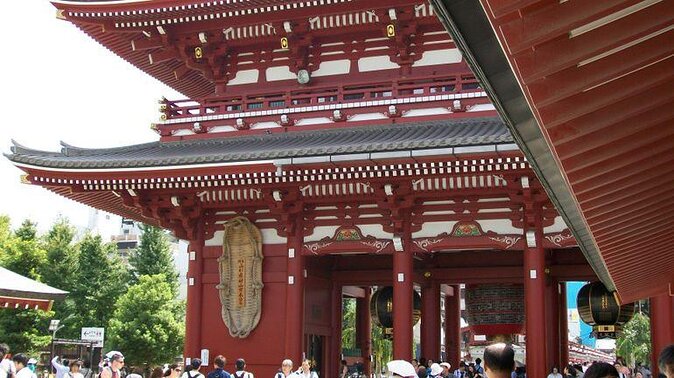
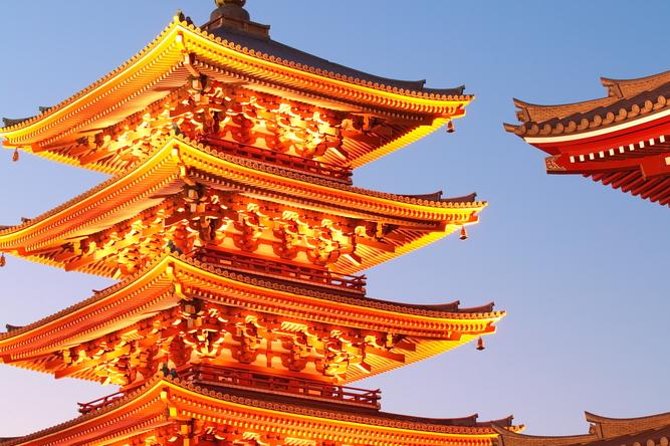
Asakusa is one of the clearest places to see old Tokyo. The district centers on Senso-ji, the city’s best-known Buddhist temple, with the Kaminarimon gate, Nakamise shopping approach, and temple grounds forming a memorable sequence.
Allow about two hours if you want time for the temple, nearby streets, and small shops. Your guide can explain the difference between shrine and temple customs, show you how to approach a religious site respectfully, and point out details you might pass without noticing.
Asakusa also works well for families. The area has visual interest at every turn, and the shopping street offers snacks and souvenirs without requiring a long formal visit to a museum. You can ask for time to browse, collect shrine or temple stamps where offered, or focus on architecture and religious practice.
The downside is crowding. The main approach can feel packed, especially during busy periods. If you want a calmer experience, tell your guide that you would like side streets or a slower pace rather than simply moving from gate to gate.
Same base, a completely different sort of day:
- Tokyo: teamLab Planets TOKYO Digital Art Museum Entry Ticket
★ 4.6 · 9,779 reviews - Mt Fuji & Hakone Cruise, Drum Show Bullet Train 1 Day from Tokyo
★ 4.0 · 7,413 reviews - Tokyo: Sumo Show Experience with Chicken Hot Pot and a Photo
★ 4.8 · 6,678 reviews - Tokyo: Shinjuku Food Tour (13 Dishes at 4 Local Eateries)
★ 5.0 · 6,603 reviews
Meiji Jingu, Harajuku, and Takeshita Street
Meiji Jingu gives the day a strong contrast with central Tokyo’s commercial districts. The shrine sits within a broad wooded approach and is dedicated to Emperor Meiji and Empress Shoken. The walk toward the shrine provides a pause from traffic and advertising, while the shrine itself offers a chance to observe Shinto customs.
The suggested visit lasts about an hour. That is enough for the main approach and shrine grounds, but the walk can add to your step count. Ask your guide to explain purification, offerings, and shrine etiquette as you go.
Nearby Harajuku brings you back to youth fashion and popular culture. Takeshita Street is compact, colorful, and full of trendy shops and snack stops. It is a natural pick for teenagers, shoppers, and anyone curious about the city’s changing style.
You can also shift toward Omotesando, known for polished architecture and higher-end stores, or continue to Shibuya. The contrast between Takeshita Street and Omotesando is part of the fun: one feels youthful and tightly packed, while the other is more spacious and design-focused.
One family specifically valued having a guide while shopping with a 13-year-old. That is a useful point for parents. A private guide can keep the day moving without forcing every person in the group to follow the same shopping agenda.
Shibuya and Akihabara for Modern Tokyo
Shibuya Crossing is an obvious modern Tokyo stop, but its real value depends on how you use it. You can view the crossing, walk through the surrounding district, and ask your guide about the development of one of the city’s most recognizable areas.
It works well as part of a broader modern-Tokyo route rather than as a long standalone stop. Pair it with Harajuku for fashion, a Murakami-related interest, or another nearby request. One guide even arranged a visit to the jazz bar DUG, associated with Haruki Murakami’s Norwegian Wood, for a group of literature enthusiasts. That kind of precise personal connection shows what the private format can do when you share your interests.
Akihabara serves a different audience. Its electronics stores, video-game shops, manga, and anime culture can fill a day for the right person. It is not a necessary stop for everyone, so I would choose it only if those subjects appeal to you.
The advantage of visiting these areas with a guide is context. Tokyo’s modern districts can look like a maze of signs and stores. A guide can help you decide where to spend time instead of wandering until the clock runs out.
Yanaka Ginza and the Feel of Old Neighborhood Tokyo
Yanaka Ginza Shopping Street is a good choice when you want a more relaxed neighborhood atmosphere. The area is associated with traditional crafts, souvenirs, and everyday shopping rather than giant department stores or international brands.
The suggested time is about an hour. That gives you enough room to browse and look for a small keepsake, but it will feel short if you want to shop carefully. Tell your guide if you prefer local crafts and traditional items over luxury retail.
Yanaka is also useful for showing you another side of Tokyo. The city is not only towers, crossings, and crowded stations. Older streets and small shops can make the visit feel more personal, especially after major sights such as Meiji Jingu and Senso-ji.
A custom tour lets you substitute Yanaka for a more commercial district. If you have already planned Shibuya and Ginza independently, this may be a better use of your private day.
Public Transit or Private Vehicle?
The public-transport option gives you the most useful Tokyo lesson. Trains and subways are efficient, but station transfers, ticketing, exits, and stairs can confuse you at first. Several guides, including Roy and Keiji, have helped visitors learn the system well enough to return to favorite places later on their own.
You should choose this option if you want an authentic city day and feel comfortable walking. The tradeoff is physical: an eight-hour route averages more than 20,000 steps, or about 14 kilometers. Some stations and routes include stairs, and not every part of the experience is barrier-free.
Private vehicle travel is a better fit for a spread-out list of sights, limited mobility, intense heat, or a family that needs more control over breaks. It can reduce wasted time between districts, though traffic can still affect the day. One private-car group appreciated having both a guide and driver for a full day of major sights and a food-focused lunch.
Be clear about which transport style you want when planning. If you rely on taxis instead of the planned public route, lunch and other costs may not work out as expected. One experience was weakened by an unsatisfying lunch and communication problems, so discuss meal preferences and guide language comfort before departure.
Guides Who Shape the Day Around You
The strongest part of this experience is the guide relationship. Shuhei has been especially praised for food suggestions, train navigation, humor, and checking that older visitors were coping with long walks and hot weather. He has led days that ran from morning until nearly 6 p.m. and included close to 20,000 steps.
Roy is a good name to request if you want an efficient overview and clear help with the subway. He has also been praised for finding local lunch spots and balancing major sights with less obvious places.
Sabina suits visitors who want history, art, religion, and careful attention to family needs. She has adapted routes for a parent with mobility concerns and included places such as the Imperial Palace, Senso-ji, Meiji Shrine, and Sengakuji, known for the tombs of the 47 ronin.
Keiji has been valued for combining famous places with calmer backstreets and for explaining both old Tokyo and current popular culture. Yuki has been described as flexible, warm, and particularly good for a first day in a city that can feel overwhelming.
Guide assignment is not guaranteed unless you request a specific person and the operator can accommodate it. English ability can vary. Most feedback about the guides is highly positive, but one lower rating specifically cited limited English, so ask about this if detailed conversation is essential to your day.
Who Gets the Best Value?
I think this tour is strongest for a first visit, a short stay, or a return visit built around a special interest. You can get oriented quickly, learn the transit system, and ask a local person for practical advice for the rest of your time in Japan.
It also suits families with different interests. One person can focus on shrines, another on food, and a teenager on shopping or anime. The private setup means your guide can change the balance without waiting for a large group.
Older visitors and people with mobility concerns should not dismiss the tour, but they should plan carefully. Request fewer stops, consider private vehicle travel, and state your limits before the day begins. The guide may adjust the route, but the published physical demands are real.
This is less suitable if you want a slow, single-neighborhood walk, dislike schedule changes, or prefer to explore without assistance. The full-day format can feel packed, especially when several distant districts are on your wish list.
Practical Details Before You Book
The tour lasts about eight hours in the full-day form, with a four-hour half-day option. Pickup and drop-off are provided within Tokyo’s 23 wards.
The full-day option includes lunch and a drink. Additional activities, admission fees, and optional experiences may cost extra. Ask for a proposed route and estimated add-on costs before confirming special requests.
Wear comfortable shoes and bring water. Even with a private vehicle, you may walk quite a bit at shrines, markets, gardens, and shopping streets. In hot weather, ask for shaded breaks and a less demanding route.
Free cancellation is available up to 24 hours before the start time. Late cancellations and changes are not refunded or accepted under the stated policy. The experience requires good weather, and poor-weather cancellations offer a different date or full refund.
Should You Book This Tokyo Tour?
Book it if you want a private guide who can turn a long list of Tokyo interests into one workable day. It offers unusually broad choice: food and markets, temples and shrines, gardens, shopping, anime, literature, or a basic introduction to the city. The public-transport option adds a useful skill, while private vehicle travel makes a demanding day easier.
Before booking, send a clear wish list and ask about walking distance, station stairs, lunch, optional fees, and guide language. If you do that, the $159.18 per-person price can be good value for a focused private introduction. If your budget is tight or you want to linger in one place, choose the half-day option or explore independently instead.
FAQ
How long is the private Tokyo tour?
You can choose a half-day tour lasting about four hours or a full-day tour lasting about eight hours.
Is hotel pickup included?
Yes. Hotel pickup and drop-off are included for hotels within Tokyo’s 23 wards.
Is this a private group tour?
Yes. Only your group participates in the activity.
Can I choose the places I visit?
Yes. You plan a custom sightseeing day with your guide around interests such as food, Japanese culture, history, shopping, temples, shrines, Tsukiji, or sake.
Can I use public transportation?
Yes. You can travel by train and subway, with transportation fares included for the public-transport option. Private vehicle travel is also available.
Is lunch included?
Lunch is included with the full-day option only. The half-day tour does not include lunch under the stated inclusions.
How much walking should I expect?
An eight-hour public-transport tour averages more than 20,000 steps, or about 14 kilometers. Some routes include stairs and are not barrier-free.
Can optional attractions cost extra?
Yes. Additional activity fees are not included, and optional attractions may require an extra charge. Ask the tour operator about costs when discussing your custom plan.
Just added around Tokyo
- Private Arrival Transfer : Narita International Airport to Central Tokyo City★ 4.5 · 12 reviews
- Narita Airport(NRT): Private Transfer to Tokyo/Yokohama 1-9pax★ 5.0 · 47 reviews
- Private Transfer from Narita Airport to Yokohama Port and City★ 4.5 · 17 reviews
- [Narita Airport Terminals 1, 2] 40-60km Sawara Itako Historic Bike Tour★ 5.0 · 13 reviews
- 3 Day Japan Highlights Tour: Tokyo, Mt.Fuji, Nara, Kyoto, Osaka★ 5.0 · 22 reviews
- Small Town in the Big City: Tasting Tokyo’s Kichijoji★ 5.0 · 195 reviews
- Small Town in the Big City: Tasting Tokyo’s Kichijoji★ 5.0 · 16 reviews
- The 10 Tastings of Tokyo With Locals: Private Street Food Tour★ 5.0 · 48 reviews
Tokyo Tours, compared.
Mt Fuji and Hakone 1-Day Bus Tour Return by Bullet Train
Read our review →
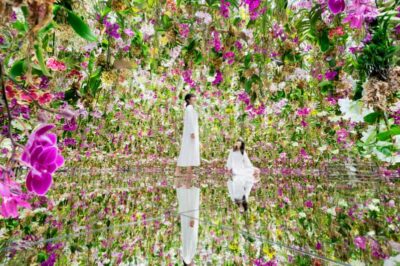
teamLab Planets TOKYO Digital Art Museum Entry Ticket
Read our review →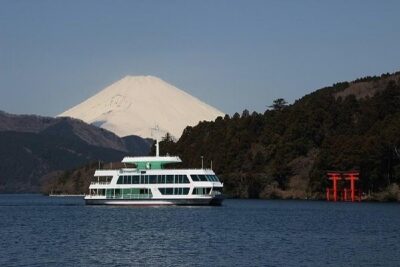
Mt Fuji & Hakone Cruise, Drum Show Bullet Train 1 Day from Tokyo
Read our review →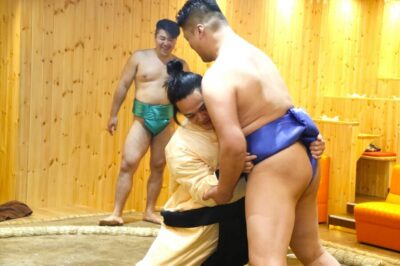
Sumo Show Experience with Chicken Hot Pot and a Photo
Read our review →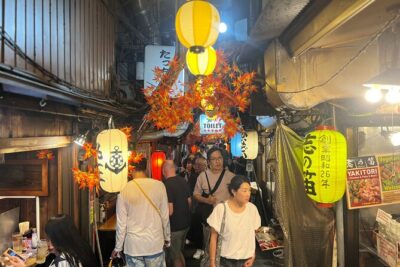
Shinjuku Food Tour (13 Dishes at 4 Local Eateries)
Read our review →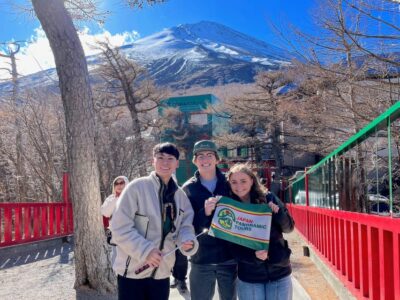
Tokyo Mt Fuji 5th St & Hakone Cruise Bus Tour w/Bullet Train
Read our review →