Reviewed · TOKYO TOURS
Shibuya: Ramen Dojo Tokyo | Make All 3 (Tonkotsu/Shoyu/Miso)
The best part of this Shibuya class is that you do not have to choose just one bowl. In 90 minutes, you make noodles, prepare chicken chashu, and taste tonkotsu, shoyu, and miso side by side. It is a neat way to understand how different ramen styles are built.
I like the small group of up to eight, which gives you useful one-on-one help, and I like the practical digital recipe sent after class. The main consideration is that the soup bases are prepared for you, so this is more a noodle-making and ramen-assembly lesson than a full broth-from-scratch course.
- Three styles in one sitting: Compare tonkotsu, shoyu, and miso in three mini bowls.
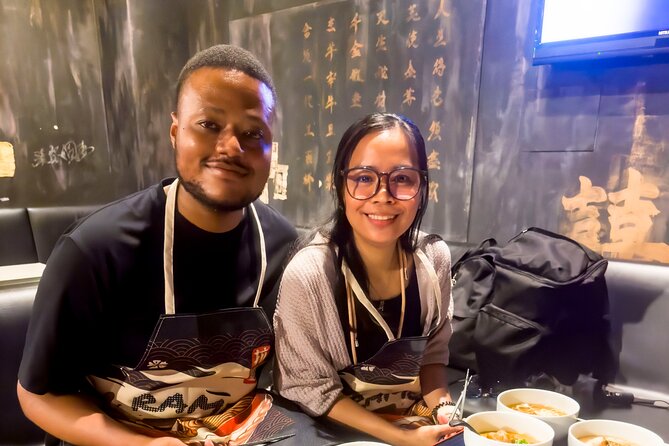
- Professional noodle machine: Knead the dough and cut your own noodles with commercial kitchen equipment.
- Hands-on chicken chashu: Prepare and finish the topping before plating your ramen.
- Beginner-friendly English instruction: Patient guidance helps first-time cooks keep pace.
- A compact Shibuya activity: The studio is about a 10-minute walk from Shibuya Station and ends where it begins.
- Useful take-home value: You receive a digital recipe after class, though strict dietary needs are not well served.
Three Ramen Styles Near Shibuya
Tokyo has ramen shops on nearly every busy street, but eating a bowl and making one are two different things. This class gives you a short, active look at the work behind the noodles, toppings, seasoning, and final presentation.
The format is smart for a first ramen lesson. You make three small bowls rather than one large serving, so you can compare the flavors without finishing an enormous meal. It also means the class stays focused on tasting and learning, not simply filling you up.
The three choices cover familiar ramen territory. Tonkotsu is the rich pork-style option, shoyu brings a soy-sauce seasoning, and miso gives you a deeper, more savory profile. The class lets you adjust the soup to your taste, which helps you notice how small changes in seasoning affect the finished bowl.
You should arrive ready to take part, not watch a cooking show. The instructor demonstrates the steps, then helps you work through them. English is used throughout, and the small group makes it easier to ask for help when dough, noodles, or timing become tricky.
From Shibuya Station to the Cooking Studio
The meeting point is the Umekita Building at 7-11 Maruyamacho, about a 10-minute walk from Shibuya Station. That walk matters when planning your day. Give yourself enough time to leave the station, find the building, and arrive ready for the check-in and briefing.
The class begins and ends at the same location. That makes it easy to pair with other Shibuya plans, such as shopping, visiting a nearby attraction, or simply wandering the area after lunch. There is no hotel pickup or drop-off, so you handle your own transportation.
The experience lasts about 90 minutes. It is long enough to include real kitchen work and a proper tasting, but short enough to fit into a busy Tokyo day. I would avoid scheduling a tight appointment immediately afterward, since cooking activities can take a little longer when a group needs extra help.
The maximum group size is eight. That is one of the more important details here. A large cooking class can leave you waiting for equipment or watching from the back. With eight people or fewer, you have a better chance of getting direct corrections and clear answers.
A few more Tokyo half-days to weigh up
- Mt Fuji and Hakone 1-Day Bus Tour Return by Bullet Train
★ 5.0 · 26,383 reviews - 1-Day Tokyo Bus Tour
★ 5.0 · 14,250 reviews - Tokyo: TOKYO SKYTREE® Admission ticket
★ 4.5 · 11,192 reviews
The First 15 Minutes: Check-In, Chashu, and Getting Started
The opening briefing takes about 10 minutes. You receive an introduction to the activity, the ingredients, and the order of work. This is also when the instructor can set expectations for the three bowls and explain how the class will move from dough to finished ramen.
Next comes about five minutes of chicken chashu preparation. You work with the chicken topping that will later be placed on the ramen. This is a small part of the class, but it adds an important cooking detail. Ramen is not just noodles and soup. The toppings give the bowl texture, color, and some of its character.
The schedule is fairly tight, so listen closely during the early instructions. You are not spending a relaxed afternoon preparing every element of a ramen shop meal. Instead, the session gives you selected hands-on tasks that fit into a compact lesson.
That approach works well for first-time cooks and families who want a clear activity. One child as young as eight was accommodated successfully, and the patient instruction is useful if cooking is not your strength. Children still need to follow kitchen directions and manage the pace of the class.
Kneading Dough and Cutting Fresh Noodles
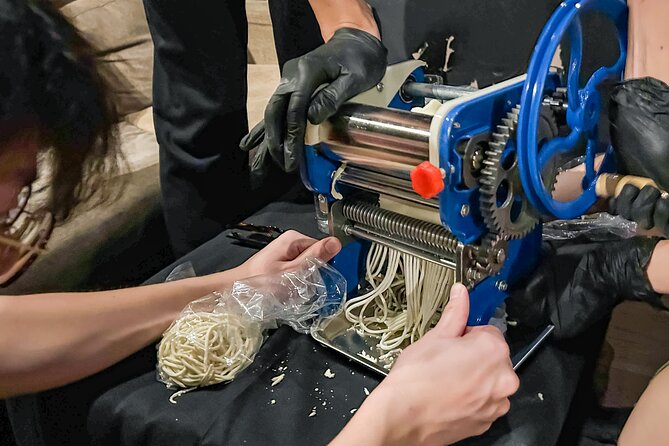
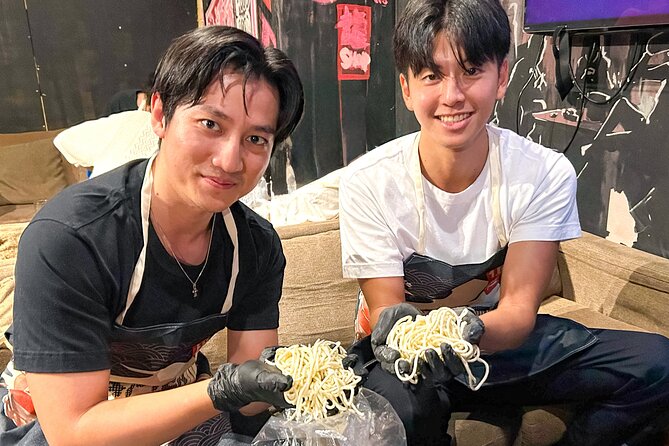
The noodle section takes about 20 minutes, making it the main practical lesson. You knead the dough, then push it through a professional noodle machine and cut it into strands. This is the part that most clearly separates the class from simply eating ramen in a restaurant.
The ingredients for the dough are prepared in advance, so you are not measuring every component from the beginning. That keeps the class moving and gives you enough time for the tactile parts: kneading, rolling or pressing, and cutting the noodles.
This distinction is worth knowing before you book. You do make and shape the noodles yourself, but you do not receive a full lesson in flour ratios, resting schedules, or every technical detail of noodle production. If your main goal is to learn how to make fresh noodles at home, the class gives you a useful start and a recipe to review later.
The professional cutter is a nice touch. It lets you see how the dough becomes the familiar strands used in ramen, and it adds a little ceremony to the process. You also get a better sense of why noodle thickness and texture matter when paired with different soups.
The instructor’s role is especially useful here. Dough can feel awkward at first, and inexperienced cooks may not know how much pressure to use. Patient guidance keeps the process from becoming frustrating. You get to do the work while still having someone nearby to correct the technique.
Finishing the Chicken and Preparing the Bowls
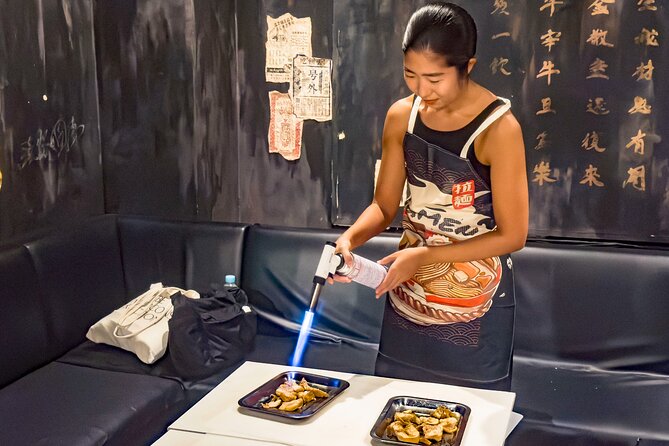
After the noodle work, you spend about 10 minutes finishing the chicken chashu. This is a useful pause between dough preparation and cooking. You are handling another component of the bowl, rather than concentrating only on the noodles.
Then comes roughly 10 minutes of boiling the noodles and preparing the soups. The timing here is important. Fresh noodles cook quickly, and ramen is best assembled while the ingredients are hot. The instructor helps coordinate the order so that the noodles, soup, chicken, and toppings are ready at the right moment.
This is also where you should keep your expectations clear about the broth. The class presents three different broth styles and allows you to adjust the soup to your preferred taste, but the full bases are not made from raw ingredients during the session. If broth science is the part of ramen that interests you most, you may find this portion too brief.
That is not necessarily a flaw. Making three complete ramen broths in 90 minutes would require a very different class, with long simmering times and less hands-on work for you. Here, the tradeoff is variety and participation. You taste three styles and learn how seasoning changes the final result.
A past participant specifically wanted more detail about broth, and that is a fair point. The digital recipe may help you continue at home, but the class should not be booked as a full stock-making workshop.
Same base, a completely different sort of day:
- Tokyo: teamLab Planets TOKYO Digital Art Museum Entry Ticket
★ 4.6 · 9,779 reviews - Mt Fuji & Hakone Cruise, Drum Show Bullet Train 1 Day from Tokyo
★ 4.0 · 7,413 reviews - Tokyo: Sumo Show Experience with Chicken Hot Pot and a Photo
★ 4.8 · 6,678 reviews - Tokyo: Shinjuku Food Tour (13 Dishes at 4 Local Eateries)
★ 5.0 · 6,603 reviews
Plating Three Mini Bowls
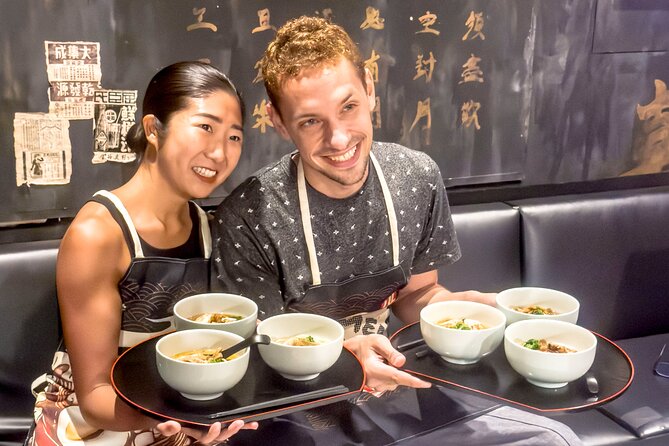
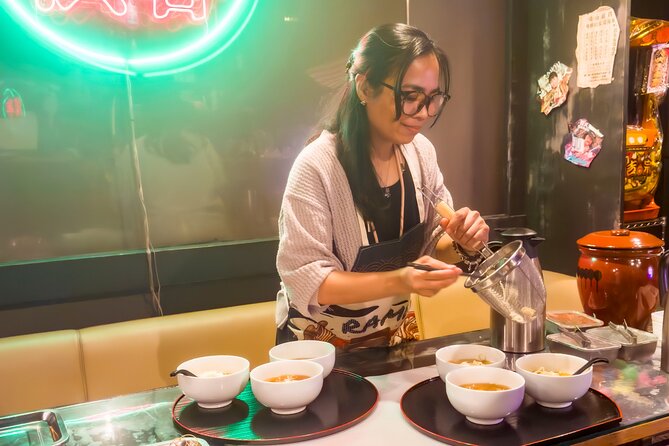
Plating takes about five minutes. You add the noodles, soup, chicken chashu, and toppings to create three small bowls. The trio gives you a clear visual comparison, especially if you enjoy photographing food.
The smaller portions are a practical choice. You get to taste all three styles without facing three full restaurant servings. For a meal replacement, the total amount may feel light, but the class is designed as a tasting experience rather than a huge lunch or dinner.
This stage also shows why ramen looks so simple but requires coordination. The ingredients must be portioned, the noodles must be cooked properly, and the toppings need to be placed with some care. The result is an Instagram-worthy ramen trio, but the real value is understanding how the separate parts come together.
You can adjust the soup to your taste before eating. That gives you a little control and makes the tasting more active. Instead of accepting one fixed recipe, you can notice how salt, soy, and miso change the bowl.
Thirty Minutes to Taste and Compare
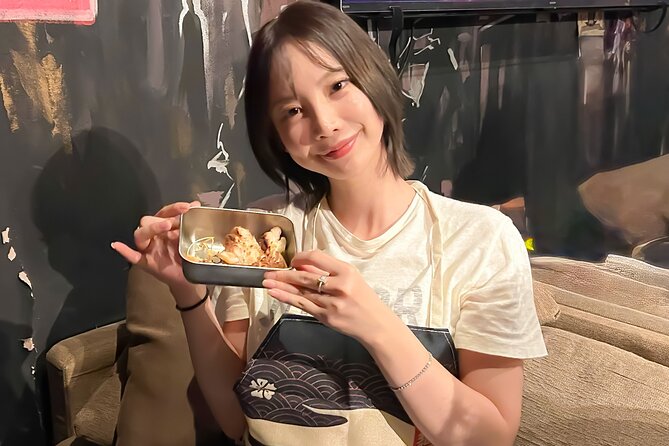
The final 30 minutes are set aside for tasting and photos. This is where the class pays off. You can compare tonkotsu, shoyu, and miso in the same sitting, using the same basic noodle-making experience as a reference point.
I like this side-by-side setup. If you eat one bowl of ramen at a restaurant, it can be hard to identify exactly what you like about it. Three mini bowls make the contrast clearer. You may prefer the savory soy seasoning of shoyu, the heavier character of tonkotsu, or the fuller miso taste.
The tasting time also keeps the class from feeling rushed at the end. You have time to sit down, eat what you prepared, and take pictures. The three bowls are included in the price, along with the ingredients and kitchen equipment, so there is no extra food charge during the lesson.
The experience does not include alcoholic drinks or other beverages. Personal expenses and gratuities are also outside the listed inclusions. These are small points, but they are worth knowing when you plan your budget.
What the $86.22 Price Really Covers
At $86.22 per person, this is not a cheap way to get a bowl of ramen. You can eat ramen in Tokyo for much less. The price makes more sense if you see the class as a short cooking activity, a meal, and a cultural lesson in one.
You are paying for an English-speaking instructor, all ingredients, use of kitchen equipment, an apron loan, and three mini bowls. The professional noodle machine and small group are meaningful parts of the value. You are not simply receiving a demonstration. You knead dough, cut noodles, handle chicken, adjust soup, and plate the food.
The digital recipe adds some value after the class. It gives you a way to repeat parts of the process at home, though you should not expect the session to reproduce every detail of a professional ramen shop. If you want a souvenir that is more useful than a paper ticket, a recipe you can try later is a good extra.
I would call the price fair for visitors who want a hands-on food activity in Tokyo, especially if you enjoy cooking or want a break from sightseeing. It is harder to justify if you only want a large, filling meal or if your main interest is learning broth from the very beginning.
Who Should Book, and Who Should Think Twice
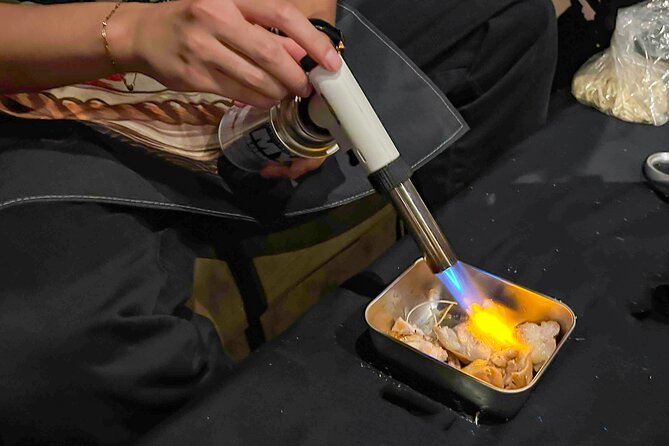
This class suits beginners, couples, families, and anyone curious about Japanese food beyond restaurant dining. It also works well for a short Tokyo schedule because the activity takes 90 minutes and starts and ends near Shibuya Station.
It is a good choice if you value direct instruction. The group size is capped at eight, and the English-speaking guide offers support throughout the process. That makes the lesson less intimidating for someone who rarely cooks.
Families should note that an eight-year-old was accommodated successfully, but the activity still involves flour, kitchen equipment, hot noodles, and timed instructions. Children who can listen and take part should have a better experience than children who want only to watch.
The class is not suitable for severe wheat, gluten, egg, or soy allergies, celiac disease, or severe airborne flour sensitivity. It also is not designed for strict vegan or religious diets, and special dietary substitutes are not included. Guests unable to use stairs should not book.
One important point for vegetarians is that the available information does not promise a vegetarian broth. Ask before booking if you need a strict meat-free option. The class includes chicken chashu, so it is not a natural fit for vegetarians or vegans without confirmed arrangements.
Booking Details That Matter in Tokyo
You receive confirmation at the time of booking, and a mobile ticket is provided. Public transportation is nearby, but you still need to walk about 10 minutes from Shibuya Station to the studio.
The activity is offered by Viyago Japan. The meeting point is the Umekita Building, 7-11 Maruyamacho, Shibuya, Tokyo 150-0044. There is no separate return transfer because the class finishes at the same place.
Free cancellation is available if you cancel at least 24 hours before the local start time. Inside that 24-hour window, the amount paid is not refunded, and changes are not accepted. Keep that rule in mind when arranging a busy Tokyo itinerary.
FAQ
How long does the ramen class last?
The class lasts approximately 90 minutes, including instruction, cooking, plating, tasting, and photo time.
Where does the experience take place?
It starts and ends at the Umekita Building, 7-11 Maruyamacho, Shibuya, Tokyo 150-0044, Japan.
How far is the studio from Shibuya Station?
The studio is about a 10-minute walk from Shibuya Station.
Which ramen styles will I make?
You will prepare and taste three mini bowls: tonkotsu, shoyu, and miso.
Is the class taught in English?
Yes. An English-speaking instructor leads the activity and provides support during the cooking process.
Are the ingredients and kitchen equipment included?
Yes. Ingredients and use of the kitchen equipment are included. An apron loan is also provided.
Is the class suitable for people with food allergies?
It is not suitable for severe wheat, gluten, egg, or soy allergies, celiac disease, or severe airborne flour sensitivity. Strict vegan, religious, or other dietary requirements may not be accommodated.
What happens if I need to cancel?
You can receive a full refund if you cancel at least 24 hours before the experience start time. Cancellations or changes made less than 24 hours before the start time are not refunded or accepted.
Should You Book This Shibuya Ramen Class?
Book it if you want to do more than eat ramen in Tokyo. The strongest parts are the three-style tasting, the professional noodle machine, and the small group with patient English guidance. You leave with a practical recipe and a better sense of how noodles, soup, toppings, and seasoning fit together.
Skip it if you want a full broth-making course, a large restaurant-sized meal, or strict vegetarian and allergy-friendly cooking. For everyone else, the $86.22 fee buys a focused 90-minute activity that fits neatly into a Shibuya day and gives you something hands-on to remember after the bowl is empty.
Just added around Tokyo
- Private Transfer from Narita Airport to Yokohama Port and City★ 4.5 · 17 reviews
- Private Arrival Transfer : Narita International Airport to Central Tokyo City★ 4.5 · 12 reviews
- Narita Airport(NRT): Private Transfer to Tokyo/Yokohama 1-9pax★ 5.0 · 47 reviews
- [Narita Airport Terminals 1, 2] 40-60km Sawara Itako Historic Bike Tour★ 5.0 · 13 reviews
- 3 Day Japan Highlights Tour: Tokyo, Mt.Fuji, Nara, Kyoto, Osaka★ 5.0 · 22 reviews
- Small Town in the Big City: Tasting Tokyo’s Kichijoji★ 5.0 · 195 reviews
- Small Town in the Big City: Tasting Tokyo’s Kichijoji★ 5.0 · 16 reviews
- The 10 Tastings of Tokyo With Locals: Private Street Food Tour★ 5.0 · 48 reviews
Tokyo Tours, compared.

Mt Fuji and Hakone 1-Day Bus Tour Return by Bullet Train
Read our review →

teamLab Planets TOKYO Digital Art Museum Entry Ticket
Read our review →
Mt Fuji & Hakone Cruise, Drum Show Bullet Train 1 Day from Tokyo
Read our review →
Sumo Show Experience with Chicken Hot Pot and a Photo
Read our review →
Shinjuku Food Tour (13 Dishes at 4 Local Eateries)
Read our review →
Tokyo Mt Fuji 5th St & Hakone Cruise Bus Tour w/Bullet Train
Read our review →