
Reviewed · TOKYO TOURS
Best Go Kart Experience in Shibuya Crossing with Iconic Photos
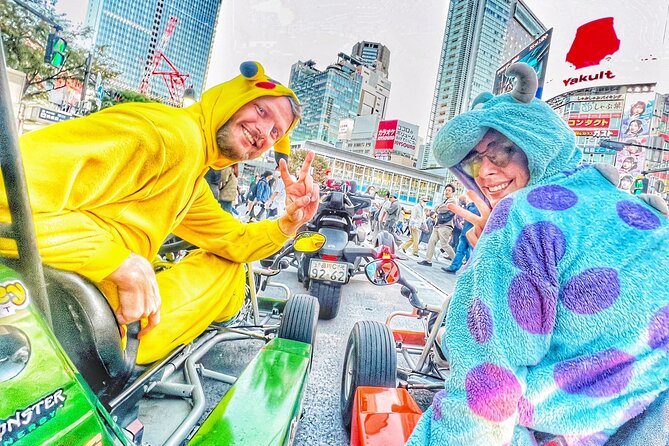
Driving a go-kart through Shibuya Crossing is the kind of Tokyo activity that feels wonderfully odd from the start. You dress in a costume, sit low to the road, and follow a lead driver through some of the city’s best-known districts. It is part sightseeing, part street-level thrill ride, and part photo session.
I like the small-group format, which keeps the ride easier to manage than a large convoy. I also like that the guide takes photos while you concentrate on driving, with a printed photo included. The main thing to consider is that this is more about the unusual experience than detailed sightseeing. Engine noise can make it hard to hear the guide while moving.
Key points before you book
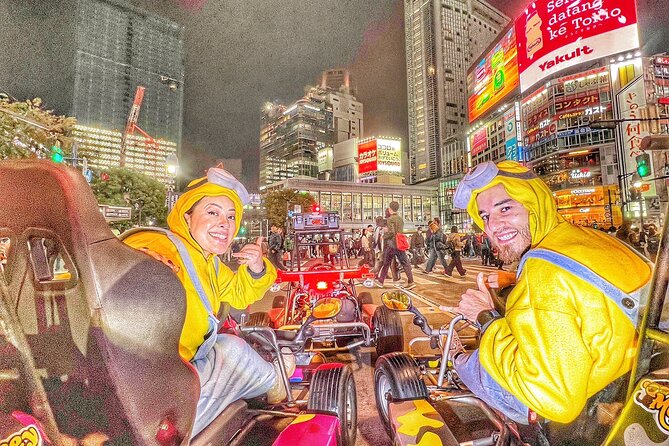
- Shibuya Crossing from behind the wheel: You pass through one of Tokyo’s most recognizable intersections in a low-slung go-kart.
- An 80-minute city ride: The route includes Harajuku, Omotesando, Yoyogi Park, Miyashita Park, and Shibuya.
- Costumes and photos included: Choose a fun costume, use a locker, and receive tour photos plus a printed picture.
- A guide leads the traffic route: Guides including Lewis, Rakesh, Jerome, Ken, and Kazuki have been praised for clear instructions and safe driving.
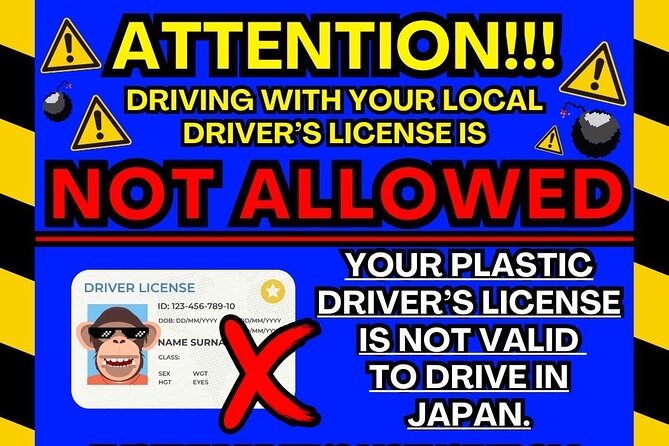
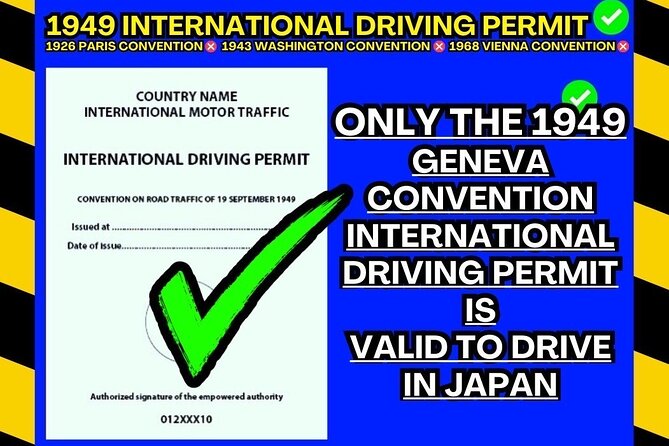
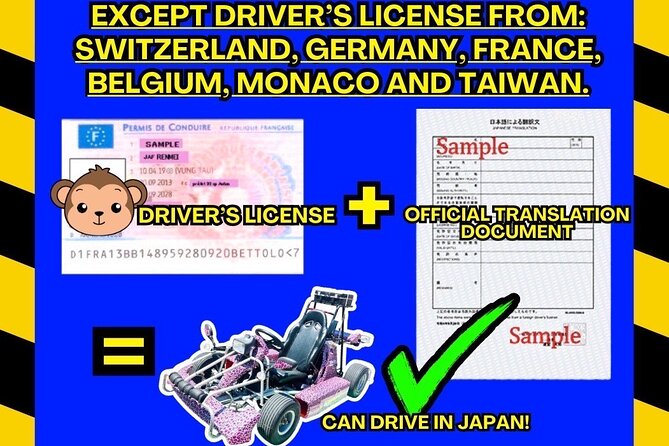
- A strict license requirement: You need a hardcopy 1949 Geneva Convention International Driving Permit, or an approved Japanese license translation.
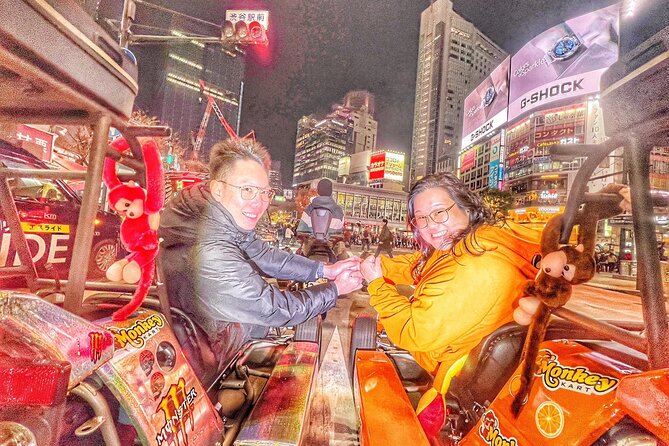
- Night rides have extra sparkle: City lights make the evening departure especially appealing, but bring gloves in cold weather.
What this Tokyo go-kart ride is really like
This is not a kart track tucked away from traffic. You drive on Tokyo streets in a road-legal go-kart, following a guide who sets the pace and handles the route. That changes the mood completely. You are not racing other participants. You are keeping formation, watching the road, and enjoying the strange pleasure of seeing Tokyo from only a few feet above the pavement.
The ride lasts about one hour and 20 minutes, long enough to feel like a proper outing without taking half a day from your schedule. It begins and ends at Monkey Adventure Kart SHIBUYA, at 1-chome-27-7 Higashi in Shibuya.
The small group is a real advantage. The experience is advertised as capped at three people, while the additional information gives a maximum of four travelers. Either way, this is a much more personal setup than a big group activity. A smaller line is easier for the guide to monitor, and you should have less trouble staying together at intersections.
Before setting off, you select a costume, store your belongings in a locker, watch a safety video, and learn how the kart works. You also receive bottled water. The guide then leads the route, points out the streets you are passing, and stops at suitable places for photographs.
The tone is playful, but the activity is still city driving. You must pay attention to traffic and follow instructions. Guides such as Lewis, Rakesh, Jerome, and Kazuki have been singled out for calm explanations and good judgment on the road. That matters more here than a flashy personality.
More karting in Tokyo:
- Flagship 2-Hours Official Street Go-Kart Tour – Tokyo Bay Shop
★ 5.0 · 4,974 reviews - Official Street Go-Kart in Shibuya
★ 5.0 · 3,435 reviews - Official Street Go-Kart Tour – Akihabara
★ 5.0 · 1,578 reviews
Why Shibuya Crossing is the big moment
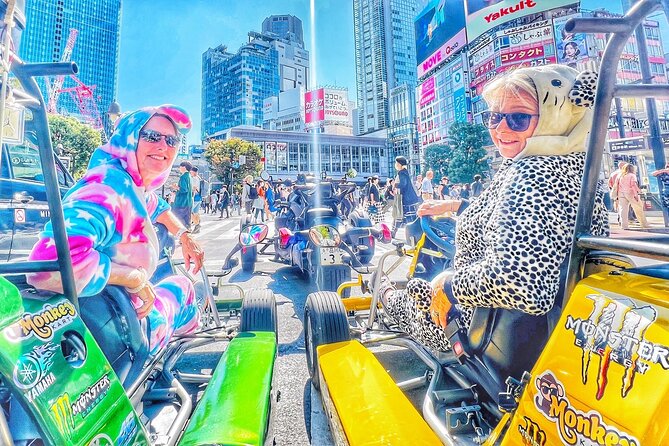
Shibuya Crossing is the headline attraction, and it earns that billing. From a go-kart, the intersection feels different from the familiar view seen from a café window or department-store overlook. You are part of the traffic flow, surrounded by tall buildings, large signs, and people crossing in every direction.
The crossing itself is brief, but the approach gives you time to enjoy the setting. The guide positions the group and manages the route, so your job is to keep control of the kart and follow the instructions. The payoff is a memorable picture and an unusual story to take home.
Do not expect to stop in the middle of the intersection for a long photo session. This is a public road, not a private attraction. The value comes from passing through it as part of the ride, then having the guide capture images at appropriate points along the route.
The crossing is also why the activity works best for people who want a sense of Tokyo’s scale and energy rather than a lesson in architecture. You will see plenty, but you will not linger at each sight.
Harajuku Station and the city’s youth culture
Harajuku is the first major stop listed on the route. The area is known for fashion, youth culture, and busy shopping streets, though your view from the kart will be brief and constantly changing. You get a street-level glimpse rather than a walking tour.
Harajuku Station gives the route a useful sense of place. It connects the ride to one of Tokyo’s most recognizable districts and provides a contrast with the more polished avenues that follow. If you have already spent time walking around Takeshita Street, the go-kart offers a different angle on the surrounding neighborhood.
The tradeoff is simple: you cannot pull over wherever you want. The guide keeps the group moving, and traffic conditions affect how much you see. Think of Harajuku as part of a moving city portrait, not a dedicated stop with time for shopping.
Omotesando brings a polished change of pace
From Harajuku, the route continues along Omotesando. This broad, stylish avenue is lined with major shops and modern buildings. It feels more orderly and sophisticated than Harajuku’s youthful shopping lanes, making the change noticeable even during a short drive.
I like this section because it shows how quickly Tokyo shifts character from one block to the next. In a normal sightseeing plan, you might visit each neighborhood separately. Here, the road connects them in a single continuous experience.
You should not book this ride expecting the guide to provide a long explanation at every landmark. One of the more useful points to understand is that engine noise makes conversation difficult while the karts are moving. If you want detailed background, plan to revisit Omotesando on foot or use this ride as an orientation before exploring independently.
More photo shoots in Tokyo:
- Tokyo Go-Karting Experience: Shibuya Crossing with Photos
★ 4.8 · 190 reviews - Tokyo Asakusa: Miu Kimono Rental and Optional Photoshoot
★ 4.9 · 54 reviews - Tokyo: Photo Shoot with a Private Vacation Photographer
★ 5.0 · 53 reviews - Tokyo Photoshoot Tour with a Local Photographer
★ 5.0 · 37 reviews
Yoyogi Park gives the route breathing room
Yoyogi Park offers a greener stretch in the middle of the city. You pass the park rather than spend time walking through it, but its trees and open space provide a welcome visual break from central Tokyo’s dense streets.
This part of the route helps show the city’s range. In less than 90 minutes, you move from major commercial roads to a broad park setting, then back into Shibuya’s dense urban core. That variety is one reason the activity feels like more than a simple spin around one neighborhood.
The park is also a reminder to keep your expectations practical. The ride is designed to show several areas from the road. It does not replace a visit to Yoyogi Park, Harajuku, or Omotesando if you want time to walk, browse, and stop for food.
Miyashita Park adds a modern Shibuya view
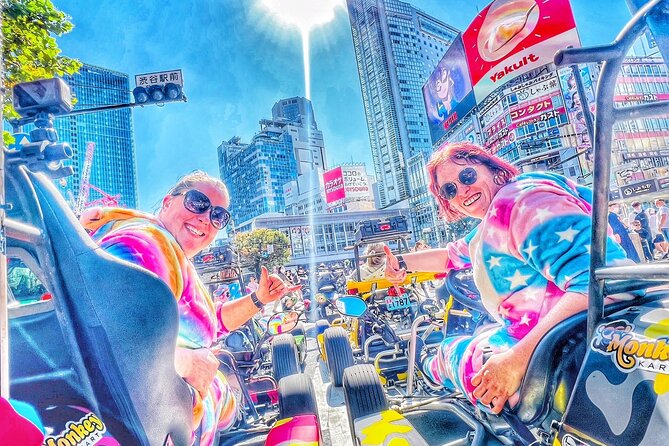
Miyashita Park is another useful route marker. The area represents a newer side of Shibuya, with contemporary public space and commercial development. Passing it helps connect the older, established districts with the more recent changes in the neighborhood.
From the kart, you get a quick impression of how the area fits into the wider city. The guide keeps the group moving, so this is not a place to expect a long pause. Still, the stop adds variety and helps make the route feel carefully chosen rather than repetitive.
If you are hoping to shop or spend time at Miyashita Park, save that for another part of your day. The go-kart ride gives you a preview, not a full visit.
Costumes make the photos work
The costume choice is central to the experience. You can dress as a favorite cartoon character or choose another playful outfit before departure. It gives the ride a clear theme and makes the photos more distinctive than standard sightseeing snapshots.
The costumes also explain why this activity appeals to families, couples, and friends who want something lighthearted. You do not need to create your own costume or arrange a separate photographer. The guide takes pictures along the way, and a printed photo is included.
There is a practical side to remember. Costumes can be fun, but they may not be ideal for every weather condition. In cold weather, bring gloves. One rider specifically found the experience very cold, and an open kart offers little protection from wind. Since poor weather can cancel the activity, check the forecast before you choose your date.
An action camera is not included. It costs ¥3,500 per person if you want that extra recording option. The standard package already includes pictures, so the camera is an optional add-on rather than a requirement.
Safety matters more than speed
The most important part of the experience is learning how to control the kart before entering traffic. The safety video and guide briefing are not filler. Pay close attention, especially if you feel nervous about driving in Tokyo.
You will not be racing. The guide leads the group, watches traffic, and controls the pace. Several guides have been praised for knowing when to slow down and when the road allows a faster stretch. That kind of judgment is exactly what you want from the person at the front.
Clear instructions are especially important because the karts are loud. One useful criticism is that the guide can be difficult to hear over the engines, even near the front of the group. Listen carefully during the briefing, watch the guide’s signals, and avoid treating the ride like a free-form drive.
This is not the right choice if you dislike driving on public roads or feel uncomfortable managing a vehicle in busy city conditions. It is better suited to someone who wants a controlled but genuine road experience and is ready to follow instructions closely.
The international driving permit rule can make or break your booking
Check the license requirement before you pay. Every driver needs a hardcopy paper booklet of a 1949 Geneva Convention International Driving Permit issued by the official agency in their home country. Online permits, including those connected with the 1968 Vienna Convention, IDA, or IAA, are not recognized by Japan.
The permit must be obtained before you leave your country. A digital copy on your phone is not enough. This is not a minor formality. Drivers without the correct document can be turned away at the start, even after making the trip to the meeting point.
There are special rules for licenses issued by France, Switzerland, Taiwan, Germany, Monaco, and Belgium. Drivers from these places need a Japanese translation of their local license, obtained as a physical copy from the Japan Automobile Federation, known as JAF.
Some countries, including Indonesia, Pakistan, Saudi Arabia, Mexico, Brazil, Costa Rica, Colombia, Kuwait, and Qatar, may not issue a permit accepted for driving in Japan. Check the rules for your specific country well before departure. The operator cannot make an exception at the shop.
Is $106.12 a fair price?
At $106.12 per person, this is not a cheap way to move around Tokyo. Public transport and walking will cover the same districts for far less money. You are paying for something different: the kart, fuel, guide, costume, photos, locker, water, and the chance to drive through central Tokyo.
The price makes more sense if you value the experience itself. The route combines several famous areas, and the guide handles navigation while taking photographs. A separate private photo session and a novelty vehicle experience could easily take more planning, though this activity remains a premium choice compared with ordinary sightseeing.
I would not book it as your main way to see Shibuya. I would book it as a memorable extra, especially if you have already planned your temples, markets, museums, and neighborhoods. It fills roughly 80 minutes and returns you to the same meeting point, so it is easy to fit into a day.
The included printed photo is a nice touch, but do not assume every photograph will be a polished portrait. Images are taken during the moving route and at stops. The quality depends on timing, traffic, weather, and the guide’s position.
Best time to ride
Night departures receive strong praise for the city lights and evening atmosphere. Shibuya after dark gives the costumes and photographs more visual impact, and the illuminated streets add a clear sense of occasion.
Daytime rides have their own benefit. You may find it easier to see the park greenery, building details, and changing streetscapes. If photography is your priority, consider the light and forecast as much as the time of day.
Tokyo weather matters. The activity requires good weather, and a poor-weather cancellation comes with the choice of a different date or a full refund. Free cancellation is also available up to 24 hours before the start time. Within 24 hours, changes and refunds are not accepted.
Who should book this experience?
I would point this toward:
- Couples wanting an unusual shared activity
- Families with adult children who meet the driving rules
- Friends who enjoy costumes and silly photographs
- Repeat Tokyo visitors looking for a fresh way to see familiar districts
- Confident drivers who are comfortable following a guide through city traffic
I would be more cautious if you want a detailed cultural tour, quiet sightseeing, or a relaxed ride away from traffic. The experience is noisy, exposed to the weather, and dependent on your ability to drive legally in Japan.
It can also suit someone who is nervous at first but willing to listen. Several guides, including Rakesh, Lewis, Jerome, and Ken, have been praised for patient instruction and careful route management. Still, your own attention matters. The guide can lead you, but cannot drive your kart for you.
Should you book the Shibuya go-kart ride?
Book it if you want a playful, photo-friendly Tokyo memory and the idea of passing through Shibuya Crossing behind the wheel genuinely excites you. The costumes, small group, city route, and guide-led format make it more personal than a standard sightseeing loop.
Skip it if you want value measured only by landmarks visited, or if you do not already have the correct hardcopy driving permit. That document is the key practical issue. Confirm it first, then choose a dry day, bring gloves in cool weather, and listen closely during the safety briefing.
For the right person, this is not the most efficient way to tour Tokyo. It is a memorable way to experience the city from the road, with enough famous neighborhoods and photographs to justify the splurge.
FAQ
How long does the go-kart experience last?
The activity lasts approximately one hour and 20 minutes.
Where does the tour start and finish?
It starts at Monkey Adventure Kart SHIBUYA, located at 1-chome-27-7 Higashi, Shibuya, Tokyo. It ends back at the same meeting point.
Which Tokyo areas are included?
The route includes Shibuya Crossing, Harajuku Station, Omotesando, Miyashita Park, and Yoyogi Park.
What is included in the price?
The package includes the go-kart, fuel, guide, photos, costumes, locker use, a printed photo, and bottled water.
Do I need an international driving permit?
Yes. Drivers must have a hardcopy 1949 Geneva Convention International Driving Permit issued by the official agency in their country, or another license document approved under Japanese law.
Are online driving permits accepted?
No. Online permits, including 1968 Vienna Convention permits, IDA permits, and IAA permits, are not recognized by Japan.
What happens if the weather is poor?
The experience requires good weather. If the operator cancels because of poor conditions, you can choose another date or receive a full refund.
Just added around Tokyo
- Private Arrival Transfer : Narita International Airport to Central Tokyo City★ 4.5 · 12 reviews
- Narita Airport(NRT): Private Transfer to Tokyo/Yokohama 1-9pax★ 5.0 · 47 reviews
- Private Transfer from Narita Airport to Yokohama Port and City★ 4.5 · 17 reviews
- [Narita Airport Terminals 1, 2] 40-60km Sawara Itako Historic Bike Tour★ 5.0 · 13 reviews
- 3 Day Japan Highlights Tour: Tokyo, Mt.Fuji, Nara, Kyoto, Osaka★ 5.0 · 22 reviews
- The 10 Tastings of Tokyo With Locals: Private Street Food Tour★ 5.0 · 48 reviews
- Small Town in the Big City: Tasting Tokyo’s Kichijoji★ 5.0 · 195 reviews
- Small Town in the Big City: Tasting Tokyo’s Kichijoji★ 5.0 · 16 reviews
Tokyo Tours, compared.
Mt Fuji and Hakone 1-Day Bus Tour Return by Bullet Train
Read our review →
teamLab Planets TOKYO Digital Art Museum Entry Ticket
Read our review →
Mt Fuji & Hakone Cruise, Drum Show Bullet Train 1 Day from Tokyo
Read our review →
Sumo Show Experience with Chicken Hot Pot and a Photo
Read our review →
Shinjuku Food Tour (13 Dishes at 4 Local Eateries)
Read our review →
Tokyo Mt Fuji 5th St & Hakone Cruise Bus Tour w/Bullet Train
Read our review →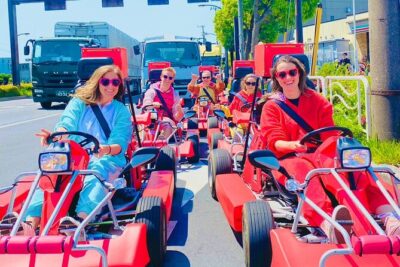
Flagship 2-Hours Official Street Go-Kart Tour – Tokyo Bay Shop
Read our review →Browse the lists this tour appears in