
Reviewed · TOKYO TOURS
From Tokyo: Kamakura and Enoshima Full-Day Private Trip
Kamakura and Enoshima make a fine escape from Tokyo, and this private day trip packs both into one long outing. You’ll see the Great Buddha, quiet temple gardens, a bamboo grove, a major Shinto shrine, and ocean views without having to work out every train connection.
I like the private vehicle and the flexible pace. Guides such as Shoan, Ali, and Timur have been praised for clear explanations, family-friendly pacing, and practical help with restaurants and restrooms. The tradeoff is simple: ten hours is a lot, and this schedule gives you a broad taste rather than a slow, thorough visit to every site.
Key points to know before booking
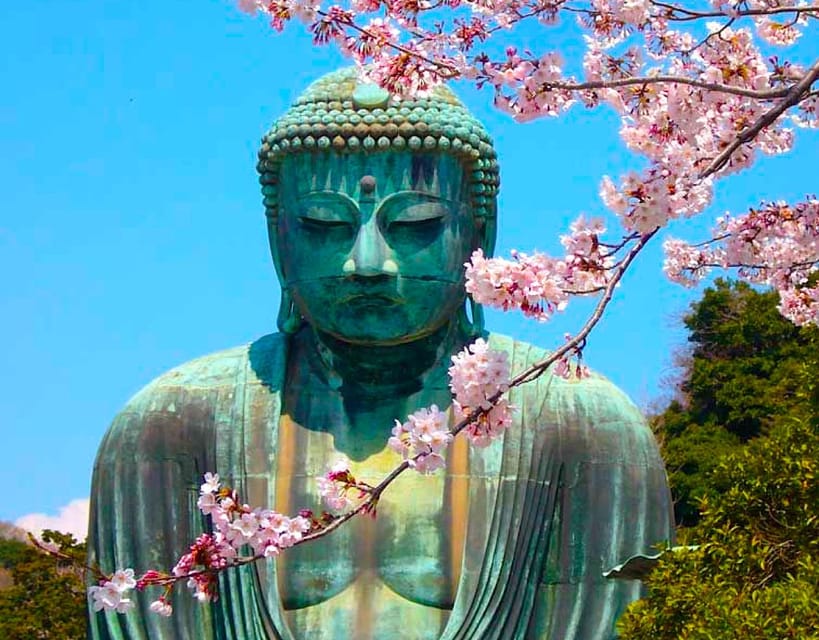
- The Great Buddha anchors the morning: Kōtoku-in’s famous bronze statue is the day’s most recognizable sight.
- Hokokuji adds a calmer temple stop: Its bamboo grove gives you a short, peaceful change of pace.
- You cover five major stops: Kōtoku-in, Hase-dera, Hokokuji, Tsurugaoka Hachimangu, and Enoshima.
- A private car saves effort: Hotel pickup and drop-off are included within Tokyo’s 23 wards.
- The guide shapes the day: English-speaking guides explain local culture and can adjust the pace for families.
- Budget beyond the tour price: Lunch and roughly ¥1,000 in listed temple admission fees are extra.
Why Kamakura works so well as a Tokyo day trip
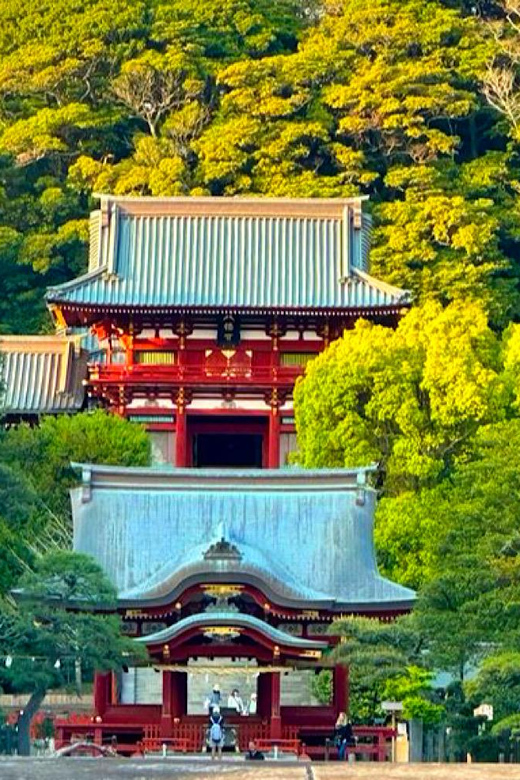
Kamakura offers a different side of Japan from central Tokyo. The city is associated with temples, shrines, old lanes, wooded hills, and the sea. You can reach the main sights in one day, but the stops are spread out enough that private transport has real value.
This tour costs $451 per group of up to five people. For a full group, that works out to about $90 per person before meals and admission fees. For two people, the per-person cost is much higher, but you are paying for a private vehicle, hotel pickup, an English-speaking guide, and the ability to avoid managing several local connections.
That price also buys time. You do not need to find the right station exit, squeeze onto a crowded train, or decide which temple to drop when the clock gets tight. If your group includes children, older adults, or anyone who prefers fewer transit changes, the convenience can outweigh the higher cost.
The main compromise is the scope. You will visit several important places, but each stop has a set window. If you want a long temple stroll, extended shopping, or a serious hike, a smaller Kamakura-only plan would give you more breathing room.
A few more Tokyo half-days to weigh up
- From Tokyo: Mount Fuji Full-Day Sightseeing Trip
★ 4.5 · 4,970 reviews - Mount Fuji Full-Day Private Tour from Tokyo (Customizable)
★ 4.9 · 1,470 reviews - Tokyo Private Full-Day Tour by Car or Van
★ 5.0 · 684 reviews
An 8:30 pickup and a private ride south
Pickup is scheduled for 8:30 a.m. from hotels in Tokyo’s 23 wards. Traffic can make the vehicle up to 30 minutes late, so do not book a tight evening dinner or airport transfer immediately after the stated return time.
The air-conditioned vehicle is one of the strongest practical features. You can leave your hotel, settle into the day, and carry purchases without managing luggage on local trains. The group is private, with space for up to five people, so your guide can respond to your interests more easily than on a large coach excursion.
The tour is marked wheelchair accessible, but it also involves walking through temples, shrine grounds, shopping streets, and Enoshima. If mobility is a concern, contact the provider before booking and explain what kind of assistance you need. Comfortable shoes are important for everyone.
The guide may be the part that most changes the character of the day. Shoan has been singled out for patient explanations and help finding scenic spots in Enoshima. Ali has been praised for parking close to sites and keeping walking manageable, including for a family with a nine-year-old. Timur has also received praise for looking after a family during a busy day. Guide assignments can vary, so treat those names as examples rather than a guarantee.
Kōtoku-in and the Great Buddha
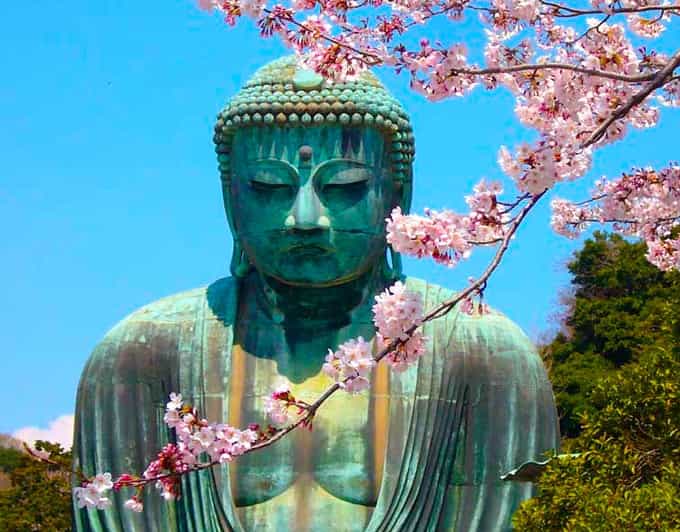
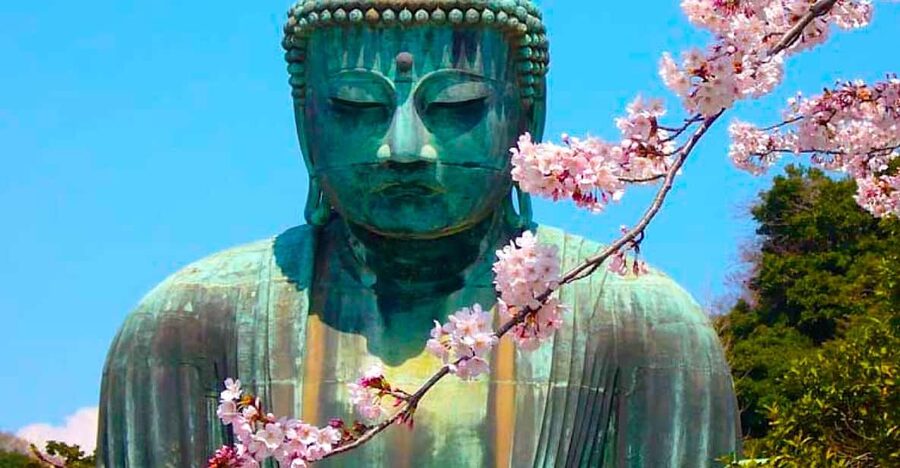
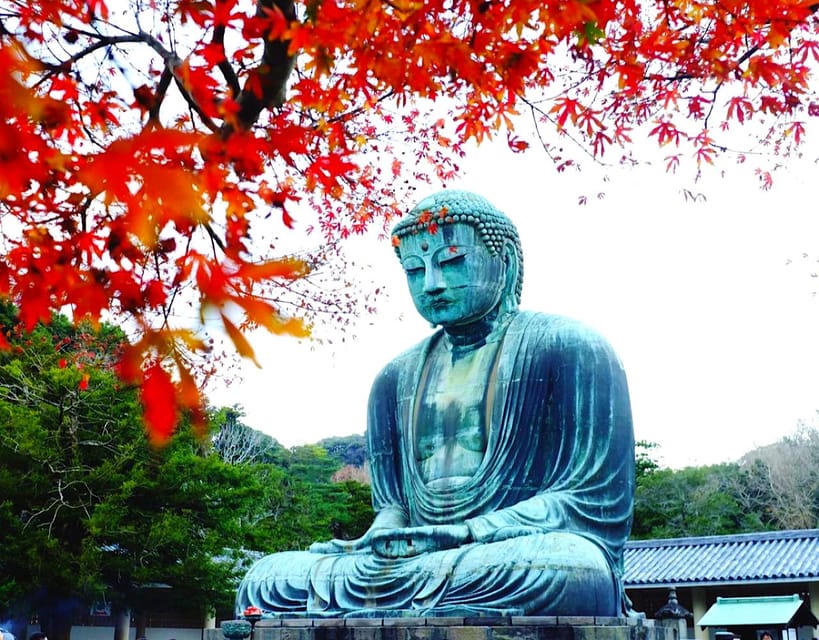
Your first major stop is Kōtoku-in, home of the Great Buddha of Kamakura. You have about one hour here, enough to view the statue, take photographs, and listen to the guide explain why it became such a strong symbol of the city.
The bronze figure is the kind of sight that works immediately. It is large, simple, and visually powerful, even if you know little about Japanese religious art. A guide adds useful context, especially when explaining how the statue fits into Kamakura’s Buddhist tradition.
The admission fee is listed separately at ¥300. Bring cash or a payment method suitable for small entrance charges, and remember that three temple or shrine stops may involve separate fees. The one-hour visit is generous for the main statue, but it will not support a long, unhurried study of every corner of the grounds.
This is also a good place to begin because it gives you the day’s clearest landmark before moving into more detailed temple settings. You get the famous image first, then spend the rest of the morning seeing quieter expressions of Kamakura.
Hase-dera combines gardens and coastal views
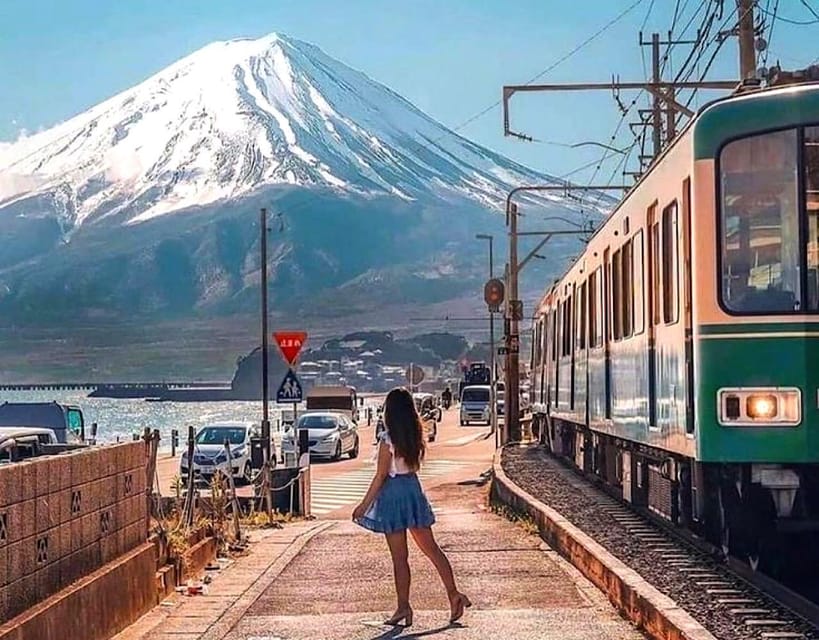
Next comes Hase-dera, with about an hour to explore. The temple is known for its gardens and views toward the coastline, so this stop offers more variety than a simple statue visit.
I like the change in mood here. Kōtoku-in is direct and monumental, while Hase-dera gives you greenery, religious buildings, and outward views. Your guide can connect the physical setting with the customs and stories that make the temple meaningful.
The entrance fee is listed as ¥400, separate from the tour price. One hour lets you see the principal areas at a steady pace, but the grounds may invite you to linger. If photography matters to you, this is one of the stops where you will want to keep your camera ready.
The tour description also points to scenic hiking routes around Kamakura as a possible addition, depending on the day and schedule. Do not assume a hike is guaranteed. Ask your guide early if you want more walking, since the later Enoshima visit already takes up two hours.
Same base, a completely different sort of day:
- Mt Fuji and Hakone 1-Day Bus Tour Return by Bullet Train
★ 5.0 · 26,383 reviews - 1-Day Tokyo Bus Tour
★ 5.0 · 14,250 reviews - Tokyo: TOKYO SKYTREE® Admission ticket
★ 4.5 · 11,192 reviews - Tokyo: teamLab Planets TOKYO Digital Art Museum Entry Ticket
★ 4.6 · 9,779 reviews
Hokokuji Bamboo Forest is the quiet reset
Hokokuji Temple provides the day’s most compact natural pause. The visit lasts about an hour and includes the well-known bamboo forest, a narrow green corridor that feels very different from Tokyo’s streets and Kamakura’s busier shopping areas.
The listed admission fee is ¥300. The grove is not a full-day attraction, which makes the scheduled hour sensible. You can walk through the bamboo, take photographs, and give your attention a rest before the more open spaces later in the day.
This stop is especially useful in a packed schedule because it changes the rhythm. You have already seen a major statue and a large temple setting. Here, the appeal is quiet texture, filtered light, and a short walk among bamboo.
Do not expect the tour to turn this into a long meditation session. The overall plan has several stops, and the guide must keep the group moving. Still, Hokokuji is a smart inclusion because it prevents the day from becoming a string of similar temple visits.
Tsurugaoka Hachimangu brings you into central Kamakura
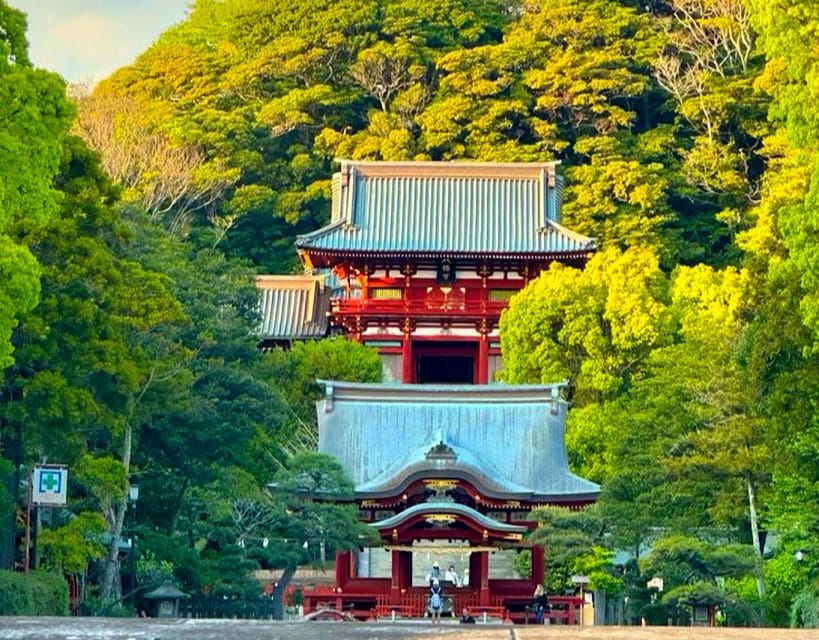
The visit to Tsurugaoka Hachimangu is scheduled for about 30 minutes. That may sound brief, but it gives you a look at Kamakura’s most important Shinto setting without using the time needed for Enoshima.
The shrine is surrounded by nature and has a different character from the Buddhist temples earlier in the day. Your guide can explain the difference between the religious traditions and place the shrine within Kamakura’s political and cultural story.
Thirty minutes calls for focus. You will want to follow the guide, take in the main approach and shrine setting, and save detailed exploration for another visit. If you prefer a slow pace at one major site, this short stop may feel rushed. If your goal is to sample several sides of Kamakura, it works well.
The shrine also sits near streets with shops and cafes, so you may pass through the city’s everyday side between scheduled visits. This is where the private format helps: your guide can point out a snack, restroom, or shop without making the whole group stop for long.
Lunch is flexible, but it is not included
Lunch is not part of the $451 price. The plan calls for a local restaurant and traditional Japanese food, with the guide able to suggest places. That gives you choice, but it also means you should allow money and time for the meal.
I prefer this arrangement to a fixed tourist restaurant when the guide is good at reading the group. You can ask for something quick if you want more time in Enoshima, or take a proper break if your group needs it. Reviews of the guide service specifically praise practical advice about restaurants and facilities.
The exact restaurant, menu, and lunch price are not fixed in the information provided. If dietary needs matter, tell the provider before the day begins. Since the itinerary is full, a long meal could reduce time at later stops.
Two hours in Enoshima
The final major destination is Enoshima, with about two hours for sightseeing, shopping, and local exploration. This is where the day shifts from temple culture to island scenery and ocean views.
The available time is enough for a useful introduction. You can follow your guide along scenic spots and paths, browse shops, and stop for local food or souvenirs. Shoan has been praised for showing scenic areas and less obvious paths while keeping the visit relaxed. Families may especially like Enoshima because it breaks up the temple-heavy morning with more open views and a different setting.
Two hours is also the clearest limit of the day. Enoshima has enough to occupy longer than that, particularly if you want to shop, eat, and walk at the same time. Think of this as a guided sample, not a complete island visit.
If you are deciding between more temple time and Enoshima, tell your guide what matters most. The trip is private, and the schedule may allow some adjustment, but the overall ten-hour limit remains. Traffic on the return to Tokyo can also affect how much flexibility you really have.
What the guides add to the day
A private tour is only as good as its guide, and the strongest pattern in the available feedback is clear communication. Shoan has been praised for explaining Kamakura’s long and complex story with charts, which can help when names, dates, Buddhist traditions, and Shinto customs begin to blur together.
Ali has been praised for keeping parking close to the attractions and reducing unnecessary walking. That detail matters more than it may sound. A full day across several sites can become tiring, especially after time spent walking around Tokyo. For families, the ability to keep a child engaged and avoid needless effort can make the difference between a good day and a worn-out one.
Timur has also been praised for attentive care during a busy outing. The broader point is that this is not just a driver service. You are buying interpretation, navigation, and help with small decisions throughout the day.
Still, guide quality can vary because the named guides are not promised for every booking. If you have a particular request, such as a slower pace, family focus, or more historical explanation, state it when arranging the trip.
Costs, walking, and what to pack
Beyond the tour price, budget for:
- Lunch, which is not included
- Kōtoku-in admission, listed at ¥300
- Hokokuji admission, listed at ¥300
- Hase-dera admission, listed at ¥400
- Snacks, drinks, and shopping in Kamakura or Enoshima
The listed temple fees total about ¥1,000 per person, before any other charges. The information does not list an Enoshima admission fee, so ask your guide if you plan to enter any optional paid attractions there.
Wear comfortable shoes. You will walk through temple and shrine grounds, along shopping streets, and around Enoshima. Bring water, sunscreen, a camera, and clothing suited to the forecast. Smoking is not allowed during the activity.
The schedule begins in the morning and finishes after a full ten-hour day. That makes breakfast important, particularly if you are traveling with children. A small snack in your bag can also help if lunch timing shifts.
Who should book this private Kamakura tour
I would choose this trip if you want to see Kamakura and Enoshima in one day without handling transport yourself. It suits first-time visitors to the area, families, small groups, and anyone who values an English explanation at each stop.
It is also a good fit if your group has different interests. One person can ask about temple traditions, another can look for food tips, and a child can get help staying engaged. A private vehicle makes those differences easier to manage.
I would hesitate if you want a slow, solitary temple day. The schedule covers a lot, and the 30-minute Tsurugaoka Hachimangu visit plus the two-hour Enoshima stop leave limited room for wandering. A public transit day or a private tour focused only on Kamakura could offer more time at fewer places.
The wheelchair-accessible designation is useful, but the tour still includes substantial movement. Confirm the practical details before booking if you require a specific level of access or vehicle assistance.
Should you book it?
Book this tour if your priority is coverage, comfort, and guidance. You will see Kamakura’s best-known Buddhist and Shinto sites, walk through the Hokokuji bamboo grove, and finish with Enoshima’s ocean views and shops, all with hotel pickup and private transport.
The value improves sharply for a group of four or five. For one or two people, compare the cost with arranging trains and local taxis yourself. Also remember to add lunch and admission fees.
My practical advice is to book it for a first visit when you want an easy overview, then return another day if Kamakura captures your interest. Ask for your preferred pace in advance, wear good shoes, and leave some energy for Enoshima. That is where the day gets its best change of scenery.
FAQ
How long does the Kamakura and Enoshima tour last?
The activity lasts 10 hours, including pickup from Tokyo and the return journey.
What time is pickup?
Pickup is scheduled for 8:30 a.m. from locations in Tokyo’s 23 wards. Traffic may make the vehicle up to 30 minutes late.
Is hotel pickup included?
Yes. Hotel pickup and drop-off are included for eligible hotels within Tokyo’s 23 wards. Pickup outside Tokyo requires contacting the provider.
What language does the guide speak?
The tour includes a live English-speaking guide.
What places are included?
The scheduled stops are Kōtoku-in, Hase-dera, Hokokuji Bamboo Forest, Tsurugaoka Hachimangu, and Enoshima.
Is lunch included in the price?
No. Lunch is not included. You pay separately for the meal.
How much are the listed admission fees?
Kōtoku-in is listed at ¥300, Hokokuji at ¥300, and Hase-dera at ¥400. These fees are separate from the tour price.
Just added around Tokyo
- Private Arrival Transfer : Narita International Airport to Central Tokyo City★ 4.5 · 12 reviews
- Narita Airport(NRT): Private Transfer to Tokyo/Yokohama 1-9pax★ 5.0 · 47 reviews
- Private Transfer from Narita Airport to Yokohama Port and City★ 4.5 · 17 reviews
- [Narita Airport Terminals 1, 2] 40-60km Sawara Itako Historic Bike Tour★ 5.0 · 13 reviews
- 3 Day Japan Highlights Tour: Tokyo, Mt.Fuji, Nara, Kyoto, Osaka★ 5.0 · 22 reviews
- Small Town in the Big City: Tasting Tokyo’s Kichijoji★ 5.0 · 195 reviews
- Small Town in the Big City: Tasting Tokyo’s Kichijoji★ 5.0 · 16 reviews
- The 10 Tastings of Tokyo With Locals: Private Street Food Tour★ 5.0 · 48 reviews
Tokyo Tours, compared.

Mt Fuji and Hakone 1-Day Bus Tour Return by Bullet Train
Read our review →

teamLab Planets TOKYO Digital Art Museum Entry Ticket
Read our review →
Mt Fuji & Hakone Cruise, Drum Show Bullet Train 1 Day from Tokyo
Read our review →
Sumo Show Experience with Chicken Hot Pot and a Photo
Read our review →
Shinjuku Food Tour (13 Dishes at 4 Local Eateries)
Read our review →
Tokyo Mt Fuji 5th St & Hakone Cruise Bus Tour w/Bullet Train
Read our review →