
Reviewed · TOKYO TOURS
Japanese Traditional Music Show in Tokyo
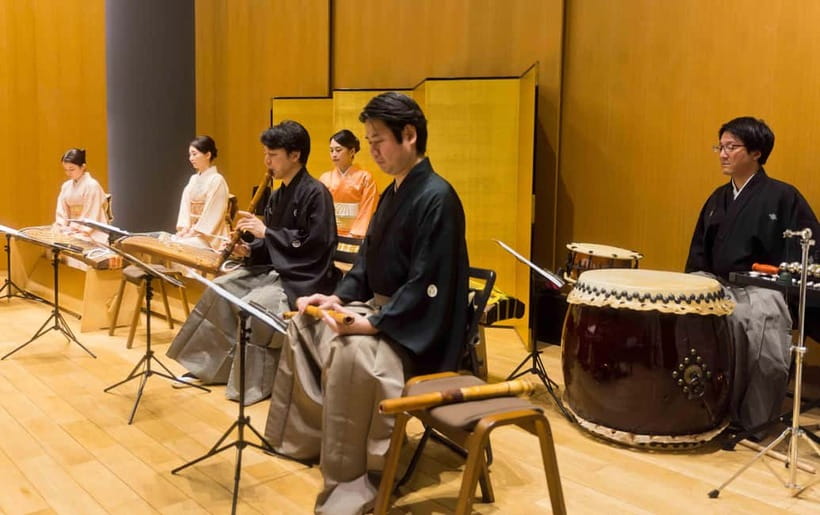
Japanese traditional music can seem distant if you do not know what you are hearing. ZAKURO SHOW fixes that problem with a short, intimate concert where the koto, shamisen, shakuhachi, and taiko are played close to the audience. The host explains the instruments, their history, and the meaning behind the pieces in English and Japanese.
I like the clear teaching woven into the music, rather than placed in a long lecture before the performance. I also like the small numbered audience, which gives the one-hour show a personal feel and lets you take photos and videos during the concert.
The main consideration is the length. At $38 per person, this is a focused introduction, not a full evening of music. If you already know Japanese traditional music well, you may want a longer or more specialized performance.
Key points at a glance
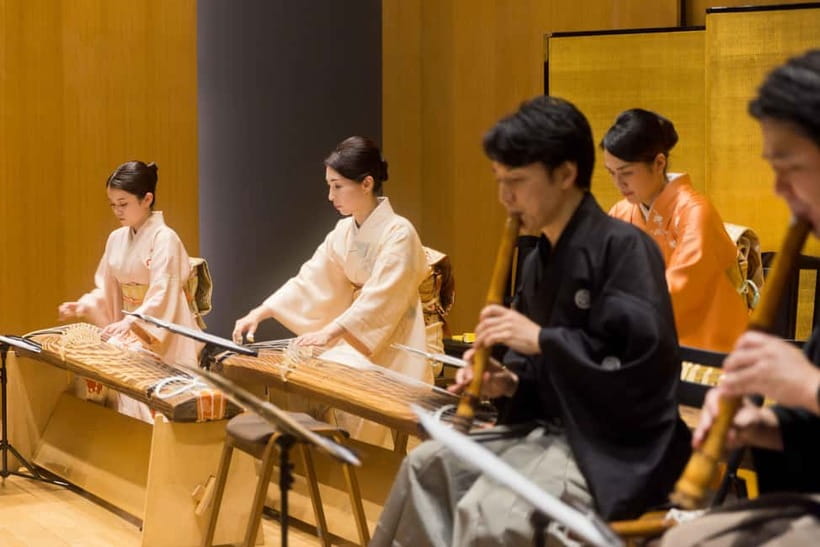
- Four striking Japanese instruments: Hear the bright koto, expressive shamisen, breathy shakuhachi flute, and powerful taiko drums.
- English explanation throughout: The host translates and explains the instruments, the music, and the background of each selection.
- Small numbered audience: The limited seating puts the musicians and their instruments right in front of you.
- Old music with modern surprises: The program includes ancient and modern Japanese pieces, plus a Western hit arranged for Japanese instruments.
- Photos are welcome: You can take pictures and videos during the show, then pose with the musicians afterward.
- Easy Harajuku access: Hall 60 is one minute from Meiji-Jingumae Station Exit 7 and five minutes from JR Harajuku Station’s Omotesando Exit.
Reaching Hall 60 in Harajuku
The meeting point is Hall 60, in one of Tokyo’s easiest areas for combining culture, shopping, and food. From Meiji-Jingumae Station, Exit 7 is about a one-minute walk. From JR Harajuku Station, use the Omotesando Exit and allow about five minutes.
That short walk matters in Tokyo. You can fit this concert into a day that includes Meiji Shrine, Takeshita Street, Omotesando, or the museums and shops around Aoyama. I would plan to arrive with enough time to find Hall 60 without rushing, since the show uses reserved numbered seats and the room is intentionally small.
The venue is wheelchair accessible. Hotel pickup and drop-off are not included, so you make your own way to the hall. The easiest plan is to treat this as a central Tokyo activity rather than a separate half-day outing.
More shows in Tokyo:
- Mt Fuji & Hakone Cruise, Drum Show Bullet Train 1 Day from Tokyo
★ 4.0 · 7,413 reviews - Tokyo: Sumo Show Experience with Chicken Hot Pot and a Photo
★ 4.8 · 6,678 reviews - Tokyo: Sumo Show and Dining Experience
★ 4.8 · 2,742 reviews
A close look at the koto, shamisen, shakuhachi, and taiko
The appeal of this performance begins with its range of instruments. You do not hear one style repeated for an hour. Instead, the concert moves through several very different sounds, each with its own shape and character.
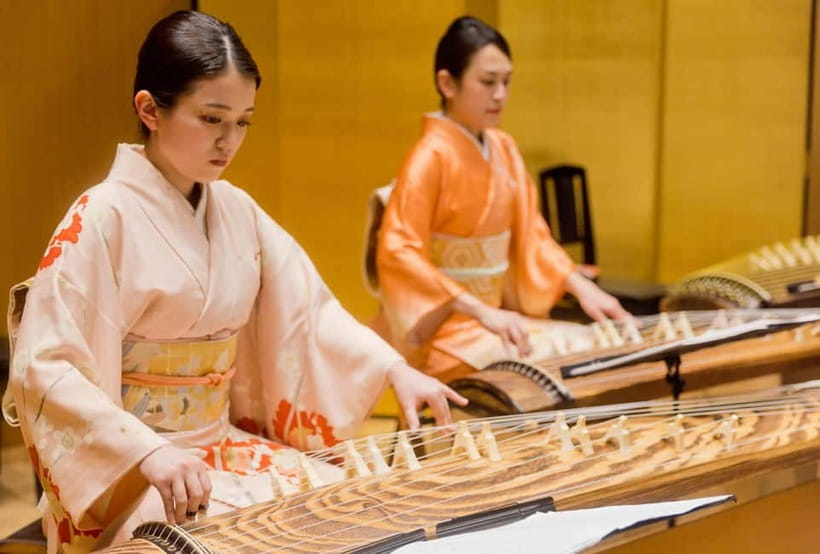
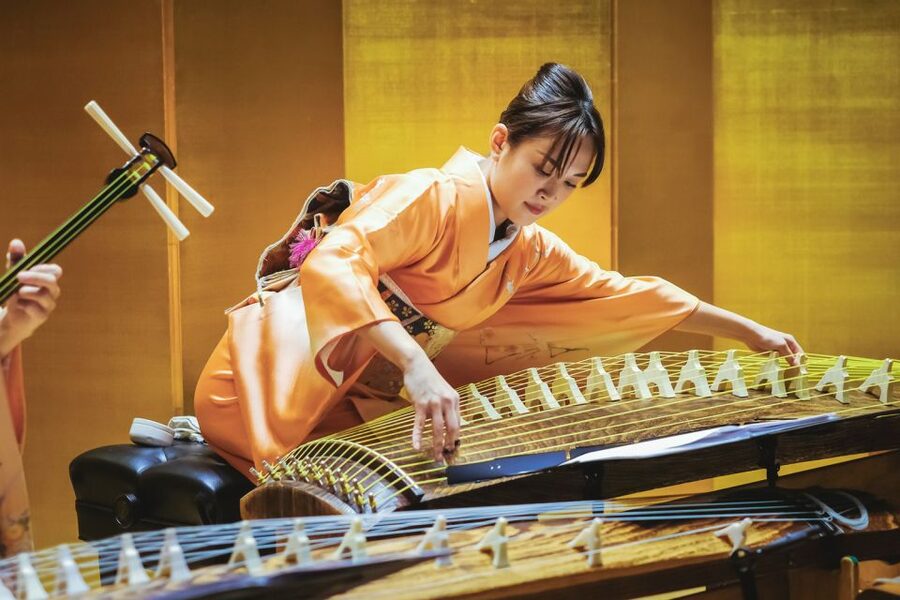
The koto, often described as a Japanese harp, gives the music a clear, ringing tone. Its sound can be delicate, but it also has enough force to carry a melody. The show explains the instrument and its background, helping you hear more than just a series of pretty notes.
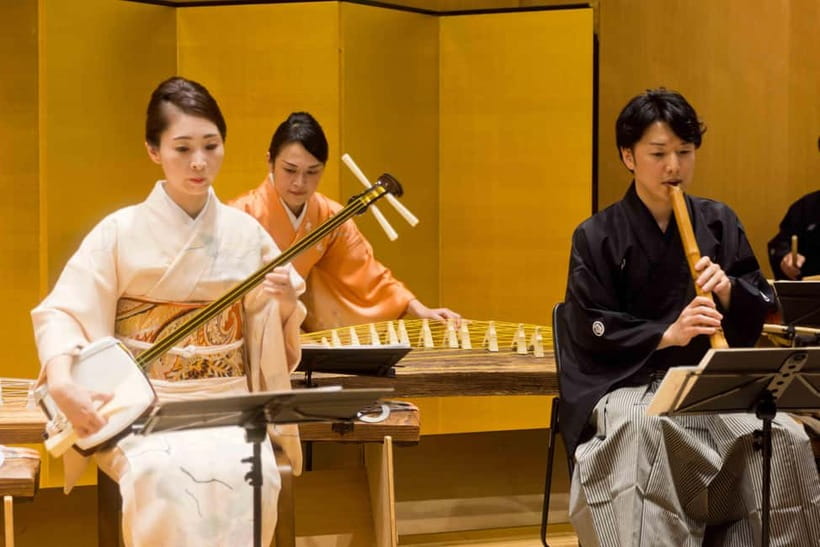
The shamisen brings a sharper, more percussive voice. This three-stringed instrument has a strong attack and a sound that can feel both elegant and earthy. Hearing it beside the koto makes the contrast easy to grasp, even if you know little about Japanese music.
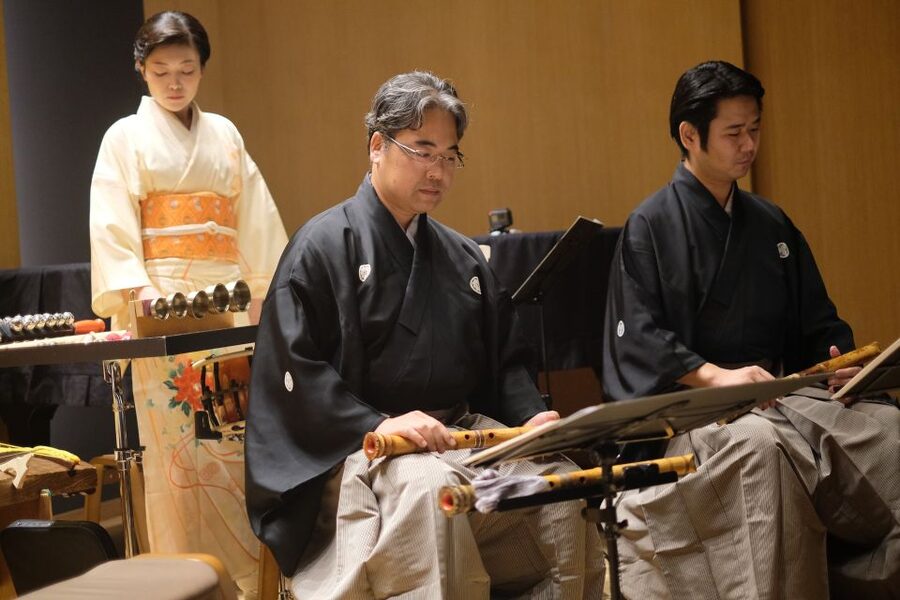
The shakuhachi flute changes the mood again. Its tone has a breathy, human quality, and the pauses between notes matter as much as the notes themselves. The host gives you useful context about how it works and where it fits in Japanese musical traditions.
Then come the taiko drums. They supply weight and physical energy, giving the program a larger finish than the string and wind instruments alone might provide. Because the musicians perform close to you, the change from quiet flute to forceful percussion should feel especially immediate.
How the one-hour program unfolds
The program is built around performance and explanation. You hear a piece, learn about the instrument or musical setting, and then listen with that information in mind. This approach helps you notice details that might otherwise pass by.
The host works in English and Japanese, translating and guiding the concert for an international audience. Clear explanation is one of the strongest reasons to choose this show over an unintroduced music performance. You are not expected to know the names of instruments or understand the structure of the pieces before arriving.
The music includes ancient Japanese works and modern traditional arrangements. That mix keeps the hour moving. Older pieces provide a connection to Japan’s musical past, while newer selections show that wagakki, the Japanese word for traditional instruments, are not limited to museum settings.
A Western hit is also included as a surprise. I will not name it, since part of the fun is recognizing the tune when it appears. The arrangement shows how familiar melodies change when played on koto, shamisen, shakuhachi, and taiko. It is a useful bridge for anyone who likes world music but is not sure how much traditional music they want to hear.
The show lasts one hour, which is long enough to give each instrument attention without taking over your day. It also makes a good choice for families and mixed-interest groups. One family reported that teenagers recorded the entire performance, a sign that the music can connect with younger listeners when the presentation stays varied and visual.
Why the intimate room matters
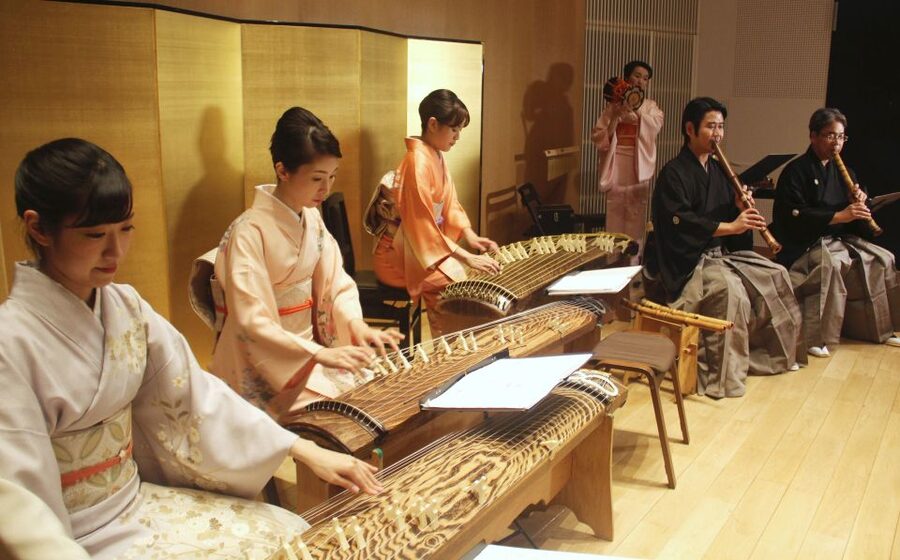
Large cultural performances can be impressive, but they often place you far from the musicians. ZAKURO SHOW takes the opposite approach. The audience is small, seats are numbered, and the musicians and instruments are positioned right in front of you.
That closeness makes the teaching useful. When the host explains how an instrument is made or played, you can look directly at it rather than relying on a distant stage view. You also get a better sense of the musicians’ hand movements and the physical work behind the sound.
The limited space is also the one part of the experience that may not suit everyone. If you prefer a grand concert hall with a large crowd and theatrical staging, this will feel modest. Its strength is attention and access, not scale.
The musicians perform in kimono, adding visual context without turning the show into a costume display. The clothing, instruments, and explanations work together to make the concert feel connected to Japanese culture rather than like a generic music recital.
A few more Tokyo half-days to weigh up
- Mt Fuji and Hakone 1-Day Bus Tour Return by Bullet Train
★ 5.0 · 26,383 reviews - 1-Day Tokyo Bus Tour
★ 5.0 · 14,250 reviews - Tokyo: TOKYO SKYTREE® Admission ticket
★ 4.5 · 11,192 reviews - Tokyo: teamLab Planets TOKYO Digital Art Museum Entry Ticket
★ 4.6 · 9,779 reviews
Photos, videos, and meeting the musicians
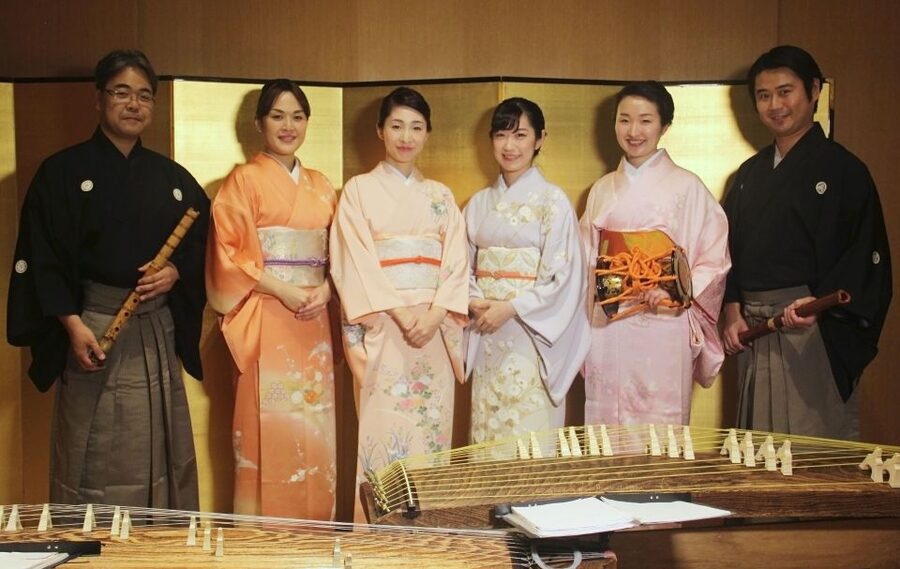
You are allowed to take photos and videos during the performance. That is unusual enough to affect how you plan your visit. If you want a recording, keep your phone considerate of the people behind you and avoid letting it distract from the music.
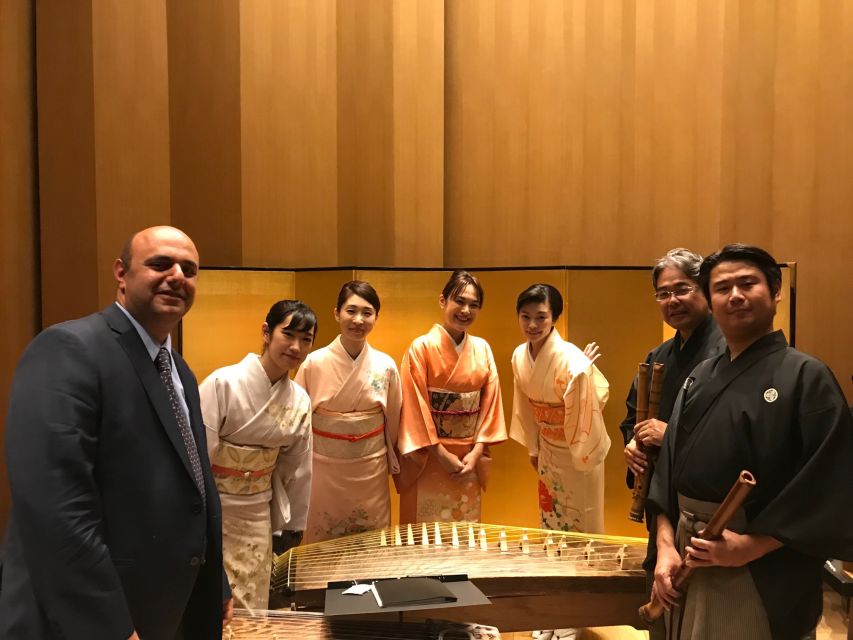
After the concert, you can take photos beside the musicians. This short meeting is a thoughtful finishing touch, especially if you are introducing children or teenagers to Japanese culture. It also gives you a chance to see the instruments from closer range after hearing them in performance.
Do not expect a long private lesson or an extended backstage visit. The attraction is the concert itself, with a brief chance to interact afterward. Still, that final photo opportunity makes the hour feel more personal than a standard ticketed show.
Is $38 a fair price?
The cost is $38 per person. For one hour, that may initially seem higher than a casual street performance or a free cultural event. The comparison changes when you count what is included: a reserved seat, a prepared concert, bilingual presentation, access to several instruments, and permission to photograph the musicians.
I consider it good value for a visitor who wants a reliable cultural activity in central Tokyo. You are paying for the setting, the musicians’ skill, and the explanation that makes the music easier to follow. The price is less attractive if you are searching only for the cheapest entertainment or already have several included cultural shows planned.
The program also avoids a common problem with short cultural activities: spending most of the time on logistics. There is no hotel transfer or meal included, but that keeps the booking simple. You arrive at Hall 60, take your reserved seat, and spend the hour on the music.
Free cancellation is available up to 24 hours before the activity for a full refund. You can also reserve now and pay later, which helps if you are building a Tokyo schedule around weather, train plans, or other timed attractions. Starting times vary, so check availability before arranging dinner or another ticketed event.
Who will enjoy this show most?
I would recommend ZAKURO SHOW to several types of visitors:
- First-time Japan visitors who want cultural context without committing to a long formal concert.
- Families with older children and teenagers who may respond to the familiar modern song and the chance to make videos.
- Music lovers interested in how traditional instruments create different tones and rhythms.
- Couples looking for a calm evening activity that is more distinctive than a standard stage show.
- Visitors staying around Harajuku, Shibuya, or Omotesando who want something easy to reach and simple to fit into a busy day.
- English-speaking visitors who want explanations rather than a performance they cannot follow.
It may be less suitable if you need a full meal, hotel transport, or a long evening program. Food, drinks, and merchandise are not included. You also should not book it expecting a large-scale production with elaborate sets.
The show works best when you approach it with curiosity. You do not need musical training. The host explains the basics, and the variety of instruments gives you several ways into the performance.
What makes the presentation work
The most useful feature is the balance between information and music. Too much explanation would flatten the concert. Too little would leave many first-time listeners unsure what makes one instrument or piece different from another.
Here, the lessons are placed between musical selections. The host describes how instruments work, how they are made, and their place in Japanese culture. Visitors who attended in past seasons repeatedly praised the translation as clear and easy to follow, which is important for a bilingual event.
The musicians also receive strong praise for their technical ability. That matters because an educational performance can sometimes feel like a demonstration rather than a real concert. This program aims to give you both: a lesson in wagakki and polished live music.
The modern cover is another smart choice. Traditional music can take patience, especially if you are hearing unfamiliar scales and instruments. A recognizable Western melody gives you a point of reference, then lets you hear how much the arrangement changes when the sound sources change.
Final decision: should you book ZAKURO SHOW?
Book it if you want a compact, well-explained introduction to Japanese traditional music with excellent access to the musicians. The combination of koto, shamisen, shakuhachi, and taiko gives you real variety, while the English host keeps the experience open to people with no musical background.
I would especially choose it for a first or second Tokyo visit, a family itinerary, or an evening near Harajuku. The one-hour length, easy station access, reserved seating, and photo opportunity make it practical as well as cultural.
Skip it only if you want a long concert, a meal-based evening, or a large theatrical production. For everyone else, $38 buys a focused hour of live music and useful context, with enough personality to remain memorable after you leave the hall.
FAQ
Where is the Japanese Traditional Music Show held?
The show is held at Hall 60 in Tokyo’s Harajuku area. Meiji-Jingumae Station Exit 7 is about a one-minute walk away, while JR Harajuku Station’s Omotesando Exit is about five minutes away.
How long does the show last?
The concert program lasts one hour.
How much does the experience cost?
The listed price is $38 per person.
Which instruments are performed?
The program features the koto, Japanese harp, shamisen, shakuhachi flute, and taiko drums.
Is the show presented in English?
Yes. The host or greeter presents in English and Japanese, with explanations and translation for the audience.
Can I take photos or videos?
Yes. You may take photos and videos during the show. You can also take photos with the musicians afterward.
Is seating reserved?
Yes. Your entry includes a reserved seat, and the audience is limited to a small numbered group.
Is the venue wheelchair accessible?
Yes. The activity is listed as wheelchair accessible.
Can I cancel my booking?
You can cancel up to 24 hours in advance for a full refund. A reserve now and pay later option is also available.
Just added around Tokyo
- Private Arrival Transfer : Narita International Airport to Central Tokyo City★ 4.5 · 12 reviews
- Narita Airport(NRT): Private Transfer to Tokyo/Yokohama 1-9pax★ 5.0 · 47 reviews
- Private Transfer from Narita Airport to Yokohama Port and City★ 4.5 · 17 reviews
- [Narita Airport Terminals 1, 2] 40-60km Sawara Itako Historic Bike Tour★ 5.0 · 13 reviews
- 3 Day Japan Highlights Tour: Tokyo, Mt.Fuji, Nara, Kyoto, Osaka★ 5.0 · 22 reviews
- The 10 Tastings of Tokyo With Locals: Private Street Food Tour★ 5.0 · 48 reviews
- Small Town in the Big City: Tasting Tokyo’s Kichijoji★ 5.0 · 195 reviews
- Small Town in the Big City: Tasting Tokyo’s Kichijoji★ 5.0 · 16 reviews
Tokyo Tours, compared.

Mt Fuji and Hakone 1-Day Bus Tour Return by Bullet Train
Read our review →

teamLab Planets TOKYO Digital Art Museum Entry Ticket
Read our review →
Mt Fuji & Hakone Cruise, Drum Show Bullet Train 1 Day from Tokyo
Read our review →
Sumo Show Experience with Chicken Hot Pot and a Photo
Read our review →
Shinjuku Food Tour (13 Dishes at 4 Local Eateries)
Read our review →
Tokyo Mt Fuji 5th St & Hakone Cruise Bus Tour w/Bullet Train
Read our review →