
Reviewed · TOKYO TOURS
Mt FUJI Day Tour with Private Car and English Speaking Guide
Mount Fuji is the star, but the real strength of this private day trip is the number of ways you can see it. You may frame the mountain behind Chureito Pagoda, catch it over Lake Kawaguchiko, visit shrines and spring-fed villages, or ride toward the Fifth Station. The drive from Tokyo is long, yet having your own car saves you from piecing together trains and buses.
I like the flexible route, since you choose five or six places rather than being locked into every stop on the long list. I also like the easy hotel pickup and the comfortable air-conditioned vehicle, especially for families or a small group. The catch is simple: the advertised list is far too large for one day, and clouds, traffic, and optional admissions can change the plan.
Key things to know before you book
- You choose five or six stops: The ten-plus possible sights are options, not a promise that you will visit them all.
- The view depends on weather: Fuji can disappear behind clouds, even when the rest of the day is pleasant.
- Private means flexible: Your group of up to three rides alone, with room to adjust the order of stops.
- Tokyo traffic matters: Leaving early is especially useful on weekends and can make the difference between a full day and a rushed one.
- Several costs come later: Lunch, the ropeway, museums, the ice cave, and some Fifth Station transport are extra.
- The guide style can vary: Guides such as Amir, Shah, Sikii, Zubi, and Azhar have been praised for driving, photos, and route advice, but the exact guide is not guaranteed.
Why a private car makes the Fuji day easier
From Tokyo, Mount Fuji is not a quick side trip. This outing lasts about nine to ten hours, and much of that time goes into getting out of the city and around the Fuji area. A private car turns the day into a door-to-door trip, with pickup offered from Tokyo hotels and return transport included.
That matters when you want to combine several places. Public transport can get you toward the Fuji Five Lakes, but changing between shrines, villages, lakes, parks, caves, and mountain stations takes planning. Here, your driver handles the roads, parking, petrol, highway tolls, and transfers between stops.
You ride in a modern, clean, air-conditioned vehicle. The group limit is three people, so this is best for a couple, a family, or a small circle of friends. At $440 per group, the price is not cheap for one person, but it becomes more reasonable when split three ways. It also covers the costs that can quietly add up on a private driving day.
The practical warning is traffic. Tokyo and the roads toward Fuji can be slow, particularly on weekends. An 8 a.m. pickup is available, but leaving earlier is strongly worth considering if you want more time at the mountain. A late start may work, but it makes the already ambitious route harder.
More Mt Fuji Tours in Tokyo
- Mt Fuji and Hakone 1-Day Bus Tour Return by Bullet Train
★ 5.0 · 26,383 reviews - Mt Fuji & Hakone Cruise, Drum Show Bullet Train 1 Day from Tokyo
★ 4.0 · 7,413 reviews - Tokyo Mt Fuji 5th St & Hakone Cruise Bus Tour w/Bullet Train
★ 4.4 · 5,024 reviews
Chureito Pagoda gives you the classic Fuji frame
The first major stop is Chureito Pagoda in Fujiyoshida City, part of Arakura Sengen Shrine. You climb a long flight of steps to reach the five-story pagoda and its famous view toward Mount Fuji.
This is one of the most photogenic stops of the day, but it is not effortless. You have about an hour here, and some of that time goes to the climb. If stairs are difficult, tell the driver when planning the route so you can decide if this stop is worth your energy.
The view is weather-dependent and can be crowded. When the sky is clear, the pagoda, city, and mountain make a memorable picture. When clouds cover Fuji, you still have the shrine and pagoda, but the main reason for coming is reduced.
Kitaguchi Hongu Fuji Sengen Shrine adds a quieter cultural stop
Kitaguchi Hongu Fuji Sengen Shrine sits at the northern foot of Mount Fuji and serves as the traditional entrance to the Yoshida Trail. The shrine gives the day a cultural pause after the photo-focused opening stop.
You have about 40 minutes here. That is enough to walk through the grounds, notice the religious setting, and hear some background from your guide if they provide it. Guides praised for their explanations include Shah, Amir, Sikii, and Zubi, though your assigned guide may be different.
I like this stop because it gives you more than mountain scenery. Fuji has long been tied to worship as well as climbing, and a shrine at the trail entrance helps explain that connection. It is also a sensible stop when clouds hide the summit, since the shrine remains worthwhile on its own.
Oshino Hakkai shows Fuji through water and village life
Oshino Hakkai is a small village known for clear spring ponds fed by water from Mount Fuji. The ponds and traditional setting offer a slower, more grounded experience than a lookout point.
Plan on roughly an hour. You can walk among the ponds, take photographs, browse local shops, and look for something to eat. The stop has a strong visual appeal, but it can also feel busy and commercial, particularly at popular times.
This is one of the places that helps justify the private vehicle. You are not coming only for one mountain photograph. You are seeing how the area around Fuji is shaped by water, farming, religion, tourism, and mountain culture.
A few more Tokyo half-days to weigh up
- Tokyo Private Sightseeing Tour by Car- English speaking chauffeur
★ 5.0 · 1,004 reviews - Tokyo Private Tour by Vehicle with English-Speaking Chauffeur
★ 5.0 · 504 reviews - Private Car Tour to Mt. Fuji Lake Kawaguchiko or Hakone
★ 5.0 · 360 reviews - Kyoto Private Car Tour – Full Day with Local Guide & Nara Option
★ 5.0 · 169 reviews
The Fifth Station takes you high on Fuji
The Fifth Station is around 2,300 meters above sea level and is the best-known starting point for climbers heading toward the summit. Even if you are not climbing, the altitude gives you a different view of the mountain and surrounding area.
The scheduled stop is about an hour, but access changes during hiking season. Private cars are not allowed to drive all the way to the Fifth Station at that time, so you must use a shuttle bus. The listed shuttle charge is ¥2,500 per person. There is also a Mount Fuji entrance fee of ¥2,800 per group, and these costs are not included in the tour price.
Do not treat the Fifth Station as guaranteed in every condition. Road rules, weather, and the available time can affect it. On cloudy days, the stop may sit above or below the cloud cover. One useful possibility is that the station can sometimes offer a clear view even when Tokyo and the lower Fuji area are gray, but you should not book this day expecting perfect visibility.
Lake Kawaguchiko and Oishi Park are the scenic heart of the day
Lake Kawaguchiko is one of the best places to view Fuji from below. The lakefront gives you open mountain views, water reflections when conditions cooperate, and places to eat. Lunch is not included, so you pay for your own meal.
You have about an hour at the lake itself. Some guests have chosen an extra boat ride, but do not feel pressured to add it. Ask about the price first and decide if it fits your interests and budget. A good private guide can help you choose, but the final decision is yours.
Oishi Park, on the lake shore, offers flower gardens and another broad view toward Fuji. You get about 30 minutes, enough for photographs and a soft-serve ice cream stop. The park is an easy addition when you want scenery without a long walk.
If clouds roll in, these two stops can still work, but their main appeal is the mountain view. A flexible driver may reorder the day to chase clearer views. That flexibility was especially useful for people who had to adapt to changing conditions.
The ropeway offers height without a mountain climb
The Mount Fuji Panoramic Ropeway carries you upward for views over the lake, nearby town, and Mount Fuji. It is a practical choice if you want a high viewpoint but do not want to hike.
The planned visit takes about an hour, and the ticket is extra. Because the whole tour allows only five or six stops, you need to choose between the ropeway and other paid attractions. I would favor it on a clear day, especially if you have already seen Fuji from the shore and want a different angle.
Crowds can affect the experience. The ropeway may be less appealing if you are trying to fit too many places into a late-running day, so confirm the route early rather than assuming every attraction will fit.
Itchiku Kubota Museum offers art instead of another lookout
The Itchiku Kubota Art Museum is dedicated to textile artist Itchiku Kubota, who revived the lost Tsujigahana silk-dyeing technique. The museum sits near Lake Kawaguchiko and combines textile art with Fuji-area scenery.
You get about 40 minutes here. Admission is ¥1,500 per person and is not included. This is a strong choice if you want an indoor cultural stop, need a break from roadside viewpoints, or have a real interest in Japanese textiles.
It is less useful if your only goal is to see Fuji from as many angles as possible. The private format lets you make that call. You can choose art, shrines, or natural sights instead of following a fixed group schedule.
Narusawa Ice Cave brings a cool change of pace
Narusawa Ice Cave formed in ancient lava flows from Mount Fuji. Natural ice remains in the underground cave year-round, making it a striking contrast to the sunny lake stops.
The visit lasts about 40 minutes. Admission is ¥400 per person, not included. This is not a casual flat walk in the park, so consider your comfort with an underground cave before adding it to the route.
The cave is a good choice when you want a physical and geological experience rather than another viewpoint. It also gives the day variety, though adding too many short stops can make the schedule feel hurried.
Lake Yamanaka shows another side of the Fuji Five Lakes
Lake Yamanaka is the largest of the Fuji Five Lakes and offers a broad setting for boating, fishing, cycling, and mountain views. The planned stop lasts about an hour.
Compared with Kawaguchiko, this can feel like a useful change of scene. You are still near Fuji, but the day is not limited to the most famous lakefront. Choose it if you want open space, water, and a calmer outdoor stop.
The same weather rule applies here. Clouds can hide the peak, so treat the lake as a scenic place in its own right, not only as a Fuji photograph.
Why the ten-stop list needs careful planning
The possible route includes Chureito Pagoda, Kitaguchi Hongu Fuji Sengen Shrine, Oshino Hakkai, the Fifth Station, Lake Kawaguchiko, Oishi Park, the ropeway, the Itchiku Kubota Museum, Narusawa Ice Cave, and Lake Yamanaka. That is far more than a nine or ten-hour day can comfortably handle from Tokyo.
You are asked to choose five or six favorites. Take that instruction seriously. A sensible plan might combine Chureito Pagoda, a shrine, Oshino Hakkai, Lake Kawaguchiko, Oishi Park, and either the Fifth Station or ropeway. Another plan could replace a viewpoint with the ice cave or textile museum.
Do not assume that declining one stop automatically creates time for every other attraction. Traffic, parking, stairs, meals, shuttle buses, and walking all use part of the day. Agree on priorities before departure, and ask your driver to explain what is realistic.
What the guides add, and what they may not
This experience is described as a private tour with an English-speaking guide, but the most useful distinction is that the guide is also your driver. The best guides make the car feel like a moving base, help with photographs, explain shrine and mountain sites, recommend food, and adjust the route.
Amir is praised for smooth driving, good route planning, restaurant suggestions, and a friendly manner. Shah is noted for punctual communication, strong English, photo help, and finding worthwhile stops when clouds interfere. Sikii is described as kind and considerate, including when looking after an older family member. Zubi is praised for helping with mobility concerns, choosing sensible walks, and giving background at each place.
That does not mean every guide will deliver the same level of commentary. Some people found the service closer to a private driver than a fully guided tour, with instructions to meet back at the car and links sent for background reading. If you want detailed explanations at every stop, say so at the start. If you mainly want efficient transport and local route advice, the format may suit you very well.
Weather, extra fees, and the real value
Mount Fuji is famously changeable. The tour requires good weather, and if the operator cancels because conditions are poor, you can receive a different date or a full refund. If the tour runs during rain or cloud, however, the day may continue with shrines, villages, museums, lakes, or the cave while Fuji remains hidden.
That is the key risk. Some people have enjoyed a full day despite rain, while others felt disappointed because the mountain could not be seen and the experience felt mainly like driving between sights. No private tour can clear the clouds.
Budget beyond the $440 group price for lunch and optional entries:
- Mount Fuji entrance fee: ¥2,800 per group
- Fifth Station shuttle during hiking season: ¥2,500 per person
- Itchiku Kubota Art Museum: ¥1,500 per person
- Narusawa Ice Cave: ¥400 per person
- Saiko Iyashi no Sato Nenba, if added: ¥500 per person
For three people, the base price works out to about $147 each before food and admissions. That is a fairer calculation than comparing it with a cheap bus seat, since you are also paying for hotel pickup, a private vehicle, parking, petrol, highway tolls, and a flexible route.
Who should book this Fuji day?
I would choose this trip if you value convenience, dislike changing buses, want control over the route, or are traveling with two other people. It is also a useful fit for families, older relatives, and anyone who benefits from spending less time walking between transport connections.
You should think twice if you want a slow visit to one or two places. The long Tokyo transfer and the number of possible stops make this a busy day. I would also avoid building your entire Japan trip around one guaranteed Fuji photograph. Give yourself another chance to see the mountain elsewhere if the weather turns.
The private setup is especially helpful for mobility needs, but mention a baby seat or mobility concern in the special requirements when booking. The driver can help you judge which sites demand more walking, yet the tour is still an active sightseeing day.
My call: book it for access and flexibility
Book this tour if a private car and a custom five or six-stop route are worth more to you than a fixed low-cost excursion. Chureito Pagoda, Oshino Hakkai, the shrines, and the lakes give you a fuller picture of the Fuji area than a single lookout would.
Before you go, choose your priorities, ask about the assigned guide, confirm which paid sites you want, and request the earliest practical pickup. If you can accept that clouds may steal the mountain, this is a comfortable and useful way to reach places that are awkward to combine on your own. If seeing Fuji clearly is your only goal, no booking can promise the sky.
FAQ
How long does the Mount Fuji day tour last?
The experience lasts approximately nine to ten hours, including transportation time between Tokyo and the Mount Fuji area.
Is hotel pickup included?
Yes. Pickup and round-trip transfers are offered from Tokyo hotels.
How many people can join the private tour?
The price covers one private group of up to three people. Only your group participates.
What is included in the price?
Private transportation, an air-conditioned vehicle, parking fees, petrol and gas, highway tolls, and a modern clean vehicle are included.
Is lunch included?
No. Lunch is not included, and you pay separately for food near Lake Kawaguchiko or elsewhere along the route.
Can I visit every stop listed?
No. You should choose your favorite five or six places from the available options. Traffic, travel time, weather, and stop duration make every listed attraction unrealistic in one day.
Can a private car drive to the Fifth Station?
During hiking season, private cars are not allowed to drive to the Fifth Station. You must take a shuttle bus, with a listed charge of ¥2,500 per person.
Are attraction admission fees included?
No. Extra charges apply to places such as the Fifth Station, Mount Fuji entrance, Itchiku Kubota Art Museum, Narusawa Ice Cave, and Saiko Iyashi no Sato Nenba.
What happens if the weather is poor?
The experience requires good weather. If it is canceled because of poor conditions, you are offered another date or a full refund. If the tour operates, clouds or rain may limit your view of Mount Fuji.
Can I request a baby seat?
Yes. Add the request in the special requirements when booking.
Just added around Tokyo
- Private Arrival Transfer : Narita International Airport to Central Tokyo City★ 4.5 · 12 reviews
- Narita Airport(NRT): Private Transfer to Tokyo/Yokohama 1-9pax★ 5.0 · 47 reviews
- Private Transfer from Narita Airport to Yokohama Port and City★ 4.5 · 17 reviews
- [Narita Airport Terminals 1, 2] 40-60km Sawara Itako Historic Bike Tour★ 5.0 · 13 reviews
- 3 Day Japan Highlights Tour: Tokyo, Mt.Fuji, Nara, Kyoto, Osaka★ 5.0 · 22 reviews
- Small Town in the Big City: Tasting Tokyo’s Kichijoji★ 5.0 · 195 reviews
- Small Town in the Big City: Tasting Tokyo’s Kichijoji★ 5.0 · 16 reviews
- The 10 Tastings of Tokyo With Locals: Private Street Food Tour★ 5.0 · 48 reviews
Tokyo Tours, compared.
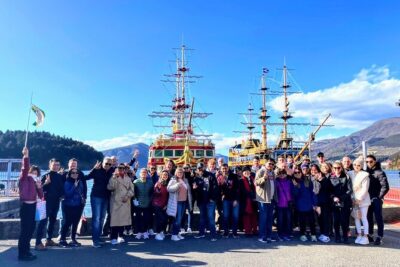
Mt Fuji and Hakone 1-Day Bus Tour Return by Bullet Train
Read our review →
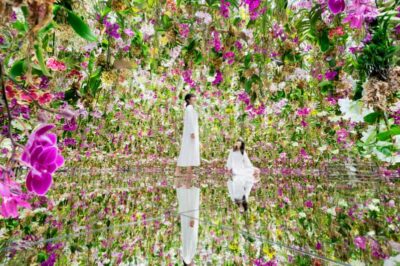
teamLab Planets TOKYO Digital Art Museum Entry Ticket
Read our review →
Mt Fuji & Hakone Cruise, Drum Show Bullet Train 1 Day from Tokyo
Read our review →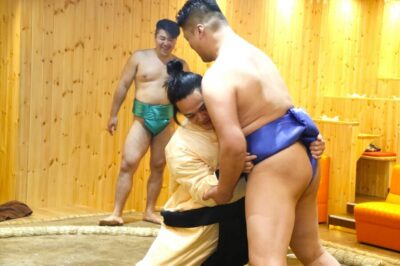
Sumo Show Experience with Chicken Hot Pot and a Photo
Read our review →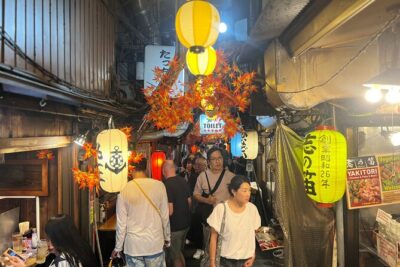
Shinjuku Food Tour (13 Dishes at 4 Local Eateries)
Read our review →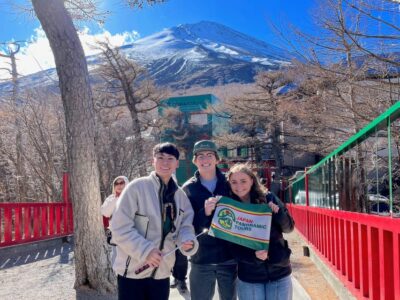
Tokyo Mt Fuji 5th St & Hakone Cruise Bus Tour w/Bullet Train
Read our review →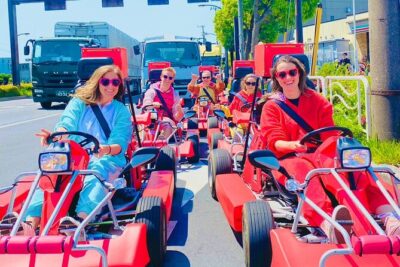
Flagship 2-Hours Official Street Go-Kart Tour – Tokyo Bay Shop
Read our review →Browse the lists this tour appears in