
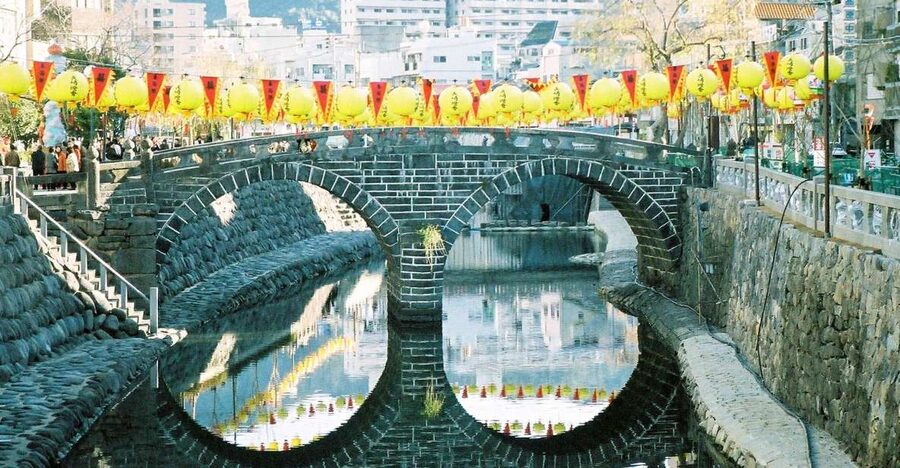
Reviewed · NAGASAKI TOURS
Nagasaki: Private Walking Tour with a Local
Nagasaki is a city that rewards a human guide. Its sights are spread across hills, tram lines, harbor districts, and quiet residential streets, so a private walk with a Lokafyer can help you connect the dots. You might focus on the Atomic Bomb Museum and Peace Park, ride toward Dejima, seek out local food, or simply ask for the best way to spend the rest of your day.
I like the one-to-one format, which lets you ask questions without holding up a group. I also like the local advice: Yuki, Senyo, Masaaki, Suniff, and other guides have helped people find places they would not have located alone, from favorite lunch stops to less-visited parts of town. The main drawback is that the open-ended plan can put too much work on you if you expect a ready-made sightseeing route.
Key points to know
- Your route is built around you: Choose major sights, local food, shopping, neighborhoods, or a loose plan.
- The Atomic Bomb Museum and Peace Park can be included: You pay the admission fees for yourself and the guide.
- Cruise passengers can request a meeting point: Pickup may be arranged near the city center, including a hotel, landmark, quiet café, or other agreed location.
- Guides can help with more than walking: Some have balanced walking with trams, public transport, or taxis, though those fares are extra.
- Three hours is a useful minimum: Six hours gives you more room for major sights, food, views, and local neighborhoods.
- The strongest feature is personal attention: Guides such as Yuki and Senyo have been praised for preparation, flexibility, and clear English.
Why a private walk works well in Nagasaki
Nagasaki is not a simple straight-line sightseeing town. The city’s important places sit in different areas, and the streets rise and fall between the harbor and surrounding hills. A guide who adjusts the route as you go can save time and help you understand how the pieces fit together.
This is not a fixed list of stops. Before the walk, you can bring specific questions or say that you have no plan at all. That flexibility is useful if you have already seen the central sights, are visiting Nagasaki for the first time, or have only a few hours between ship arrival and departure.
I would think of the experience as a private orientation with sightseeing attached. You get a person who can explain what you are looking at, point out places to eat or shop, and help you decide what to do after the tour ends.
The quality will depend on the individual Lokafyer. Several guides have been praised for preparation and personal stories, while one early assessment found the experience friendly but wished for more company-provided background material and suggested routes. That is a fair warning: tell your guide what you want, but also ask for recommendations if you do not know Nagasaki yet.
More walking tours in Nagasaki:
- Taste Local Life: Nagasaki’s Historical Street Walking Tour
★ 5.0 · 27 reviews - Nagasaki Street Food Adventure: Private Walking Tour with a Local
★ 5.0 · 26 reviews - Kyoto Geisha Walking Tour: Gion District & Hidden Gems
★ 4.7 · 3,273 reviews
Choosing your starting point near the city center
The listed pickup choices include the Statue of Dr. Sun Yat-sen, Umeya Shōkichi and Toku, and the Nagasaki Atomic Bomb Museum. You can also request a hotel, landmark, or quiet café near the city center.
The Atomic Bomb Museum is a practical starting point if your main goal is Nagasaki’s wartime story. Starting there lets you spend your limited time on the museum and Peace Park, then ask your guide how to reach another area afterward.
A meeting near the Statue of Dr. Sun Yat-sen, Umeya Shōkichi and Toku offers a different beginning, tied to Nagasaki’s international connections. The exact route from there depends on your interests and the guide’s plan, so confirm the meeting point before setting out.
Cruise passengers should pay close attention to the pickup arrangement. One guide met a passenger at the cruise terminal, while another adapted plans when the ship unexpectedly docked in Sasebo rather than Nagasaki. That kind of flexibility can be valuable, but you should send your ship details and port information well in advance.
Atomic Bomb Museum and Peace Park
For many people, the most important part of a Nagasaki visit is the Atomic Bomb Museum and Peace Park. The private format helps here because you can set the pace and ask for explanation when the exhibits raise questions.
Masaaki took one group to the Atomic Bomb Museum, Peace Park, and the Nagasaki Ropeway during a three-hour walk. Senyo was praised for explaining the significance of the museum and Peace Park with care. These comments point to the real value of a guide at a serious site: not just naming dates, but helping you understand what you are seeing and how the places relate to the city.
Allow time for the museum itself. Entrance fees are not included, and if you ask to visit an attraction, you must also cover the guide’s admission. That can add to the total cost, but it is a normal arrangement for a private tour and worth accounting for before booking.
A guide can also help you avoid spending the entire day in one district if you want a broader look at Nagasaki. After the museum and Peace Park, you might ask to continue toward another sight, a meal, or a scenic viewpoint. The route is not guaranteed, so make your priorities clear at the start.
Dejima, trams, and the city between major sights
Dejima can be included for people interested in Nagasaki’s role as a point of contact between Japan and the outside world. One three-hour walk combined the Atomic Bomb Museum and Peace Park with a tram ride to Dejima. That is a useful model for a first visit: pair the city’s difficult twentieth-century story with an earlier chapter of international exchange.
Local transport is not included. The tour is sold as a walking experience, but guides may help you balance walking with public transport or taxis. You pay those fares yourself, along with entrance fees and any meals or drinks.
This matters because Nagasaki’s hills and separated districts can make an ambitious route tiring. If you want the museum, Peace Park, Dejima, a ropeway, and lunch in one session, discuss transport before you begin. A guide can help shape a workable plan, but the advertised price does not cover getting from one area to another.
You should also wear comfortable shoes. Even a shorter route may include slopes, station approaches, and plenty of standing. The activity is wheelchair accessible, but the exact route should be discussed with the guide so the plan suits your needs.
A few more Nagasaki half-days to weigh up
- Nagasaki Full-Day Private Tour with Government-Licensed Guide
★ 5.0 · 66 reviews - Nagasaki Half-Day Private Tour with Government-Licensed Guide
★ 5.0 · 53 reviews - Visit Gunkanjima Island (Battleship Island) in Nagasaki
★ 4.0 · 32 reviews - Nagasaki Full Day Tour with Licensed Guide and Vehicle
★ 5.0 · 27 reviews
Local food, cafés, shopping, and quieter corners
The best reason to choose this tour over a standard sightseeing walk may be the local advice. You can ask where to eat, what to shop for, or where to spend the evening. Guides have taken people to favorite lunch spots, authentic Japanese seafood restaurants, and places that are easy to miss without local help.
One guide showed a couple her favorite parts of Nagasaki as well as the historical places they had requested. Another helped a group find a lunch restaurant they loved. Those details turn the tour into practical planning, not just a morning of landmarks.
You can also ask for a quieter side of the city. The experience may include a courtyard café, street art, neighborhood stories, or a less familiar point of interest, depending on your guide and interests. These possibilities are not fixed promises, but they are exactly the sort of request this format allows.
If food is a priority, say so when arranging the tour. Meals and drinks are extra, and the guide will not automatically build in a restaurant stop unless you ask. A lunch break can also make a long six-hour walk feel more manageable.
The guides make the largest difference
The strongest feedback centers on individual guides rather than a standard script. Yuki has been praised for careful planning, patience, strong English, and the ability to show places that many people would miss. She also communicated before the tour so the day’s plan was clear.
Senyo has led visits focused on Nagasaki’s wartime history and was also described as friendly and helpful for first-time visitors. Masaaki combined major sights with the ropeway and practical advice about getting around. Suniff brought personal stories and enthusiasm for his hometown, while Jun quickly adjusted a same-day plan and helped a group return to its ship.
Other guides have added their own strengths. Muhammad arranged a cruise-terminal pickup after several conversations about the group’s needs. Rem prepared carefully for a requested itinerary and spoke very good English. Yuki also adapted one booking when the ship arrived in Sasebo, creating a different day with a World War II bunker, seafood lunch, city sightseeing, and cherry blossoms.
These examples show both the upside and the limit of the service. You are not receiving the same polished script from one permanent guide. You are meeting a local person whose preparation, English, interests, and knowledge shape the day. Send a clear message before booking if you have a major subject you want covered.
Is $82 per person good value?
At $82 per person, this is not the cheapest way to walk around Nagasaki. The price makes more sense for two or more people who value privacy, local planning, and the ability to change direction during the day.
For a three-hour booking, you are paying for a private guide who can meet you at a useful location, help with orientation, and shape the route around your priorities. That can be good value on a first visit, especially if you have a cruise schedule or want to make the most of a short stay.
The six-hour option offers better value if you want to combine major sights with food, shopping, scenic views, and neighborhood wandering. Still, calculate the extras. Museum and other admission fees, public transport, taxis, meals, drinks, and optional activities are not included. If the guide enters a paid attraction with you, you cover the guide’s admission too.
A group tour may cost less and provide a more predictable route. This private walk earns its price through flexibility, not through a long list of included tickets. I would choose it when saving time and getting personal help matter more than keeping the base price low.
Who should book this experience?
This is a strong match for first-time visitors who want help getting their bearings without spending a full day on a fixed itinerary. It also suits repeat visitors who have already seen the famous sites and want local food, smaller neighborhoods, or personal recommendations.
Cruise passengers can benefit greatly, provided they confirm the port and meeting point. Families may appreciate the private setting, the free admission for children under three, and the 50 percent discount for children aged three to twelve. The ability to slow down or change focus is useful with children, though the walking format still requires sensible planning.
This is less suitable if you want a formal lecture, a guaranteed list of landmarks, or an expert-led historical tour with every fact prepared in advance. One early assessment specifically wanted suggested itineraries and more background support from the company. If you need structure, arrive with a short list of must-sees and ask the guide to recommend the best order.
The tour is conducted in English and is wheelchair accessible. You can request a particular start time, subject to availability, and cancel up to 24 hours in advance for a full refund.
How to get the most from your three to six hours
Before the walk, send three things: your must-see sight, your preferred pace, and anything you do not want to miss for food or shopping. If you have only three hours, choose one main area and one secondary goal rather than trying to cover all of Nagasaki.
Ask your guide to explain transport choices as you go. Even if you plan to walk, knowing how the tram or a taxi could connect districts will help you plan the rest of your day. If you are returning to a ship, state the departure time clearly.
For a six-hour visit, combine a serious historical stop with something lighter. The Atomic Bomb Museum and Peace Park might be followed by Dejima, a local restaurant, a scenic view, or a neighborhood walk. That balance gives you a fuller sense of Nagasaki without making the entire day emotionally heavy.
Finally, use the guide for advice after the official end time. Several guides have helped people plan the afternoon or return to their ship. A good final question is simple: If you had the rest of today in Nagasaki, where would you go next?
Should you book the Nagasaki private walking tour?
Book it if you want a flexible private day and value conversation, local food tips, practical transport help, and a route shaped around your interests. The strongest guide matches, including Yuki, Senyo, Masaaki, Suniff, and Muhammad, have added real value through preparation and personal attention.
Skip it if you want a guaranteed itinerary, included admissions, or a formal historical presentation. To get the best result, contact the guide early, name your priorities, and accept that the experience depends on the person assigned to you. For a first visit or a tight cruise schedule, $82 per person can be a fair price for saving time and making Nagasaki easier to understand.
FAQ
How long does the Nagasaki private walking tour last?
The tour lasts between three and six hours. Available start times depend on the date, and you can request a specific time.
Is the tour private?
Yes. The activity is for a private group, with a customized walking route and one local English-speaking Lokafyer.
Where can the guide meet me?
The guide can meet you at an agreed location in or near the city center. Options include your hotel, an iconic landmark, a quiet café, or one of the listed pickup points. Cruise-terminal pickup may also be arranged when suitable.
Can the tour include the Atomic Bomb Museum and Peace Park?
Yes. These sights can be included if they fit your requested route. Entrance fees are not included, and you must also pay the guide’s admission fee when a paid attraction is included.
Are transportation, food, and admission fees included?
No. The base price does not include entrance fees, local transportation, meals, drinks, personal expenses, or optional activities. Any tram, public transport, or taxi fares are extra.
Is the tour suitable for children and wheelchair users?
The activity is wheelchair accessible. Children under three join free, and children aged three to twelve receive a 50 percent discount. The tour is a walking experience, so discuss the route and pace with the guide before starting.
Just added around Nagasaki
- Nagasaki Private Historical Tour with Licensed Guide★ 5.0 · 13 reviews
- Private Ring Craft Experience in Nagasaki★ 5.0 · 14 reviews
- Traditional Kimono Experience in Nagasaki★ 5.0 · 16 reviews
- Semi Private Guided Tour of Nagasaki.★ 5.0 · 17 reviews
- Taste Local Life: Nagasaki’s Historical Street Walking Tour★ 5.0 · 27 reviews
- Nagasaki WW2 History and Culture Tour★ 5.0 · 19 reviews
- Nagasaki Full Day Tour with Licensed Guide and Vehicle★ 5.0 · 27 reviews
- Nagasaki Private Customizable Half Day Tour★ 5.0 · 16 reviews
Nagasaki Tours, compared.
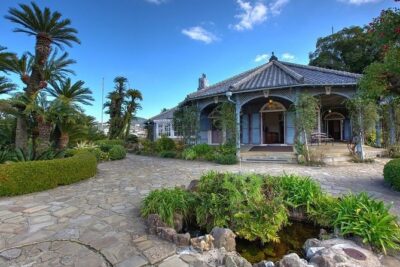
Nagasaki Full-Day Private Tour with Government-Licensed Guide
Read our review →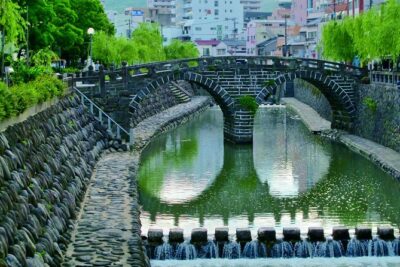
Nagasaki Half-Day Private Tour with Government-Licensed Guide
Read our review →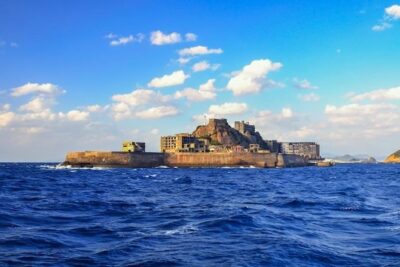
Visit Gunkanjima Island (Battleship Island) in Nagasaki
Read our review →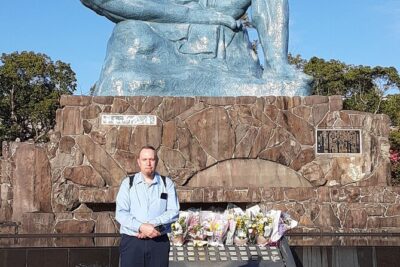
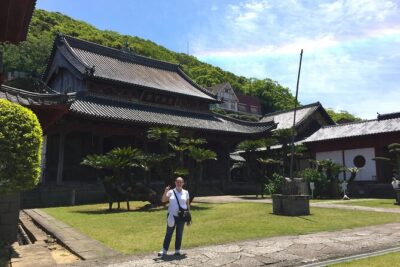
Taste Local Life: Nagasaki’s Historical Street Walking Tour
Read our review →
Nagasaki Street Food Adventure: Private Walking Tour with a Local
Read our review →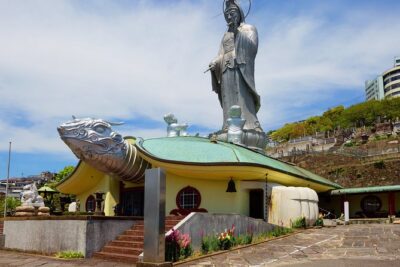
Nagasaki Private Tour with a Local – Highlights & Hidden Gems
Read our review →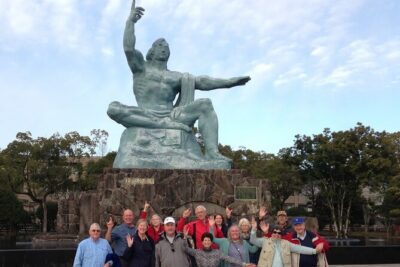
Browse the lists this tour appears in