
Reviewed · NAGASAKI TOURS
Nagasaki Half-Day Private Tour with Government-Licensed Guide
Nagasaki is a city best understood through its contrasts: a peaceful park near the atomic bomb hypocenter, old Chinese temples, former European homes, and a working port shaped by outside contact. This four-hour private tour lets you choose two or three places instead of following a fixed bus route.
I like the personal pace and the chance to travel by tram, taxi, or on foot, depending on your group. I also like that guides such as Yoshi, Hiromi, Noriko, and Hiro have helped visitors connect city landmarks with family memories, local customs, food, and modern life.
The main consideration is simple: this is not a private-vehicle tour. Transport and admission fees are extra, and four hours goes quickly. If you want many sights, you will need to choose carefully and keep moving.
Key points to know before booking
- Choose two or three sights: The long list of possible stops is a menu, not a promise to visit them all.
- Meet on foot: Hotel pickup may mean the guide walks to your hotel, while port and station meetings can be arranged within the designated area.
- Public transport is part of the plan: Trams, buses, taxis, and walking may all be used, with costs paid separately.
- The peace sites need time: Peace Park, the hypocenter, and the Atomic Bomb Museum are moving but cannot be properly understood in a rushed visit.
- Local stories are the strongest feature: Guides including Yoshi and Noriko have shared personal connections to Nagasaki and its wartime past.
- Price depends on group size: At $122.20 per person, the tour makes more sense for a small group than for a solo visitor on a tight budget.
A flexible morning in a city of many stories
This tour gives you a guide for about four hours, but it does not give you a prepacked route. Before meeting, you can discuss what matters most: the atomic bombing and peace memorials, Nagasaki’s foreign trading past, Chinese temples, Christian history, city views, or a simple introduction to the center.
That flexibility matters in Nagasaki. The Peace Park and Atomic Bomb Museum are in the Urakami area, while Dejima, Glover Garden, Oura Church, and the foreign settlement are closer to the port. The temples, Spectacles Bridge, and Dutch Slope add more stops in between. A good guide helps you avoid wasting the morning crossing the city.
The tour is private, so only your group participates. That makes it easier to ask questions, slow down for children, skip a museum, or change plans if rain arrives. Several guides have also helped with lunch suggestions, tram routes, later sightseeing, and food needs such as vegan dining.
The advertised price is $122.20 per person. It includes a licensed local English-speaking guide and the planning that comes with a private service. It does not include transport, entry tickets, lunch, or personal costs. For three people, the price can compare favorably with a private shore excursion, but a solo visitor may find it harder to justify.
More licensed-guide days in Nagasaki:
- Nagasaki Full-Day Private Tour with Government-Licensed Guide
★ 5.0 · 66 reviews - Nagasaki Full Day Tour with Licensed Guide and Vehicle
★ 5.0 · 27 reviews - Nagasaki Private Historical Tour with Licensed Guide
★ 5.0 · 13 reviews
Peace Park, the hypocenter, and the Atomic Bomb Museum
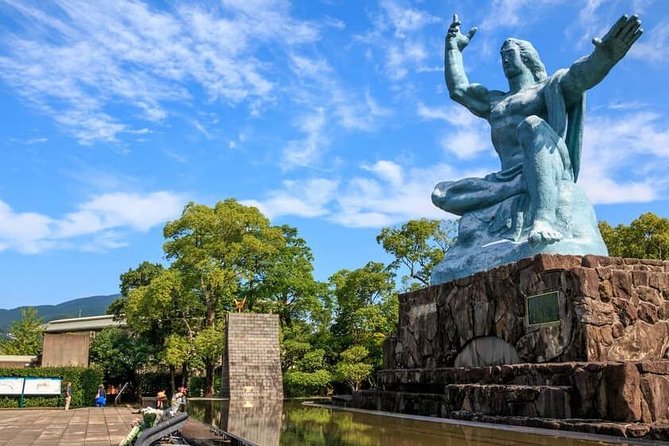
For most first visits, I would make the Nagasaki peace sites the priority. Peace Park offers a quiet setting for reflection, while the nearby hypocenter marks the point where the atomic bomb exploded on August 9, 1945. The Atomic Bomb Museum adds documents and objects that explain the destruction and the city’s recovery.
The supplied schedule gives many stops only 15 minutes. That is enough for a brief orientation, a few questions, and photographs outside, but it is not enough for a full museum visit. If you want to read displays carefully, ask your guide to give these sites most of the morning and reduce the rest of the route.
A guide can help with context that a sign cannot provide. Yoshi has described her father’s connection to the bombing, and another guide, Tasaki Toru, has shared his own survivor connection. Those personal accounts are not guaranteed with every booking, so do not book expecting one particular story unless the agency confirms the guide. Still, local experience is one of the tour’s best reasons to book.
The subject is painful. A good guide should give you room to take it in, not race you from one display to another. Families with children can ask for an age-appropriate route. One guide has used origami and simple conversation to keep younger children involved during a serious day.
Mount Inasa for the city view
Mount Inasa rises 333 meters close to central Nagasaki. Its observation deck offers a broad view over the city and harbor, and the summit can be reached by ropeway, bus, or car.
The tour description lists only 15 minutes here, so treat this as a quick viewpoint stop unless you arrange extra time. The view helps you understand Nagasaki’s shape: hills around a narrow urban center, water at the port, and major sights spread across separate districts.
Transport is important. A ropeway or bus ride takes time and costs extra, while a taxi may make the stop easier within a four-hour schedule. The experience does not include a private vehicle, so ask your guide in advance how the mountain fits with your other choices.
Mount Inasa is especially useful if you want a visual introduction before walking through the city. It is less useful if your main goal is museum time or a slow visit to several historic buildings.
Glover Garden and the foreign settlement
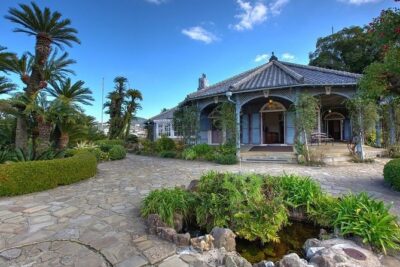
Glover Garden is an open-air museum on a hillside, with former homes of foreign residents and related buildings. It sits in the area once occupied by Western merchants after Nagasaki opened its port to foreign trade.
The setting combines houses, slopes, and views toward the harbor. It is a good choice if you want architecture and the story of Nagasaki’s international connections in one visit. The hill also means comfortable shoes are not optional. This is a walking tour, and Nagasaki’s slopes can make a short route feel longer.
Admission is extra. A 15-minute stop will give you a quick look, but the garden deserves more time if you want to enter buildings and understand the site. Pairing it with Oura Church or Dutch Slope creates a logical port-area route.
A few more Nagasaki half-days to weigh up
- Kyoto Arashiyama Bamboo forest & Garden Half-Day Walking Tour
★ 5.0 · 413 reviews - Miyajima Half-day Trip Historical Walking Tour
★ 5.0 · 284 reviews - Half-day Tokyo Afternoon Tour by Hato Bus
★ 4.0 · 269 reviews - Naha, Okinawa: Kerama Islands Half-Day Whale Watching Tour
★ 4.4 · 241 reviews
Dejima and the city’s international past
Dejima began as a man-made island built in 1636 to separate Portuguese residents from the Japanese population and control missionary activity. Later, it became connected with Dutch trade during Japan’s period of limited foreign contact.
Today, Dejima offers a way to see how tightly controlled international exchange worked in practice. It is not simply an old trading post. It helps explain why Nagasaki developed customs, foods, objects, and buildings influenced by several cultures.
Entry costs extra, and the site can easily consume much of your half-day if you stop to read and explore. Choose Dejima if the port’s trade history interests you. If you mainly want the atomic bombing sites, save Dejima for later and ask your guide for directions.
Sofukuji and Kofukuji, two Chinese-founded temples
Sofukuji belongs to the Obaku school of Zen Buddhism and was built in 1629 for Nagasaki’s Chinese residents. Its Chinese architectural style gives you something different from the city’s European churches and former merchant homes.
Kofukuji is the oldest and one of the most important Chinese-founded temples in Nagasaki. It is in Teramachi, the city’s Temple Town district, and is linked with the beginnings of the Obaku tradition.
These temples are strong choices for a slower, more reflective route. They also show that Nagasaki’s international identity was not only European. Chinese residents shaped the city for centuries, and these temples make that influence visible.
Both require admission fees. Since the tour only allows a few stops, you might choose one temple rather than trying to fit in both. A guide can explain the differences and help you decide based on your interest in architecture, Buddhism, or local neighborhoods.
Oura Church, the Confucian Temple, and Christian history
Oura Church was built in 1864 by a French missionary for foreign merchants. It is a Catholic church with a strong connection to Nagasaki’s Christian past and the return of Christianity after a long period of restriction.
The city’s Christian story also appears at the Twenty-Six Christian Martyrs Monument and adjacent museum. Twenty-six Christians were executed at this place on February 5, 1597. The monument adds a solemn historical layer to a city already marked by wartime memory.
The Confucian Temple, also called Nagasaki Confucius Shrine, was built in 1893 by Nagasaki’s Chinese community. It is one of only a small number of Confucian shrines in Japan and includes a museum devoted to successive generations.
The supplied options list Oura Church twice, but it is the same attraction. Do not count those as two separate stops when planning your morning. Admission fees apply to most of these sites, so budget beyond the tour price.
Dutch Slope and Spectacles Bridge
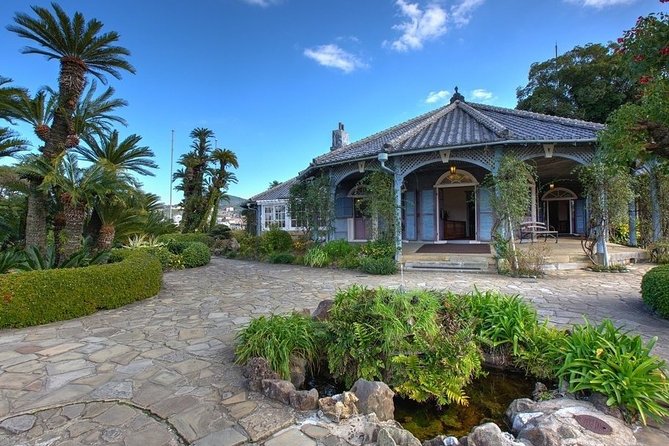
Dutch Slope is a stone-paved hillside street where foreign traders lived after the port opened to international commerce in 1859. It is a quick, atmospheric stop, especially when paired with Glover Garden and Oura Church.
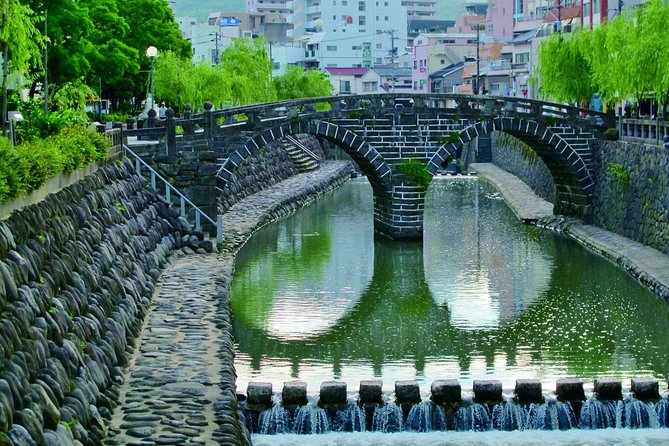
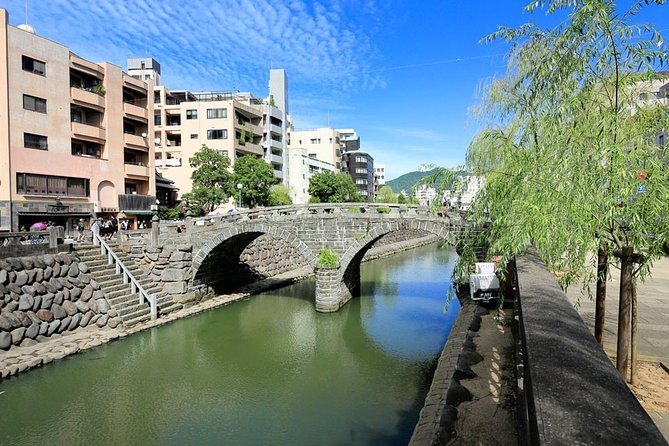
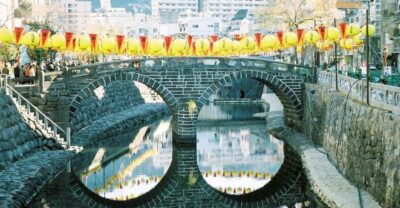
Spectacles Bridge, or Meganebashi, crosses the Nakashima River downtown. Its paired arches can resemble eyeglasses in the water, which explains the name. It is free to visit and easy to combine with Kofukuji or other central sights.
These are good choices when you want to walk the city rather than spend the morning indoors. They also suit a short port call because you can see them without paying admission. The tradeoff is that they offer less formal explanation than a museum, so your guide’s storytelling matters.
Nagasaki Museum of History and Culture
The Nagasaki Museum of History and Culture is a modern museum focused on the city’s role as one of Japan’s major international trading centers. It can help connect the Chinese, Dutch, Portuguese, and Japanese threads that appear in separate parts of the city.
Choose it if you want organized displays and a broader historical frame. It is also a useful rainy-day option, though the tour still involves moving between places. One family’s route included this museum with Peace Park, the atomic bomb hypocenter, and Chinatown, showing how the guide can adjust the pace for children.
A museum visit needs more than 15 minutes. Tell your guide if you prefer fewer stops with time to read. A rushed museum entrance can feel like a box-ticking exercise.
How the walking and transport work
This is a walking and public transport tour. The guide meets you on foot within the designated Nagasaki area, and hotel pickup means the guide comes to your hotel on foot rather than arriving with a vehicle.
You may use trams, buses, or taxis during the morning. Those fares are not included. Taxis can save time in rain or when visiting the hills, while trams and walking offer a closer look at the city and may cost less.
Wear comfortable shoes. Nagasaki includes hills, stone streets, temple approaches, and long stretches between districts. If you have limited mobility, discuss the route before booking. The stated information says most people can participate and service animals are allowed, but it does not promise a fully step-free itinerary.
Rain does not automatically ruin the day. Guides have adjusted routes, explained expected taxi costs, warned groups about weather, and even offered to help with umbrellas. Still, the best route depends on the guide’s local judgment and the time available.
Guides who add a local point of view
The agency assigns licensed English-speaking guides, and several names have appeared in past bookings. Yoshi, also called Yoshiko or Yoshiko Hattori, has been praised for clear English, careful timing, and personal ties to Nagasaki. Hiromi has helped families choose sights suited to children and has shared memories of growing up in the city.
Noriko Takahashi, also known as Norah, has helped with accommodation suggestions, transport planning, vegan restaurants, weather advice, and sightseeing after the tour. Hiro has led groups by tram to Peace Park, the hypocenter, and Glover Garden.
These examples show the range of help a strong guide can provide. They also show why you should contact the agency with your priorities before arrival. Guide quality can vary. One unhappy customer found the guide’s English difficult to follow and the visual materials worn. If clear spoken English is essential, request confirmation in advance and explain any hearing needs.
The overall rating is 4.9 from 53 reviews, with 98 percent recommending the experience. That is a strong record, but it does not remove the need to set expectations about transport, timing, and guide assignment.
Who gets the best value from this tour
I would choose this tour if you have only one day in Nagasaki, are arriving by ship, or want help making sense of a spread-out city. It is also a good fit for families, couples, and small groups who want to set their own pace.
It works especially well for people with a clear interest. You can focus on peace history, foreign trade, Chinese temples, Christian heritage, city views, or a mix of two themes.
I would think twice if you prefer independent sightseeing and already know the tram system. The $122.20 per-person cost, plus tickets and transport, may be more than you need. I would also avoid trying to visit six or seven sites in four hours. Pick two major stops, or three compact ones, and let the guide build a sensible route.
Free cancellation is available when you cancel at least 24 hours before the start time. Changes or cancellations inside that window are not accepted for a refund.
Should you book the Nagasaki private tour?
Book it if you want a flexible introduction with a real person beside you, especially for the peace sites or a short port visit. The strongest value comes from the guide’s local context, route planning, and ability to adjust for weather, children, food, and transport.
Before paying, decide on your top three priorities and ask how long each will receive. Confirm the meeting point, explain that you do not require a private car, and budget for tram or taxi fares and admission tickets.
For a small group seeking meaning rather than a hurried checklist, this is a thoughtful way to meet Nagasaki. For a budget-minded solo visitor or someone determined to see every listed attraction, independent touring may be the better choice.
FAQ
How long is the Nagasaki private tour?
The tour lasts approximately four hours and is designed as a half-day experience.
How many attractions can I visit?
The included service is a customizable tour of two or three sites from the available choices. The full list contains more attractions, but you are not expected to visit them all in four hours.
Is hotel pickup included?
The guide comes to your hotel in the morning, but the tour information describes this as an on-foot meeting within the designated Nagasaki area. It does not include a private vehicle.
Is transportation included in the price?
No. Transportation fees are not included. The tour uses walking and public transportation, and taxis may also be arranged at your expense.
Are entrance tickets included?
No. Entrance fees are generally extra. Guide entry fees are covered only for sights listed under the tour’s What to Expect section.
Is this a private tour?
Yes. Only your group participates, and multiple tour groups cannot be combined.
What should I wear?
Wear comfortable shoes because the tour involves walking through Nagasaki, including streets, slopes, temple areas, and other uneven or hilly sections.
Can I cancel for a full refund?
Yes, if you cancel at least 24 hours before the experience start time. Cancellations or changes made less than 24 hours before the start time are not accepted for a refund.
Just added around Nagasaki
- Nagasaki Private Historical Tour with Licensed Guide★ 5.0 · 13 reviews
- Private Ring Craft Experience in Nagasaki★ 5.0 · 14 reviews
- Traditional Kimono Experience in Nagasaki★ 5.0 · 16 reviews
- Semi Private Guided Tour of Nagasaki.★ 5.0 · 17 reviews
- Taste Local Life: Nagasaki’s Historical Street Walking Tour★ 5.0 · 27 reviews
- Nagasaki WW2 History and Culture Tour★ 5.0 · 19 reviews
- Nagasaki Full Day Tour with Licensed Guide and Vehicle★ 5.0 · 27 reviews
- Nagasaki Private Customizable Half Day Tour★ 5.0 · 16 reviews
Nagasaki Tours, compared.
Nagasaki Full-Day Private Tour with Government-Licensed Guide
Read our review →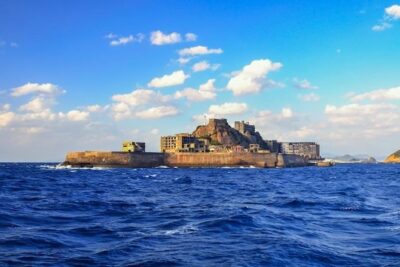
Visit Gunkanjima Island (Battleship Island) in Nagasaki
Read our review →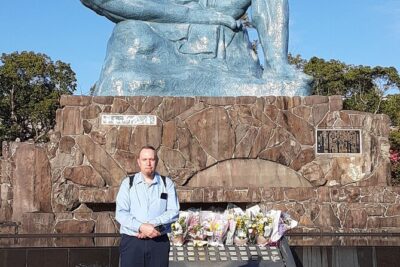
Taste Local Life: Nagasaki’s Historical Street Walking Tour
Read our review →
Nagasaki Street Food Adventure: Private Walking Tour with a Local
Read our review →
Nagasaki Private Tour with a Local – Highlights & Hidden Gems
Read our review →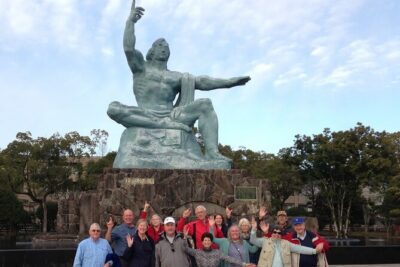
Browse the lists this tour appears in