
Reviewed · NAGASAKI TOURS
Visit Gunkanjima Island (Battleship Island) in Nagasaki
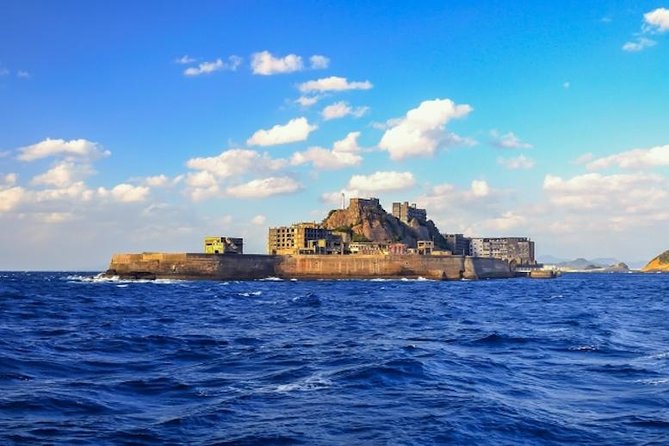
Gunkanjima is one of Japan’s strangest sights: a tiny coal-mining island packed with apartment blocks, schools, shops, and more than 5,000 residents, now left to the sea and weather. The boat ride from Nagasaki takes you to a place that feels almost unreal, and the Digital Museum helps explain what you are seeing.
I like two things right away. The cruise and island admission are bundled into the price, so you do not have to arrange a separate boat. I also like the museum, which gives you useful background before the boat leaves and offers virtual displays that make the ruined island easier to understand.
The main catch is language. Live commentary may be entirely in Japanese, and the English material can be limited to a printed folder or a rented audio guide. Landing is also never guaranteed because the sea controls the day.
Key points to know before booking
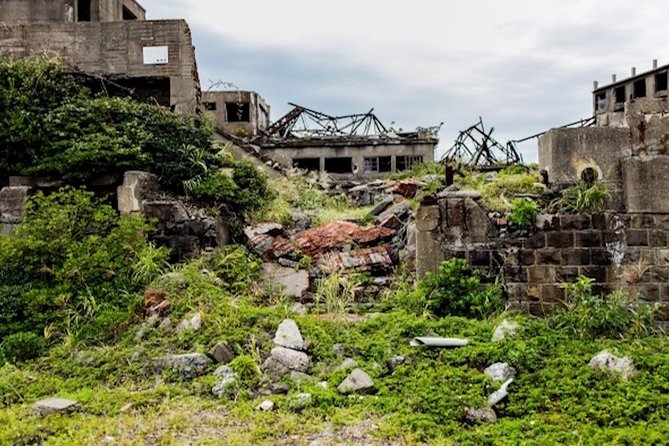
- A coal town on a 480-by-150-meter island: Gunkanjima once held more than 5,000 people in an extremely cramped space.
- The Digital Museum matters: Allow about an hour to see it before boarding and use its displays to fill in details the island walk may not explain.
- Landing depends on the sea: High waves can cancel the landing or turn the outing into a boat tour around the island.
- The boat seat is first come, first served: Arrive near 1 p.m. for the 1:20 boarding period if you want a better choice of seats.
- English support is limited: Printed information is available, and an audio guide may be rented locally for an extra charge.
- The price includes the main components: At $71.85 per person, you get the cruise, island admission, local assistance, and museum admission, but not every fee.
Why Gunkanjima feels so unusual
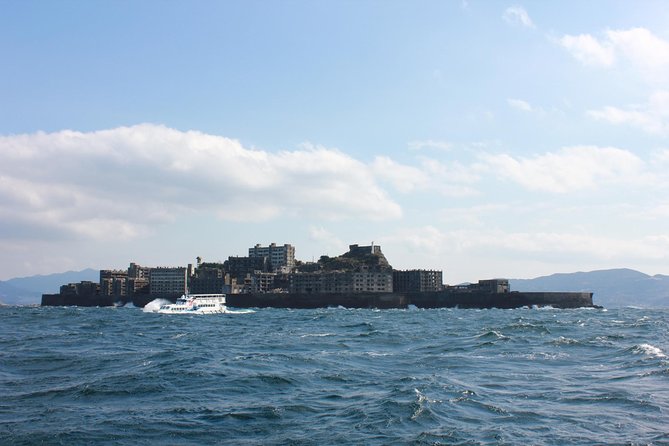
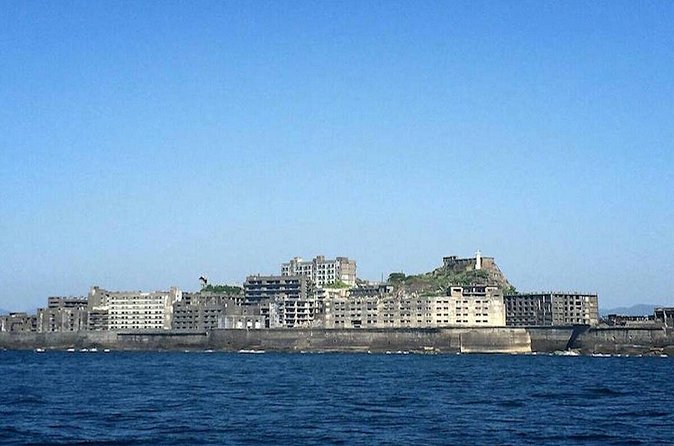
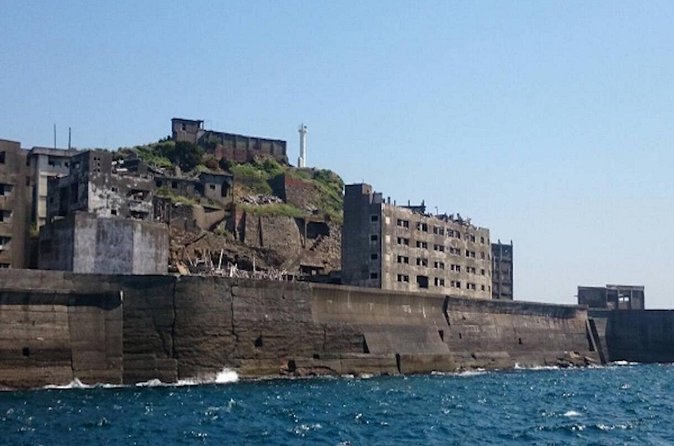
Gunkanjima, officially Hashima Island, sits about 20 kilometers from Nagasaki Port. Until the mine closed in 1974, this narrow piece of land was an industrial town rather than an empty ruin.
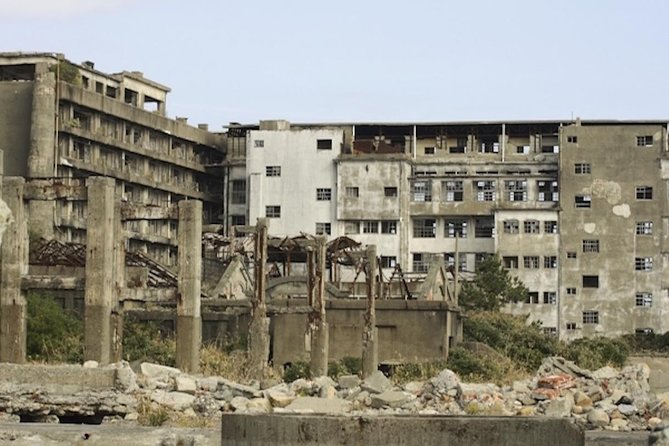
The island measures only about 480 meters long and 150 meters wide. Yet it supported more than 5,000 people at its peak. Apartment buildings rose close together, leaving little open space. Families lived beside the mine, children attended school, and daily life continued inside a place surrounded by concrete walls and open water.
That contrast is the reason I find the visit worthwhile. You are not simply looking at old buildings. You are looking at the remains of a complete community that disappeared within a short time after the mine closed.
Gunkanjima is also associated with the James Bond film Skyfall. That connection may attract film fans, but the island’s real appeal is its industrial past and the physical evidence of how people lived in such a restricted area. It is recognized as a UNESCO World Cultural Heritage Site, though the island visit itself is tightly controlled for safety.
A few more Nagasaki half-days to weigh up
- Nagasaki: Private Walking Tour with a Local
★ 4.7 · 79 reviews - Nagasaki Full-Day Private Tour with Government-Licensed Guide
★ 5.0 · 66 reviews - Nagasaki Half-Day Private Tour with Government-Licensed Guide
★ 5.0 · 53 reviews
Starting at the Gunkanjima Digital Museum
The meeting point is the Gunkanjima Digital Museum at 5-6 Matsugaemachi in Nagasaki. The museum visit is scheduled for about 30 minutes in the stated itinerary, but the additional information advises allowing roughly an hour, from 12 to 1 p.m., before boarding begins at 1:20.
I would treat the museum as an essential part of the experience, not filler before the cruise. It explains the coal mine, the island’s growth, and the way residents lived. Digital exhibits and virtual reality presentations can show areas that you cannot enter in person because the old structures are unstable.
This matters because the island walk is limited to designated viewing areas. Once you are on Hashima, you will see concrete ruins and exposed walls, but you will not be able to wander through the old apartments or explore every street. The museum gives those fragments a human and practical context.
The museum can also be visited again after the boat returns, with one re-entry allowed using the visit pass. The overall activity must be completed by 5 p.m., so keep track of the afternoon schedule rather than assuming you can return at any time.
Boarding the boat from Nagasaki
The cruise fare is included, and the activity begins and ends at the museum meeting point. Hotel pickup and drop-off are not included, so you must make your own way to Matsugaemachi. The meeting point is near public transportation, which makes it practical for a day in Nagasaki.
Boarding starts around 1:20 p.m., and seats are assigned on a first-come basis. I would arrive at about 1 p.m. if sitting near a window or getting a clear view matters to you. Boat seating can make a real difference, especially on a day when you want to photograph the island from the water.
The boat itself has been described as modern and comfortable, but the best seat is not guaranteed. One account found the assigned position awkward, facing a toilet door with little outside view. That is a useful warning: you may have a good boat and still end up with a less appealing seat.
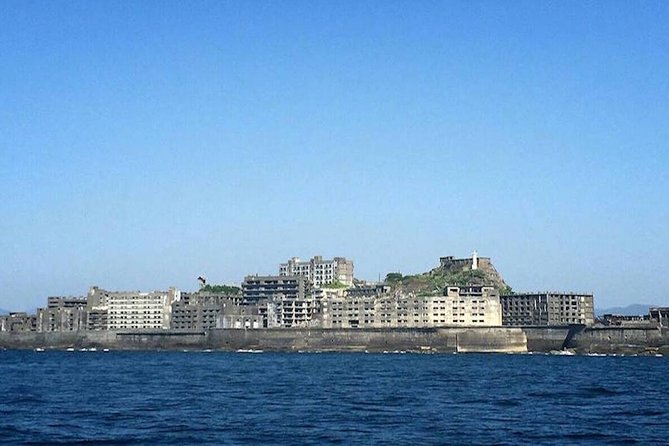
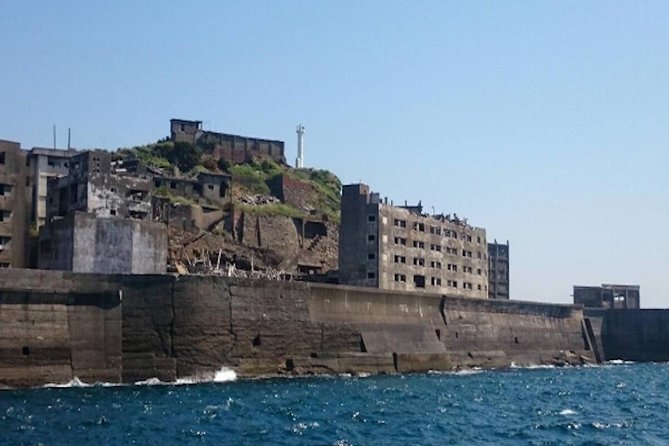
The ride is part of the experience. As the island comes into view, the concrete blocks and seawalls make it easy to see why it earned the Battleship Island nickname. The boat may circle the island or move around it slowly, giving you several angles for photographs. If landing is possible, you may also be taken to the rear deck for a clearer view as you approach.
Sea conditions can make the crossing uncomfortable. If you are prone to motion sickness, prepare before departure. One Japanese-language tour account noted that staff handed out candy said to help with seasickness, but you should not depend on that. The tour operator also makes clear that high waves can prevent a landing.
Walking on the restricted island
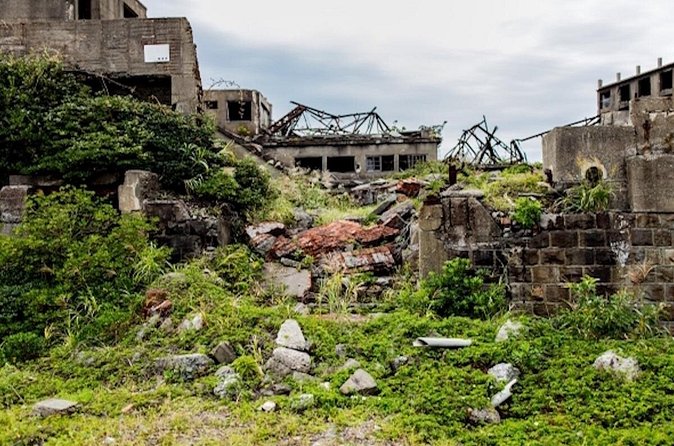
If conditions allow, you will land at Gunkanjima and follow a controlled route. The accessible area includes three viewing points, and movement is guided rather than free-form. This is not an exploration tour through the abandoned buildings.
That restriction is necessary. The structures have been exposed to salt, wind, rain, and decades without normal maintenance. You will see crumbling apartment blocks, walls, and industrial remains from safe distances, but you cannot enter the ruins or climb around them.
The limited route can feel too short if you arrive expecting an urban adventure. One account described the group as being moved between the three viewing sites in a fairly controlled way. I think the right attitude is to see the island as an archaeological and historical site, not as a place for unrestricted wandering.
Look closely at the scale. The most striking detail is not just the decay. It is the evidence that the island once had the services of a town, including schools, a gym, and a pool. Those details make the cramped island more understandable. People did not merely work at the mine and leave each day. They lived, studied, exercised, and raised families there.
The island’s history also has difficult and controversial aspects. A short visit cannot explain every part of that past, so I would use the museum material and the available guide information to place the ruins in a broader context. The trip is most valuable when you see both the engineering achievement and the human cost of life around a coal mine.
Same base, a completely different sort of day:
- Taste Local Life: Nagasaki’s Historical Street Walking Tour
★ 5.0 · 27 reviews - Nagasaki Full Day Tour with Licensed Guide and Vehicle
★ 5.0 · 27 reviews - Nagasaki Street Food Adventure: Private Walking Tour with a Local
★ 5.0 · 26 reviews - Nagasaki Private Tour with a Local – Highlights & Hidden Gems
★ 5.0 · 24 reviews
English information and guide support
This is the area where you should set realistic expectations. The boat commentary may be in Japanese, even when the booking information appears suitable for an international audience. Some departures have had no live English-speaking guide.
English support can take several forms. You may receive an English information folder, and some boats use a radio or audio system. An audio guide is not included, but you may be able to rent one locally for an additional fee on the day.
The quality of the experience can change depending on how well the printed or audio material reaches you. One English-speaking group was placed where its radio guide worked properly, and staff helped them find a suitable area on the boat. That suggests it is worth asking for language assistance at check-in rather than waiting until the boat is underway.
If detailed interpretation is important to you, the language limitation is a serious consideration. You may still enjoy the setting and the museum, but you could miss useful explanations about the mine, Nagasaki’s industrial growth, and the buildings around you.
What the $71.85 price really covers
At $71.85 per person, this is not just a sightseeing boat ticket. The price includes the cruise, admission to Gunkanjima, admission to the Digital Museum, and local assistance. Since the island can only be reached by boat, having the main transfer organized removes a major planning task.
The value is strongest if you make full use of the museum. A boat ride alone could leave you with dramatic photographs but only a basic sense of the island. The museum adds the background needed to understand why so many people lived there and what the buildings once did.
Several charges are separate. Hotel transport, food, drinks, and the English audio guide are not included. You must also present a signed boarding pledge and pay an additional Nagasaki City boarding fee of 310 yen per adult, or 150 yen for youth and children.
The listing also says landing and facility fees are not included, so check the final booking details for how those charges are handled. The extra costs are modest compared with the main price, but it is better to know about them before arriving.
The maximum group size is listed as 10 people. That should make local assistance more manageable than a huge coach outing, although the boat itself may carry other passengers. The activity has a rating of 3.9 from 32 ratings, which fits the experience well: the destination is exceptional, but language, seating, and weather can affect the day.
Weather, clothing, and small rules that matter
The sea decides if the island opens. If weather is poor or waves are too high, the tour may be canceled, moved to another date, or changed to a boat trip around Gunkanjima. If the boat cannot land, an alternative gift may be offered, and the museum may become the main part of the outing.
Because the landing is conditional, avoid scheduling an important, nonrefundable activity immediately afterward. The stated timing runs into the afternoon, with completion required by 5 p.m.
Bring a raincoat if rain is possible. Umbrellas and parasols are not allowed on the boat, including small sun umbrellas. Raincoats can be bought at reception or onboard for 200 yen, but bringing your own is simpler.
Wear flat, secure shoes. Heels are not allowed ashore. A hat, sunscreen, and other sun protection are sensible because parasols cannot be used and the viewing areas may offer limited shade.
Food and drinks are not included, so plan around the afternoon schedule. The supplied timing suggests eating before the museum or carrying what is permitted, though the tour information does not specify onboard food rules.
Who will enjoy this outing most
I would choose this experience if you like industrial history, abandoned places, unusual transport, and destinations that require a little patience. It suits anyone who wants to see a less polished side of Japan, where concrete ruins tell the story.
Film fans may enjoy the Skyfall connection, but I would not book the tour for that reason alone. The island is more compelling as a former working town and coal mine than as a movie backdrop.
Families can participate because most people are able to join, but the visit is not a playground-style attraction. Children interested in buildings, machines, or history may get a lot from the museum. Older adults should consider the boat ride, weather, and restricted walking route when deciding.
I would be cautious if your main goal is an English-speaking guided tour. The safest expectation is Japanese commentary with printed English information, plus a possible paid audio guide. If a live English explanation is essential, confirm the arrangement before paying.
Should you book Gunkanjima Island?
I would book it if landing on Gunkanjima is high on your Nagasaki list and you accept that nature and language may shape the day. The combination of boat transport, museum entry, and island admission offers fair value, and the Digital Museum makes the ruins far easier to read.
I would skip it if you need guaranteed shore access, a fully English-speaking guide, or a relaxed schedule with plenty of time to explore. For everyone else, this is a memorable three-hour outing, provided you arrive early for boarding, wear flat shoes, prepare for rough water, and treat the museum as part of the main visit rather than an optional extra.
FAQ
Where does the tour begin and end?
You meet at the Gunkanjima Digital Museum at 5-6 Matsugaemachi, Nagasaki. The activity ends back at the same meeting point.
How long does the experience take?
The tour is listed as approximately three hours. The supplied timing places the museum visit around noon, boarding at about 1:20 p.m., and completion by 5 p.m., so allow plenty of afternoon time.
Is the cruise included in the price?
Yes. The package includes the cruise fare, Gunkanjima admission, Digital Museum admission, and local assistance.
Is the Digital Museum included?
Yes. Museum admission is included, and the museum can be visited again once after disembarking with the issued visit pass.
Is an English-speaking guide included?
No English-speaking guide is guaranteed. Commentary may be in Japanese, with English information provided in printed material. An audio guide may be rented locally for an additional fee.
Can the tour be canceled because of weather?
Yes. High waves or bad weather can cancel the landing or the full tour. The boat may instead circle the island, and a weather cancellation offers another date or a full refund.
What should I wear?
Wear flat shoes because heels are not allowed ashore. Bring a raincoat if needed, since umbrellas and parasols are not permitted on the boat. A hat and sunscreen are useful in sunny weather.
Are extra fees required?
Yes. You must sign the boarding pledge and pay an additional fee of 310 yen per adult, or 150 yen for youth and children, for Nagasaki City island embarkation. Food, drinks, hotel transfers, and the audio guide are also separate.
Just added around Nagasaki
- Nagasaki Private Historical Tour with Licensed Guide★ 5.0 · 13 reviews
- Private Ring Craft Experience in Nagasaki★ 5.0 · 14 reviews
- Traditional Kimono Experience in Nagasaki★ 5.0 · 16 reviews
- Semi Private Guided Tour of Nagasaki.★ 5.0 · 17 reviews
- Taste Local Life: Nagasaki’s Historical Street Walking Tour★ 5.0 · 27 reviews
- Nagasaki WW2 History and Culture Tour★ 5.0 · 19 reviews
- Nagasaki Full Day Tour with Licensed Guide and Vehicle★ 5.0 · 27 reviews
- Nagasaki Private Customizable Half Day Tour★ 5.0 · 16 reviews
Nagasaki Tours, compared.
Nagasaki Full-Day Private Tour with Government-Licensed Guide
Read our review →
Nagasaki Half-Day Private Tour with Government-Licensed Guide
Read our review →
Taste Local Life: Nagasaki’s Historical Street Walking Tour
Read our review →
Nagasaki Street Food Adventure: Private Walking Tour with a Local
Read our review →
Nagasaki Private Tour with a Local – Highlights & Hidden Gems
Read our review →
Browse the lists this tour appears in