
Reviewed · NAGASAKI TOURS
Traditional Kimono Experience in Nagasaki
At Dejima Hoppen, you choose a kimono and then step into Nagasaki’s Edo-period setting wearing it. I like the 100-plus kimono choices, which give you room to find a color and pattern that feels personal, and I like that a professional dresser handles the complicated part in about 20 minutes per person. Simple hairstyling, hair accessories, zori sandals, and a bag are included.
The main thing to consider is the extra admission charge for Dejima. The experience costs $52.55 per person, but entry to the Dejima Museum costs ¥1,100 per person. You also need to return the kimono to Dejima Hoppen by 5 PM, so plan your walk carefully.
Key Points to Know Before You Book
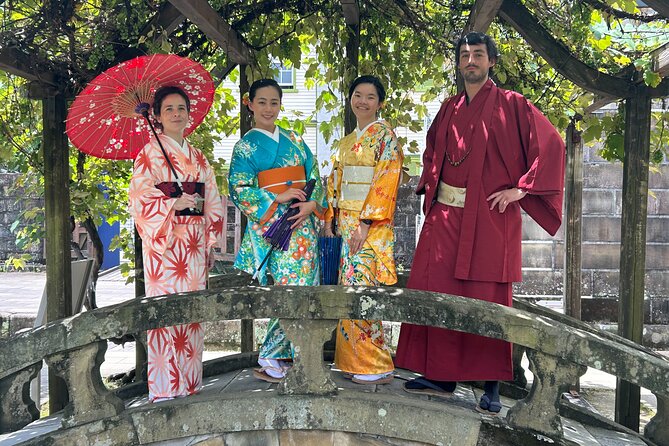
- Choose from more than 100 kimonos: Styles are available for women, men, and children from age three.
- Sizes cover a wide range: Women’s sizes go up to 175 centimeters, listed as 5L, and men’s sizes go up to 190 centimeters, also listed as 5L.
- Professional dressing takes about 20 minutes: Staff help coordinate the outfit, so you do not need to know how to tie or arrange a kimono.
- Dejima provides the setting: You can walk among restored historic buildings, tatami rooms, and a small garden.
- Rain does not cancel the photo opportunity: The adjacent Chief Factor’s Residence has a Japanese-style room for indoor photos.
- Return by 5 PM: You can walk outside after dressing, but the kimono rental ends back at Dejima Hoppen.
Starting at Dejima Hoppen in Nagasaki
The experience begins at Dejima Hoppen, located inside the nationally designated historic site of Dejima Dutch Trading Post Ruins. The address is 6-1 Dejimamachi, in the Hettor Room on the second floor, Nagasaki 850-0862.
That location matters. You are not dressing in a generic studio and then trying to find a suitable backdrop. You begin inside Dejima, the small artificial island that served as Japan’s main trading point with the West during the Edo period. The restored buildings and compact streets give the kimono experience a setting with real connection to the clothing’s era.
Dejima is also near public transportation, which helps if you are fitting this into a larger day in Nagasaki. Since the activity ends where it starts, you do not need to arrange a separate meeting point after your walk.
This is a private activity for your group only. That makes the experience easier to manage than a large group dressing session. You can focus on choosing an outfit, taking photos, and getting advice without keeping pace with strangers.
More kimono rentals in Nagasaki:
- Kimono Tea Ceremony at Kyoto Maikoya, NISHIKI
★ 5.0 · 911 reviews - Kyoto: Kimono Rental with Hairstyling and Accessories
★ 4.8 · 653 reviews - Kyoto: Kimono Tea Ceremony at Orizuruya Gion
★ 4.9 · 618 reviews
Choosing One Kimono From More Than 100
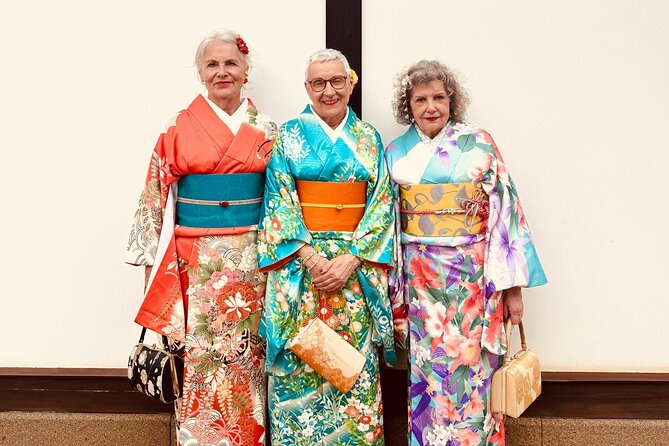
The first major decision is also the most enjoyable: picking your kimono. Dejima Hoppen has more than 100 options for women, men, and children aged three and older.
That number gives you real choice, but it can also slow you down. If you care about photographs, think ahead about the mood you want. A bold pattern may show well against Dejima’s plain wooden buildings, while a softer design may suit the tatami rooms and garden. You can also ask the staff to help coordinate the full outfit rather than choosing every piece alone.
The staff, including owner Yukari, are known for helping with patterns, accessories, and suitable places to take photos. You are not expected to understand every kimono detail. The practical advantage is that you can point to colors or patterns you like and let the staff guide the final combination.
Men’s choices are available, which makes this a better family or couples activity than rentals aimed mainly at women. One family-focused visit included coordinated clothing for both parents and children, with the father joining in rather than being left to take the photos. That small detail changes the experience from a solo costume rental into a shared portrait session.
Children from age three can participate. The listed size range is unusually broad for a short rental experience, with women’s sizes up to 175 centimeters and men’s sizes up to 190 centimeters. If you are near the upper end of those ranges, it would be sensible to confirm availability before arrival, since bookings are subject to availability.
The 20-Minute Dressing Process
After you choose your clothing, a professional dresser puts it on you. Dressing takes about 20 minutes per person, which is quick enough for a two-hour visit but long enough for careful preparation.
This is important if you have never worn a kimono. The layers, ties, sash, and final adjustments are not something most visitors can handle without help. Here, the staff do the work while you simply follow their instructions.
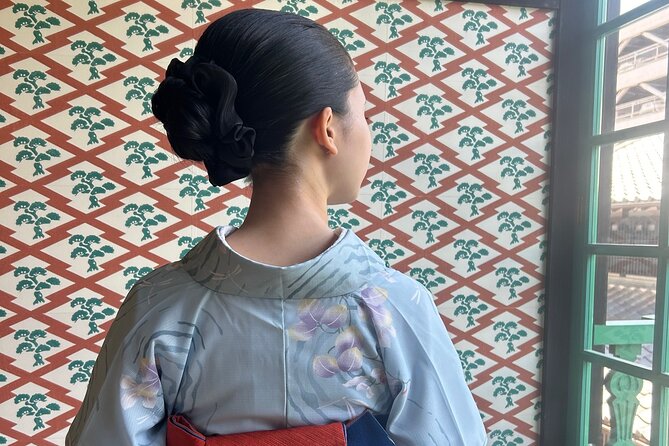
A simple hairstyle is included, along with hair accessories. The arrangement is not described as a full salon treatment, so keep your expectations practical. It is a finishing touch that helps the outfit look complete, not a long beauty appointment.
Your rental set includes the kimono equipment and shoes. Zori sandals and a bag are provided, so you do not need to bring special footwear or a matching purse. The shop can also hold your luggage while you are dressed. Take your valuables with you, as you should with any luggage storage service.
The dressing is one reason the $52.55 price can make sense. You are paying not only for the garment, but also for staff assistance, hairstyling, accessories, shoes, and the chance to use Dejima as your setting. The separate ¥1,100 admission fee does raise the total cost, so include that when comparing this with a simple rental shop outside a historic site.
Photos in the Chief Factor’s Residence
Once dressed, you can take photos in Dejima. The adjacent Chief Factor’s Residence has Japanese-style rooms with tatami mats, and the interior gives you a calm, period-appropriate backdrop.
The room is especially useful in wet weather. The experience can be completed entirely indoors if conditions are poor, so rain does not remove the main reason many people book. You can still photograph the kimono in a setting that matches it.
The residence also has several photo spots. That gives you more variety than standing in one corner for a single picture. Try full-length shots to show the kimono and sandals, then closer portraits that include the hairstyle and hair accessories.
Dejima also has a small garden. A garden, tatami room, and historic building interiors provide different textures for photos without requiring a long walk. The compact site helps if children are wearing kimonos or if the sandals become uncomfortable.
If group photos are your goal, allow time for everyone to finish dressing before you start shooting. With 20 minutes per person, a family of four will spend roughly 80 minutes in the dressing stage, not counting kimono selection and photos. The two-hour estimate is more comfortable for one or two people than for a large group.
A few more Nagasaki half-days to weigh up
- Nagasaki: Private Walking Tour with a Local
★ 4.7 · 79 reviews - Nagasaki Full-Day Private Tour with Government-Licensed Guide
★ 5.0 · 66 reviews - Nagasaki Half-Day Private Tour with Government-Licensed Guide
★ 5.0 · 53 reviews - Visit Gunkanjima Island (Battleship Island) in Nagasaki
★ 4.0 · 32 reviews
Walking Outside Dejima Before 5 PM
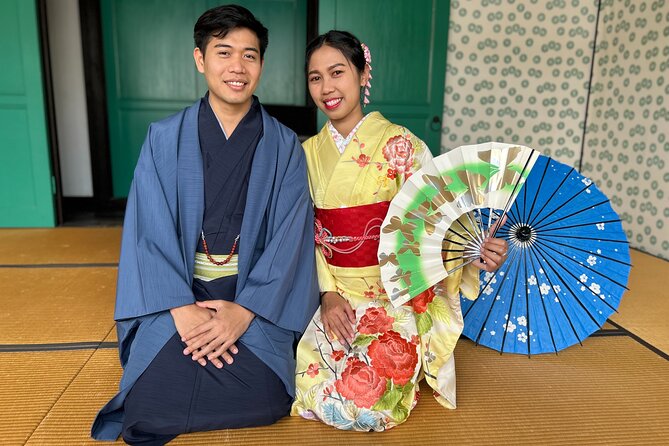
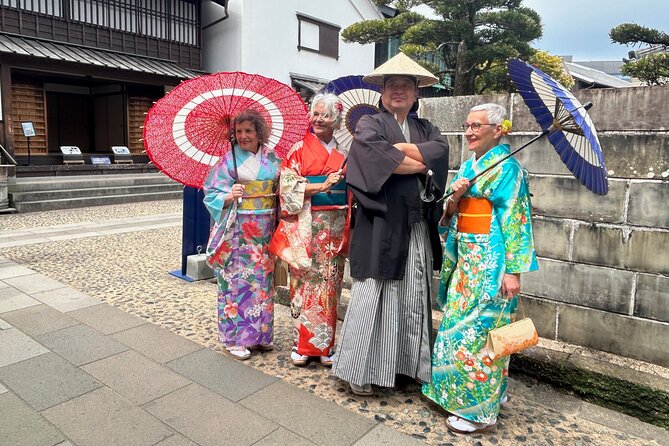
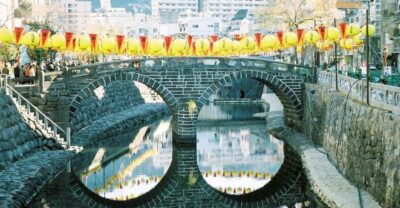
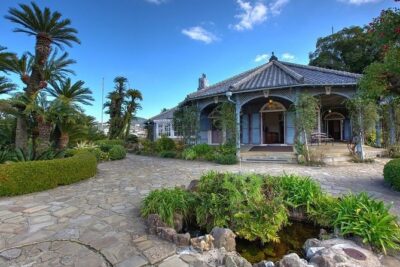
You can walk outside after changing into the kimono. Dejima’s restored streets and buildings create a natural route, and the site is close to other Nagasaki sights such as Dejima Wharf and Chinatown. Staff can also suggest places to visit, including Glover Garden and the Megane Bridge area.
The rental return time is 5 PM. This is the key planning rule. You are free to enjoy Dejima and walk around Nagasaki, but you need enough time to return to Dejima Hoppen, change back, and hand over the rental.
I would schedule this experience earlier in the day if you want to explore beyond Dejima. A late start leaves less room for photographs, lunch, and nearby sightseeing. It is also wise to remember that zori sandals are part of the outfit. They suit a gentle walk and photographs, but you may not want to plan an ambitious city hike in them.
The kimono changes the pace of sightseeing. You will probably stop more often for photos, and some stairs or longer walks may feel less convenient than they would in ordinary clothes. That is not a flaw, but it is a reason to treat this as a focused cultural activity rather than a full-day walking tour.
For a summer visit, ask about yukata availability. Several customers used yukata in hot weather, and the staff pay attention to keeping the dressing comfortable. The supplied information centers on kimono, but the shop also handles yukata rentals for seasonal events such as the Nagasaki Minato Festival.
What Makes Dejima a Good Kimono Setting
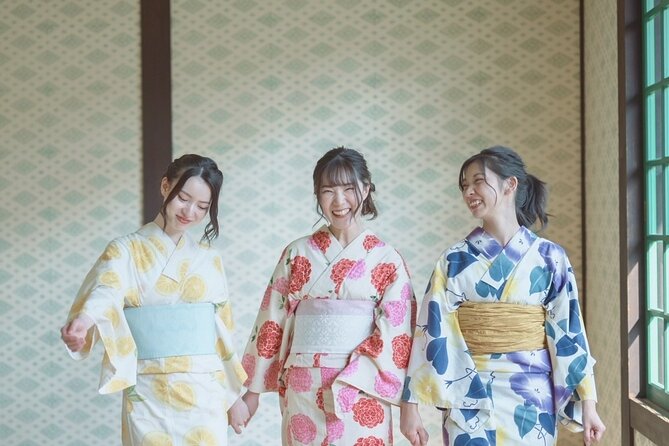
A kimono rental can feel disconnected from place if the backdrop is just a shop wall. Dejima solves that problem. Its Dutch trading-post setting reflects the period when Japan’s contact with the West was tightly controlled, while the Japanese rooms and garden provide the visual style most people associate with kimono.
You also get a small lesson in Nagasaki’s unusual position in Japanese history simply by walking around. Dejima was the only place in Japan that traded with the West during the Edo period, according to the experience description. Wearing traditional clothing there creates a link between the setting, the clothing, and the city’s international past.
The site is compact enough for photos without turning the activity into a tiring expedition. You can move from a tatami room to the garden and then outside among the restored buildings. That variety is a strong point for couples, families, and anyone who wants better photographs than a studio backdrop can provide.
The shop’s owner, Yukari, is also a useful source of local suggestions. The experience is not described as a guided sightseeing tour, so you should not expect a formal history lecture or a dedicated city guide. Still, advice about nearby places can help you build the rest of your Nagasaki day.
Who Will Get the Most From This Experience
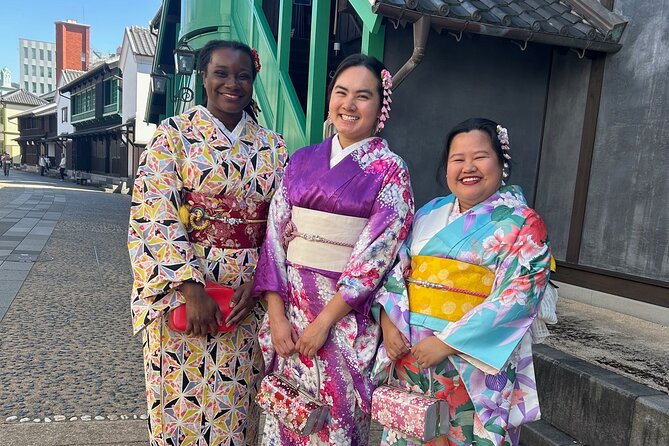
I would recommend this to you if you want a traditional Japanese activity with a strong sense of place. It works especially well for:
- Couples who want shared photos in historic surroundings
- Families, since men’s, women’s, and children’s sizes are available
- Visitors who prefer a private activity for their own group
- Photographers and anyone planning a special portrait session
- First-time kimono wearers who want professional dressing
- Visitors who need a rainy-day plan in Nagasaki
It may be less suitable if you want a long, strenuous walk or a full formal lesson on kimono culture. The activity is mainly about choosing, dressing, photographing, and walking in the outfit. You get practical help and a historic setting, but not a lengthy workshop on weaving, fabric, or ceremonial customs.
Children over 15 can join without an adult in attendance. Younger children need the normal support that comes with a family visit, and the activity lists children from age three as eligible.
Service animals are allowed, and most people can participate. Since the experience takes place in historic buildings and includes wearing traditional footwear, anyone with mobility concerns should consider the practical demands of the site before booking.
Price, Timing, and Practical Value
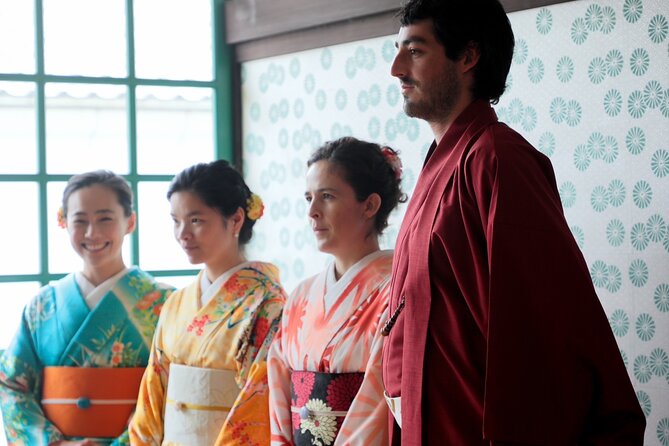
The listed price is $52.55 per person for about two hours. The Dejima Museum entrance fee of ¥1,100 per person is separate.
For that price, you receive the kimono set, shoes, simple hairstyling, accessories, staff coordination, professional dressing, and access to a distinctive photo setting. You also get time to walk outside in the kimono before returning it.
The value is strongest if you plan to take photographs and make use of Dejima. If you only want to put on a kimono for a few minutes, the cost may feel high once admission is added. If you want a complete outing with clothing, hair, historic buildings, and a private group format, the price is easier to justify.
The booking confirmation is sent within 48 hours, subject to availability. Free cancellation is available up to 24 hours before the start time for a full refund. Changes or cancellations inside that 24-hour window are not accepted, and the cutoff follows local Nagasaki time.
My Verdict: Book It for Place, Photos, and Easy Dressing
I would book the Traditional Kimono Experience in Nagasaki if you want more than a costume rental. The best part is the combination of professional dressing and Dejima’s period setting. You can choose a personal style, get help with the details, then photograph it in rooms and gardens that fit the clothing.
The main cautions are the extra museum fee, the 5 PM return deadline, and the limited walking comfort of traditional sandals. Book earlier in the day, leave time for photos, and keep your route near Dejima unless you are comfortable moving at a slower pace.
For couples, families, first-time kimono wearers, and visitors seeking a dependable rainy-day plan, this is a strong choice. If your priority is a long cultural class or an all-day city walk, choose something else. If you want a polished Japanese experience tied closely to Nagasaki’s past, Dejima Hoppen earns its place on your itinerary.
FAQ
Where does the kimono experience begin?
It begins at Dejima Hoppen inside the Dejima Dutch Trading Post Ruins, at 6-1 Dejimamachi, Hettor Room on the second floor, Nagasaki 850-0862.
How long does the activity last?
The experience lasts approximately two hours.
How many kimonos can I choose from?
Dejima Hoppen has more than 100 kimonos for women, men, and children.
Are children allowed to participate?
Yes. Children aged three and older can wear a kimono. Children over 15 can join without an adult in attendance.
What size range is available?
Women’s sizes are available up to 175 centimeters, listed as 5L. Men’s sizes are available up to 190 centimeters, also listed as 5L.
Is professional dressing included?
Yes. A professional dresser puts on the kimono, and dressing takes about 20 minutes per person.
Is hairstyling included?
Yes. Simple hairstyling and hair accessories are included.
Are shoes and a bag provided?
Yes. Zori sandals and a bag are included with the kimono rental.
Can I take photos indoors if it rains?
Yes. The adjacent Chief Factor’s Residence has Japanese-style tatami rooms for indoor photos. The full experience can take place indoors in poor weather.
Do I have to pay an admission fee?
Yes. Admission to the Dejima Museum costs ¥1,100 per person and is not included in the experience price.
Can I walk around Nagasaki in the kimono?
Yes. You can walk outside after dressing, but you must return to Dejima Hoppen by 5 PM.
Is luggage storage available?
Yes. The shop can hold your luggage while you are dressed. You should take valuables with you.
Is this a group tour?
No. It is a private activity for your group only.
Is cancellation free?
You can cancel up to 24 hours before the experience start time for a full refund. Cancellations or changes made less than 24 hours before the start time are not accepted.
Just added around Nagasaki
- Nagasaki Private Historical Tour with Licensed Guide★ 5.0 · 13 reviews
- Private Ring Craft Experience in Nagasaki★ 5.0 · 14 reviews
- Semi Private Guided Tour of Nagasaki.★ 5.0 · 17 reviews
- Taste Local Life: Nagasaki’s Historical Street Walking Tour★ 5.0 · 27 reviews
- Nagasaki WW2 History and Culture Tour★ 5.0 · 19 reviews
- Nagasaki Full Day Tour with Licensed Guide and Vehicle★ 5.0 · 27 reviews
- Nagasaki Private Customizable Half Day Tour★ 5.0 · 16 reviews
- Nagasaki Street Food Adventure: Private Walking Tour with a Local★ 5.0 · 26 reviews
Nagasaki Tours, compared.
Nagasaki Full-Day Private Tour with Government-Licensed Guide
Read our review →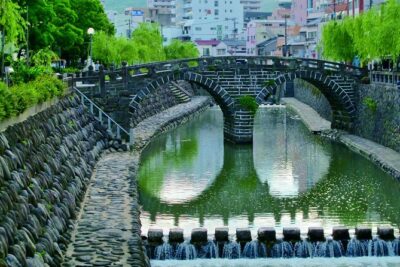
Nagasaki Half-Day Private Tour with Government-Licensed Guide
Read our review →
Visit Gunkanjima Island (Battleship Island) in Nagasaki
Read our review →
Taste Local Life: Nagasaki’s Historical Street Walking Tour
Read our review →
Nagasaki Street Food Adventure: Private Walking Tour with a Local
Read our review →
Nagasaki Private Tour with a Local – Highlights & Hidden Gems
Read our review →Browse the lists this tour appears in