
Reviewed · KOBE TOURS
Next-Generation Local Guide: Private Kobe Tour
Kobe is at its best when you let a local student shape the day around your interests. Instead of following a fixed route, you can ask for Chinatown, sake, Kobe beef, art galleries, shopping, or a quiet fishing village, then explore with a young guide who knows both the city’s landmarks and its current hangouts.
I like the private format, since your group sets the pace and can stop for food, shopping, or rest. I also like the low price of $79.26 per person, which can offer excellent value when several people share the cost of a personal guide.
The main tradeoff is that the guide is a student, not a full-time professional historian. You should also budget for meals, transport, and admission fees, and expect plenty of walking unless you arrange a gentler plan in advance.
Key points at a glance
- A genuinely flexible four-hour route: Choose two or three Kobe sights, neighborhoods, food stops, or local experiences with your guide.
- Young local perspective: Guides such as Kodai, Satori, Hinata, and Kaido bring useful views on daily life, youth culture, restaurants, and modern Kobe.
- Strong English communication: Kodai receives repeated praise for clear English, prompt messages, and an easy conversational style.
- Good for cruise calls: Guides have met groups at the port and helped them use Kobe’s transport system efficiently.
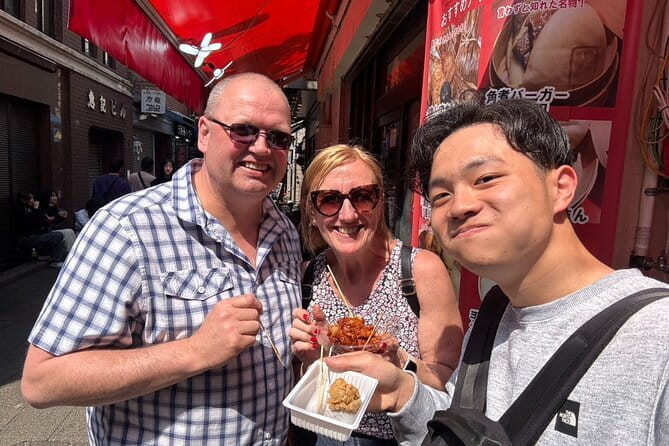
- Food can be central to the day: Kobe beef, sushi, ramen, okonomiyaki, sake, and Chinatown snacks have all featured in custom routes.
- Extra costs are separate: You pay for food, drinks, trains or taxis, and attraction tickets for both yourself and the guide.
Why a student guide changes the Kobe experience
The best feature here is not a particular monument. It is the chance to ask a local person what Kobe feels like now.
A standard sightseeing route might show you the waterfront, Chinatown, Kitano, and a shrine. This experience can do that, but it can also turn toward a neighborhood cafe, a student favorite, a rural coast, or a restaurant that is hard to choose from on your own. The guide’s age is useful when you want more than dates and architectural labels. You can ask about Japanese school life, youth trends, local food habits, or how residents use the city.
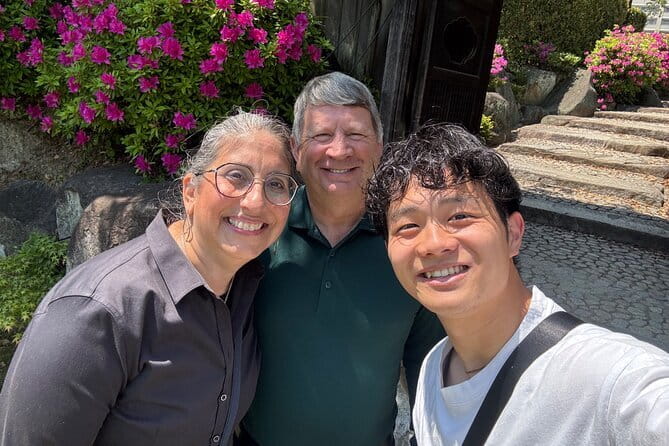
Kodai is the guide whose name appears most often in the available feedback. His strengths are clear English, early contact, flexibility, and a friendly manner. He has adjusted schedules for short visits, families with children, cruise passengers, and groups with different interests.
Other guides have brought their own style. Satori contacted a guest before the tour and shaped the route around personal interests. Hinata arranged a peaceful walk through Nunobiki Gardens and Kitano. Kaido accompanied a guest using a motorized wheelchair on a route that included the Herb Garden, ropeway, and Ikuta Shrine.
That variety matters. You are not buying a single rigid personality or script. You are being matched with a trained student guide, then building a plan together.
A few more Kobe half-days to weigh up
- KOBE Sake Tasting Tour at Breweries (tasting fee included)
★ 5.0 · 154 reviews - Kobe Highlights & Hidden Gems: Private & Custom Tour with a Guide
★ 4.5 · 70 reviews - Kobe 4hr Private Tour with Government-Licensed Guide
★ 5.0 · 59 reviews
Planning the route before you arrive
After booking, the provider contacts you to discuss your preferences. WhatsApp has been especially useful for planning, and several guests found it easier than using the booking platform’s message system.
Use that conversation well. Tell your guide how much time you have, how fast you walk, whether you want food or museums, and what you have already seen elsewhere in Japan. If you are visiting Kobe from a cruise ship, provide your arrival constraints clearly. If you have children, mobility needs, or a particular lunch in mind, say so before the day begins.
The tour includes a customized route with two or three places in Kobe. That does not mean you must choose only famous sights. Past plans have included three art galleries and two museums, a sake museum followed by Chinatown and Kitano, or a fishing village outside the central area.
A short list works better than a long wish list. In four hours, you can enjoy two or three main areas, especially if you walk between nearby districts. Trying to fit every stop in the sample itinerary would make the day feel rushed.
Nankinmachi, Kobe’s lively food stop
Nankinmachi is Kobe’s Chinatown and one of the easiest places to add flavor to a short city visit. Colorful lanterns, narrow streets, Chinese restaurants, and street food give the area a quick burst of energy.
Your guide can help you decide what to sample instead of leaving you to guess at every counter. This is a good stop if you want a casual lunch, small bites, or a look at Kobe’s Chinese cultural life.
The drawback is time. Nankinmachi can tempt you into a long meal or repeated snack stops, so agree with your guide whether food is the main event or simply part of the walk. If you want Kobe beef, sushi, or okonomiyaki as well, your route needs careful timing.
Meriken Park and the waterfront
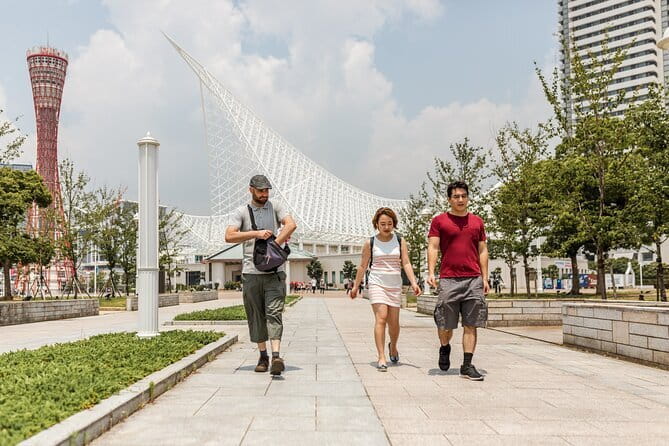
Meriken Park gives you a different side of Kobe. It is an open waterfront park with broad views and modern landmarks, a useful contrast to the tight streets of Nankinmachi and the older buildings around Kitano.
This is a smart choice for photos, a relaxed walk, and a basic introduction to Kobe as a port city. It also works well for a group that has spent several days in dense urban areas and wants open air.
The park itself has no admission fee. You should still consider the weather, since this part of the route is exposed and the tour requires good weather. If rain is likely, ask your guide to switch toward indoor museums, shopping, or food.
Same base, a completely different sort of day:
- Kobe: Guided Sake Breweries Tour with Tastings
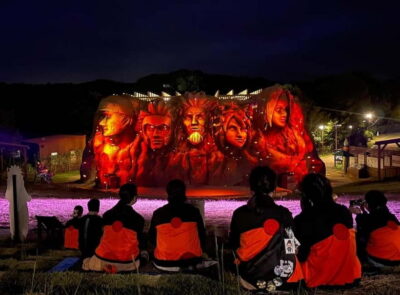
★ 5.0 · 55 reviews - Nijigen No Mori:Naruto & Boruto Theme Park Entry Ticket
★ 4.5 · 53 reviews - Kobe: Port Tower Admission Ticket
★ 4.4 · 52 reviews - Private Home-Style Cooking Class in Osaka with Local Mom Yoshiko
★ 5.0 · 46 reviews
Kitano Ijinkan and Kobe’s foreign settlement past
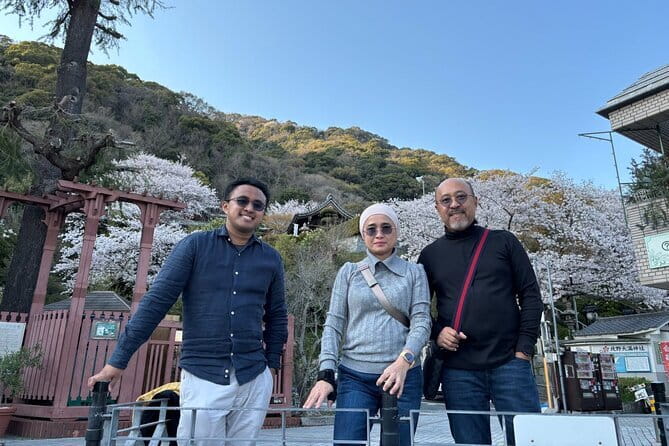
Kitano Ijinkan is a hillside district filled with Western-style houses built in the late 19th century. These buildings reflect the period when Kobe opened as an international port and foreign residents established homes above the city.
It is a rewarding area if you like architecture, photographs, and the mix of Japanese and Western influences. Your guide can give the streets more meaning by explaining how the neighborhood fits into Kobe’s development, rather than simply pointing out decorated houses.
Some buildings charge admission. The supplied plan lists one example at 500 yen and another at 1,000 yen, depending on which house or attraction you choose. The hill also makes this a more demanding stop than the waterfront, so mention walking limits before the tour.
Kobe Port Tower and city views

Kobe Port Tower is one of the city’s best-known landmarks, rising 108 meters above the harbor. The tower can add a clear sense of place to your visit, especially if you want to understand how the waterfront and central neighborhoods relate to one another.
The listed admission is 1,000 yen. Since attraction fees are not included for either you or the guide, confirm the total cost before entering.
You may prefer to see the tower from outside if your priority is food or local neighborhoods. A private tour makes that decision easy. You can use the stop for photos, skip the admission, or replace it with another part of Kobe.
Ikuta Shrine in the city center
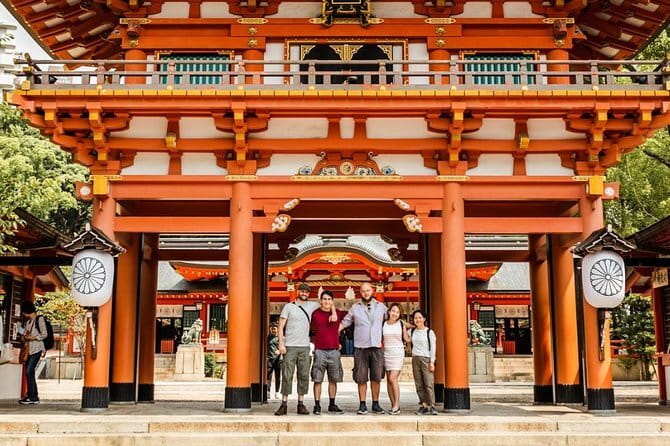
Ikuta Shrine offers a quiet pause within central Kobe. Its red torii gate and traditional Shinto setting make it a useful stop if you want a cultural site without committing to a long museum visit.
The shrine has no admission fee, which helps keep the day affordable. It is also a practical addition to a route that includes shopping, Chinatown, or nearby restaurants.
One accessibility-focused route included Ikuta Shrine and found that thoughtful access improvements made much of the visit possible while preserving the shrine’s original character. Conditions can vary by route and personal needs, so discuss the details with the provider before booking.
Nunobiki Herb Gardens and the ropeway
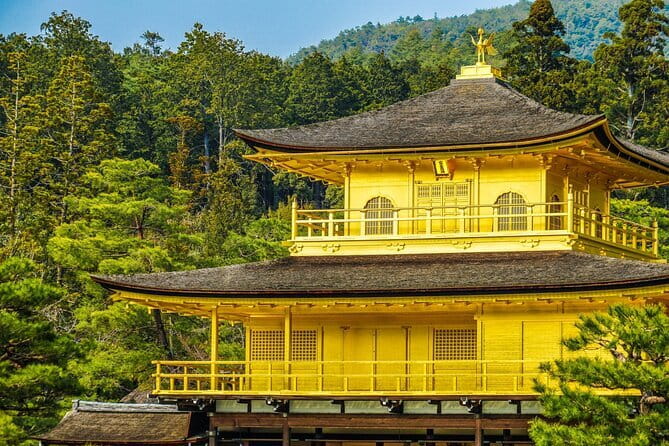
The Nunobiki Herb Gardens are close to central Kobe but offer a change from streets and buildings. One custom tour used the ropeway round trip to reach the gardens, with a listed combined fee of 2,000 yen.
This is a strong choice if you want gardens, views, and a slower morning. It also suits visitors who have already seen plenty of city neighborhoods. The ropeway saves you from making the full climb on foot, though you still need to check whether the route and boarding arrangements fit your mobility needs.
Because the gardens and ropeway take time, pair them with nearby Kitano rather than trying to add every waterfront and food stop afterward. The combination of gardens and historic houses makes a natural half-day plan.
Sake, Kobe beef, and ordinary local meals
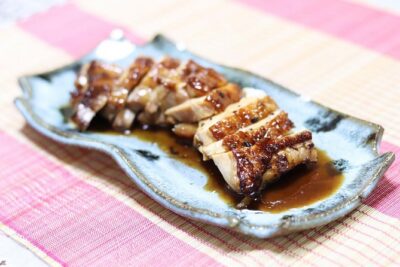
Food is one of the clearest reasons to choose this tour. Past routes have included Kobe beef, sushi at a small husband-and-wife restaurant, ramen, okonomiyaki cooked at the table, and sake tastings.
A local guide is most useful here when you want help choosing rather than simply locating a famous dish. Kodai has helped groups find Kobe beef and local sake, while another route ended with a restaurant serving several kinds of sake and a shop visit to select bottles for purchase.
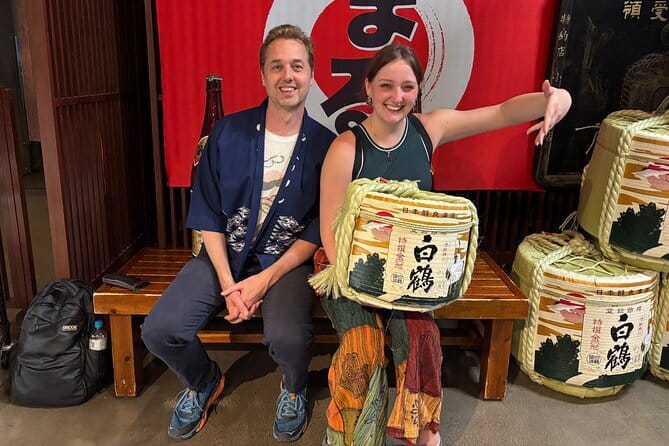
The sake side of Kobe can also include a visit to a local brewery museum. One route combined a sake museum and tastings with Chinatown, Kitano, and the pier. Food and drinks are not included, and you pay for the guide’s food and drinks too, so ask about expected prices before ordering.
Kobe beef can make the bill rise quickly. If you want to try it, tell the guide whether you want a full meal, a modest tasting, or simply an explanation of what makes the beef special. The same rule applies to sushi and sake. A private guide can help you spend wisely, but the tour price does not cover the meal.
Going beyond central Kobe
The most memorable plans may be the ones that leave the usual sightseeing circuit. One group asked for a rural setting after seeing many Japanese cities and was taken to a fishing village in Shioya. That kind of request shows what customization can mean in practice.
You should not assume an out-of-center trip is automatically included. Private transport is not included, and the tour normally meets on foot within a designated area. Train, taxi, or other transport costs are extra for you and the guide.
Still, this option is valuable if you have already seen major urban sights or want a glimpse of everyday life. Ask how much travel time the detour requires. A rural stop may be worthwhile, but it can replace another central attraction during a four-hour tour.
Walking, transport, and the pace of the day
This is fundamentally a walking experience. One guest described nearly three hours on foot, while another noted that there is a lot of walking but appreciated avoiding a large bus group.
Your guide can slow the pace, stop for rests, and adjust the meeting point. Kodai made changes for a family with young children, and another guide arranged a route around a motorized wheelchair. These are encouraging signs, but you should still provide clear information about your needs before the day.
Public transport and taxis can be added, but you pay separately. One guide helped a guest use the train system, and another made sure a group boarded the correct train back to its hotel. That practical help can be worth a great deal when you are unfamiliar with Japanese signs and ticket machines.
The advertised duration is about four hours, while one itinerary section lists three hours of touring. Treat the schedule as flexible rather than expecting a strict four-hour performance. Confirm the start and finish times, meeting location, and transport plan with your guide.
What the $79.26 price really buys
At $79.26 per person, this is inexpensive for a private experience, especially for a couple or family that wants personal attention. The value improves when you use the guide for choices you could not easily make alone: finding a suitable restaurant, shaping a route around limited time, handling trains, or locating a quieter neighborhood.
The price is less attractive if you want a formal lecture, a large number of included admissions, or private transport. You will pay extra for attractions, meals, drinks, souvenirs, and transportation. You also pay the guide’s food, drinks, and attraction fees when those costs apply.
For a cruise passenger or anyone with only one day in Kobe, the service can save time. A guide who meets you at the port or helps you navigate back to your hotel reduces the risk of spending your short visit lost in transit.
The 5.0 rating from 39 reviews and 100 percent recommendation figure suggest a very strong satisfaction record, but you should read the format correctly. The praise centers on flexibility, English, friendliness, and local help. It does not promise the same depth as a specialist history tour.
The guide’s style and what to expect
Expect conversation, questions, and adjustment rather than a memorized speech. Kodai has been praised for treating the outing like time with a friend, while still explaining Kobe’s history, Japanese culture, and local customs.
That style works well if you want to ask about daily life or compare Japan with your home country. Several guides also appeared eager to learn from their groups, which can make the day feel like an exchange rather than a one-sided talk.
A student guide may occasionally be less polished than a veteran professional. That is part of the bargain. You receive youth, energy, and current local perspective, but the depth of specialist knowledge may differ from guide to guide.
Who should book this Kobe tour?
I would choose this experience if you want a private route built around your interests, especially food, neighborhoods, shopping, or local life. It is also a good match for couples, families, small friend groups, cruise passengers, and people who do not want to join a bus tour.
It suits you particularly well if you enjoy walking and are willing to message ahead with clear requests. Visitors who want a rural side trip, a sake tasting, an accessible route, or help with Japanese restaurants can get real value from the planning stage.
I would look elsewhere if you need every ticket and meal included, dislike flexible schedules, or want a polished lecture from a career guide. You should also avoid packing too many sights into four hours.
Final call: book it for flexibility, not a checklist
Book this tour if you want Kobe to feel personal. Ask for Kodai if available and explain your priorities early, but remember that Satori, Hinata, Kaido, and other trained student guides may bring their own strengths.
For the price, the private planning and local assistance are the real purchase. Keep the route to two or three main stops, budget extra for food and transport, and leave room for the kind of unexpected cafe, neighborhood, or fishing village that a fixed tour would miss.
Free cancellation is available up to 24 hours before the start time. The experience requires good weather, with a different date or full refund offered if poor conditions force cancellation.
FAQ
How long is the Next-Generation Local Guide Kobe Tour?
The tour lasts approximately four hours. One itinerary section describes three hours of touring, so confirm the exact timing with your guide when planning your route.
Is the Kobe tour private?
Yes. Only your group participates, and the route is customized around your preferences.
What places can I visit in Kobe?
Possible stops include Nankinmachi, Meriken Park, Kitano Ijinkan, Kobe Port Tower, Ikuta Shrine, Nunobiki Herb Gardens, and a Hakutsuru sake brewery. These are examples, not a required route.
Are food, drinks, transportation, and entrance fees included?
No. You pay for food, drinks, personal expenses, souvenirs, private transportation, and attraction or activity fees for both you and the guide.
Does the guide speak English?
Yes. The tour includes a trained student guide who speaks English. Kodai is specifically noted for strong English communication.
Can the tour accommodate mobility needs?
A past route was planned for a guest using a motorized wheelchair and included the Herb Garden, ropeway, and Ikuta Shrine. Discuss your specific needs with the provider before booking, since route access can vary.
Just added around Kobe
- Shore excursion: Full Day Private Kyoto Tour From Osaka/Kobe Port★ 4.5 · 36 reviews
- Cruise Stop-Over: Private Custom Day trip to Kyoto from Kobe Port★ 4.5 · 12 reviews
- Exploring Nada Sake Breweries Kobe Private Tour with Government-Licensed Guide★ 5.0 · 17 reviews
- Kobe : Private Custom Tour (Excursion to Osaka / Kyoto possible)★ 4.5 · 12 reviews
- Private Shore Excursion Kobe Port – Best of Kobe with a local★ 5.0 · 19 reviews
- Sake Brewery and Japanese Life Experience Tour in Kobe★ 5.0 · 39 reviews
- Kyoto Full Day Tour from Kobe with Licensed Guide and Vehicle★ 4.5 · 19 reviews
- KOBE, SHIOYA, a quaint fishing town walking tour★ 5.0 · 19 reviews
Kobe Tours, compared.

KOBE Sake Tasting Tour at Breweries (tasting fee included)
Read our review →
Kobe Highlights & Hidden Gems: Private & Custom Tour with a Guide
Read our review →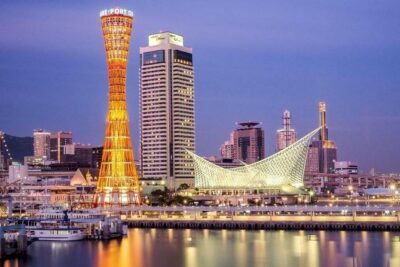
Kobe 4hr Private Tour with Government-Licensed Guide
Read our review →
Nijigen No Mori:Naruto & Boruto Theme Park Entry Ticket
Read our review →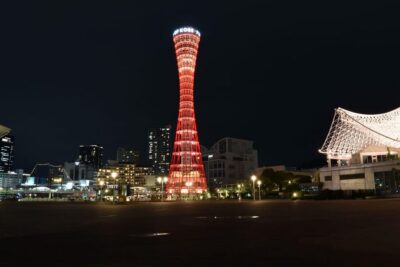
Private Home-Style Cooking Class in Osaka with Local Mom Yoshiko
Read our review →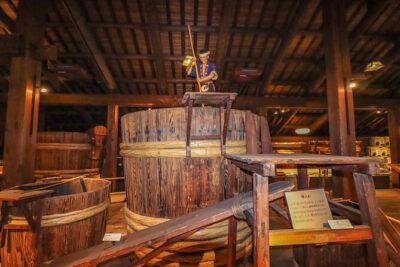
Sake Brewery and Japanese Life Experience Tour in Kobe
Read our review →Browse the lists this tour appears in