
Reviewed · KOBE TOURS
Private Home-Style Cooking Class in Osaka with Local Mom Yoshiko
Making dashi stock in Yoshiko’s kitchen is the heart of this experience. You learn why Japanese home cooks use this savory broth in place of plain water, then use it in four or five dishes before sitting down to eat. It is a friendly way to see how everyday Japanese food comes together.
I like the private home setting, where your time is spent with Yoshiko rather than a large class. I also like the practical recipes, the chance to make okonomiyaki or assemble a bento, and the relaxed meal afterward with plum wine or local beer.
The main thing to weigh is the location. Yoshiko’s home is in Hyogo Prefecture, outside central Osaka, and the trip from Osaka Station can take about an hour. The class may also be more demonstration-based than fully hands-on, depending on your group.
Key points to know before booking
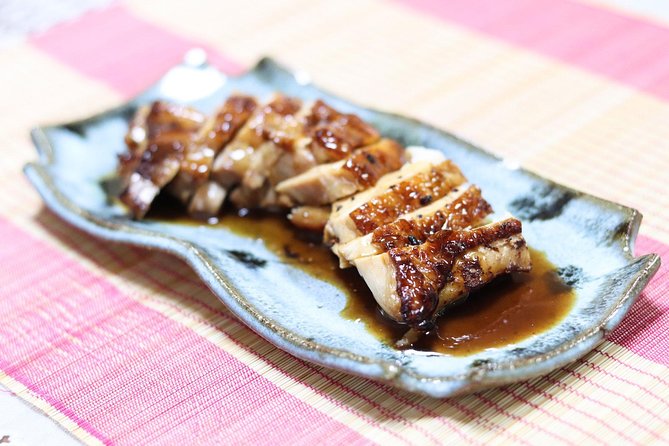
- Dashi is the lesson’s main idea: You learn how this basic stock brings out umami in ordinary Japanese dishes.
- Yoshiko hosts in her own home: Expect a personal visit, conversation, and a look at local daily life rather than a restaurant-style class.
- The class includes four or five dishes: Menus vary by season, with choices such as okonomiyaki and a bento-style meal.
- The experience is private: Only your group takes part, which suits couples, families, and small groups.
- You receive printed recipes: You can try the dishes again after returning home.
- Plan your return trip: Pickup is at Kawanishi-Ikeda Station, but the experience ends at Yoshiko’s home. A taxi back costs about ¥2,000 and is paid directly to the driver.
From Kawanishi-Ikeda Station to Yoshiko’s kitchen
Your meeting point is Kawanishi-Ikeda Station on the JR Takarazuka Line. Yoshiko picks you up there and drives about 10 minutes to her home. This short car ride is part of the charm, but getting to the station is your responsibility.
From central Osaka, allow roughly an hour to reach the station. That extra travel time matters. This is not a quick cooking stop between visits to Dotonbori and Osaka Castle. It is a half-day outing into a residential part of the Osaka area, with the home visit as the main event.
If your group has more than four people, Yoshiko asks the additional members to take a taxi and follow her car. That is a useful detail to settle before booking, especially if you are arranging this as a family or group gift.
The activity begins at the station, but it ends at Yoshiko’s home. She can help arrange a taxi to the nearest station afterward, at an estimated cost of ¥2,000. You pay the driver directly. Build this into your timing and budget rather than assuming the initial pickup is a round trip.
More cooking classes in Kobe:
- Ramen Cooking Class at Ramen Factory in Kyoto
★ 5.0 · 1,937 reviews - Ramen & Gyoza Cooking Class in Tokyo with Local Supermarket Visit
★ 5.0 · 823 reviews - Kyoto: Ramen Cooking Class at a Ramen Factory with Souvenir
★ 4.9 · 532 reviews
A Japanese home, not a restaurant classroom
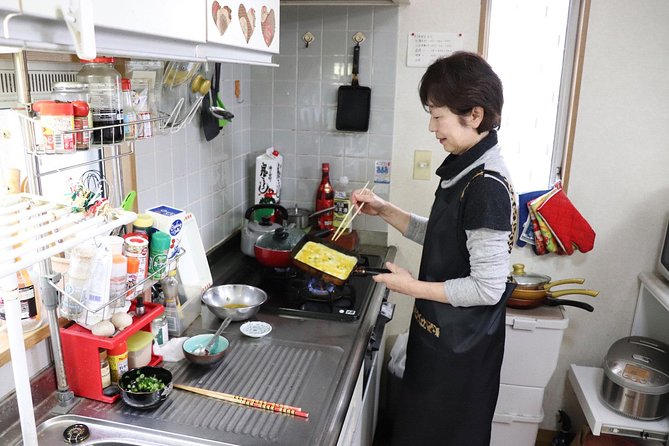
The setting changes the tone right away. You are not seated at rows of cooking stations with a rotating instructor. You enter Yoshiko’s home and work in her kitchen, with the class shaped around your group.
That makes the experience feel personal. You have time to ask about ingredients, kitchen habits, and Japanese food customs. The meal afterward gives you a chance to keep talking, and several people particularly enjoyed getting to know Yoshiko on a personal level after the cooking was finished.
Yoshiko is praised for being kind, patient, and clear in her instructions. That matters for beginners. Japanese cooking can involve unfamiliar seasonings and methods, but Yoshiko introduces the basics in a calm, approachable way.
The private format also lets her adjust the pace to your group. A couple who wants a relaxed afternoon will have a different rhythm from a family with children or a group celebrating a birthday. Since only your party participates, you do not have to keep up with strangers or worry about asking basic questions.
There is one qualification. The class is not guaranteed to be intensely hands-on at every stage. You may chop, mix, assemble, or cook parts of the meal, but some steps can be shown as a demonstration. If your dream is to prepare every dish alone from start to finish, ask for clarification before you reserve. If you prefer a guided introduction with plenty of explanation, this format may suit you well.
Why dashi matters in everyday Japanese cooking
Yoshiko begins with dashi, the stock that forms the base of many Japanese dishes. The point is not just to learn one recipe. You learn a cooking principle: use dashi instead of plain water when you want more savory depth.
That is a useful lesson because it explains why simple Japanese food can taste so full without heavy sauces. Dashi carries flavor through soups, simmered dishes, and other home-style preparations. You get to see how one basic preparation can support several parts of the meal.
This is also where the class moves beyond a standard food tasting. You are not simply handed a finished plate and told what it contains. Yoshiko shows you a technique you can repeat, then gives you printed recipes to help you do so.
The emphasis is on home cooking rather than formal restaurant cuisine. You learn about basic Japanese seasonings and kitchen staples, then see how they work together in a normal household meal. For anyone who has eaten Japanese food but never understood its building blocks, this may be the most useful part of the visit.
Four or five dishes, with the menu chosen in advance
The cooking portion lasts about an hour. During that time, Yoshiko teaches you to prepare four or five Japanese home-style dishes from scratch. The exact menu depends on the season and on which of the available meal choices you select.
You need to tell Yoshiko your preference at least three days ahead so she can shop for the ingredients. If she does not receive a choice, she prepares option one, called the Mother’s Taste menu. That default may be convenient, but it is still wise to communicate your wishes early.
Okonomiyaki is one of the dishes that has made a strong impression. This savory Japanese pancake is closely linked with Osaka food culture, and preparing it at home gives you a different view than ordering one at a busy restaurant. The class also may include bento assembly, giving you the satisfaction of arranging your own meal as well as cooking it.
The menu can vary, so do not book expecting a fixed restaurant menu. That flexibility is a benefit if you enjoy seasonal food and local home cooking. It is less ideal if you need a precise list of dishes before committing.
Dietary requirements should be entered when you book. The provided information does not promise that every request can be accommodated, so give Yoshiko as much notice as possible. The same advice applies to allergies and strong dislikes.
More hands-on workshops in Kobe:
- Sushi Making Tokyo Roll and Authentic Japanese Sushi Class
★ 5.0 · 3,971 reviews - Kyoto: 45-Minute Tea Ceremony Lesson Experience
★ 4.3 · 2,378 reviews - Tokyo: Roll and Authentic Sushi Making Class in Asakusa
★ 4.9 · 1,957 reviews - Tokyo Shinjuku Chopsticks Making Class
★ 5.0 · 1,763 reviews
Sitting down to eat what you helped prepare
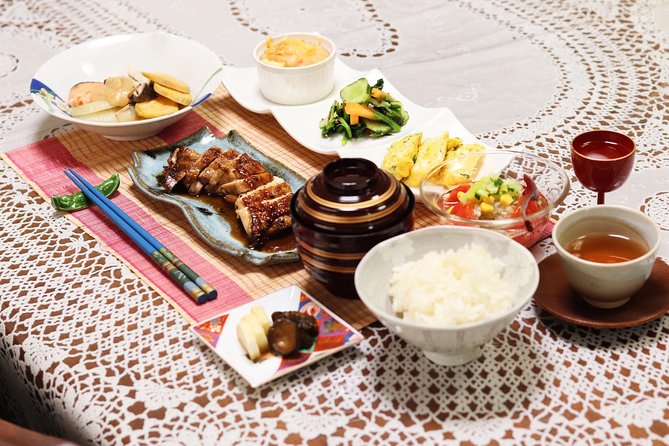
After about an hour of cooking, you sit down to enjoy the meal. This is not a rushed tasting with the next group waiting for your table. You have time to eat, talk, and ask follow-up questions about the food.
The meal is a key part of the value. You get to compare the finished dishes with the techniques you just practiced. If you assembled a bento, you can appreciate the balance of color, arrangement, and portion that makes the format so appealing.
Yoshiko includes plum wine. Local beer is available if requested in advance, and you may also bring your own alcohol to enjoy with the meal. The drink is a small detail, but it helps the meal feel like a visit to someone’s home rather than the final step of a lesson.
Food quality receives consistent praise. The dishes are described as delicious, and the flavors are often appreciated as genuine Japanese home cooking. Keep your expectations in the right place: this is not a professional chef’s tasting menu. Its appeal is the care, freshness, and everyday style of the food.
The conversation can be just as memorable as the meal. The experience gives you time with a local resident, and the informal setting makes it easier to ask about daily routines and cooking habits. You are not only collecting a recipe. You are seeing how food fits into a Japanese household.
Recipes you can use after Japan
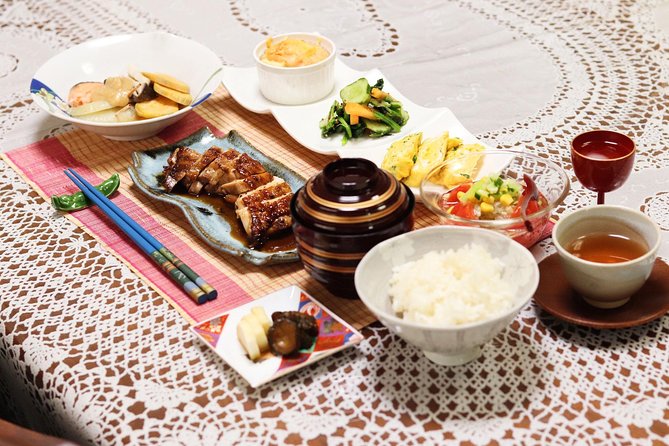
Printed recipe cards are included, which makes this a better choice than a class you simply enjoy and forget. You can bring the instructions home and work through the dishes again.
Dashi is especially worth practicing because it can improve several recipes at once. The lesson gives you a way to think about Japanese flavor, not just a list of ingredients. You may also find the guidance on seasonings and kitchen staples useful when shopping at an Asian grocery store back home.
Recipe cards cannot replace every detail of being in Yoshiko’s kitchen. You may still need to adjust quantities, find substitute ingredients, or rely on memory for small visual cues. Still, having the written recipes gives the experience lasting value.
If you are buying this as a birthday gift or arranging it for co-workers, the personal format works well. The home setting makes the present feel more thoughtful than a generic restaurant voucher, and the shared meal gives the group something to talk about afterward.
Is $86 a fair price?
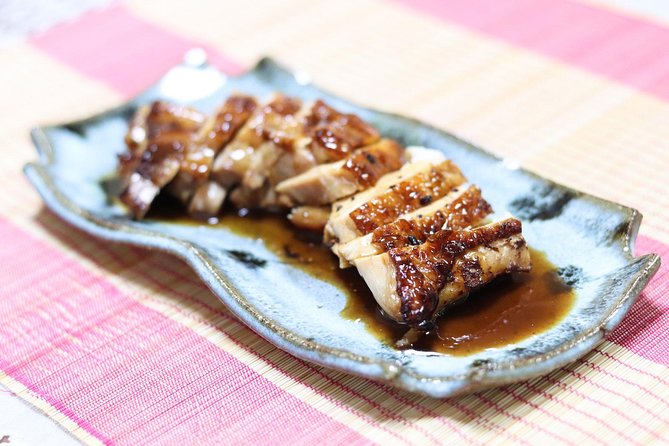
At $86 per person, the cost is higher than a casual Osaka lunch, but you are paying for more than food. The price includes a private class, the meal, Yoshiko’s time, station pickup, plum wine, and printed recipes.
The private format is the main value. A couple or small family receives direct attention instead of joining a large class. You also get a personal introduction to Japanese home cooking and a meal prepared with your participation.
The price makes less sense if you are mainly looking for an inexpensive meal or a fast activity near the center of Osaka. You will spend time and money reaching Kawanishi-Ikeda Station, and you may need about ¥2,000 more for a taxi after the visit.
Group discounts are available, but the amount is not specified. Ask about the current group rate if you are booking for several people. For a special occasion, the setting and personal attention may justify the cost. For a solo visitor seeking the cheapest cooking lesson, another class closer to central Osaka may be a better fit.
Lunch or dinner, and who will enjoy it most
You can choose a lunch or dinner option. Lunch may fit better if you want to return to Osaka for evening plans. Dinner gives you a slower end to the day, but remember that you will need to arrange your own return from Yoshiko’s home.
I would recommend this experience to:
- Couples who want a quiet, personal activity
- Families interested in food and local customs
- First-time visitors who want more than restaurant meals
- Small groups marking a birthday or special occasion
- Beginners who appreciate patient instruction
- Home cooks who want recipes they can repeat
I would be more cautious about recommending it to someone with a packed Osaka schedule. The ride to and from the station adds travel time, and the class itself takes about three hours. It also may not suit someone who wants a fully practical workshop with every step assigned to each participant.
The setting is a good match for anyone curious about ordinary life. You are not touring a famous landmark. You are spending time in a local home, learning how familiar food is prepared and sharing it with the person who taught you.
Booking details that can save you trouble
Confirmation arrives within 48 hours of booking, subject to availability. Since the experience is often reserved well ahead, with an average booking lead time of about 88 days, book early if your dates are fixed.
Send your meal choice at least three days ahead. If you do not, Yoshiko prepares the Mother’s Taste menu. Include dietary needs in the special requirements field when booking, and request local beer in advance if that is your preference.
The activity is near public transportation and includes a mobile ticket. The pickup is specifically at Kawanishi-Ikeda Station on the JR Takarazuka Line, not at your Osaka hotel. Hotel pickup and drop-off are not included.
You can cancel for a full refund if you do so at least two full days before the local start time. Cancellations or changes made less than two full days ahead are not accepted for a refund, so check your train plans before the deadline.
Should you book Yoshiko’s cooking class?
I would book this if you want a personal connection, enjoy Japanese home food, and have enough time to travel beyond central Osaka. The strongest reasons are Yoshiko’s warm, patient teaching style, the dashi lesson, the chance to prepare dishes such as okonomiyaki, and the relaxed meal in her home.
I would skip it if you want a class in central Osaka, a guaranteed fully hands-on format, or a fixed menu known far in advance. The trip to Kawanishi-Ikeda and the return taxi are real practical considerations.
For the right visitor, the $86 price buys a useful skill, a shared meal, and a glimpse into local life that a restaurant cannot provide. Bring an appetite, choose your menu early, and leave room in your schedule for the journey home.
FAQ
Where does the cooking class meet?
The class begins at Kawanishi-Ikeda Station, located on the JR Takarazuka Line in Hyogo Prefecture. Yoshiko meets you there.
How long is the experience?
The experience lasts approximately three hours. The cooking portion takes about one hour, followed by the meal and conversation.
How do I get to Yoshiko’s home?
Yoshiko picks you up by car at Kawanishi-Ikeda Station and drives you about 10 minutes to her home.
Does the activity return me to the station?
No. The experience ends at Yoshiko’s home. She can help arrange a taxi to the nearest station, estimated at about ¥2,000, paid directly to the driver.
What food will I prepare?
You will learn to prepare four or five Japanese home-style dishes. Menus vary by season, and okonomiyaki and bento-style preparation are among the dishes described for this experience.
Can I choose my menu?
Yes. Yoshiko offers four meal choices. Tell her your preference at least three days before the experience so she can shop for the ingredients. Without a choice, she prepares the Mother’s Taste menu.
Is the class private?
Yes. Only your group participates in the activity.
Are drinks included?
Plum wine is included. Local beer can be requested in advance, and you may bring your own alcohol to enjoy with the meal.
What is the cancellation policy?
You can receive a full refund if you cancel at least two full days before the experience’s local start time. Cancellations or changes made less than two full days in advance are not accepted for a refund.
Just added around Kobe
- Next-Generation Local Guide: Private Kobe Tour★ 5.0 · 39 reviews
- Shore excursion: Full Day Private Kyoto Tour From Osaka/Kobe Port★ 4.5 · 36 reviews
- Cruise Stop-Over: Private Custom Day trip to Kyoto from Kobe Port★ 4.5 · 12 reviews
- Exploring Nada Sake Breweries Kobe Private Tour with Government-Licensed Guide★ 5.0 · 17 reviews
- Kobe : Private Custom Tour (Excursion to Osaka / Kyoto possible)★ 4.5 · 12 reviews
- Private Shore Excursion Kobe Port – Best of Kobe with a local★ 5.0 · 19 reviews
- Sake Brewery and Japanese Life Experience Tour in Kobe★ 5.0 · 39 reviews
- Kyoto Full Day Tour from Kobe with Licensed Guide and Vehicle★ 4.5 · 19 reviews
Kobe Tours, compared.
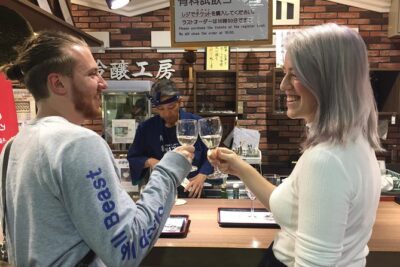
KOBE Sake Tasting Tour at Breweries (tasting fee included)
Read our review →
Kobe Highlights & Hidden Gems: Private & Custom Tour with a Guide
Read our review →
Kobe 4hr Private Tour with Government-Licensed Guide
Read our review →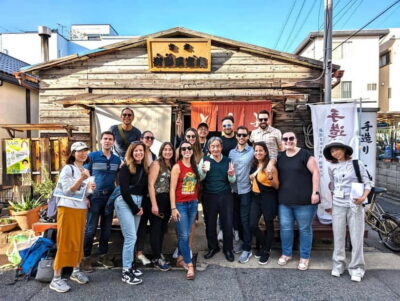
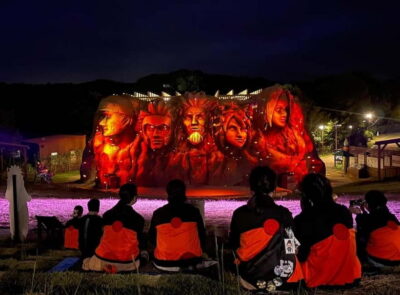
Nijigen No Mori:Naruto & Boruto Theme Park Entry Ticket
Read our review →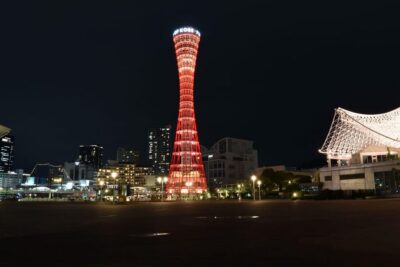
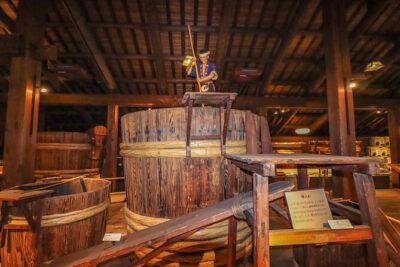
Sake Brewery and Japanese Life Experience Tour in Kobe
Read our review →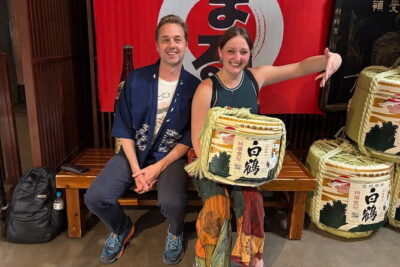
Browse the lists this tour appears in