
Reviewed · KOBE TOURS
Kobe: Guided Sake Breweries Tour with Tastings
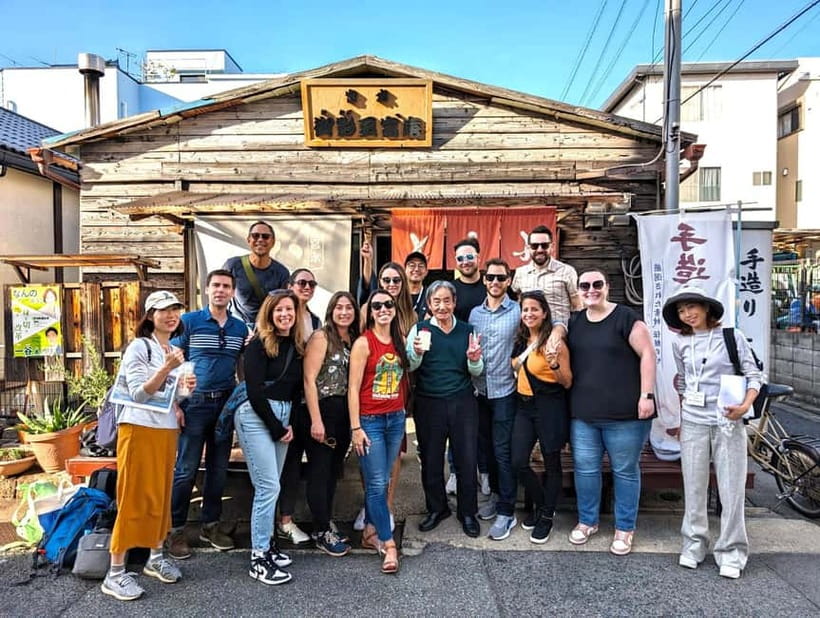
Kobe’s Nada district is one of Japan’s great sake-making centers, and this tour gives you a useful way to understand it: on foot, with several tastings, and with stops at both major museums and smaller local businesses. You visit about three to four breweries, compare different styles, and see how water, rice, yeast, tools, and time shape the drink.
I especially like the contrast between Kobe Shushinkan’s handcrafted Fukuju sake and the large HAKUTSURU museum, where an old brewhouse has been opened to the public. The fresh tofu stop is another smart touch, since it adds a local food tasting and a break from drinking. The main drawback is the walking: you cover about 4 kilometers, and the afternoon can leave you pleasantly, or seriously, tipsy.
Key points at a glance
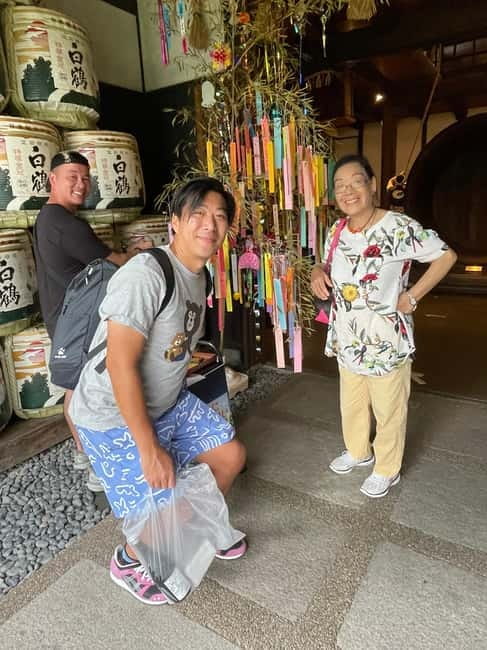
- Three to four brewery stops: The route can include Kobe Shushinkan, HAKUTSURU, and Kiku-Masamune, with the exact mix subject to closing days and weather.
- A useful sake education: You taste different types while learning about brewing methods, ingredients, and the history of Nada’s sake trade.
- Fresh tofu along the route: Okage Tofu-an makes tofu each morning, with ganmodoki sometimes available straight from the kitchen.
- Small English-speaking group: Up to 10 people keeps the tour more personal and makes it easier to ask questions.
- A walking route between Hanshin stations: Begin at Ishiyagawa at 1 p.m. and finish at Uozaki around 4:30 p.m.
- Best for adults who enjoy tasting: The tour is not suitable for people under 20 or pregnant women.
Why Nada is the right place to learn about sake
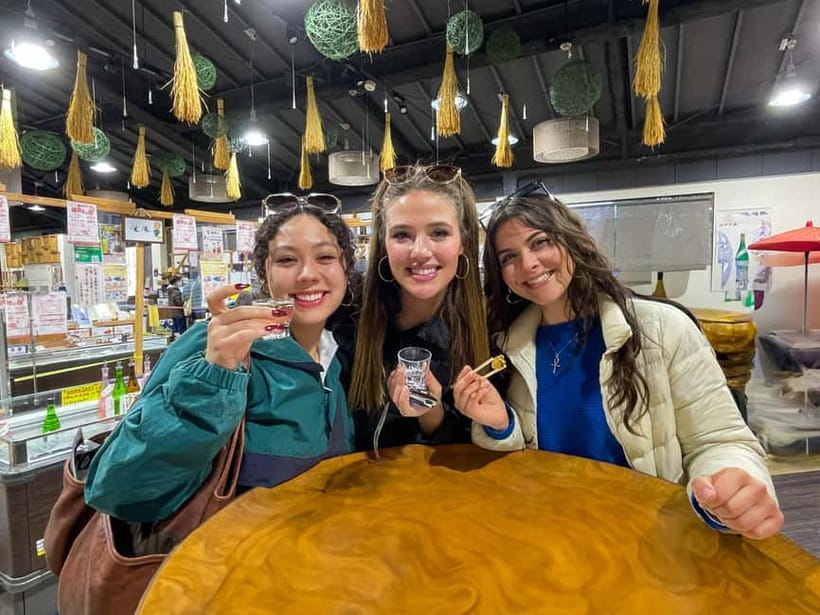
Nada is not just a convenient part of Kobe for a tasting tour. It has long been one of Japan’s leading sake-producing districts, with more than 26 breweries connected to the area. That concentration lets you compare producers without spending a day crossing the city.
The district also gives you a sense of sake as a local industry, not simply a drink on a restaurant menu. Breweries, museums, shops, and food makers sit along a walkable route. The tour uses that setting well. You move from a working sake brand to a tofu shop, then into larger museum spaces where old equipment and traditional techniques are explained.
The guide supplies the thread connecting each stop. Guides including Hiro, Romi, Aya, Fuma, Aki, and Hiroman have led different tours, and the strongest praise consistently focuses on their friendly manner, clear English, humor, and ability to explain both sake and Kobe. Your guide may vary, but the format calls for a live English-speaking guide in a group limited to 10.
More drinks-led nights in Kobe:
- KOBE Sake Tasting Tour at Breweries (tasting fee included)
★ 5.0 · 154 reviews - Sake Brewery and Japanese Life Experience Tour in Kobe
★ 5.0 · 39 reviews - 1-Day Kobe Highlights Tour including Sake Tasting
★ 4.5 · 28 reviews
Starting at Ishiyagawa Station at 1 p.m.
You meet at Ishiyagawa Station on the Hanshin line at 13:00. Look for staff wearing a name tag with the KampaiSakeTours logo. This is a practical meeting point if you are coming from another part of Kobe or from Osaka, and one participant specifically found the trip from Osaka smooth.
From the station, the first walk takes about 20 minutes. This is an important detail: the tour is not a coach excursion with short strolls between indoor tastings. You are walking through the Nada district from the outset, so wear comfortable shoes and avoid arriving hungry.
The organizers specifically ask you to eat something before joining. That advice matters. Sake tastings are spread across the afternoon, but the drink can catch up with you quickly when you are walking and learning at the same time. Bring water if you like, and leave room in your bag for bottles or other purchases.
Kobe Shushinkan and the Fukuju approach
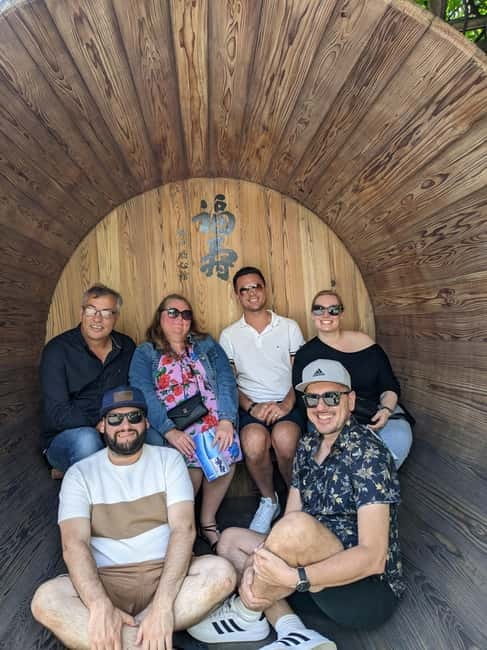
The first brewery visit is Kobe Shushinkan, a producer that has used the Fukuju name since its founding in 1751. The brewery emphasizes handcrafted production, high-quality ingredients, and the careful work of its brewers.
This stop works well at the beginning because it introduces sake as a craft with a human scale. You can taste Fukuju and begin noticing that sake is not one uniform beverage. Differences in style, sweetness, aroma, texture, and finish become easier to spot when your guide explains what to look for before you continue to the next brewery.
You are not simply handed a cup and sent on your way. The tour includes an explanation of the brewing process, and guides have been praised for making technical points understandable. If you are new to sake, ask questions freely. If you already know your junmai from your ginjo, you can ask about brewing methods and regional character.
The presentation at this stop may vary with the day’s access and brewery schedule. The tour promises a visit and tastings, but brewery operations and available samples can change. That flexibility is part of the reason the exact list of three or four stops is not fixed.
A 15-minute pause at Okage Tofu-an
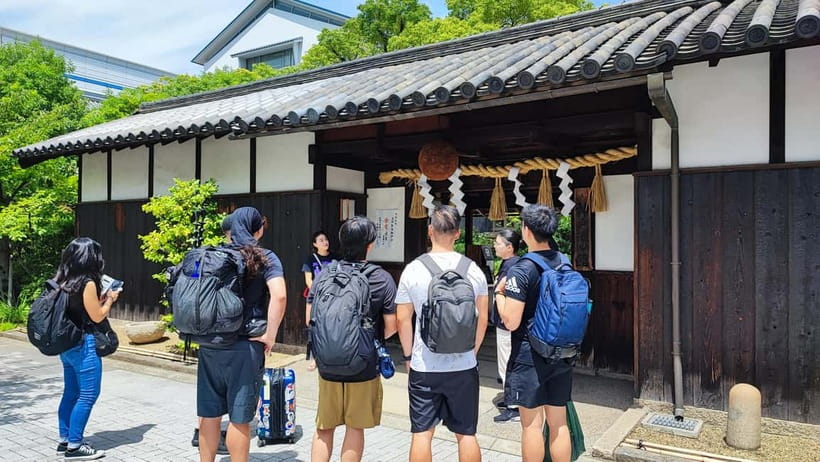
After about 10 minutes of walking, you reach Okage Tofu-an, a tofu shop founded more than 60 years ago. The shop makes fresh tofu each morning and connects its food to the same basic local resource that helps sake production: pure water.
This is one of the tour’s nicest details. Tofu gives you something to eat between tastings, and it shows how the area’s food culture extends beyond breweries. The tofu is made in the traditional way and is described as delicate, clean, and full of flavor. If the timing is right, you may also get to try freshly made ganmodoki, a tofu and vegetable fritter.
There is one clear limitation. Okage Tofu-an is closed on Sundays and public holidays, so the tour will not stop there on those days and tofu tastings will not be available. The route still includes snacks as part of the activity, but you should not book a Sunday expecting this particular food stop.
I like this pause because it breaks up the brewery visits without feeling like a generic refreshment break. It also helps pace the afternoon. Still, 15 minutes is brief, so think of it as a focused taste rather than a full meal.
A few more Kobe half-days to weigh up
- Kobe: 3-Hour Sake Breweries Tour with Special Tasting
★ 4.4 · 25 reviews - Exploring Nada Sake Breweries Kobe Private Tour with Government-Licensed Guide
★ 5.0 · 17 reviews - 3-Hour Kyoto Insider Sake Brewery Tour with Tastings & Pairings
★ 5.0 · 917 reviews - Arashiyama Bamboo, Temple, Monkeys, or Secret Sake Brewery
★ 4.8 · 886 reviews
HAKUTSURU’s old brewhouse and tasting corner
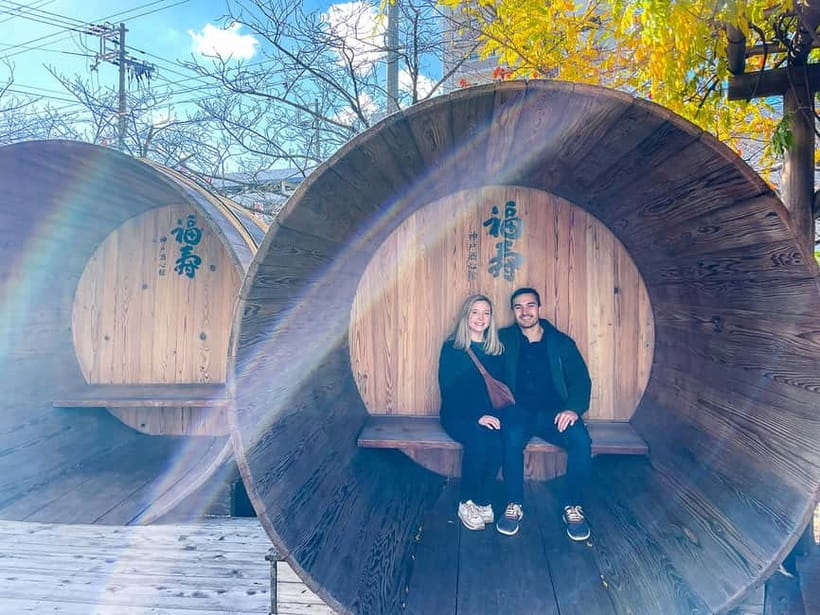
The next walk takes about 10 minutes, followed by the longest stop of the day, about one hour at the HAKUTSURU Sake Brewery Museum. HAKUTSURU is described as Japan’s largest sake brewery, and its museum opens an old brewhouse in its original form.
This is where the scale of the industry becomes clearer. At Kobe Shushinkan, you encounter a brand built around handcrafted production. At HAKUTSURU, you see how a major producer presents the tools, buildings, and methods that carried sake-making traditions forward.
The museum is especially useful if you learn best by looking at objects rather than listening to a long talk. Traditional equipment and the old brewhouse help put the brewing process into physical terms. Your guide can explain what the tools were used for and how the methods connect with the sake you are tasting.
There is also a tasting corner and a shop in the same building. You can have another taste here and browse bottles, alcohol-related goods, and souvenirs. This is a practical place to decide what you actually like before buying. A passport holder can be exempt from tax on purchases over JPY 5,500 at breweries, so keep your passport details in mind if you plan to shop.
The one-hour visit gives this stop proper weight, but it also means the tour is not a quick sampler. If you want to taste a lot of sake while hearing the basic story of production, this is likely to be a strong part of the afternoon. If you prefer active brewery floors or direct contact with current production, remember that this stop is a museum visit rather than a guaranteed live brewing session.
Kiku-Masamune and the traditional kimoto method
After another 10-minute walk, the route reaches the Kiku-Masamune brewery memorial hall. Kiku-Masamune dates to 1625 and is known for maintaining the traditional kimoto method of yeast preparation.
The museum displays wooden sake-making tools, giving you another view of the trade. That variety matters. Instead of seeing one brewery’s version of sake production and assuming it is the whole story, you can compare different approaches and equipment across the afternoon.
The kimoto method is an important point for anyone interested in how traditional sake differs from modern production. Your guide explains the process in context, then you taste Kiku-Masamune sake in front of a Japanese garden. The setting adds a quiet pause near the end of the route, when you have already built a basis for comparing what is in your glass.
This stop lasts about 30 minutes. That is enough for a focused museum visit and tasting, but not enough for an extended tour of every display. The pace is deliberate: walk, learn, taste, and move on. You finish with a final 10-minute walk to Uozaki Station.
How much sake will you taste?
The number of samples is not specified, and the exact breweries can change. What is clear is that you taste different kinds of sake at several locations, not just one house pour repeated throughout the day.
That variety is the tour’s main learning tool. You can compare brands, production styles, and the character of sake made in the same district. A guide such as Hiro or Romi can help you put those differences into words, while guides including Fuma, Aya, Aki, and Hiroman have also led groups through the route.
Do not treat this as a formal professional tasting by default. If you intend to spit during the tasting for professional evaluation, contact the operator in advance. The experience is designed around drinking and tasting, and one account describes a group ending the afternoon tipsy after visiting four breweries.
That possibility is worth taking seriously. Sake is often smooth and easy to drink, but several stops add up. Eat first, pace yourself, and use the walking time to reset. The tour includes snacks, but it does not replace lunch.
The walking, timing, and group size
The advertised duration is 210 minutes, from 13:00 to about 16:30. The route includes roughly 4 kilometers of walking, with walks of 20, 10, 10, and 10 minutes between the principal stops.
Comfortable shoes are essential. The distance is manageable for many people, but the route is not suitable for anyone seeking a mostly seated activity. Rain can also affect the experience. The tour may change brewery stops because of weather or regular closing days, and one particularly rainy outing was adapted with car transport between breweries.
That example shows useful flexibility, but you should still plan for an outdoor walking tour. A small backpack is better than a suitcase, especially if you buy bottles. You may find good local sake that you want to carry home, and the operator recommends bringing a backpack for that reason.
The group limit of 10 is another plus. It gives you room to hear the guide and ask questions without the feel of a large bus group. It also helps at small breweries and the tofu shop, where a huge crowd would be awkward.
Wheelchair users and anyone bringing a stroller should notify the operator when booking. The route includes walking between stations and venues, so access needs should be discussed in advance rather than left to chance on the day.
Is $106 a fair price?
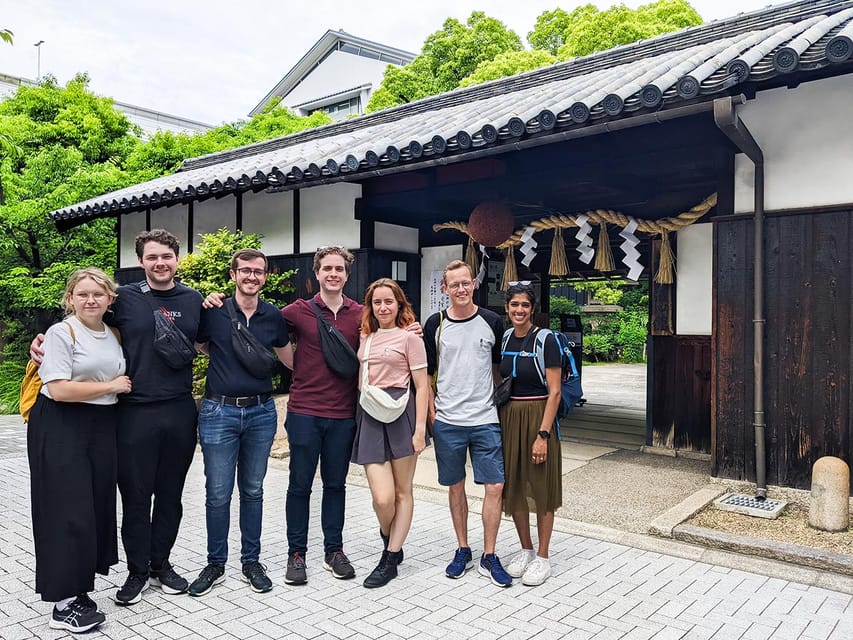
At $106 per person, this is not the cheapest way to sample sake in Kobe. You could buy individual tastings at a brewery shop for less. That comparison misses the service, though.
The price covers a 3.5-hour guided walking route, an English-speaking guide, tastings at several breweries, the tofu stop when available, snacks, and interpretation of the brewing process and local culture. You also avoid the work of researching opening days, finding the museums, and figuring out how the breweries relate to one another.
I consider the value strongest for first-time sake drinkers and people who want context with their samples. The guide helps you understand why one sake tastes different from another, rather than leaving you with a string of unconnected pours. Several participants singled out the guides’ preparation, humor, and ability to answer questions about Kobe beyond sake.
The value is weaker if you already know the Nada brewery route, speak Japanese well enough to handle museum visits alone, or want to spend most of the afternoon shopping. It is also not a meal tour. Eat before you go, then think of the tofu and snacks as supporting bites.
Free cancellation up to 24 hours before the start and the reserve-now, pay-later option make the booking less rigid. Those policies are useful if your Kobe schedule is still moving, though the walking and alcohol restrictions remain the same.
Who will get the most from this afternoon?
I would choose this tour if you want a local Kobe activity that is more specific than a general city walk. It suits adults who like food, drink, museums, and short conversations with a guide.
It is also a good match for wine drinkers. Sake is different from wine, but the same habits help: compare samples, notice texture and aroma, and ask how production changes the final drink. The tour gives you enough range to begin forming your own preferences.
You do not need prior sake knowledge. The guides explain the basics clearly, and the route moves from an established brewery to museums and a local tofu maker. You will have plenty to discuss even if you arrive knowing only the word sake.
I would be cautious if you dislike walking, cannot drink alcohol, are pregnant, or are under 20. The activity is not suitable for pregnant women or people under 20. Anyone with mobility concerns should contact the operator in advance because the route connects several stops on foot.
Should you book the Nada sake tour?
Book it if you want to understand Kobe through its sake district rather than simply buy a drink at a bar. The combination of three to four breweries, old brewing tools, a Japanese garden, fresh tofu, and a small English-speaking group gives the afternoon a clear sense of place.
I would especially recommend it for a first visit to Kobe, for couples or friends who enjoy tasting, and for anyone traveling from Osaka who wants an easy half-day outing. Choose another activity if you need a full meal, dislike alcohol, or want a slow indoor museum day.
The smart approach is simple: eat beforehand, wear walking shoes, carry a backpack, and keep the afternoon open for a few purchases. If you are comfortable with that pace, $106 buys more than sake. It buys the background that helps each glass make sense.
FAQ
Where does the tour begin?
The tour begins at Ishiyagawa Station on the Hanshin line at 13:00. Staff wear a name tag displaying the KampaiSakeTours logo.
Where does the tour finish?
The tour finishes at Uozaki Station on the Hanshin line at about 16:30.
How long does the tour last?
The experience lasts 210 minutes, or about three and a half hours.
How many breweries will I visit?
You will visit three to four locations. The breweries may change because of regular closing days or weather conditions.
Which breweries may be included?
Possible stops include Kobe Shushinkan, HAKUTSURU Sake Brewery Museum, and Kiku-Masamune Shuzo Kinenkan. The route may also include Okage Tofu-an for a tofu tasting.
Is the tour offered in English?
Yes. The tour includes a live English-speaking guide.
How much walking is involved?
You will walk around 4 kilometers between the stations and brewery stops. Comfortable shoes are recommended.
Can people under 20 or pregnant women join?
No. The activity is not suitable for people under 20 or pregnant women.
More Sake Tasting in Kobe
- Kyoto Night Foodie Tour in Gion (9+ dishes + 6 Sake tastings)
★ 5.0 · 1,762 reviews - 1-Day Snow Monkeys, Zenko-ji Temple & Sake in Nagano
★ 5.0 · 1,020 reviews - Nagano: Snow Monkeys, Zenkoji Temple & Sake Day Trip
★ 4.9 · 833 reviews - Kyoto: Insider Sake Brewery Tour with Sake and Food Pairing
★ 5.0 · 704 reviews
More Food Tours in Kobe
- Tokyo: Shinjuku Food Tour (13 Dishes at 4 Local Eateries)
★ 5.0 · 6,603 reviews - Tokyo Tsukiji Fish Market Food and Culture Walking Tour
★ 5.0 · 3,184 reviews - Osaka: Shinsekai Food Tour with 13-15 Dishes at 5 Eateries
★ 4.8 · 2,204 reviews - Osaka Food Tour: 13 Dishes at 5 Local Eateries
★ 5.0 · 2,149 reviews
Just added around Kobe
- Next-Generation Local Guide: Private Kobe Tour★ 5.0 · 39 reviews
- Shore excursion: Full Day Private Kyoto Tour From Osaka/Kobe Port★ 4.5 · 36 reviews
- Cruise Stop-Over: Private Custom Day trip to Kyoto from Kobe Port★ 4.5 · 12 reviews
- Exploring Nada Sake Breweries Kobe Private Tour with Government-Licensed Guide★ 5.0 · 17 reviews
- Kobe : Private Custom Tour (Excursion to Osaka / Kyoto possible)★ 4.5 · 12 reviews
- Private Shore Excursion Kobe Port – Best of Kobe with a local★ 5.0 · 19 reviews
- Sake Brewery and Japanese Life Experience Tour in Kobe★ 5.0 · 39 reviews
- KOBE, SHIOYA, a quaint fishing town walking tour★ 5.0 · 19 reviews
Kobe Tours, compared.
KOBE Sake Tasting Tour at Breweries (tasting fee included)
Read our review →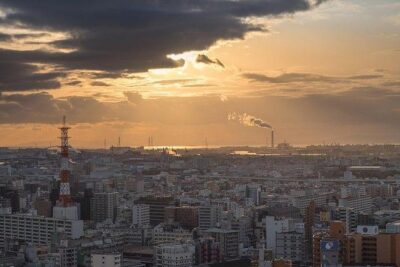
Kobe Highlights & Hidden Gems: Private & Custom Tour with a Guide
Read our review →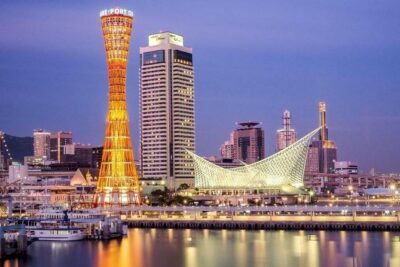
Kobe 4hr Private Tour with Government-Licensed Guide
Read our review →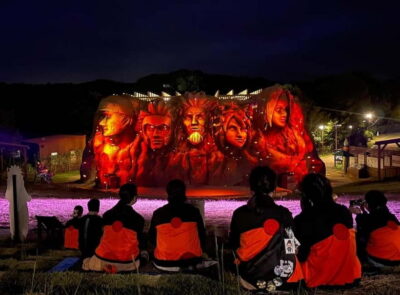
Nijigen No Mori:Naruto & Boruto Theme Park Entry Ticket
Read our review →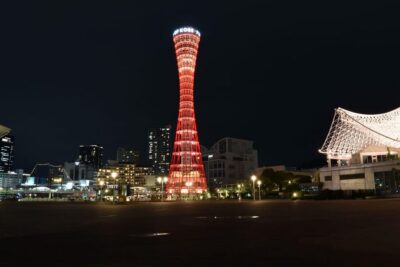
Private Home-Style Cooking Class in Osaka with Local Mom Yoshiko
Read our review →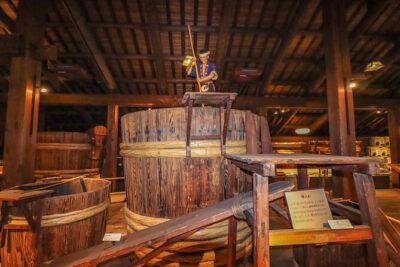
Sake Brewery and Japanese Life Experience Tour in Kobe
Read our review →
Browse the lists this tour appears in