
Reviewed · KOBE TOURS
Kobe 4hr Private Tour with Government-Licensed Guide
Kobe’s best feature is its variety: mountain views, old foreign homes, sake breweries, Chinatown, and a handsome waterfront all sit within one city. This private four-hour tour lets you choose just two or three of those experiences instead of being dragged through a fixed schedule.
I like the flexible pace and the chance to work with guides such as Yama, Norio, Mizuho, and Hiro, who have helped guests use local trains, buses, taxis, and ropeways. I also like the practical local help, including restaurant suggestions for Kobe beef and assistance finding the right train back to Osaka.
The main catch is simple: this is a walking tour, not a private car tour, and transportation and admission fees are extra. Kobe’s sights are spread out, so trying to combine Mt. Rokko, the sake district, and Akashi Kaikyo Bridge in four hours can make the day feel rushed.
Key points to know before booking
- Choose only two or three places: The tour is designed around your interests, not all 13 possible stops.
- Meet on foot in Kobe: Pickup means meeting your guide within a designated Kobe area, not hotel or port transport by private vehicle.
- Licensed English-speaking guide: Guides are government licensed and can explain local customs, history, food, and transport.
- Excellent for first-time Kobe visits: You can combine a major sight with a local specialty, such as Kitano and sake tasting.
- Transportation costs extra: Trains, buses, taxis, ropeways, and other rides are not included in the tour price.
- Strong overall record: The experience has a 4.8 rating from 59 ratings and a 95 percent recommendation rate, with a small number of serious booking problems.
A flexible way to see Kobe in four hours
At $108.99 per person, this is not the cheapest way to walk around Kobe. You are paying for a private guide, planning help, and a schedule built around your group rather than joining a large party.
That price makes more sense for two or more people who want help making good use of a short stay. It can also be useful if you arrive by cruise ship or shinkansen and do not want to spend half the day sorting out Kobe’s rail lines and hills.
You can choose a morning or afternoon start. Before the day, you should be clear about your priorities. If you want mountain scenery, say so. If you prefer food, port history, and easy city walking, say that instead.
The experience includes a licensed local English-speaking guide and a custom tour of two or three selected places. It does not include a private vehicle, transport fares, entrance fees, lunch, or personal purchases.
That last point matters. The many listed sights are options, not a promise that you will visit all of them. A four-hour outing has enough time for a compact city route, but not for every corner of Kobe.
More licensed-guide days in Kobe:
- Kyoto Full Day Tour from Kobe with Licensed Guide and Vehicle
★ 4.5 · 19 reviews - Exploring Nada Sake Breweries Kobe Private Tour with Government-Licensed Guide
★ 5.0 · 17 reviews - Tokyo 6hr Private Tour with Government-Licensed Guide
★ 5.0 · 3,902 reviews
Mt. Rokko and Shin-Kobe for mountain views
Mt. Rokko rises to 931 meters and forms the green backdrop behind Kobe. From its upper areas, you can look across the heavily urbanized Hanshin region, giving you a sharp sense of how the city is squeezed between mountain and sea.
The mountain is a good choice if you want a break from streets and shopping. It is also the most weather-dependent option. Fog can block the city view, as happened during one autumn visit, though the flowers at the Nunobiki Herb Garden and Sorakuen Garden still made the outing worthwhile.
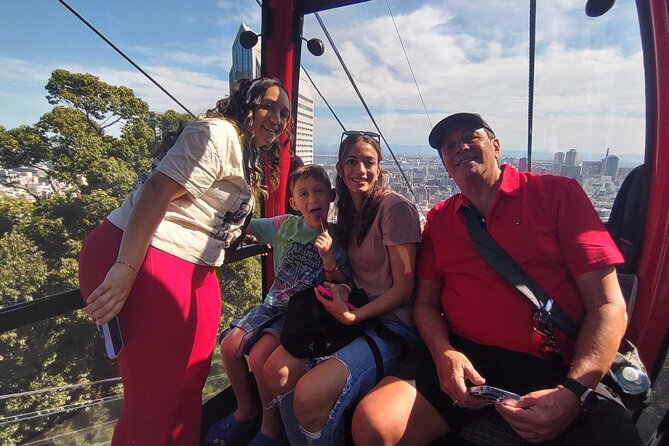
The Shin-Kobe area gives you access to the Shin-Kobe Ropeway, which climbs the southern slopes of the Rokko range. Despite the name, this is a cable-supported aerial ride rather than a simple walk up a trail. One visitor specifically found the wording confusing, so keep that distinction in mind when planning.
The ropeway leads toward the Nunobiki Herb Garden, where you might find fragrance rooms, flowers, and broad views over Kobe. The ride itself is part of the attraction. It saves you a steep climb and gives you an easy way to see the city from above.
Allow enough time for this choice. The mountain, ropeway, and garden can fill much of a four-hour tour, particularly if you stop for photographs or walk through the garden. Pairing it with a nearby city sight is more sensible than adding a distant brewery or bridge.
Kitano’s foreign homes and Kobe’s international past
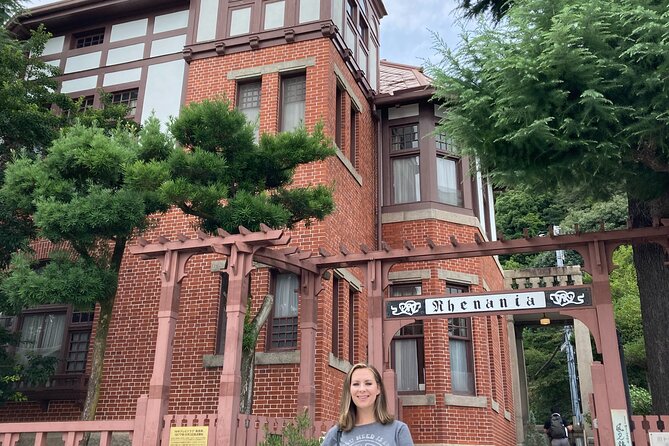
Kitano Ijinkan-gai lies at the foot of the Rokko range. After Kobe opened its port to foreign trade in the late 19th century, foreign merchants and diplomats settled here, leaving a district of Western-style homes and steep streets.
This is one of the best choices if you want Kobe’s character rather than a single grand monument. The area connects the port’s opening with the city’s modern international identity, and the hillside setting gives the walk a different feel from central Kobe.
The drawback is the terrain. Kobe is not flat, and Kitano’s slopes and steps can be tiring, especially when combined with a fast-moving guide. Yama received praise for keeping a brisk pace, but one older guest found it challenging to keep up. Tell your guide early if you want a slower walk.
Kitano works well with Shin-Kobe and the ropeway because both are in the northern part of central Kobe. It is less practical to combine Kitano with Akashi Kaikyo Bridge or several Nada breweries in the same four-hour block.
The Port of Kobe Earthquake Memorial Park

The Port of Kobe Earthquake Memorial Park marks one of the city’s most important modern events. On January 17, 1995, at 5:46 in the morning, the Great Hanshin Awaji Earthquake struck Kobe, killing more than 5,000 people and destroying tens of thousands of homes.
This stop gives your visit weight. Kobe is often introduced through beef, sake, and harbor views, but the earthquake shaped the city and the lives of its residents. The memorial park helps you understand the scale of that disaster and the city’s long rebuilding effort.
It is a good stop for a thoughtful introduction to Kobe. You will not get the sweeping mountain view or the food focus of other choices, but you will leave with a better grasp of the city’s recent past.
Pair the memorial park with Kobe Harborland or Chinatown for a balanced half-day. The two port-area stops can be easier to manage than trying to reach the mountain and Nada district as well.
A few more Kobe half-days to weigh up
- KOBE Sake Tasting Tour at Breweries (tasting fee included)
★ 5.0 · 154 reviews - Kobe Highlights & Hidden Gems: Private & Custom Tour with a Guide
★ 4.5 · 70 reviews - Kobe: Guided Sake Breweries Tour with Tastings
★ 5.0 · 55 reviews - Nijigen No Mori:Naruto & Boruto Theme Park Entry Ticket
★ 4.5 · 53 reviews
Kobe Harborland and Chinatown
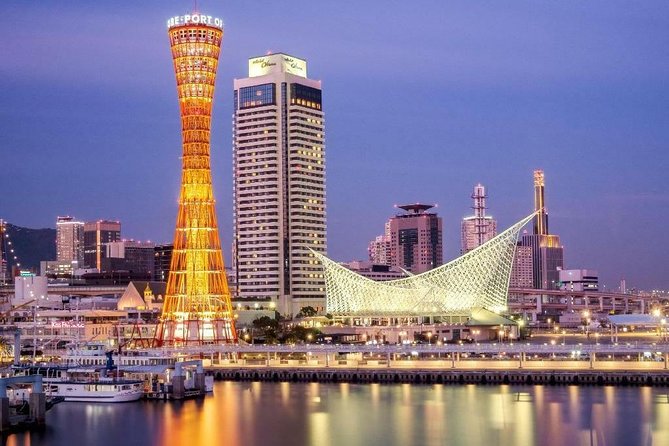
Kobe Harborland sits between JR Kobe Station and the waterfront. It combines shops, restaurants, and cafes with access to the port area. If you want an easygoing city stop, it provides a useful place to walk, eat, and look back at Kobe’s connection to the sea.
A guide can add context that you would miss by simply wandering through the shops. You can also use this part of the tour to ask for lunch or dinner advice. Several guides helped arrange or suggest Kobe beef meals, though the meal itself is not part of the tour price.
Nankinmachi, Kobe’s compact Chinatown, is in central Kobe and serves as a center of the Chinese community in the Kansai region. Chinese merchants settled near the port after Kobe opened to foreign trade, making the district another reminder of the city’s international roots.
Chinatown is a practical choice if you want food, people-watching, and a short central walk. It is easier to fit into four hours than the outlying bridge or a full sake-brewery circuit.
One useful combination is Chinatown with the Port of Kobe Earthquake Memorial Park and Harborland. You get food, waterfront scenery, and a serious look at the event that reshaped Kobe, without spending much of the morning or afternoon on trains.
Nada’s sake museums and brewery culture
Kobe’s Nada district is Japan’s leading sake-producing area. Good rice, suitable water, favorable weather, and proximity to the port helped the district develop its brewing trade.
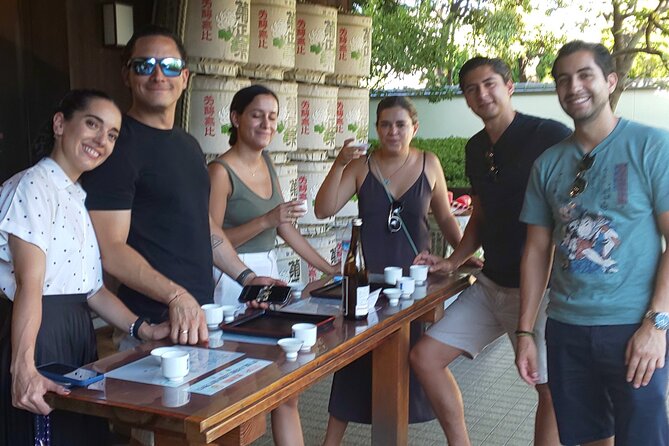
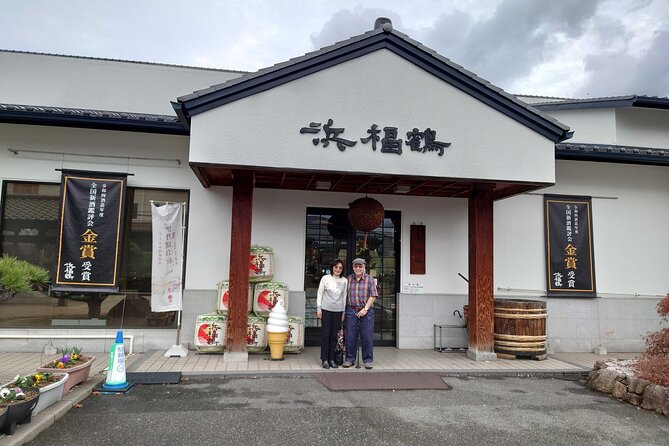
The sake stops are not all the same, so your guide’s advice can help you choose. Hakutsuru Sake Brewery Museum explains how sake is made and offers the chance to try super-premium sake. It is one of the stronger choices if you want an educational stop with a tasting element.
Sawanotsuru Sake Museum focuses on the brewing heritage of Nada. It opened in 1978, was destroyed in the 1995 earthquake, and was later rebuilt. That makes it especially useful if you want to connect local industry with Kobe’s earthquake story.
Sakuramasamune Kinenkan Sakuraen has a small display of traditional brewing tools and simple machines, along with a video about older methods. Hamafukutsuru Ginjo Brewery explains the production of high-grade ginjo sake through diagrams and written displays.
Kiku-Masamune Shuzo Kinenkan occupies a wooden-and-plaster building. Inside, traditional wooden tools, containers, and machinery are shown with atmospheric lighting and traditional music. Kobe Shushinkan adds a large shop, sake products, a Japanese restaurant, and a free guided warehouse tour held once a day.
Do not expect to visit every brewery in a single four-hour tour. The museums are spread through the Nada area, and each stop takes time. A focused sake tour is a better plan than trying to add Kitano, the mountain, and the bridge.
Also check opening arrangements with your guide. One guide apologized after a group found some breweries closed. The tour’s flexibility helps, but it cannot change a museum’s hours.
Akashi Kaikyo Bridge for a major engineering sight
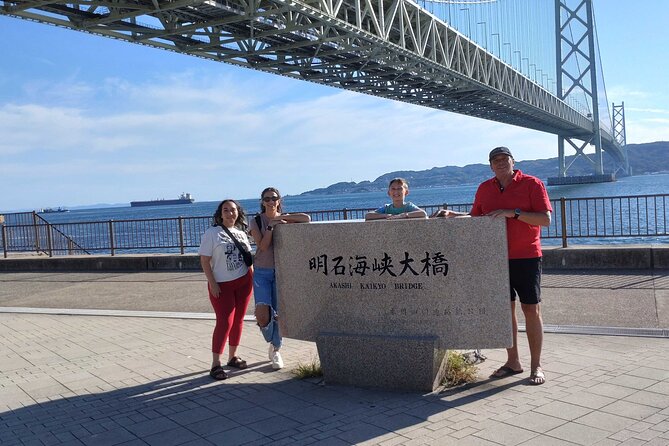
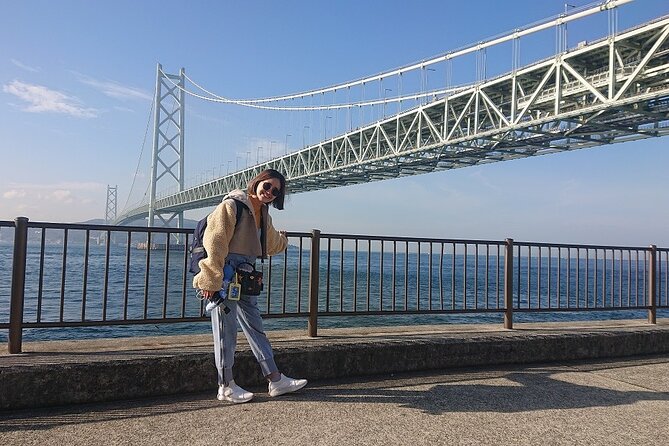
The Akashi Kaikyo Bridge stretches almost four kilometers across the Akashi Strait between Kobe and Awaji Island. Opened in 1998, it is the world’s longest suspension bridge.
This is the most ambitious option on the list. The bridge gives you a dramatic view of Kobe’s wider setting and makes a strong choice if you have already seen central Kobe on an earlier visit.
The tradeoff is distance. Guides have taken groups there along with Hakutsuru Sake Brewery Museum and Nunobiki Herb Garden, but that combination took longer because the sites are spread across a wide area. In four hours, you should treat the bridge as the main event and add only one nearby or transport-efficient stop.
The bridge is not the best choice if your ship or train departure is close. Build in a time cushion, since the tour does not include a private vehicle and transport costs are yours to cover.
What your guide adds to the day
The guide is the real reason to choose this experience over a self-guided walk. Guides have helped groups navigate trains, buses, taxis, and the ropeway, and one guide made sure a couple found the correct train back to Osaka.
Yama has been especially well regarded for his English, humor, local knowledge, and energy. He has helped visitors find Kobe beef restaurants and explained historic homes, temples, and shrines. His brisk walking pace is efficient, but it is worth requesting a slower rhythm if you need it.
Norio has been praised for careful planning and punctual communication. He has combined Hakutsuru, authentic ramen, and the Nunobiki Herb Garden, and he has taken groups to the Akashi Kaikyo Bridge. His English was difficult for one guest to follow at times, so communication quality may vary by guide.
Mizuho worked with a group before the tour to settle on the places to visit, then used local trains to reach Hakutsuru, Ikuta Shrine, and Chinatown. She also helped arrange a Kobe beef reservation after the tour. Hiro has helped families use public transport and choose sites, then suggested a restaurant for Kobe beef.
You cannot request that several separate groups be combined. The activity is private for your own party, which is valuable if your interests, walking speed, or food preferences differ from the usual sightseeing route.
Walking, transport, and the true cost
The meeting is on foot within a designated area of Kobe. The phrase pickup offered should not lead you to expect a private car at your hotel or cruise terminal. Some guides have met people at a port terminal or near Shin-Kobe Station, but the supplied terms specify an on-foot meeting and no private vehicle.
You pay separately for trains, buses, taxis, ropeway rides, and any entrance fees. The listed admission cost for each stop is shown as free, but that does not mean every related ride or attraction costs nothing.
You should wear comfortable shoes. Kobe’s hills, Kitano’s slopes, station connections, and the walking between sights can add up. Most people can participate, and service animals are allowed, but the experience is not designed as a low-walking sightseeing ride.
At $108.99 per person, value depends on how much planning help you need. For a solo visitor, the cost is harder to justify. For a couple or family with only four hours, it can be worthwhile if the guide prevents missed trains, poor route choices, and wasted time.
Free cancellation is available up to 24 hours before the start time. Later cancellations and changes are not accepted for a refund.
Who should book this Kobe tour?
I would choose this tour if you have a short stop in Kobe, want a private guide, or feel unsure about combining the city’s hills, rail lines, ropeway, and distant port sights. It is also a good match for people who want local food advice rather than a rigid sightseeing march.
You should book it with a clear priority list. Ask for one main area and one supporting stop. Good combinations include Kitano with Shin-Kobe, Chinatown with Harborland and the earthquake memorial, or Hakutsuru with one other Nada museum.
I would be cautious if you want a private car, dislike walking, or expect to visit most of the 13 listed places. I would also contact the provider promptly after booking, especially during busy periods, since two bookings were canceled when no guide could be found.
Should you book it?
Book this tour if you want Kobe explained by a local and prefer choosing your own two or three highlights. The strongest reasons are the private format, practical transport help, and guides who can connect sake, Kobe beef, port history, mountain scenery, and the earthquake into a short visit.
Skip it if you want a guaranteed fixed route, included transportation, or a broad sweep of every major sight. For the best value, decide what matters most before you meet your guide, keep the route geographically tight, and allow extra time for the places that require trains or the ropeway.
FAQ
How long is the Kobe private tour?
The tour lasts approximately four hours.
How many places can I visit?
The tour includes a customized selection of two or three sites from the available choices.
Is transportation included?
No. Transportation fees are not included, and the tour does not provide a private vehicle.
Where do I meet the guide?
You meet the guide on foot within the designated area of Kobe. The terms describe this as an on-foot pickup.
Is the tour private?
Yes. Only your own group participates, and separate tour groups cannot be combined.
Are entrance fees included?
No. Entrance fees are not included. Guide entry fees are covered only for sights listed in the tour information.
Can I cancel for a full refund?
Yes, if you cancel at least 24 hours before the experience start time. Cancellations or changes made less than 24 hours before the start are not refunded or accepted.
Just added around Kobe
- Next-Generation Local Guide: Private Kobe Tour★ 5.0 · 39 reviews
- Exploring Nada Sake Breweries Kobe Private Tour with Government-Licensed Guide★ 5.0 · 17 reviews
- Shore excursion: Full Day Private Kyoto Tour From Osaka/Kobe Port★ 4.5 · 36 reviews
- Cruise Stop-Over: Private Custom Day trip to Kyoto from Kobe Port★ 4.5 · 12 reviews
- Kobe : Private Custom Tour (Excursion to Osaka / Kyoto possible)★ 4.5 · 12 reviews
- Private Shore Excursion Kobe Port – Best of Kobe with a local★ 5.0 · 19 reviews
- Sake Brewery and Japanese Life Experience Tour in Kobe★ 5.0 · 39 reviews
- KOBE, SHIOYA, a quaint fishing town walking tour★ 5.0 · 19 reviews
Kobe Tours, compared.
KOBE Sake Tasting Tour at Breweries (tasting fee included)
Read our review →
Kobe Highlights & Hidden Gems: Private & Custom Tour with a Guide
Read our review →
Nijigen No Mori:Naruto & Boruto Theme Park Entry Ticket
Read our review →
Private Home-Style Cooking Class in Osaka with Local Mom Yoshiko
Read our review →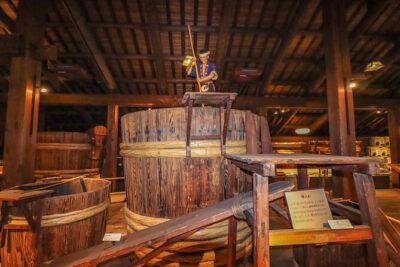
Sake Brewery and Japanese Life Experience Tour in Kobe
Read our review →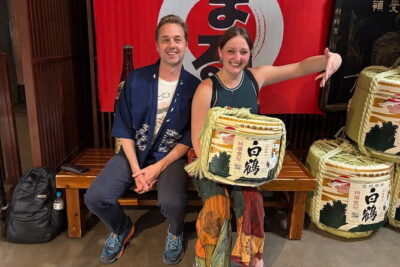
Browse the lists this tour appears in