Reviewed · TOKYO TOURS
Nikko: Kegon Falls, Lake Chuzenji & Toshogu Temple
Nikko packs a remarkable amount into one day: ornate Toshogu Shrine, a nearly 100-meter waterfall, an alpine lake, and a glimpse of the red Shinkyo Bridge. You leave Tokyo’s dense streets for cedar forests and mountain roads, then return to Ginza the same evening. It is a big day, but the cultural and natural variety makes the effort worthwhile.
I especially like the way this trip pairs Toshogu’s elaborate carvings with the quiet shore of Lake Chuzenji. I also like the practical guidance from tour leaders such as Melody, Jorge, Beru, and Eric, who explain Japanese customs, shrine symbols, basic language, and meeting times clearly. The main drawback is the travel time: roughly six hours of the 11-hour day can go by on the bus, especially when Tokyo traffic slows the return.
Key points
- Toshogu Shrine brings Tokugawa-era power to life with gold details, carved gates, cedar trees, and the famous wise monkeys.
- Kegon Falls is viewed from an observation deck, giving you a direct look at the tall cascade and rocky valley.
- Lake Chuzenji offers a calm mountain pause after the busy shrine grounds.
- Shinkyo Bridge is a scenic introduction to Nikko, viewed during the drive rather than as a long walking stop.
- English and Spanish guides explain more than dates, including shrine etiquette, Buddhist and Shinto ideas, and useful Japanese phrases.
- January and February follow a different plan, with panoramic views of Rinnoji Temple and Futarasan Shrine replacing Kegon Falls and Lake Chuzenji.
Why Nikko makes a strong day trip from Tokyo
Tokyo is thrilling, but it can also be tiring. Nikko gives you a clear change of pace without requiring an overnight stay. The road climbs from the capital toward wooded hills, and the city noise gradually gives way to river valleys, cedar forests, and mountain air.
Nikko is not just a pretty escape. Its religious sites are tied to the Tokugawa shogunate, the family that ruled Japan for more than two centuries. Toshogu Shrine was built as a grand memorial to Tokugawa Ieyasu, and its decoration reflects the authority and wealth of that era.
This tour is useful if you want that background explained while you travel. Guides switch between English and Spanish, depending on the group, and several have added simple Japanese phrases and everyday cultural advice. That kind of running commentary helps fill the long coach rides and gives the sights more meaning.
A few more Tokyo half-days to weigh up
- Mt Fuji and Hakone 1-Day Bus Tour Return by Bullet Train
★ 5.0 · 26,383 reviews - 1-Day Tokyo Bus Tour
★ 5.0 · 14,250 reviews - Tokyo: TOKYO SKYTREE® Admission ticket
★ 4.5 · 11,192 reviews
Leaving Ginza and crossing into the mountains
The day starts at Ginza Inz 2, with the exact meeting arrangement depending on the option you select. Take care here: the information gives two starting location choices that appear under the same Ginza Inz 2 name, so check your booking details closely before setting out.
The coach is air-conditioned, and the ride to Nikko takes about two and a half hours in the morning. That sounds long, but it is part of the trade-off for visiting Nikko from Tokyo in one day. Traffic, weekends, weather, and local events can change the timing, so you should not plan an important Tokyo reservation immediately after the return.
The bus also makes the trip easier than managing several train and local bus connections on your own. Guides keep repeating return times and meeting points, which matters when you are exploring a large shrine complex or stopping for photographs.
One useful practical detail comes from the tour’s routine: a planned stop on the way to the temple may allow you to withdraw cash and get breakfast. Do not rely on this as a full meal, though. Bring water, and carry some physical yen for food or small purchases.
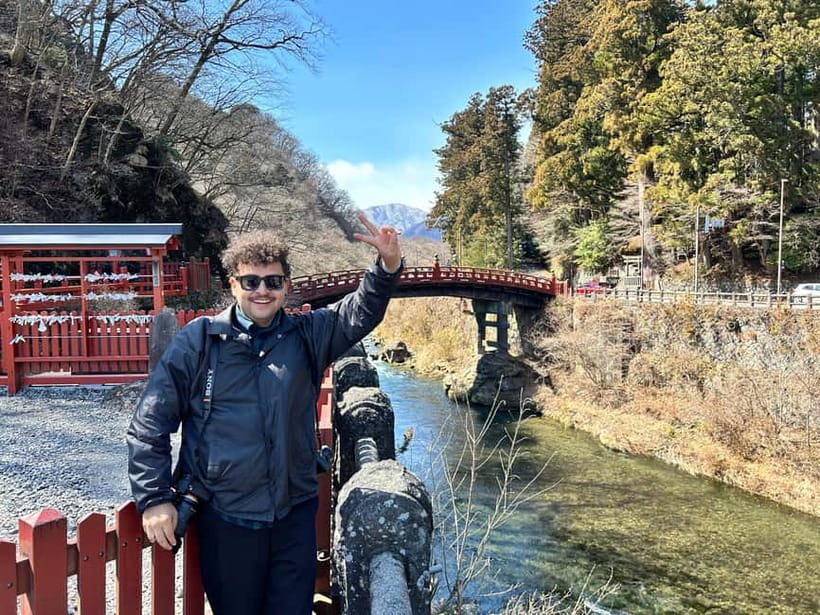
Shinkyo Bridge, Nikko’s red gateway
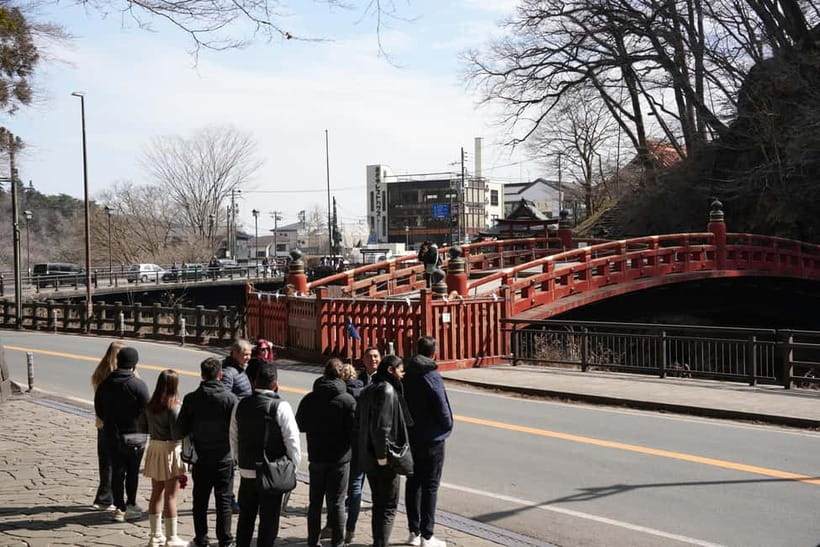
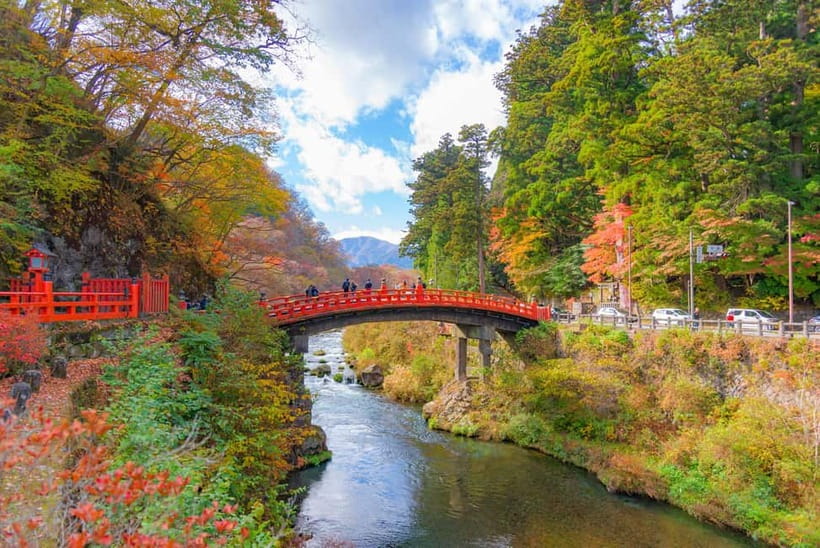
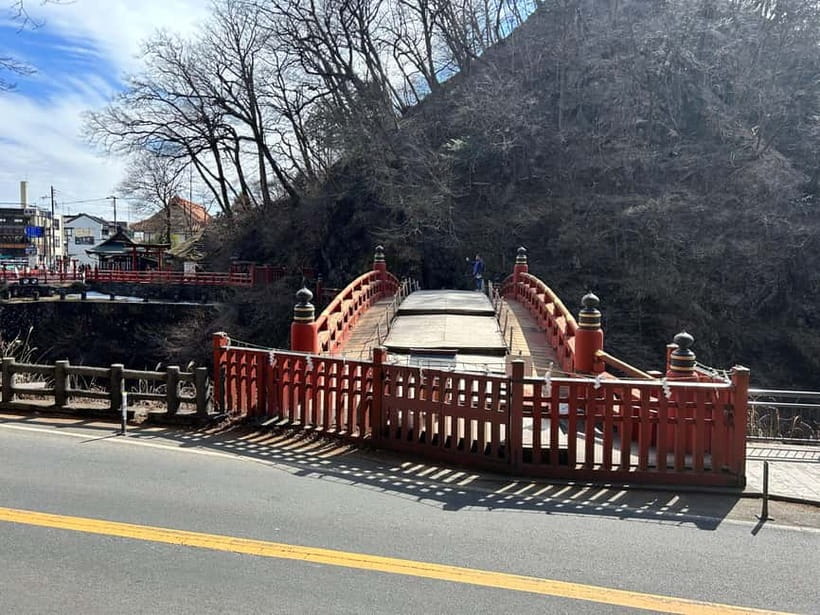
Your first Nikko sight is a panoramic view of Shinkyo Bridge from the bus. The bridge is a deep red structure crossing the Daiya River, and its curved shape contrasts nicely with the surrounding trees and river valley.
This is a quick visual introduction rather than a dedicated walking visit. If you want time to study the bridge or photograph it from different angles, this stop may feel brief. Still, it gives you an immediate sense of Nikko’s special character: sacred buildings, old roads, rushing water, and forest all close together.
Keep your camera ready as the coach approaches. The view can pass quickly, and the exact order of the day may change to avoid crowds or respond to road conditions.
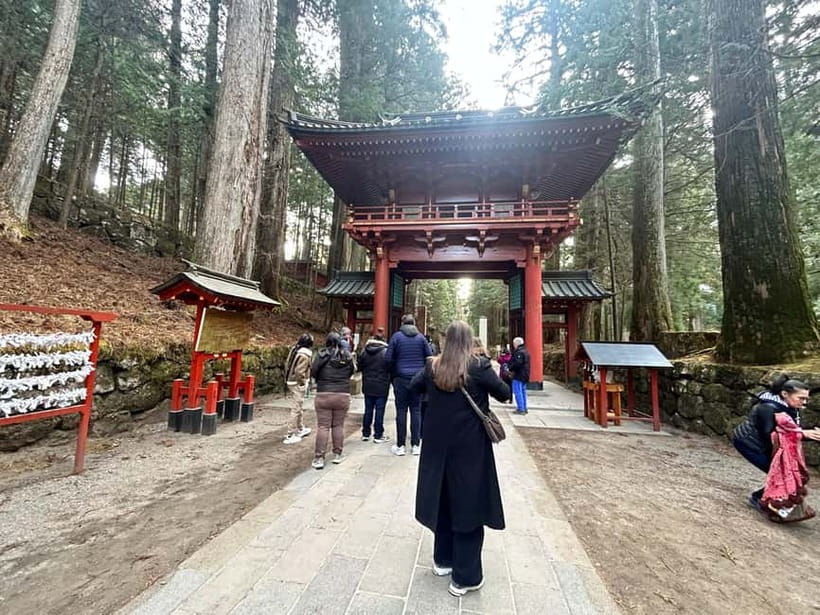
Toshogu Shrine, where every carving has a job
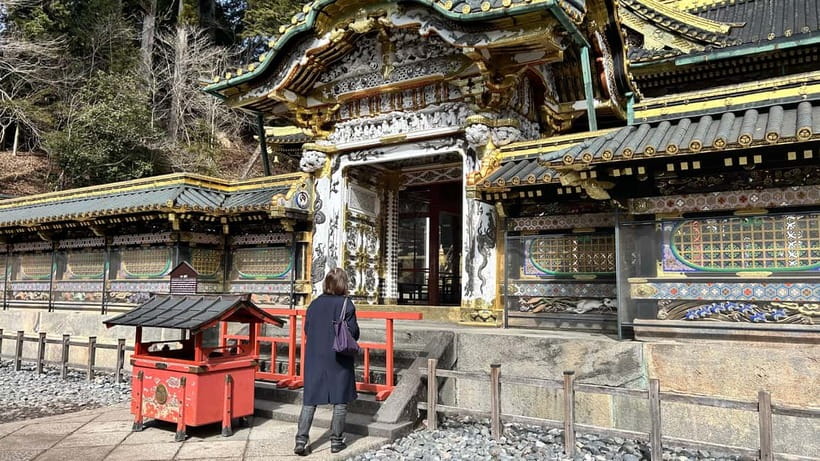
Toshogu is the cultural center of the day. You have about two hours and 15 minutes here, including the guided portion and time to explore on your own. That is enough to see the main areas, but not enough for a slow study of every gate, carving, and building.
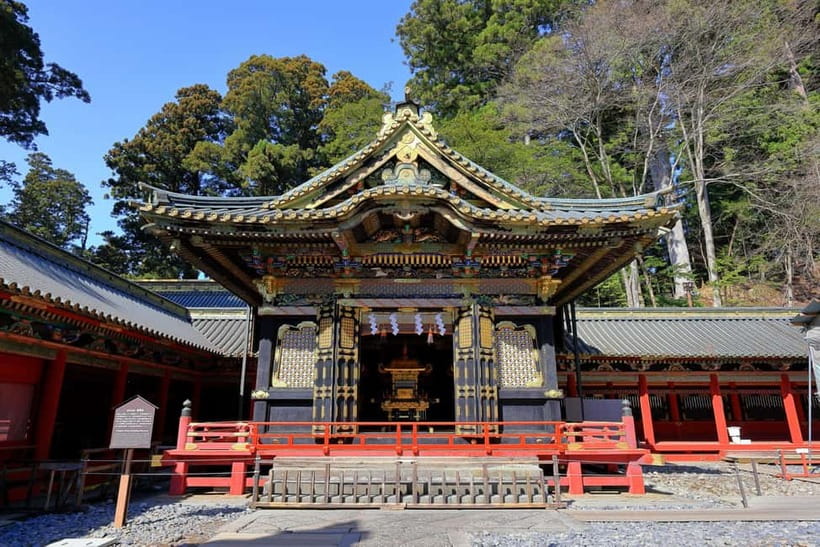
The shrine sits among tall cedar trees, and the setting softens the impact of its heavy decoration. Gold accents, bright colors, carved animals, elaborate gates, and layered roofs compete for your attention. The famous three wise monkeys represent the familiar teaching of seeing no evil, hearing no evil, and speaking no evil.
A guide adds real value here. The buildings can look like a mass of ornament when you first arrive. A well-paced explanation points out symbols and stories that are easy to miss, then gives you free time to look again without a running lecture.
The tour option that includes Toshogu admission is worth serious consideration. Without that ticket, you have free time to explore the surrounding area independently, but you may not get the full access intended by the visit. One useful warning: the ticket price is viewed by some as high compared with buying admission separately online. Check the current difference before booking.
The grounds also include a climb of about 200 steps to the burial site. You do not have to treat this as a race. It adds a physical challenge and takes time from the main buildings, so decide early if it matters to you. Comfortable shoes are essential, especially if you want to see more than the first courtyard.
Same base, a completely different sort of day:
- Tokyo: teamLab Planets TOKYO Digital Art Museum Entry Ticket
★ 4.6 · 9,779 reviews - Mt Fuji & Hakone Cruise, Drum Show Bullet Train 1 Day from Tokyo
★ 4.0 · 7,413 reviews - Tokyo: Sumo Show Experience with Chicken Hot Pot and a Photo
★ 4.8 · 6,678 reviews - Tokyo: Shinjuku Food Tour (13 Dishes at 4 Local Eateries)
★ 5.0 · 6,603 reviews
Kegon Falls and the lunch break
After Toshogu, the coach heads farther into the mountains for about 30 minutes. Kegon Falls is one of the day’s most dramatic sights, with water dropping nearly 100 meters into a rocky valley.
The observation deck gives you a direct view of the cascade. Weather and season can change the mood completely. In clear conditions, the rock walls and falling water are sharply defined. In mist or rain, the falls can feel more atmospheric and less easy to photograph.
You have about 85 minutes in this part of the day, including lunch and free time. That is enough for the viewpoint and a meal, but the schedule is not designed for a long restaurant experience. You may find several local food choices, and guides such as Jorge have helped people use ticket machines and choose meals.
Bring cash. One of the practical tips repeated by the tour team is that some food stops work best with physical money. If you have dietary needs, the provided information does not promise special menus, so ask the guide before ordering.
The lunch inclusion depends on the option booked. The standard price is listed at $89 per person, but entrance to Toshogu and lunch are not automatically included in every version. Compare the options carefully rather than assuming the lowest fare covers both.
Lake Chuzenji, a quieter final stop
A short 10-minute drive takes you from Kegon Falls to Lake Chuzenji. You have about 40 minutes here, enough for a walk along the shore and a few photographs, but not for a full circuit of the lake.
The lake sits at the base of Mount Nantai and was formed by volcanic activity. Forested slopes rise around the water, and the views can shift from crisp and open to misty and subdued. After Toshogu’s crowded detail and Kegon’s falling water, this is the stop where I would slow down.
Use the time simply. Walk, look across the water, and take photographs before returning to the bus. The shore is not a place to wander without watching the clock. Your guide will give a meeting time, and the coach cannot wait for a late return.
The order of Kegon Falls and Lake Chuzenji may change. That flexibility can help the group avoid the worst congestion, but it also means you should think of the schedule as a framework rather than a minute-by-minute promise.
The January and February change
During January and February, visits to Kegon Falls and Lake Chuzenji are replaced by panoramic views of Rinnoji Temple and Futarasan Shrine because of weather conditions. This is an important seasonal limitation, especially if the waterfall and lake are the main reason you are booking.
The replacement keeps the focus on Nikko’s religious center, but it is not the same experience. If you are visiting in winter, read the seasonal terms carefully and decide if the shrine-focused plan still suits your priorities.
The cold season can also affect walking comfort. Bring suitable clothing, a hat, water, and shoes with a good grip. The tour information does not promise a particular weather view, so pack for changing conditions rather than one ideal photograph.
What the long coach ride means for value
At $89 per person, this trip is priced as a convenient full-day excursion rather than a bare transport ticket. You are paying for the coach from Tokyo, a bilingual guide, and a structured route connecting sites that would take more planning by public transport.
The value is strongest if you want to see several Nikko highlights in one day and prefer not to handle train changes, local buses, admission decisions, and mountain-road timing yourself. The guide’s explanations also matter at Toshogu, where context can turn beautiful decoration into a readable story.
The value is weaker if you dislike fixed schedules or already feel comfortable arranging Nikko independently. Six hours on the road is a lot, and the 40-minute lake visit is short. You also need to check which booking option includes shrine admission and lunch.
Transport receives especially strong marks, with 87 percent of ratings giving it a perfect score. That fits the nature of the trip. Drivers such as Hashimoto-san, Tanaka-san, Ejima-san, and Kikuchi-san are repeatedly praised for handling tight mountain roads calmly and getting the group back on time.
The guides make the day easier
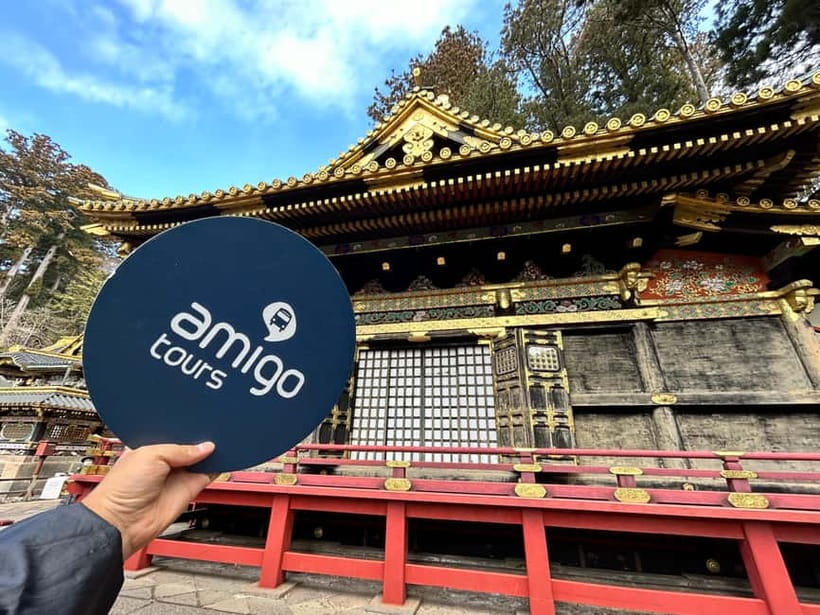
The guide is central to this experience. Names that appear often include Melody, Jorge, Beru, Bert, Eric, and Francisco. The exact guide is not guaranteed, but the format is consistent: English and Spanish commentary, clear return instructions, historical background, and help during free time.
Melody is especially noted for explaining Toshogu’s symbols and Japanese culture in an approachable way. Jorge has helped with lunch machines, pointed out landmarks, and repeated directions in both languages. Francisco has been praised for arranging the order of sights to reduce waiting.
That practical help matters more than a stream of facts. At Toshogu, you need to know where to return. At Kegon Falls, you need to balance food, viewing time, and the meeting point. On the bus, cultural explanations and small Japanese language lessons make the road time more useful.
The tour has an upbeat social feel, with jokes and conversation during the longer rides. If you want complete quiet, a private visit may suit you better. If you enjoy learning while moving and asking questions as you go, the guide-led format is a strong reason to book.
What to bring and who should skip it
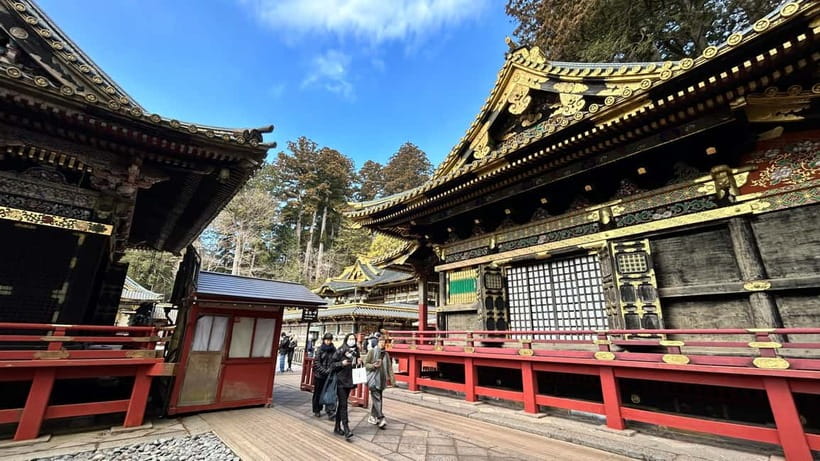
Wear comfortable shoes. Toshogu involves walking through a large religious complex, and the optional climb toward the burial site adds steps. A hat, sunscreen, water, and a camera are also sensible choices.
Bring physical cash for lunch or other purchases. The tour may provide a chance to withdraw money during the morning, but having cash before you leave Tokyo keeps the day simpler.
This experience suits you best if:
- You have one free day in Tokyo and want both culture and nature.
- You prefer a coach and guide to several independent transport connections.
- You want Toshogu explained rather than simply photographed.
- You can handle a long day and several hours on the road.
- You speak English or Spanish and want live commentary.
It is not suitable for wheelchair users according to the activity information. Anyone with limited mobility should also consider the shrine’s walking distances and steps, even though one guide has taken care to assist a participant with mobility concerns.
Should you book the Nikko day trip?
Book it if you want an efficient first look at Nikko and accept the long coach ride. Toshogu is the clear cultural prize, Kegon Falls supplies the drama, and Lake Chuzenji gives the day a quiet finish. The bilingual guides and careful drivers add real convenience.
Before paying, check three things: your exact Ginza meeting point, whether Toshogu admission is included, and whether lunch comes with your chosen option. If you visit in January or February, remember that the waterfall and lake are replaced by panoramic shrine views.
For a first Nikko visit from Tokyo, I think the tour is a good fit for most sightseers who value structure. Independent visitors may save money or gain more time by arranging their own route, but they will also take on the planning. Here, you trade some freedom for a well-organized day, useful explanations, and a safe ride through the mountains.
FAQ
How long is the Nikko tour from Tokyo?
The activity lasts 11 hours, including transport, sightseeing, meals if included in your option, and the return journey to Ginza.
Where does the tour begin?
The listed starting location is Ginza Inz 2. The exact meeting arrangement may vary depending on the option booked, so check your booking details carefully.
What language is the tour guided in?
Live guidance is available in English and Spanish.
Is Toshogu Shrine admission included?
Toshogu admission is included only if you select the ticket-inclusive option. Other options provide free time to explore the surrounding area independently.
Is lunch included?
Lunch is included if you select the premium option. It is not included with every booking choice.
How much does the activity cost?
The listed price is $89 per person. The final inclusions depend on the option you choose.
Will the tour visit Kegon Falls and Lake Chuzenji in winter?
During January and February, those visits are replaced by panoramic views of Rinnoji Temple and Futarasan Shrine because of weather conditions.
How much time is spent at Toshogu Shrine?
The planned visit lasts about two hours and 15 minutes, including guided touring and free time.
Can I visit Shinkyo Bridge on foot?
The experience provides a panoramic view of Shinkyo Bridge from the bus. It is presented as a scenic drive rather than a separate walking visit.
Is the tour suitable for wheelchair users?
No. The activity is listed as not suitable for wheelchair users.
Just added around Tokyo
- Private Arrival Transfer : Narita International Airport to Central Tokyo City★ 4.5 · 12 reviews
- Narita Airport(NRT): Private Transfer to Tokyo/Yokohama 1-9pax★ 5.0 · 47 reviews
- Private Transfer from Narita Airport to Yokohama Port and City★ 4.5 · 17 reviews
- [Narita Airport Terminals 1, 2] 40-60km Sawara Itako Historic Bike Tour★ 5.0 · 13 reviews
- 3 Day Japan Highlights Tour: Tokyo, Mt.Fuji, Nara, Kyoto, Osaka★ 5.0 · 22 reviews
- Small Town in the Big City: Tasting Tokyo’s Kichijoji★ 5.0 · 195 reviews
- Small Town in the Big City: Tasting Tokyo’s Kichijoji★ 5.0 · 16 reviews
- The 10 Tastings of Tokyo With Locals: Private Street Food Tour★ 5.0 · 48 reviews
Tokyo Tours, compared.
Mt Fuji and Hakone 1-Day Bus Tour Return by Bullet Train
Read our review →
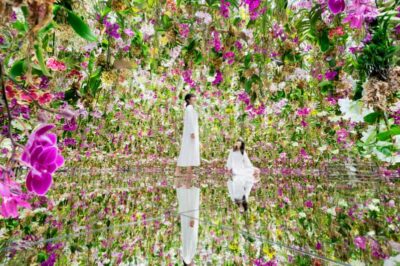
teamLab Planets TOKYO Digital Art Museum Entry Ticket
Read our review →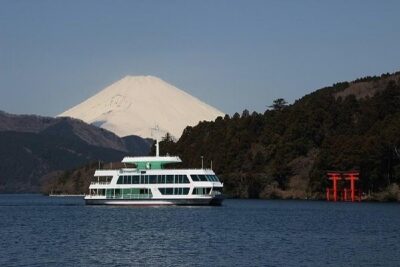
Mt Fuji & Hakone Cruise, Drum Show Bullet Train 1 Day from Tokyo
Read our review →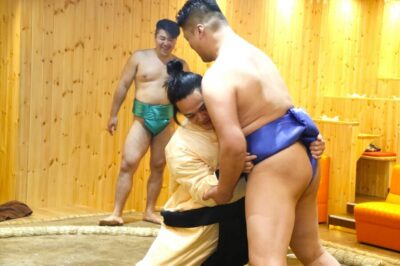
Sumo Show Experience with Chicken Hot Pot and a Photo
Read our review →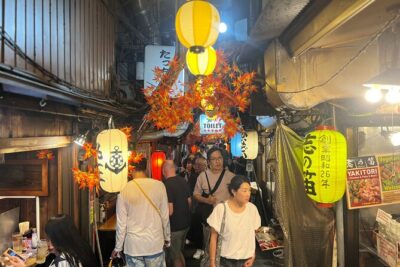
Shinjuku Food Tour (13 Dishes at 4 Local Eateries)
Read our review →
Tokyo Mt Fuji 5th St & Hakone Cruise Bus Tour w/Bullet Train
Read our review →