
Reviewed · OSAKA TOURS
Osaka: Matcha Making Experience with Japanese Sweets
Making matcha is a fine way to slow down in the middle of Osaka’s neon, noise, and endless food choices. In one hour, you learn where matcha fits in Japanese culture, whisk your own cup with traditional tools, and sit down with sweets to taste the result.
I like the small six-person limit, which gives the instructor time to help each person make a smooth cup. I also like the friendly English teaching, especially from instructors such as Fujiko, Yui, Reika, Serin, and Matty. The main drawback is simple: one hour passes quickly, and the tea and sweets make up a light snack rather than a meal.
Key Points at a Glance
- A playful history lesson: Learn about matcha through an interactive quiz instead of a long lecture.
- Hands-on whisking: Prepare your own tea using a bamboo whisk and other traditional tools.
- Japanese sweets included: Taste sweets alongside your matcha at the end of the session.
- Small groups: The class is limited to six people, making it easier to ask questions and get help.
- Central Osaka setting: The meeting point is a five-minute walk from Shinsaibashi Station, near Dotonbori.
- Easy for beginners: No previous tea-making experience is needed, and instruction is in English.
What This Matcha Class Is Really Like
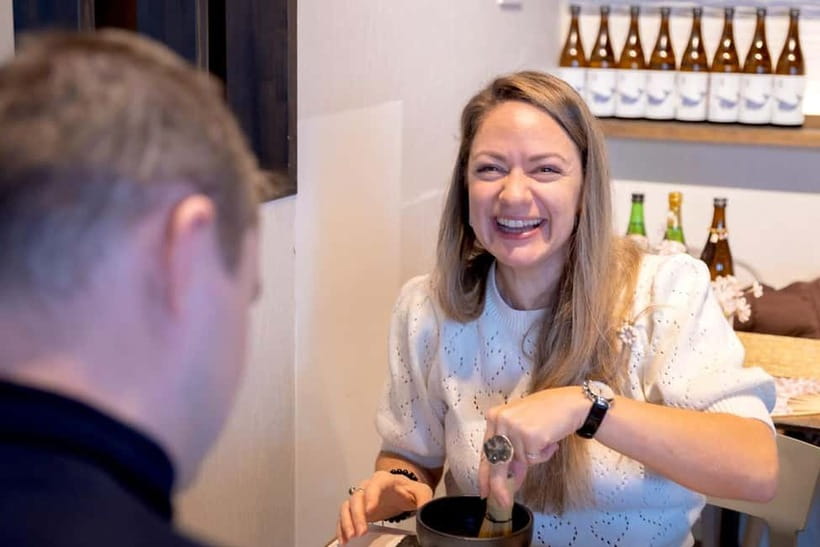
This is not a formal, full-length Japanese tea ceremony. It is a compact cultural workshop built around one clear idea: you learn about matcha, make it yourself, and enjoy it in good company.
That difference matters. A traditional tea ceremony can involve a precise sequence of movements, formal etiquette, and long periods of quiet attention. This Osaka class keeps some of the traditional tools and preparation methods, but presents them in a casual, welcoming way. You can ask questions, make mistakes, and try again without feeling that you have broken a sacred rule.
The atmosphere also gives you a pleasant break from the surrounding shopping streets. Dotonbori and Shinsaibashi are exciting, but they can be tiring, especially on a hot afternoon. This is a sit-down activity in a small room, with a table arranged so you do not need to kneel on the floor. You get a cultural experience without committing half a day to it.
A few more Osaka half-days to weigh up
- Matcha Making Class in Osaka with Authentic Japanese Sweets Set
★ 5.0 · 509 reviews - Osaka: Japanese Traditional Sweets Making and Tea Ceremony
★ 4.7 · 118 reviews - Matcha Making Class in Tokyo with Authentic Japanese Sweets Set
★ 5.0 · 744 reviews
Getting to the Galleria Acca Building
The class meets on the third floor of the Galleria Acca Building, about five minutes on foot from Shinsaibashi Station. The coordinates are 34.6723159, 135.5024459.
The location is useful because you can fit the class into a day spent around Shinsaibashi, Dotonbori, or nearby Namba. I would allow a few extra minutes to find the entrance and go upstairs. The facility is clean and easy to use once you are inside, but the building can be a little hard to spot at first.
There is no hotel pickup or drop-off. That is normal for a short city-center activity, and public transport is the sensible way to arrive. If you are already exploring the shopping arcades or the canal area, the class is easy to pair with lunch, dinner, or an evening walk through Dotonbori.
Opening With Matcha History and a Quiz
The class begins with an introduction to matcha and its place in Japanese culture. Instead of asking you to sit through a dry explanation, the instructor uses a lighthearted, interactive quiz to get everyone involved.
This opening is especially helpful if you are new to matcha. You learn basic facts before handling the tools, so the preparation feels connected to a larger tradition rather than just a recipe. The guides explain the subject in clear English and invite questions along the way.
The teaching style is one of the strongest parts of the activity. Instructors including Fujiko, Yui, Serin, Reika, and Matty are described as warm, funny, and easy to understand. The names of the teachers may vary by class time, but the format remains focused on conversation and participation.
Families and mixed-age groups can fit in well here. The activity has been enjoyed by adults, teenagers, elementary school children, and a baby accompanying a parent. Children who like hands-on activities will likely get more from this than from a quiet museum display, though very young children may need help with the hot drink and small tools.
Whisking Your Own Cup With Traditional Tools
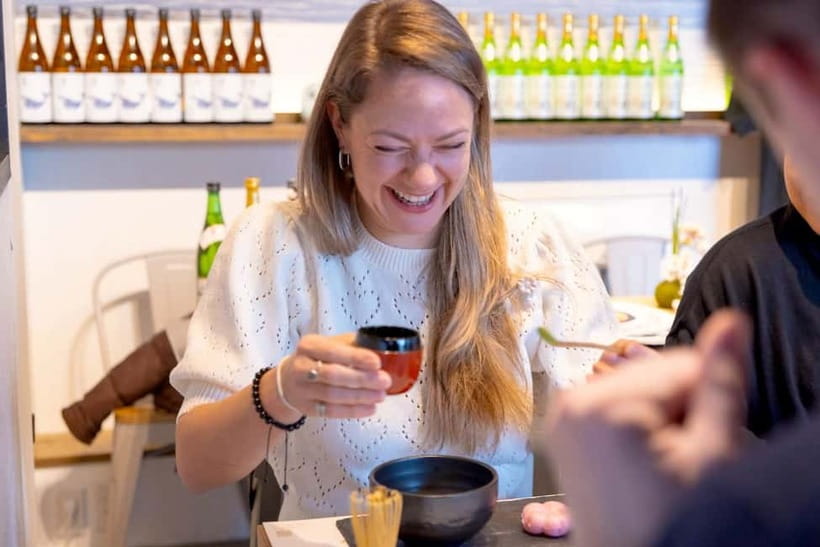
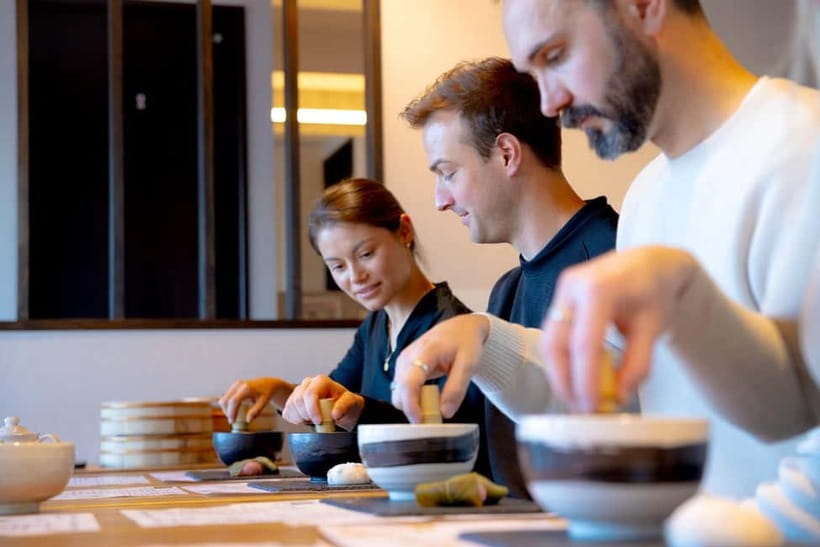
After the introduction, you prepare your own matcha. The instructor demonstrates the process, then helps you copy it at your place.
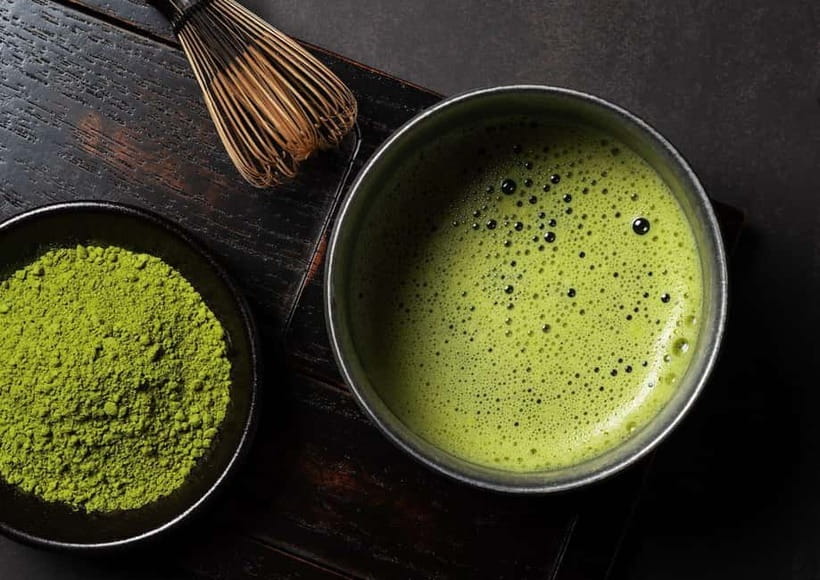
The key tool is the bamboo whisk, known as a chasen. You use it to mix the fine green tea powder with water until the drink becomes smooth and lightly frothy. The motion takes a little practice. It is not difficult, but the instructor’s guidance helps you avoid simply stirring the powder in circles.
This hands-on step is where the activity earns its price. You are not just watching someone prepare tea. You are learning a skill you can repeat at home, and several people leave wanting to try it again with their own matcha and bowl.
The class also gives you a feel for the care behind a good cup. You notice the tools, the texture, the mixing technique, and the taste in a way you would not from ordering a matcha drink at a café. It is a modest lesson, but it gives you a better understanding of what you are drinking.
Do not expect to produce a perfect cup on your first try. That is part of the fun. The instructors are there to demonstrate, answer questions, and help you adjust the whisking. The relaxed tone keeps the activity from becoming intimidating.
Same base, a completely different sort of day:
- Osaka Go Karting Tour with Funny Costume
★ 5.0 · 2,658 reviews - Osaka Castle: Museum and Tower Entry Ticket
★ 4.5 · 2,380 reviews - Osaka: Shinsekai Food Tour with 13-15 Dishes at 5 Eateries
★ 4.8 · 2,204 reviews - Osaka Food Tour: 13 Dishes at 5 Local Eateries
★ 5.0 · 2,149 reviews
Tasting Matcha With Japanese Sweets
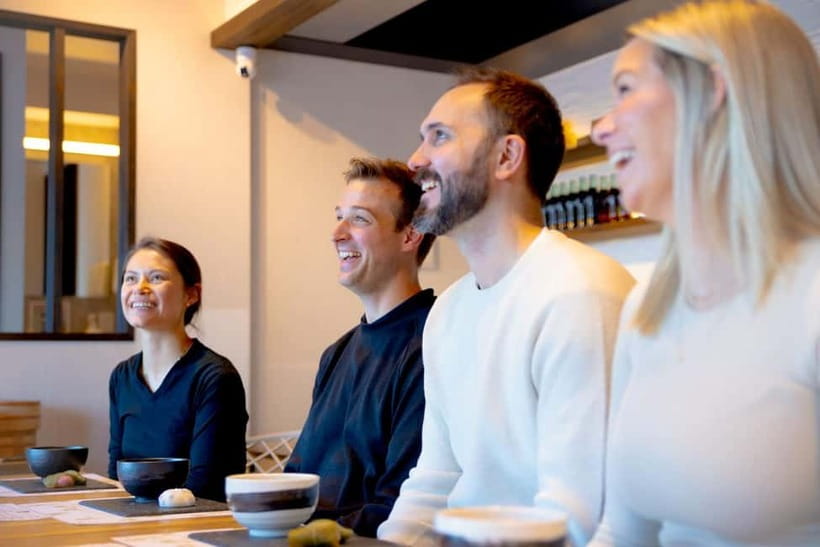
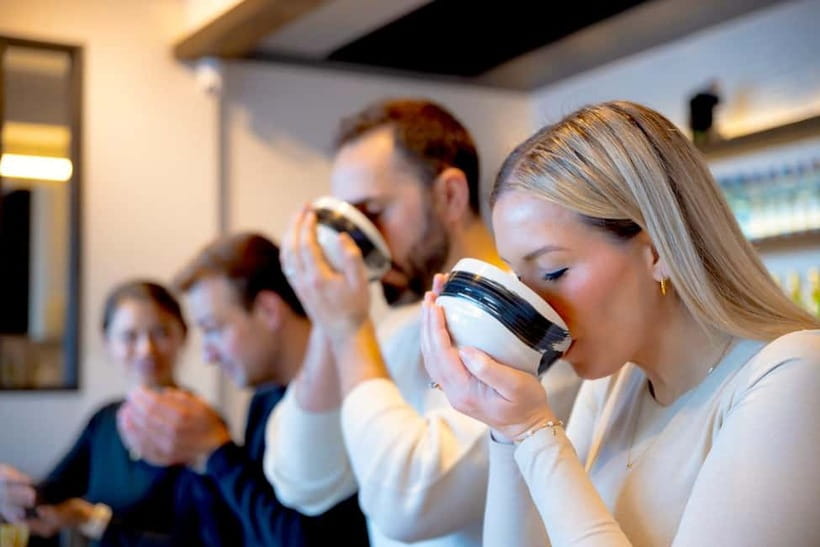
Once your cup is ready, you drink it with Japanese sweets. The sweets provide a pleasant contrast to matcha’s earthy, slightly bitter flavor, and they make the tasting feel like a proper cultural experience rather than a quick cooking demonstration.
The food portion is not large. You should not book this as a replacement for breakfast, lunch, or an Osaka food tour. Think of it as a small refreshment served to complement the tea.
Still, the pairing is important. Matcha can taste strong if you are trying it for the first time, and the sweets help balance it. You can focus on the flavor instead of judging the drink only by whether it tastes like a sweet café latte.
One useful point is that this session is suitable for first-time matcha drinkers. You do not need to know tea etiquette or own special equipment. The teacher explains how to prepare and taste the drink, giving you enough background to appreciate what is in the bowl.
A Friendly Class Instead of a Stiff Ceremony
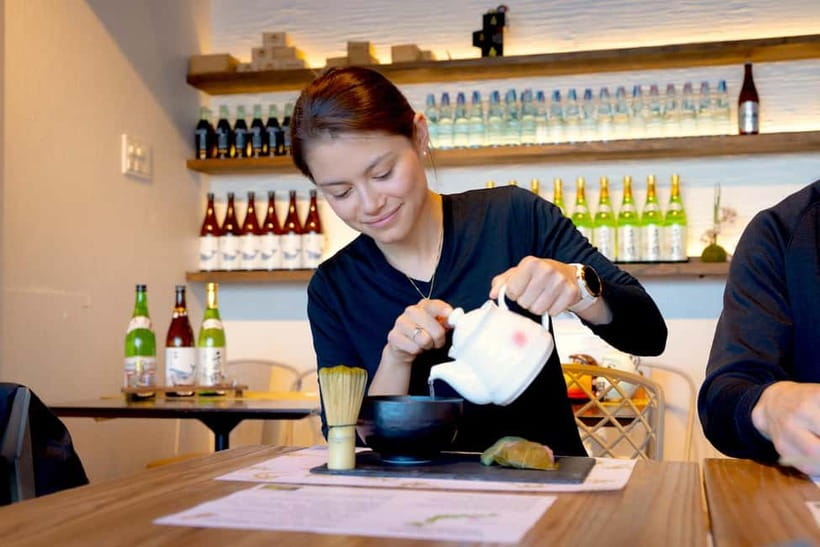
The tone is informal, but it still respects the traditional side of matcha. You get some ceremony, some proper technique, and some cultural context, but also jokes and ordinary conversation.
That balance works well for an international audience. English-speaking instructors make it easier to ask about flavor, history, tools, and Japanese customs. Some instructors also offer local food suggestions, which can be useful when you are deciding where to eat around Shinsaibashi and Dotonbori.
I especially like the small group format here. With six seats at most, the teacher can watch your technique and answer individual questions. A larger class might be cheaper, but it would likely feel more like a demonstration. This setup gives you a better chance to handle the tools and receive direct help.
The room itself has a traditional feel without requiring floor seating. That makes the class more comfortable for people who are not used to kneeling, as well as families and anyone looking for an easy hour indoors.
Who Will Get the Most From This Experience
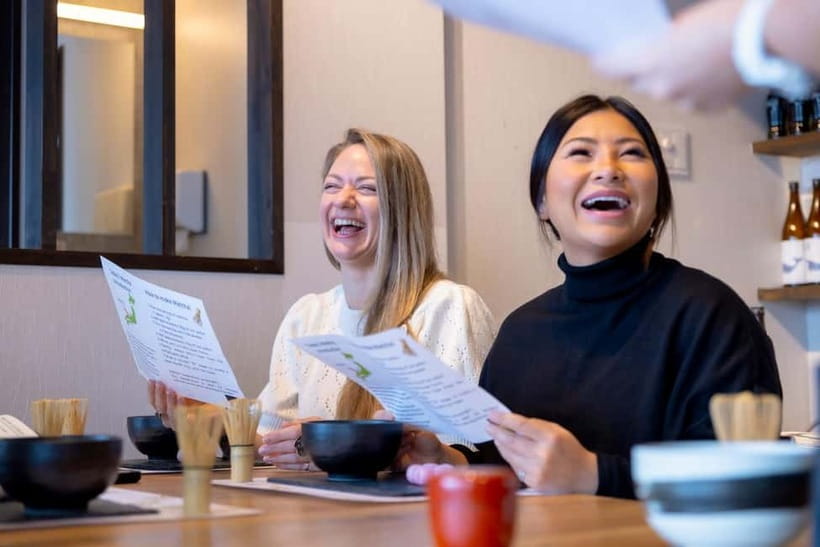
This class is a good fit if you want a short cultural activity that does not require a full day or advanced planning. It works particularly well for:
- First-time visitors curious about matcha
- Couples looking for a quiet activity between meals
- Families with older children
- Solo visitors who enjoy small-group instruction
- People interested in Japanese food customs
- Anyone needing an indoor break from Osaka’s heat and crowds
It also suits matcha fans. You will already know the basic drink, but you may still enjoy learning the traditional whisking method and asking detailed questions.
I would be less likely to recommend it if your main goal is a large meal, a lengthy tea ceremony, or a broad cooking course. The menu is limited to matcha and Japanese sweets, and the entire program lasts only one hour. Its value comes from the focused lesson and the chance to prepare the drink yourself.
Is $22 a Fair Price?
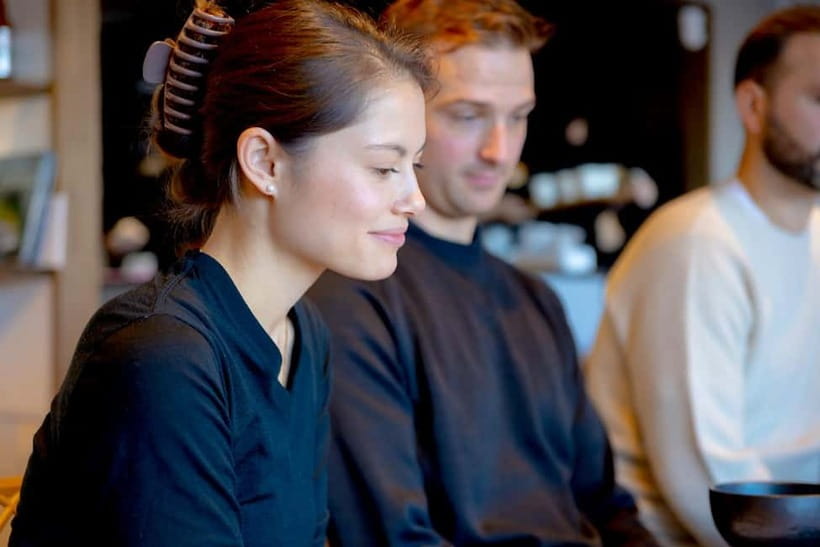
At $22 per person, this is reasonably priced for a guided cultural activity in central Osaka. The fee covers the cooking class, ingredients, tools used during the session, and an English-speaking instructor.
The value is strongest when you consider the small group. You are paying for personal participation rather than simply watching a staff member make tea. The included sweets also turn the lesson into a complete one-hour experience.
Still, keep your expectations in line. You are not buying a meal, a souvenir, or a long formal ceremony. You are buying an introduction to matcha with expert guidance, a drink you make yourself, and a little time to sit and talk.
For many visitors, that is a worthwhile trade. It is short enough to fit around sightseeing, affordable compared with many longer workshops, and practical enough that you can repeat the method at home.
Timing, Booking, and Practical Details
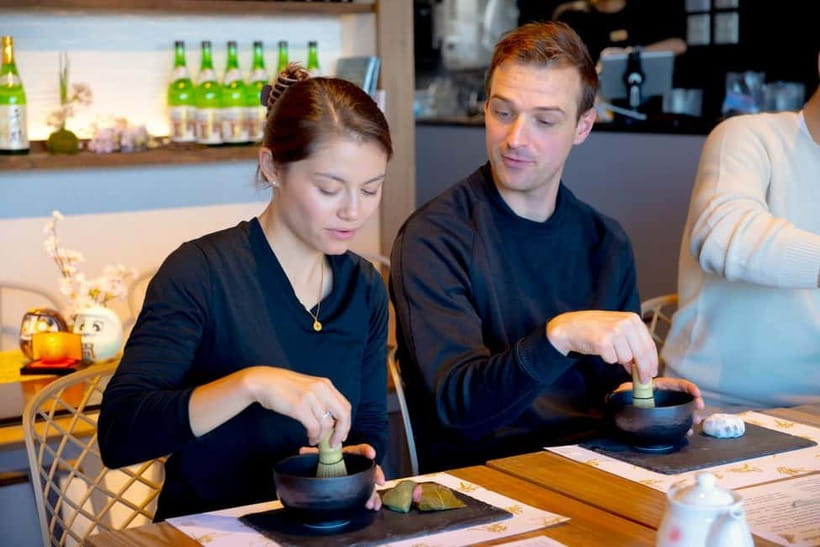
The activity lasts one hour, with starting times available according to the date you choose. I would book a time that gives you a little breathing room before your next plan. The class is short, but finding a city building and getting upstairs can take longer than expected.
You can reserve now and pay later, which helps if your Osaka schedule is still changing. Free cancellation is available up to 24 hours before the activity for a full refund.
Instruction is in English. Groups and solo participants are welcome, and the small group is limited to six people. Ingredients and the instructor are included, while transportation to and from your hotel is not.
If you want to buy matcha tools or a bowl afterward, ask the staff what is available. A participant was able to purchase a one-of-a-kind chawan bowl, though you should confirm current stock rather than count on a particular design.
Making Matcha Part of Your Osaka Day
The location makes this easy to combine with other plans. Start with shopping around Shinsaibashi, take the short walk to the class, then continue toward Dotonbori for dinner and the canal lights.
You can also use the activity as a midday pause. Osaka rewards energetic exploring, but the constant movement can wear you down. A calm hour with tea gives your day a different rhythm, and the class provides more connection to Japanese food culture than simply ordering another drink.
I would avoid placing it too close to a rushed train connection. The class itself is one hour, and you want time to arrive, find the building, and leave without watching the clock.
Should You Book the Matcha Making Experience?
I would book this if you want an affordable, friendly introduction to matcha in the center of Osaka. The best reasons are the small group, clear English instruction, traditional whisking tools, and the chance to taste your own tea with Japanese sweets.
Choose another activity if you want a substantial meal or a formal tea ceremony with a longer, quieter presentation. For everyone else, this is a smart one-hour addition to a Shinsaibashi or Dotonbori day, especially if you are trying matcha for the first time or want to learn a method you can use back home.
FAQ
How long does the matcha-making activity last?
The class lasts one hour.
How much does the experience cost?
The listed price is $22 per person.
Where does the class meet?
It meets on the third floor of the Galleria Acca Building, about five minutes from Shinsaibashi Station. The coordinates are 34.6723159, 135.5024459.
Is the class taught in English?
Yes. The instructor speaks English, and the activity is offered in English.
How many people are in each group?
The activity is a small-group class limited to six participants.
What is included in the price?
The price includes the cooking class, ingredients, and instructor. You also prepare and drink matcha with Japanese sweets during the experience.
Can I cancel or pay later?
You can cancel up to 24 hours in advance for a full refund. You can also reserve now and pay later, so you do not need to pay at the time of booking.
Just added around Osaka
- Discover Real Osaka: A Cultural Walk with Food & Drink★ 5.0 · 13 reviews
- Osaka 6hr Private Walking Tour with Government Licensed Guide★ 5.0 · 174 reviews
- Private Airport transfer Kansai Intl. Airport(KIX) to OSAKA CITY★ 4.5 · 12 reviews
- From Osaka/Kyoto: Kyoto & Nara Day Trip with Optional Lunch★ 4.5 · 79 reviews
- Osaka: Namba Local Food Walking Tour (Taste 15 Dishes)★ 5.0 · 20 reviews
- Osaka Delights: Traditional Japanese Food Tour★ 4.5 · 33 reviews
- Badminton in Osaka & Kyoto with Locals!★ 5.0 · 15 reviews
- From Osaka or Kyoto: Kyoto and Nara 1-Day Bus Tour★ 3.5 · 141 reviews
Osaka Tours, compared.


Shinsekai Food Tour with 13-15 Dishes at 5 Eateries
Read our review →
Osaka Food Tour: 13 Dishes at 5 Local Eateries
Read our review →
Hungry Osaka Street Food Tour:15 Tastings & 3 Drinks with a Local
Read our review →



Hotspots & Hidden Gems Walking Tour Private or Group
Read our review →Browse the lists this tour appears in