
Reviewed · TOKYO TOURS
Private Tour to Mt. Fuji and Hakone (Fully Licenced Operator)
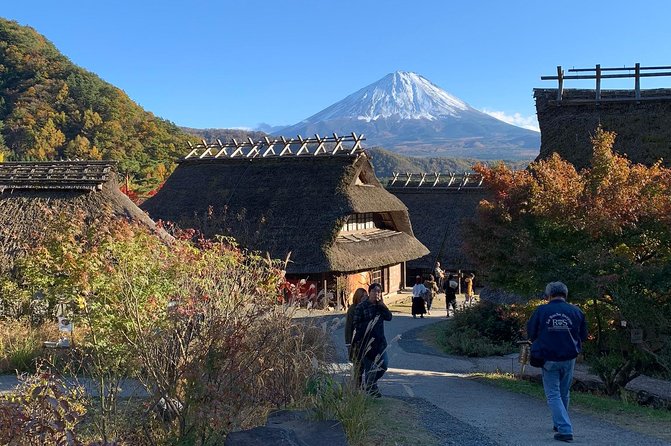
Mt. Fuji is best seen from several angles, and this private day tour lets you build that day around your own priorities. You can chase clear views at Lake Kawaguchi, visit Oshino Hakkai, ride a boat on Lake Ashi, or spend time at shrines and pagodas instead of following a fixed bus route.
I like the private air-conditioned vehicle, especially for a long day from Tokyo, and I like the freedom to spend more time at a favorite stop. Guides including Israr, Maz, Sam, Bajwa, and Petteri are often praised for safe driving, clear English, helpful photo advice, and patience with older family members.
The main catch is distance and weather. The trip can involve more than two hours each way by road, and Mt. Fuji may hide behind cloud. You must also choose between the Mt. Fuji and Hakone plan or a Mt. Fuji surroundings plan, so you cannot reasonably fit every listed stop into one day.
Key points to know before booking
- Choose your route in advance: You need to select either Mt. Fuji with Hakone or the Mt. Fuji surrounding area itinerary.
- Private transport has real value: Your group of up to five gets its own vehicle, driver-guide, hotel pickup, and hotel return.
- Fuji views depend on weather: A clear day can produce superb photographs, but the mountain is never guaranteed to appear.
- The 5th Station is conditional: It can close for bad weather or maintenance, and access depends partly on the season.
- Tickets cost extra: Ropeway rides, cruises, and other activities are not included. A Mt. Fuji entrance charge of 2,800 yen per group is also listed.
- The guides add much of the value: Israr, Maz, Sam, Bajwa, Haseeb, Pradhan, Petteri, and others are praised for flexibility, driving, explanations, and photo stops.
A private road trip rather than a fixed sightseeing circuit
This experience works best when you think of it as a private road trip with a guide, not as a ticketed attraction with a rigid program. You are collected at your Tokyo hotel, settle into an air-conditioned vehicle, and head toward the Fuji and Hakone region. At the end of roughly 10 hours, you return to the pickup point.
That format solves several problems. Public transport around Fuji can be slow and awkward when you want to combine distant lakes, shrines, villages, and viewpoints. A private vehicle also means you do not have to wait for a large group while someone takes photographs or stops for lunch.
The operator lists a price of $497.43 per group of up to five. For five people, that works out to about $99.50 each before optional admissions and food. For two people, the per-person cost is much higher, but you are paying for a dedicated vehicle, a full day, hotel pickup, and the ability to shape the route.
The drivers hold commercial permits, use commercial green-number-plate vehicles, and carry commercial insurance. That detail matters in Japan, where the operator specifically warns against unlicensed white-number-plate vehicles. I would still confirm the vehicle size if your party has large luggage, though the supplied information only confirms multiple vehicle sizes are available.
More Mt Fuji Tours in Tokyo
- Mt Fuji and Hakone 1-Day Bus Tour Return by Bullet Train
★ 5.0 · 26,383 reviews - Mt Fuji & Hakone Cruise, Drum Show Bullet Train 1 Day from Tokyo
★ 4.0 · 7,413 reviews - Tokyo Mt Fuji 5th St & Hakone Cruise Bus Tour w/Bullet Train
★ 4.4 · 5,024 reviews
Picking the right itinerary for your day
The most important booking decision is not the pickup time or the vehicle. It is the route. The operator asks you to choose one of two broad plans.
The Mt. Fuji and Hakone itinerary combines Fuji-area sights with Hakone. This can include Lake Kawaguchi, the 5th Station, Lake Ashi, Owakudani Valley, and Hakone Shrine. It gives you variety, but the geography means you will spend meaningful time on the road.
The Mt. Fuji surroundings itinerary stays more tightly around the mountain. It can include Oshino Hakkai, Kitaguchi Hongu Fuji Sengen Shrine, Arakurayama Sengen Park, Chureito Pagoda, Saiko Iyashi no Sato Nemba, and Lake Kawaguchi. This is the better choice if your main goal is photographs, village scenery, shrines, and repeated Fuji viewpoints.
You should discuss priorities with the guide at the start. A clear day may call for a quick change in order so you reach a good viewpoint while Fuji is visible. On a cloudy day, cultural stops can carry more of the day, since a mountain-view plan loses some of its impact when the summit disappears.
Mt. Fuji 5th Station: useful, but never guaranteed
The 5th Station is described as the highest point on Mt. Fuji that can normally be reached by car or shuttle bus. During hiking season, the tour aims to take you there, but access is not guaranteed. Bad weather and maintenance can close the road, and conditions can change.
At about 30 minutes, this is more of a brief mountain stop than a long visit. It makes sense for you if reaching the mountain itself matters more than collecting many viewpoints. If your priority is a broad postcard view of Fuji, Lake Kawaguchi or Arakurayama may give you more satisfying photographs when conditions are good.
The listed Mt. Fuji entrance fee is 2,800 yen per group and is not included in the tour price. Because fees and access rules can change, confirm how this charge applies before departure. Also keep in mind that poor weather can affect both visibility and road access. The operator says weather-related negative reviews will not be accepted, which is a blunt warning that you are buying transport and guidance, not a guaranteed view.
Lake Kawaguchi and the Kachi Kachi Ropeway
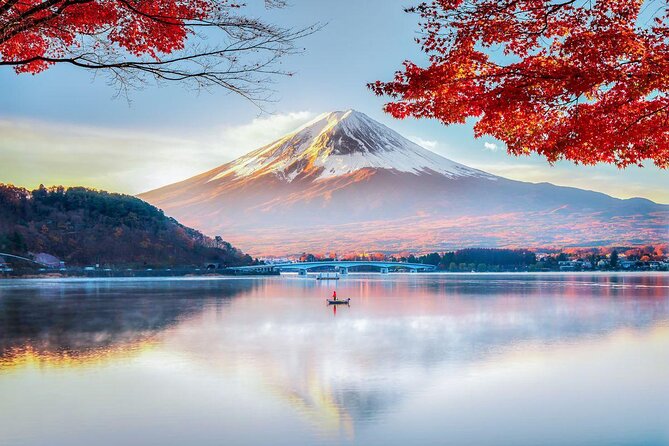
Lake Kawaguchi is one of the strongest parts of the day for a classic Fuji view. It is identified as the second-largest lake in the Fuji area after Lake Yamanaka, and you can see the mountain from the shore, from the Kachi Kachi Ropeway, or from a lake cruise.
The ropeway is a good pick if you want height and a wide panorama. The cruise offers a different angle and may suit you better if you prefer a relaxed outing to a hill climb. Both activities cost extra, so ask your guide about current timing and prices before committing.
I would give this area serious priority on a clear day. A private tour gives you room to linger for photographs, and several guides are praised for knowing useful photo spots and allowing people to take their time. One practical detail from the feedback is that a guide may suggest a good lunch stop nearby, including traditional and family-run restaurants, but lunch itself is not included.
A few more Tokyo half-days to weigh up
- 1-Day Tokyo Bus Tour
★ 5.0 · 14,250 reviews - Tokyo: TOKYO SKYTREE® Admission ticket
★ 4.5 · 11,192 reviews - Tokyo: teamLab Planets TOKYO Digital Art Museum Entry Ticket
★ 4.6 · 9,779 reviews - Tokyo: Sumo Show Experience with Chicken Hot Pot and a Photo
★ 4.8 · 6,678 reviews
Oshino Hakkai, spring water, and local stalls
Oshino Hakkai is a small village built around eight ponds, with Mt. Fuji views, hot springs, food stalls, and souvenir vendors. Admission to the stop is listed as free, though you will likely find plenty of opportunities to spend money on snacks or gifts.
This is a good pause between grand viewpoints. The ponds and village setting offer a more grounded look at the Fuji region, while the food stalls make it easy to try something without turning lunch into a long formal meal. Guides have also helped with food choices and restaurant recommendations, including options for a vegetarian member of a group.
Do not expect a quiet rural escape at every moment. Vendors and other sightseers are part of the experience. Still, Oshino Hakkai adds local texture that a day made only of observation decks would miss.
Shrines and pagodas around Fujiyoshida
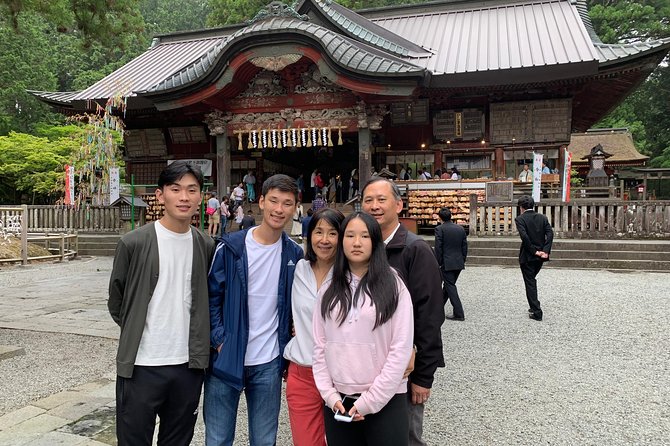
Kitaguchi Hongu Fuji Sengen Shrine gives the day a strong cultural pause. It once served as a common northern starting point for climbing Mt. Fuji, and the wooded shrine approach offers a change from roadside viewpoints and tourist facilities. Admission is free.
Arakurayama Sengen Park is the famous photo stop, with the five-story Chureito Pagoda on the mountainside and Mt. Fuji in the distance. Reaching the pagoda requires 398 steps. That climb is manageable for many people, but it is not a trivial photo stop for anyone with limited mobility or a bad knee.
The listed itinerary also includes Chureito Pagoda as a very short 10-minute stop, while Arakurayama Sengen Park is given about an hour. In practice, you should clarify how much time your guide plans to allow, since the steps, photography, and park walk need more than a quick roadside pause.
There is one important planning lesson here. The pagoda can close for maintenance, and at least one planned day ended early when it was unavailable. If Chureito is your reason for booking, ask about its current status before leaving Tokyo and request an alternative stop if needed. Hakone can be a useful backup only if you have chosen the combined itinerary and have enough time.
Lake Ashi, Hakone Shrine, and the pirate ship
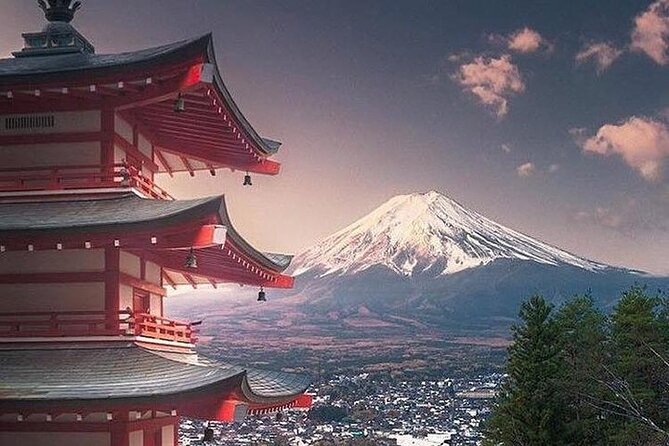
Lake Ashi, also called Ashinoko or Hakone Lake, brings a different mood to the tour. A pirate-ship cruise is the main suggested activity, and the stop is allocated about an hour. The cruise ticket is extra, so check whether boarding fits your route and budget.
Hakone Shrine is another optional stop. It dates to 757 and is associated with military commanders who prayed there, helping spread its fame across Japan. The itinerary gives it only five minutes, which is enough for a quick look but not a thoughtful shrine visit.
That short timing tells you something important: combining Fuji and Hakone requires tradeoffs. If you want the lake cruise, shrine, and Owakudani Valley along with several Fuji stops, you may have to skip the ropeway, shorten lunch, or reduce time at the villages. I would not try to treat every listed place as mandatory.
Owakudani Valley and the wider Hakone route
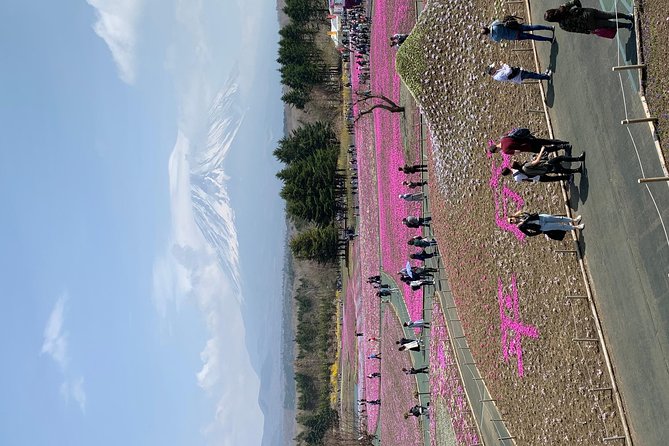
Owakudani Valley is listed as a one-hour stop with admission included. It is known here for its black eggs, a local food associated with the volcanic valley. The area adds geological interest to a day otherwise centered on views, water, shrines, and photographs.
The Hakone route can also include the ropeway, though the supplied plan specifically recommends riding up Mt. Kachi Kachi near Lake Kawaguchi and taking the Hakone pirate cruise at Lake Ashi. Do not confuse those two experiences when planning your day. Ask the guide which ride is intended, what is included, and how long transfers will take.
Hakone makes the tour more varied, but it also makes the day more ambitious. If you are traveling with young children, older relatives, or anyone who dislikes long car rides, the Fuji surroundings plan may be more comfortable. If your group wants a broad sampler of lakes, volcanic sights, shrines, and mountain views, the combined route may be worth the extra road time.
Smaller optional stops if time allows
Saiko Iyashi no Sato Nemba is described as a traditional Japanese village. It is an optional addition if time remains during the Fuji surroundings route, with admission not included. This is best treated as a bonus rather than a promised stop.
Fuji-Q Highland appears as another optional possibility, but the actual experience provides only a short reference to the park and tourist information center. It is not a realistic centerpiece for a day already packed with Fuji and Hakone sightseeing. If an amusement park is your main goal, ask whether this tour is the right product instead of trying to squeeze it into a mountain day.
The operator also lists a 10-minute stop at the Fuji-Q Highland Tourist Information Center and a 10-minute Chureito stop. These brief entries may reflect a quick photo or orientation stop rather than a full visit. Your guide can adjust the order, but time remains fixed unless you pay an overtime charge of 5,000 yen per extra hour after the 10-hour hotel-to-hotel period.
What the guides add to the experience
The driver-guide is central to the value. A good guide does more than steer the vehicle. You need someone who can explain shrine customs, help with translations, suggest a sensible lunch, point out photo positions, and adjust the order when traffic or weather changes.
The strongest feedback repeatedly highlights Israr for excellent English, cultural explanations, patience, and good timing. Maz is praised for adapting the day and showing lesser-known parts of the Fuji area. Sam is described as friendly, informed, comfortable to drive with, and good at giving people space while remaining available.
Bajwa is singled out for planning around other tour groups and finding strong photo spots. Petteri is praised for driving, information, and flexibility. Haseeb is noted for safe driving and a memorable vegetarian-friendly restaurant recommendation, while Pradhan, Areeb, Hans, Haan, Puskal, and others receive similar praise for helpful service and route advice.
Guide quality can vary from person to person, so I would not book on the assumption that you can request a particular driver unless the operator confirms it. Still, the pattern is encouraging: the best part of a private tour is often the human judgment between the stops.
How to make the 10 hours work
Start with your top two or three priorities. For example, you might choose Lake Kawaguchi, Oshino Hakkai, and Chureito Pagoda for a Fuji-focused day. Or you might choose Lake Ashi, Owakudani, and one Fuji viewpoint for a Hakone-heavy day.
Leave room for lunch and toilets. The long drive from Tokyo, road traffic, photography, and seasonal access all eat into the schedule. Several accounts describe the day as comfortable despite its length, but comfort does not remove the need to keep the plan realistic.
Ask about the weather early in the morning. If Fuji is visible, move toward the best viewpoint rather than waiting until late afternoon. If cloud covers the mountain, use the flexible format for shrines, Oshino Hakkai, the village, or Hakone’s other sights.
The tour begins and ends at the stated meeting point, Tokyo Station Hotel. Pickup is offered, and the supplied directions also describe hotel pickup and return, so confirm your exact hotel address at booking. Confirmation is provided at booking, and the operator says the activity is near public transportation.
Who should book this tour?
I would choose this tour for a family, couple, or small group that values privacy and wants to combine several far-flung sights in one day. It is especially useful if you want hotel pickup, an English-speaking driver-guide, and the freedom to linger at a photo stop rather than follow a group schedule.
It also suits older family members when walking needs to be controlled. The vehicle can reduce the strain of changing trains and buses, and guides such as Israr are praised for patience with people over sixty. That said, Chureito’s 398 steps and the walking at shrine and village stops still require honest planning.
I would hesitate if your main goal is a guaranteed view of Mt. Fuji, a slow visit to every Hakone attraction, or the lowest possible price. Weather can defeat the mountain views, admission fees add up, and the long driving day means you will not experience each stop in depth.
Free cancellation is available up to 24 hours before the start time. Changes made inside that period are not accepted, and a weather cancellation offers either another date or a full refund. Read those terms carefully if your Japan schedule is tight.
Should you book it?
Book it if you want a flexible private day from Tokyo and understand that the quality of the day depends on weather, traffic, and sensible choices. The strongest reasons are the licensed commercial transport, hotel pickup and return, guide flexibility, and the ability to combine scenic, cultural, and food stops around your group.
Before paying, decide between the Fuji and Hakone route and the Fuji surroundings route. Ask about the 5th Station, Chureito Pagoda maintenance, current activity prices, and the 2,800-yen Fuji charge. If Fuji is clear and your guide manages the order well, this can be a very efficient way to see a large region in one day. If the forecast is poor, choose fewer viewpoint stops and let the shrines, villages, lakes, and food carry the experience.
FAQ
How long does the private Mt. Fuji and Hakone tour last?
The tour lasts approximately 10 hours, measured from hotel pickup to hotel return. Overtime costs 5,000 yen per extra hour after the 10-hour period.
How many people can join the tour?
The listed price covers one private group of up to five people. Multiple vehicle sizes are available, so confirm the suitable vehicle when booking.
Is hotel pickup included?
Pickup is offered, and the tour description states that you are collected from your Tokyo hotel and returned there. The listed meeting point is Tokyo Station Hotel, so confirm the exact pickup address.
Is the vehicle licensed?
Yes. The operator states that drivers hold commercial driving permits, vehicles use commercial green number plates, and commercial insurance is included.
Is Mt. Fuji guaranteed to be visible?
No. Views depend on weather, and the operator specifically notes that poor weather can affect the experience. A clear day is needed for the best mountain photographs.
Can the tour visit Mt. Fuji 5th Station?
The tour aims to visit 5th Station during hiking season, but access is not guaranteed. Bad weather and maintenance can lead to closure.
Are ropeway and cruise tickets included?
No. Tickets for activities such as the Kachi Kachi Ropeway, Lake Kawaguchi cruise, and Lake Ashi pirate cruise are not included.
Is lunch included?
No. Lunch is not included. Your guide may recommend a restaurant or food stop, including options suitable for dietary needs.
Do I have to choose a specific itinerary?
Yes. You need to choose either the Mt. Fuji and Hakone itinerary or the Mt. Fuji surrounding area itinerary. The flexible format allows adjustments, but every listed stop cannot reasonably fit into one day.
What is the cancellation policy?
You can cancel at least 24 hours before the start time for a full refund. Cancellations or changes made less than 24 hours before the start time are not accepted for a refund. If poor weather causes the operator to cancel, you are offered another date or a full refund.
Just added around Tokyo
- Private Arrival Transfer : Narita International Airport to Central Tokyo City★ 4.5 · 12 reviews
- Narita Airport(NRT): Private Transfer to Tokyo/Yokohama 1-9pax★ 5.0 · 47 reviews
- Private Transfer from Narita Airport to Yokohama Port and City★ 4.5 · 17 reviews
- [Narita Airport Terminals 1, 2] 40-60km Sawara Itako Historic Bike Tour★ 5.0 · 13 reviews
- 3 Day Japan Highlights Tour: Tokyo, Mt.Fuji, Nara, Kyoto, Osaka★ 5.0 · 22 reviews
- Small Town in the Big City: Tasting Tokyo’s Kichijoji★ 5.0 · 195 reviews
- Small Town in the Big City: Tasting Tokyo’s Kichijoji★ 5.0 · 16 reviews
- The 10 Tastings of Tokyo With Locals: Private Street Food Tour★ 5.0 · 48 reviews
Tokyo Tours, compared.
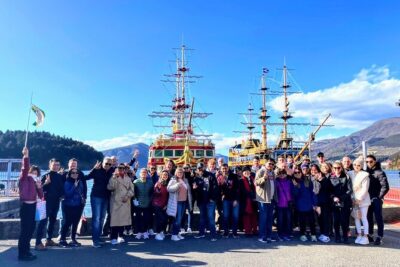
Mt Fuji and Hakone 1-Day Bus Tour Return by Bullet Train
Read our review →
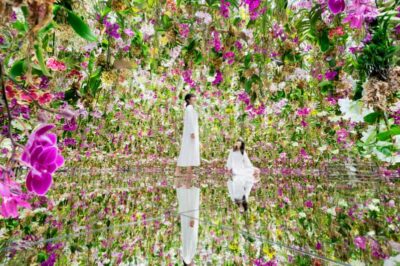
teamLab Planets TOKYO Digital Art Museum Entry Ticket
Read our review →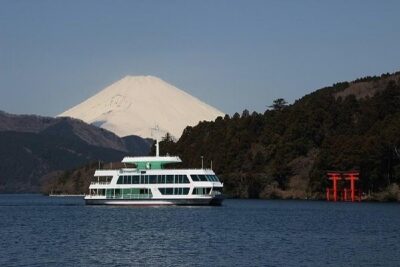
Mt Fuji & Hakone Cruise, Drum Show Bullet Train 1 Day from Tokyo
Read our review →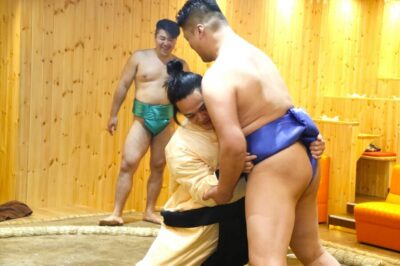
Sumo Show Experience with Chicken Hot Pot and a Photo
Read our review →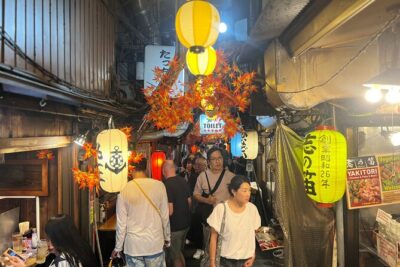
Shinjuku Food Tour (13 Dishes at 4 Local Eateries)
Read our review →
Tokyo Mt Fuji 5th St & Hakone Cruise Bus Tour w/Bullet Train
Read our review →
Flagship 2-Hours Official Street Go-Kart Tour – Tokyo Bay Shop
Read our review →Browse the lists this tour appears in