
Reviewed · TOKYO TOURS
Shibuya All You Can Eat Best Food Tour The Original One in Tokyo
Shibuya is more than its famous crossing. This tour leads you from the Hachiko Statue into small drinking alleys, local food streets, and casual restaurants where you can try sushi, yakitori, yakiniku, takoyaki, and desserts in one evening. The food variety is the main draw, and four hours gives you time to eat without rushing every stop.
I like the small maximum of 10 people, which makes it easier to ask questions and keep up with the guide. I also like the mix of eating and sightseeing, especially Nonbei Yokocho, a narrow lane of tiny bars that feels far removed from Shibuya’s giant screens.
The main caution is price. At $205 per person, this is a costly food walk, and the exact restaurants and guide can affect how much value you get. The tour is best for people who want help ordering, cultural context, and access to places they may not find alone, not simply the cheapest way to eat dinner.
Key things to know before booking
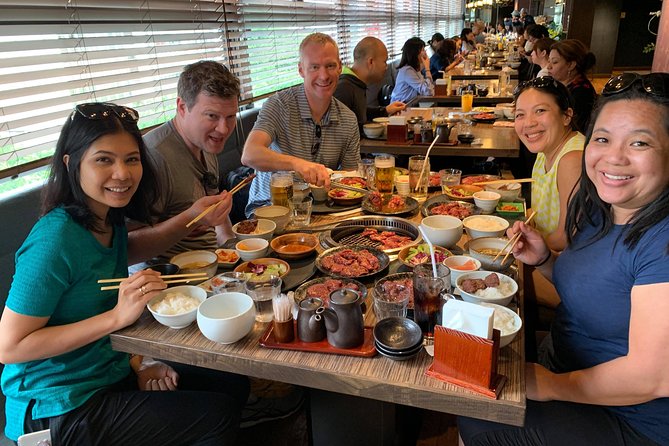
- Four to five food stops: Expect several small meals rather than one sit-down dinner, with dishes such as sushi, Japanese barbecue, takoyaki, yakitori, and dessert.
- A maximum of 10 people: The small group allows more conversation and personal help with ordering.
- Shibuya beyond the crossing: The route includes Nonbei Yokocho, Shibuya 109, Mega Don Quijote, and local food streets.
- Come hungry: Several past participants found the portions generous enough to leave them completely full.
- Guides shape the experience: Kato, Hamada, Amber, Tanaka, Samir, Suzuki, and others have been praised for friendly hosting and local insight.
- $205 is a premium price: You are paying for a guided introduction, multiple tastings, and the ease of navigating unfamiliar restaurants.
What this Shibuya food tour is really offering
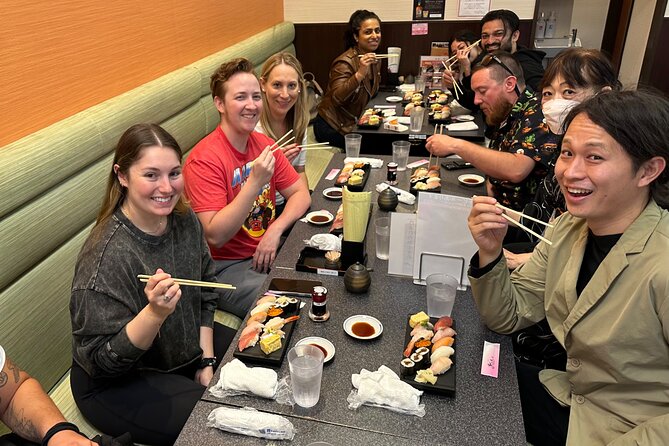
This is not a standard restaurant meal and not quite a simple street-food stroll. It is a guided evening through one of Tokyo’s busiest districts, with food stops built into a walking route.
The central idea is simple: you meet at the Hachiko Statue, then follow your guide through Shibuya while stopping to eat along the way. The tour includes four to five food stops, two soft drinks, water, and desserts. Alcohol is available to buy, but it is not included.
The food list gives you a useful sense of the range. You may try sushi, yakitori, yakiniku, takoyaki, and sweets during the same outing. Past participants also describe chicken karaage, mochi, sake, and other Japanese dishes. The exact menu is selected by the guide, so you should think of this as a flexible tasting route rather than a fixed printed menu.
That flexibility can be a strength. A local guide can choose restaurants based on opening hours, group needs, and what makes sense that day. It also means you should not book expecting a guaranteed dish at a guaranteed restaurant.
More Food Tours in Tokyo
- Tokyo: Shinjuku Food Tour (13 Dishes at 4 Local Eateries)
★ 5.0 · 6,603 reviews - Tokyo: Shinjuku Food Tour (15 Dishes and 4 Eateries)
★ 4.9 · 2,033 reviews - Best of Shinjuku: Izakaya Food Tour (4 Stops, 14+ Tastings)
★ 5.0 · 1,863 reviews
Starting at Hachiko and entering Shibuya 109
The meeting point is the Hachiko Statue near Shibuya Station. This is a sensible place to begin, but it can be crowded and confusing, so give yourself time to find the statue and identify your guide.
The first listed stop is the area around Shibuya 109, one of the district’s best-known shopping landmarks. The visit lasts about 45 minutes and is less about touring the building than getting into a local food area filled with izakaya and other casual places to eat.
I like this opening because it quickly shows you the contrast that defines Shibuya. Huge commercial buildings sit close to small restaurants and narrow side streets. You get the bright, youthful face of the neighborhood, then move toward places that feel more suited to an after-work meal or a relaxed night out.
The food here may be your first chance to try dishes in a Japanese dining setting rather than from a counter at a major tourist site. Your guide can help with ordering and explain the customs of the restaurant. That assistance matters if you are unsure about portions, sauces, cooking methods, or how several people share dishes.
Nonbei Yokocho and the tiny-bar atmosphere
Nonbei Yokocho is one of the most interesting parts of the walk. Its name is often translated as Drunkard’s Alley, and it is known for a narrow lane lined with very small bars. One past participant described some places as holding only four or five people, which gives you an idea of how intimate the setting can be.
The scheduled visit lasts about 30 minutes. You may not spend the entire time eating here, but the stop offers a look at a side of Shibuya that is easy to miss if you stay on the main roads.
This is where the tour offers its strongest sense of place. You can see how a dense Tokyo neighborhood uses tiny spaces for eating and drinking. The lane is not polished or grand. That is precisely why it is interesting.
You should keep your expectations realistic. A short walk through the alley does not turn you into an expert on Japanese nightlife, and alcohol is not included in the tour price. If you want a drink, you can purchase one separately. Still, this stop adds something a restaurant-only food tour cannot: a glimpse of Shibuya’s older, more compact side.
Shibuya Crossing, with time for one quick photo
The tour allows about 15 minutes at Shibuya Crossing. This is a short stop, but it makes sense as part of the route. The crossing is famous for the huge number of people moving through it, and the tour gives you time to experience the intersection rather than simply seeing it from a distance.
You can take a quick photo and watch the crossing from the middle of the action. Do not expect a long photography session or a dedicated viewpoint visit. The stop is brief and works best as a pause between food venues.
I appreciate that the tour does not pretend the crossing is a secret discovery. It is one of Tokyo’s most recognizable sights. Instead, the route places it beside lesser-known streets and restaurants, giving you both the famous image and the everyday neighborhood around it.
If you want a carefully planned photo tour, this experience may feel too food-focused. If you want a quick look at the crossing while moving between meals, 15 minutes is enough.
Same base, a completely different sort of day:
- Mt Fuji and Hakone 1-Day Bus Tour Return by Bullet Train
★ 5.0 · 26,383 reviews - 1-Day Tokyo Bus Tour
★ 5.0 · 14,250 reviews - Tokyo: TOKYO SKYTREE® Admission ticket
★ 4.5 · 11,192 reviews - Tokyo: teamLab Planets TOKYO Digital Art Museum Entry Ticket
★ 4.6 · 9,779 reviews
Mega Don Quijote and the practical Tokyo detour
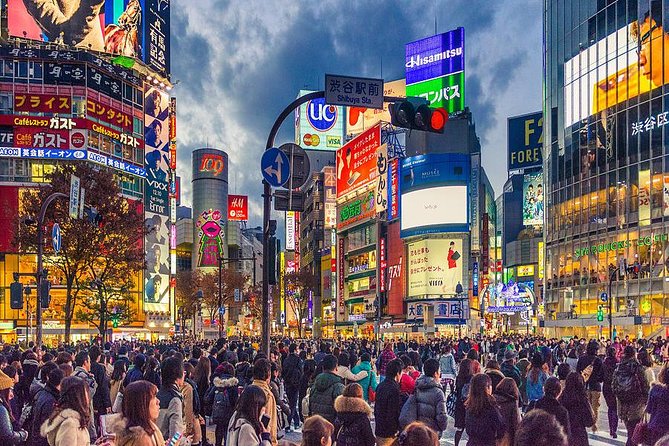
The stop at Mega Don Quijote lasts about 30 minutes. This huge shop is open 24 hours and sells an enormous range of items, from sweets and packaged food to cosmetics, electronics, and household goods.
At first, this may sound unrelated to a food tour. In practice, it is a useful look at modern Japanese shopping culture and a good place to see the food gifts many visitors take home. You might find snacks, unusual flavors, and familiar Japanese brands that are difficult to identify without help.
This stop can also serve as a practical break from restaurant food. If you want souvenirs, your guide may be able to point out local products or help with a purchase. One participant specifically appreciated a guide assisting with a BIC Camera purchase, though that kind of extra help should be viewed as a pleasant possibility, not a promised service.
The drawback is that shopping time reduces time available for food or neighborhood wandering. If you already plan to visit Don Quijote on your own, you may find this part less essential. For a first visit to Tokyo, though, the sensory overload is part of the fun.
The food: sushi, barbecue, takoyaki, and sweets
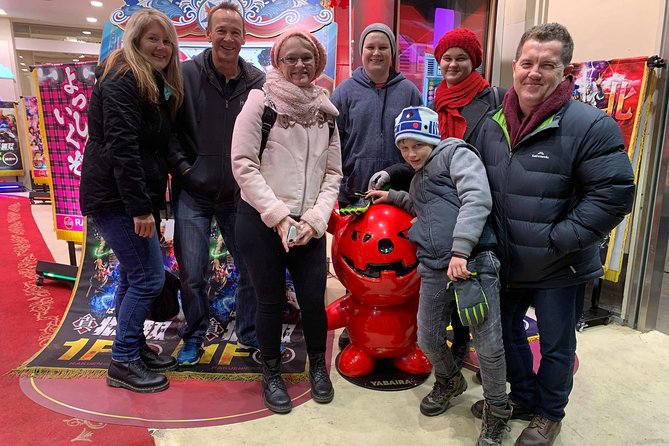
The food is the reason to book this experience, and the variety is its strongest feature. A typical route may include four or five stops, with dishes selected by the guide.
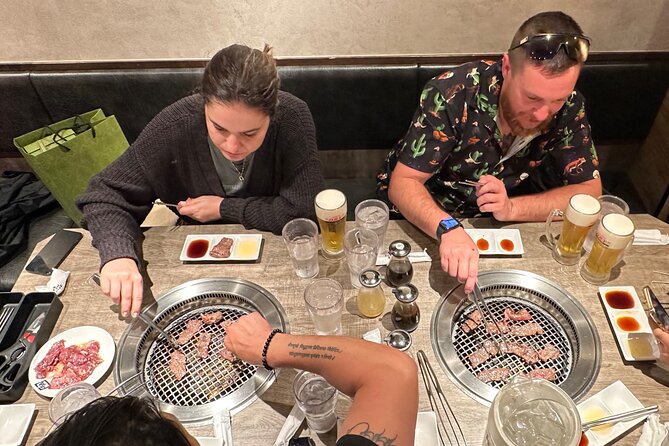
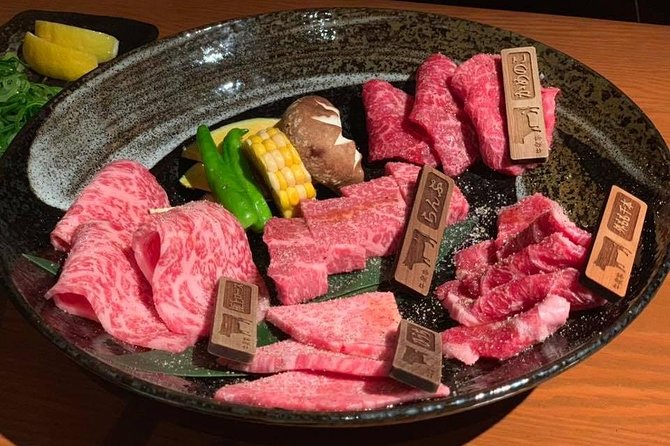
Sushi gives you a classic introduction to Japanese food. Yakiniku adds a more hands-on meal, with meat cooked on a small grill built into the table. One family described this as a mini barbecue, a useful detail if you have never tried Japanese tabletop grilling.
Takoyaki, or octopus balls, offers a different texture and style. They are served hot and are often eaten as a casual snack. Yakitori brings skewered chicken and a classic izakaya flavor. Depending on the route, you may also encounter karaage, steak, sake, mochi, or other sweets.
The word all-you-can-eat needs a little care. The experience includes multiple food stops and generous quantities, but the provided details do not promise unlimited portions at every venue. I would book it as a substantial tasting tour, not as an unlimited buffet.
Come hungry. Several people found the amount of food more than sufficient, with some saying they were stuffed at the end. That is good news if you want dinner included, but it can be a problem if you prefer light sampling or have a small appetite.
Desserts are included, along with two soft drinks and water. Alcohol is not included, though you can buy it. If you want to drink sake or beer, budget extra and remember that the tour still involves walking between stops.
Why the guide matters so much
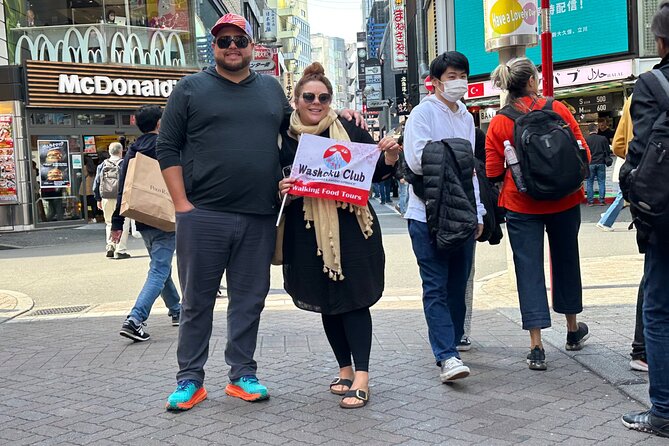
The guide is the difference between a useful cultural evening and an expensive series of restaurant visits. Strong guides on this route have been described as warm, funny, attentive, and well informed about Japanese food and daily life.
Kato has been praised for explaining food culture and local shops in a relaxed way. Hamada has been singled out for patience, clear communication, and helping people feel comfortable, including families dealing with jet lag. Amber has been praised for her friendly manner and ability to share both food and local history.
Other named guides include Tanaka, Samir, Suzuki, Show, Ryu, Hiromi, Adam, Islam, Bazaraa, and Naoto Kato. You are not guaranteed any particular guide, but these names show that the company uses a wider team rather than relying on one host.
The best part of a small group is the chance to ask direct questions. You can ask how to order, what a dish contains, why a restaurant works the way it does, or how Japanese people use an izakaya. A guide can also help if you need a quick errand or have trouble finding a store.
There have also been isolated concerns about organization and guide performance. One poor experience involved the main leader arriving late and another person starting the tour without enough food information. Another person felt the guide simply followed the group to restaurants and asked what they wanted without adding much cultural explanation.
These points are important because the $205 price assumes active guiding. Before you pay, decide how much you value explanation and personal help. If you are happy choosing restaurants and ordering alone, the price may be hard to justify.
Group size, walking, and pace
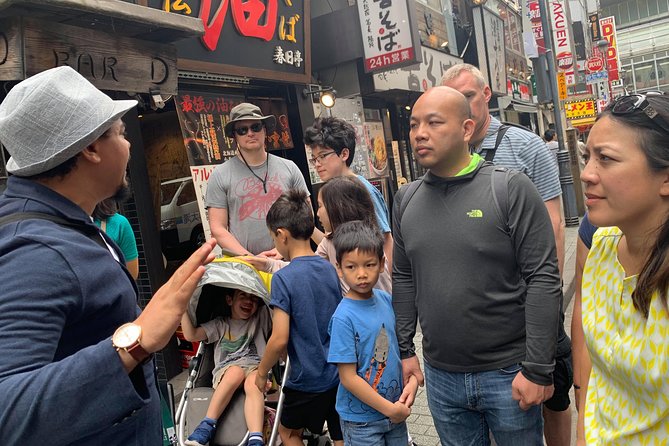
The group limit is 10 people. That is small enough for a more personal outing, though the experience can feel different with two people compared with a full group of 10.
Some people have ended up with a private-style tour because they were the only participant booked that day. That can be a lucky bonus, but it is not something to count on. A full group may have more social energy, while a very small group allows the guide to adjust the pace more easily.
You will walk through central Shibuya between stops. The published timing adds up to roughly two hours across the named locations, with the remaining time used for food, movement, conversation, and ordering. Wear comfortable shoes and avoid arriving after a long, exhausting day if you want to enjoy the meal stops.
The route is near public transportation and begins and ends at the Hachiko Statue. There is no hotel pickup or drop-off. Most people can participate, but the tour is not designed as a seated dining experience from start to finish.
Is $205 a fair price?
At $205 per person, this is firmly in the premium category. You are not paying only for the cost of sushi, meat, takoyaki, drinks, and dessert. You are also paying for a guide, restaurant selection, language support, neighborhood orientation, and the convenience of moving through Shibuya without planning every stop yourself.
The value is strongest if you are new to Tokyo, nervous about ordering, or eager to try several types of Japanese food in one evening. It is also useful if you have only a short time in Shibuya and want sightseeing folded into dinner.
The value is weaker if your main goal is to eat as cheaply as possible. You can spend far less by choosing individual restaurants yourself. The price is also harder to defend if your guide provides little explanation or if the food stops do not match your interests.
I would compare this cost with the price of a guided private food experience in your own city. If personal attention, cultural context, and a full evening of food are worth paying for, it can make sense. If you mainly want a meal, save your money and explore Shibuya independently.
Who will enjoy this experience most?
I would recommend this tour to first-time visitors who want a gentle introduction to Japanese food and restaurant customs. Families may also appreciate the guide’s help, especially when children or hesitant eaters are trying unfamiliar dishes.
It suits adventurous eaters who want sushi, grilled meat, takoyaki, yakitori, and desserts in one outing. The route also works well for solo visitors, since the guide provides company and structure.
You may want to skip it if you have strict dietary needs that have not been confirmed in advance. The supplied information does not state that vegetarian, vegan, halal, kosher, allergy-specific, or gluten-free meals are available. It also may not suit someone who dislikes walking, dislikes group dining, or wants a fixed menu.
Booking details worth knowing
Your mobile ticket is confirmed at booking, and the activity begins at the Hachiko Statue at 2 Chome-1 Dogenzaka. The tour returns to the same meeting point, which makes it easier to continue your evening in Shibuya afterward.
Free cancellation applies if you cancel at least 24 hours before the start time. Cancellations or changes made within 24 hours are not refunded, and the cut-off follows Tokyo local time.
Book with enough time to find the statue, especially if Shibuya Station is unfamiliar to you. Since the group can include up to 10 people, arriving on time matters for everyone.
Should you book the Shibuya food tour?
Book it if you want a guided introduction to Shibuya’s food culture, not just a cheap dinner. The combination of sushi, yakiniku, takoyaki, yakitori, sweets, Nonbei Yokocho, Shibuya Crossing, and Mega Don Quijote gives you a broad first look at the district.
I would be more cautious if the $205 cost feels high or if you expect unlimited food and a tightly fixed restaurant list. The guide’s personality and effort matter greatly, so understand that the experience can vary.
For a first evening in Tokyo, especially with family or friends who want help trying new foods, this is a convenient and filling choice. For confident diners on a budget, independent Shibuya eating will likely offer better value.
FAQ
How long does the Shibuya food tour last?
The tour lasts approximately four hours.
Where does the tour start?
It starts at the Hachiko Statue at 2 Chome-1 Dogenzaka, Shibuya, Tokyo 150-0043, Japan.
Where does the tour end?
The activity ends back at the Hachiko Statue meeting point.
How many people can join the tour?
The maximum group size is 10 people.
What food is included?
The tour includes food at four to five stops, with sushi, yakitori, yakiniku, takoyaki, and desserts listed among the offerings. Other dishes may be selected by the guide.
Are drinks included?
Two soft drinks and water are included. Alcoholic beverages are available to purchase separately.
Does the tour include hotel pickup?
No. Hotel pickup and drop-off are not included.
Can I cancel for a full refund?
Yes, if you cancel at least 24 hours before the experience start time. Cancellations within 24 hours are not refunded, and changes within that period are not accepted.
Just added around Tokyo
- Private Arrival Transfer : Narita International Airport to Central Tokyo City★ 4.5 · 12 reviews
- Narita Airport(NRT): Private Transfer to Tokyo/Yokohama 1-9pax★ 5.0 · 47 reviews
- Private Transfer from Narita Airport to Yokohama Port and City★ 4.5 · 17 reviews
- [Narita Airport Terminals 1, 2] 40-60km Sawara Itako Historic Bike Tour★ 5.0 · 13 reviews
- 3 Day Japan Highlights Tour: Tokyo, Mt.Fuji, Nara, Kyoto, Osaka★ 5.0 · 22 reviews
- Small Town in the Big City: Tasting Tokyo’s Kichijoji★ 5.0 · 195 reviews
- Small Town in the Big City: Tasting Tokyo’s Kichijoji★ 5.0 · 16 reviews
- The 10 Tastings of Tokyo With Locals: Private Street Food Tour★ 5.0 · 48 reviews
Tokyo Tours, compared.

Mt Fuji and Hakone 1-Day Bus Tour Return by Bullet Train
Read our review →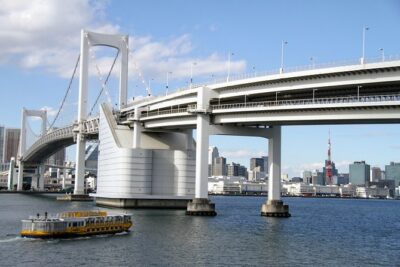
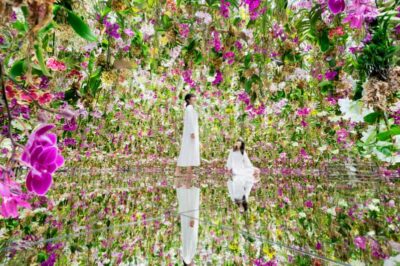
teamLab Planets TOKYO Digital Art Museum Entry Ticket
Read our review →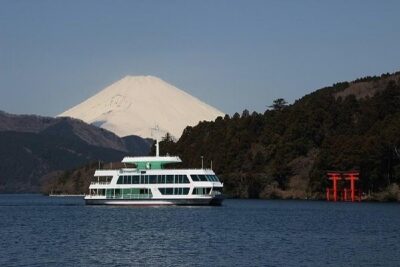
Mt Fuji & Hakone Cruise, Drum Show Bullet Train 1 Day from Tokyo
Read our review →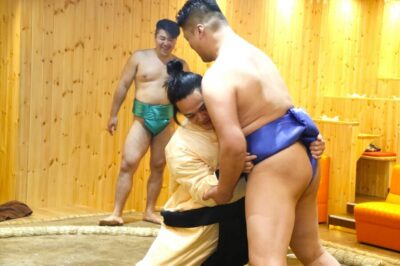
Sumo Show Experience with Chicken Hot Pot and a Photo
Read our review →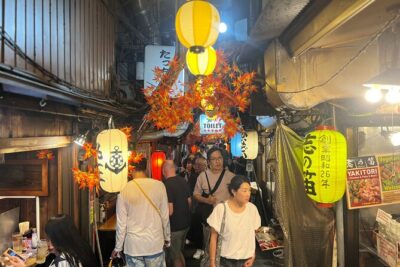
Shinjuku Food Tour (13 Dishes at 4 Local Eateries)
Read our review →
Tokyo Mt Fuji 5th St & Hakone Cruise Bus Tour w/Bullet Train
Read our review →
Flagship 2-Hours Official Street Go-Kart Tour – Tokyo Bay Shop
Read our review →Browse the lists this tour appears in