
Reviewed · TOKYO TOURS
Shibuya City: Daikoku PA GT-R R35, R34, R33 or R32 Tour
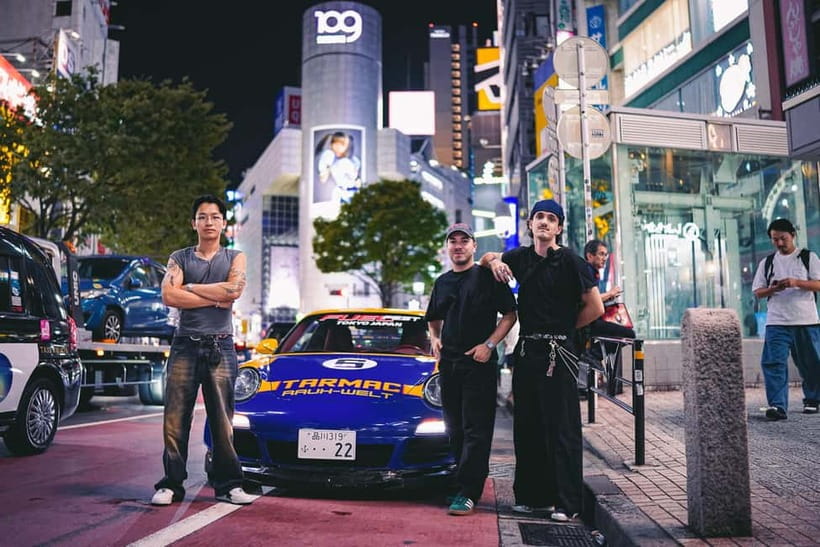
A tuned Nissan GT-R, Tokyo at night, and Daikoku Parking Area make a potent mix. This is not a rental or a taxi ride. You sit beside a local driver, hear the car work, and get a guided look at Japan’s famous street-car scene.
I like the private group format, which keeps the experience personal for up to three people, and I like the chance to request a specific car such as an R34 or JZA80 Supra. The guides, including Ruben, Lex, Takumi, Haruto, and Harrison, receive especially warm praise for safe driving and friendly conversation.
The main caution is simple: this is a high-priced, car-first outing, not a standard sightseeing tour. The route can run from 150 to 210 minutes, and the car meet at Daikoku depends on the night, weather, and timing. A parts shop may also feel less exciting if you expect a giant tuning warehouse.
Key things to know before booking
- You ride in a modified JDM car: The operator says it uses tuned Japanese performance cars rather than ordinary vans or sedans.
- Daikoku PA is the main event: Allow about an hour there for photos, car spotting, and the atmosphere of a famous Japanese meet-up point.
- You are a passenger, not the driver: A local guide handles the car, translation, cultural explanations, and road navigation.
- You can request your car: R35, R34, R33, R32 GT-Rs and JZA80 Supras may be available. Send your preference before booking.
- The route links Tokyo and Yokohama: Expect sights such as Shibuya Crossing, Rainbow Bridge, Tokyo Tower, the Wangan Expressway, and A PIT Autobacs, though the exact sequence can vary.
- The price works best for a small group: At $316 for up to three people, it is easier to justify when shared by two or three passengers.
What this Tokyo GT-R ride really offers
This experience is aimed at people who see a car as more than a way to get from one place to another. You are paying for the machine, the road network, the night views, and the chance to spend time at places that matter to Japanese performance-car fans.
The driver is part guide, part translator, and part local car-scene host. You ride together rather than hiring a vehicle for independent use. That matters in Japan, where unfamiliar road signs, left-side driving, toll roads, and complex expressway connections can make a self-drive plan stressful.
The operator presents the service as a legitimate Japanese business that follows local regulations and reports the required taxes. It also makes clear that this is not a taxi, ordinary transportation service, or car rental. Think of it as a private guided car experience with sightseeing built around it.
The strongest part is the combination of controlled excitement and local access. You might get acceleration on the expressway or hear the engine echo through a tunnel, but the driver remains responsible for the car. Several guides are praised for being quick and smooth behind the wheel while still keeping passengers comfortable.
You should also keep your expectations in the right gear. This is not a racing session, and it is not a promise of illegal street driving. The appeal comes from being in a powerful, modified car on Tokyo’s striking road system, often alongside other enthusiast cars, while someone familiar with the roads handles the driving.
A few more Tokyo half-days to weigh up
- Mt Fuji and Hakone 1-Day Bus Tour Return by Bullet Train
★ 5.0 · 26,383 reviews - 1-Day Tokyo Bus Tour
★ 5.0 · 14,250 reviews - Tokyo: TOKYO SKYTREE® Admission ticket
★ 4.5 · 11,192 reviews
Starting in Tokyo: two meeting point choices
The available starting points are Tokyo Station and Sakura Clinic. Your meeting point depends on the option you select, so check the exact choice before paying.
Tokyo Station is a useful starting point if you are already near the Marunouchi or central Tokyo area. Sakura Clinic gives you a second option, which can help if it fits your accommodation or the rest of your evening.
The listed drop-off points are the same two locations: Tokyo Station and Sakura Clinic. This keeps the outing focused on the drive rather than adding a long transfer at either end.
Plan your evening with some breathing room. The advertised duration is 150 to 210 minutes, a fairly wide range. Traffic, group movement, photo stops, and the time spent at Daikoku can affect the finish time. I would avoid booking a tightly timed dinner, show, or airport transfer afterward.
A PIT Super Autobacs: more than a quick shop
A PIT Super Autobacs Shinonome is the first substantial stop. The schedule allows around 30 minutes for a break, photos, shopping, walking, and sightseeing.
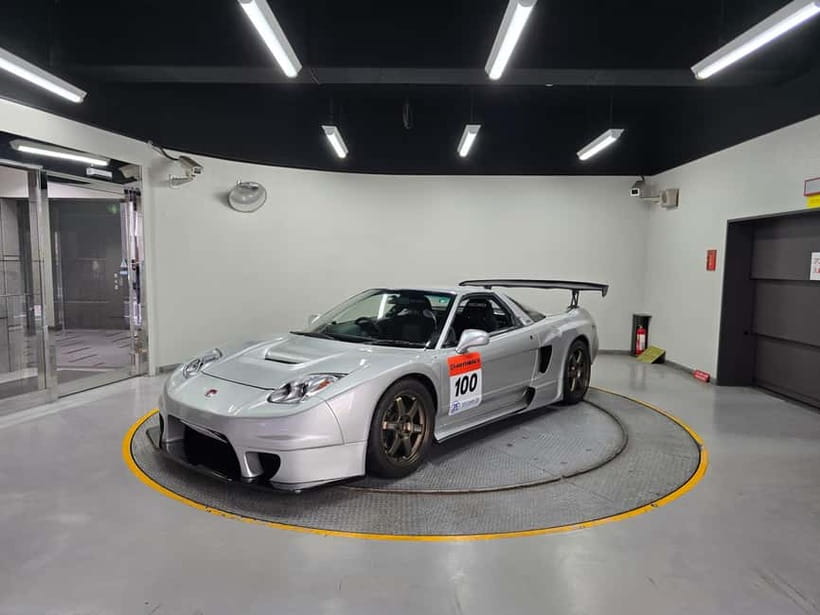
For a car fan, this is a useful introduction to Japan’s parts and accessory culture. You can browse products and see how a major Japanese automotive shop presents its performance, maintenance, and customization world. It gives context to the modified GT-R you are riding in.
Still, do not expect this stop to carry the whole tour. One person who enjoyed the overall outing found the parts shop less tuned toward custom performance than expected. The store is best treated as a short, authentic car-related pause, not as a full workshop visit or a museum.
Thirty minutes is enough to stretch your legs, take pictures, and look around without turning the experience into a shopping trip. If you are not interested in cars, this will probably be the least exciting section. If you are, it helps explain the parts, styling, and aftermarket culture behind the vehicles in the convoy.
Wangan Expressway and the sound of Tokyo at night
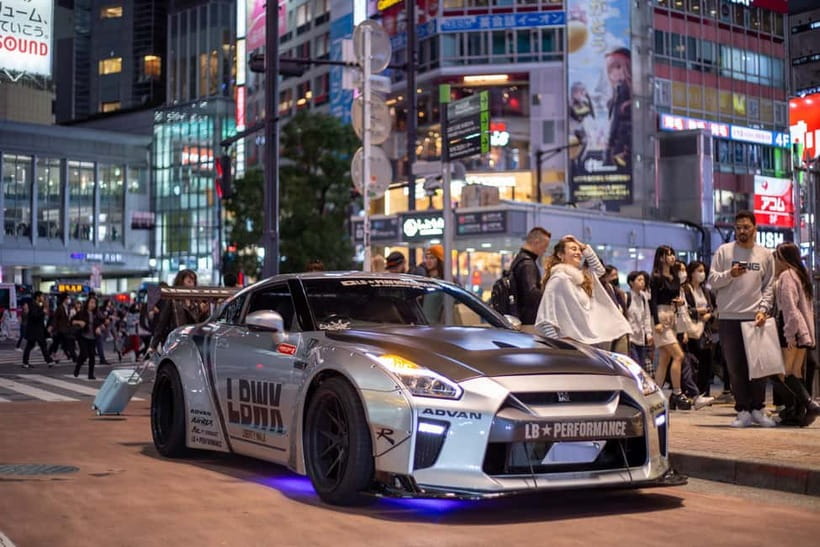
The road section is where the experience earns its price for many people. The Wangan Expressway connects the Tokyo and Yokohama areas and gives you a moving view of the city from inside a tuned performance car.
The supplied details do not promise a specific speed or driving stunt, and the operator stresses that this is a guided experience under Japanese regulations. That is a good thing. You can enjoy the sound, power, and changing city views without confusing a sightseeing tour with a race.
Several accounts describe tunnel runs as a highlight, especially when windows come down and other cars pass nearby. A group of GT-Rs or other Japanese performance cars can turn an ordinary stretch of expressway into a memorable sound-and-light show. The effect is strongest when several cars travel together, though the exact size of the group will vary.
One outing included six or seven cars, while another group rolled with a much larger lineup. That convoy feeling adds a social side to the ride. You are not just sitting in one sports car. You may be part of a moving gathering of enthusiasts, with opportunities for flyby photos and shared stops.
The tradeoff is that a group can also make timing less predictable. Cars need to stay together, and photo opportunities may depend on where everyone can safely stop. I would value the atmosphere over a perfectly choreographed itinerary.
Same base, a completely different sort of day:
- Tokyo: teamLab Planets TOKYO Digital Art Museum Entry Ticket
★ 4.6 · 9,779 reviews - Mt Fuji & Hakone Cruise, Drum Show Bullet Train 1 Day from Tokyo
★ 4.0 · 7,413 reviews - Tokyo: Sumo Show Experience with Chicken Hot Pot and a Photo
★ 4.8 · 6,678 reviews - Tokyo: Shinjuku Food Tour (13 Dishes at 4 Local Eateries)
★ 5.0 · 6,603 reviews
Daikoku Parking Area: the tour’s main stop
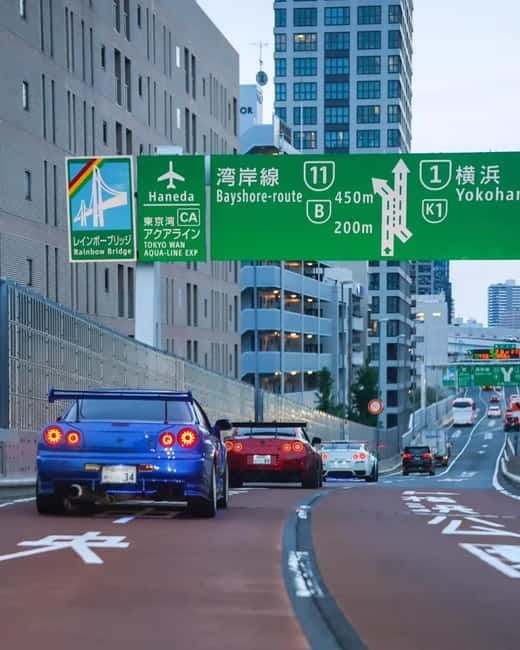
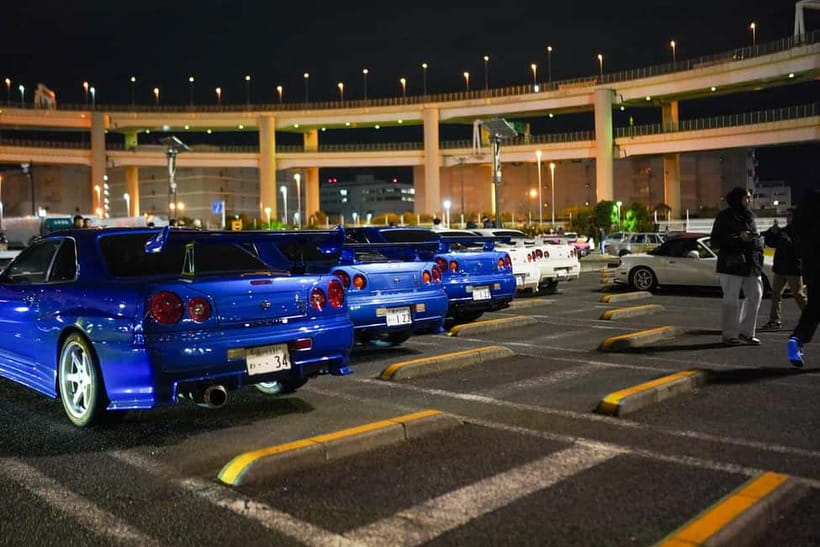
Daikoku Parking Area is the heart of this experience. You spend about one hour here for photos and a visit, giving you time to look at the cars, take pictures, and absorb the setting.
Daikoku is famous among fans of Japanese car culture because it functions as a meeting place for striking Japanese, European, and other performance cars. The experience is not only about the GT-R you ride in. It is also about seeing what local enthusiasts bring out, how they display their cars, and how a motorway rest area can become part of car culture.
The atmosphere can change sharply by night. Some evenings are lively and packed with interesting builds. Others may feel quieter, especially on a late-night departure or in poor weather. One outing had plenty of cars on a Thursday, while another found fewer cars than expected. That variation is part of the deal, so book this for the guided ride and the chance of a strong meet, not for a guaranteed car show.
Your guide helps you make sense of the scene. Takumi, Ruben, and others are praised for explaining local car culture, answering questions, and keeping the group organized. That human element matters. Without a guide, Daikoku could be a car park full of unfamiliar models. With the right guide, it becomes a window into how Japanese enthusiasts gather and share their interest.
Be respectful with photography and behavior. The experience is built around a real public place, not a private stage set. The operator describes the activity as controlled and responsible, and that approach is important at a busy parking area.
Rainbow Bridge, Tokyo Tower, and the city between stops
The listed itinerary includes a photo stop at Rainbow Bridge, with about one minute set aside for sightseeing. That is a very short scheduled stop, so treat it as a passing viewpoint or quick photo opportunity rather than a long walk.
The wider route is described as including views or drive-bys of Shibuya Crossing and Tokyo Tower, along with the Wangan roads. The exact landmarks you see, and how long you stop at each, can depend on traffic and the chosen route.
This is not the best way to study Tokyo’s famous sights in detail. You will not have time to explore Shibuya Crossing on foot or tour Tokyo Tower. Instead, you see the city as a backdrop to the car experience, with illuminated roads, bridges, tunnels, and skyline views appearing between car-focused stops.
That approach suits me because it gives the outing a sense of movement. You are not repeating the same central Tokyo sightseeing route you might take by train. You are seeing the city from the road, with the expressway system becoming part of the attraction.
The cars: request carefully, but stay flexible
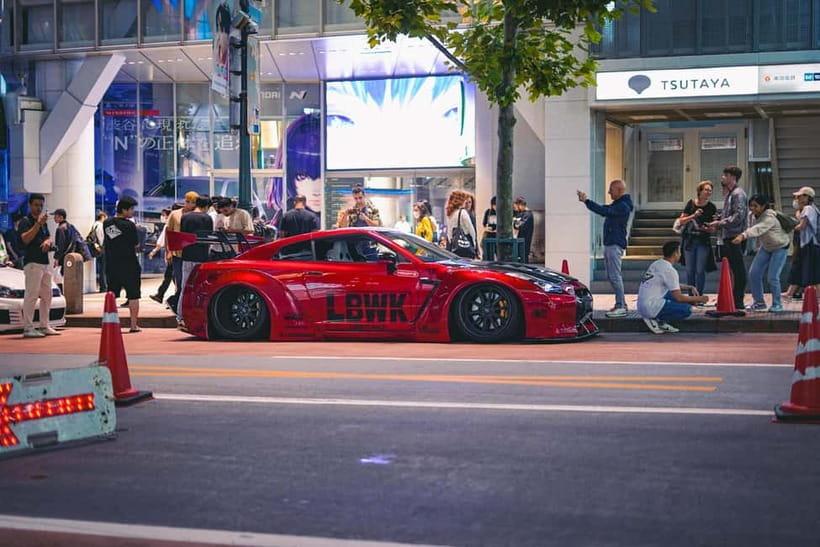
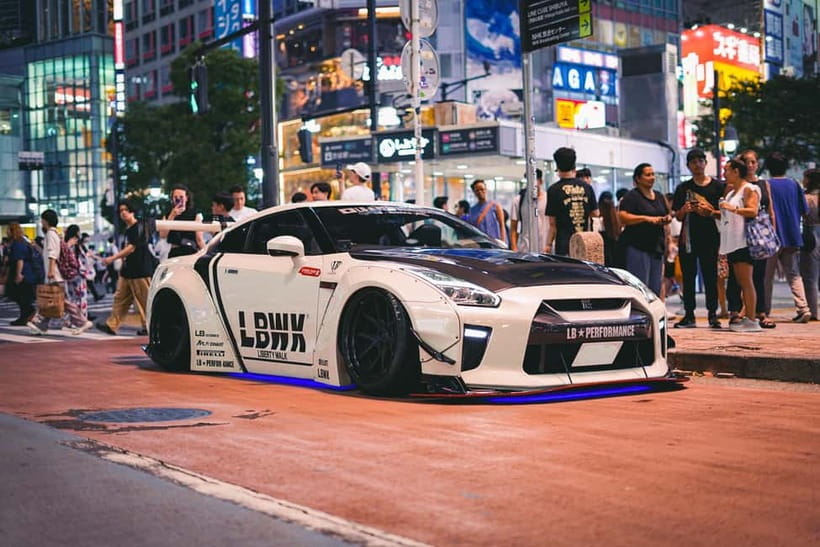
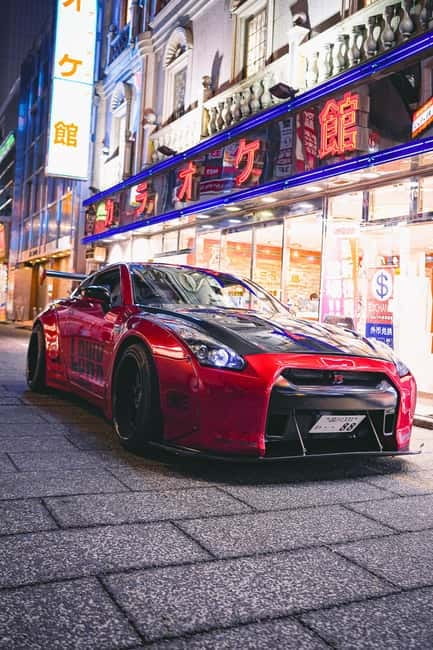
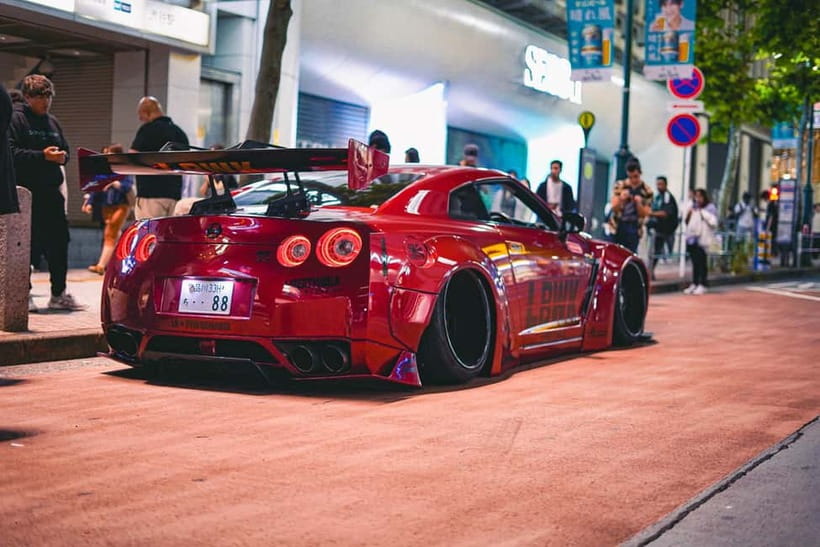
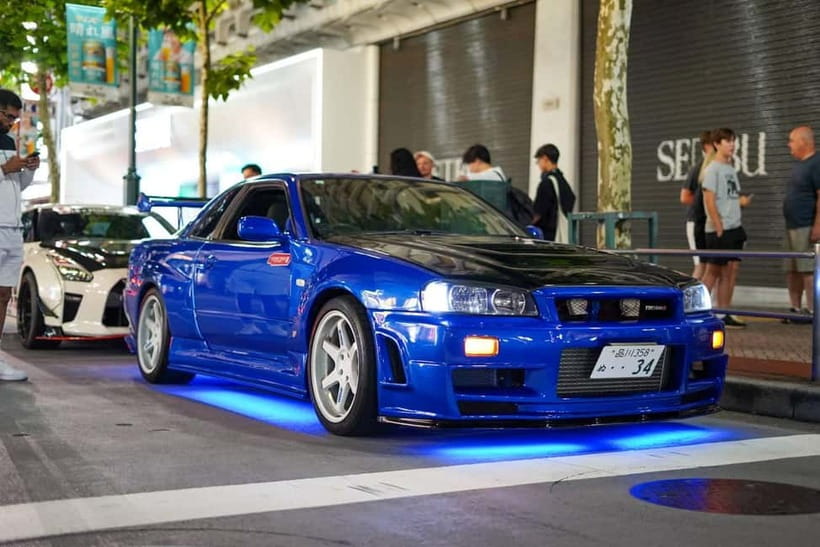
The main vehicle choices are Nissan GT-R models including the R35, R34, R33, and R32. The experience also advertises a JZA80 Supra as an available option.
These cars appeal to different tastes. The R35 offers modern GT-R power and a wide, imposing shape. The R34 and R32 carry strong cultural weight among fans of Japanese performance cars, while the R33 sits between them in the classic Skyline GT-R story. A JZA80 Supra brings a different kind of appeal, especially for anyone who grew up with Japanese tuning culture and performance games.
You are told to send your car preference. Do this early and understand that a request is not the same as a guaranteed assignment. One passenger was moved into an R34 after the originally planned car developed a technical issue and ended up loving the change. That is a useful reminder to focus on the experience rather than one exact badge.
The fleet may include heavily modified cars, including a Liberty Walk R35, and some outings use cars owned or driven by friends of the guide. Condition can vary between vehicles. Most accounts describe impressive, well-kept cars, though one person felt the vehicles could have been better.
The guides make or break the evening
The driver is central to the experience. You want someone who can handle a tuned car, explain what you are seeing, communicate clearly, and keep the mood relaxed.
Ruben receives repeated praise for safe driving, friendliness, car knowledge, and personal attention. He has helped families, answered detailed questions about the Tokyo and Yokohama scenes, and adjusted the experience for children. Lex is also praised for smooth driving, strong communication before the outing, and working well with other cars in the group.
Takumi is described as a regular presence at Tokyo car gatherings and a thoughtful host. Haruto kept the evening enjoyable despite bad weather, while Harrison and other guides are praised for creating a warm group atmosphere. Names such as Tatsuya, Julian, Arthur, Sora, Noli, and Ruban also appear in positive accounts.
That range suggests a team with a strong service culture, but your exact guide will depend on the date. I would not book solely to secure one person unless the operator confirms it. The more useful question is whether you want a local driver who can talk about cars and culture while you enjoy the ride.
English and Japanese guiding are available. Translation support and cultural explanations are part of the service, which makes the experience easier for international visitors who know the cars but not the local customs or scene.
Is $316 good value for up to three people?
The price is $316 per group of up to three people. For one person, that is a major splurge. For three people sharing the booking, it works out to about $105 each before any additional personal spending, which makes the value much stronger.
You are not paying for ordinary transport. You are paying for a modified GT-R or similar JDM car, a private guide, expressway time, access to a famous car meet, and a small-group format. The car itself is the attraction, so comparing this price with a normal Tokyo bus tour misses the point.
I think the cost makes sense for a serious JDM fan, a family member arranging a surprise, or a small group that wants one unusual night in Tokyo. It is harder to justify if your main goal is ordinary sightseeing or a long, slow visit to each landmark.
The 150 to 210 minute duration also affects the value. At the shorter end, the price feels high unless the car and Daikoku experience are your top priorities. At the longer end, especially with a lively convoy and a good guide, the outing can become one of the defining memories of a Japan trip.
Free cancellation up to 24 hours before the experience and reserve-now, pay-later booking make it easier to fit into a changing itinerary. Still, check the start time and meeting point carefully, especially if you are coordinating dinner or evening trains.
Who should book this ride?
I would recommend it first to:
- Fans of Nissan GT-Rs, Supras, Japanese tuning, and motorsport culture
- Parents booking a memorable surprise for a car-mad teenager
- Couples or friends who want a shared night activity rather than another temple or observation deck
- Visitors curious about Tokyo’s expressways and Yokohama’s car scene
- People who prefer being driven by a local expert instead of taking on a self-drive rental
Families can enjoy it too. A parent and child can share a car, and the small private format avoids being packed into a large sightseeing bus. The ride is also suitable for someone who does not drive manual transmission or does not want to handle driving on the left side of the road.
I would skip it if you dislike engine noise, modified cars, late-night road outings, or flexible timing. I would also skip it if you expect a guaranteed fleet size, a fixed car model, or a formal history lesson at every stop.
Practical advice for getting the most from it
Send your preferred car before booking or as soon as possible. List more than one acceptable choice if you care about the experience more than a single model.
Keep your phone charged. Daikoku and the convoy create plenty of photo opportunities, and one person used so much battery taking pictures that it became a problem. Bring a portable charger if you have one.
Ask questions during the drive. The best value comes from the guide’s local knowledge, not only from sitting in a fast car. Ask about the car’s modifications, Japanese meet-up etiquette, the Wangan roads, or how Tokyo’s scene differs from what you know at home.
If you want the liveliest Daikoku atmosphere, discuss timing with the operator before choosing a departure. No night can guarantee a packed car park, but the day and hour can affect what you find.
Let the guide know if you want a calmer ride or if you are hoping for a few controlled acceleration moments. The supplied experiences repeatedly praise the balance between fun and safety, and a clear conversation helps set the right tone.
Should you book the Daikoku GT-R tour?
Book it if the words R32, R34, R35, Supra, Wangan, and Daikoku mean something to you. The strongest part is not simply the speed. It is the mix of a tuned Japanese car, a capable local driver, Tokyo after dark, and a real car meet where the scene continues beyond the tour vehicle.
At $316 per group, I would share the booking with two friends or family members. Request your favorite car, keep some flexibility about the exact vehicle and meet-up crowd, and choose this as a special evening rather than a basic sightseeing transfer.
For a JDM enthusiast, this can be a trip highlight. For everyone else, it depends on how much you enjoy the sound, machinery, and road-based view of Tokyo.
FAQ
Where does the tour start?
The available starting location options are Tokyo Station and Sakura Clinic. The exact meeting point depends on the option booked.
Where does the tour end?
The listed drop-off options are Tokyo Station and Sakura Clinic.
How long does the experience last?
The stated duration is 150 to 210 minutes. Starting times vary, so check availability when booking.
Is this a self-drive tour?
No. You ride with a local driver and guide. The service is not a car rental, taxi, or ordinary transportation service.
Which cars can I request?
You can request a modified Nissan GT-R R35, R34, R33, or R32. A JZA80 Supra may also be available. You should send your car preference before booking.
Does the tour visit Daikoku Parking Area?
Yes. The itinerary allows about one hour at Daikoku Parking Area for a visit and photos.
Is A PIT Super Autobacs included?
Yes. The tour includes a stop of about 30 minutes at A PIT Super Autobacs Shinonome for a break, photos, shopping, walking, and sightseeing.
What languages are available?
Live guiding is available in English and Japanese. Translation support and cultural explanations are included as part of the guided experience.
Just added around Tokyo
- Private Arrival Transfer : Narita International Airport to Central Tokyo City★ 4.5 · 12 reviews
- Narita Airport(NRT): Private Transfer to Tokyo/Yokohama 1-9pax★ 5.0 · 47 reviews
- Private Transfer from Narita Airport to Yokohama Port and City★ 4.5 · 17 reviews
- [Narita Airport Terminals 1, 2] 40-60km Sawara Itako Historic Bike Tour★ 5.0 · 13 reviews
- 3 Day Japan Highlights Tour: Tokyo, Mt.Fuji, Nara, Kyoto, Osaka★ 5.0 · 22 reviews
- Small Town in the Big City: Tasting Tokyo’s Kichijoji★ 5.0 · 195 reviews
- Small Town in the Big City: Tasting Tokyo’s Kichijoji★ 5.0 · 16 reviews
- The 10 Tastings of Tokyo With Locals: Private Street Food Tour★ 5.0 · 48 reviews
Tokyo Tours, compared.
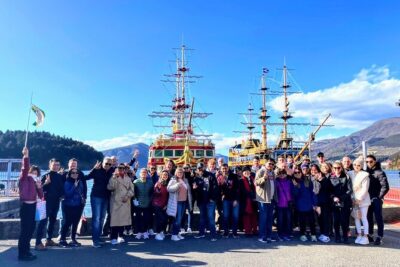
Mt Fuji and Hakone 1-Day Bus Tour Return by Bullet Train
Read our review →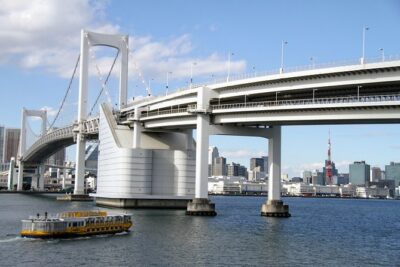
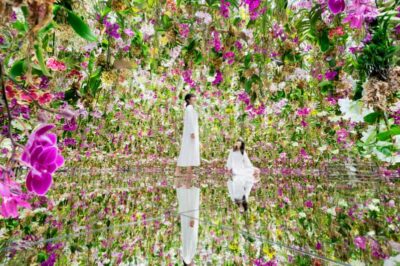
teamLab Planets TOKYO Digital Art Museum Entry Ticket
Read our review →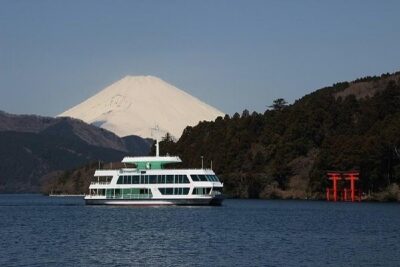
Mt Fuji & Hakone Cruise, Drum Show Bullet Train 1 Day from Tokyo
Read our review →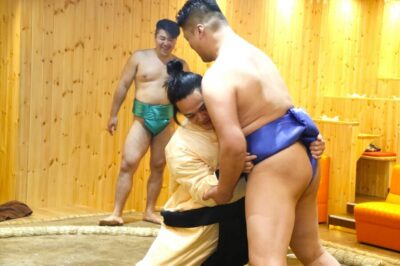
Sumo Show Experience with Chicken Hot Pot and a Photo
Read our review →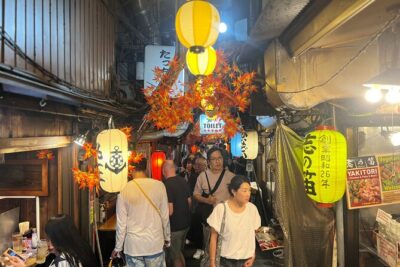
Shinjuku Food Tour (13 Dishes at 4 Local Eateries)
Read our review →
Tokyo Mt Fuji 5th St & Hakone Cruise Bus Tour w/Bullet Train
Read our review →
Flagship 2-Hours Official Street Go-Kart Tour – Tokyo Bay Shop
Read our review →Browse the lists this tour appears in