
Reviewed · TOKYO TOURS
Shinjuku: Food Tour – 15 Dishes at 4 Eateries
Shinjuku is not one food district. It is a maze of tiny izakayas, late-night counters, old alleys, polished restaurants, and local spots tucked behind the huge station. This tour gives you a useful shortcut, with 15 dishes at four eateries and a guide to connect the food with Kabukicho, Omoide Yokocho, and Nishishinjuku.
I like two things right away: the small maximum of 10 people keeps the group manageable, and the menu goes beyond the usual sushi-and-ramen checklist. Past tours have included Okinawan food, sake sours, several kinds of sashimi, pork tonkatsu, and other dishes you may not think to order alone.
The main caution is the walking. The route covers a good stretch of Shinjuku, and one report found the guide moving too quickly for part of the group. Food quality can also vary from stop to stop, so book this for variety, local context, and a full evening of tasting rather than for four flawless restaurant meals.
Key points before you book
- 15 dishes across four eateries: You get a broad sampling rather than one sit-down meal.
- Kabukicho after dark: The tour explains the entertainment district as you eat nearby.
- Omoide Yokocho: Walk past Memory Lane, a narrow run of old izakayas dating from the postwar era.
- Nishishinjuku away from the main crowds: The route includes local restaurants that are easy to miss on your own.
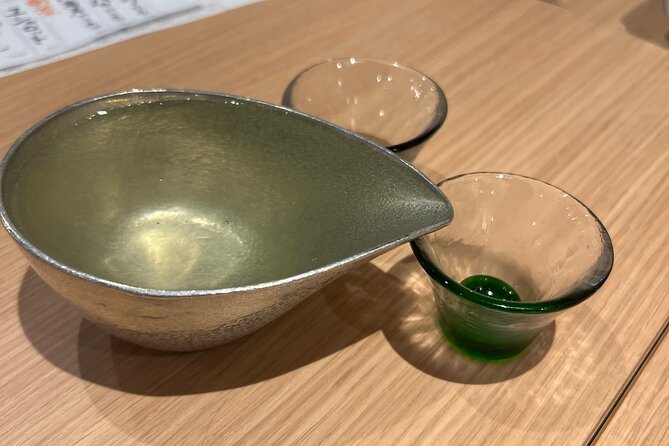
- Food and drinks included: Alcoholic options have included sake sours, while non-drinkers can still take part in the food experience.
- Small group, three hours: The limit of 10 helps with restaurant seating and conversation, though you should be ready to walk.
Why Shinjuku is a smart place for a food tour
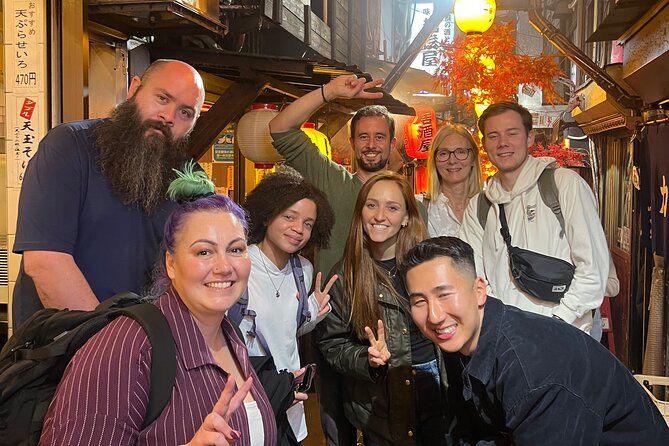
Shinjuku has more than 10,000 restaurants and one of the world’s busiest railway stations. That sounds exciting until you try to choose dinner. The signs, alleys, menus, and crowds can make a first night feel like a guessing game.
That is where a guided food walk earns its keep. You are not simply handed a plate and sent home. You move through several parts of the district, learn what makes each area different, and taste enough dishes to form a better picture of Japanese food culture.
I would especially consider this tour early in a Tokyo stay. The food introduces you to styles and ingredients, while the walking helps you understand how Shinjuku fits together. You may also pick up ideas for later meals, since the guide can point out the kinds of places you might otherwise pass without noticing.
The three-hour format is long enough to feel like a proper night out, but short enough to fit around other plans. With a maximum of 10 people, it should be easier to hear the guide and share dishes than on a large bus-style food tour.
More Food Tours in Tokyo
- Tokyo: Shinjuku Food Tour (13 Dishes at 4 Local Eateries)
★ 5.0 · 6,603 reviews - Tokyo: Shinjuku Food Tour (15 Dishes and 4 Eateries)
★ 4.9 · 2,033 reviews - Best of Shinjuku: Izakaya Food Tour (4 Stops, 14+ Tastings)
★ 5.0 · 1,863 reviews
Starting near Shinjuku Station
The meeting point is AOKI Shinjukunishiguchi Honten at 1-chome-8-5 Nishishinjuku. This is on the west side of the station, so allow time to find your way through Shinjuku Station itself. The station is famously large, and getting to the correct exit can take longer than expected if you are unfamiliar with it.
The tour ends back at the same meeting point. That makes planning simple, especially if you want to continue exploring Shinjuku afterward or return to your hotel by train.
You receive a mobile ticket, and confirmation arrives when you book. The activity is near public transportation, and the stated participation information says most people can take part. Still, I would wear comfortable shoes. The route between eateries is part of the experience, not a short stroll between neighboring doors.
Kabukicho, Tokyo’s entertainment district
The first major food stop is in Kabukicho, one of Tokyo’s largest entertainment districts. This is the part of Shinjuku known for neon, restaurants, bars, nightlife, and a more theatrical side of the city.
The tour uses Kabukicho as more than a backdrop. Your guide explains the area while taking you to a local restaurant, adding social and historical context between bites. Some guides have also discussed the district’s connection with organized crime and the older reputation of the area, giving you a clearer sense of why Kabukicho feels different from the office towers of western Shinjuku.
This stop can be a strong start because it gets you into the center of Shinjuku’s night scene quickly. Food and drinks are included, and past menus have featured both Japanese favorites and less expected choices. Reports have singled out seafood, Okinawan dishes, and sake-based drinks as memorable parts of the meal.
Do not expect a quiet, formal dining room here. Kabukicho is about energy and variety. If you prefer a carefully staged fine-dining meal, this is not that sort of evening. If you want to see how food, nightlife, and narrow city streets overlap, it makes sense.
Omoide Yokocho and the old izakaya streets
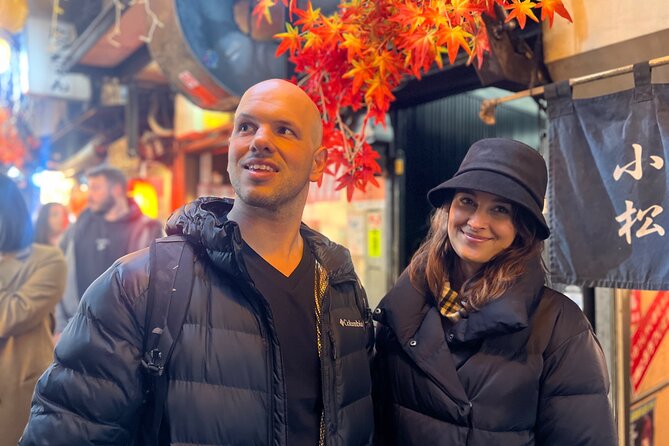
The route then passes Omoide Yokocho, also called Memory Lane. This narrow street is lined with small izakayas and restaurants that recall Shinjuku’s postwar years, especially the 1950s.
The walk lasts about 15 minutes, so this is a sightseeing segment rather than a long meal stop. That distinction matters. You will see the compact alley, hear about its place in Shinjuku’s past, and get a look at the kind of dining street many people would find intimidating on their own.
Omoide Yokocho is also a good reminder that Tokyo’s food culture is not only about famous restaurants. Much of the appeal is in tiny spaces, shared tables, quick dishes, and regular customers returning to familiar places. The guide can explain customs and ordering habits that are not always obvious from outside.
Because the walk is brief, do not book this tour expecting an extended tasting session at every famous alley. It is a short but useful piece of the route, linking the food stops with the district’s older character.
Same base, a completely different sort of day:
- Mt Fuji and Hakone 1-Day Bus Tour Return by Bullet Train
★ 5.0 · 26,383 reviews - 1-Day Tokyo Bus Tour
★ 5.0 · 14,250 reviews - Tokyo: TOKYO SKYTREE® Admission ticket
★ 4.5 · 11,192 reviews - Tokyo: teamLab Planets TOKYO Digital Art Museum Entry Ticket
★ 4.6 · 9,779 reviews
Nishishinjuku and the restaurants many people miss
The tour continues into Nishishinjuku, an area filled with local restaurants that many visitors overlook. This part of the route helps balance the better-known Kabukicho experience.
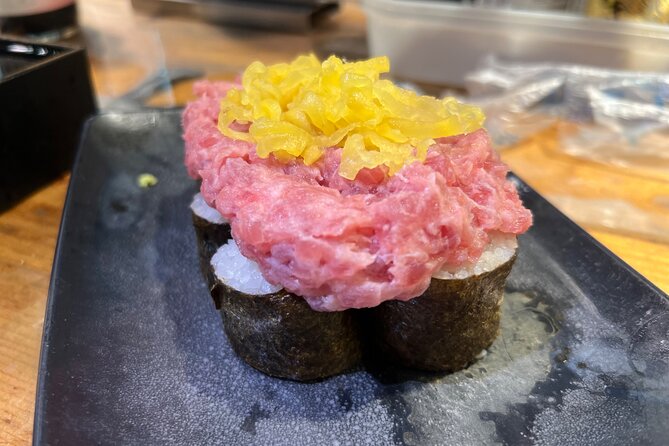
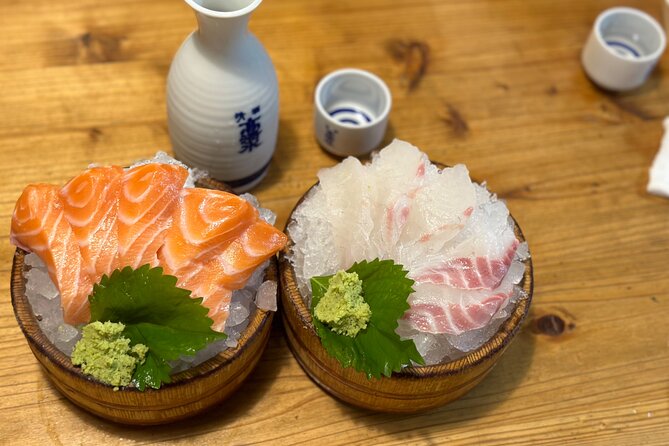
You dine at a local favorite here, with the food included as part of the 15-dish total. Past menus have varied, but examples include pork tonkatsu, sashimi, and Okinawan specialties. One account described roughly seven varieties of sashimi as especially fresh and filling. Another praised the Okinawan food for being unusual and different from the standard dishes found on many Tokyo menus.
This is where the tour can feel most useful. You are not just eating a familiar dish in a famous district. You are trying regional food and seeing how a local restaurant area differs from the entertainment zone.
At the same time, the dining quality may not be perfectly even. Some people have found the tonkatsu excellent while considering other items merely average. Another assessment felt that only the first of the four eateries was truly worthwhile. That is a fair warning: the tour promises variety and access, not a carefully ranked list of Tokyo’s four best restaurants.
What 15 dishes really means
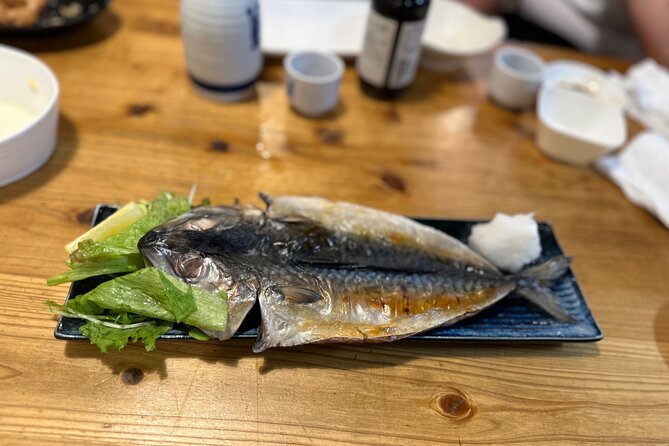
Fifteen dishes sounds like a lot, and it is. You should expect enough food to make this a substantial meal, not a few token samples. One past participant described the portions as plentiful and said there was enough food to avoid going to bed hungry.
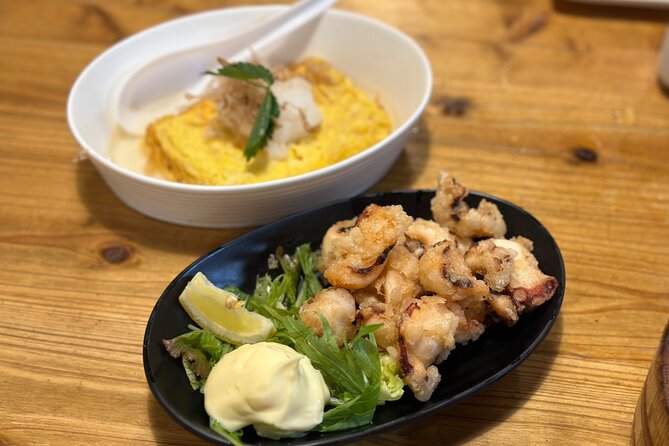
The advantage is range. Instead of committing to one large order, you can try several styles, textures, and regional influences. The tour has included seafood, sashimi, tonkatsu, Okinawan dishes, and drinks. You may encounter foods you would not choose from a menu because you do not recognize the name or know how they are served.
The tradeoff is that a tasting tour cannot give every dish the attention of a full restaurant meal. Some items may be excellent, while others may simply help complete the range. I would judge the experience by the full combination: food, access, guide, neighborhood walks, and cultural explanation.
Drinks are included, and sake sours have been part of the experience. If you drink alcohol, this adds to the social feel of the evening. If you do not, the tour still includes a substantial selection of food, though the supplied details do not spell out the exact nonalcoholic drink choices.
The guides make or break the evening
The food is only half of this tour. The guide controls the pace, explains the dishes, manages the restaurant visits, and turns a set of meals into a coherent walk.
Several guides have received especially strong praise for their warmth and local explanations. Dai has been described as friendly, helpful, and good at adding history and food culture between stops. Mak has been praised for enthusiasm and for showing people around Shinjuku. Lisa has led groups to places participants would not have found alone, while Yota has been singled out for detailed explanations of food and drinks.
Naruto has also been praised for excellent English and for explaining Shinjuku’s culture from a broad international point of view. Other named guides include Will, Izzy, Agathe, Fu, Kaira, Alma, Hadyn, Haydn, Lloyd, Noah, and Naoya. The guide assigned to your departure may be different, so treat these names as examples of the staff rather than a promise that one particular person will lead your tour.
A good guide matters here because the route crosses areas with very different moods. The best version of the tour gives you a story about the city, not just a string of restaurant receipts.
Walking pace, group size, and comfort
The group limit is 10 people. That is a useful size for narrow alleys and small restaurants, where a large crowd could be awkward. It also gives you a better chance to ask questions and hear explanations.
The route does involve substantial walking. One person found the distance between dining stops excessive, while another complained that the guide walked too quickly and spoke mainly to the people nearest him. These are not reasons to reject the tour outright, but they are important planning notes.
Tell the guide early if you need a slower pace. Stay aware of the group when crossing busy streets, and keep the meeting point details handy in case you become separated. Comfortable shoes are a practical must.
The supplied information says most people can participate, but it does not provide a detailed accessibility description. If you have mobility concerns, ask the operator about the walking distance, stairs, and restaurant seating before booking.
Is $77.60 a fair price?
At $77.60 per person, this is not a cheap way to grab dinner. You can eat inexpensively in Tokyo, especially if you choose one casual restaurant and order carefully.
The value comes from what is bundled in. You receive 15 food tastings, drinks, a professional guide, neighborhood walking, and cultural explanations over about three hours. You also avoid the trial and error of choosing four places, dealing with unfamiliar menus, and finding seats in small restaurants.
I think the price is reasonable if you care about trying many dishes and want a guide to handle the route. It is less appealing if you are a serious food hunter who would rather spend the same money on one highly rated meal. The mixed reactions to food quality make that distinction important.
The best value goes to first-time visitors who want orientation and variety. Repeat Tokyo visitors may still enjoy it, but they should book for the social evening and local context rather than expecting every stop to be a destination restaurant.
Who should book this Shinjuku food walk?
I would recommend it to you if you:
- Want a guided introduction to Shinjuku’s food districts
- Prefer tasting many dishes instead of ordering one meal
- Enjoy small restaurants and izakaya-style settings
- Want local history and customs along with dinner
- Are comfortable walking between stops
- Like meeting a small group of other people
I would think twice if you want a quiet meal, a fixed gourmet menu, or very little walking. You should also be cautious if you are particular about restaurant quality at every stop, since the food may be uneven.
Book it near the start of your Tokyo visit if you want help getting your bearings. The tour can give you useful ideas for the rest of your stay, and its food range may make unfamiliar menus less daunting.
Final verdict: book it for variety and local insight
This Shinjuku food tour is a strong choice for a first look at the district. The combination of 15 dishes, four eateries, Kabukicho, Omoide Yokocho, Nishishinjuku, and a small group gives you more than a standard dinner.
Its weak points are clear: the pace may feel brisk, the route covers a lot of ground, and not every dish or restaurant will impress equally. Still, the food quantity, included drinks, and chance to try Okinawan specialties and several types of sashimi give the evening real value.
I would book it if you want a friendly, well-fed introduction to Shinjuku and do not mind walking. I would skip it only if your priority is one exceptional restaurant or a slow, polished tasting menu.
FAQ
How long does the Shinjuku food tour last?
The experience lasts approximately three hours.
How many dishes are included?
The tour includes 15 dishes across four eateries.
How large is the group?
The maximum group size is 10 people.
Are food and drinks included?
Yes. Food and drinks are included in the tour price. Gratuity is optional and not included.
Which Shinjuku areas does the tour visit?
The route includes Kabukicho, Omoide Yokocho, and Nishishinjuku. It also includes a view of Shinjuku’s Godzilla Head landmark.
Where does the tour start and finish?
It starts at AOKI Shinjukunishiguchi Honten at 1-chome-8-5 Nishishinjuku, Shinjuku City, Tokyo. The activity ends back at the meeting point.
Can I cancel for a full refund?
Yes. You can cancel at least 24 hours before the experience start time for a full refund. Cancellations or changes made less than 24 hours before the start time are not accepted for a refund.
Just added around Tokyo
- Private Transfer from Narita Airport to Yokohama Port and City★ 4.5 · 17 reviews
- Private Arrival Transfer : Narita International Airport to Central Tokyo City★ 4.5 · 12 reviews
- Narita Airport(NRT): Private Transfer to Tokyo/Yokohama 1-9pax★ 5.0 · 47 reviews
- [Narita Airport Terminals 1, 2] 40-60km Sawara Itako Historic Bike Tour★ 5.0 · 13 reviews
- 3 Day Japan Highlights Tour: Tokyo, Mt.Fuji, Nara, Kyoto, Osaka★ 5.0 · 22 reviews
- Small Town in the Big City: Tasting Tokyo’s Kichijoji★ 5.0 · 195 reviews
- Small Town in the Big City: Tasting Tokyo’s Kichijoji★ 5.0 · 16 reviews
- The 10 Tastings of Tokyo With Locals: Private Street Food Tour★ 5.0 · 48 reviews
Tokyo Tours, compared.

Mt Fuji and Hakone 1-Day Bus Tour Return by Bullet Train
Read our review →
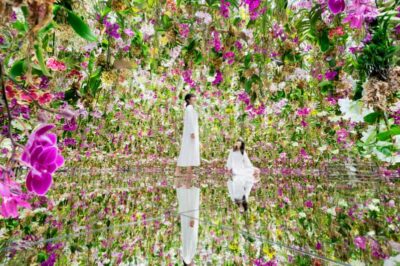
teamLab Planets TOKYO Digital Art Museum Entry Ticket
Read our review →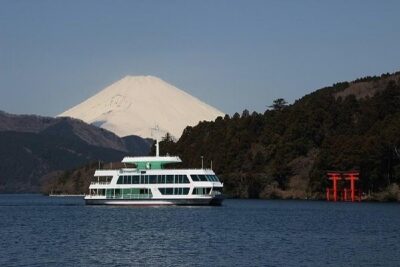
Mt Fuji & Hakone Cruise, Drum Show Bullet Train 1 Day from Tokyo
Read our review →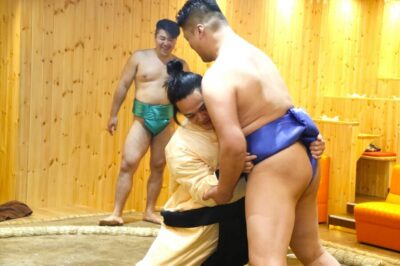
Sumo Show Experience with Chicken Hot Pot and a Photo
Read our review →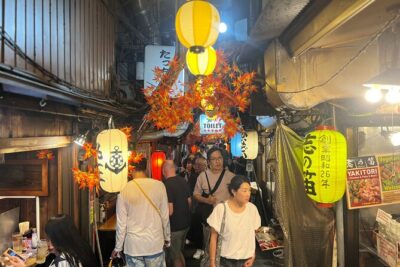
Shinjuku Food Tour (13 Dishes at 4 Local Eateries)
Read our review →
Tokyo Mt Fuji 5th St & Hakone Cruise Bus Tour w/Bullet Train
Read our review →
Flagship 2-Hours Official Street Go-Kart Tour – Tokyo Bay Shop
Read our review →Browse the lists this tour appears in