
Reviewed · TOKYO TOURS
Tokyo: Authentic Food Tour in Ginza and Shimbashi
Tokyo’s polished Ginza district has more to offer than department stores and luxury brands. This three-hour walk takes you into small local restaurants around Ginza, Yurakucho, and Shimbashi, where you can try Japanese dishes and traditional sweets with an English-speaking guide. I especially like the route’s three-stop design and the chance to ask practical questions about food customs and planning the rest of your Tokyo stay. The main drawback is that the exact dishes and restaurant names are not specified, so you book the experience for local guidance and variety rather than a guaranteed tasting menu.
The small group limit of 10 should make conversation easy, and the short five-minute walks between areas keep the evening manageable. Guides vary, but Doren, Reo, Ryota, and Yota have each led highly rated outings, with particular praise for their friendly manner, cultural explanations, and advice on where to eat and drink. At $146 per person, value depends on how much food is included, so check the current details before booking.
Key points at a glance
- Three central Tokyo neighborhoods: Eat and walk through Ginza, Yurakucho, and Shimbashi in one compact route.
- Three 50-minute food stops: Each area receives roughly 50 minutes for regional food and local restaurant visits.
- English-speaking local guide: Ask about Japanese food customs, dining habits, and how to shape the rest of your itinerary.
- Small group of up to 10: The format is better suited to conversation than a large coach-style tour.
- Traditional desserts included in the food focus: The route covers savory dishes as well as Japanese sweets.
- Easy central meeting point: Begin and end at Tokyu Plaza Ginza, near the BOSS store outside Ginza Station.
Three neighborhoods, one useful introduction to Tokyo food
I like this tour because it treats Ginza as more than a shopping district. You begin among Tokyo’s grand storefronts, then move toward Yurakucho and Shimbashi, areas with a more everyday dining feel. That change of mood gives you a quick look at different sides of central Tokyo without spending much time on trains.
The tour lasts three hours and is conducted on foot. You spend about 50 minutes in each food area, with five-minute walks connecting the stops. This is a tidy plan for your first or second night in Tokyo, when you want dinner, orientation, and a local point of view without giving up a whole day.
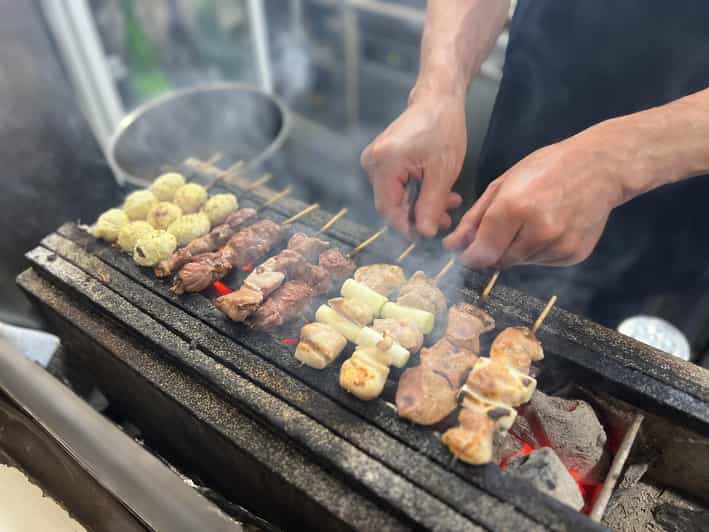
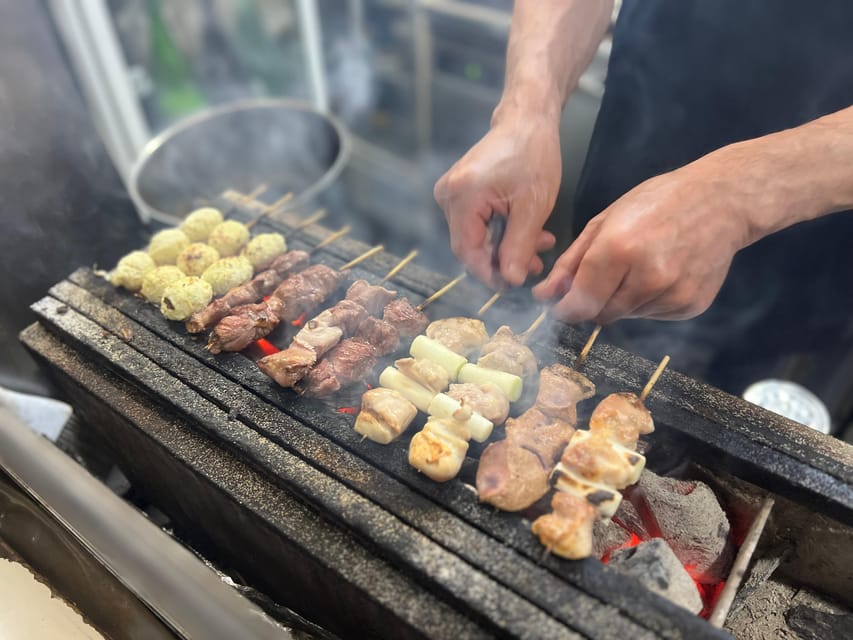
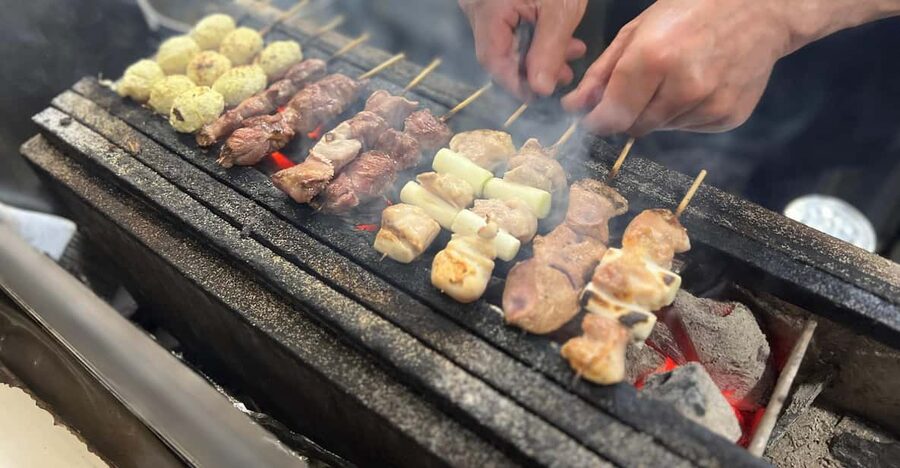
The experience focuses on authentic local foods, regional dishes, and traditional desserts. The information does not promise a fixed number of tastings, specific restaurants, or drinks, so I would not book it expecting the carefully itemized meal found on some tasting tours. Instead, think of it as a guided introduction to places you might not notice while walking through Ginza on your own.
More Food Tours in Tokyo
- Tokyo: Shinjuku Food Tour (13 Dishes at 4 Local Eateries)
★ 5.0 · 6,603 reviews - Tokyo: Shinjuku Food Tour (15 Dishes and 4 Eateries)
★ 4.9 · 2,033 reviews - Best of Shinjuku: Izakaya Food Tour (4 Stops, 14+ Tastings)
★ 5.0 · 1,863 reviews
Meeting at Tokyu Plaza Ginza
The starting point is Tokyu Plaza Ginza, in front of the BOSS store. From Ginza Station, use Exit C2 or C3 and go up to street level. The store should be directly in front of you, which makes the meeting spot fairly simple to find in a busy district.
The tour returns to the same building at the end. That is useful because you do not need to work out a new route home after eating. It also makes the activity easy to pair with an afternoon of shopping, a hotel in central Tokyo, or another evening plan nearby.
Give yourself enough time to find the correct station exit. Ginza has several nearby subway lines and many underground passages, and station navigation can take longer than the actual five-minute walk between tour stops. The listed coordinates are 35.672245025634766, 139.7624053955078 if you use a map app.
Ginza: polished streets and local food
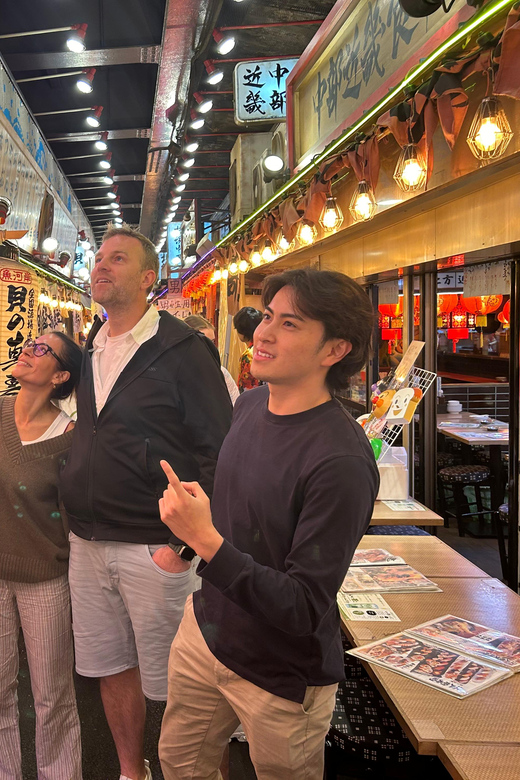
The first 50-minute section takes place in Ginza. This is Tokyo’s famous high-end shopping quarter, but the food scene is broader than its luxury image suggests. A local guide can help you look past the large department stores and international labels toward smaller dining places that are easy to miss.
You should expect a walking introduction to the area as well as food. The guide can explain how Japanese dining works, what to order, and how local people use different types of restaurants. That background matters because Japanese menus and dining customs can feel less obvious when you are on your own.
The first stop is also a good chance to ask broad questions. If you are still forming your Tokyo plans, ask about neighborhoods, eating times, restaurant manners, or foods worth trying later. The tour specifically includes itinerary advice, so it offers more than a meal. You are paying for a local conversation that can help shape the rest of your visit.
The limitation is that the tour description does not identify the exact Ginza restaurants or dishes. Menus can change, and the food may depend on the day’s arrangements. If you have allergies, strict dietary rules, or a short list of must-try foods, ask the provider before reserving.
Yurakucho: a change of pace after five minutes
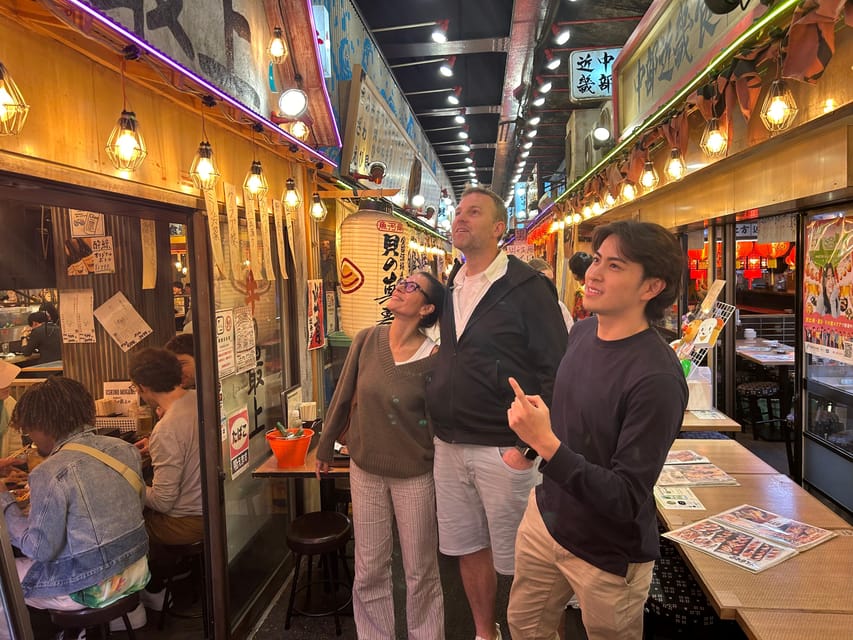
After the Ginza portion, you walk about five minutes to Yurakucho. The short transfer keeps the route relaxed and lets the guide continue explaining the city as you move between dining areas.
Yurakucho adds contrast to Ginza. It is still central Tokyo, but the stop helps shift your attention from grand shopping streets to a more casual side of eating in the city. The schedule allows another 50 minutes for regional food, which gives the guide time to introduce a different place and talk through what makes it part of local food culture.
I like this middle stop because it breaks up the meal into smaller chapters. You are not sitting in one restaurant for three hours, and you are not rushing from one distant district to another. The five-minute walk is short enough for most people who are comfortable walking in the city, though the activity is not suitable for wheelchair users.
Guides named Doren, Reo, Ryota, and Yota have received especially strong personal praise for being friendly, funny, considerate, and passionate about Japanese food and daily life. Your guide may be someone else, but the important point is that the experience depends heavily on the person leading it. A good guide can turn a simple dish into a lesson about manners, ingredients, or local habits.
Same base, a completely different sort of day:
- Mt Fuji and Hakone 1-Day Bus Tour Return by Bullet Train
★ 5.0 · 26,383 reviews - 1-Day Tokyo Bus Tour
★ 5.0 · 14,250 reviews - Tokyo: TOKYO SKYTREE® Admission ticket
★ 4.5 · 11,192 reviews - Tokyo: teamLab Planets TOKYO Digital Art Museum Entry Ticket
★ 4.6 · 9,779 reviews
Shimbashi: the final food stop
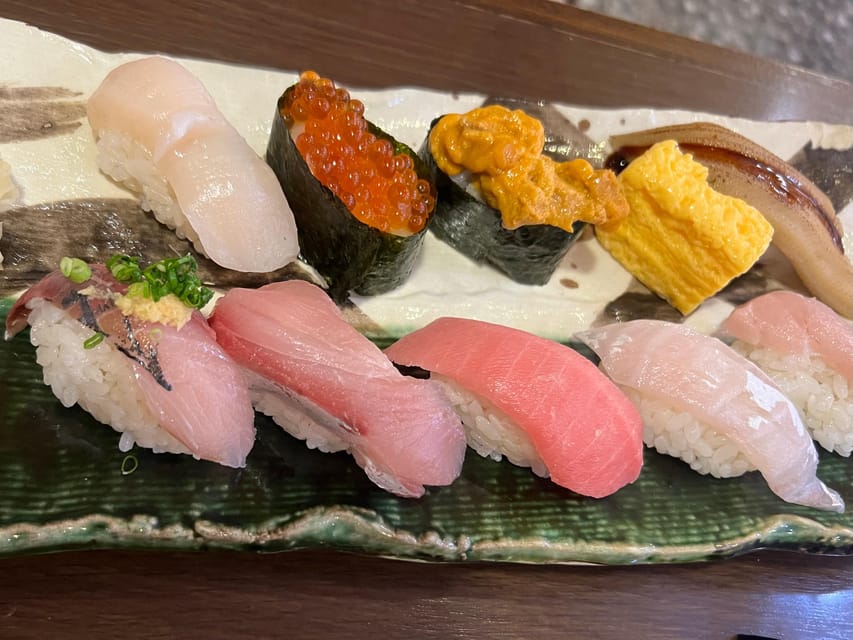
The final 50-minute section takes place in Shimbashi, followed by a walk back to Tokyu Plaza Ginza. Shimbashi is a useful ending point for an evening food route because it gives the tour another setting rather than repeating the polished feel of Ginza.
The food focus continues here, with local dishes and traditional desserts forming the main theme of the experience. Since the precise menu is not fixed in the available details, you should see this as a chance to sample several styles of Japanese food rather than a promise of a particular dish.
The last stop is also a natural time to ask for practical advice. You might want suggestions for another dinner, a neighborhood to visit the next day, or help understanding a restaurant menu. The guide’s role is especially useful here because you can ask questions while the food experience is still fresh.
You finish back at Tokyu Plaza Ginza rather than at Shimbashi. That makes the route easier to manage, particularly if you are staying near Ginza or using the subway from the same area. It also means the tour does not leave you to navigate home from a different neighborhood after dark.
What the food experience does, and does not, promise
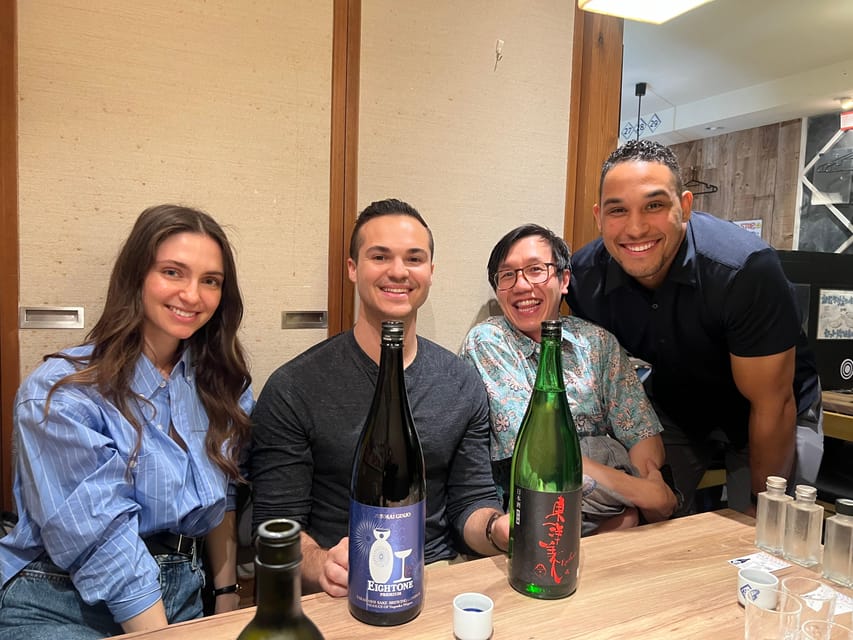
The strongest feature is access to local dining knowledge. The route promises hidden restaurants, authentic Japanese foods, and traditional desserts, but it does not publish a dish-by-dish menu. That gives the guide some flexibility, yet it makes the value harder to judge before you book.
You should expect several food experiences across three areas. You should not assume that $146 includes a full dinner, alcohol, or a set number of dishes unless the booking details confirm it. Ask specifically about food quantities, drinks, dietary needs, and whether restaurant costs are included.
That question matters because $146 is a substantial price for a three-hour walking activity. The cost can make sense if the tour gives you several tastings, access to places you would not find easily, and useful advice for the rest of your trip. It is less compelling if you want a large meal or a fixed tasting menu and the food inclusions are limited.
I see the value in the combination of food and orientation. A standard restaurant meal gives you food for one evening. This tour also gives you a route through three districts and a guide who can explain local habits. The value is strongest for first-time visitors who want confidence ordering and choosing places later.
Why the guide makes the difference
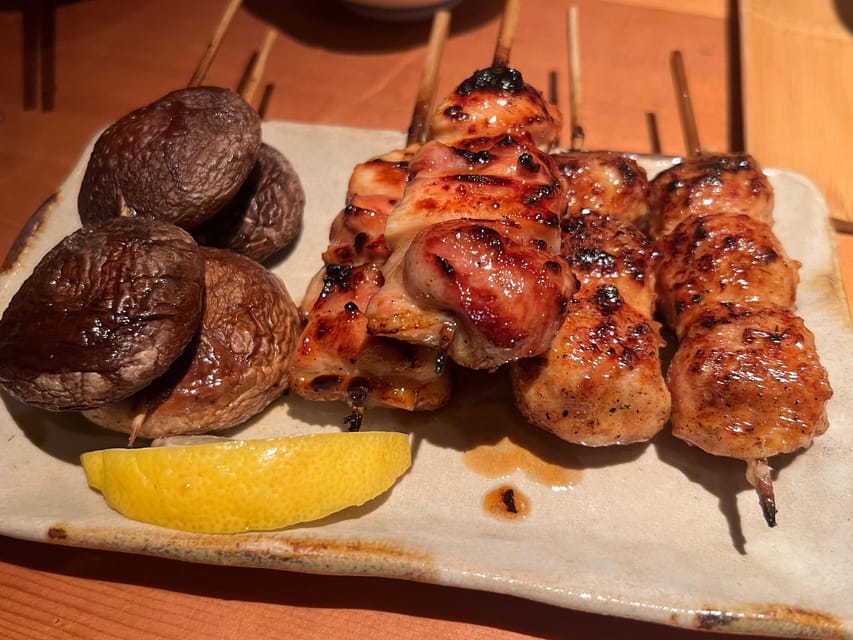
This is a people-focused tour. The guide walks with you, explains Japanese culture, introduces the food, and answers questions about Tokyo. The best use of your time is to arrive with a few questions rather than simply wait for the next dish.
Doren is described as an excellent guide for a relaxed evening and practical advice about Tokyo’s food culture. Reo is praised for being considerate and for showing people places to find good food and drinks. Ryota is noted for lively, funny, and interesting conversation, while Yota is described as friendly, well informed about the city’s food scene, and able to keep the evening fun.
Those individual names come from different departures, so you should not assume you will meet a particular guide. Still, they show what kind of experience this can be: informal, social, and shaped by conversation rather than a formal lecture.
The small-group cap of 10 helps. You can ask questions without needing to call across a large group, and the guide can respond to different interests. On one departure, a booking group ended up with a private outing when no other participants appeared. That is not something you can count on, but it shows how the small-group format may feel personal.
Walking, timing, and comfort
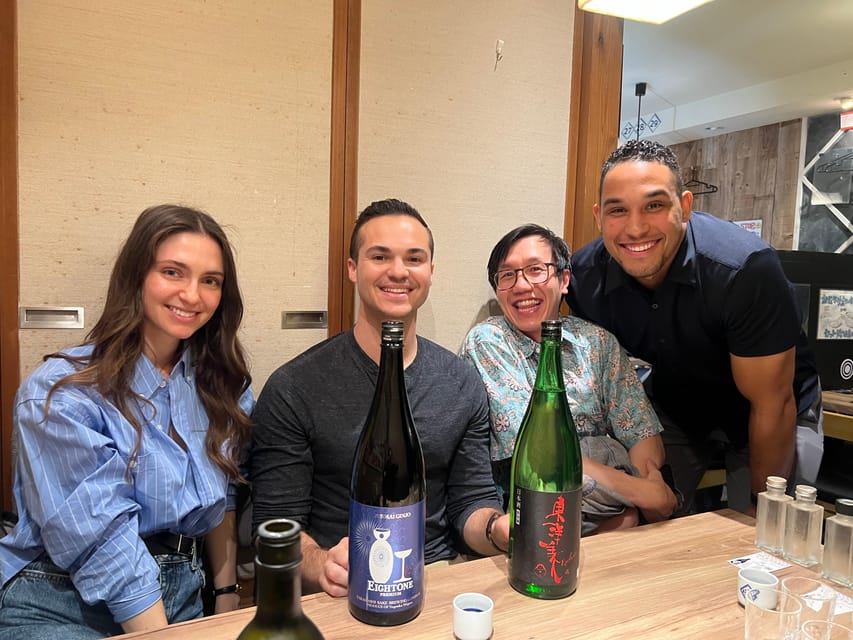
The route includes three short walks of about five minutes each, plus movement within the neighborhoods and restaurants. It is not a strenuous hike, but you should be comfortable walking through central Tokyo for three hours and standing or sitting in different dining places.
The activity is specifically not suitable for wheelchair users. Anyone with mobility concerns should ask the provider for current access information before booking, because the route includes several restaurant visits and street-level movement.
Starting times vary, so check availability for the day you want. An evening departure appears to suit the food-focused format, but the supplied details do not give a fixed start time. Plan to arrive early at the BOSS store outside Exit C2 or C3 so you are not trying to find the meeting point at the last minute.
The group is limited to 10 participants, and the live guide speaks English. If you need another language, this experience is not presented as a multilingual tour.
Who will get the most from this tour
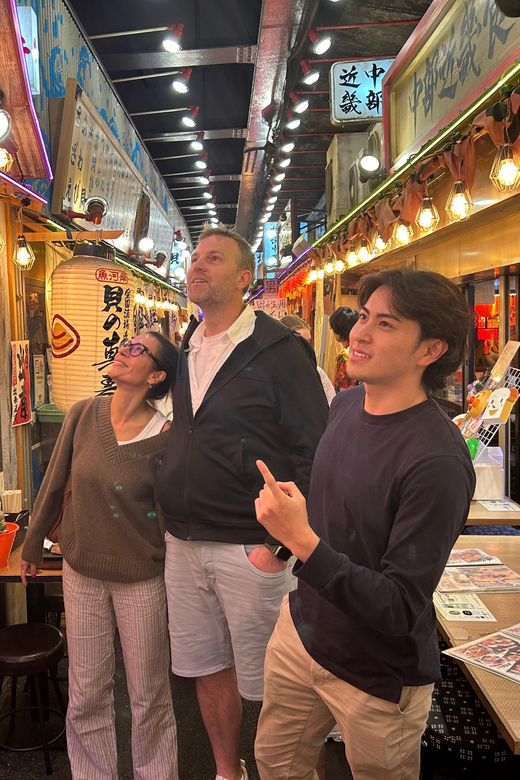
I would recommend it most to first-time Tokyo visitors who want a friendly introduction to Japanese food without spending a full day at a market or cooking class. It also suits people who enjoy asking questions and want practical advice they can use after the tour ends.
It works well for solo visitors because the small group gives you company during dinner. Couples and friends may also like the three-stop format, especially if they want to compare areas rather than stay in one restaurant.
You may want another kind of activity if you need a strict dietary program, a guaranteed list of dishes, or a large amount of food. The available details do not confirm vegetarian, vegan, allergy-friendly, or alcohol arrangements. They also do not promise a particular restaurant, so contact the provider before booking if those details matter.
The tour is less suited to visitors who have already spent considerable time eating around Ginza and Shimbashi. Its main benefit is guidance, discovery, and cultural context. If you already know the area well, a fixed specialty food tour may offer clearer value.
Booking flexibility and final practical advice
You can cancel up to 24 hours before the activity for a full refund, and the reserve-now, pay-later option lets you hold a place without paying immediately. Those terms are helpful when your Tokyo schedule is still changing.
The tour costs $146 per person and lasts three hours. Before paying, confirm exactly what food and drinks are covered, then decide if the price fits your appetite and priorities. The experience is not sold as a simple restaurant dinner. It is a guided neighborhood walk with food along the way.
Book this tour if you want local guidance, three central districts, and an easy way to start understanding Japanese dining customs. It is a good first-night choice for an English-speaking visitor who values conversation and itinerary advice.
Skip it if you need a fixed menu, guaranteed drinks, or detailed accessibility and dietary arrangements that are not confirmed. For everyone else, the combination of Ginza’s polish, Yurakucho’s change of pace, and Shimbashi’s food culture makes this a practical and pleasant introduction to central Tokyo eating.
FAQ
Where does the Tokyo food tour begin?
It begins at Tokyu Plaza Ginza, in front of the BOSS store. From Ginza Station, use Exit C2 or C3 to reach street level.
Where does the tour finish?
The tour returns to Tokyu Plaza Ginza, the same place where it begins.
How long does the experience last?
The food tour lasts three hours.
Which neighborhoods does the route visit?
The route includes Ginza, Yurakucho, and Shimbashi.
How much walking is involved?
The listed route includes three walks of about five minutes each, along with walking within the three neighborhoods and between food stops.
Is the tour conducted in English?
Yes. It has a live English-speaking guide.
How large is the group?
The tour is limited to 10 participants.
Is the activity suitable for wheelchair users?
No. The activity is listed as not suitable for wheelchair users.
Can I cancel for a full refund?
Yes. You can cancel up to 24 hours in advance for a full refund. You can also reserve now and pay later.
Just added around Tokyo
- Private Arrival Transfer : Narita International Airport to Central Tokyo City★ 4.5 · 12 reviews
- Narita Airport(NRT): Private Transfer to Tokyo/Yokohama 1-9pax★ 5.0 · 47 reviews
- Private Transfer from Narita Airport to Yokohama Port and City★ 4.5 · 17 reviews
- [Narita Airport Terminals 1, 2] 40-60km Sawara Itako Historic Bike Tour★ 5.0 · 13 reviews
- 3 Day Japan Highlights Tour: Tokyo, Mt.Fuji, Nara, Kyoto, Osaka★ 5.0 · 22 reviews
- Small Town in the Big City: Tasting Tokyo’s Kichijoji★ 5.0 · 195 reviews
- Small Town in the Big City: Tasting Tokyo’s Kichijoji★ 5.0 · 16 reviews
- The 10 Tastings of Tokyo With Locals: Private Street Food Tour★ 5.0 · 48 reviews
Tokyo Tours, compared.

Mt Fuji and Hakone 1-Day Bus Tour Return by Bullet Train
Read our review →

teamLab Planets TOKYO Digital Art Museum Entry Ticket
Read our review →
Mt Fuji & Hakone Cruise, Drum Show Bullet Train 1 Day from Tokyo
Read our review →
Sumo Show Experience with Chicken Hot Pot and a Photo
Read our review →
Shinjuku Food Tour (13 Dishes at 4 Local Eateries)
Read our review →
Tokyo Mt Fuji 5th St & Hakone Cruise Bus Tour w/Bullet Train
Read our review →
Flagship 2-Hours Official Street Go-Kart Tour – Tokyo Bay Shop
Read our review →Browse the lists this tour appears in