
Reviewed · TOKYO TOURS
Tokyo: Challenge Sumo Wrestlers and Enjoy Meal
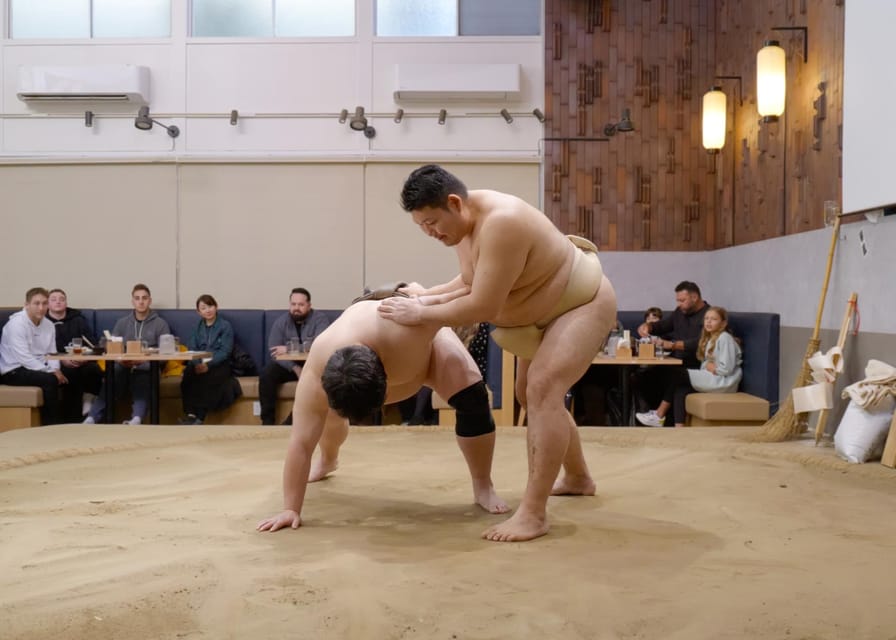
The main event here is a close-up demonstration by former professional sumo wrestlers, followed by your chance to put on a sumo suit and enter the ring. You will learn basic terms, watch the wrestlers show their techniques, and then sit down to tonkatsu at lunch or sukiyaki in the evening.
I like the way this turns a sport that can seem formal and difficult to understand into a friendly, hands-on activity. I also like that families can take part, with children joining the fun and a photo opportunity included. The main drawback is that the meal and program may run closer to two hours, despite the listed 1.5-hour duration, and noisy seating can make the commentary harder to hear.
Key Points to Know Before You Book
- Former wrestlers lead the demonstration: You see real sumo skills rather than a simple stage performance.
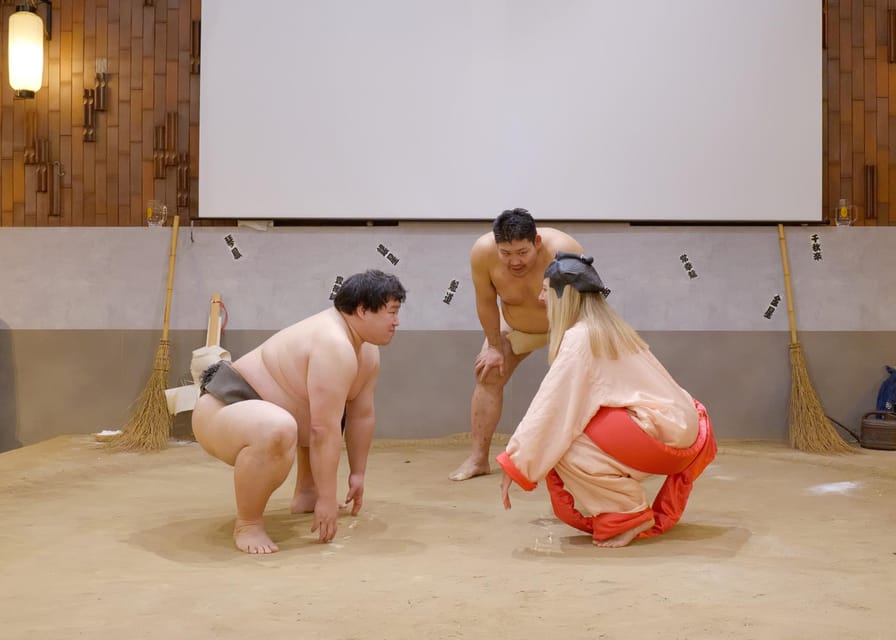
- You can enter the ring: A sumo costume lets you test your strength in a safe, humorous bout.
- The meal changes by time of day: Choose tonkatsu for lunch or sukiyaki for dinner.
- Kikukawa Station is the starting point: The venue is about a five to eight-minute walk from Exit A1.
- Front seating is worth requesting: Booking early may help secure a better table and clearer view of the English explanation.
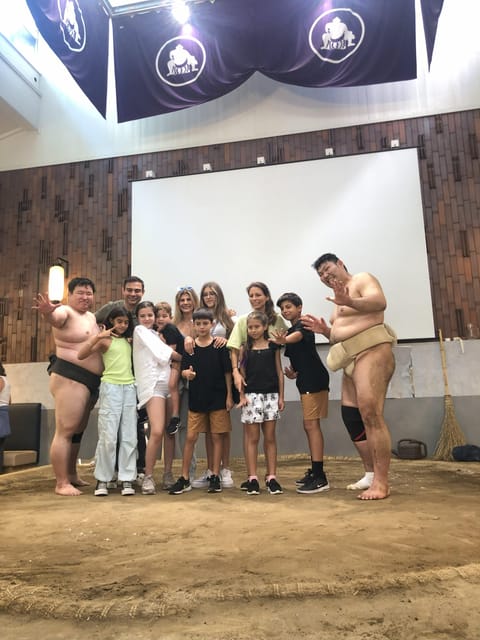
- The photo session is for everyone: You do not need to wrestle to take a picture with the retired wrestlers.
What This Tokyo Sumo Experience Really Offers
Sumo is more than two large men pushing each other out of a circle. It is tied to Japanese ceremony, discipline, language, and ideas about respect. This program gives you a friendly introduction without requiring you to understand the rules before you arrive.
You watch former wrestlers explain and demonstrate common sumo terms and techniques. The bout itself supplies the drama, while the commentary helps you understand what is happening. That combination matters because a sumo match can move quickly, and the details are easy to miss if you are seeing the sport for the first time.
The tone is light. There is humor, audience participation, and a clear effort to make international visitors feel at ease. At the same time, the wrestlers’ athletic ability remains the heart of the program. You get a sense of the force and balance involved without attending a full tournament.
This is not a visit to a working sumo stable, and it is not a formal tournament. Instead, it gives you a structured presentation, a meal, a chance to try the costume, and time for questions and photographs. For many visitors, that is a more practical choice than trying to find a stable that accepts the public.
More Sumo Experiences in Tokyo
- Tokyo: Sumo Show Experience with Chicken Hot Pot and a Photo
★ 4.8 · 6,678 reviews - Tokyo: Sumo Show and Dining Experience
★ 4.8 · 2,742 reviews - the SUMO show
★ 5.0 · 1,960 reviews
From Kikukawa Station to the Sumo Venue
You begin at Kikukawa Station on the Shinjuku Line. From Exit A1, allow about five to eight minutes on foot to reach the venue. The activity ends at the same meeting point, so you do not need to arrange a separate ride afterward.
This location is useful if you are already exploring eastern Tokyo, but it is not in the middle of the main Shinjuku sightseeing area despite the train line connection. Check the route before you leave, especially if you are traveling with children or trying to fit the activity between other bookings.
The operator does not provide hotel pickup or transportation to the restaurant. You handle the trip to and from the meeting point yourself. That keeps the price simpler, but you should leave enough time to find Exit A1 and walk to the venue without rushing.
The best seats are assigned in booking order. If hearing the English explanation is important to you, booking early is sensible. The venue can seat groups at different tables when a larger party cannot fit together, so do not assume that every member of a big group will sit at one table.
The Demonstration: Sumo Explained in Plain English
The program opens with an explanation of sumo and its place in Japanese culture. The host or greeter speaks English and Japanese, and the English presentation is intended for international visitors.
You will hear commonly used sumo terminology while watching the former wrestlers demonstrate their skills. This is the part that gives the activity real value. Instead of simply watching a staged clash, you receive enough background to understand the movements and recognize some of the language used around the sport.
The wrestlers are retired professionals, not actors hired to imitate sumo. That distinction matters. Their experience gives the demonstration authority, and their physical ability makes even a friendly match exciting to watch.
The program is designed to entertain, so do not expect a quiet lecture. The wrestlers use humor and audience interaction to keep the room lively. This works well for families and mixed-age groups, though it can make the event feel less formal than a tournament or stable visit.
One practical point: your seat affects how much you take from the explanation. A seat near the front is not only useful for seeing the action. It may also help you hear the commentary and the question-and-answer session, especially if people at other tables are talking.
Watching Former Wrestlers Clash in the Dohyo
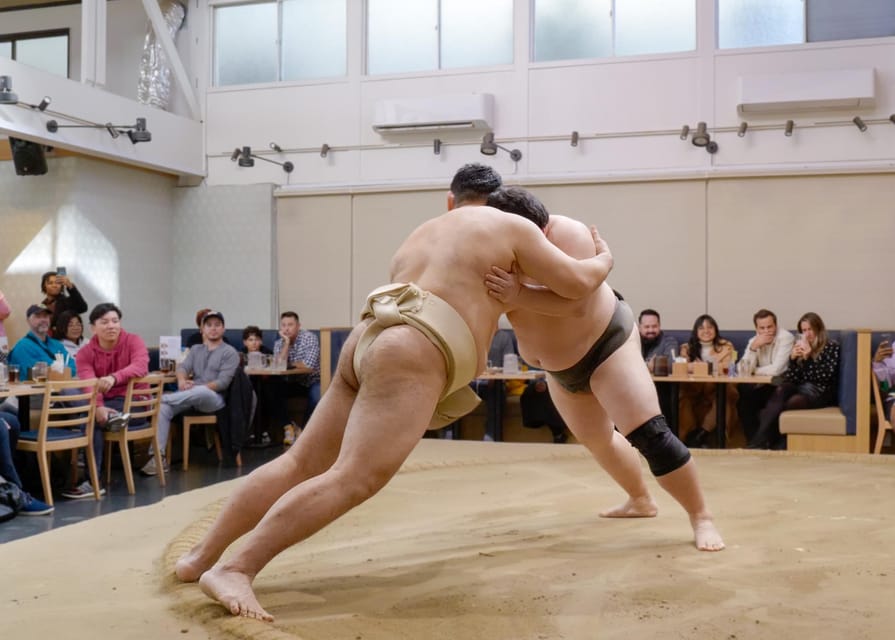
The demonstration match is the emotional center of the program. The wrestlers enter the dohyo, or sumo ring, and show the pushes, holds, and changes of balance that make sumo so compelling.
You will not be watching a full professional tournament bout. The match is presented for the group, with explanation and humor built into the show. Even so, the physical power is clear. When the wrestlers move, the contrast between their size and their quickness makes the sport easier to understand.
This format also gives you a better view than you might expect at a large tournament. You are close to the action, and the presentation is aimed at teaching rather than simply filling a seat. If you have never watched sumo before, this is a useful first look.
The demonstration is especially helpful when the grand tournament is not taking place. Tournament dates are limited, and tickets can be difficult to arrange. This program cannot replace the atmosphere of a major competition, but it can give you a direct look at the sport during an ordinary Tokyo visit.
More sumo mornings and shows:
- Tokyo Shinjuku Sumo Show & Experience with Photo
★ 5.0 · 1,750 reviews - Tokyo: Sumo Show and Experience in Shinjuku
★ 4.8 · 1,001 reviews - Tokyo: Sumo Tournament Tour with Chair Seat Tickets
★ 4.6 · 753 reviews - Tokyo:Luxury Sumo Show Experience & Japanese cuisine & Drink
★ 4.7 · 577 reviews
Putting on the Sumo Costume
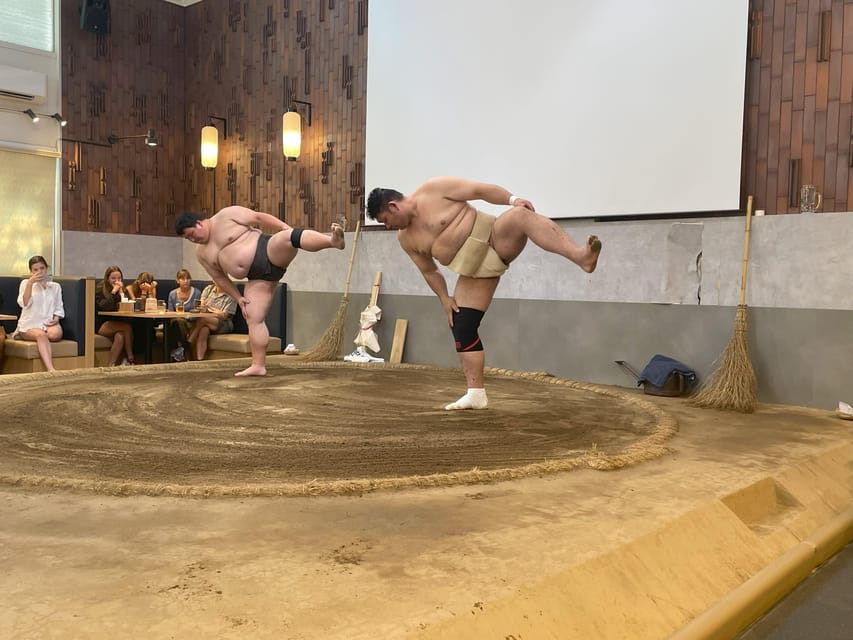
After the demonstration, you can put on a sumo costume and try the sport yourself. This is the most playful part of the afternoon or evening, and it gives you a physical sense of how difficult it is to move and keep your balance in the ring.
You may test yourself against one of the former wrestlers in a friendly contest. The point is not to win a serious match. It is to feel the pressure, laugh with your group, and understand why stance and balance matter so much.
Children can enjoy this section, too. Families have found it particularly entertaining because the activity is interactive rather than something you only watch. The supplied information does not set out a general age limit for the costume bout, so follow the staff’s directions and use good judgment.
You do not have to wrestle to enjoy the program. The photo session is available at the end, and everyone can take a picture alongside the wrestlers. If you would rather skip the bout, you can still watch the action and take part in the photograph.
That is a useful detail for mixed groups. One person can be eager to enter the ring while another may prefer to remain an observer. The program allows both kinds of participation.
Tonkatsu at Lunch or Sukiyaki at Dinner
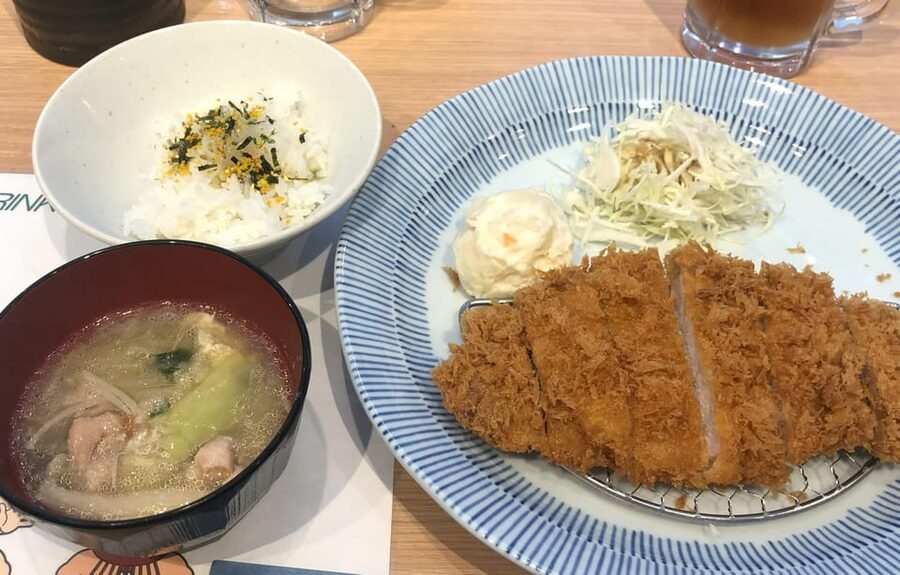
Food is included, but the dish depends on the option you select when booking. The lunch choice is tonkatsu, a deep-fried pork cutlet. The dinner choice is sukiyaki, a hot pot of beef and vegetables cooked in a sweetened soy broth.
The meal turns the program into more than a short performance. You have time to sit down, talk about the demonstration, and continue the cultural introduction over familiar Japanese dishes. One reported lunch option included chanko-nabe, the hearty stew associated with sumo wrestlers, while the official meal choices provided here list tonkatsu for lunch. Check the exact food selection attached to your chosen booking option.
The food received strong praise, with lunch described as delicious and a Genghis Khan lunchbox also noted in one account. Since meal details can vary by selected option, treat those comments as useful clues rather than a guarantee of a particular menu.
Additional food and drinks are not included. You may bring your own food and drink, and you should advise the operator of dietary requirements in advance. The information does not promise that every dietary request can be met, so provide details before confirmation rather than waiting until you arrive.
Infant meals are not included. Infant rates apply when the infant does not occupy a seat, which is an important distinction for families planning the booking.
Photos, Questions, and the Last Part of the Program
The final photo opportunity is simple but worthwhile. You can pose beside the wrestlers and take home a clear reminder of the activity. It is not necessary to participate in the wrestling costume session to receive this photo opportunity.
A question-and-answer period may follow the meal and photo session. This gives you a chance to ask about the wrestlers, the sport, or the demonstration while the details are still fresh.
The listed duration is 1.5 hours, but the full schedule can feel closer to two hours depending on how the meal, questions, photos, and participation are handled. I would not schedule a train connection or another fixed activity immediately afterward.
The event has a set rhythm, but the human interaction is part of its appeal. The wrestlers are described as accommodating with questions and photos, and their friendly manner helps keep the activity from feeling stiff.
Is the $117 Price Good Value?
At $117 per person, this is not a low-cost meal or a cheap way to watch a short show. The price makes more sense when you count the former wrestlers, English explanation, demonstration, costume activity, photo time, and included lunch or dinner as one package.
I see the best value for you if sumo is high on your Japan wish list, if you are visiting outside tournament dates, or if you want an activity that works for adults and children together. The personal contact is more valuable than a basic restaurant meal followed by a brief performance.
The value is weaker if you only want to observe serious competitive sumo. For that, a tournament ticket or another sumo-focused visit may suit you better, though the supplied information does not include prices or availability for those alternatives.
The meal also affects your calculation. If you already have a restaurant booked and do not care about tonkatsu or sukiyaki, part of the package may be less useful. If you enjoy the idea of combining food and culture, the meal helps make the price easier to justify.
Who Will Enjoy It Most?
I would recommend this for first-time sumo viewers who want context without a long lecture. The English explanation, close-range demonstration, and chance to try the costume make the sport approachable.
Families are another strong match. Children can watch the wrestlers, laugh at the costume activity, and take photos. The program offers more participation than a standard sightseeing stop, and the meal gives everyone a chance to settle down afterward.
It also suits visitors who cannot attend a grand tournament. You receive a glimpse of the wrestlers’ skills and daily world when tournament schedules do not line up with your trip.
You may want to skip it if you dislike audience participation, prefer quiet cultural visits, or need a tightly timed itinerary. The setting can be lively, and you may share tables with other people. Loud conversation nearby can interfere with the commentary.
Staff instructions matter. You must act considerately, follow directions, and avoid disruptive behavior. Anyone causing trouble may be required to leave without a refund.
Booking and Timing Advice
Confirmation is sent within 24 hours of booking, subject to availability. The activity is non-refundable, so make sure your date, meal choice, and group details are correct before paying.
Book early if possible because seats are arranged in booking order. Early booking may improve your chance of sitting near the front, which helps with both viewing and hearing.
When you arrive, allow time for the five to eight-minute walk from Kikukawa Station Exit A1. The program returns to the same meeting point, but hotel pickup and drop-off are not included.
If you are bringing a large group, be prepared for separate tables. The operator may divide a group when one table cannot hold everyone. That is worth discussing before booking if sitting together is important.
Should You Book This Sumo Experience?
Book it if you want a friendly, physical introduction to sumo with a proper meal and a chance to meet retired wrestlers. The strongest parts are the clear English presentation, the close demonstration, the costume bout, and the easy photo session.
Think twice if you want a formal tournament atmosphere or a cheaper cultural activity. At $117, the price depends on how much you value personal interaction and participation.
For most first-time visitors, especially families and anyone visiting outside tournament season, I would make the booking. Choose your meal carefully, request an early booking for better seating, and leave extra time after the listed 1.5 hours.
FAQ
Where does the sumo experience begin?
It begins near Kikukawa Station on the Shinjuku Line. From Exit A1, the venue is about a five to eight-minute walk.
How long does the activity last?
The listed duration is 1.5 hours. The actual program may take closer to two hours when the demonstration, meal, photographs, and question-and-answer session are included.
What meal is included?
The lunch option includes tonkatsu, a deep-fried pork cutlet. The dinner option includes sukiyaki, a hot pot with beef and vegetables in a sweetened soy broth.
Is the explanation available in English?
Yes. The experience includes an English explanation, and the host or greeter speaks English and Japanese.
Can I try sumo myself?
Yes. You can put on a sumo costume and take part in a friendly contest with the former wrestlers. You can also skip the wrestling and still join the photo opportunity.
Is hotel transportation included?
No. Hotel pickup and drop-off are not included, and you are responsible for getting to and from the venue.
Can I cancel for a refund?
No. The activity is non-refundable. Confirmation is sent within 24 hours of booking, subject to availability.
Just added around Tokyo
- Private Arrival Transfer : Narita International Airport to Central Tokyo City★ 4.5 · 12 reviews
- Narita Airport(NRT): Private Transfer to Tokyo/Yokohama 1-9pax★ 5.0 · 47 reviews
- Private Transfer from Narita Airport to Yokohama Port and City★ 4.5 · 17 reviews
- [Narita Airport Terminals 1, 2] 40-60km Sawara Itako Historic Bike Tour★ 5.0 · 13 reviews
- 3 Day Japan Highlights Tour: Tokyo, Mt.Fuji, Nara, Kyoto, Osaka★ 5.0 · 22 reviews
- Small Town in the Big City: Tasting Tokyo’s Kichijoji★ 5.0 · 195 reviews
- Small Town in the Big City: Tasting Tokyo’s Kichijoji★ 5.0 · 16 reviews
- The 10 Tastings of Tokyo With Locals: Private Street Food Tour★ 5.0 · 48 reviews
Tokyo Tours, compared.

Mt Fuji and Hakone 1-Day Bus Tour Return by Bullet Train
Read our review →

teamLab Planets TOKYO Digital Art Museum Entry Ticket
Read our review →
Mt Fuji & Hakone Cruise, Drum Show Bullet Train 1 Day from Tokyo
Read our review →
Sumo Show Experience with Chicken Hot Pot and a Photo
Read our review →
Shinjuku Food Tour (13 Dishes at 4 Local Eateries)
Read our review →
Tokyo Mt Fuji 5th St & Hakone Cruise Bus Tour w/Bullet Train
Read our review →
Flagship 2-Hours Official Street Go-Kart Tour – Tokyo Bay Shop
Read our review →Browse the lists this tour appears in