
Reviewed · TOKYO TOURS
Tokyo: Day Trip to Kamakura in Spanish – Spanish
Kamakura gives you a sharp change of pace from Tokyo: quiet temple grounds, wooded paths, old legends, and a bronze Buddha large enough to make you stop mid-sentence. This eight-hour Spanish-language outing covers the town’s main sights without asking you to figure out the rail system alone.
I like the personal guide service, with guides such as Nerea, Camila, Ori, Paula, Emi, and Nikita praised for clear explanations, patience, and good local suggestions. I also like the route itself: a ride on the old Enoden tram, two major temple visits, and free time on Kamakura’s main shopping street.
The main catch is simple: transportation and temple admission cost extra. Plan on about ¥2,300 for public transport and ¥700 for temple tickets, plus lunch and drinks. One language note also matters: the tour is intended to be in Spanish, but one booking included some English guidance.
Key points to know before booking
- The tour begins at Tokyo Station: Meet in front of the station facade at Marunouchi Square, by the central exit, and return there at the end.
- The Enoden tram adds local character: This historic tram carries you from Kamakura toward Hase and makes the journey part of the sightseeing.
- Hase-dera comes before the Great Buddha: You visit the temple gardens and legends first, then walk to Kotoku-in Temple.
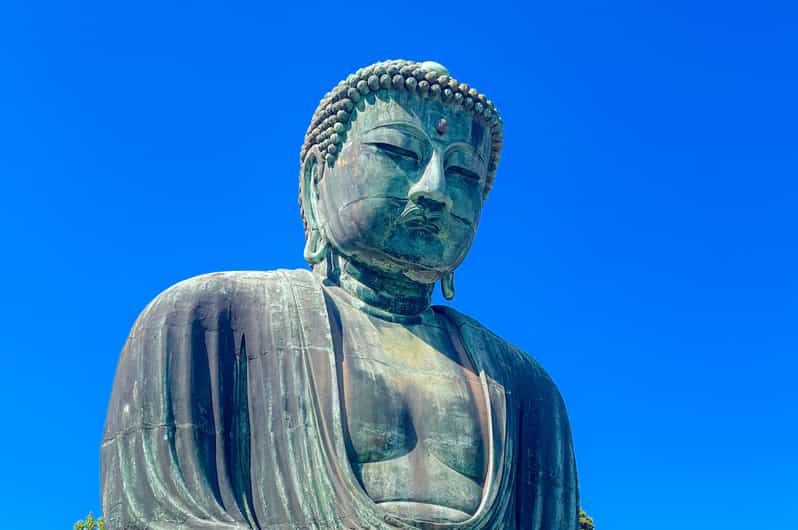
- Kamakura’s Great Buddha is a major highlight: The bronze figure measures 13 meters and weighs 121 tons.
- Lunch and shopping are built into the day: You get time on the settlement’s main street before catching the train back.
- Budget beyond the advertised price: The $86 tour fee does not include ¥2,300 in transport, ¥700 in temple tickets, or food and drinks.
Why Kamakura makes a good break from Tokyo
Tokyo can fill your day with trains, neon, department stores, and crowds. Kamakura offers something different without requiring a long journey. The town is known here for its temples, spiritual atmosphere, old stories, and quieter natural setting.
I like this contrast. You can leave the capital from Tokyo Central Station and spend the day among temple grounds and traditional shopping streets, then return to the same city center by evening. It is a useful choice if you want to see more of Japan than modern Tokyo but do not want to arrange an overnight trip.
The tour focuses on a manageable part of Kamakura rather than trying to cover every shrine and temple in the area. That is a sensible plan for eight hours. You see Hase-dera, Kotoku-in, the Great Buddha, and the main street, with time for food and shopping. You will not get an exhaustive tour of every religious site, but you will come away with a clear sense of the town.
The Spanish language is another practical advantage. Religious sites in Japan can be confusing without context, especially when a place combines Buddhist images, local legends, gardens, and long traditions. A guide can connect those pieces for you instead of leaving you to read signs and guess at the meaning.
A few more Tokyo half-days to weigh up
- Mt Fuji and Hakone 1-Day Bus Tour Return by Bullet Train
★ 5.0 · 26,383 reviews - 1-Day Tokyo Bus Tour
★ 5.0 · 14,250 reviews - Mt Fuji & Hakone Cruise, Drum Show Bullet Train 1 Day from Tokyo
★ 4.0 · 7,413 reviews
Meeting at Tokyo Station and starting the rail journey
The day begins in front of the Tokyo Station facade at Marunouchi Square, using the central exit as your reference point. This is a busy area, so give yourself enough time to identify the facade and locate the guide before departure. The stated meeting point is not a hotel pickup, and the activity ends at the same location.
From there, the group takes public transportation toward Kamakura. The rail journey is not included in the tour price, and the listed transport cost is ¥2,300. That figure is important when comparing this outing with a more expensive private vehicle tour. You are paying for guidance and organization, but you are still using ordinary public transport.
That arrangement has both benefits and limits. The train keeps the price lower than a private car and lets you travel as people in the area do. It also means you need to be comfortable walking through stations, boarding trains, and keeping up with the group. The tour is not designed for large luggage, and bags can make the rail portion harder.
One particularly useful point from the day’s feedback is that the public transportation ran smoothly for one family, with air conditioning and waits of no more than five minutes. That should not be treated as a guarantee, since train conditions can change, but it gives you a fair idea of the intended rhythm: move efficiently, make the connection, and continue sightseeing.
Riding the old Enoden tram toward Hase
Once you reach Kamakura, the route uses one of Japan’s oldest trams still in operation. The Enoden is not simply a way to get from one stop to another. It gives the outing a local feel and breaks up the day with a short, distinctive rail ride.
You will ride toward Hase-dera, the first main temple visit. The tram portion is especially helpful if you are interested in the town’s character rather than only its headline monuments. It adds a glimpse of Kamakura beyond the central station and makes the journey feel less like a standard coach excursion.
Public transit also requires a little flexibility. You are not being driven directly from one entrance to the next, so expect movement between stations, platforms, streets, and temple grounds. Wear shoes suitable for walking, keep your belongings compact, and avoid bringing a large suitcase. Large bags are not allowed on the activity.
Hase-dera, legends, gardens, and a slower pace
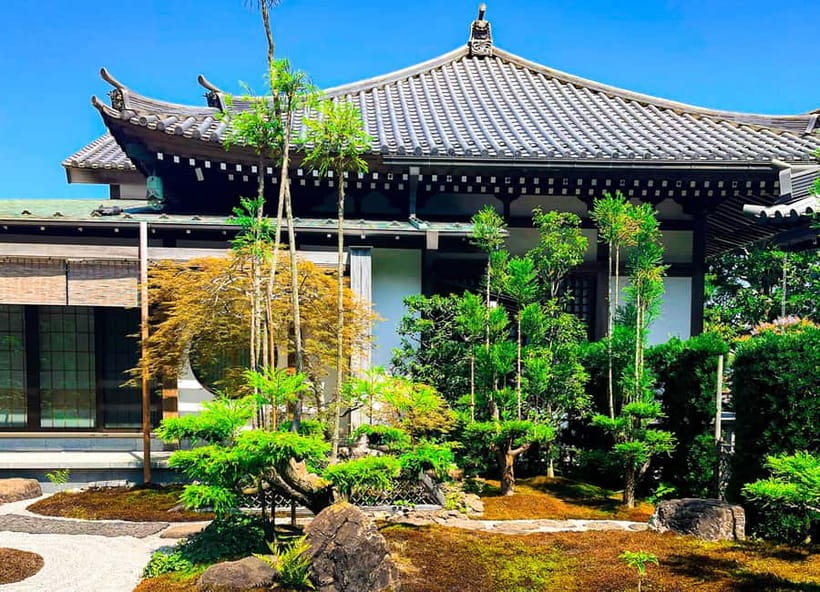
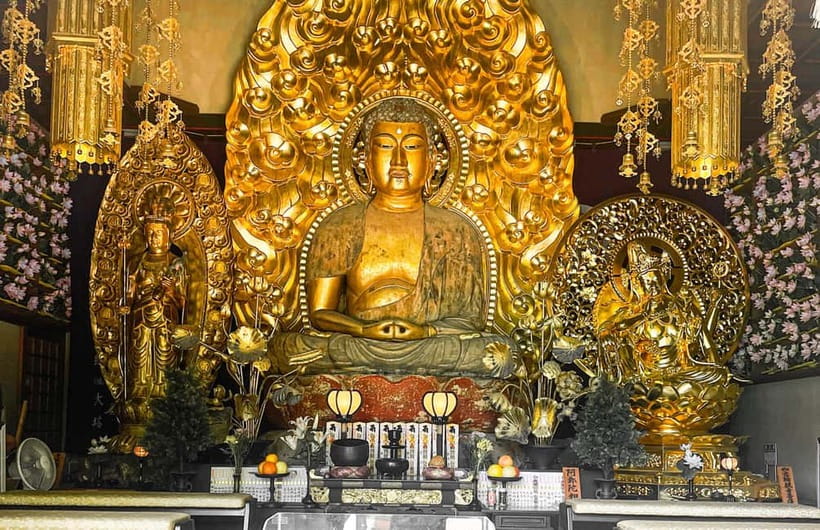
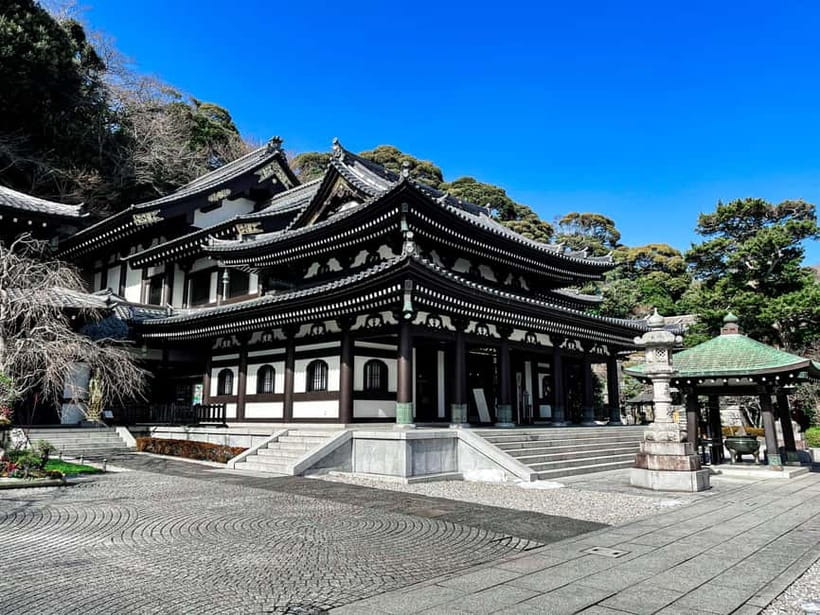
Hase-dera is presented as a temple filled with myths and legends, and it is the first place where the tour’s storytelling really comes into play. The appeal is not only the buildings. The temple’s atmosphere, religious traditions, natural setting, and unusual stories give your guide plenty to explain.
I like placing Hase-dera before the Great Buddha. You begin with a site that asks you to look around and listen, rather than arriving immediately at the most famous statue. The visit prepares you for Kamakura’s spiritual side and gives the day a more thoughtful start.
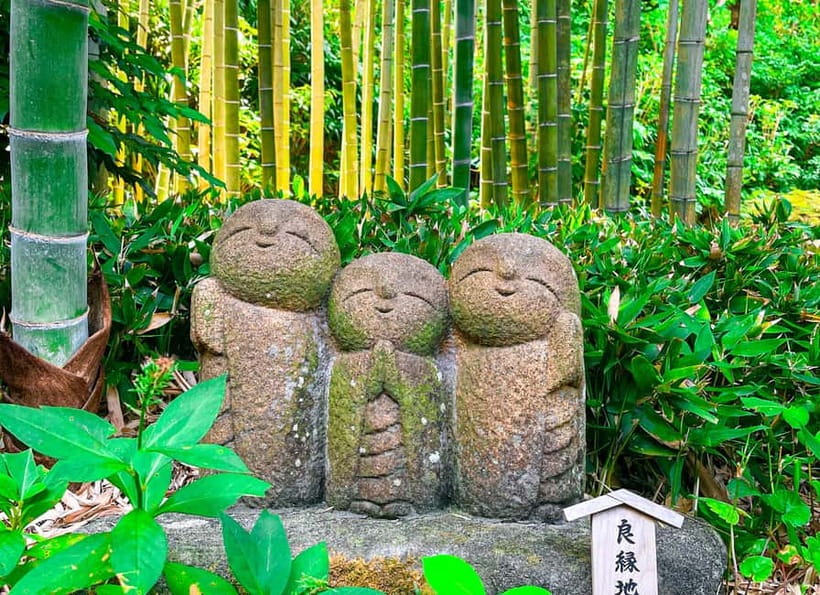
The temple stop also offers a change in pace. Tokyo rewards fast movement, but temple grounds call for a slower walk and closer attention. You might find wooded areas, views, and details that are easy to miss if you rush through for photographs. The exact route and pace can depend on the group, but the planned visit is built around exploring rather than making a quick exterior stop.
Your guide’s role matters here. Nerea was praised for patience and for adjusting the pace to children, while Paula was singled out for her explanations of Japanese history. Those details suggest that the tour can work well for families and first-time visitors who want help making sense of what they see.
Same base, a completely different sort of day:
- Tokyo: TOKYO SKYTREE® Admission ticket
★ 4.5 · 11,192 reviews - Tokyo: teamLab Planets TOKYO Digital Art Museum Entry Ticket
★ 4.6 · 9,779 reviews - Tokyo: Sumo Show Experience with Chicken Hot Pot and a Photo
★ 4.8 · 6,678 reviews - Tokyo: Shinjuku Food Tour (13 Dishes at 4 Local Eateries)
★ 5.0 · 6,603 reviews
Walking to Kotoku-in and the 13-meter Great Buddha
After Hase-dera, the group walks to Kotoku-in Temple. This short connection keeps the day grounded in Kamakura’s streets instead of placing you back on a vehicle for every transfer.
Kotoku-in is home to Japan’s second-largest bronze Buddha, according to the tour information. The statue measures 13 meters and weighs 121 tons. Those numbers are worth knowing before you arrive because they help explain the scale. A photograph can flatten the size of a monument, while standing near it gives you a much better sense of its presence.
The Great Buddha is the kind of sight that works for many kinds of visitors. You do not need a strong interest in religious history to appreciate the engineering, craftsmanship, and sheer physical scale. At the same time, a Spanish-speaking guide can add meaning beyond the standard picture stop by explaining the stories and traditions connected with the temple.
This part of the outing is focused and accessible in spirit, but the full tour is not suitable for wheelchair users. The activity uses public transportation and includes walking between sights, so anyone with mobility concerns should consider that limitation carefully before paying.
Kamakura’s main street, lunch, and time to browse
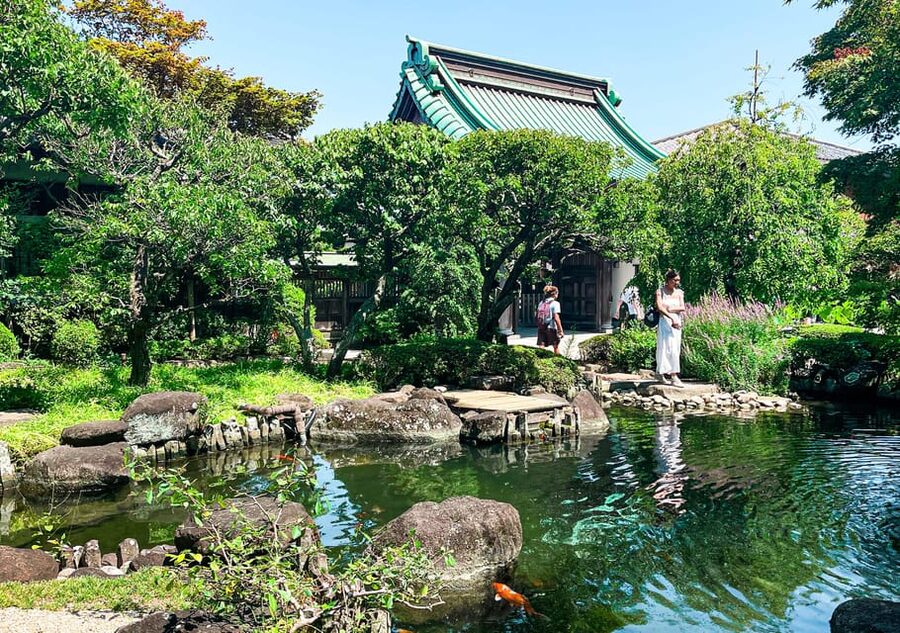
After the temple visits, you move to Kamakura’s main street. It is lined with shops and has a different feel from Tokyo’s large commercial districts. The attraction is the mix of local atmosphere, food, souvenirs, and small discoveries rather than one single monument.
Lunch is not included, so you can choose what suits your appetite and budget. That flexibility is useful, especially for families or people with dietary preferences, but it also means you should allow extra money beyond the tour fee. Drinks are not included either.
You also get time to explore the shops before returning to Tokyo. This is a good feature because the temples provide the cultural core, while the shopping street gives you a chance to experience everyday Kamakura at your own speed. You might browse traditional goods, look for snacks, or simply enjoy a less structured hour after the guided visits.
Do not expect an entirely private shopping experience. You are still following a group schedule and need to be back for the return train. The guide can offer tips and recommendations, but you should keep an eye on the meeting instructions and avoid wandering too far.
What the Spanish guiding adds
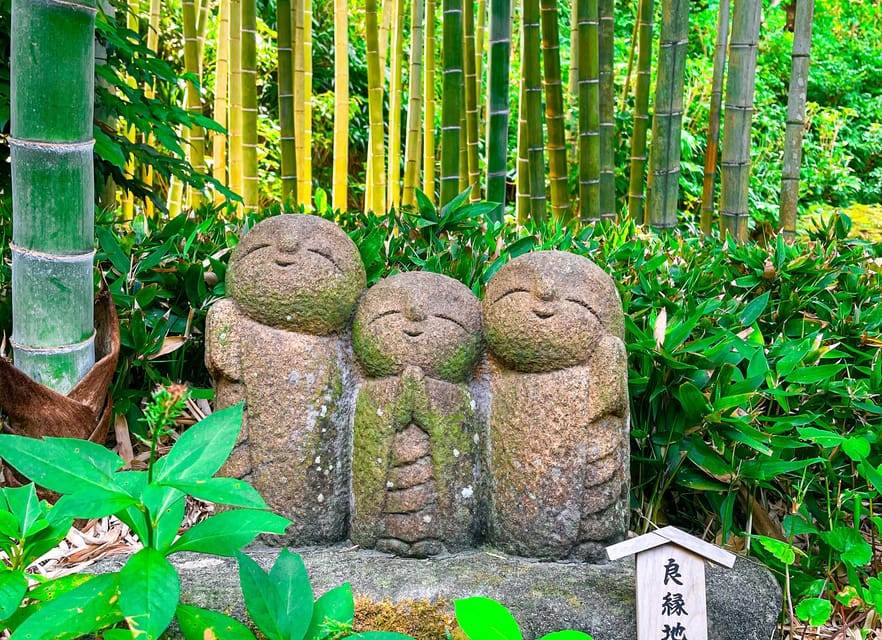
This outing is built around Spanish-language guidance, and that is its clearest selling point. A guide can translate more than words. They can explain why a temple matters, clarify unfamiliar customs, and point out details you might otherwise walk past.
Several guides associated with this experience received especially strong praise for their approach. Camila was described as organized, attentive, and clear in her explanations. Ori was appreciated for making the visit lively and offering useful recommendations. Nikita helped create a relaxed atmosphere and explained the sites in detail, while Emi was thanked warmly for her care.
You should still confirm the language arrangement when booking or meeting the guide. One participant reported confusion because the guide first said the tour would be in Spanish and later also guided in English. That does not cancel the value of the outing, but if Spanish-only instruction is essential for you, it is worth clarifying at the start.
The guide style appears to be friendly and personal rather than formal and lecture-heavy. That matters during a long day on trains and foot. A patient guide can make the difference between feeling hurried and feeling looked after, especially when children are in the group.
Is the $86 price good value?
The listed price is $86 per person. That covers the Spanish-language Kamakura excursion and eight hours of guided time, but not the main practical expenses during the day.
Your additional costs are:
- Public transportation: approximately ¥2,300
- Temple tickets: approximately ¥700
- Lunch and drinks: extra
- Personal shopping: extra
That makes the tour more expensive than simply taking the train to Kamakura on your own. The value comes from the structure and explanation. You do not have to plan the route between Tokyo, Kamakura, Hase-dera, Kotoku-in, and the shopping street. You also get Spanish commentary and advice for the rest of your Japan trip.
I would consider the price fair for a visitor who wants cultural context and does not feel comfortable arranging a full day of rail connections. The value is weaker for an experienced Japan visitor who already knows Kamakura, reads enough Japanese or English to manage the sites, and prefers to set their own pace.
The advertised cost can also feel misleading if you assume everything is included. Add the transport, admission, and meals before deciding. The extra expenses are not excessive, but they should be part of your calculation.
Who will enjoy this day trip most?
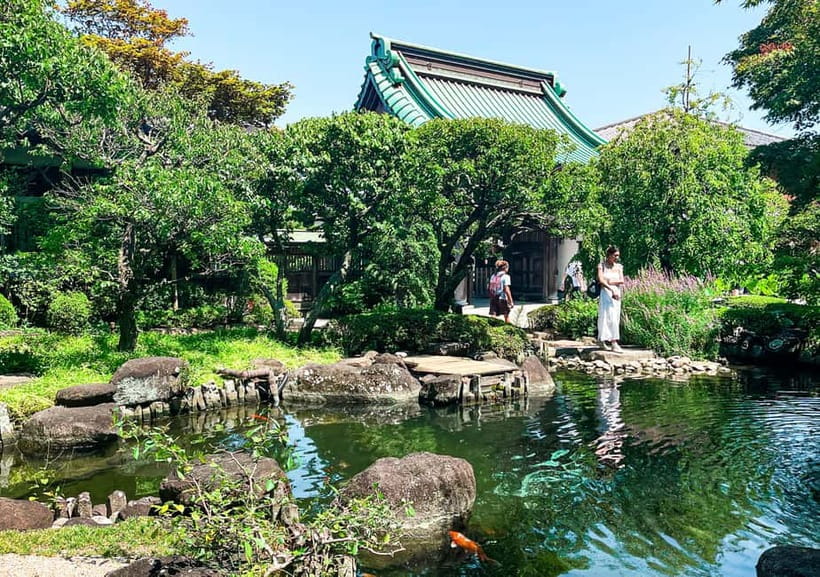
This tour suits you best if you want:
- A full-day outing from Tokyo without changing hotels
- Spanish-language explanations at major Kamakura sights
- A balance of temples, public transportation, food, and shopping
- Help with the route and train connections
- A friendly guide who can adjust explanations for families
- A first introduction to Kamakura’s spiritual and cultural side
It is a particularly good match for Spanish-speaking visitors who want more than a quick photograph of the Great Buddha. The stories at Hase-dera and the explanations at Kotoku-in give the monuments context.
Families may also appreciate the planned route and patient guiding style. The day is still long, though, and includes trains, walking, temple grounds, and a scheduled return. Children should be able to manage a full day out.
This is less suitable if you need wheelchair access, require a hearing-focused tour, want a private vehicle, or plan to carry large luggage. It is also not for unaccompanied minors.
You can cancel up to 24 hours before the start for a full refund, and the reserve-now, pay-later option helps if your Tokyo schedule is still changing. Those terms reduce some booking risk, but they do not remove the need to budget for the extra costs.
Should you book the Spanish Kamakura day trip?
Book it if you want an organized, Spanish-speaking introduction to Kamakura and value stories, history, and personal recommendations more than total independence. Hase-dera, the Enoden tram, and the enormous bronze Buddha make a satisfying trio, and the shopping street gives the day room to breathe.
Skip it if you already know Kamakura well or prefer to spend as long as you like at one temple. You will pay more than the bare transport cost, and the tour’s eight-hour schedule leaves less room for spontaneous detours.
For most first-time visitors from Tokyo, I think the strongest reason to book is the guide. Names such as Nerea, Camila, Ori, Paula, Emi, and Nikita are linked with patient service and clear explanations, though the actual guide is assigned for your date. Add the ¥2,300 transport, ¥700 admission, and meal budget to the $86 price, pack lightly, and you will have a well-planned day in one of Japan’s most rewarding nearby towns.
FAQ
Is the tour conducted in Spanish?
Yes. Spanish is the stated language for the excursion. One reported experience included some English guidance as well, so confirm the language arrangement with the guide at the beginning if Spanish-only instruction is important to you.
Where does the tour begin?
The meeting point is in front of the Tokyo Station facade at Marunouchi Square, near the central exit.
Where does the tour end?
The activity ends back at the original meeting point near Tokyo Station.
How long does the excursion last?
The excursion lasts eight hours.
Is transportation included in the $86 price?
No. Public transportation is used, and the listed transportation cost is ¥2,300. Temple tickets, food, and drinks are also separate.
Which Kamakura sights are visited?
The route includes Hase-dera Temple, Kotoku-in Temple with its 13-meter bronze Buddha, Kamakura’s main shopping street, and a ride on the historic Enoden tram.
Can I bring luggage or book for an unaccompanied minor?
Large bags and luggage are not allowed. Unaccompanied minors cannot take part. The activity is also not suitable for wheelchair users or people with hearing impairments.
Just added around Tokyo
- Private Arrival Transfer : Narita International Airport to Central Tokyo City★ 4.5 · 12 reviews
- Narita Airport(NRT): Private Transfer to Tokyo/Yokohama 1-9pax★ 5.0 · 47 reviews
- Private Transfer from Narita Airport to Yokohama Port and City★ 4.5 · 17 reviews
- [Narita Airport Terminals 1, 2] 40-60km Sawara Itako Historic Bike Tour★ 5.0 · 13 reviews
- 3 Day Japan Highlights Tour: Tokyo, Mt.Fuji, Nara, Kyoto, Osaka★ 5.0 · 22 reviews
- The 10 Tastings of Tokyo With Locals: Private Street Food Tour★ 5.0 · 48 reviews
- Small Town in the Big City: Tasting Tokyo’s Kichijoji★ 5.0 · 195 reviews
- Small Town in the Big City: Tasting Tokyo’s Kichijoji★ 5.0 · 16 reviews
Tokyo Tours, compared.

Mt Fuji and Hakone 1-Day Bus Tour Return by Bullet Train
Read our review →

teamLab Planets TOKYO Digital Art Museum Entry Ticket
Read our review →
Mt Fuji & Hakone Cruise, Drum Show Bullet Train 1 Day from Tokyo
Read our review →
Sumo Show Experience with Chicken Hot Pot and a Photo
Read our review →
Shinjuku Food Tour (13 Dishes at 4 Local Eateries)
Read our review →
Tokyo Mt Fuji 5th St & Hakone Cruise Bus Tour w/Bullet Train
Read our review →
Flagship 2-Hours Official Street Go-Kart Tour – Tokyo Bay Shop
Read our review →Browse the lists this tour appears in