Reviewed · TOKYO TOURS
Tokyo: Hop-On Hop-Off Sightseeing Bus Ticket
Tokyo is easier to understand from above street level, and this open-top bus gives you a quick look at how the city’s districts fit together. In one ride, you can move from the Imperial Palace area to Asakusa, from Tokyo Tower to Ginza, or from Shinjuku to Shibuya without learning the train system first.
I like the three-route coverage, which includes Tokyo Skytree, Asakusa, Tokyo Tower, Tsukiji, Ginza, Shinjuku, and Shibuya. I also like the personal-device audio guide, available in 10 languages, because you can listen in your own language with your own earphones.
The main catch is timing. This is not a bus arriving every few minutes, and a missed connection can mean a wait of 30 to 90 minutes. The upper deck is open to the weather, with no air-conditioning, so heat, rain, and wind matter.
Key points to know before you ride
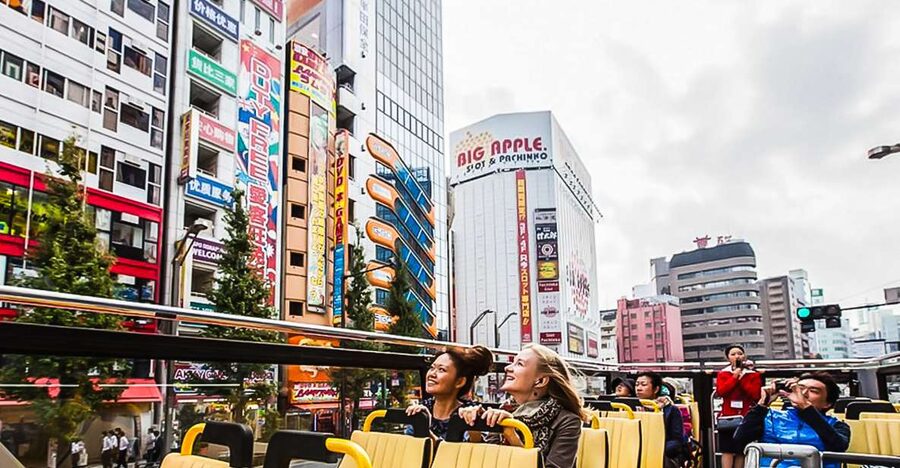
- Three routes cover different sides of Tokyo: Choose the Skytree and Asakusa course, the Tokyo Tower, Tsukiji, and Ginza course, or the Shinjuku and Shibuya course.
- The upper deck is open-air: You get clear views and good photos, but there is no air-conditioning and little shelter from strong sun or wind.
- Your ticket works for one or two days: A one-day ticket can cover the main routes, while two days gives you more time to get off and explore.
- Bring a smartphone and earphones: The newer audio system supports Japanese, English, Korean, Chinese, French, German, Spanish, Thai, Vietnamese, and Indonesian.
- Buses may fill up: This is not a reserved seat. If a bus is full, you must wait for the next one.
- A night ride can be excellent: The green course, especially the expressway section, gives you striking views as Tokyo lights come on.
Why a bus helps you understand Tokyo
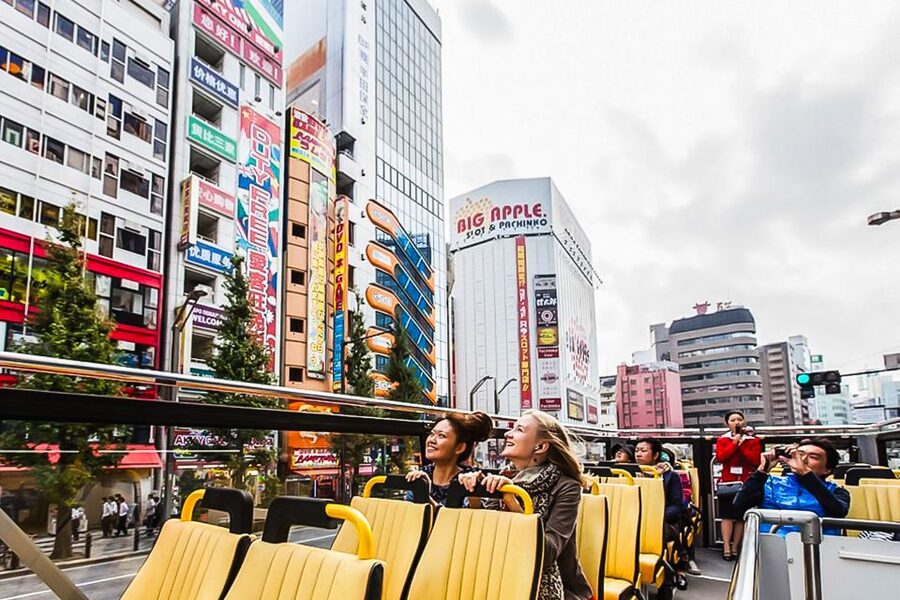
Tokyo’s train system is fast and efficient, but it keeps you below street level. You arrive at a station, disappear underground, and come up in a district that may feel unrelated to the last one.
The bus gives you the connecting story. You see office towers, temple roofs, elevated roads, department stores, narrow side streets, and huge intersections in one continuous view. That makes it useful on your first day, when you want to get your bearings before choosing where to spend more time.
At $30 per person, the ticket is not the cheapest way to move around Tokyo. The subway and JR trains will usually be better for point-to-point transport. The value here comes from combining transport with a broad city tour, open-air views, and commentary.
I would think of this as a sightseeing ticket first and a transport pass second. If you want to reach one attraction quickly, take the train. If you want to see how several major areas connect, the bus earns its price.
A few more Tokyo half-days to weigh up
- Mt Fuji and Hakone 1-Day Bus Tour Return by Bullet Train
★ 5.0 · 26,383 reviews - 1-Day Tokyo Bus Tour
★ 5.0 · 14,250 reviews - Tokyo: TOKYO SKYTREE® Admission ticket
★ 4.5 · 11,192 reviews
Route 1: Tokyo Skytree, Asakusa, Ueno, and Akihabara
The Tokyo Skytree course begins at the Marunouchi Mitsubishi Building, near the central Tokyo and Imperial Palace area. From there, it heads toward Kodemmacho Station and Ryogoku, home of the Edo-Tokyo Museum area, before reaching Tokyo Skytree.
Skytree is the obvious high point of this route, but you do not need to ride the observation tower to enjoy the stop. From the bus, the tower gives you an instant sense of scale. Tokyo can look endless at street level, while Skytree acts as a clear marker that helps you orient yourself.
The bus then continues to Asakusa Hanakawado and Asakusa Tawaramachi. This is one of the most useful stops for a first visit. Asakusa has a very different feel from Marunouchi’s glass offices, with Senso-ji Temple nearby, traditional-looking streets, souvenir shops, and food stalls.
You should allow real time for Asakusa rather than treating it as a quick photo stop. Get off, walk around, and return to the correct stop with plenty of time. The bus does not wait for late passengers, and the next vehicle may not come soon.
The course continues to Ueno Matsuzakaya, a handy point for Ueno’s museums, park, and market area, then Akihabara at Suehirocho. Akihabara is known for electronics, anime, manga, and game culture, though the route itself gives you only an overview. If that district is a priority, use the bus to identify it, then explore on foot or return by train.
The final stops are Shin-Nihombashi Station and the Marunouchi Mitsubishi Building. A full loop is useful if you want a narrated overview without getting off. If you plan to visit Skytree and Asakusa, start early and check the day’s timetable before leaving the bus.
Route 2: Tokyo Tower, Zojo-ji, Tokyo Teleport, Tsukiji, and Ginza
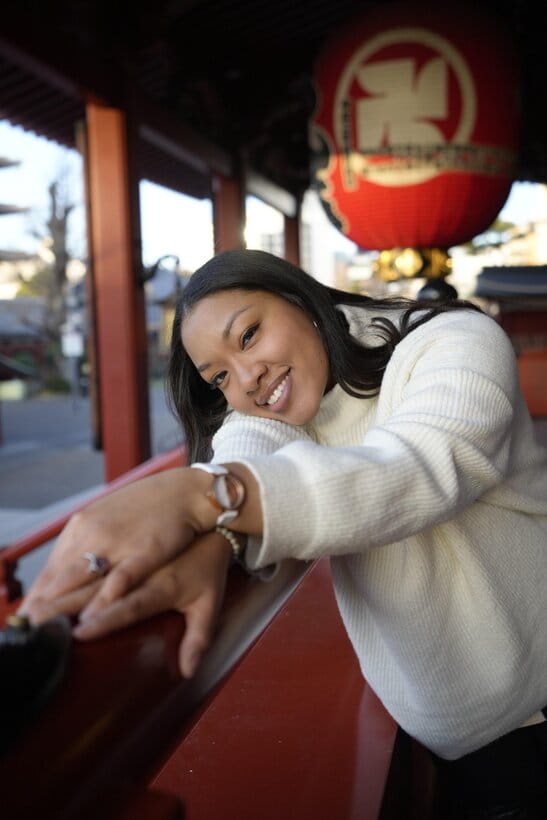
The Tokyo Tower, Tsukiji, and Ginza course is a good match for first-time sightseeing. It links some of Tokyo’s best-known city symbols with old religious sites, a former market district, and high-end shopping streets.
Tokyo Tower is the headline stop. Its orange and white frame rises above the surrounding buildings, and the open-top bus gives you changing views as you approach it. The nearby Tokyo Prince Hotel and Zojo-ji Temple stop is especially worthwhile because the temple and tower can appear together in the same area.
Zojo-ji offers a calmer contrast to the traffic and office blocks around it. You can use this stop for a short temple visit, then continue toward the waterfront at Tokyo Teleport Station. The name may surprise you, but the stop provides access to the Tokyo Bay area.
The course then reaches Tsukiji Ginza. Tsukiji’s former wholesale fish market has moved, but the outer market area remains a popular place for food shopping and casual meals. Ginza, by contrast, is polished and commercial, with department stores and major brands.
This route works well in the late afternoon. You can ride through central Tokyo in daylight, get off around Tsukiji or Ginza for food, and then catch a later bus if the timetable allows. The exact service pattern matters, so take a photo of the stop timetable before walking away.
The route returns to Marunouchi Mitsubishi Building. Traffic can slow the bus, especially around central Tokyo. The open deck also makes this ride more exposed than an ordinary city bus, so carry a light layer even when the day begins warm.
Route 3: Shinjuku and Shibuya after dark
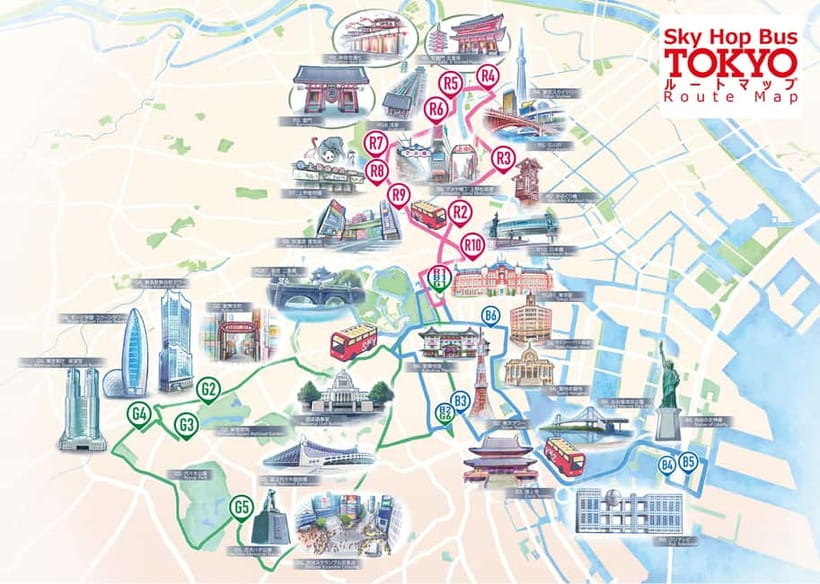
The Shinjuku and Shibuya course covers Tokyo’s western city center. It begins at Marunouchi, then heads to Shinjuku-gyoemmae Station and Shinjuku Station South Exit near Hotel Century Southern Tower.
Shinjuku is a district of contrasts. You see tall hotels and office towers on one side, while entertainment streets and busy station corridors sit close by. The route continues to Shinjuku Mitsui Building in Nishi-Shinjuku, where the architecture shifts toward tall, modern business towers.
The course then travels toward Shibuya City Hall, Harajuku, and Meiji Jingu Shrine. These places are close enough to connect on foot, but they feel distinct. Shibuya is famous for its huge crossing and youth culture, Harajuku for fashion and shopping, and Meiji Jingu for its wooded shrine grounds.
You cannot see every part of these districts from the upper deck, so use the bus as an introduction rather than a replacement for walking. The route tells you where to return when you have more time.
This is also the course to consider near sunset. Several people found the green route particularly impressive as the city lights appeared, and the expressway section can be striking after dark. Night rides offer a different Tokyo from daytime sightseeing, though the lack of air-conditioning becomes less of a problem only after the temperature drops.
Check the final departure carefully. If you begin late, you may not have enough time to complete all three routes. A later start can work for one selected loop, but it is not ideal if your aim is to ride the whole network.
Same base, a completely different sort of day:
- Tokyo: teamLab Planets TOKYO Digital Art Museum Entry Ticket
★ 4.6 · 9,779 reviews - Mt Fuji & Hakone Cruise, Drum Show Bullet Train 1 Day from Tokyo
★ 4.0 · 7,413 reviews - Tokyo: Sumo Show Experience with Chicken Hot Pot and a Photo
★ 4.8 · 6,678 reviews - Tokyo: Shinjuku Food Tour (13 Dishes at 4 Local Eateries)
★ 5.0 · 6,603 reviews
How the three routes fit into one or two days
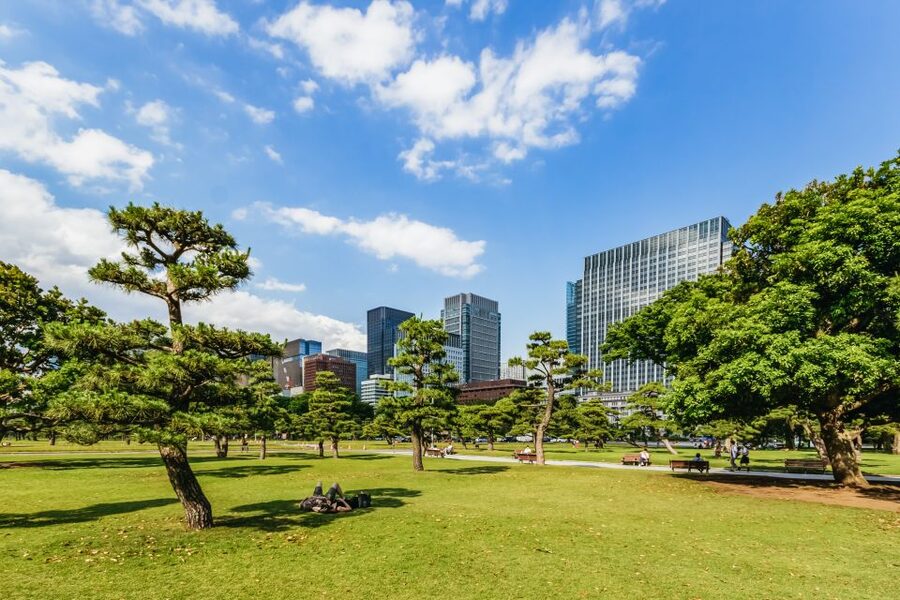
Each full loop can take about two hours, based on the operating pattern described for the service. That does not include long stops for temples, food, shopping, or observation decks.
A focused one-day plan might look like this:
- Ride the Skytree course in the morning and get off at Asakusa.
- Continue later on the Tokyo Tower, Tsukiji, and Ginza course.
- Finish with part or all of the Shinjuku and Shibuya course if departures line up.
This is possible, but it leaves little room for missed buses or long visits. If you want to get off often, one day can feel rushed.
A two-day ticket is the better choice for a relaxed schedule. Use day one to ride the routes and note the districts you want to explore. On day two, return to Tokyo Tower, Asakusa, Skytree, or another chosen stop with a clearer plan.
I like this approach because the bus becomes a planning tool. You can see a district from the road, decide if it deserves your time, and then visit it properly. You also avoid forcing every stop into one exhausting circuit.
The open-top deck: great views, real weather
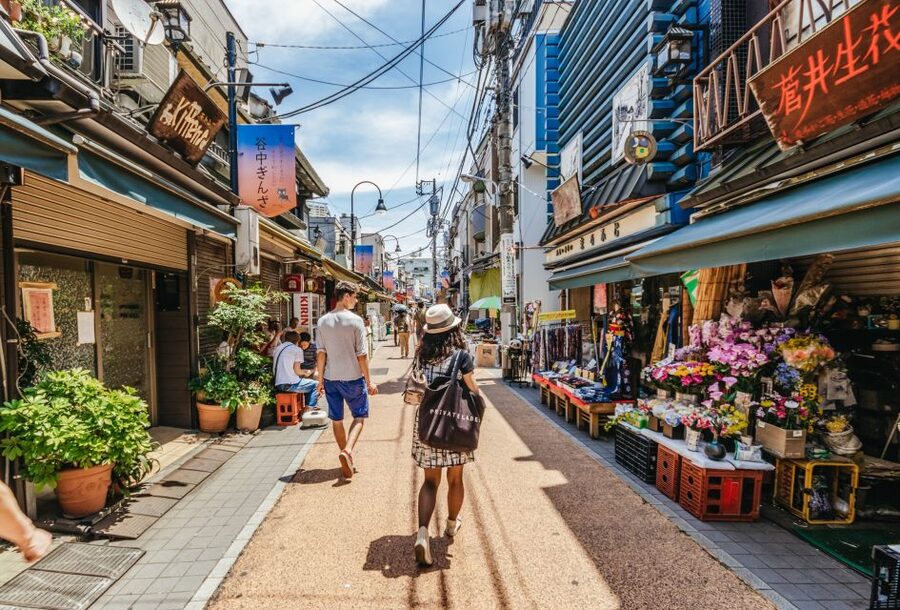
The second-floor seats are the passenger seats. The first floor is used for storage, so you should expect to sit upstairs rather than retreat below when conditions change.
That arrangement creates the main pleasure of the ride. You get broad views over intersections and buildings, and you can take photos without looking through a window. On bridges and expressways, the height and wind make the ride feel more like sightseeing than ordinary transport.
It also creates the main discomfort. There is no air-conditioning because the bus is open-air. On a hot summer day, the upper deck can be hard work, especially when the bus is stopped in traffic. Staff have warned passengers about the heat and, on very hot days, have handed out frozen towels.
Rain is manageable, but umbrellas are not allowed on board. Raincoats or ponchos are distributed when needed. Wear clothing that can handle a change in weather, and keep phones, cameras, and maps secure when the bus is moving.
Wind can be strong on bridges, so hold on to hats and loose items. Standing is not permitted while the bus is in motion. If you prefer a temperature-controlled ride, this may not be your ideal Tokyo sightseeing choice, particularly in midsummer.
Audio commentary in 10 languages
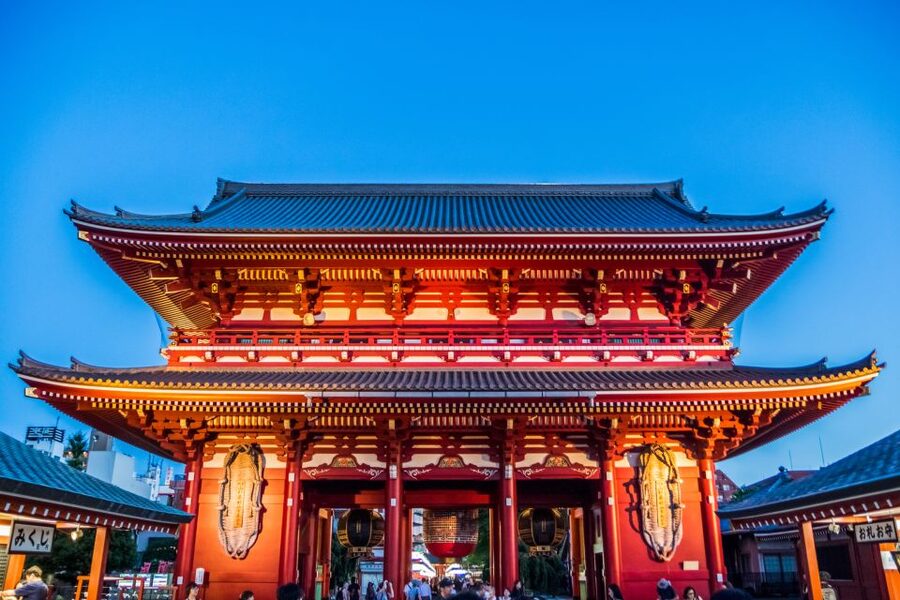
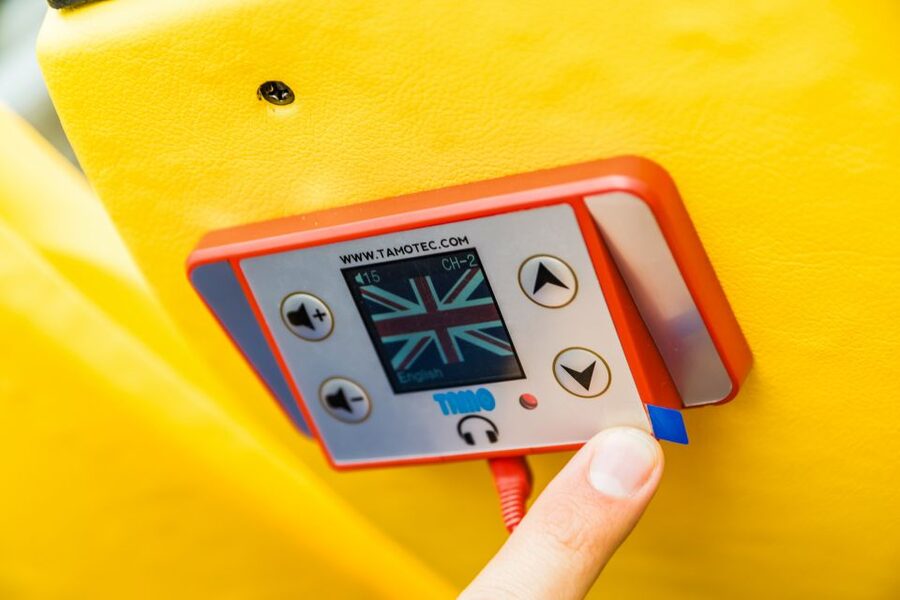
The newer audio system lets you use your own smartphone or tablet with earphones. It supports Japanese, English, Korean, Chinese, French, German, Spanish, Thai, Vietnamese, and Indonesian.
Bring your device fully charged and bring earphones. Mobile data charges may apply, and those costs are yours. The vehicle-mounted system may be available on some buses, but it is not guaranteed.
I prefer the personal-device option because the language range is wider and you control the volume. It also avoids the disappointment of finding that the seat-based system is not working on your particular bus.
There have been occasional problems with recordings cutting off mid-sentence or not keeping perfect pace with the route. Still, the commentary is useful for basic history, culture, and building information, and it generally helps you understand what you are passing.
The driver speaks English and Japanese. Do not expect a live guide delivering a running talk from the front. This is mainly a recorded audio experience, with staff helping you board, find stops, and understand service changes.
Waiting times, seats, and practical planning
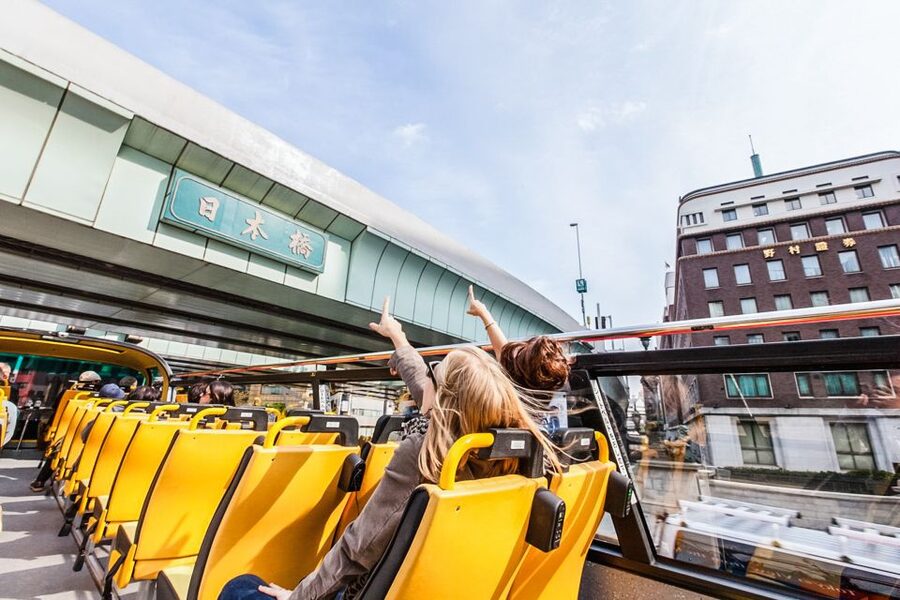
The biggest operational issue is frequency. The bus may run on schedule, but that does not mean another bus arrives immediately. Gaps of 30 to 45 minutes are possible, and a missed bus at some stops has led to waits of around an hour and a half.
This makes planning important. Before getting off, photograph the timetable at the stop and mark the location in your phone’s map. Tokyo Tower is a good example of a stop where you can easily spend longer walking than expected, then return just after the bus has left.
The ticket is not a reservation. If no seats are available, you must take the next bus. Busy periods can mean a queue, and a full vehicle can affect your carefully planned route.
You can board at the main meeting point in front of the Mitsubishi Building, or use the QR code sent with your voucher at another listed bus stop in Tokyo. A free shuttle service is included, but hotel transfers are not.
Traffic can delay the timetable. Tokyo’s roads are large and well organized, but they are still roads. Build some flexibility into your day instead of scheduling a timed attraction immediately after an estimated bus arrival.
The free cancellation window is up to 24 hours before the activity, and you can reserve now and pay later. Those terms are useful if your plans depend on weather, though you still need to watch for typhoon or thunderstorm cancellations.
Who gets the best value from this ticket
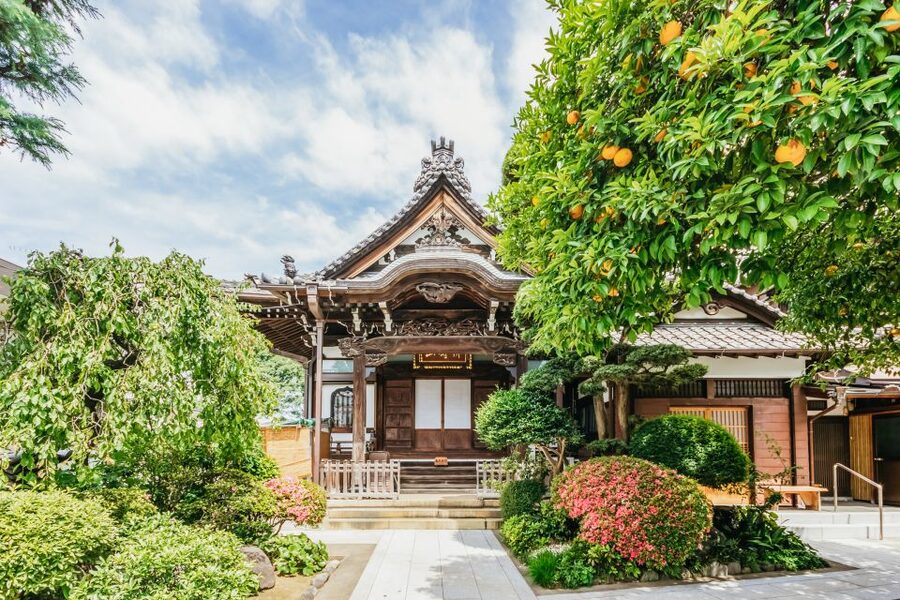
I would recommend it most strongly for your first day in Tokyo, especially if you have only a short stay or feel unsure about the city’s scale. It gives you a clear overview without requiring you to master the rail network immediately.
It also suits:
- Families or older visitors who want regular seated sightseeing.
- Photographers who value an unobstructed upper-deck view.
- First-time visitors choosing between several districts.
- People who enjoy city orientation more than rapid transport.
- Anyone with a full day or two days available for flexible sightseeing.
I would be more cautious if you are on a tight budget, already comfortable with Tokyo trains, or mainly want to reach specific attractions quickly. The subway and JR system will normally get you there faster and for less money.
The ticket is also less appealing in extreme heat or unsettled weather. Staff do their best with ponchos and cold towels, but the bus remains open to the elements.
Should you book the Tokyo hop-on hop-off bus?
Book it if your goal is to see the shape of Tokyo, collect ideas, and visit several major districts without spending your first day underground. Choose two days if you want to get off often or build in time for meals, temples, shopping, and Tokyo Skytree.
Choose one day if you will mostly stay on board and ride the loops, or if you want a quick overview before exploring by train. Start early, check the timetable, and treat every departure as something to catch rather than an informal suggestion.
At $30, this is a fair sightseeing price, not a bargain transport pass. The best value comes from the open-air views, three-route reach, useful audio, and the chance to plan your next Tokyo outings from above street level. If you accept the waiting times and weather exposure, it is a practical first look at a very large city.
FAQ
How long is the Tokyo hop-on hop-off ticket valid?
You can choose a ticket lasting one day or two days. Check availability for the starting times offered on your date.
What attractions do the routes cover?
The routes cover Tokyo Skytree, Asakusa, Ueno, Akihabara, Tokyo Tower, Zojo-ji Temple, Tokyo Teleport, Tsukiji, Ginza, Shinjuku, Shibuya, Harajuku, and Meiji Jingu Shrine areas.
Where can I board the bus?
The main meeting point is in front of the Mitsubishi Building. You can also board directly at the listed bus stops in Tokyo using the QR code provided with your voucher.
Is this a reserved-seat tour?
No. The ticket does not reserve a seat. If a bus is full, you need to wait for the next one.
Is the bus air-conditioned?
No. The passenger seats are on the open-air second floor, and there is no air-conditioning. The first floor is used for storage.
What should I bring for the audio guide?
Bring your own smartphone or tablet and earphones. Data charges may apply and are your responsibility.
What languages are available for the personal-device audio guide?
The personal-device system supports Japanese, English, Korean, Chinese, French, German, Spanish, Thai, Vietnamese, and Indonesian.
What happens if it rains?
Raincoats are distributed when needed, but umbrellas are not allowed on board. Service may stop in severe weather such as typhoons or thunderstorms.
Just added around Tokyo
- Private Arrival Transfer : Narita International Airport to Central Tokyo City★ 4.5 · 12 reviews
- Narita Airport(NRT): Private Transfer to Tokyo/Yokohama 1-9pax★ 5.0 · 47 reviews
- Private Transfer from Narita Airport to Yokohama Port and City★ 4.5 · 17 reviews
- [Narita Airport Terminals 1, 2] 40-60km Sawara Itako Historic Bike Tour★ 5.0 · 13 reviews
- 3 Day Japan Highlights Tour: Tokyo, Mt.Fuji, Nara, Kyoto, Osaka★ 5.0 · 22 reviews
- Small Town in the Big City: Tasting Tokyo’s Kichijoji★ 5.0 · 195 reviews
- Small Town in the Big City: Tasting Tokyo’s Kichijoji★ 5.0 · 16 reviews
- The 10 Tastings of Tokyo With Locals: Private Street Food Tour★ 5.0 · 48 reviews
Tokyo Tours, compared.
Mt Fuji and Hakone 1-Day Bus Tour Return by Bullet Train
Read our review →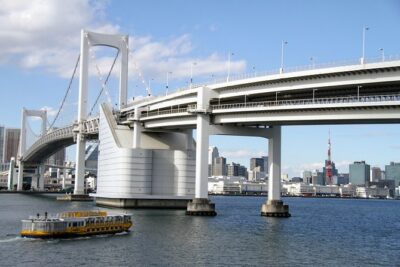
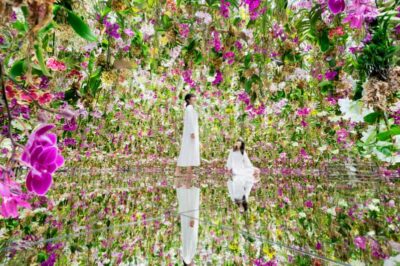
teamLab Planets TOKYO Digital Art Museum Entry Ticket
Read our review →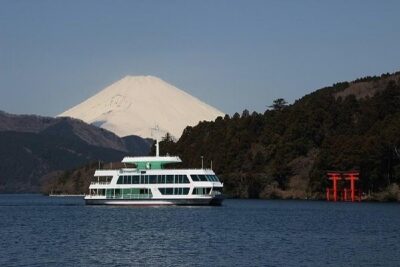
Mt Fuji & Hakone Cruise, Drum Show Bullet Train 1 Day from Tokyo
Read our review →
Sumo Show Experience with Chicken Hot Pot and a Photo
Read our review →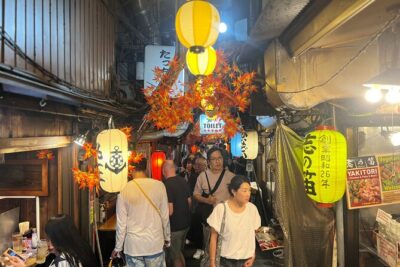
Shinjuku Food Tour (13 Dishes at 4 Local Eateries)
Read our review →
Tokyo Mt Fuji 5th St & Hakone Cruise Bus Tour w/Bullet Train
Read our review →