
Reviewed · TOKYO TOURS
Tokyo: KABUKI Show at Kabukiza Theatre Admission Ticket
Kabuki is not a quick tourist performance. At Tokyo’s Kabukiza Theatre, you get several complete pieces of Japanese stage art, with elaborate costumes, live music, stylized movement, and stories that can reach back centuries. The program changes every month, so the exact mix of drama and dance depends on your date.
I especially like the English or simplified Chinese caption service, which makes the action far easier to follow, and the theater’s setting in Ginza, where the building itself is part of the experience. The main thing to consider is the length: plan on roughly four hours, with several intervals, traditional seats, and no ability to choose your exact seat through this reservation.
Key points to know before you book
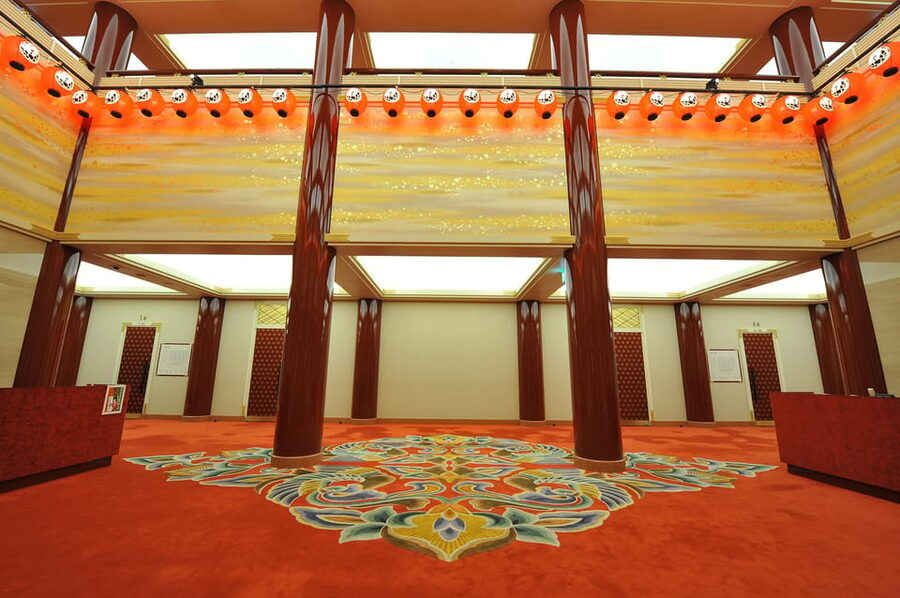
- Four hours of live Kabuki: Expect a full program, not a short sampler, with several pieces and intermissions.
- A new program each month: The plays, dances, actors, and running time change, so check the official Kabuki Web schedule before booking.
- Captions are included: English or simplified Chinese captions help explain dialogue and action, though you will need to follow the screen while watching the stage.
- Ticket pickup is required: Exchange your PDF or mobile voucher at the Box Office on Basement Level 2. The voucher alone does not get you into the theater.
- Food is part of the tradition: You may bring food and drinks, and snacks and alcohol are sold inside for the intermissions.
- Expect traditional theater conditions: Some seats feel tight, and the older-style chairs may be uncomfortable during a long performance.
Why Kabukiza is the right place to see Kabuki
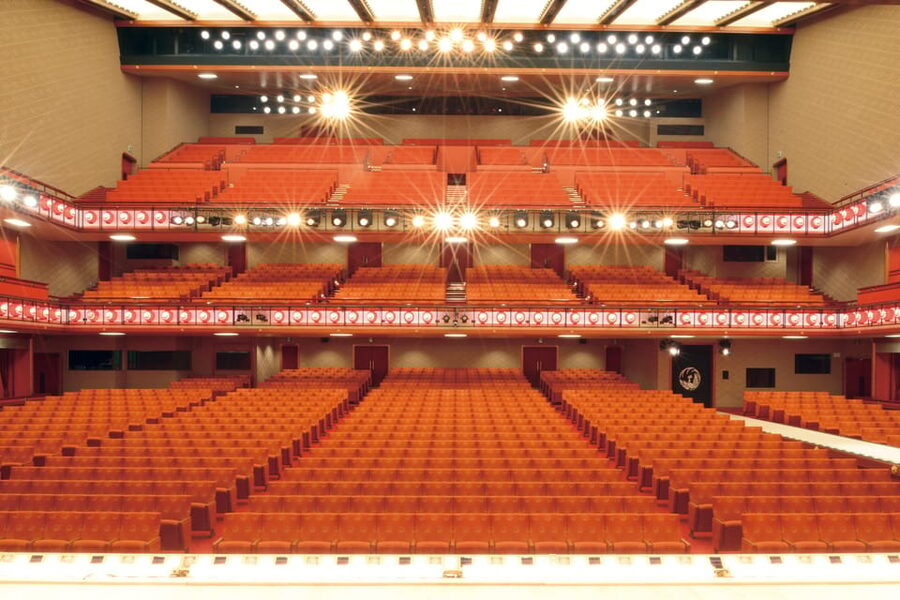
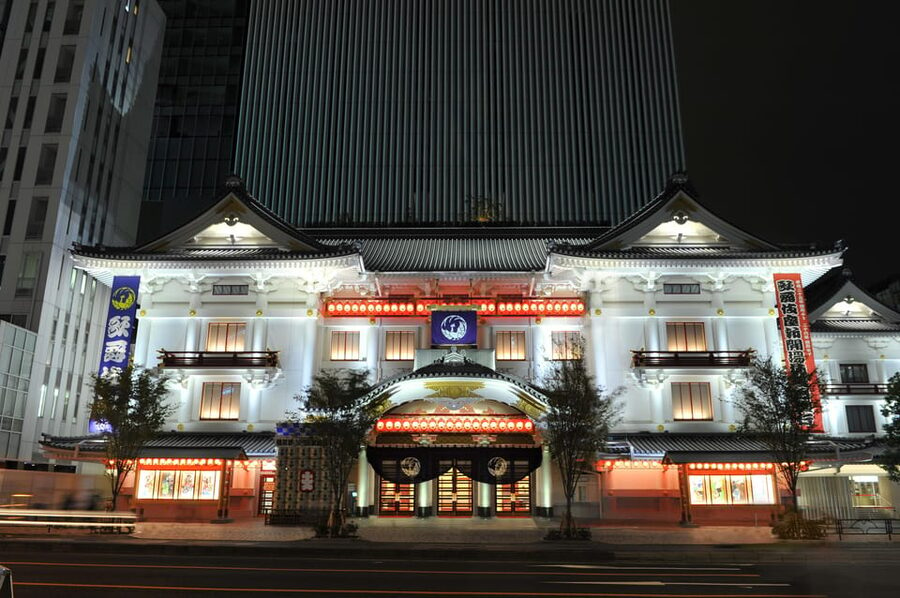
Kabukiza is the only theater in the world devoted exclusively to Kabuki. That fact matters. You are not seeing a temporary cultural display in a multipurpose hall. You are entering a working theater built around one of Japan’s major performing arts.
The Ginza location also makes this easy to add to a Tokyo day. The address is 4-12-15 Ginza, Chuo-ku, and the theater is well placed for an afternoon or evening plan in central Tokyo. Give yourself time before the curtain, since you must collect the physical ticket at the box office.
The theater doors open 30 minutes before the performance. Use that time to find your seat, look around, and settle into the rhythm of the place. Kabuki is formal, but you do not need to arrive knowing all the rules. The caption service and visual style give you ways into the performance even when the plot is unfamiliar.
Before the show, you can also visit the permanent interactive exhibition, which explains parts of Kabuki’s history and stagecraft. The shopping center on Basement Level 2 sells Kabuki-related gifts and souvenirs. If shopping is important to you, visit before the performance or during an interval, since the shop may not be open when you leave.
More shows in Tokyo:
- Mt Fuji & Hakone Cruise, Drum Show Bullet Train 1 Day from Tokyo
★ 4.0 · 7,413 reviews - Tokyo: Sumo Show Experience with Chicken Hot Pot and a Photo
★ 4.8 · 6,678 reviews - Tokyo: Sumo Show and Dining Experience
★ 4.8 · 2,742 reviews
What four hours at Kabukiza really means
The advertised duration is about four hours, but the exact running time depends on the monthly program. A matinee may run from around 11:00 a.m. to shortly after 3:00 p.m. An evening show may begin at 4:30 p.m. and finish around 8:20 or 9:00 p.m.
That time is usually divided into multiple pieces rather than one continuous story. A program can include historical drama, domestic drama, modern Kabuki, and dance. This variety is one of the best parts of the experience, because each section has its own mood, movement, music, costumes, and stage patterns.
It also explains why first-time visitors sometimes misjudge the schedule. You are not simply watching a single two-hour play. You may be there for three or four works, with intervals of about 30 minutes between sections. Plan your meals, transit, and evening reservations around the full program.
The length will suit you if you enjoy theater, classical performance, or cultural experiences that take their time. If you prefer a short activity between sightseeing stops, this may feel demanding. I would not book it before a tight airport transfer, an important dinner, or anything that requires you to leave at a fixed minute.
The changing monthly programs
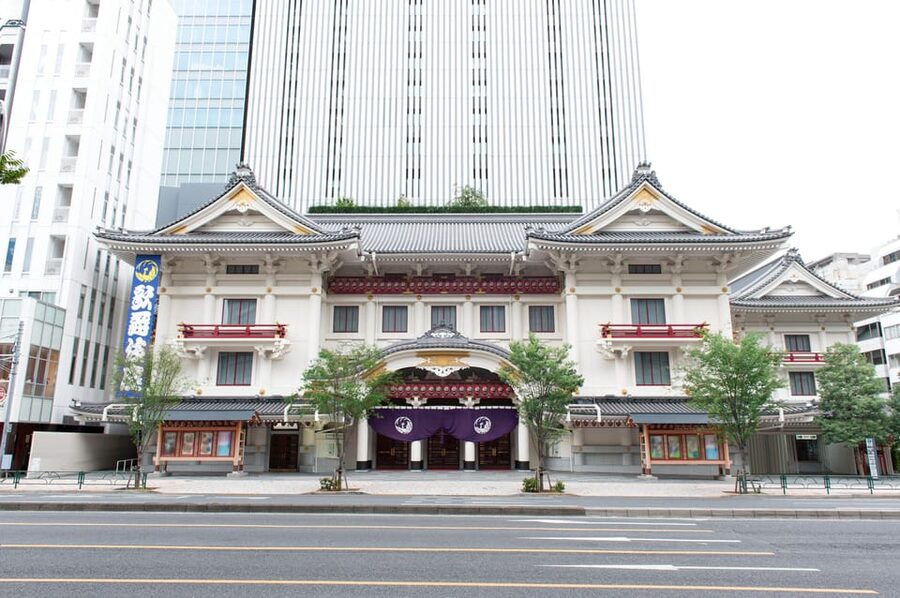
Kabuki programs change every month, which gives the theater a genuine sense of occasion. You should check the official Kabuki Web site for the current schedule before you commit. The names and running times provided for one month may not apply to your visit.
A sample February matinee included O-EDO MIYAGE, a modern Kabuki piece; TONBI YAKKO, a dance; IYA SAKAE SHIBAI NO NIGIWAI, set in front of the Saruwakaza Theatre; and TSUMORU KOI YUKI NO SEKI NO TO, another dance. The evening included scenes from The Chronicle of the Battle of Ichinotani, The Fox Praying for Rain, and Tanjirō’s Love Triangle.
A sample March schedule was different again. The matinee featured Kagamiyama Gonichi No Iwafuji, a historical play presented across three acts. The evening paired a spring dance with Three Thieves Named Kichisa, a domestic drama.
These titles give you a useful idea of the range. Some pieces tell serious historical stories. Others focus on dance, comic movement, romance, or theatrical display. You may like one section more than another, and that is normal. One visitor particularly preferred the traditional drama to the dance, while still finding the full program memorable.
Captions help, but they change how you watch
Your ticket includes an English or simplified Chinese caption service. For anyone who does not read Japanese, this is one of the most important parts of the booking.
Kabuki uses formal language, historic settings, and established gestures. The captions can explain the dialogue and help you understand the relationships on stage. Without them, you may still appreciate the costumes, music, movement, and facial expressions, but the story can be hard to track.
The tradeoff is that you must divide your attention between the caption screen and the stage. The text does not necessarily change at regular intervals, so you may need to watch for the next caption while also following the actors. This is especially noticeable during fast exchanges or moments when an actor’s facial expression carries the meaning.
Try to use the captions as a guide rather than reading every word. Look up often. Kabuki communicates through highly controlled posture, pauses, gestures, makeup, and movement, and those visual details are a major part of the art.
The included service is English or simplified Chinese. If you are booking from Japan and do not plan to use the caption service, the caption cost cannot be refunded or changed to a Japanese earphone guide. Keep that condition in mind before you reserve.
A few more Tokyo half-days to weigh up
- Mt Fuji and Hakone 1-Day Bus Tour Return by Bullet Train
★ 5.0 · 26,383 reviews - 1-Day Tokyo Bus Tour
★ 5.0 · 14,250 reviews - Tokyo: TOKYO SKYTREE® Admission ticket
★ 4.5 · 11,192 reviews - Tokyo: teamLab Planets TOKYO Digital Art Museum Entry Ticket
★ 4.6 · 9,779 reviews
Costumes, music, and the visual language of Kabuki
At $106 per person, this is not a bargain-priced evening show. The value depends on what you want from Tokyo. You are paying for a long, professional performance in the city’s dedicated Kabuki theater, not simply for admission to a building.
The strongest value comes if you want an authentic traditional art experience and are willing to give it an entire half-day or evening. The performance includes singing, dancing, acting, live music, and at times acrobatics. The costumes and scenery are carefully made, and even the curtains and screens can be beautiful to study.
The live music helps define the mood. Shamisen sounds, narration, and other traditional stage music support the action rather than sitting in the background. You may not understand every musical convention, but you will hear how the sound shapes entrances, pauses, tension, and dance.
Kabuki actors work within precise styles passed down through long family traditions. That does not mean you need prior knowledge to appreciate the show. Think of it as a performance language. A slow turn of the head, a held pose, or an exaggerated expression can carry as much weight as a spoken line.
For some people, this feels closer to a blend of opera, ballet, and pantomime, though it remains distinctly Japanese. The formal pace can be absorbing, but it is not designed like modern film or television. Give yourself time to adjust.
Intermissions are useful, not wasted time
The intermissions make the long program easier to manage. You can stretch your legs, use the facilities, look around the building, and eat. Kabukiza allows you to bring food and drinks into the theater, and snacks and alcohol are also available for purchase inside.
If you plan to eat during an interval, have a simple plan before the curtain. A meal can take up much of a 30-minute break, especially if you are still learning your way around the building. Bringing something small may be the least stressful choice.
Food inside the theater also helps explain the traditional rhythm of the performance. Kabuki is not always treated like a no-food, no-movement concert. The intervals are built into the schedule, and eating can be part of the outing.
Do not count on the souvenir shop being open after the final scene. If you want Kabuki gifts, postcards, or other keepsakes, shop before the show or during an earlier break.
Seating, sightlines, and physical comfort
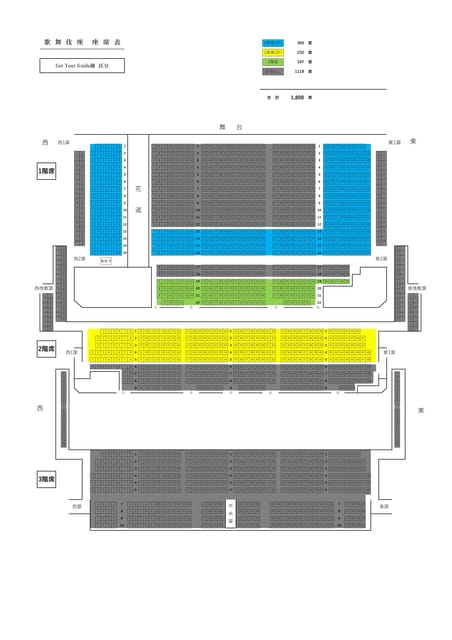
You cannot specify your seat with this reservation. That is the biggest practical limitation for people with strong seating preferences.
Several factors affect how much you enjoy your place. Facial expressions are important in Kabuki, so a seat closer to the stage can make the actors’ controlled gestures easier to read. From farther away, the costumes, full-stage compositions, and movement patterns may be easier to take in, but small expressions can be less clear.
Traditional theater seating can also feel tight, particularly during a four-hour program. If you need more room or find firm chairs difficult, prepare for that. One practical suggestion is to bring a small cushion if you have space and if it is permitted under the theater’s current rules.
The long duration makes comfort more important than it would be for a short performance. Wear clothing that lets you sit easily, arrive early enough to get settled, and use each interval to move around.
Getting your ticket at the basement box office

Your mobile or PDF voucher is not the admission ticket. On the day of the performance, take it to the venue Box Office and exchange it for the physical ticket.
The box office is on Basement Level 2 and is open from 10:00 a.m. to 6:00 p.m. If you arrive after 6:00 p.m., go directly to the theater entrance as instructed. Even with that exception, I would not cut it close. The box office location is easy to miss if you are rushing, and the doors open only 30 minutes before the performance.
Reservations for the following month’s programs begin on the 14th of each month. That timing can help if you are planning ahead for a popular travel period, but always confirm the current schedule and ticket conditions before booking.
Free cancellation is available up to two days in advance for a full refund. This is useful if your Tokyo plans are still shifting, but it does not remove the need to check the exact date, start time, program, and ticket pickup instructions.
Who will enjoy this experience most
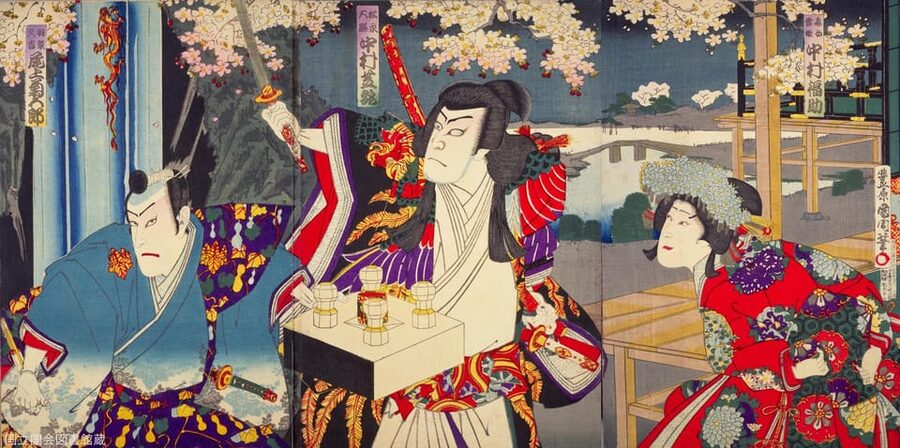
I would recommend Kabukiza to you if you enjoy theater, dance, music, costume design, or traditional culture. It also works well for a return visit to Tokyo when you want something more distinctive than another observation deck or shopping street.
You do not need to be a theater expert. The caption service gives you a way to follow the story, and the changing styles keep the show visually varied. Still, patience helps. If you dislike classical performance in general, the four-hour format may feel too long.
Families should note that children under four are not permitted. Older children may enjoy the color and movement, but the length and formal style are worth considering carefully.
This is also a good choice for solo visitors. The ticket price may feel high if you are trying to keep costs down, but Kabuki does not require a group to make it worthwhile. You can focus on the performance without coordinating several people’s schedules.
Should you book Kabukiza?
Book this if you want a serious introduction to Kabuki in its home setting and can spare four hours. The caption service, monthly program changes, live music, detailed costumes, and dedicated theater make it far more than a quick photo stop.
Skip it if you need a short activity, dislike long periods in traditional seating, or expect every piece to be easy to understand at first glance. For the best experience, check the monthly program, collect your ticket early, bring or buy a light meal, and keep your schedule open through the final curtain.
At $106, it is a considered purchase. But if you want one memorable evening of Japanese performing arts rather than another standard sightseeing stop, Kabukiza is a strong choice.
FAQ
How long does the Kabukiza performance last?
The stated duration is about four hours. The exact running time changes by program. Sample matinees run from about 11:00 a.m. to shortly after 3:00 p.m., while evening performances may run from 4:30 p.m. to around 8:20 or 9:00 p.m.
Are English captions available?
Yes. The ticket includes an English or simplified Chinese caption service. The captions help you follow the dialogue and story, but you will need to watch the caption screen and the stage together.
Can I choose my seat?
No. Seats cannot be specified through this reservation. Seating comfort and the distance from the stage may therefore vary.
Where do I collect my ticket?
Collect your physical ticket at the Kabukiza Box Office on Basement Level 2. Bring your PDF or mobile voucher. The voucher itself cannot be used to enter the theater.
Can I bring food and drinks?
Yes. You may bring food and drinks into the theater. Snacks and alcohol are also available for purchase inside, and intermissions provide time to eat.
Are young children allowed?
Children under four years old are not suitable for this activity and cannot attend.
Just added around Tokyo
- Private Arrival Transfer : Narita International Airport to Central Tokyo City★ 4.5 · 12 reviews
- Narita Airport(NRT): Private Transfer to Tokyo/Yokohama 1-9pax★ 5.0 · 47 reviews
- Private Transfer from Narita Airport to Yokohama Port and City★ 4.5 · 17 reviews
- [Narita Airport Terminals 1, 2] 40-60km Sawara Itako Historic Bike Tour★ 5.0 · 13 reviews
- 3 Day Japan Highlights Tour: Tokyo, Mt.Fuji, Nara, Kyoto, Osaka★ 5.0 · 22 reviews
- The 10 Tastings of Tokyo With Locals: Private Street Food Tour★ 5.0 · 48 reviews
- Small Town in the Big City: Tasting Tokyo’s Kichijoji★ 5.0 · 195 reviews
- Small Town in the Big City: Tasting Tokyo’s Kichijoji★ 5.0 · 16 reviews
Tokyo Tours, compared.

Mt Fuji and Hakone 1-Day Bus Tour Return by Bullet Train
Read our review →

teamLab Planets TOKYO Digital Art Museum Entry Ticket
Read our review →
Mt Fuji & Hakone Cruise, Drum Show Bullet Train 1 Day from Tokyo
Read our review →
Sumo Show Experience with Chicken Hot Pot and a Photo
Read our review →
Shinjuku Food Tour (13 Dishes at 4 Local Eateries)
Read our review →
Tokyo Mt Fuji 5th St & Hakone Cruise Bus Tour w/Bullet Train
Read our review →