
Reviewed · TOKYO TOURS
Tokyo: Meiji Jingu, Harajuku, Shibuya, and Shijuku Tour
Tokyo changes character every few blocks, and this private tour makes that contrast easy to grasp. You begin in the quiet forest of Meiji Shrine, pass through Harajuku’s youth-fashion streets, watch Shibuya Crossing fill with pedestrians, then finish among the neon and nightlife of Shinjuku. Guides such as Maruf, Emir, Amir, Ayoub, Erica, and Joe are assigned to different departures, so your experience depends partly on who leads your group.
I like the flexible route and the fact that subway fares are included. I also like the human scale: your guide walks with you, explains customs, takes photos if you ask, and can adjust the day to your interests. The main caution is time. Four hours is enough for an introduction, but not enough for serious shopping, long cafe stops, or a leisurely visit to every neighborhood.
Key points to know before booking
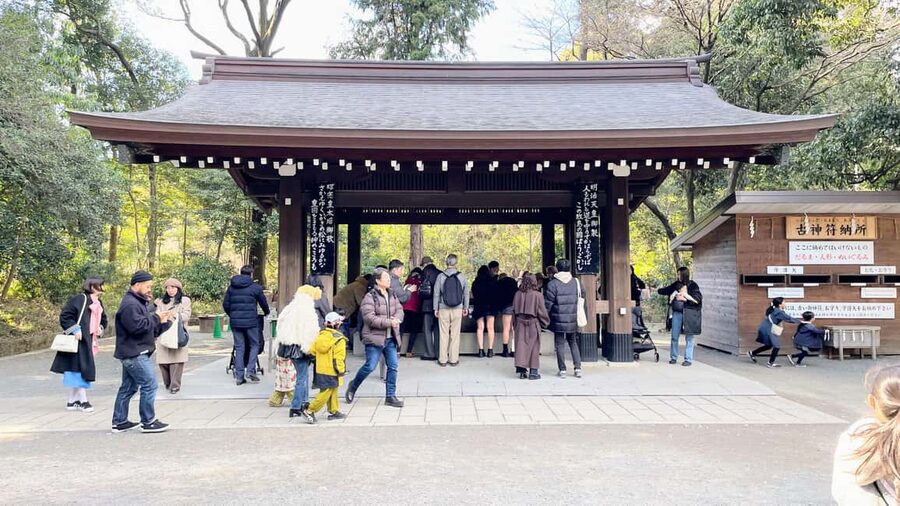
- Meiji Shrine gives you a calm start: Walk beneath the trees, learn shrine customs, and try the water purification ritual.
- Harajuku shifts from youth culture to polished shopping: Takeshita Street is crowded and playful, while Cat Street feels more relaxed.
- Shibuya Crossing is a quick, classic Tokyo moment: You get time for photos, shopping, and a possible Pokémon Center visit.
- Shinjuku ends the route on a lively note: Omoide Yokocho and Golden Gai offer very different views of Tokyo nightlife.
- The private format matters: Your guide can adapt the route for children, shopping interests, first-day orientation, or places you have not yet seen.
- The price is $103 per person: That is fair for a private four-hour tour with an English-speaking guide and included public transportation, but meals and optional cafe fees cost extra.
A smart first look at West Tokyo
This tour works best as a get your bearings fast introduction. In four hours, you see three of Tokyo’s most recognizable areas, but the real value is the movement between them. The route shows how a sacred wooded shrine, a youth-fashion quarter, a major rail hub, and a nightlife center fit into one city.
You can choose pickup in Minato City, Shibuya City, Taito City, or Shinjuku City. That helps if you are staying in one of those parts of Tokyo, though you should confirm the exact meeting details before setting out. The tour is private, conducted in English, and wheelchair accessible.
The guides receive particularly strong praise for being patient, friendly, and willing to change the plan. Erica paid special attention to a 12-year-old traveler, while Ayoub adjusted the route as the day unfolded. Emir helped connect sights with Japanese customs and daily life, and Joe added quirky places that would be easy to miss alone. Maruf is also noted for taking good photos, a useful touch when you are traveling as a family or couple.
A few more Tokyo half-days to weigh up
- Mt Fuji and Hakone 1-Day Bus Tour Return by Bullet Train
★ 5.0 · 26,383 reviews - 1-Day Tokyo Bus Tour
★ 5.0 · 14,250 reviews - Tokyo: TOKYO SKYTREE® Admission ticket
★ 4.5 · 11,192 reviews
Meiji Shrine: quiet trees before city noise
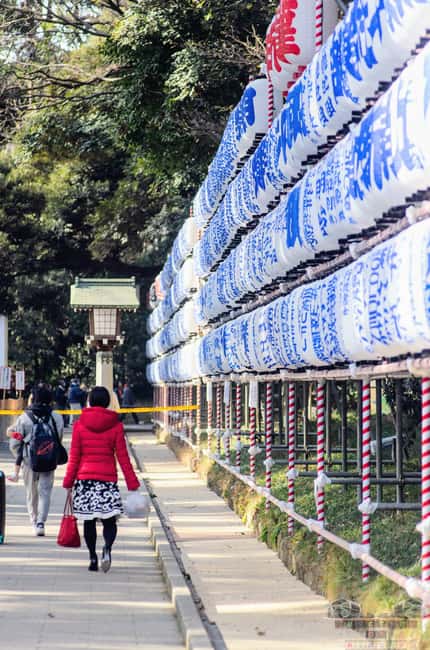
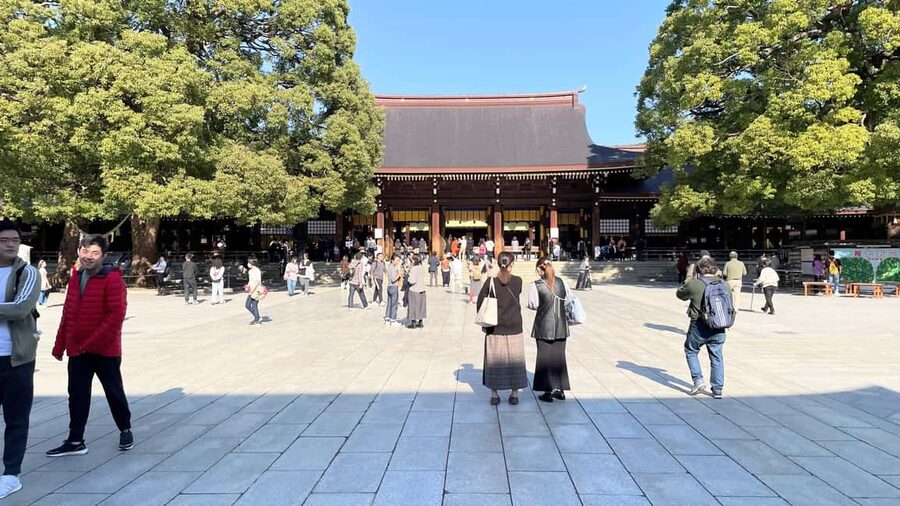
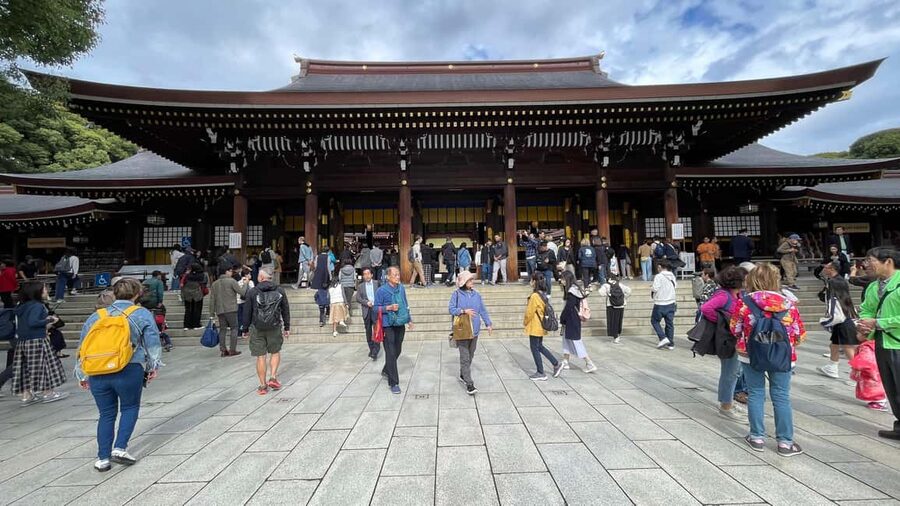
Meiji Shrine, or Meiji Jingu, is the right opening stop. Dedicated to Emperor Meiji and Empress Shoken, it sits in a large forested area that feels far removed from the traffic and signs outside.
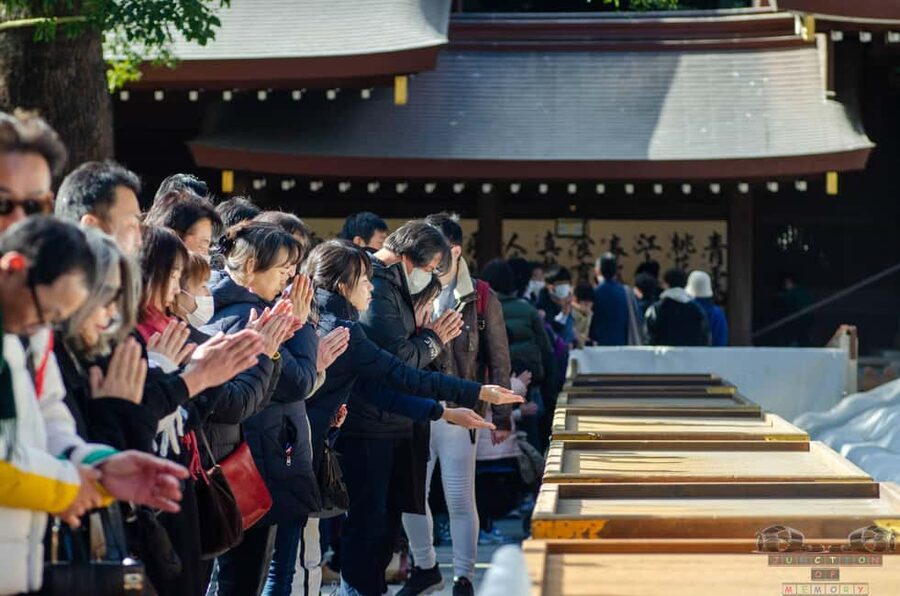
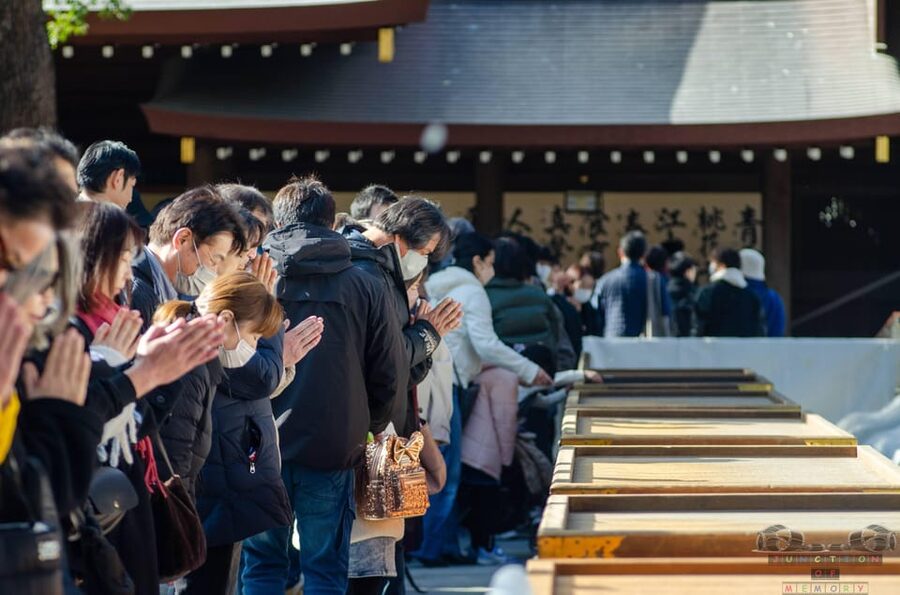
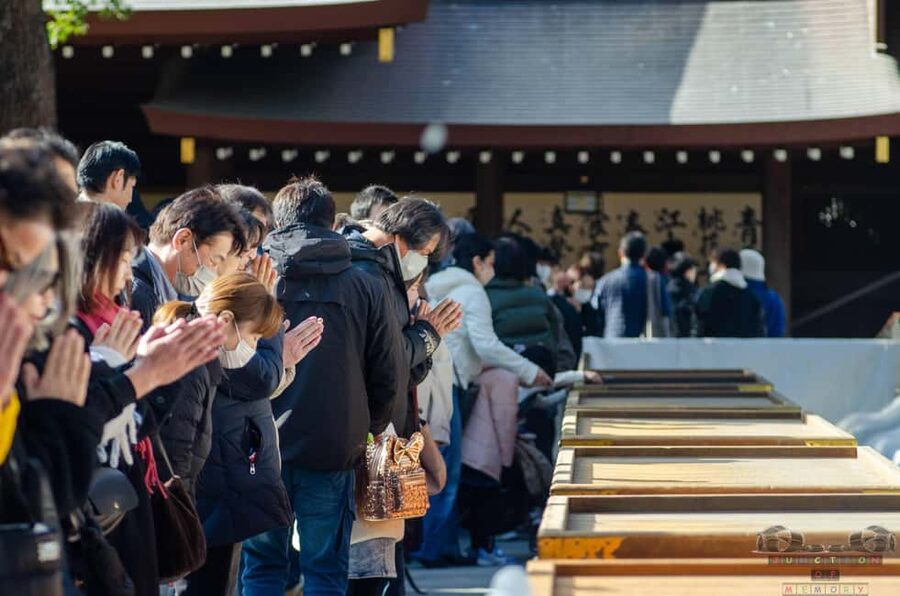
Your guide explains how the shrine functions and shows you the basic etiquette. At the temizuya, you can purify your hands and mouth with the water ladle. You can also write a wish on an ema, a wooden plaque, if you want a small hands-on part of the visit. These are simple acts, but they make the shrine feel like more than a photo stop.
I like beginning here because it gives you cultural context before the shopping streets take over. You see a side of Tokyo that is quiet, formal, and tied to Shinto practice. It also gives your guide a natural chance to explain customs that may otherwise seem confusing during the rest of your trip.
The limitation is that the shrine itself is not a long, museum-style attraction. The appeal lies in the forest walk, the sacred setting, and the explanation of rituals. If you want extensive time for prayer, ema, or quiet reflection, tell your guide early, since the full tour continues on a tight schedule.
Takeshita Street: Harajuku at full volume
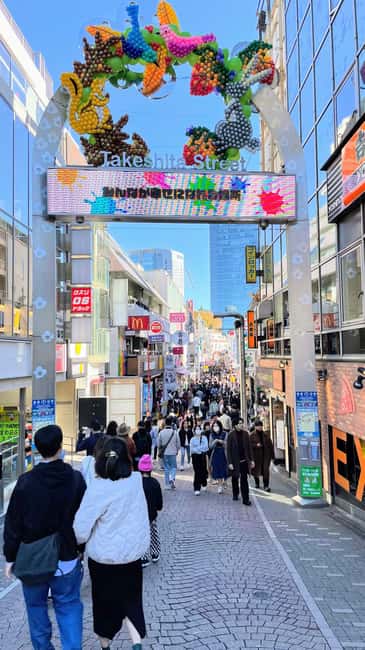
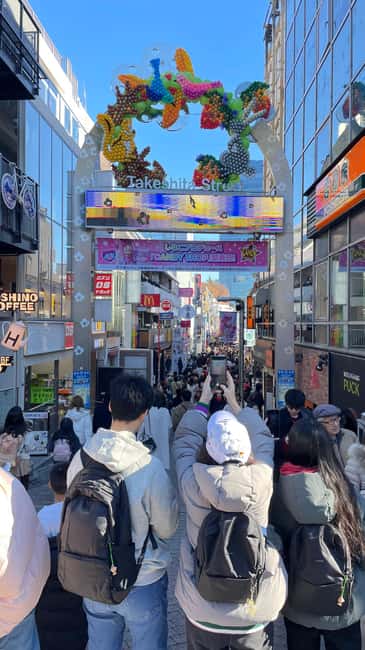
From Meiji Shrine, you walk about 15 minutes to Takeshita Street. This is where Tokyo turns loud, colorful, and youthful. The narrow shopping street is known for unusual fashion, small boutiques, street snacks, and playful visual style.
You have around 30 minutes here for photos, walking, shopping, and a guided look at the area. Crepes and rainbow-colored cotton candy are among the popular treats, though food is not included in the tour price. If you stop to eat, keep an eye on the clock. A snack can be quick, but a serious shopping session can use up the rest of your Harajuku time.
Takeshita Street is fun, but it can also feel crowded and commercial. That is part of the point: your guide helps explain why this street became linked with youth fashion and how Harajuku influenced clothing and pop culture beyond Japan. You may see shops aimed at teenagers, novelty goods, and bright streetwear rather than traditional Japanese crafts.
Families may enjoy the easy visual appeal, and first-time visitors often appreciate having someone explain what they are seeing. If your priority is quiet cafes, architecture, or older Tokyo, this is the least peaceful part of the route.
Harajuku and Cat Street: two different shopping moods
The broader Harajuku area receives another 15 minutes of guided exploration after Takeshita Street. This can include fashionable boutiques, cafes, street art, cultural sights, and stores such as Kiddy Land. The short time makes this more of an orientation than a full shopping visit.
The walk toward Cat Street takes roughly 22 minutes. That transfer is worth noting. You are not simply being driven from one attraction to another. You walk through the area, see the change in atmosphere, and get a better sense of how close these neighborhoods are on foot.
Cat Street offers a calmer shopping mood than Takeshita Street. It connects Harajuku and Shibuya and mixes vintage shops, fashion stores, and more polished boutiques. I like this contrast because it keeps Harajuku from being reduced to cartoon-colored snacks and teen fashion. One street feels busy and playful; the other gives you more room to browse.
Still, your time is limited. The tour is not designed for buying clothes or spending an hour in every store. Think of Cat Street as a guided introduction, then return later if you find a shop or cafe you want to explore properly.
Same base, a completely different sort of day:
- Tokyo: teamLab Planets TOKYO Digital Art Museum Entry Ticket
★ 4.6 · 9,779 reviews - Mt Fuji & Hakone Cruise, Drum Show Bullet Train 1 Day from Tokyo
★ 4.0 · 7,413 reviews - Tokyo: Sumo Show Experience with Chicken Hot Pot and a Photo
★ 4.8 · 6,678 reviews - Tokyo: Shinjuku Food Tour (13 Dishes at 4 Local Eateries)
★ 5.0 · 6,603 reviews
Shibuya: one hour around the famous crossing
A subway ride of about 10 minutes brings you into Shibuya. The stop lasts about an hour and includes guided sightseeing, a break, photos, free time, and shopping.
Shibuya Crossing is the headline attraction. When the traffic lights change, pedestrians move into the intersection from several directions at once. From ground level, it is a quick burst of organized movement. Your guide can point out good places for photos and help you understand the layout, but the crossing itself does not take long. The value comes from seeing it in context, surrounded by towering signs, rail lines, department stores, and constant foot traffic.
The included visit to the Pokémon Center will appeal to fans, especially children and younger teens. The tour also includes shopping and exploration at Don Quijote, the famous discount store. These additions make the Shibuya stop more useful than a simple crossing photo. You can see how Tokyo combines entertainment, character goods, snacks, cosmetics, household items, and late-night shopping in one district.
The optional animal or snake cafe needs planning. Cats, owls, and snakes are among the possible themes, but the cafe is not automatically included. Tell your guide at the start if this matters to you, and expect an additional fee. I would treat it as a choice for people with a strong interest in animal cafes, not as a must-do part of an already full route.
Shinjuku after dark: Omoide Yokocho and Golden Gai
The final subway ride takes about 15 minutes to Shinjuku. You get roughly an hour for a guided walk, photos, free time, shopping, and a look at the district around sunset.
Shinjuku is a fitting finish because it shows Tokyo’s evening side. The area is known for entertainment, shopping, food, and nightlife. Your guide can point out the Godzilla Head and help you understand where to continue after the tour.
Two included areas are especially useful. Omoide Yokocho, or Memory Lane, is a narrow food alley with small restaurants and an old-fashioned feel. Golden Gai is known for its compact bars and dense network of tiny lanes. They are very different from Meiji Shrine and from the large-scale shopping around Shibuya.
You should not expect a full nightlife outing during this one-hour stop. The tour offers an introduction and recommendations, then leaves you free to continue on your own. That is helpful if you want dinner or drinks afterward, but remember that meals and beverages are not included.
The hour can also feel short if you want to eat. A proper meal requires choosing a place, ordering, and allowing enough time to enjoy it. I would use this tour to learn where you want to return later, rather than trying to fit a long dinner into the final stop.
Why the private guide makes a difference

Tokyo’s rail system and large stations can be confusing on a first visit. The included subway rides are practical, but the bigger benefit is having a person guide you through the changes in pace, etiquette, and neighborhood character.
A private guide can also shape the tour around your group. You might spend more time on fashion, family-friendly shops, Japanese customs, photography, or places you have not yet visited. One guide arranged a route around sights that were new to the group, while another helped a parent and child manage a difficult-weather day without losing the fun.
This format suits a first full day in Tokyo particularly well. You get explanations while you are still learning how the city works, then receive suggestions for places to revisit. It can also be useful near the end of a trip if you want to fill gaps in Harajuku, Shibuya, or Shinjuku.
The tradeoff is guide variation. The listed guides include Maruf, Emir, Amir, Ayoub, Erica, and Joe, and each person brings a different style. The available information points to strong English communication and a friendly approach, but no tour can promise that every guide will deliver the same personality or the same extra stops.
Is $103 a fair price?
At $103 per person, this is not the cheapest way to see West Tokyo. You can walk through these areas on your own and pay only for your train fares, food, and shopping. For a solo visitor or a confident pair, self-guided sightseeing will cost less.
The price makes more sense for a private group that wants help with navigation and local context. It includes four hours with an English-speaking guide, admission to Meiji Shrine, and public transportation within Tokyo. The guide can also tailor the route, take photos, explain customs, and recommend places for later.
For families, older visitors, or anyone worried about Tokyo’s stations, that support may justify the cost. The private setup also means you are not waiting for a large group or following a fixed pace. On the other hand, $103 does not cover meals, drinks, personal purchases, or optional animal cafe admission.
I would consider it good value if this is your first time in Tokyo and you want a strong introduction without spending a full day on one neighborhood. I would think twice if your main goal is shopping, eating, or visiting animal cafes, since the four-hour route leaves limited time for those activities.
Timing, walking, and practical limits
The tour uses a mix of walking and subway travel. The listed walks include about 15 minutes from Meiji Shrine to Takeshita Street and about 22 minutes between the Harajuku area and Cat Street. You should wear comfortable shoes and be ready for crowded sidewalks and station passages.
The schedule gives about 30 minutes to Takeshita Street, 15 minutes to Harajuku, one hour to Shibuya, and one hour to Shinjuku, in addition to the shrine and transit. That is enough for snapshots and orientation, not detailed exploration.
A private group makes it easier to slow down, but the guide still has to get you through the whole route. Tell the guide at the beginning if you care more about the shrine, fashion, Pokémon, photography, food, or nightlife. The tour is wheelchair accessible, though the amount of walking and public transportation means you should discuss your needs in advance.
Free cancellation is available up to 24 hours before the tour for a full refund, and you can reserve now and pay later. Starting times vary, so check availability for the day you want.
Who should book this Tokyo tour?
I would recommend it to first-time visitors who want to connect several famous West Tokyo sights in one afternoon. It is also a good match for families, couples, and private groups that value a flexible guide more than a low-cost group tour.
You will get the most from it if you enjoy changing scenes: shrine gates and forest paths, fashion shops and sweet snacks, a famous crossing, then neon streets and small nightlife lanes. The route gives you a useful picture of Tokyo’s variety without requiring you to plan every train and neighborhood connection yourself.
I would skip it if you want long museum visits, a slow food tour, or several hours of shopping. In that case, choose one district and give it more time. But if you want a well-paced first look, especially with a child or a group that needs help navigating, this tour is a sensible choice. Ask for the interests you care about at the start, and use the final Shinjuku recommendations to continue exploring after the four hours end.
FAQ
How long is the Tokyo West Tokyo tour?
The tour lasts four hours.
What language is the tour conducted in?
The tour is conducted in English with a live English-speaking guide.
Is this a private tour?
Yes. It is offered for a private group.
Where can pickup take place?
The available pickup areas are Minato City, Shibuya City, Taito City, and Shinjuku City.
Which main places does the tour visit?
The route includes Meiji Shrine, Takeshita Street, Harajuku, Shibuya City including Shibuya Crossing, and Shinjuku.
Are public transportation costs included?
Yes. Public transportation fees within Tokyo are included.
Is admission to Meiji Shrine included?
Yes. Admission fees for Meiji Shrine are included.
Is the Pokémon Center included?
Yes. A visit to the Pokémon Center in Shibuya is included.
Is an animal or snake cafe included?
No. An animal or snake cafe is optional, and additional fees may apply. Tell your guide at the beginning if you want to consider one.
Are meals and drinks included?
No. Meals and beverages are not included unless specifically stated in the itinerary.
Is the tour wheelchair accessible?
Yes. The activity is listed as wheelchair accessible.
Can the tour be changed to suit my interests?
Yes. The itinerary can be personalized, and the guide can adjust the experience based on your preferences.
What is the cancellation policy?
You can cancel up to 24 hours in advance for a full refund.
Can I reserve without paying immediately?
Yes. The reserve-now, pay-later option lets you hold your plans without paying at the time of booking.
Just added around Tokyo
- Private Arrival Transfer : Narita International Airport to Central Tokyo City★ 4.5 · 12 reviews
- Narita Airport(NRT): Private Transfer to Tokyo/Yokohama 1-9pax★ 5.0 · 47 reviews
- Private Transfer from Narita Airport to Yokohama Port and City★ 4.5 · 17 reviews
- [Narita Airport Terminals 1, 2] 40-60km Sawara Itako Historic Bike Tour★ 5.0 · 13 reviews
- 3 Day Japan Highlights Tour: Tokyo, Mt.Fuji, Nara, Kyoto, Osaka★ 5.0 · 22 reviews
- Small Town in the Big City: Tasting Tokyo’s Kichijoji★ 5.0 · 195 reviews
- Small Town in the Big City: Tasting Tokyo’s Kichijoji★ 5.0 · 16 reviews
- The 10 Tastings of Tokyo With Locals: Private Street Food Tour★ 5.0 · 48 reviews
Tokyo Tours, compared.

Mt Fuji and Hakone 1-Day Bus Tour Return by Bullet Train
Read our review →

teamLab Planets TOKYO Digital Art Museum Entry Ticket
Read our review →
Mt Fuji & Hakone Cruise, Drum Show Bullet Train 1 Day from Tokyo
Read our review →
Sumo Show Experience with Chicken Hot Pot and a Photo
Read our review →
Shinjuku Food Tour (13 Dishes at 4 Local Eateries)
Read our review →
Tokyo Mt Fuji 5th St & Hakone Cruise Bus Tour w/Bullet Train
Read our review →