
Reviewed · TOKYO TOURS
Tokyo: Mt. Fuji Tour, Hakone Ropeway, Owakudani, Lake Ashi
Mt. Fuji is the star, but this day gives you far more than a mountain photo. You’ll move from the red Torii gate of Hakone Shrine to steaming Owakudani, then across the Fuji area to clear spring ponds at Oshino Hakkai. It is a big sweep through central Japan in one day.
I like the smart mix of transport and sightseeing. The coach handles the long distances, while the Hakone Ropeway and optional pirate ship add memorable rides. I also like the guides’ practical care, with names such as Jack, Kousei, Sato, and Tom repeatedly praised for clear timing and friendly help.
The trade-off is pace. Ten hours sounds generous, but traffic, queues, and a large shared group can leave you with only a short visit at some stops. Lunch is not included and may come late, so eat breakfast and pack snacks.
Key points to know before you book
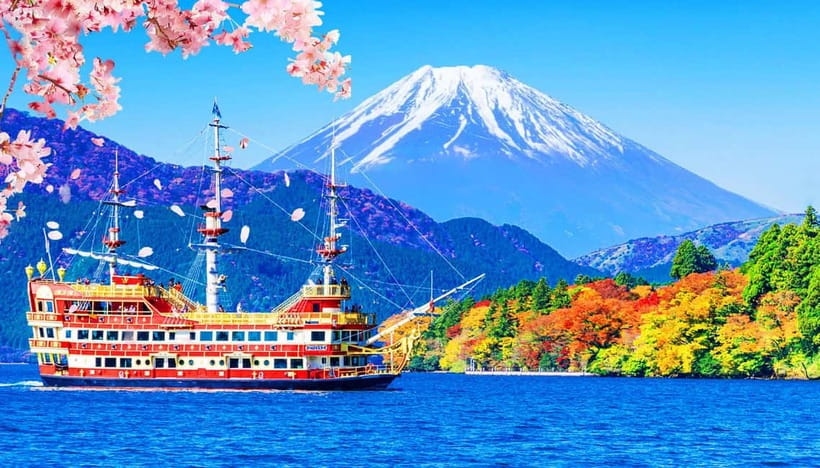
- You see two sides of the Fuji area: Hakone and Lake Ashi come first, followed by Lake Yamanaka and Oshino Hakkai.
- The ropeway fare is included: You do not need to buy a separate ticket unless weather or maintenance closes the ride.
- The pirate ship costs extra: The Lake Ashi cruise is optional and costs about 1,700 yen.
- Fuji views are never guaranteed: Clear skies can produce an astonishing sight, but clouds can hide the mountain completely.
- Lunch is your responsibility: Bring food, buy something at a stop, or use the restaurant suggested by your guide.
- Plan for a full day: The tour lasts about 10 hours, with roughly two hours by coach each way.
Why this Tokyo day trip covers so much ground
At $54 per person, this is priced as an efficient sightseeing day rather than a slow, private excursion. You get an air-conditioned vehicle, driver, guide, parking, pickup and drop-off at designated points, and the Hakone Ropeway fare.
That is good value if you want to connect places that are awkward to combine on your own. Hakone, Lake Yamanaka, and Oshino Hakkai sit in different parts of the Fuji region, and public transport between them takes planning. Here, you can watch the countryside pass by while someone else handles the roads.
You should still know what you are buying. This is a shared multilingual tour, not a quiet custom outing. Groups can be large, meeting points can feel crowded, and you need to return to the vehicle on time. The tour is best for a first visit when your goal is to see many major sights in one day.
The morning starts at Tokyo Station or Shinjuku Station, depending on your booking. The exact meeting point may vary, so arrive at least 15 minutes early and look for staff wearing yellow vests. Details about the guide and driver are sent the evening before, including to your email’s spam or junk folder if necessary.
More Mt Fuji Tours in Tokyo
- Mt Fuji and Hakone 1-Day Bus Tour Return by Bullet Train
★ 5.0 · 26,383 reviews - Mt Fuji & Hakone Cruise, Drum Show Bullet Train 1 Day from Tokyo
★ 4.0 · 7,413 reviews - Tokyo Mt Fuji 5th St & Hakone Cruise Bus Tour w/Bullet Train
★ 4.4 · 5,024 reviews
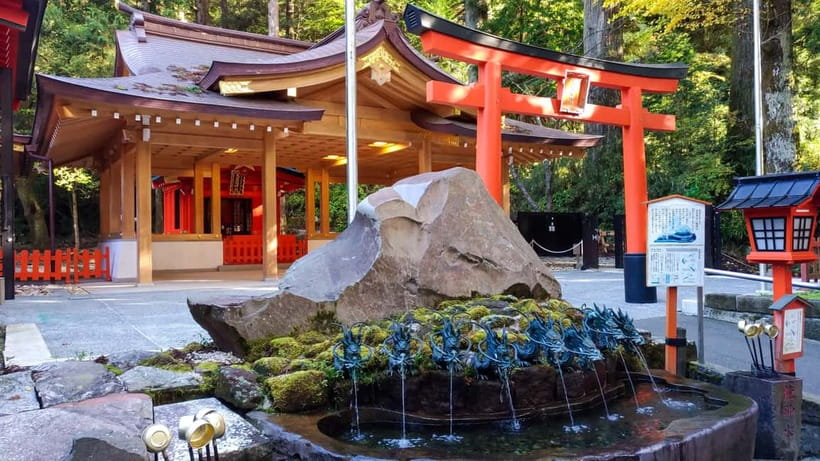
Hakone Shrine and the red gate on Lake Ashi
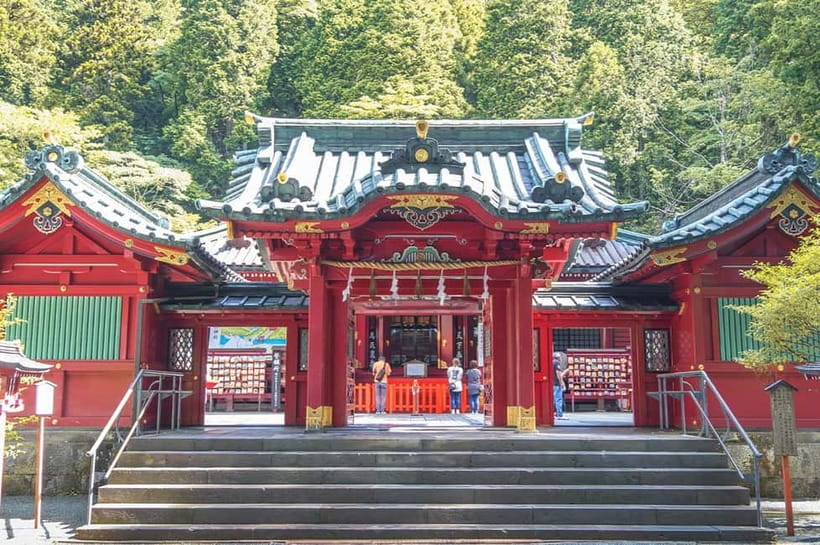
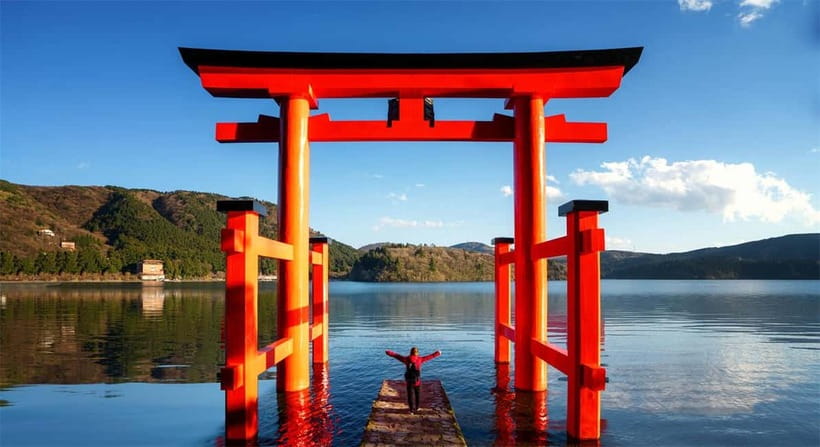
The first major stop is Hakone Shrine, founded in 757. Its setting is the real attraction: tall trees, a quiet lakeshore, and a vivid red Torii gate placed in the water of Lake Ashi.
The gate is known as Heiwa no Torii, or the Peace Torii. It makes a strong photograph, especially when the lake is calm. You can also walk around the shrine grounds and take a little free time to absorb the setting rather than simply stepping off the bus for a picture.
Expect about 20 minutes at the shrine, with another 20 minutes listed for the Torii area. That is enough for a look and a few photographs, but not a long shrine visit. Lines can form for the most direct gate photograph, so move efficiently and keep an eye on the meeting time.
The Torii gate is scheduled to be closed from December 28 through February 10, 2026. If your trip falls in that period, confirm exactly which parts of the stop remain available before booking. The shrine itself may still be part of the visit, but the signature lakeside gate experience will be affected.
Lake Ashi by optional pirate ship
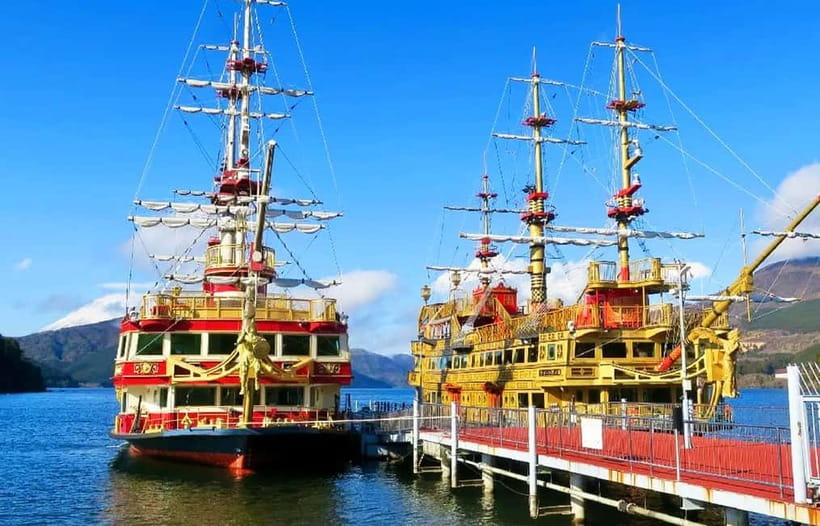
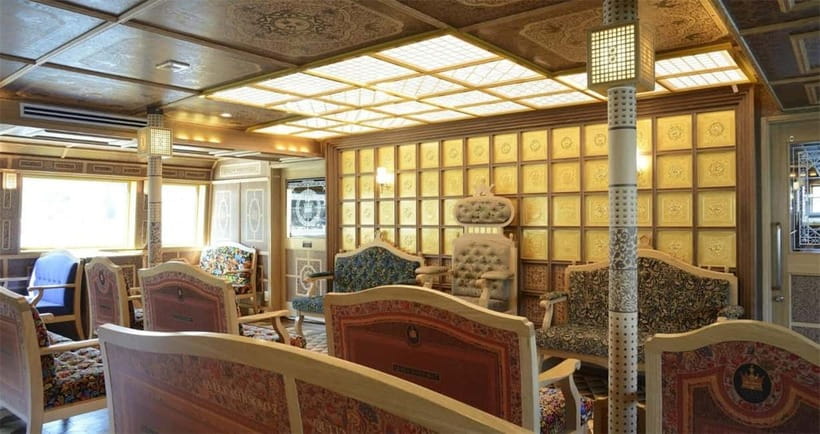
After the shrine, you may board one of Hakone’s themed pirate ships for a roughly 25-minute cruise. The choices include the Royal II, Victory, and Queen Ashinoko.
This is not included in the $54 price. The fare is about 1,700 yen, paid separately. If you choose it, the boat gives you a different view of the Torii gate, the wooded shores, and, on a clear day, Mt. Fuji. It is a fun addition because it breaks up the coach travel and lets you see Hakone from the water.
The cruise is optional. If the queue is long, weather is poor, or you prefer to save the money, you can travel by vehicle to Togendai Ropeway Station instead. That choice matters on a tight schedule, since the boat can become crowded during busy periods.
I would pay for the cruise if the lake is calm and visibility is good. I would be less eager on a cloudy or rainy day, since the main reward is the view. One important point: the boat may still operate in weather that hides Fuji, so ask your guide about conditions and timing before paying.
The Hakone Ropeway and Owakudani’s volcanic ground
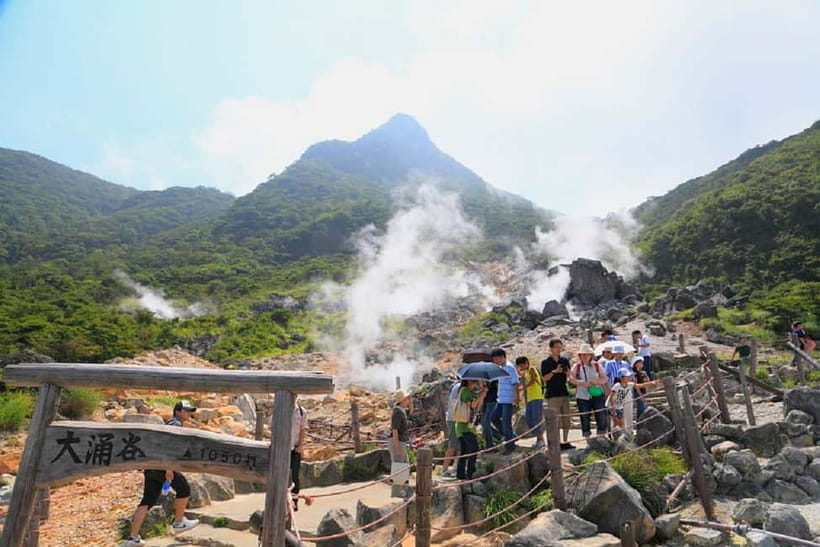
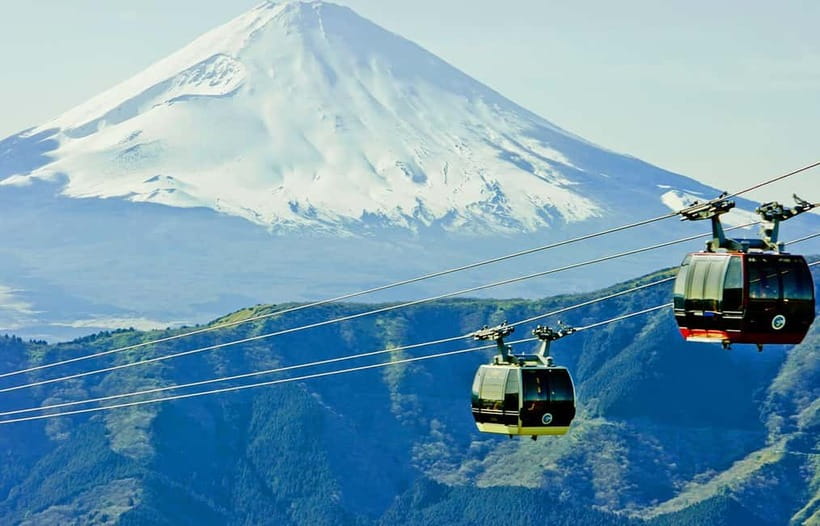
The included Hakone Ropeway is one of the day’s best features. The cable cars carry you above the Hakone area for about 30 minutes of sightseeing, with views toward Lake Ashi and Mt. Fuji when the weather cooperates.
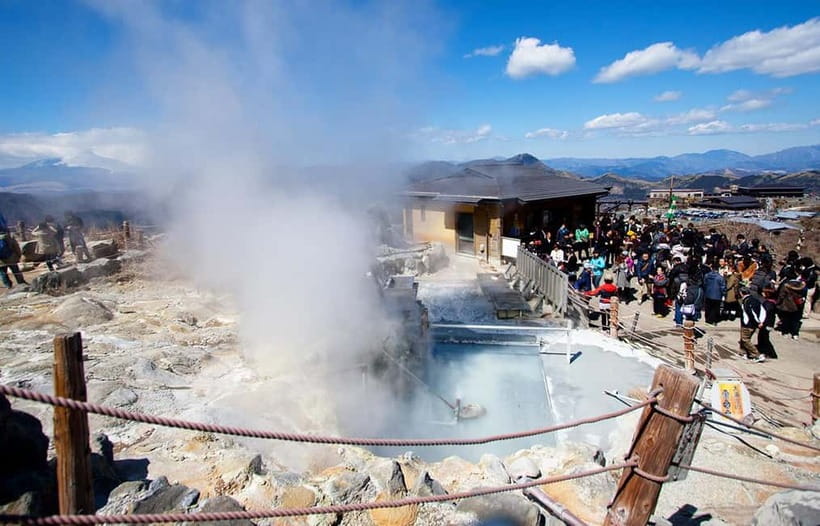
The ride leads to Owakudani, a geothermal valley formed after a major eruption of Mt. Hakone about 4,000 years ago. You will see a stark volcanic area with steam rising from the ground and a strong sulfur smell. This is a different side of Japan from the polished shrine and scenic lake.
Owakudani allows about 50 minutes. That gives you time to look around, take photographs, and try the local black eggs. These eggs are boiled in volcanic spring water, which darkens their shells. They are a small but memorable local snack, though you should not mistake them for a full meal.
Weather and safety can affect the ropeway. It may close because of bad weather or maintenance. If that happens, the supplied information says you can request a refund of 1,000 yen per person for the ropeway ticket. Ask the operator or guide how that refund is handled, rather than assuming it will happen automatically.
The tour is not suitable for people with respiratory issues, and Owakudani’s fumes are one reason to take that warning seriously. People with mobility impairments may also find the day difficult because it involves several sightseeing stops, transfers, queues, and moving with a group.
A few more Tokyo half-days to weigh up
- 1-Day Tokyo Bus Tour
★ 5.0 · 14,250 reviews - Tokyo: TOKYO SKYTREE® Admission ticket
★ 4.5 · 11,192 reviews - Tokyo: teamLab Planets TOKYO Digital Art Museum Entry Ticket
★ 4.6 · 9,779 reviews - Tokyo: Sumo Show Experience with Chicken Hot Pot and a Photo
★ 4.8 · 6,678 reviews
Lake Yamanaka and the Swan Lake Shore
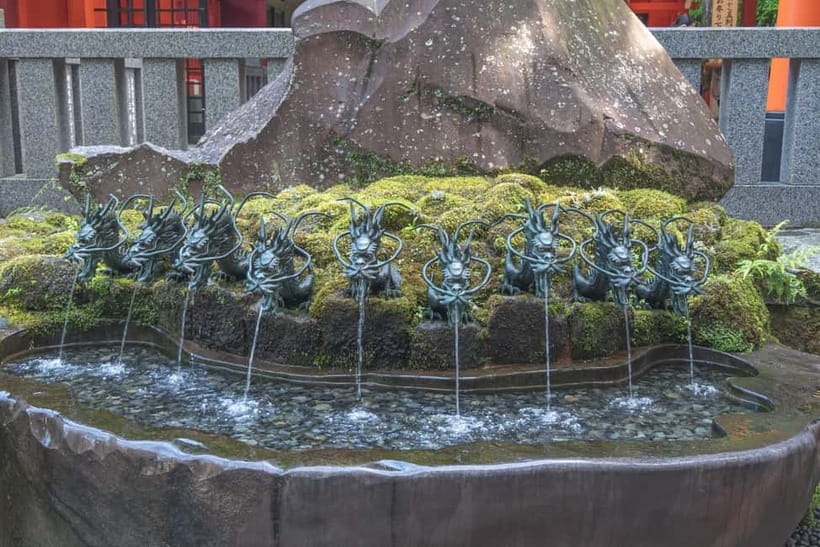
The coach then heads toward Lake Yamanaka, one of the Fuji Five Lakes. The stop is at Swan Lake Shore, where swans gather near the water and you can photograph them with Mt. Fuji behind them.
You get about 20 minutes here. That is a short photo stop, not a full lake visit. Still, it adds a pleasant change of mood after the volcanic valley. If Fuji is visible, the swans provide a more unusual foreground than the standard mountain-and-lake picture.
Some departures may lose time here if traffic or earlier queues build up. The schedule can be adjusted, and you might have less time than expected. Enjoy the stop if conditions are good, but do not count on a long feeding session or extended walk.
Oshino Hakkai and Fuji snowmelt ponds
Oshino Hakkai is the final major sightseeing stop. Its eight clear ponds are fed by snowmelt from Mt. Fuji, filtered through layers of volcanic rock. The water is the reason this place feels so different from both Hakone and Owakudani.
You have about 40 minutes for photographs and a walk around the village area. Look for reflections in the ponds, traditional buildings, local food, and views back toward Fuji. This is a good place to use any remaining camera space, especially if the mountain has appeared from behind the clouds.
Oshino Hakkai can feel busy, and 40 minutes passes quickly. Stay aware of the group’s departure time. If the tour is running late, this final stop may be shortened sharply. One recent experience left only a few minutes here after delays caused by other group members, so you should treat the schedule as flexible rather than guaranteed.
Food, timing, and the long ride back to Tokyo
Lunch is not included. The schedule allows about 40 minutes at a local restaurant, but the meal can come late in the day. One departure did not reach lunch until after 2:15 p.m., while another visitor specifically advised eating breakfast before the 7:45 meeting time.
That advice is practical. You cannot eat in the vehicle, and food and drinks are not included. Bring water and snacks, then decide at the stop whether to buy lunch or follow the guide’s restaurant suggestion. Some diners enjoyed the food, including a Wagyu option, but the restaurant experience can vary and one person found the room cold.
The coach ride back to Tokyo takes about two hours in normal conditions. Traffic can make it longer, particularly during weekends, holidays, or peak seasons. Do not schedule a train, show, restaurant reservation, or airport transfer immediately after the stated return time.
The driver is limited to a maximum of 10 working hours per day under Japanese rules. That legal limit may affect the route if traffic or other delays become serious. The guide may change or cancel stops to keep the day within safe operating limits.
What the guides add to a shared tour
The guide can make or break a day with this many moving parts. You need clear instructions about where to meet, how long you have, and when to return to the coach.
The strongest praise has gone to guides including Jack, Kousei, Sato, Tom, Andrew, Wanting, and Leonard. Jack is often singled out for clear English, helpful local suggestions, and an energetic approach. Kousei is praised for patience, photography, and helping people find good picture spots. Sato is described as warm and well organized, while Tom receives credit for useful explanations and personal attention.
The tour supports Chinese, English, and Japanese guiding, with some activity information also listing Korean support. Because it is multilingual, commentary may be shared across languages and the amount of detail can vary by guide. You should focus on the practical instructions first, especially the return time.
Meeting at Tokyo Station or Shinjuku can be confusing because several tour groups may gather in the same area. Arrive early, find the yellow-vested staff, and keep your phone available in case the guide calls. One guide even contacted a late or misplaced participant at the crowded meeting area, which shows why the phone detail matters.
The real value at $54
I see this tour as strong value for a visitor who wants maximum coverage with minimum planning. The included transport alone solves the hardest part: linking Hakone’s lake and volcano sights with the Fuji Five Lakes area in a single day.
You also get the ropeway ticket, guide, driver, parking, and designated pickup and drop-off. Add the optional cruise only if it fits your budget and the weather looks promising. Food, drinks, and any shopping are extra, so the final spend will be higher than the headline price.
The value is weaker if you want long walks, a relaxed lunch, or plenty of time at one shrine. You are paying for access and convenience, not a leisurely stay in Hakone. A private tour would likely offer more control, but it would also cost much more.
Weather, crowds, and the Fuji gamble
Mt. Fuji visibility depends entirely on weather. Clear winter days can produce a superb view, while cloud can erase the mountain from every stop. The tour cannot guarantee the result, and even a well-run schedule cannot change the sky.
Winter may offer crisp air and good visibility, but you still need warm, weather-appropriate clothing. Comfortable shoes matter for shrine grounds, sightseeing areas, and uneven surfaces. Bring a camera, water, and snacks.
Crowds also shape the experience. The pirate ship and ropeway can develop long queues, and popular photo points may require patience. A large group means you must take responsibility for being back at the meeting point on time. If you wander off, you can hold up everyone else.
Who should book this Fuji and Hakone tour?
I would choose this tour for a first Tokyo visit when you want to see Mt. Fuji and several nearby sights without learning a complicated regional transport system. It suits couples, solo visitors, and families who are comfortable with a long day and a fixed schedule.
It is also useful if you value photographs. You get the Torii gate, Lake Ashi, ropeway views, Owakudani steam, swans at Lake Yamanaka, and the ponds of Oshino Hakkai. Guides may help with photos, but you need to move quickly at the stops.
I would think twice if you have mobility limits, respiratory problems, or little patience for coach travel. You should also skip it if missing Fuji would ruin the day. The mountain may be hidden, and the itinerary can change with traffic, maintenance, and weather.
Cancellation is free up to 24 hours before departure, and you can reserve now and pay later. That flexibility helps if the forecast is uncertain, but it does not remove the risk of cloudy views.
Should you book it?
Book this tour if you want a practical, budget-friendly day from Tokyo that combines Hakone, Lake Ashi, Owakudani, Lake Yamanaka, and Oshino Hakkai. The included ropeway, organized transport, and attentive guides make the $54 starting price attractive.
Go in with the right expectations: eat breakfast, carry snacks, budget 1,700 yen for the optional ship, wear good shoes, and leave your evening open. If the weather clears, you may get the Mt. Fuji day you hoped for. If it does not, the shrine, volcanic valley, lake cruise, and snowmelt ponds still give you a full taste of the region.
FAQ
How long does the Tokyo Mt. Fuji and Hakone tour last?
The tour lasts about 10 hours, including approximately two hours of coach travel to the area and two hours returning to Tokyo. Traffic, weather, queues, and other conditions can change the timing.
Where does the tour meet?
There are two possible starting areas, Tokyo Station and Shinjuku Station. The exact meeting point depends on the option you book. Arrive at least 15 minutes early and look for staff wearing yellow vests.
Is the Hakone Pirate Ship cruise included?
No. The cruise is optional and costs about 1,700 yen, paid separately. You can travel by vehicle to the Togendai Ropeway Station instead.
Is lunch included?
No. Food and drinks are not included. You can bring snacks, buy food at the attractions, or eat at a restaurant suggested by the guide. You cannot eat in the vehicle.
Is the Hakone Ropeway fare included?
Yes. The Hakone Ropeway fare is included. The ride may close because of bad weather or maintenance. If it closes, the supplied information says you can request a 1,000-yen-per-person ticket refund.
Will I definitely see Mt. Fuji?
No. Mt. Fuji visibility depends on the weather and is not guaranteed. Clouds, rain, or poor visibility can affect views from Lake Ashi, the ropeway, Lake Yamanaka, and Oshino Hakkai.
Is the tour suitable for people with mobility or respiratory issues?
The tour is not suitable for people with mobility impairments or respiratory issues. It includes several sightseeing stops, transfers, queues, and a visit to the volcanic area of Owakudani.
Just added around Tokyo
- Private Arrival Transfer : Narita International Airport to Central Tokyo City★ 4.5 · 12 reviews
- Narita Airport(NRT): Private Transfer to Tokyo/Yokohama 1-9pax★ 5.0 · 47 reviews
- Private Transfer from Narita Airport to Yokohama Port and City★ 4.5 · 17 reviews
- [Narita Airport Terminals 1, 2] 40-60km Sawara Itako Historic Bike Tour★ 5.0 · 13 reviews
- 3 Day Japan Highlights Tour: Tokyo, Mt.Fuji, Nara, Kyoto, Osaka★ 5.0 · 22 reviews
- Small Town in the Big City: Tasting Tokyo’s Kichijoji★ 5.0 · 195 reviews
- Small Town in the Big City: Tasting Tokyo’s Kichijoji★ 5.0 · 16 reviews
- The 10 Tastings of Tokyo With Locals: Private Street Food Tour★ 5.0 · 48 reviews
Tokyo Tours, compared.
Mt Fuji and Hakone 1-Day Bus Tour Return by Bullet Train
Read our review →
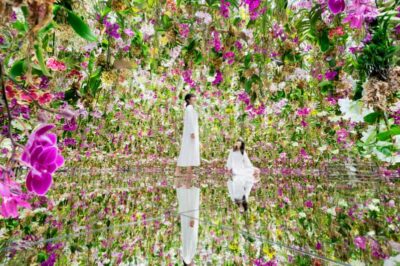
teamLab Planets TOKYO Digital Art Museum Entry Ticket
Read our review →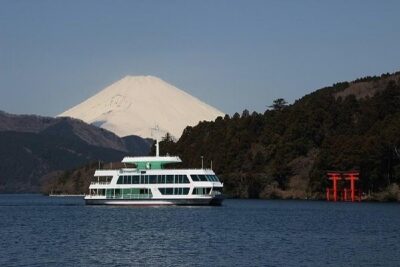
Mt Fuji & Hakone Cruise, Drum Show Bullet Train 1 Day from Tokyo
Read our review →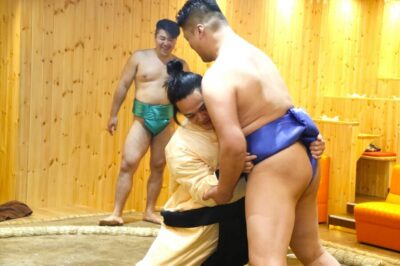
Sumo Show Experience with Chicken Hot Pot and a Photo
Read our review →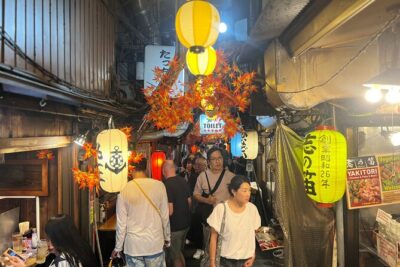
Shinjuku Food Tour (13 Dishes at 4 Local Eateries)
Read our review →
Tokyo Mt Fuji 5th St & Hakone Cruise Bus Tour w/Bullet Train
Read our review →
Flagship 2-Hours Official Street Go-Kart Tour – Tokyo Bay Shop
Read our review →Browse the lists this tour appears in