
Reviewed · TOKYO TOURS
Tokyo: Name Seal & Pouch or Tote Bag Making Experience
A Japanese name seal is a souvenir with a real cultural connection. At RoppongiHanko, you choose Kanji or Hiragana for your name, then receive a custom stamp and a pouch or tote decorated with your choice of Japanese imagery. The host also uses the waiting time for calligraphy practice and postcard art.
I like the personal meaning built into the Kanji option, since the staff help select characters based on your name’s sound and auspicious meaning. I also like the small-group format, limited to five people, which gives families and couples room to ask questions and try the brush work.
The main point to consider is time. A custom seal takes production time, and the activity can run close to 40 minutes per person when several people are booked. You need to submit your name, design, and pouch color in advance for the Kanji option.
Key points at a glance
- Make a real custom seal: Choose a square 24 mm Kanji stamp or a round 12 mm Hiragana stamp.
- Choose your souvenir: Get either a silver or gold pouch, or a tote bag decorated with up to three cherry blossoms or stars.
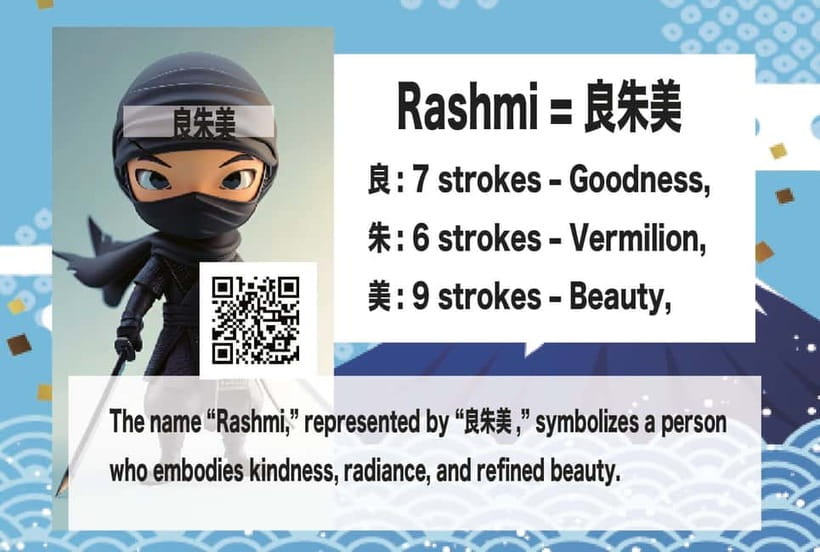
- Learn the meaning: Staff translate your name into Japanese Kanji and explain the meaning of the selected characters.
- Use the waiting time well: Practice Japanese calligraphy and create a personalized postcard while your seal is produced.
- Visit in central Roppongi: The studio is on the second floor of the Crest Roppongi Building, near the National Art Center, Tokyo.
- Keep it personal and manageable: English guidance, wheelchair access, and groups capped at five make this a friendly short activity.
Why a name seal makes a better souvenir than a standard trinket
Japan’s inkan, or personal seal stamps, are used in business and everyday life. They are not just decorative objects, even though your custom version is mainly a keepsake rather than an official document seal.
That practical background gives the activity some weight. You are not simply printing your name on a souvenir. You are learning how names can be represented through Japanese writing and how a small seal fits into ordinary Japanese culture.
For the Kanji option, the staff help find characters that match both the sound and the meaning of your name. This is one of the most worthwhile parts of the experience. A name written in Kanji can carry several layers of meaning, so the explanation helps you understand what you are taking home instead of treating the characters as decoration.
You can also choose Hiragana. This is the simpler option if you want your name represented in Japanese phonetic writing rather than translated into characters with a particular meaning. The square Kanji stamp measures 24 millimeters, while the round Hiragana stamp measures 12 millimeters.
A few more Tokyo half-days to weigh up
- Mt Fuji and Hakone 1-Day Bus Tour Return by Bullet Train
★ 5.0 · 26,383 reviews - 1-Day Tokyo Bus Tour
★ 5.0 · 14,250 reviews - Tokyo: TOKYO SKYTREE® Admission ticket
★ 4.5 · 11,192 reviews
Starting at RoppongiHanko near the National Art Center
The meeting point is RoppongiHanko, also associated with Shodocafe7557, Kanji and Calligraphy Tokyo. The studio sits on the second floor of the Crest Roppongi Building at 7-9-3 Roppongi, Minato-ku.
By train, take the Toei Oedo Line to Roppongi Station and use Exit 7. After leaving the station, cross toward FamilyMart, keep to the right, and walk in the direction of the National Art Center, Tokyo along the museum street. Look for a large crane sign on the left. The studio is in that building.
This is the kind of meeting point where I would allow a few extra minutes. Roppongi has plenty of streets, buildings, and signs competing for your attention, and the studio is upstairs rather than directly at street level. Searching Shodocafe7557 on Google Maps is recommended for the simplest route.
If you take a taxi, show the driver the studio name and location near the National Art Center, Tokyo. The address is useful, but the nearby museum reference may be easier for a driver to understand.
The location works especially well if you are already visiting the National Art Center or spending time around Roppongi. It is not a full-day attraction, so pairing it with a museum visit or an afternoon in the district makes better sense than crossing Tokyo just for a 30-minute appointment.
Choosing Kanji, Hiragana, pouch, or tote
Before you begin, you need to decide what kind of seal and bag you want. The choices affect both the look and the preparation required.
For the seal, you can choose:
- A square 24 mm stamp with your name in Kanji
- A round 12 mm stamp with your name in Hiragana
The Kanji version requires more advance planning because the staff translate your name and prepare the selected design. You must provide your name and choose one of four design themes ahead of time:
- Mt. Fuji
- Pine tree, called matsu
- Floral leaf, known as kiri-mon
- Maiko girl
The pouch comes in gold or silver. If you select the tote bag, your name and up to three decorations are included. The listed decoration choices include cherry blossoms and stars. Additional decorations cost extra, so keep the three included choices in mind if you want to control the final price.
I would choose the Kanji seal and pouch if you want a more traditional-looking keepsake. The tote is the more useful everyday item, especially if you prefer something you can carry rather than store. Families may find the tote option appealing because children can select the decorations and watch the design take shape.
The silver and gold pouch colors also make a practical difference. Gold feels more festive, while silver has a cleaner look. Since the pouch color must be supplied in advance for Kanji bookings, do not leave that decision until you arrive.
The 30 to 40 minute class, step by step
The advertised activity lasts about 30 to 40 minutes and takes place at the same studio where you start. There is no separate sightseeing stop, transfer, or long walk during the class.
First, the host confirms your name and the choices you made in advance. If you selected Kanji, the staff explain the characters chosen for you. This is the part to pay attention to, since the meaning is what gives the stamp its personal character.
Next, the custom seal is produced. The exact production time can vary, and the studio notes that it takes about 40 minutes per person when there are many people. That means a group booking may take longer than the basic activity length suggests. If you have a tight museum reservation, train departure, or restaurant booking, leave a buffer.
While you wait, you can practice calligraphy. The host provides guidance in English, and the activity includes a personalized postcard with calligraphy art. This waiting period is not empty time. It gives you a chance to try Japanese brush writing and gives children something hands-on to do while the stamp is prepared.
The class then wraps up with your custom name seal and your selected pouch or tote bag. The entire experience stays compact, which makes it easy to fit into a busy Tokyo day, but it also means you should not expect a long formal calligraphy course. You get a short introduction and a finished souvenir rather than an extended lesson.
Same base, a completely different sort of day:
- Tokyo: teamLab Planets TOKYO Digital Art Museum Entry Ticket
★ 4.6 · 9,779 reviews - Mt Fuji & Hakone Cruise, Drum Show Bullet Train 1 Day from Tokyo
★ 4.0 · 7,413 reviews - Tokyo: Sumo Show Experience with Chicken Hot Pot and a Photo
★ 4.8 · 6,678 reviews - Tokyo: Shinjuku Food Tour (13 Dishes at 4 Local Eateries)
★ 5.0 · 6,603 reviews
Calligraphy practice adds value to the wait
The calligraphy element is important because it turns the activity from a simple order-and-collect purchase into a small cultural lesson. You can practice writing your name and try the basic feel of Japanese brush work while the custom item is being made.
The postcard is another thoughtful touch. It gives you a second piece to take home, and it makes good use of the production period. Several visitors specifically appreciated the calligraphy instruction, patient help, and encouragement from the host.
The tone appears to be warm and personal rather than formal. Parents have found the activity suitable for children, and one family said their daughters enjoyed learning the meaning of their names and writing them in calligraphy. That is a useful sign for families planning a short indoor activity in Tokyo.
Still, expectations matter. If you already study Japanese calligraphy, this will probably feel like a brief introduction rather than serious training. If you are new to it, the short format is an advantage because you can enjoy the basics without committing to a long class.
What the finished souvenirs are like
The seal is the main keepsake. A name stamp has more character than a generic key ring because it is made specifically for you and tied to Japanese writing traditions. The square Kanji version has a more formal appearance, while the small round Hiragana stamp offers a simpler, softer design.
The pouch or tote makes the experience more practical. You can use the pouch for small travel items, or choose the tote if you want a larger item for daily use. The name and decorations make each piece personal, but the design choices are still limited enough that you should decide carefully before booking.
The four Kanji design themes give the pouch a clear Japanese look. Mt. Fuji is the most instantly recognizable choice. Pine suggests a traditional botanical motif. The floral leaf, or kiri-mon, has a more emblem-like appearance. The maiko design connects the souvenir with one of Japan’s most recognizable traditional figures.
For a tote bag, up to three decorations such as cherry blossoms or stars are included. More than three decorations bring an additional charge. If you are booking for children, explain this limit beforehand so everyone knows how many choices they can make.
The activity also includes small extras such as drinks and additional little gifts, according to the experience details. These are pleasant additions, but I would judge the booking mainly by the custom seal, bag, and calligraphy time. Those are the parts with lasting value.
Is $29 a fair price?
At $29 per person, this is reasonably priced for a short custom workshop in central Tokyo. The price includes the name translation, the custom seal, a pouch or tote bag, calligraphy practice, and a personalized postcard.
The value is strongest if you were already planning to buy a Japanese souvenir. A standard mass-produced item may cost less, but it will not carry your name or include an explanation of its Kanji meaning. Here, you are paying for the personalized preparation as well as the physical objects.
The price is less attractive if you want an extended calligraphy course or a highly flexible design process. The class is short, and the listed choices guide the final look. Extra tote decorations cost more, another stamp material is not included, and delivery outside Japan is not included.
For a family, the price can still make sense because the activity combines making, learning, and shopping in one stop. For a solo visitor, the decision comes down to how much you value personalized souvenirs. If a name seal feels meaningful to you, $29 buys more than a quick craft project.
Who will enjoy this Roppongi activity most?
I would recommend it most to:
- Families looking for a short, hands-on activity
- First-time visitors who want a small introduction to Japanese writing
- Couples seeking matching or complementary souvenirs
- People who prefer useful gifts over decorative objects
- Anyone interested in the meaning behind their name
- Visitors already planning time near the National Art Center, Tokyo
Children seem especially well suited to the format because they can choose designs, practice calligraphy, and leave with something they helped personalize. The small group limit of five also helps keep the activity manageable.
It may be less suitable if you need to rush through Roppongi. Production can take time, especially when several people attend, and the studio asks you to allow about 40 minutes per person in busy periods. It is also not the right choice if you want to smoke during the activity, since smoking is not allowed.
The studio is wheelchair accessible, and the live guide speaks English. Those details remove two common practical concerns for visitors who want a simple indoor activity without a language barrier.
Booking tips that prevent delays
Give the studio everyone’s names when you book. For Kanji seals, also provide your preferred design and pouch color in advance. The four designs are Mt. Fuji, pine tree, floral leaf, and maiko girl. Pouch buyers must select gold or silver.
Think about the souvenir choice before arriving. Select the pouch if you want a compact keepsake in gold or silver. Select the tote if you want a larger carry item and are happy with your name plus up to three decorations.
I would also avoid scheduling this directly before something that cannot be moved. The activity itself is listed at 30 to 40 minutes, but a full group and custom production can add waiting time. If you are visiting with several people, allow extra room in your day.
Cancellation is free up to 24 hours before the activity for a full refund. You can also reserve and pay later, which helps if your Tokyo schedule is still changing.
Should you book the name seal and bag experience?
Book it if you want a personal souvenir with a clear connection to Japanese culture, especially if you enjoy small creative activities. The combination of name translation, calligraphy practice, postcard art, and a finished seal gives the short visit more substance than a simple souvenir stop.
I would choose the Kanji seal and pouch for the most traditional feel, or the Kanji seal and tote if you want something useful after the trip. Pick Hiragana if you prefer a straightforward phonetic rendering of your name or want the smaller round stamp.
Skip it if your schedule is packed, if you dislike preselecting a design, or if you want an advanced calligraphy lesson. For most visitors with 30 to 40 minutes to spare in Roppongi, though, this is a pleasant and fairly priced way to leave Tokyo with something made specifically for you.
FAQ
How long does the name seal and bag experience take?
The activity lasts about 30 to 40 minutes. If several people are attending, the studio advises allowing about 40 minutes per person because each seal is custom-made.
Where does the activity take place?
It takes place at RoppongiHanko, also identified as Shodocafe7557, in the Crest Roppongi Building, 2nd floor, at 7-9-3 Roppongi, Minato-ku, Tokyo.
How do I reach the studio by train?
Take the Toei Oedo Line to Roppongi Station and use Exit 7. Cross toward FamilyMart, keep to the right, and walk toward the National Art Center, Tokyo. The building has a large crane sign on the left.
Can I choose Kanji or Hiragana for my seal?
Yes. The Kanji option is a square 24 mm stamp, while the Hiragana option is a round 12 mm stamp. Staff help translate your name into Kanji when you choose that option.
What designs can I choose for a Kanji seal and pouch?
You can choose Mt. Fuji, a pine tree, a floral leaf known as kiri-mon, or a maiko girl. For a Kanji booking, provide your name and selected design in advance.
Is the activity wheelchair accessible?
Yes. The activity is wheelchair accessible, has an English-speaking live guide, and is limited to a small group of no more than five participants.
Just added around Tokyo
- Private Arrival Transfer : Narita International Airport to Central Tokyo City★ 4.5 · 12 reviews
- Narita Airport(NRT): Private Transfer to Tokyo/Yokohama 1-9pax★ 5.0 · 47 reviews
- Private Transfer from Narita Airport to Yokohama Port and City★ 4.5 · 17 reviews
- [Narita Airport Terminals 1, 2] 40-60km Sawara Itako Historic Bike Tour★ 5.0 · 13 reviews
- 3 Day Japan Highlights Tour: Tokyo, Mt.Fuji, Nara, Kyoto, Osaka★ 5.0 · 22 reviews
- Small Town in the Big City: Tasting Tokyo’s Kichijoji★ 5.0 · 195 reviews
- Small Town in the Big City: Tasting Tokyo’s Kichijoji★ 5.0 · 16 reviews
- The 10 Tastings of Tokyo With Locals: Private Street Food Tour★ 5.0 · 48 reviews
Tokyo Tours, compared.

Mt Fuji and Hakone 1-Day Bus Tour Return by Bullet Train
Read our review →

teamLab Planets TOKYO Digital Art Museum Entry Ticket
Read our review →
Mt Fuji & Hakone Cruise, Drum Show Bullet Train 1 Day from Tokyo
Read our review →
Sumo Show Experience with Chicken Hot Pot and a Photo
Read our review →
Shinjuku Food Tour (13 Dishes at 4 Local Eateries)
Read our review →
Tokyo Mt Fuji 5th St & Hakone Cruise Bus Tour w/Bullet Train
Read our review →